
Iran
Nishapur
Nishapur in northeastern Iran was founded by the Sasanian king Shapur I in the 3rd century CE. In the 10th century it was one of the richest cities of the region, famous for its glazed pottery, until Mongol armies destroyed it in 1221. The Metropolitan Museum of Art excavated here from 1935 to 1940 and again in 1947 to 1948. Source
The Metropolitan Museum of Art's expedition dug here 1935 to 1940, 1947 to 1948.
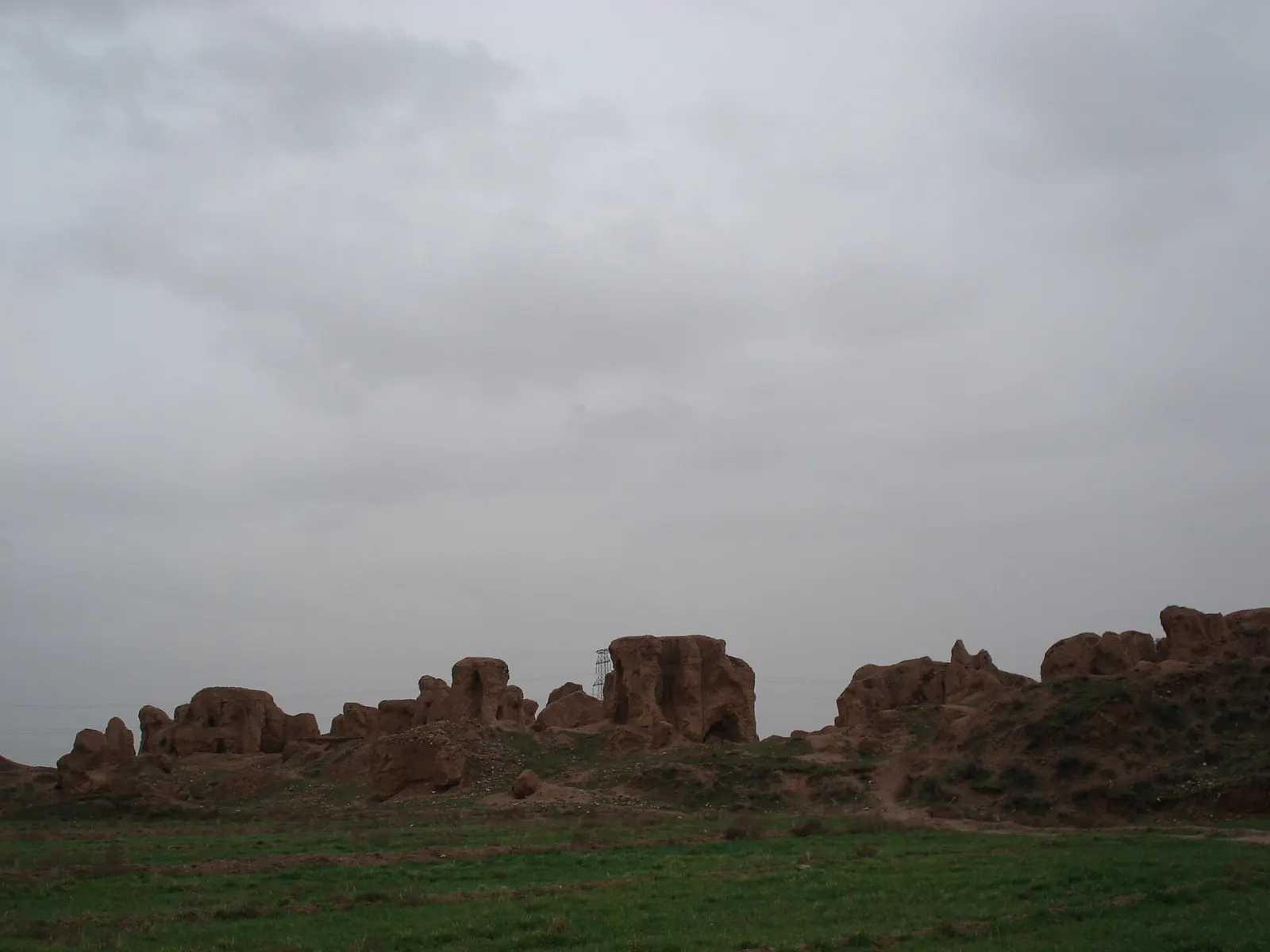
34 objects found here
Each one was found at Nishapur by The Metropolitan Museum of Art's expedition. Today they are in The Metropolitan Museum of Art. Oldest first.
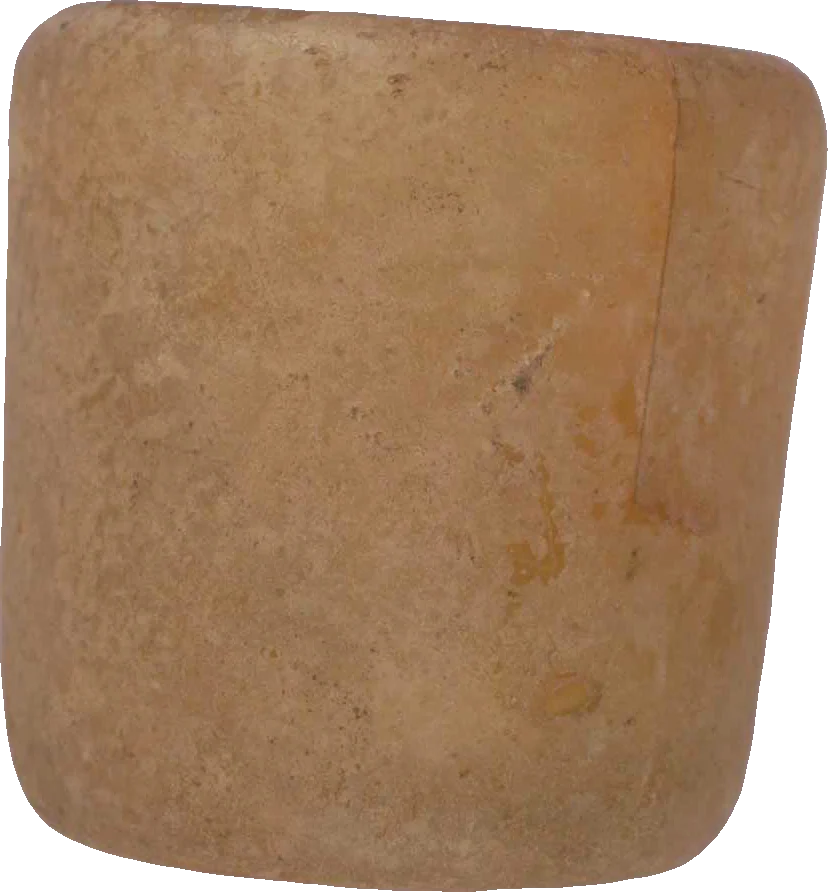 Miniature Tumblerlate 8th–9th century
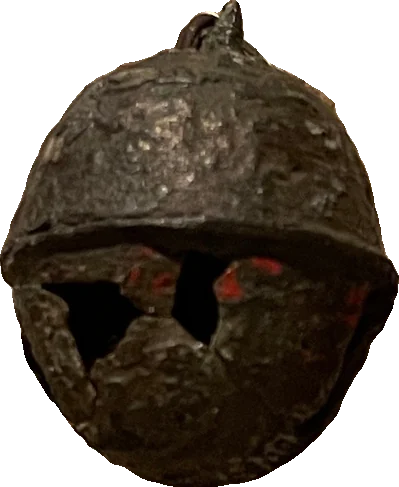 Bell9th–11th century
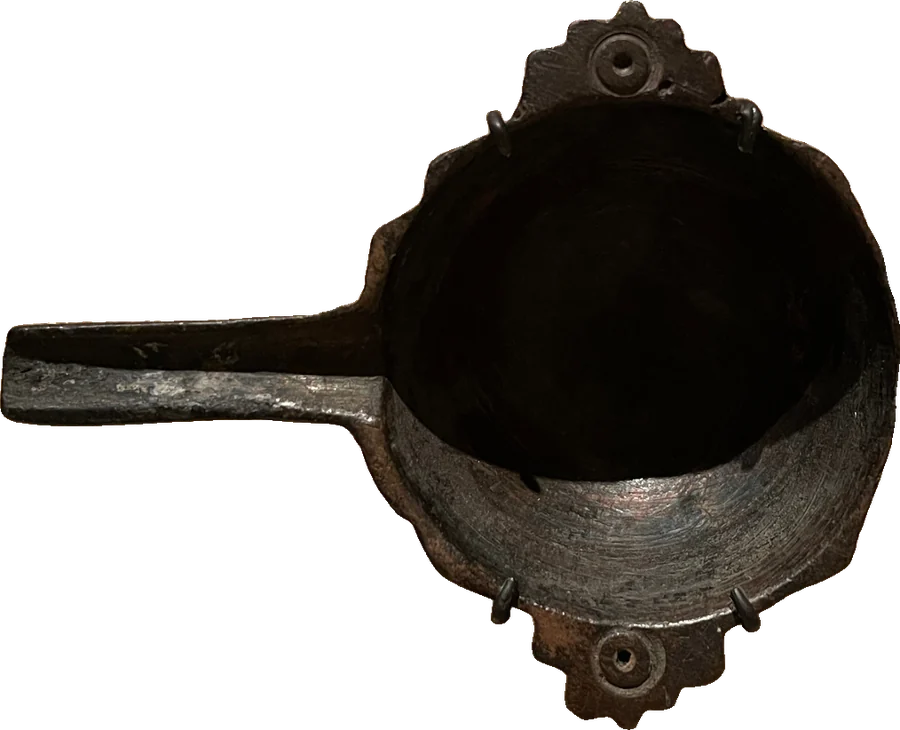 Mortar9th–10th century
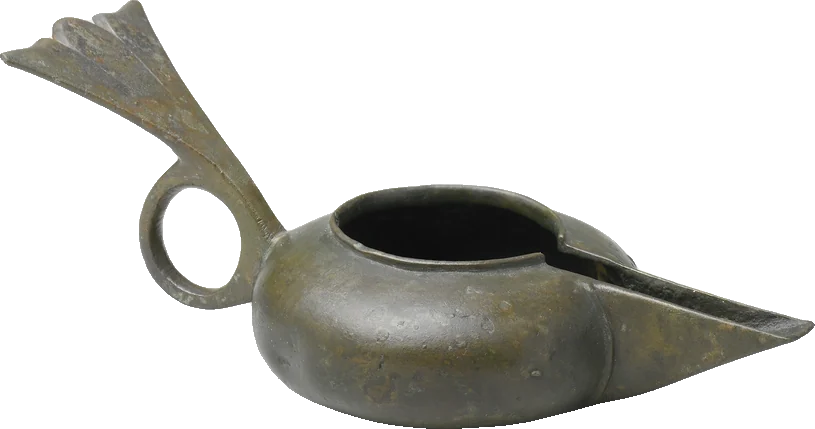 Oil Lamp9th century
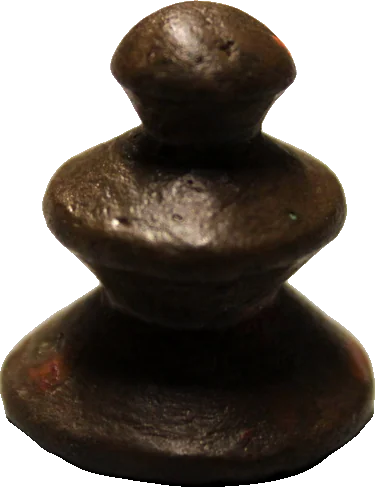 Seal9th–11th century
 Tweezers9th–10th century
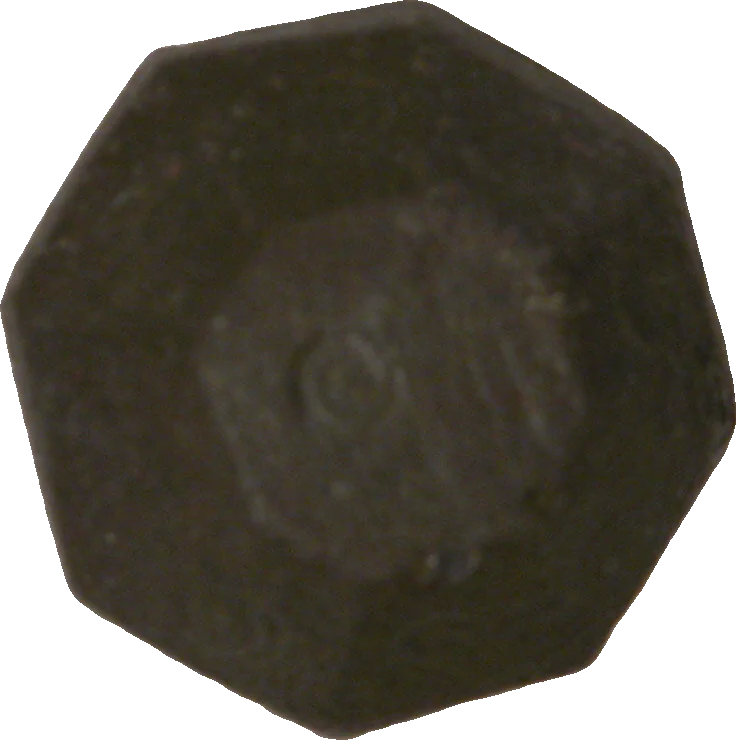 Weight9th–10th century
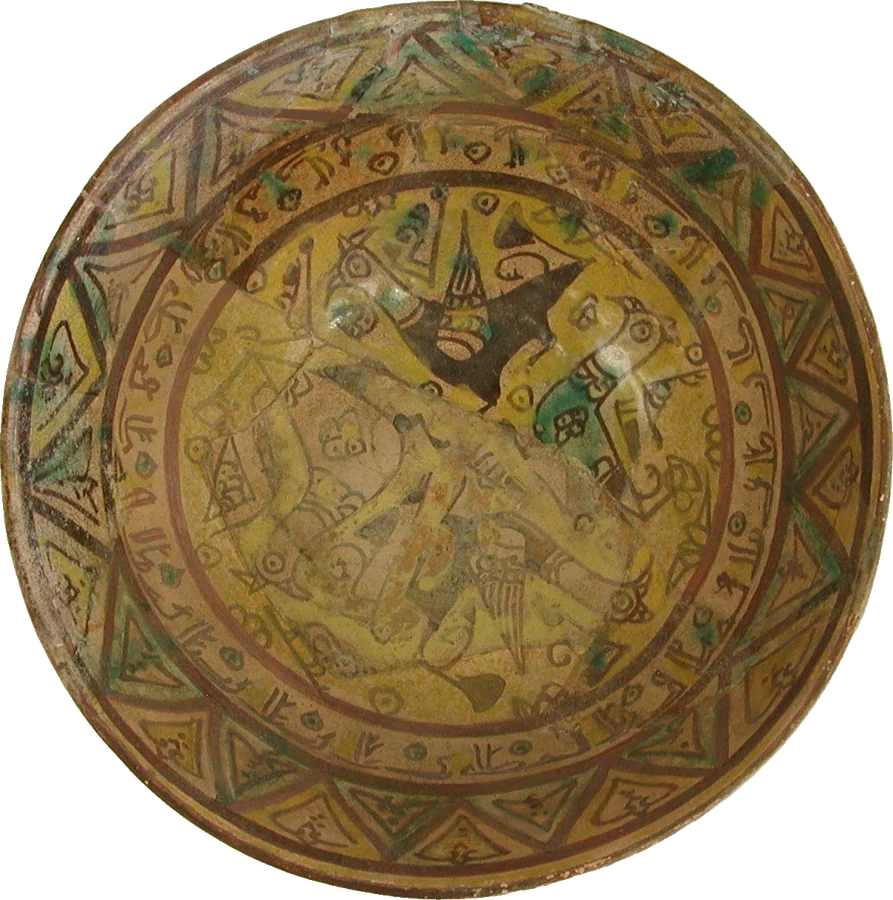 Bowl9th century
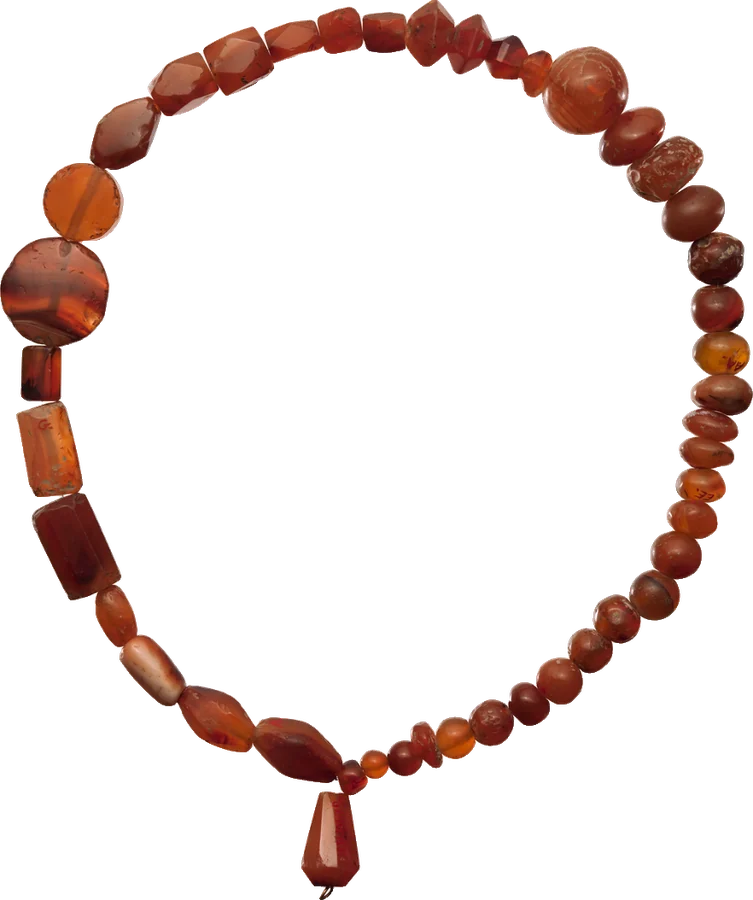 Strand of Beads9th–12th century
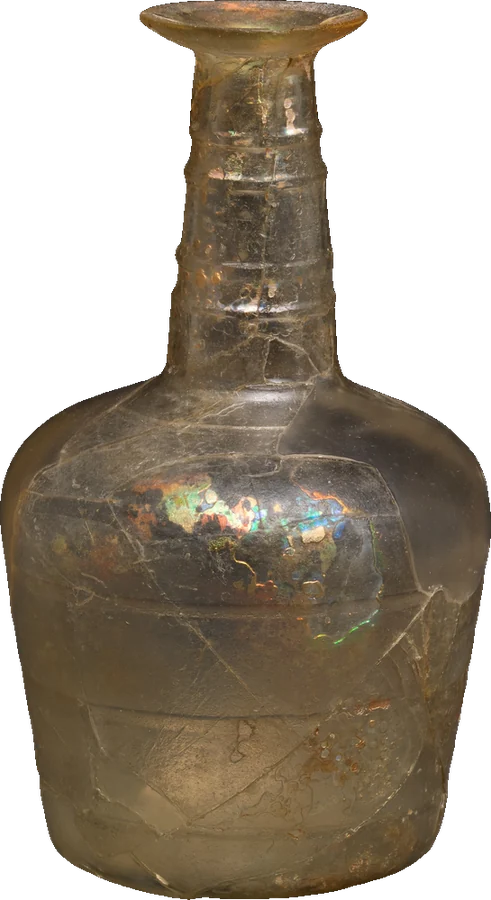 Flask9th century
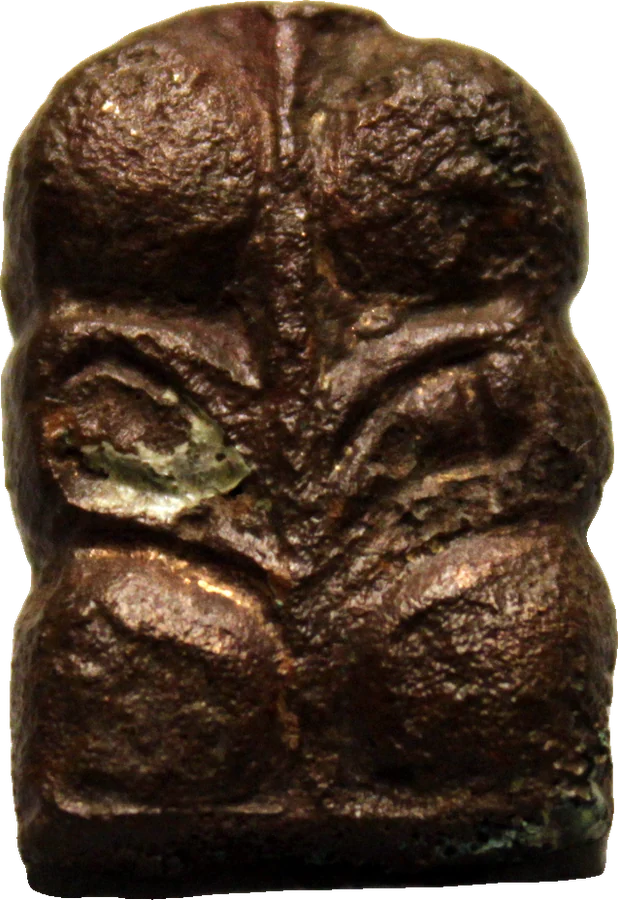 Belt Fitting9th–10th century
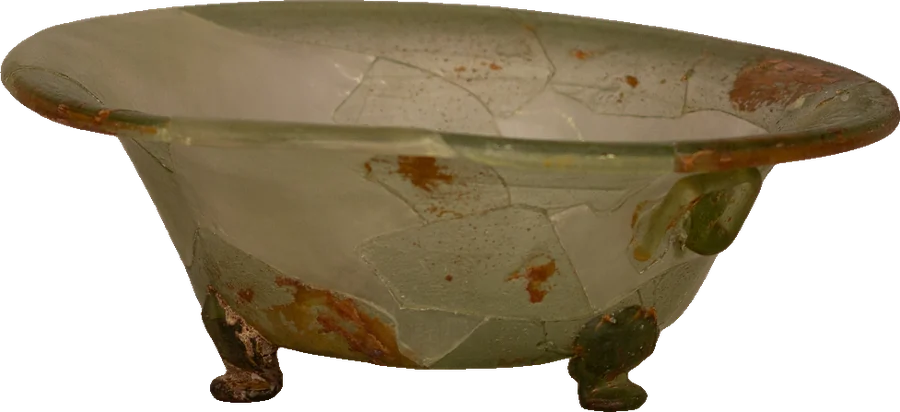 Bowl9th–10th century
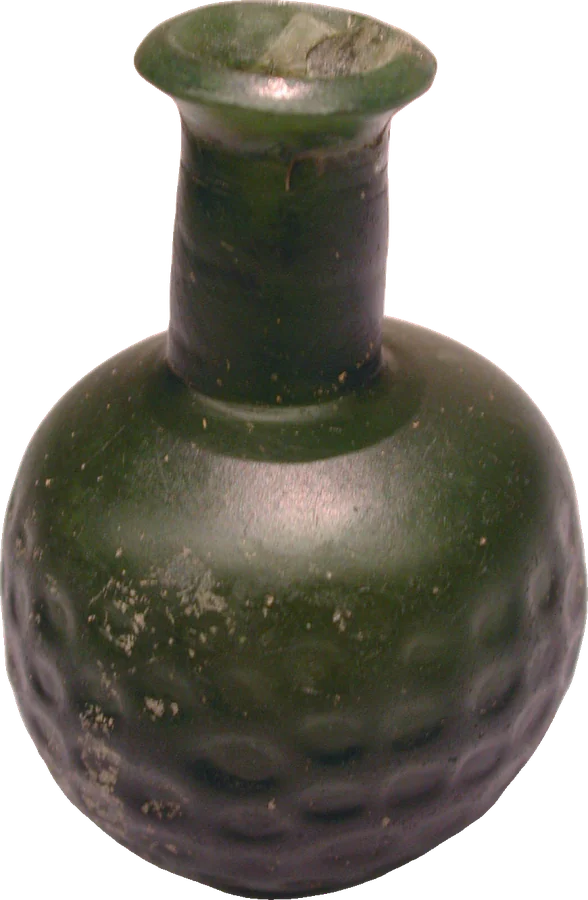 Bottle9th–10th century
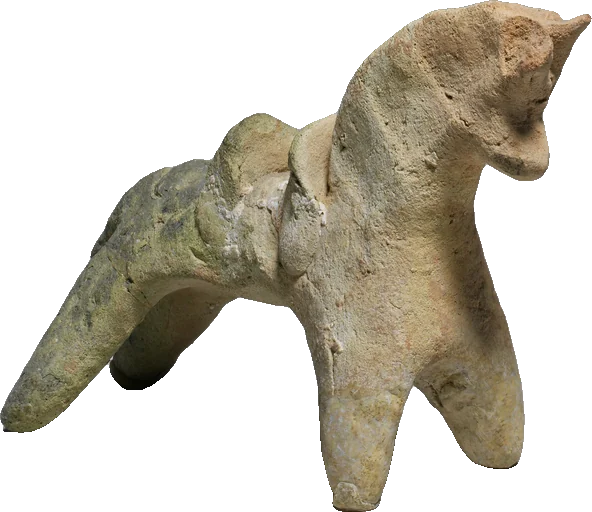 Horse Figurine9th century
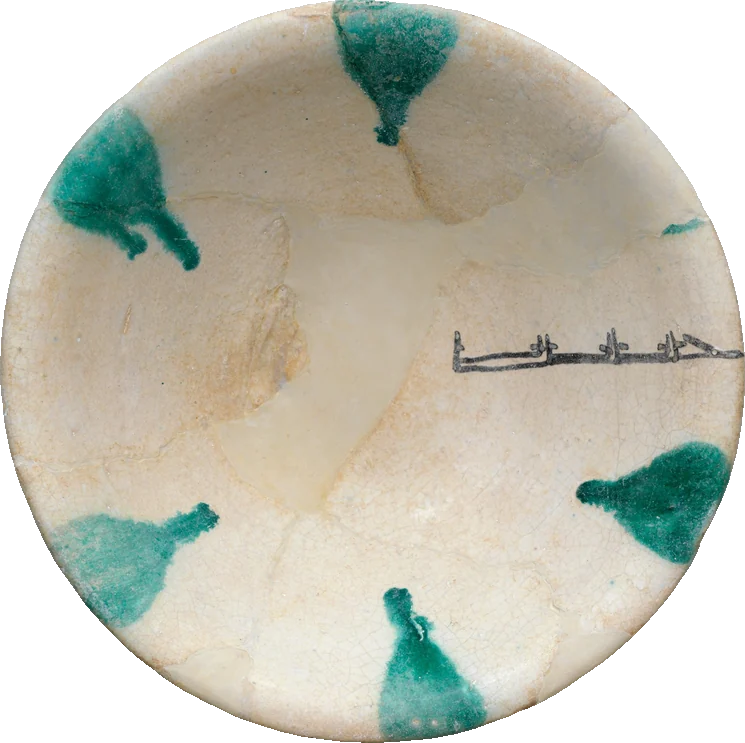 Imitation Green-Splashed Samarra Ware9th–10th century
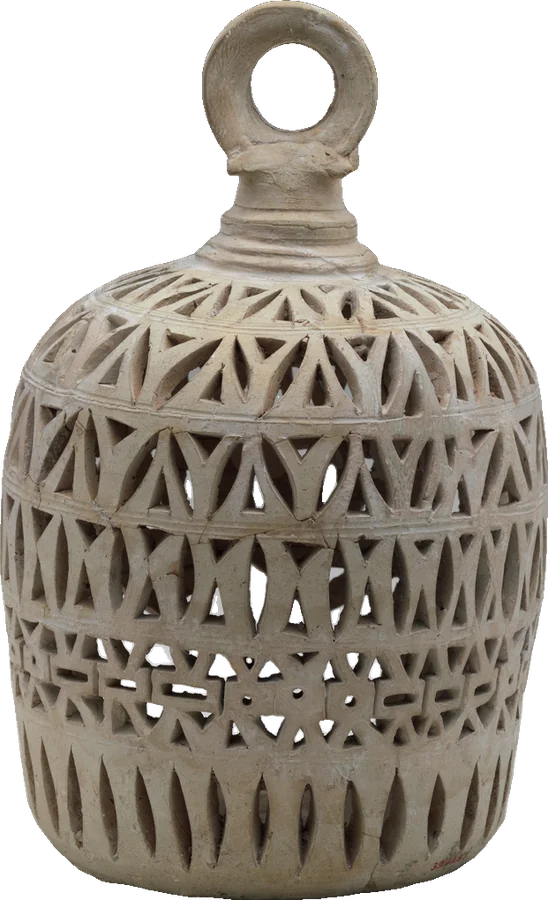 Lantern for a Lamp9th–10th century
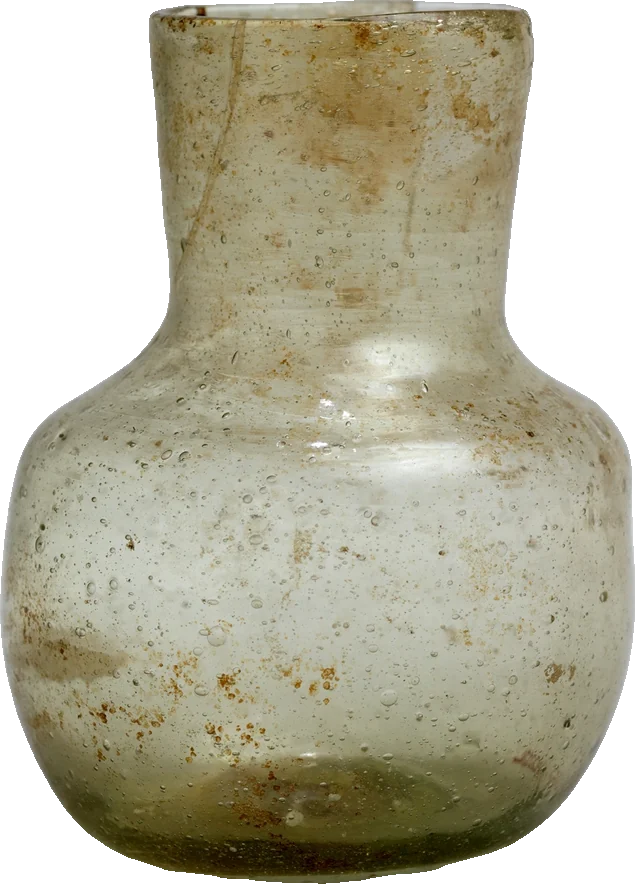 Miniature Glass Bottle9th century
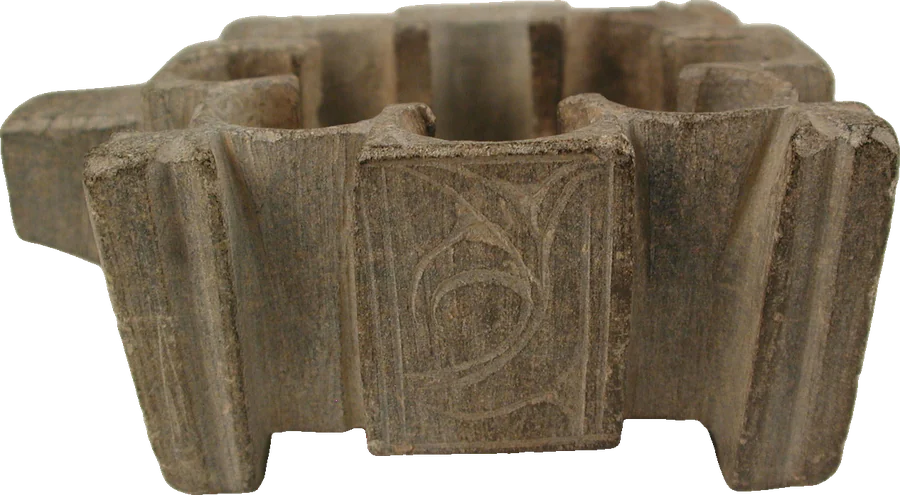 Lamp9th–10th century
 Sword9th century
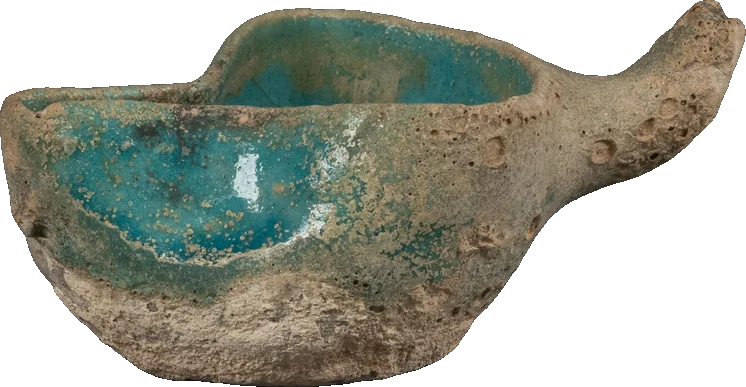 Lamp9th–10th century
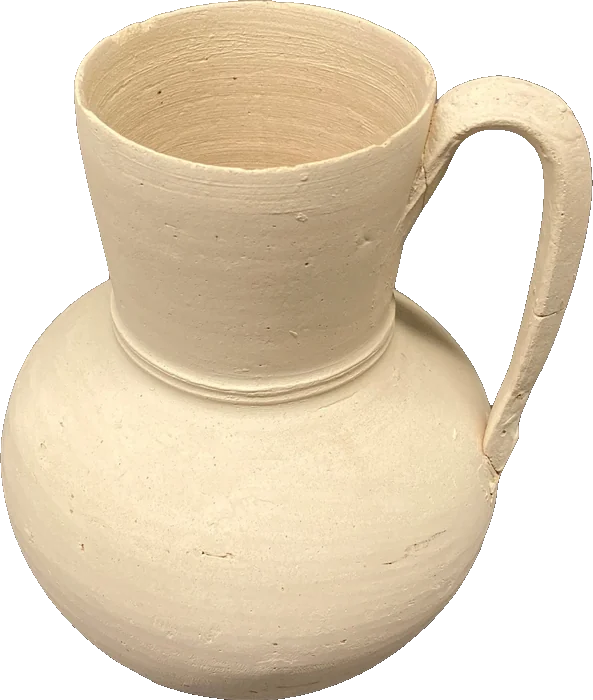 Ewer9th century
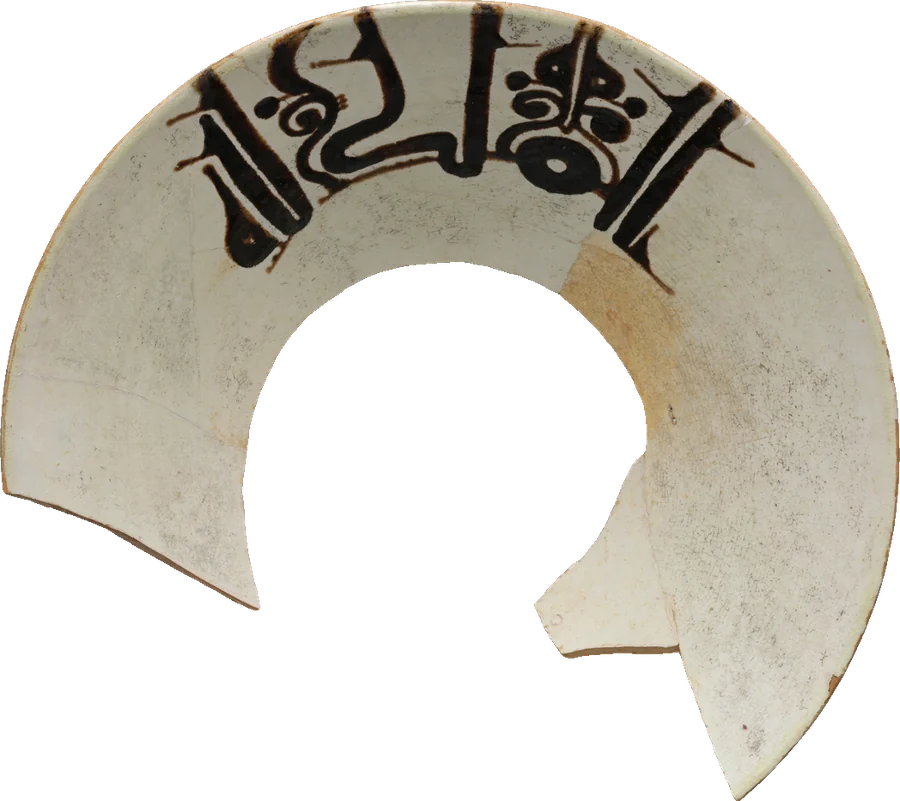 Bowl with Inscription, "Sovereignty is God's"late 9th–early 10th century
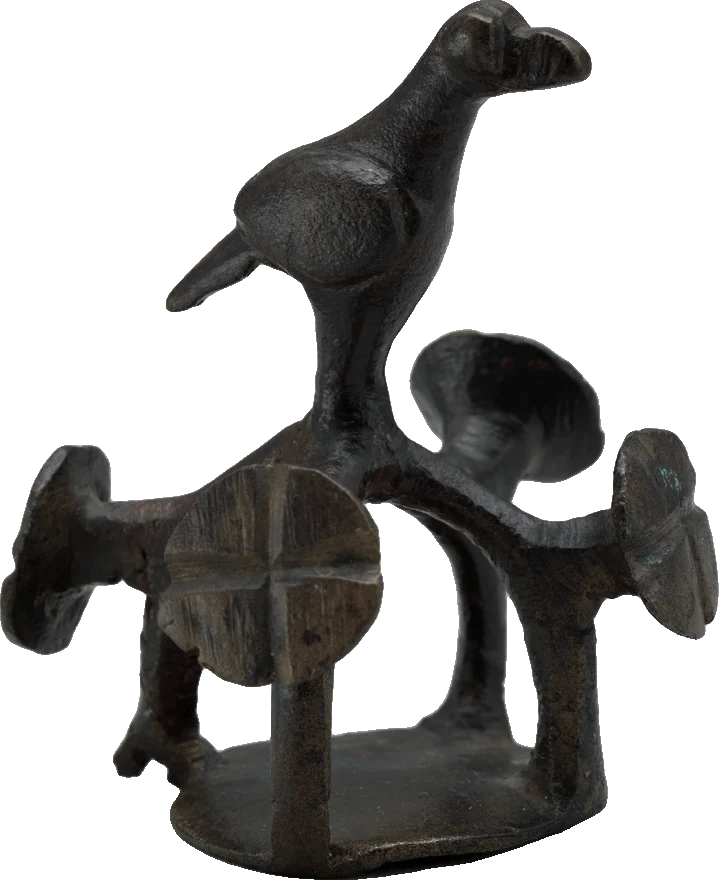 Two Bird Finials and a Bird Pin10th–11th century
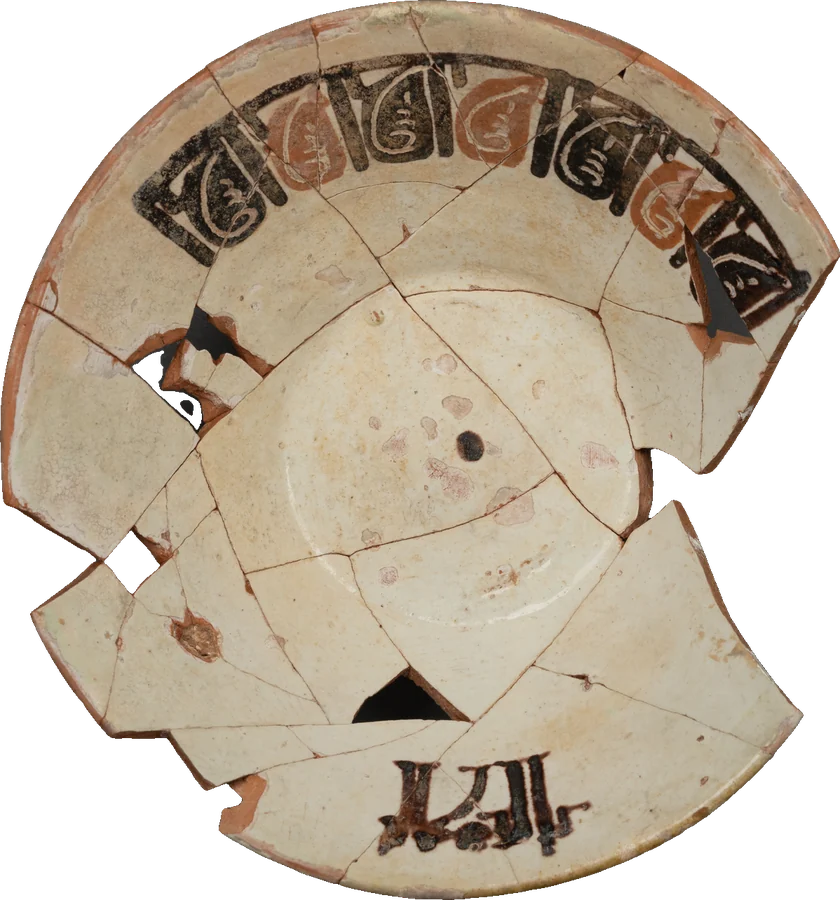 Bowl10th–11th century
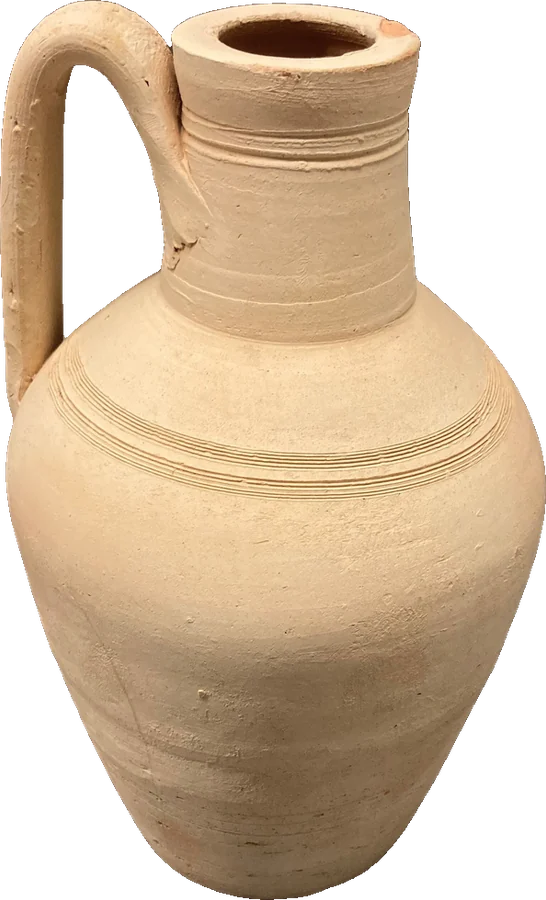 Ewer10th–11th century
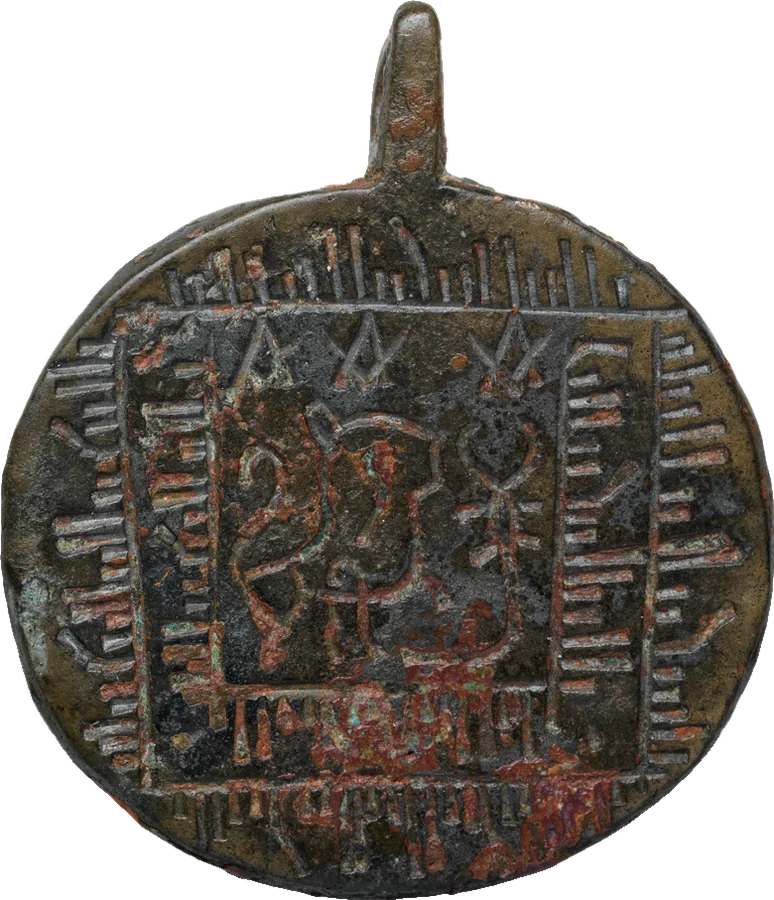 Pendant with Lion and Scorpion10th century
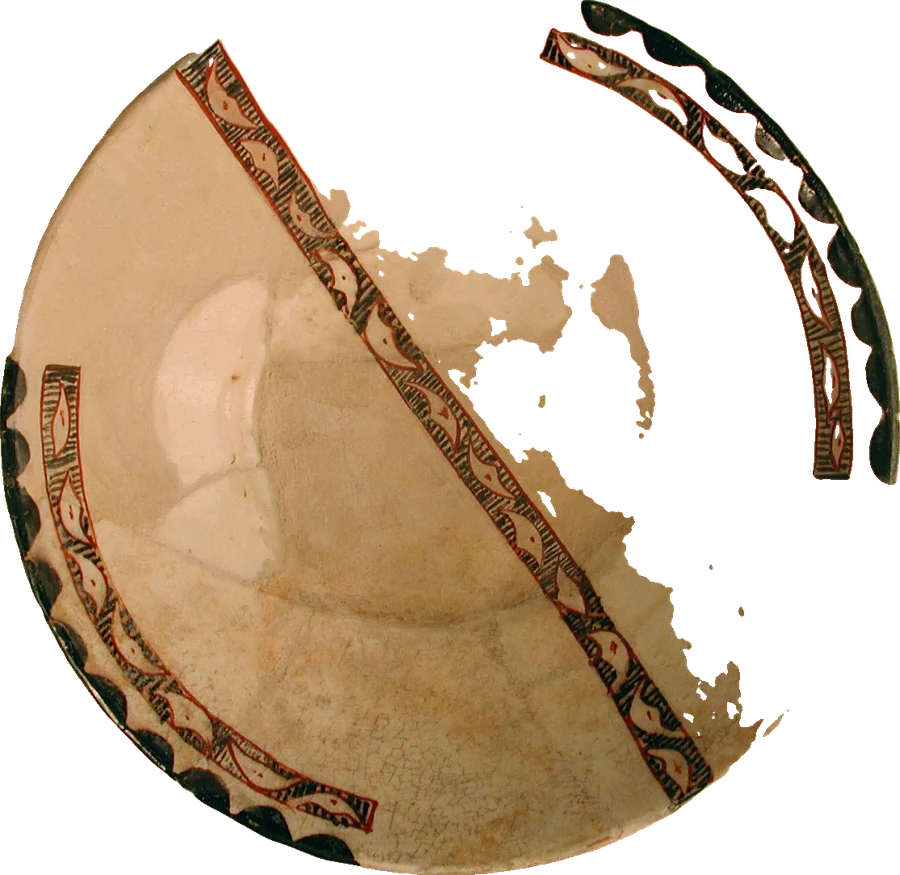 Bowl10th century
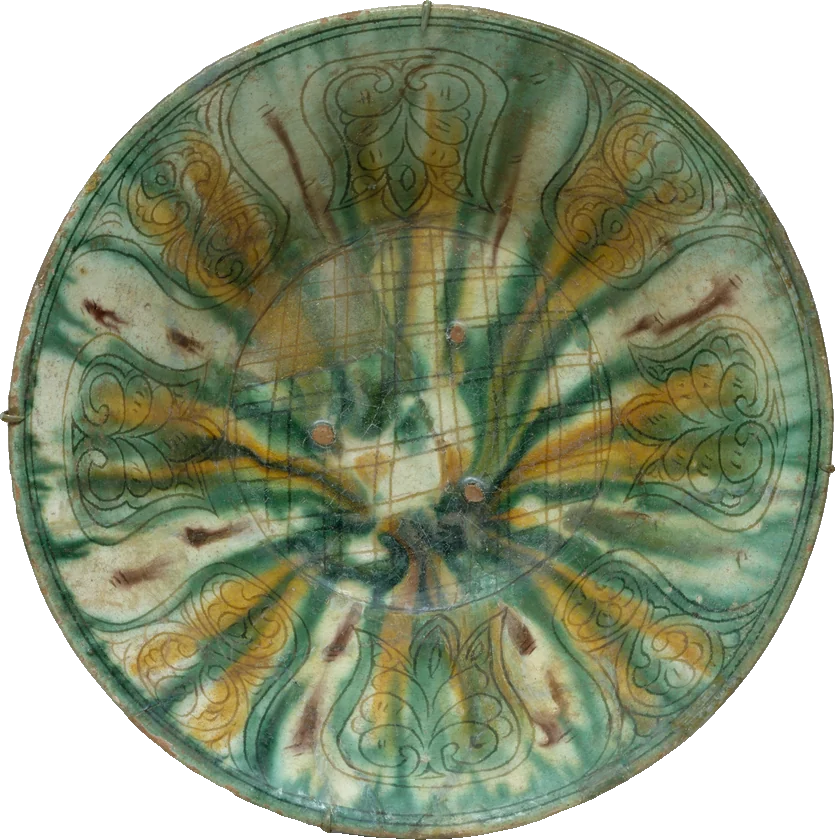 Bowl with Green, Yellow, and Brown Splashed Decoration10th century
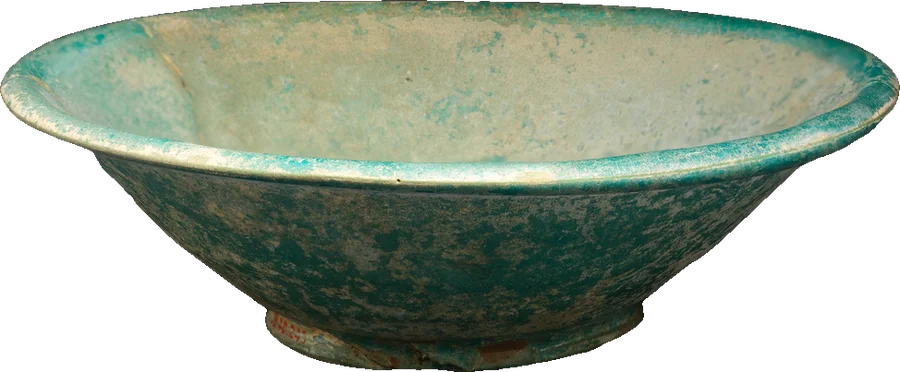 Bowl10th century
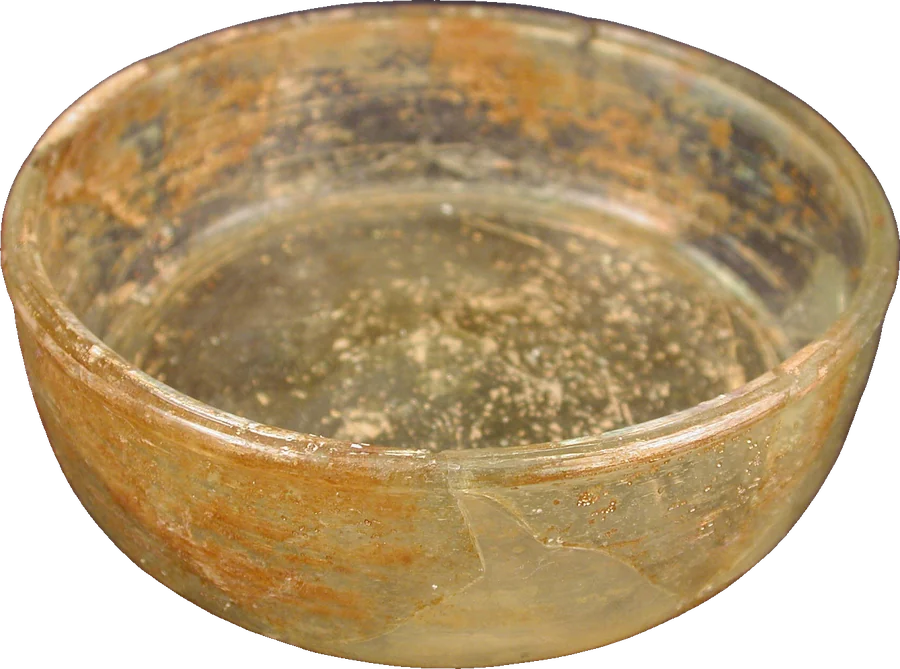 Dishlate 10th century
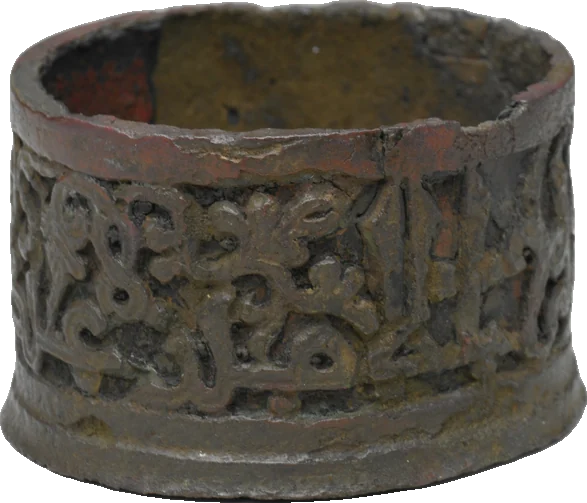 Inkwell with the Name of Amir 'Abdullah ibn al-Hasan Parsprobably 11th century
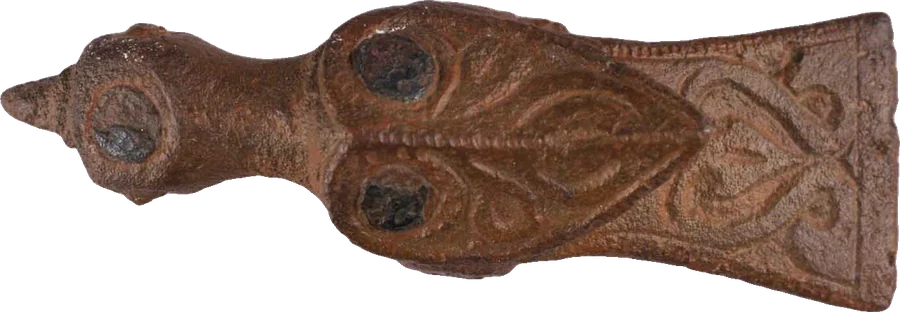 Finial11th–12th century
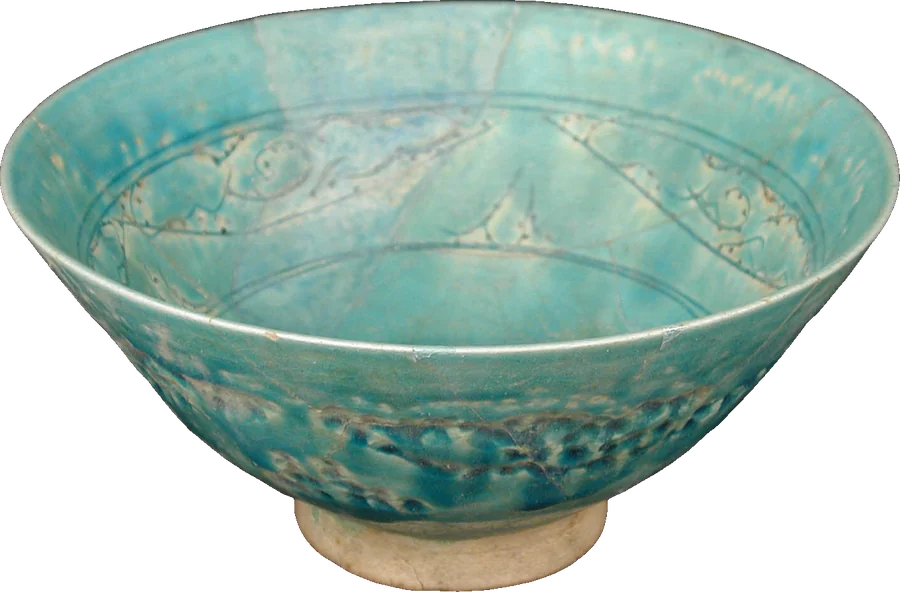 Bowl11th century
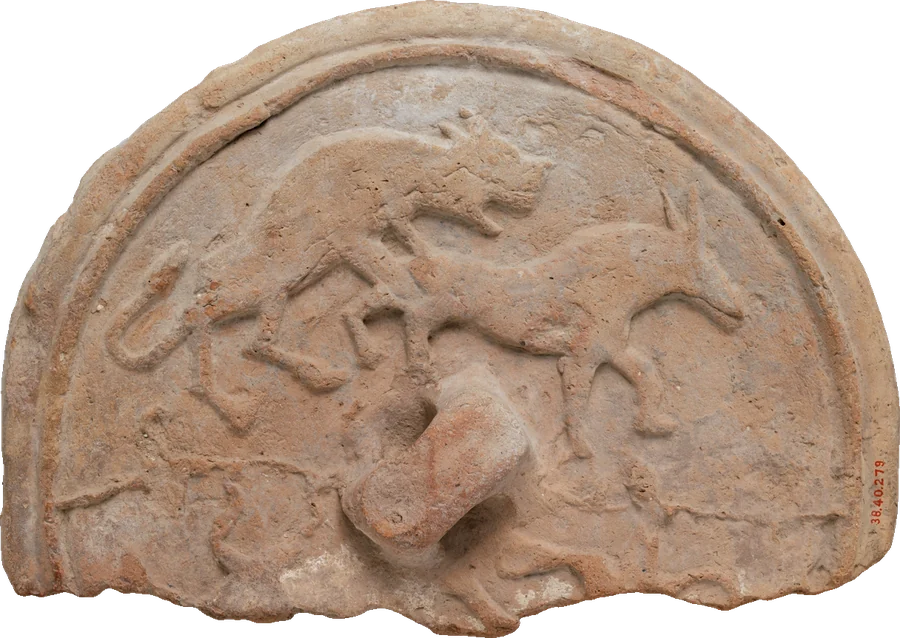 Lid with a Lion attacking a Bull12th century
12 fun facts about Nishapur
- Nishapur was known for an unusual product: edible earth, a clay that people believed could cure illness. metmuseum.org
- Turquoise mines about 30 miles (50 km) northwest of Nishapur have supplied blue-green turquoise for at least two thousand years. en.wikipedia.org
- In one house in the Sabz Pushan neighborhood, carved plaster wall panels were painted bright yellow, red and blue. The colors faded soon after the excavators exposed them to the air. metmuseum.org
- At a mound locals called Tepe Madrasa, the diggers hoped to find one of the city's famous schools. Instead they found houses and a mosque rebuilt several times between the 9th and 12th centuries A.D. metmuseum.org
- Nishapur grew cotton and wove cotton cloth. The cloth has not survived in the ground, but the Met team dug up hundreds of decorated spindle whorls, used to spin thread. metmuseum.org
- Toys, game pieces and beads dug up at Nishapur show how ordinary people spent their days in the medieval city. metmuseum.org
- At its peak, between the 9th and 13th centuries, Nishapur was home to roughly 100,000 to 200,000 people, spread over about 6.5 square miles (17 square kilometers). metmuseum.org
- The finds from Nishapur were split in half between Iran and the Met. Today the Met holds more than four thousand objects from the city. metmuseum.org
- Hundreds of Iranian workers dug alongside the American archaeologists, in areas with names like Village Tepe, Qanat Tepe and Vineyard Tepe. metmuseum.org
- Nishapur pottery, painted in bold patterns with colored liquid clay called slip, was traded across the region and has turned up as far away as Herat and Merv. metmuseum.org
- The poet and astronomer Omar Khayyam was born in Nishapur in A.D. 1048. His measurement of the length of the year became the basis for the Persian calendar still used today. en.wikipedia.org
- Omar Khayyam's tomb in Nishapur is a white marble monument designed by the architect Hooshang Seyhoun and finished in 1963. en.wikipedia.org
In the game these unlock one by one as you dig here.
The name
Nishapur is named after the Sasanian king Shapur I. The name comes from Middle Persian words meaning roughly "the new (or good) city of Shapur." Arabic writers spelled it Naysabur, and in Iran today it is usually written Neyshabur. en.wikipedia.org
Life here
Nishapur was a regional capital on the trade route that ran from China to the Mediterranean. Its people grew cotton and wove cloth, mined turquoise, and made glass, stone vessels and bold, colorful pottery. Families lived in houses of three or four rooms joined by small alleys, while big public buildings were faced with patterned brick, carved terracotta or bright blue glazed tiles. metmuseum.org
Who dug here
The Met team of Joseph Upton, Walter Hauser and Charles Wilkinson dug under an agreement that half of the finds would go to the Iran Bastan Museum in Tehran. Much of the land was farmed, so they dug where locals had already found things or where they could get permission. The richest areas were the Sabz Pushan neighborhood and Tepe Madrasa, where a building held a unique set of wall paintings. metmuseum.org
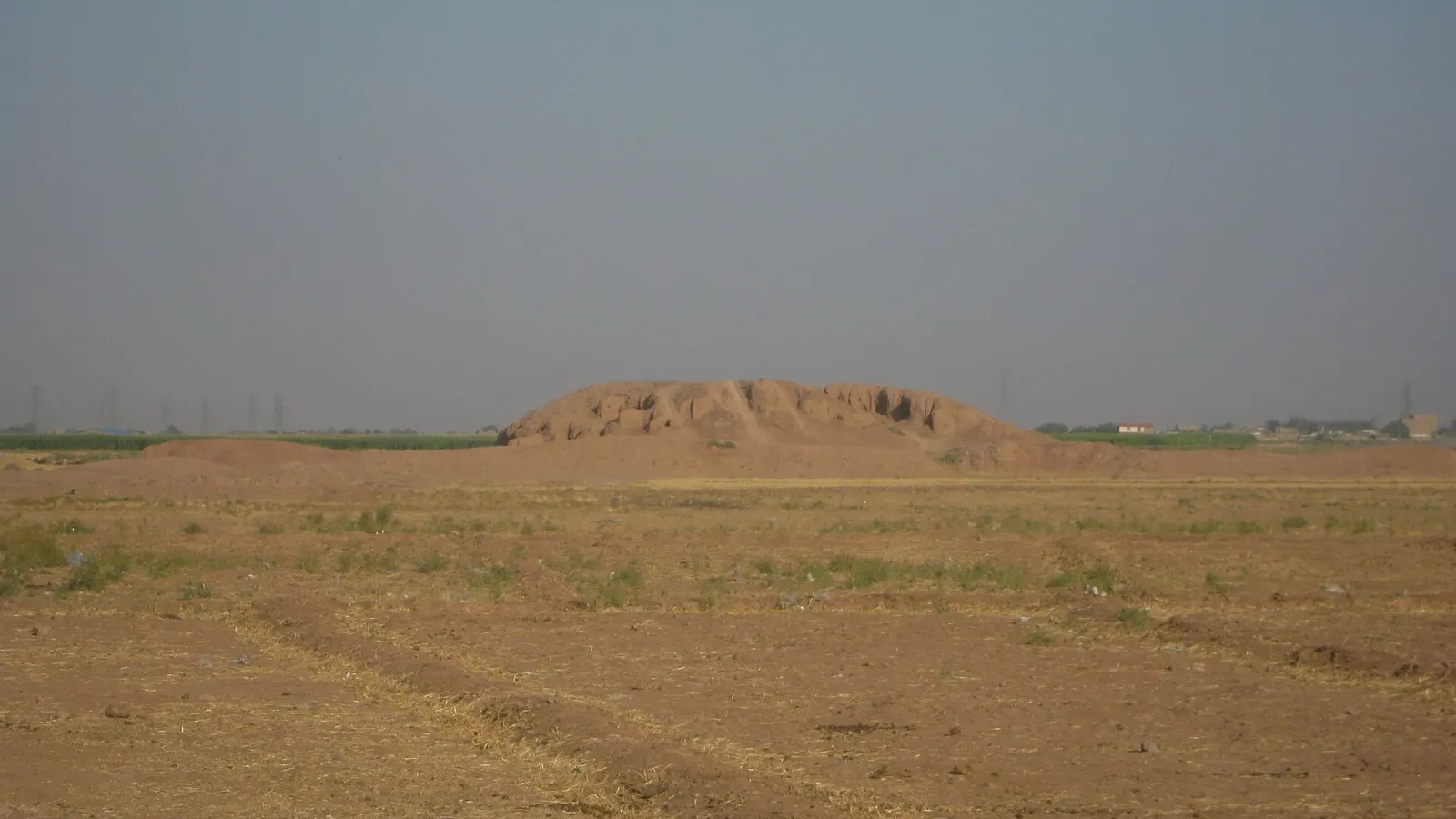
Nishapur today
Today the medieval city is a vast archaeological area, and the much smaller modern city of Nishapur lies just to its north. After the 13th century, nearby Mashhad, a major pilgrimage site, grew into the big, prosperous city of the region. metmuseum.org
A record
The British statesman George Curzon remarked that Nishapur had been destroyed and rebuilt more times than any other city in history. No one has shown that this is literally true, but unlike its neighbor Merv, Nishapur recovered each time and is still a living city. en.wikipedia.org
Nishapur today and in the past
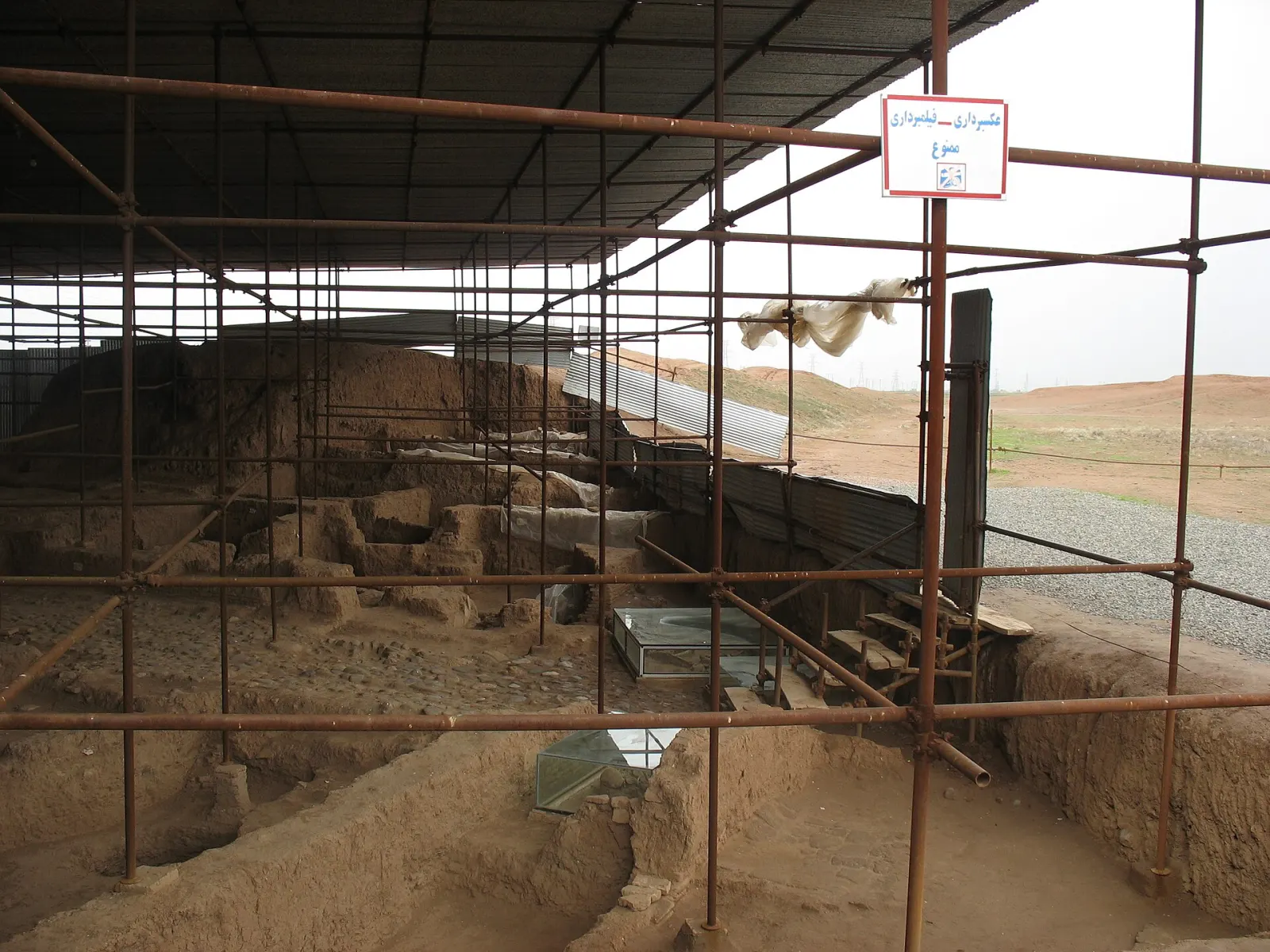
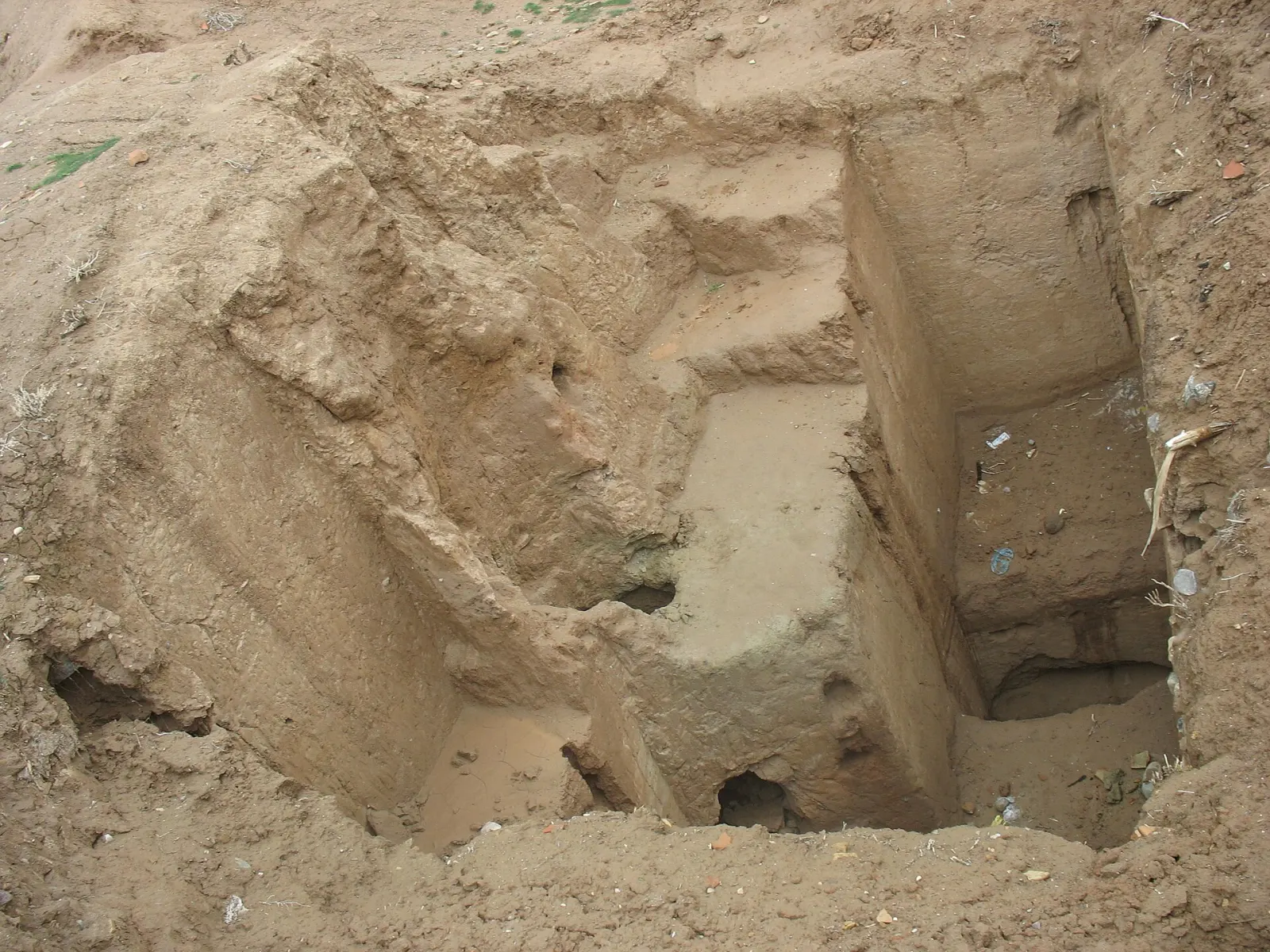
Dig at Nishapur yourself: open a trench, brush the soil away layer by layer and find these objects in the game.
Dig at Nishapur