
Rhine Frontier · Netherlands
Valkenburg
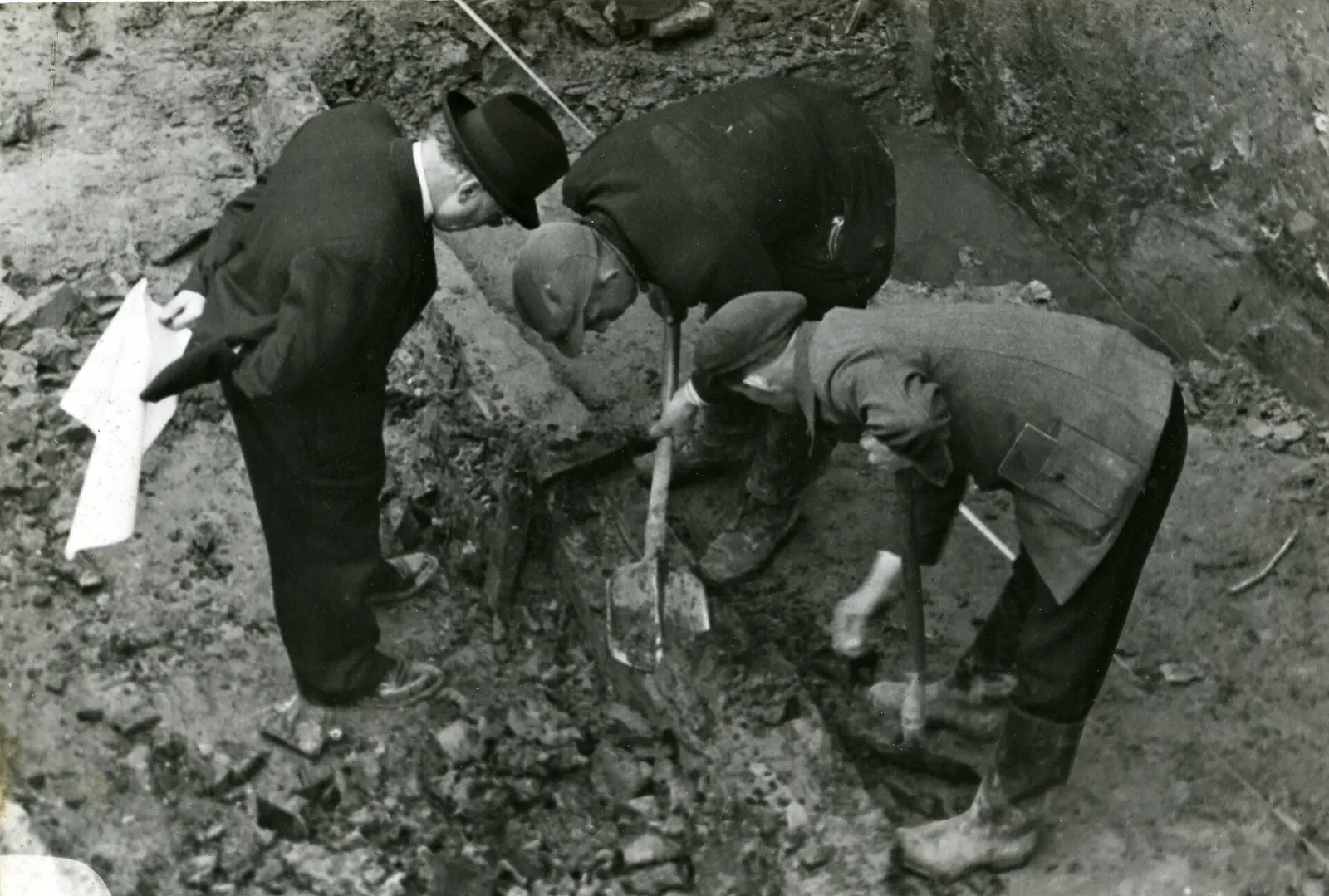
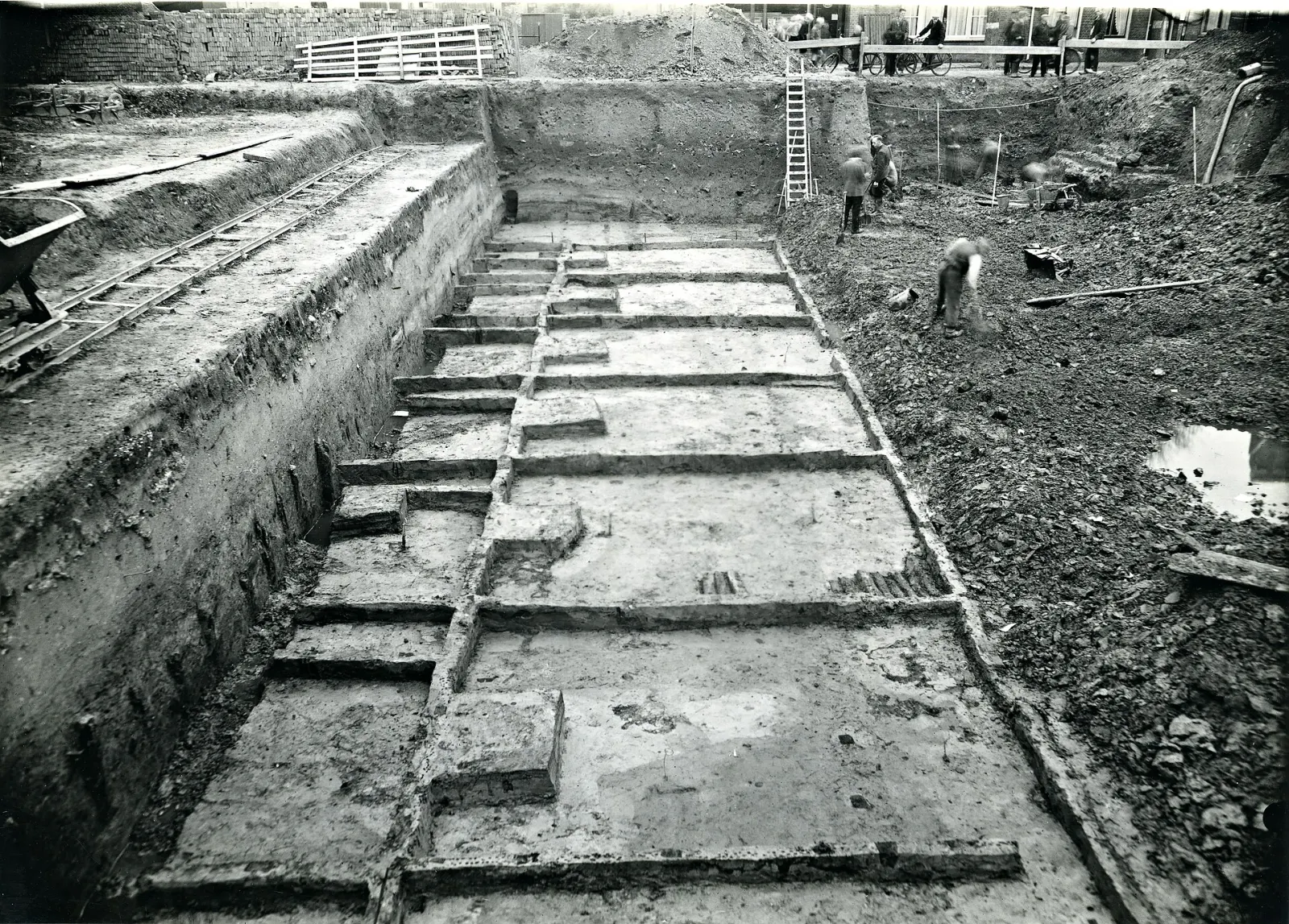
Valkenburg, near Leiden, stands on the Roman fort of Praetorium Agrippinae, on the Old Rhine, then the main branch of the river. The fort was probably built around 40 CE, when Emperor Caligula was in the area: a wine barrel from his own vineyards was found here. Local tribes razed it in the Batavian revolt of 69 CE; it was rebuilt, enlarged in stone around 180 CE and abandoned around 275 CE. Albert Egges van Giffen led the main excavations from 1941 to 1953. Below the groundwater the soil kept wood, leather and rope. Source
Main excavations 1941 to 1953, led by Albert Egges van Giffen. These finds are in the Rijksmuseum van Oudheden in Leiden.
22 objects found here
Each one was found at Valkenburg, as the museum record says. Today they are in Rijksmuseum van Oudheden (National Museum of Antiquities). Oldest first.
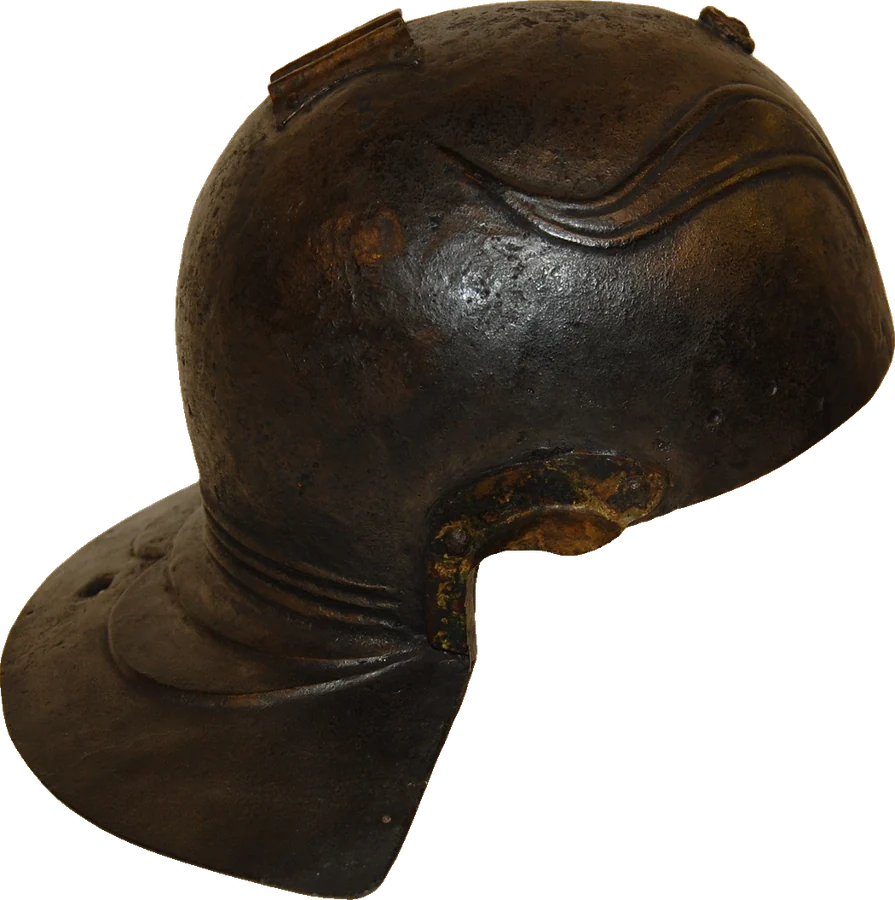 Iron helmetca. A.D. 25
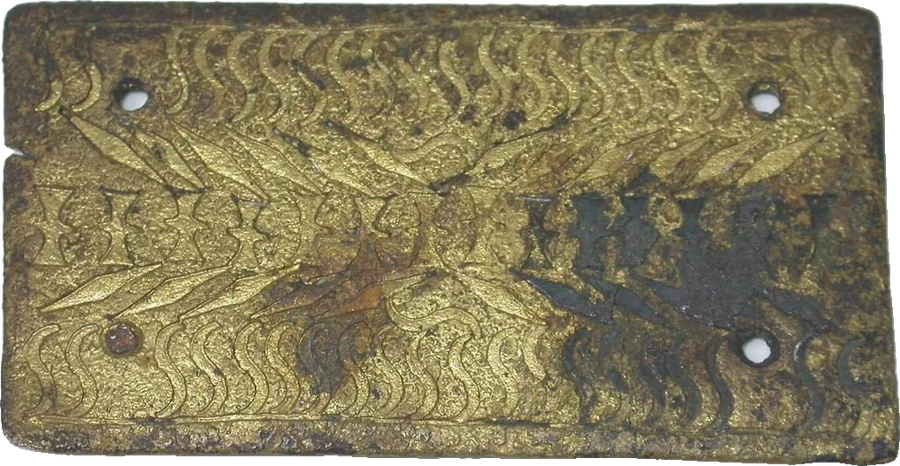 Bronze cingulum plateA.D. 40–250
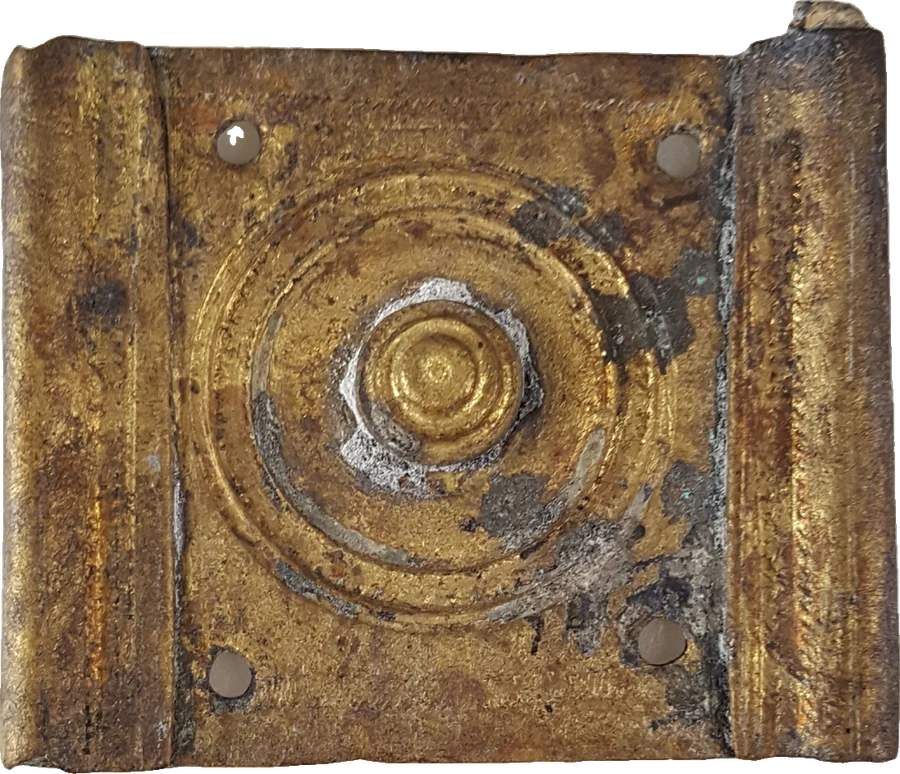 Bronze plate from a soldier's beltA.D. 40–250
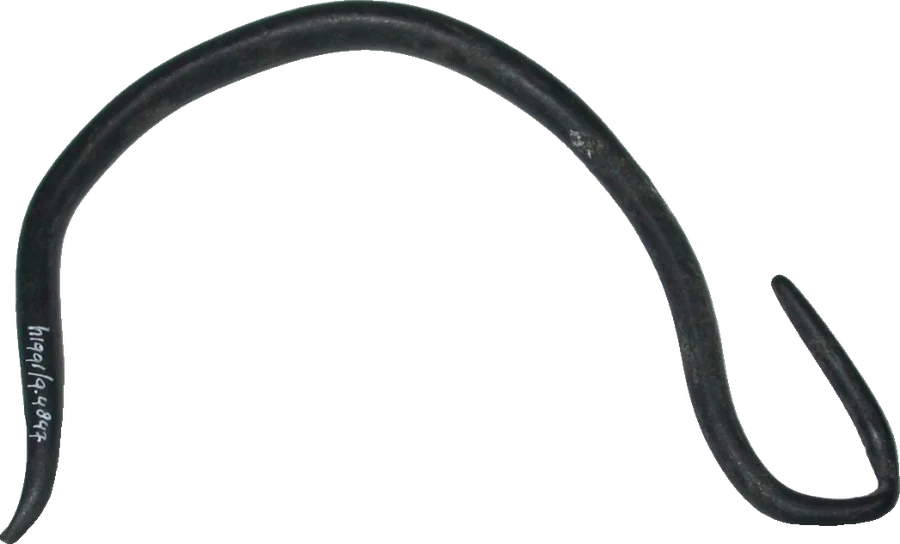 Bronze handle, broken at one endA.D. 40–250
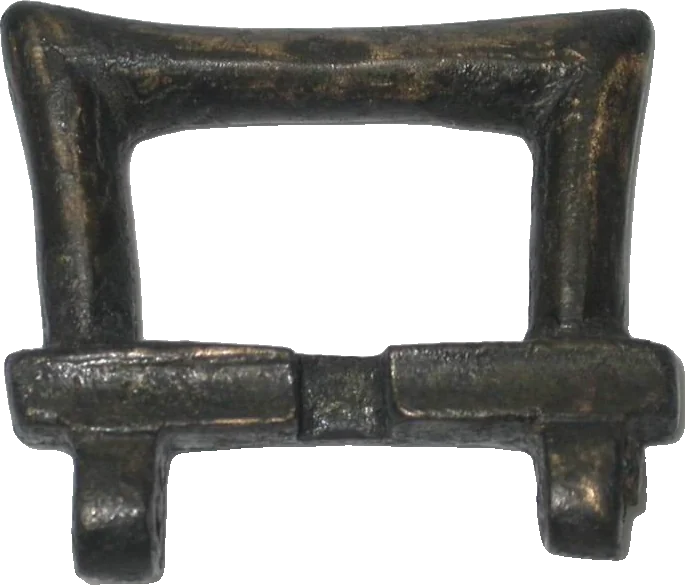 Part of a bronze buckleA.D. 40–250
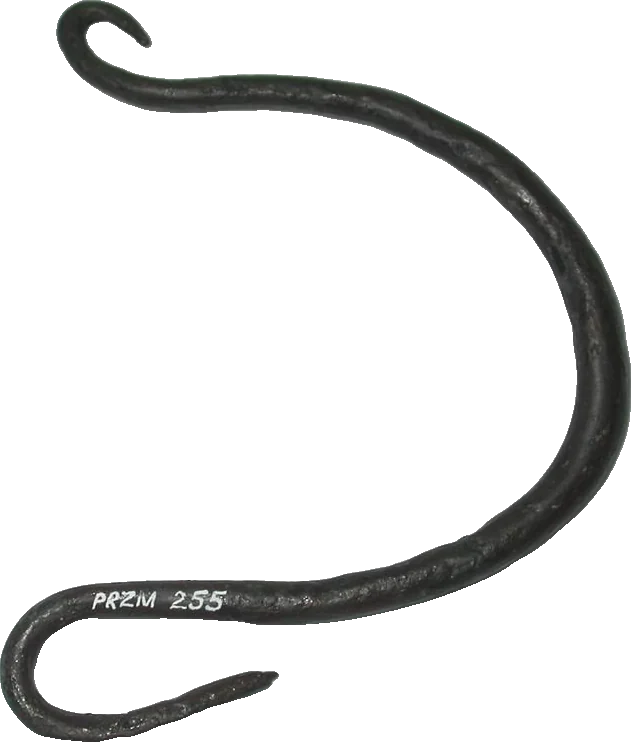 Bronze handleA.D. 40–250
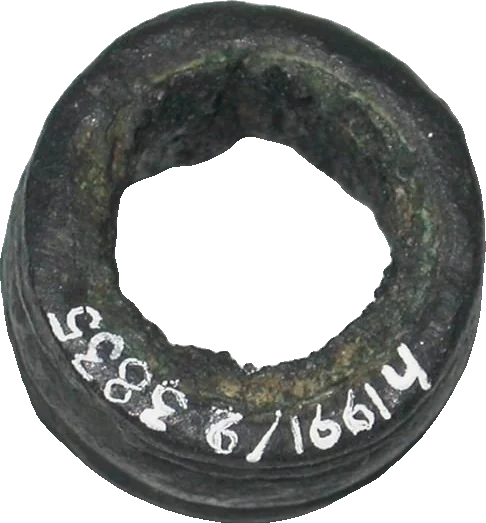 Bronze ringA.D. 40–250
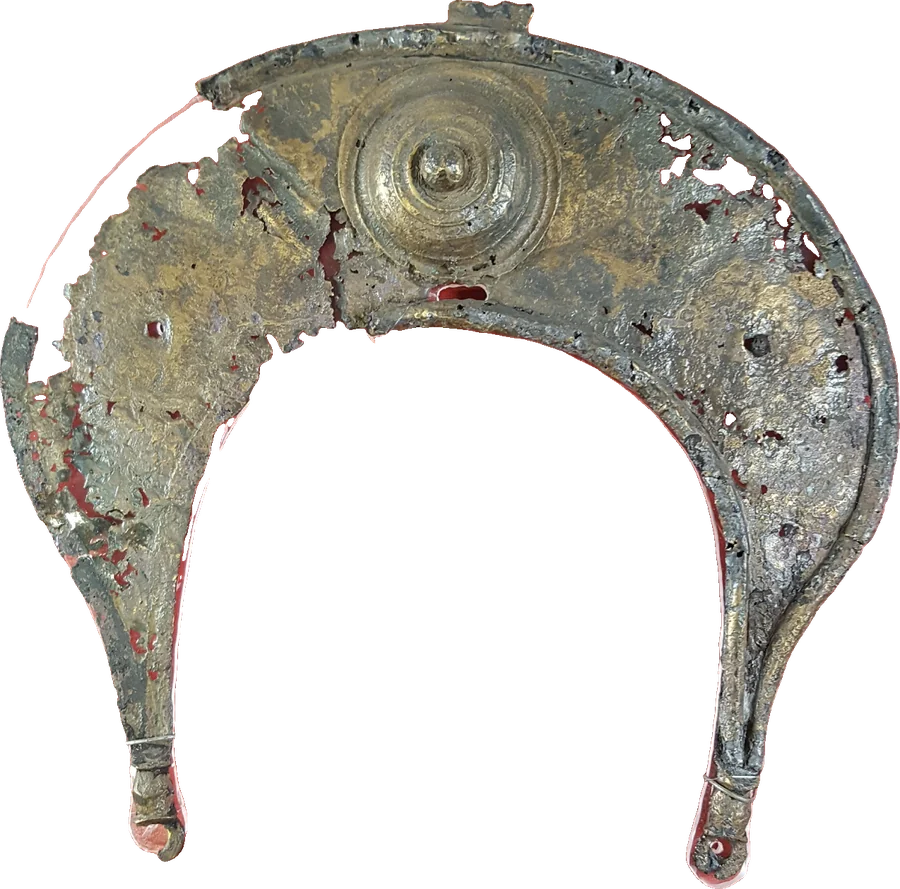 Crescent-shaped bronze amulet (lunula)A.D. 40–250
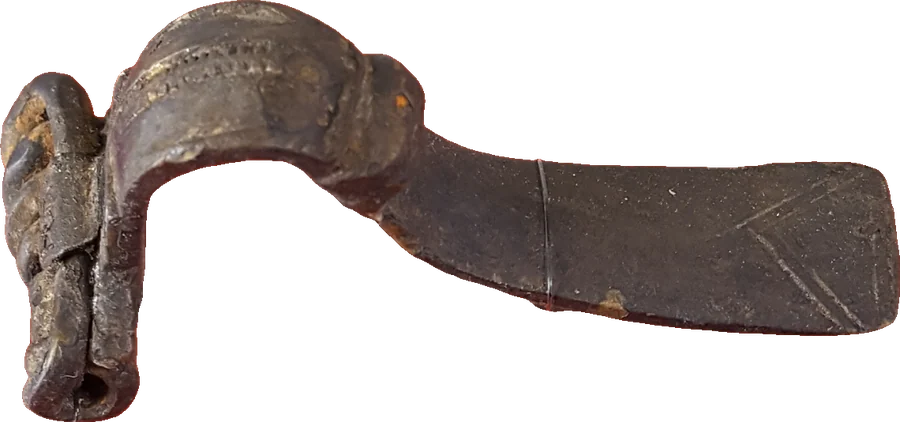 Bronze "eye" broochA.D. 40–250
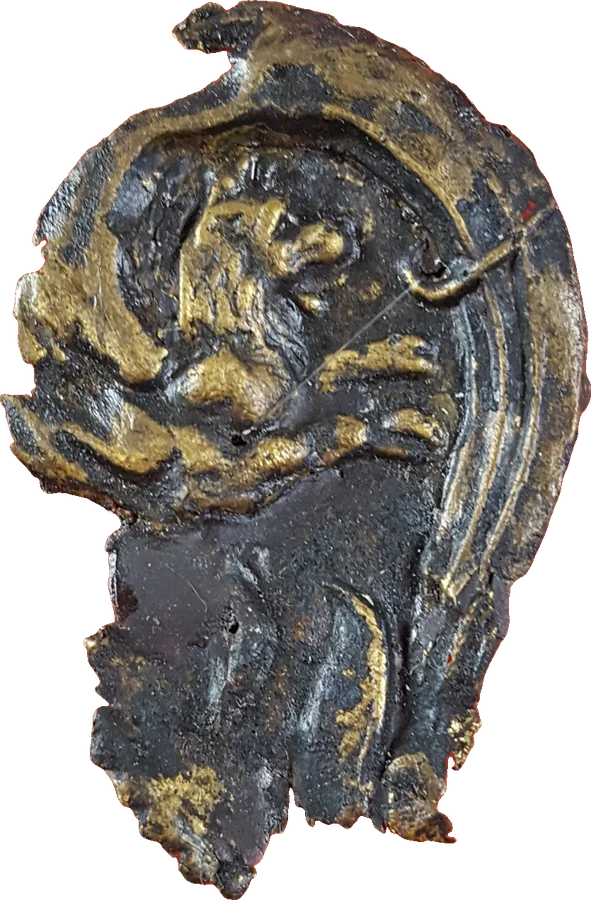 Bronze mount with a griffinA.D. 40–250
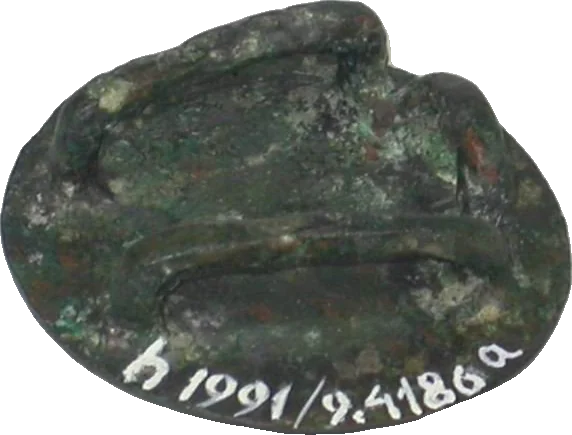 Round bronze harness mountA.D. 40–250
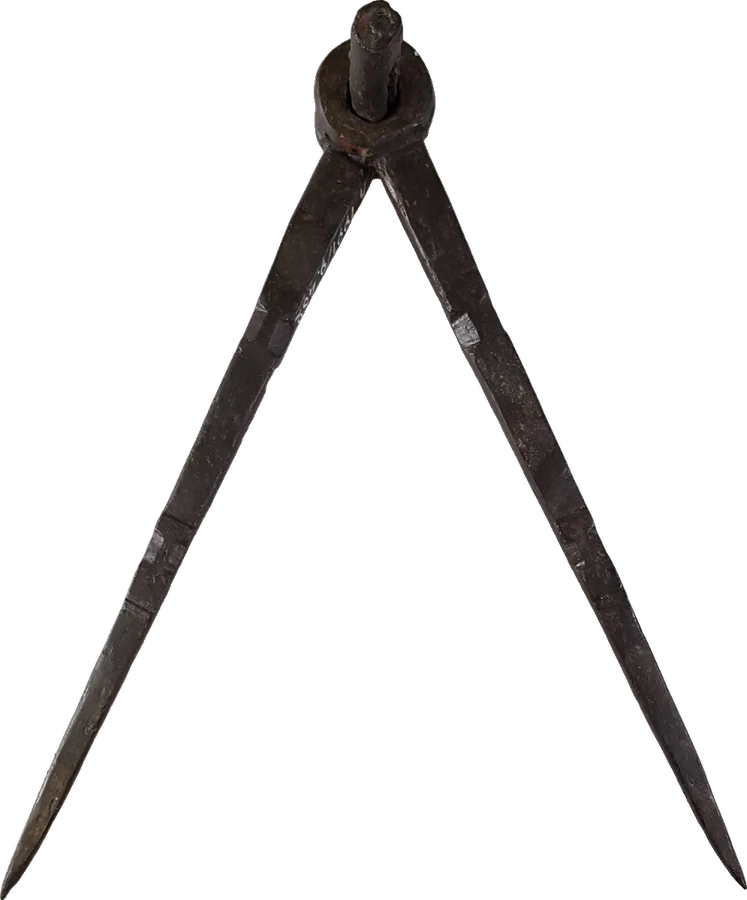 Iron dividersA.D. 40–250
 Iron knifeA.D. 40–250
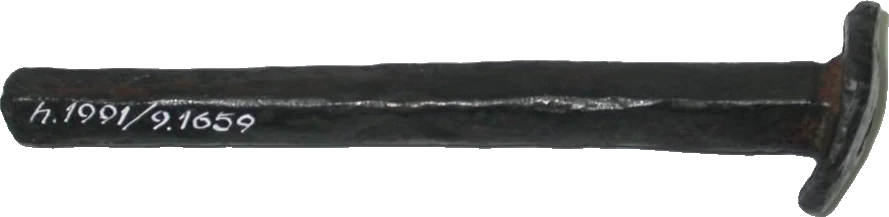 Iron nailA.D. 40–250
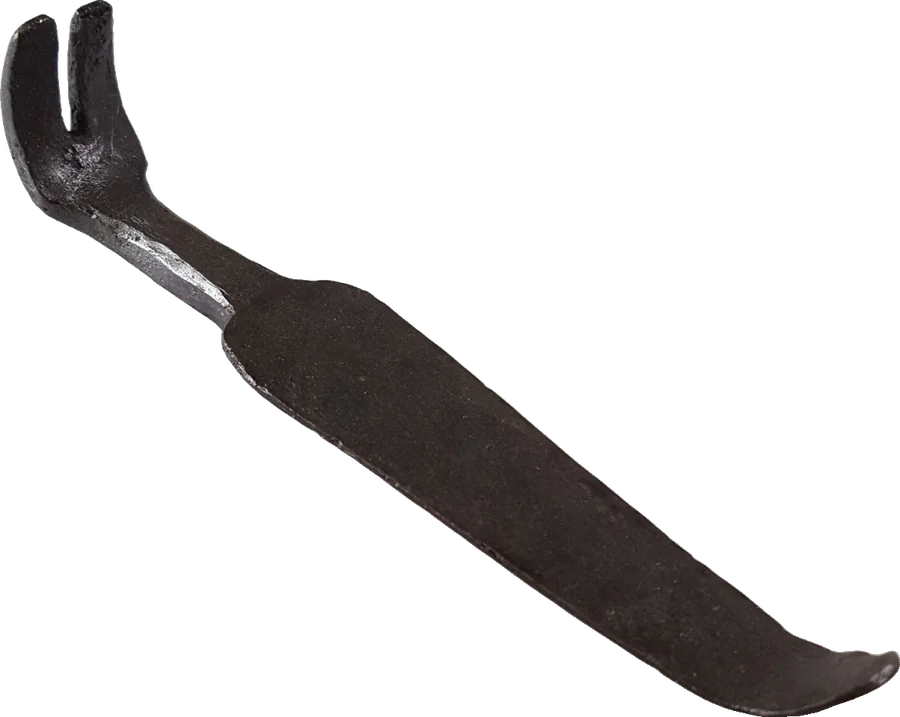 Small iron tool with two prongsA.D. 40–250
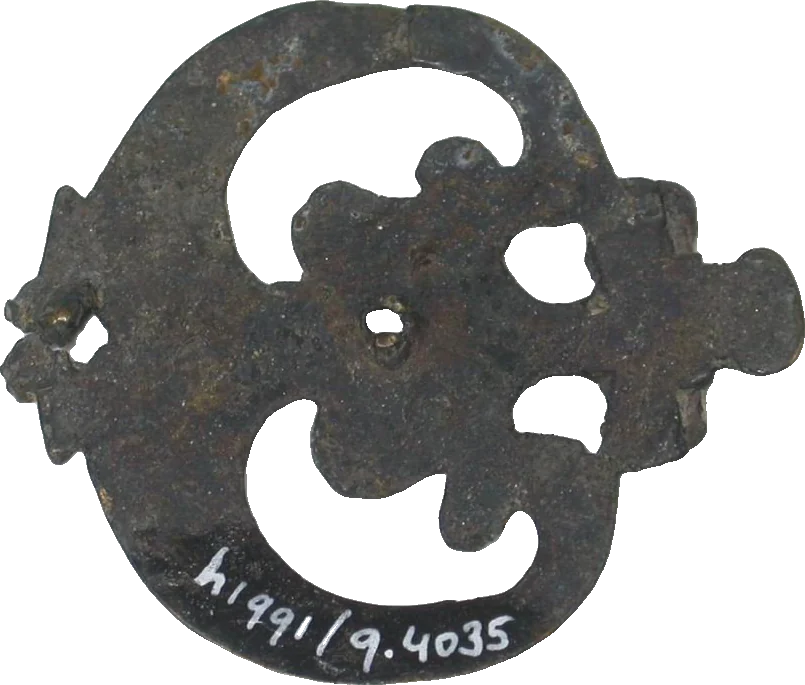 Openwork bronze buckleA.D. 40–250
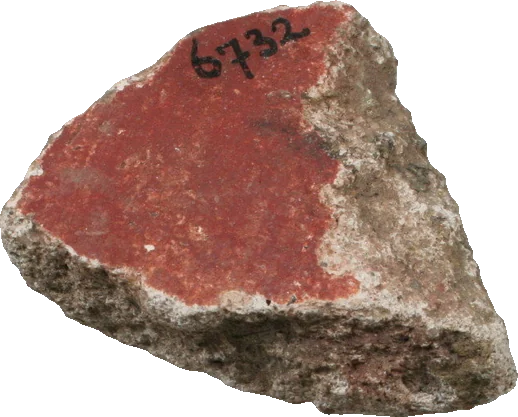 Piece of wall painting with red paintA.D. 40–250
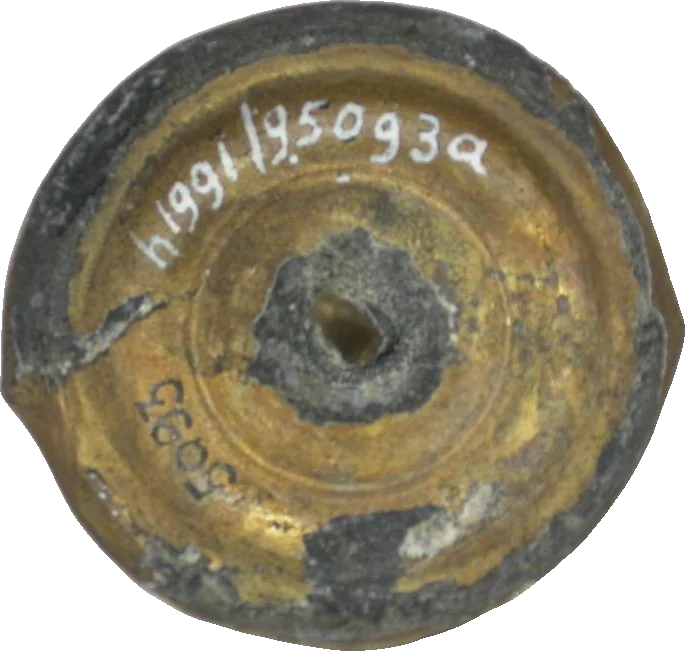 Round bronze knobA.D. 40–250
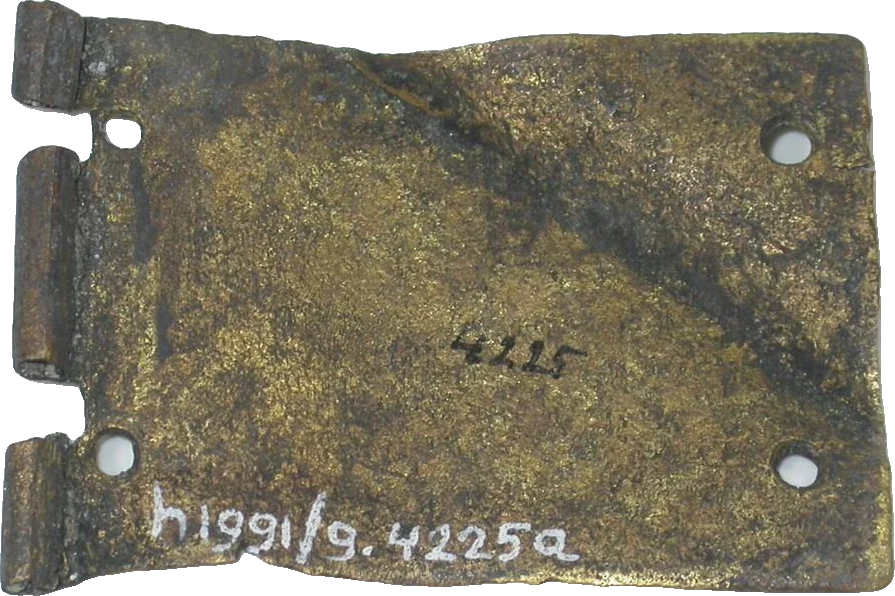 Small bronze belt plateA.D. 40–250
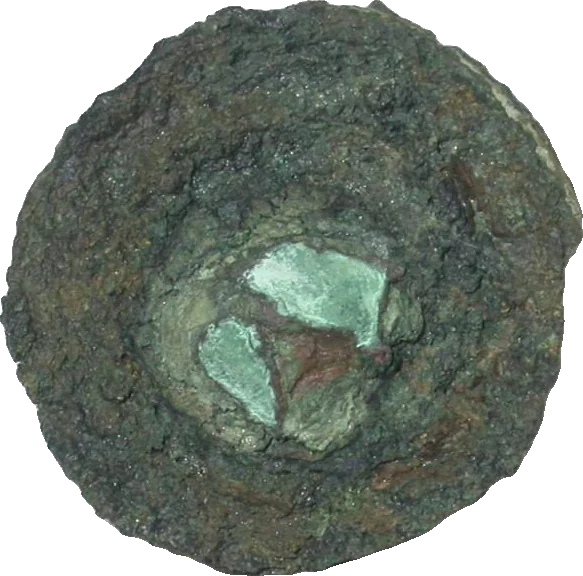 Small bronze knobA.D. 40–250
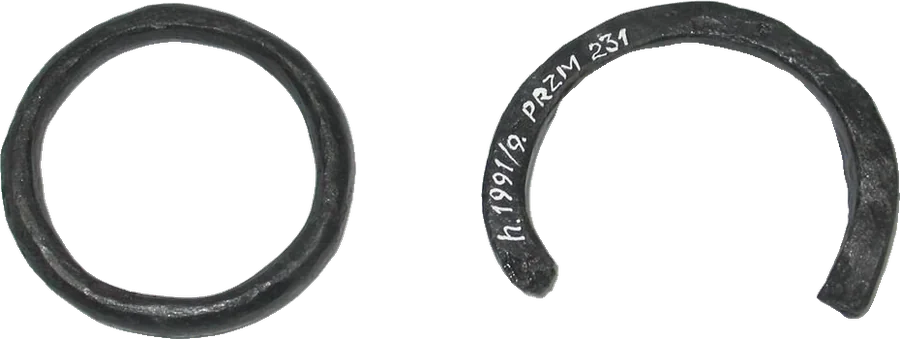 Two iron ringsA.D. 40–250
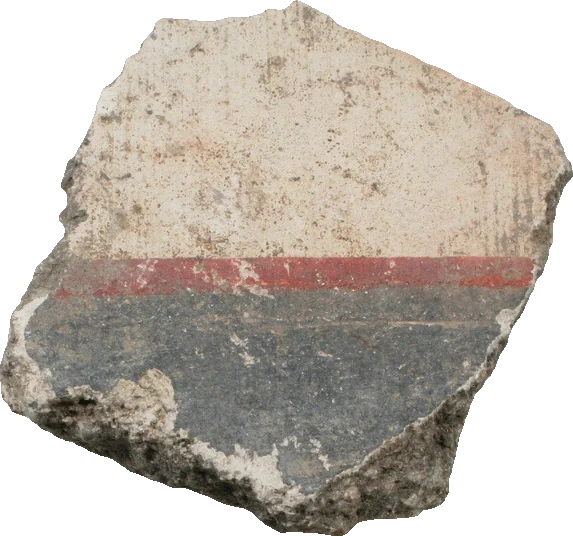 Piece of wall painting, white with black and a red bandA.D. 40–250
12 fun facts about Valkenburg
- A small wooden writing tablet found at Valkenburg still shows its address: it was sent to a doctor named Albanus at Toul, in what is now France. artsandculture.google.com
- Roman letters like the one from Valkenburg were scratched into a layer of wax inside two wooden tablets, which were tied with string and sealed. The wax is gone, but the address on the outside survives. artsandculture.google.com
- Next to the fort, archaeologists found a much bigger Roman legionary camp of about 20 hectares (about 50 acres), built under Emperor Caligula. Half of it had been dug in 1985 to 1988 without anyone recognizing it as a camp. uu.nl
- A wooden block under a tower post at the newly found legionary camp was dated by its tree rings to A.D. 39, give or take six years. the-past.com
- A broken pot from Valkenburg carries a note in Latin shorthand, "P VIII TRES," meaning eight pounds for three denarii. livius.org
- Finds from Valkenburg include a belt buckle showing Romulus and Remus, a colorful millefiori glass cup, a pair of compasses and a sandal. livius.org
- A small statue of the Egyptian goddess Isis and a copy of a famous Hercules by the Greek sculptor Lysippus were found at Valkenburg. livius.org
- At nearby Valkenburg-Marktveld, the Roman road to Leiden was about 4.5 meters (15 feet) wide and ran on a low dike covered with shells and grit. livius.org
- Tree rings show that the wood for the Marktveld buildings was cut in A.D. 99 or 100, and again in 124 or 125, around the time Emperor Hadrian visited. livius.org
- Since 2021 the Valkenburg fort and its village have been part of a UNESCO World Heritage Site, the Lower German Limes, the Roman frontier along about 400 kilometers (250 miles) of the Rhine. en.wikipedia.org
- A village for soldiers' families and traders stretched about 1 kilometer (0.6 mile) along the military road, and people lived there from about A.D. 70 to 240. en.wikipedia.org
- In the early 300s A.D., after Emperor Constantius I won the area back, the fort was strengthened again and became a real castle, used until about A.D. 400. livius.org
In the game these unlock one by one as you dig here.
The name
Praetorium Agrippinae means "the Headquarters of Agrippina." It honors Agrippina the Elder, mother of Emperor Caligula. Caligula founded the fort in the winter of A.D. 39 to 40, when he visited the Lower Rhine. livius.org
Life here
The first soldiers here were two small groups of legionaries and two troops of horsemen from a cohort raised in Gaul, the cohors III Gallorum Equitata. After the Batavian revolt a cohort from Thrace, the cohors IV Thracum, moved in. Outside the gates a village of about 1 kilometer (0.6 mile) grew along the military road. en.wikipedia.org
Who dug here
Investigations at Valkenburg began as early as 1875. After the main excavations of 1941 to 1953, archaeologists came back in the 1970s and 1980s to dig the village outside the fort, where a small fort stood from about A.D. 70 to 110. en.wikipedia.org
Valkenburg today
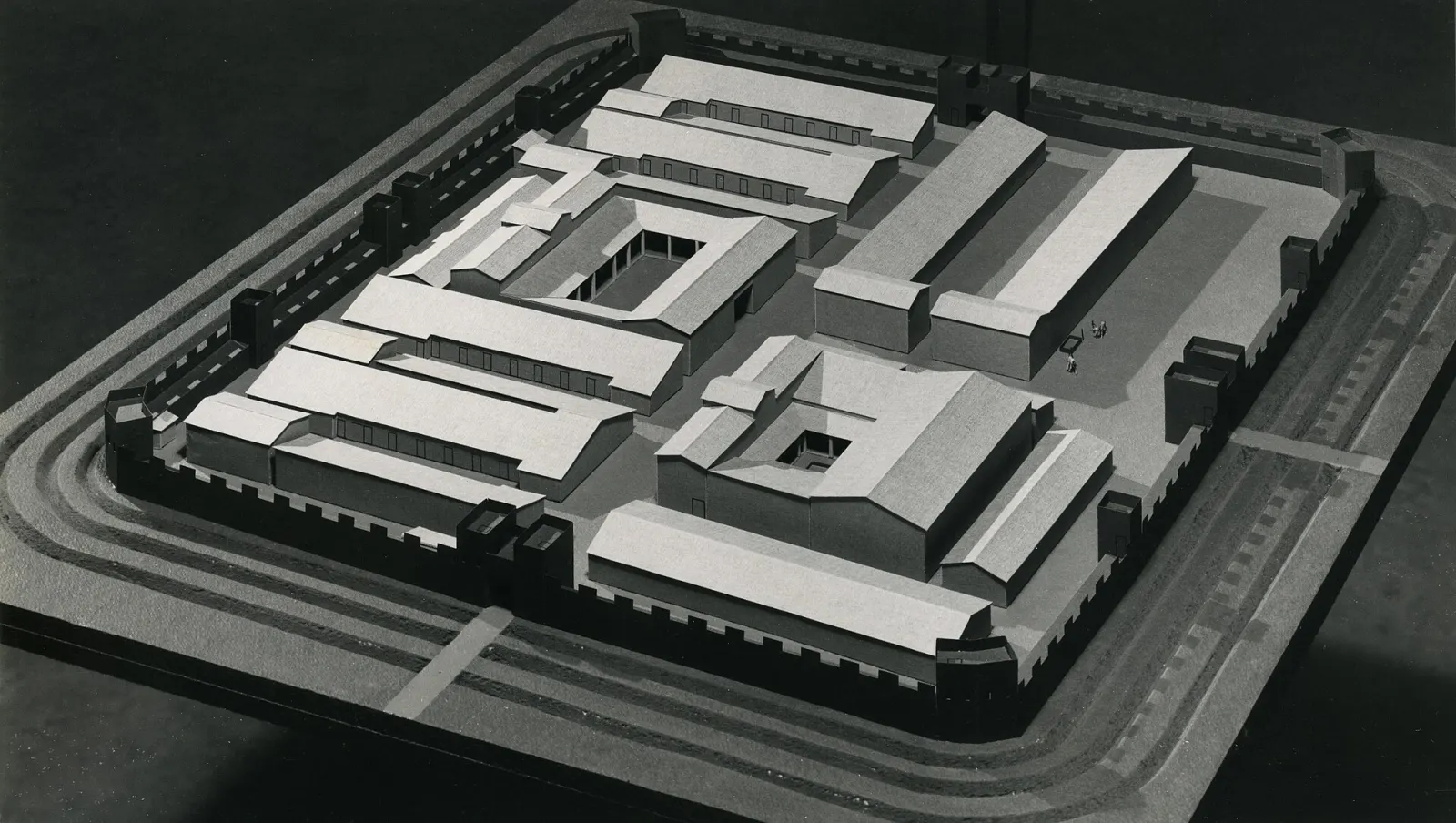
Bronze dots in the pavement of the Castellumplein, in the middle of the village, mark the outline of the fort, and the foundations of one gate have been rebuilt. A Roman road has been reconstructed along the N206, and finds are shown in the Torenmuseum in Valkenburg. en.wikipedia.org
A record
The digs at Valkenburg are among the largest excavations ever carried out in the Lower Rhine area. livius.org
Valkenburg today and in the past
Dig at Valkenburg yourself: open a trench, brush the soil away layer by layer and find these objects in the game.
Dig at Valkenburg