
Nile Valley · Egypt
Asasif
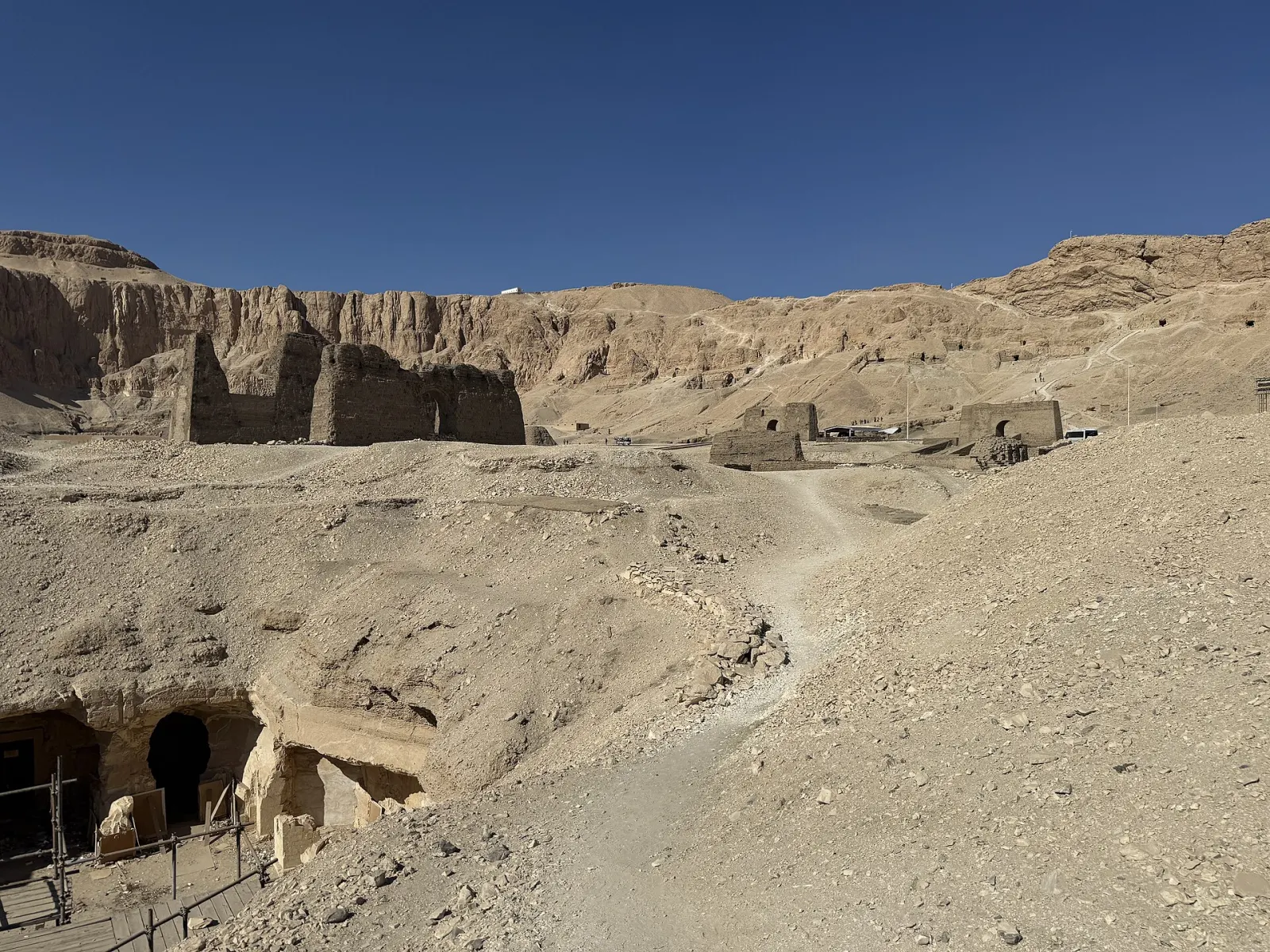
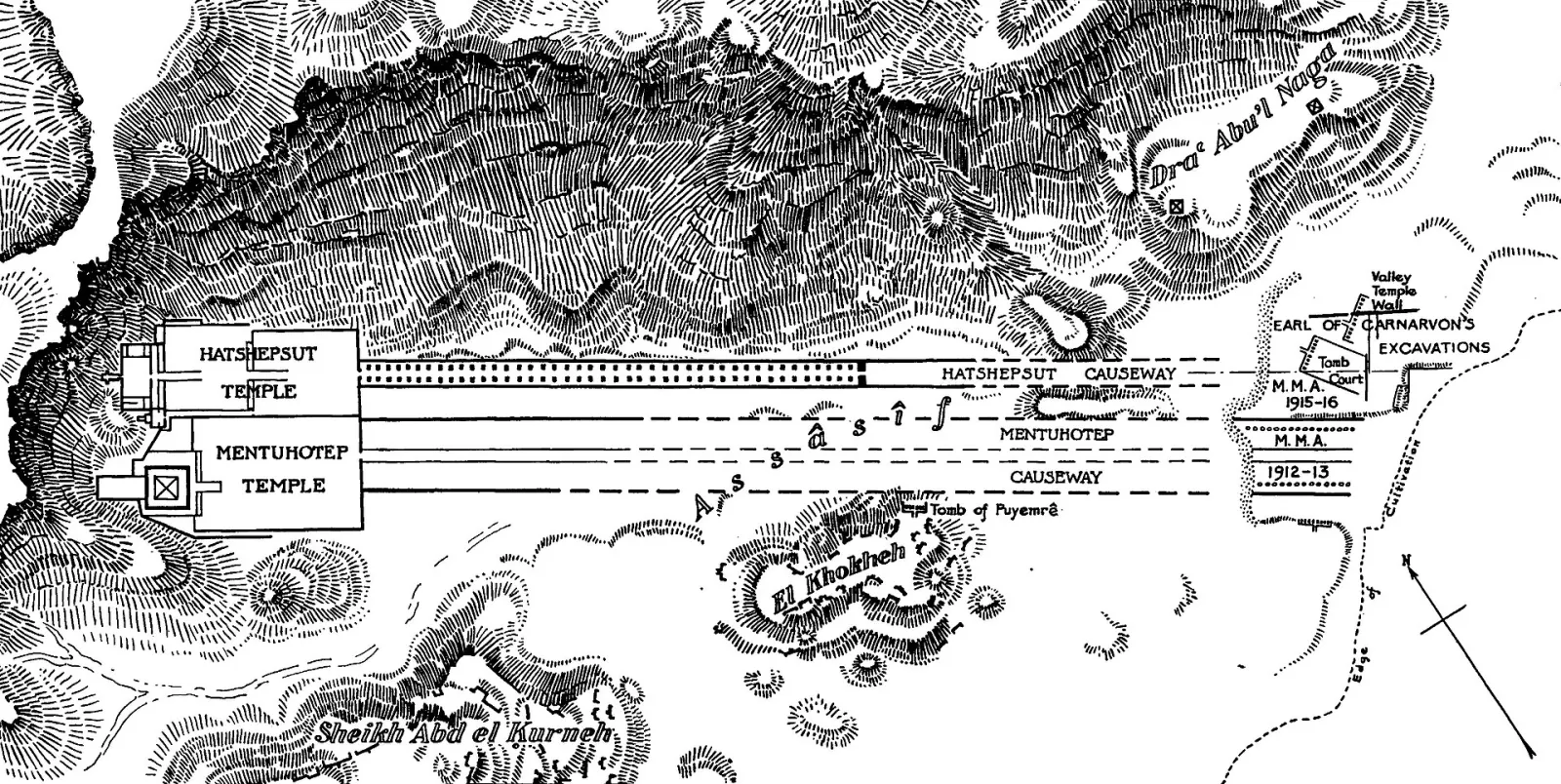
The Asasif is a desert valley on the west bank at Thebes, leading up to Deir el-Bahri. Officials and priests were buried here in rock-cut tombs, some with large mud-brick courtyards, like the tomb of Montuemhat. The Metropolitan Museum of Art's Egyptian Expedition excavated in the Asasif in the 1910s. Source
35 objects found here
Each one was found at Asasif by The Metropolitan Museum of Art's expedition. Today they are in The Metropolitan Museum of Art. Oldest first.
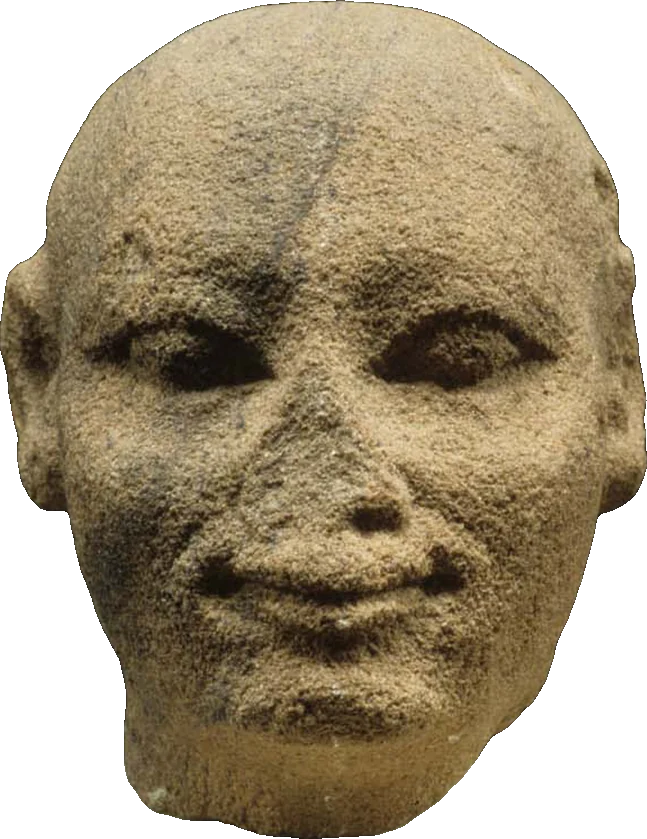 Head of a male statueca. 2124–1504 B.C.
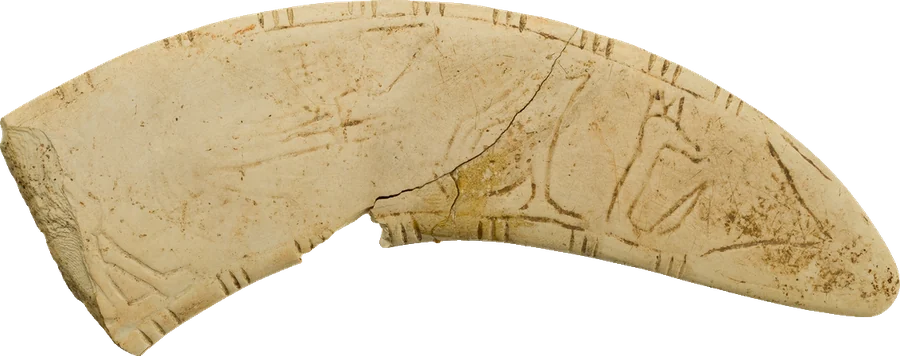 Magic wandca. 2124–1504 B.C.
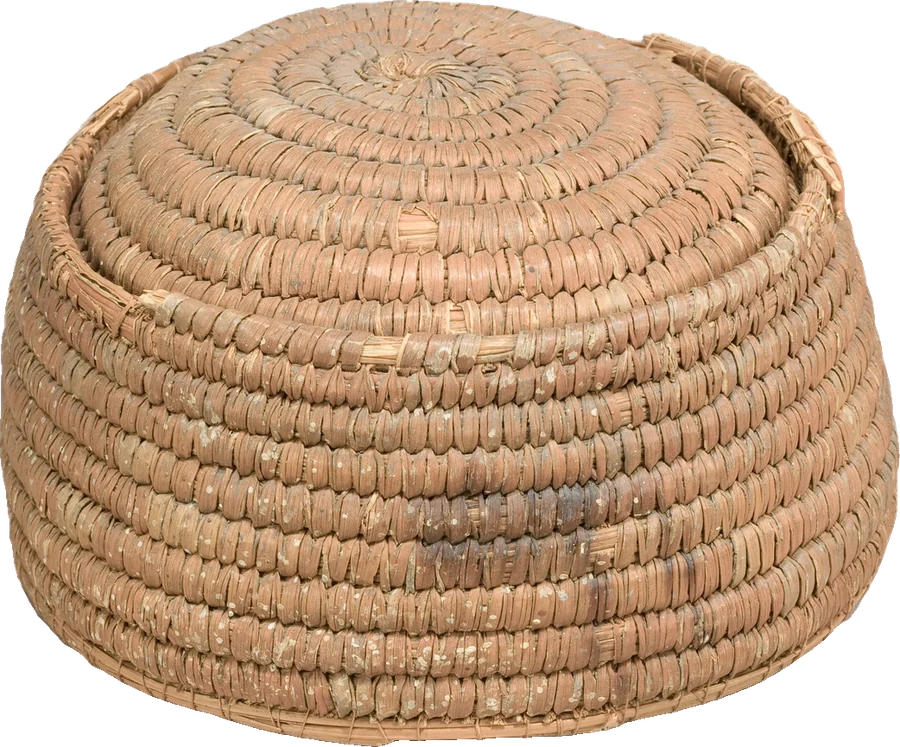 Basketca. 2030–1640 B.C.
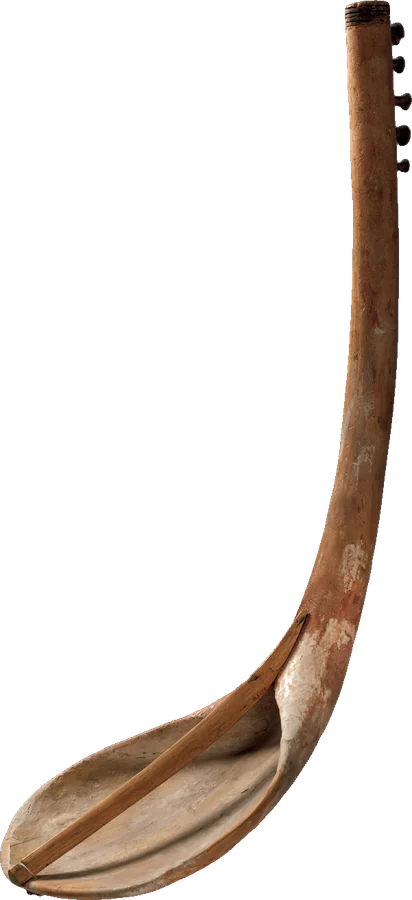 Bow harpca. 2030–1640 B.C.
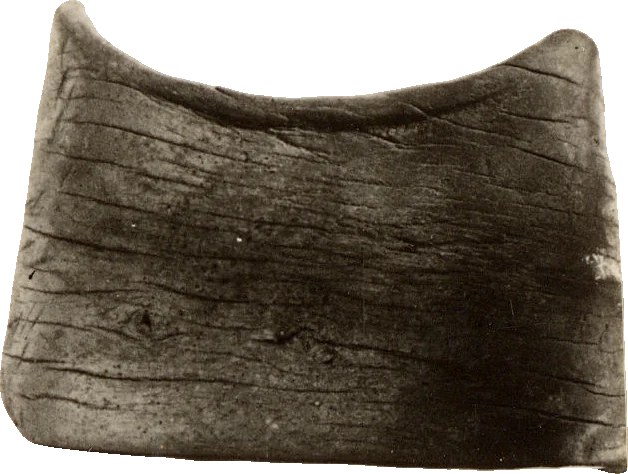 Headrestca. 2030–1640 B.C.
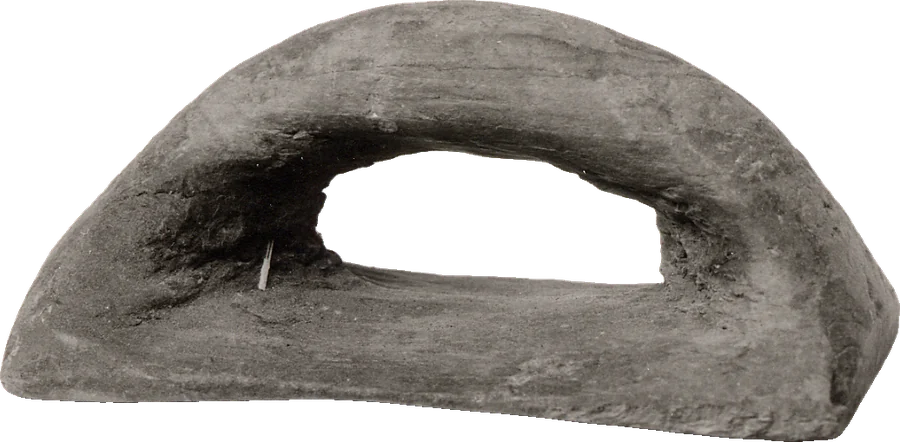 Mason's Float Modelca. 2030–1640 B.C.
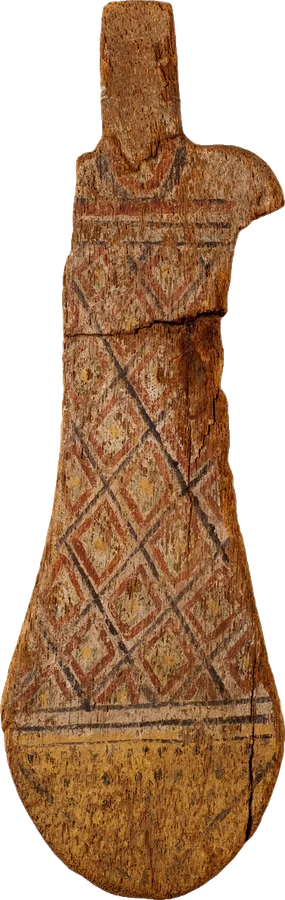 Paddle Dollca. 2030–1981 B.C.
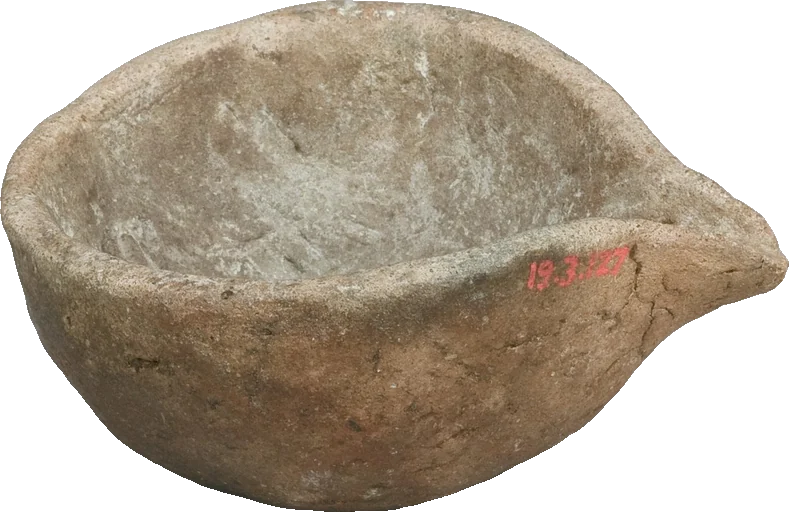 Cup with a spoutca. 2030–1640 B.C.
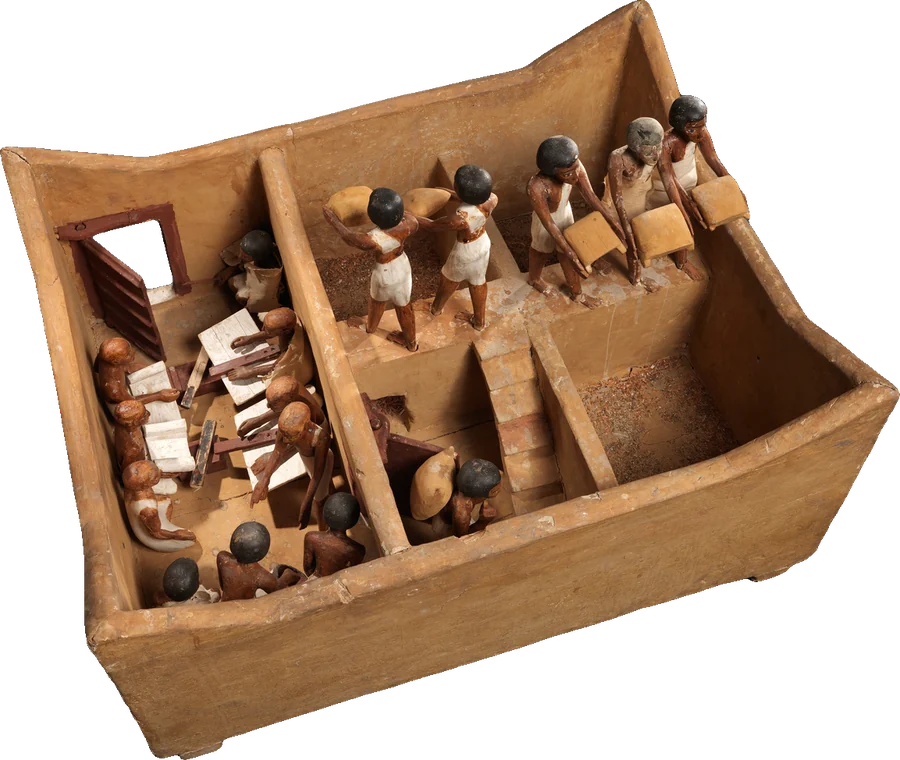 Model of a Granary with Scribesca. 1981–1975 B.C.
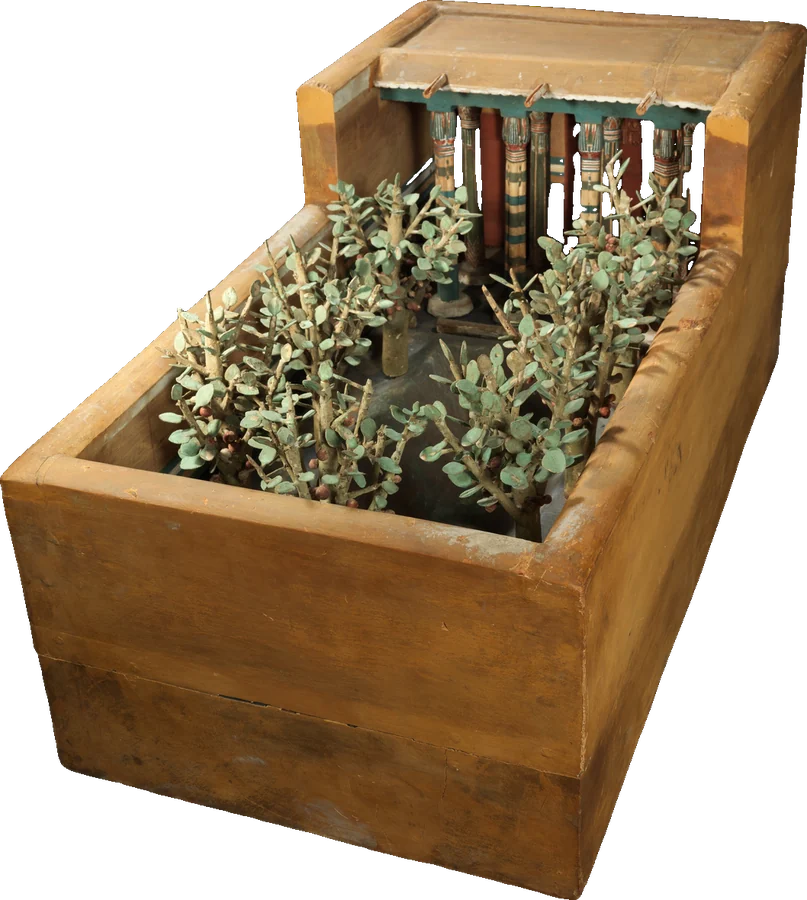 Model of a Porch and Gardenca. 1981–1975 B.C.
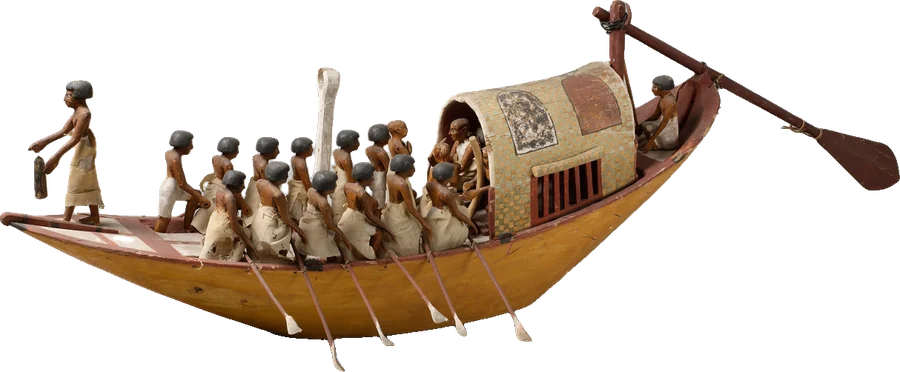 Travelling Boat being Rowedca. 1981–1975 B.C.
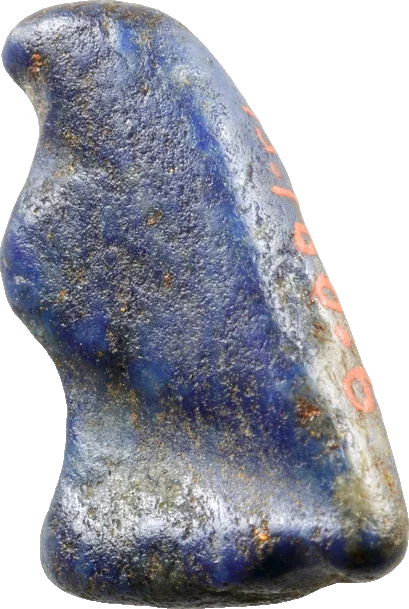 Falcon Amuletca. 1850–1700 B.C.
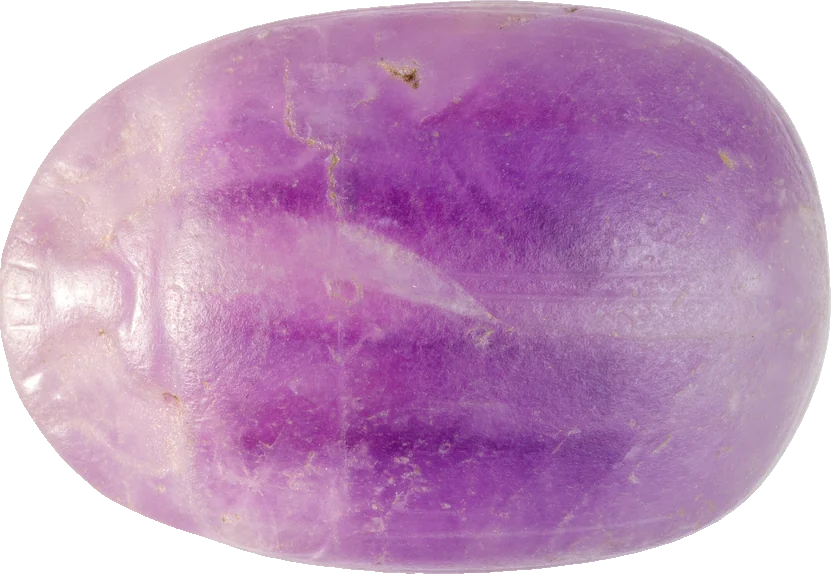 Uninscribed Scarabca. 1850–1700 B.C.
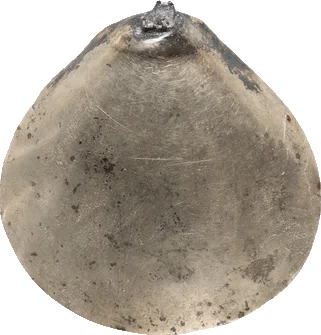 Shell-shaped Pendantca. 1850–1700 B.C.
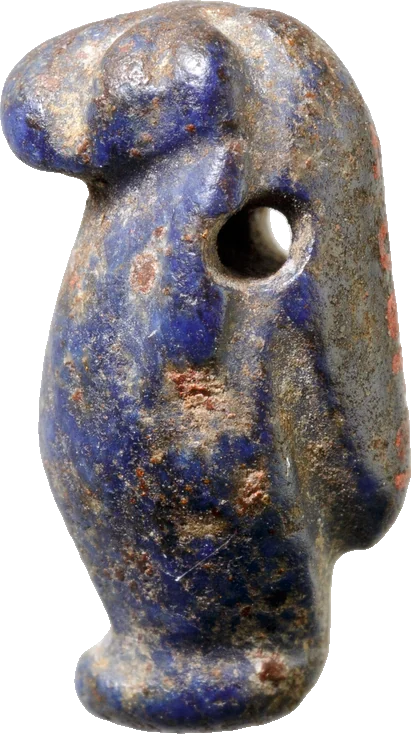 Taweret Amuletca. 1850–1700 B.C.
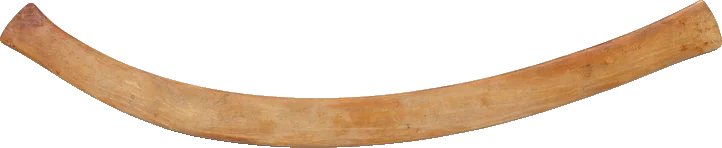 Boomerangca. 1640–1550 B.C.
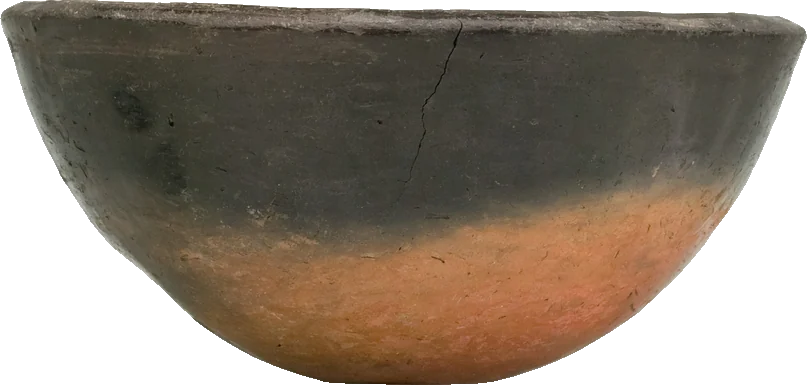 Kerma ware bowlca. 1580–1458 BCE
 Throw Stickca. 1580–1458 BCE
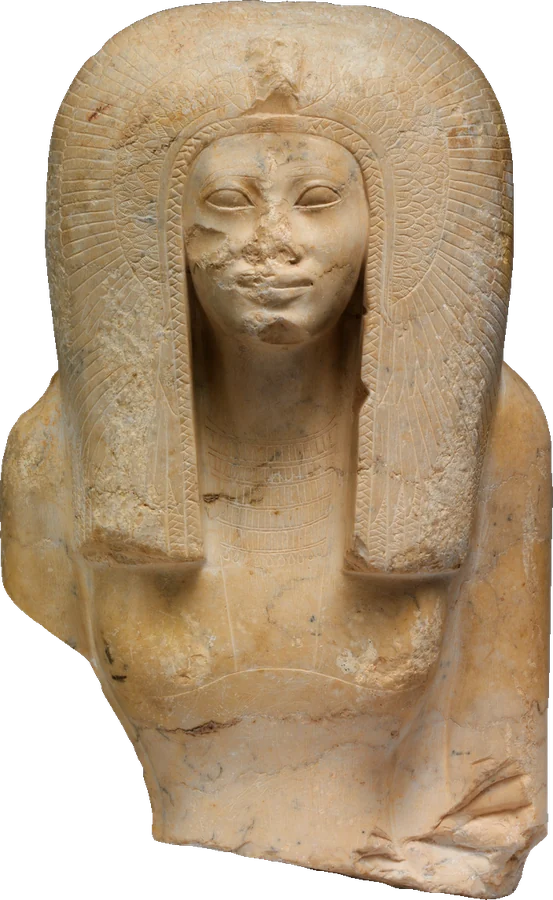 Upper Part of the Seated Statue of a Queenca. 1580–1479 BCE
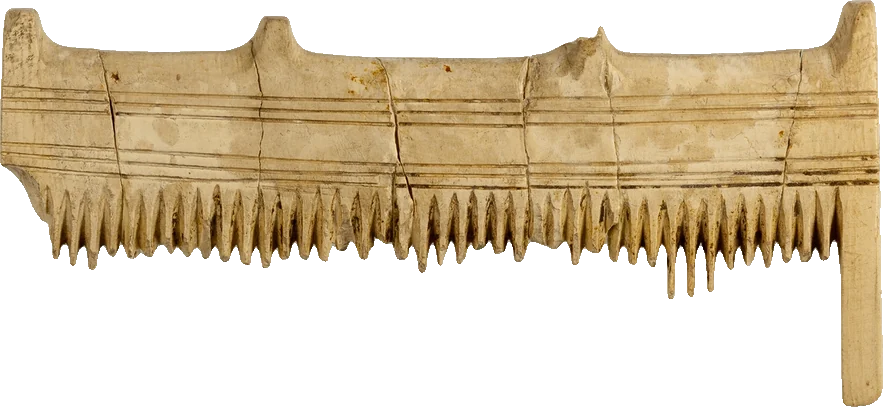 Combca. 1550–1458 BCE
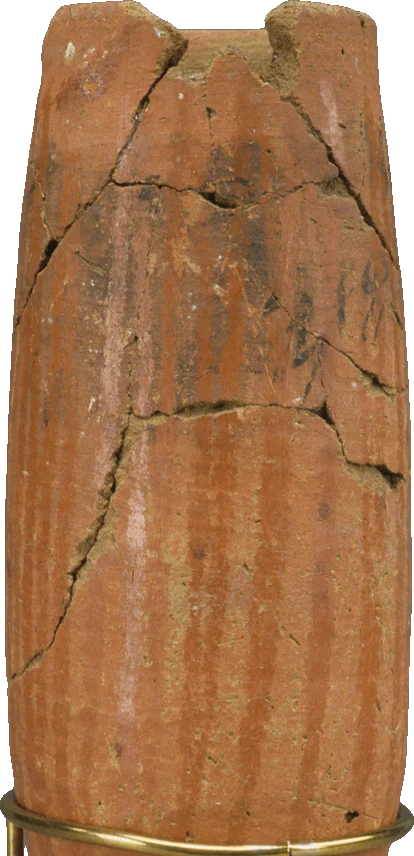 Situla, red polished wareca. 1550–1458 BCE
 Arrow or Javelin Point of Neferkhawetca. 1504–1447 BCE
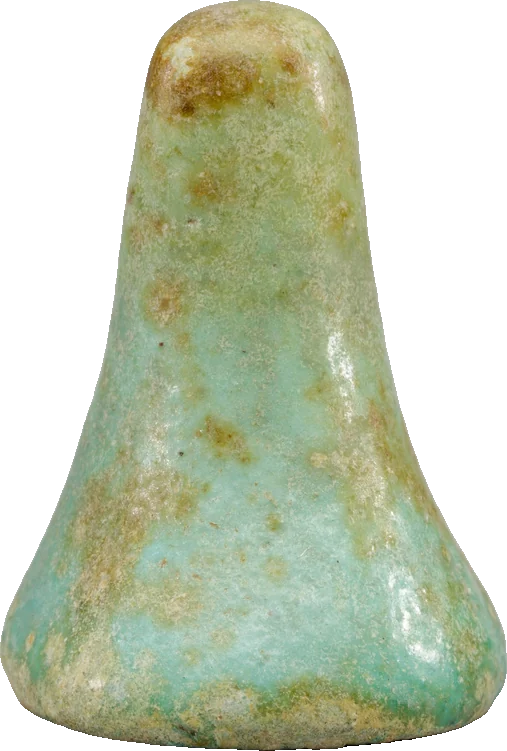 Conical Game Piececa. 1504–1447 BCE
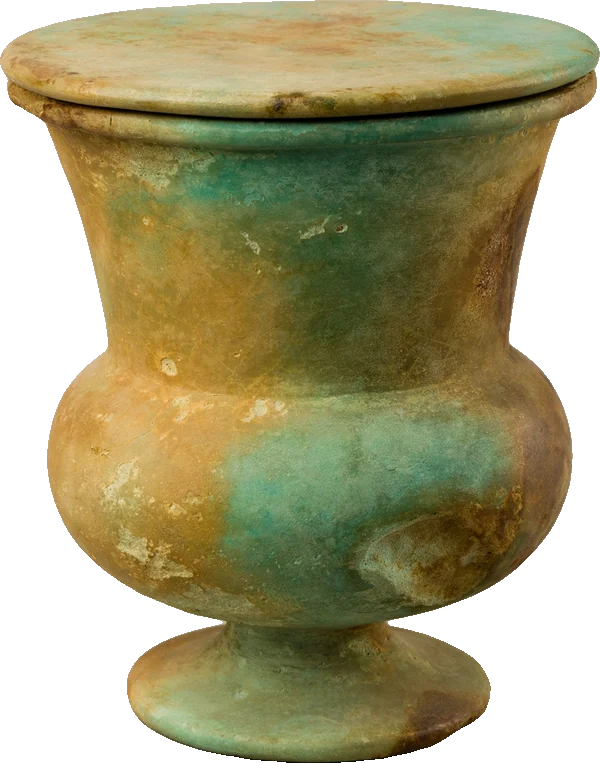 Open-Mouthed Cosmetic Jar of Neferkhawetca. 1504–1447 BCE
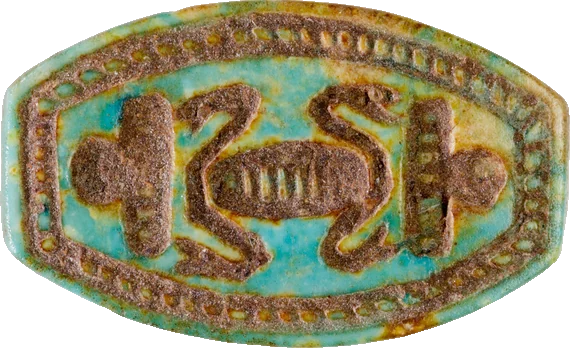 Cowroidca. 1504–1447 BCE
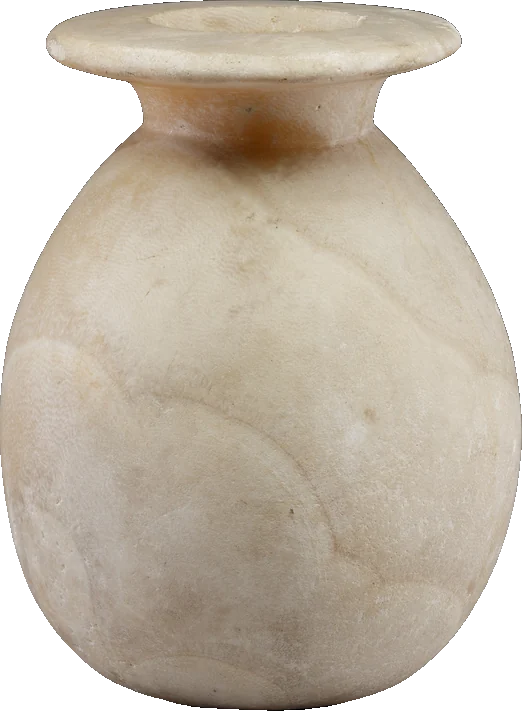 Piriform Jar of Renneferca. 1504–1447 BCE
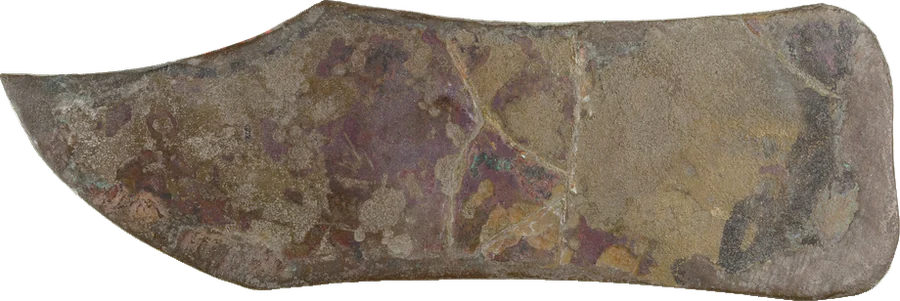 Ruiu's Razorca. 1504–1447 BCE
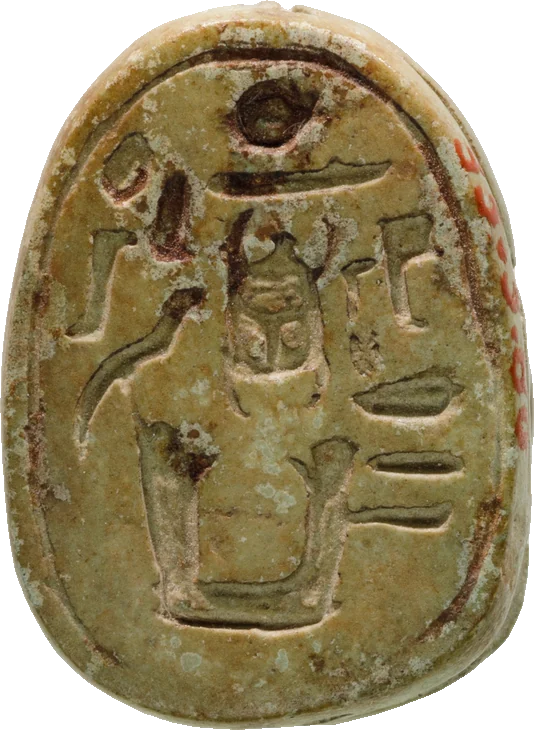 Scarab with the Throne Name of Thutmose Ica. 1504–1447 BCE
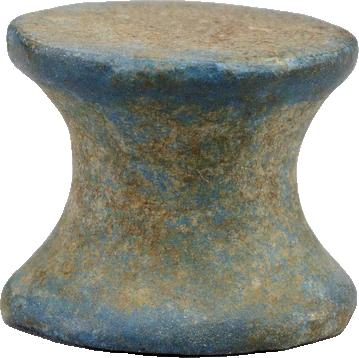 Spool-Shaped Game Piececa. 1504–1447 BCE
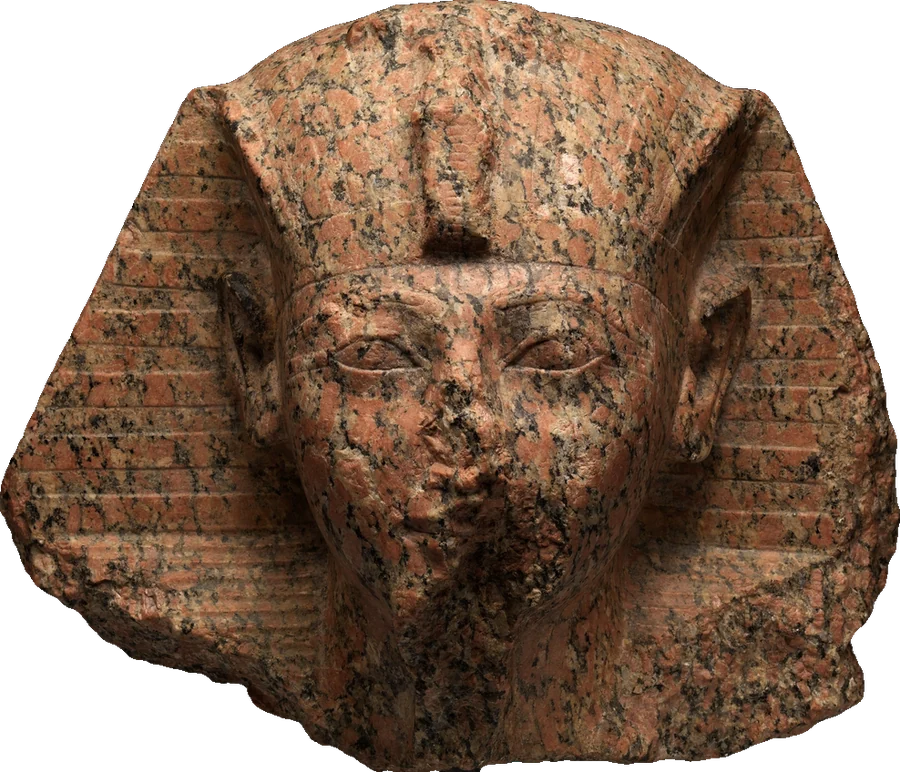 Head of Hatshepsutca. 1473–1458 BCE
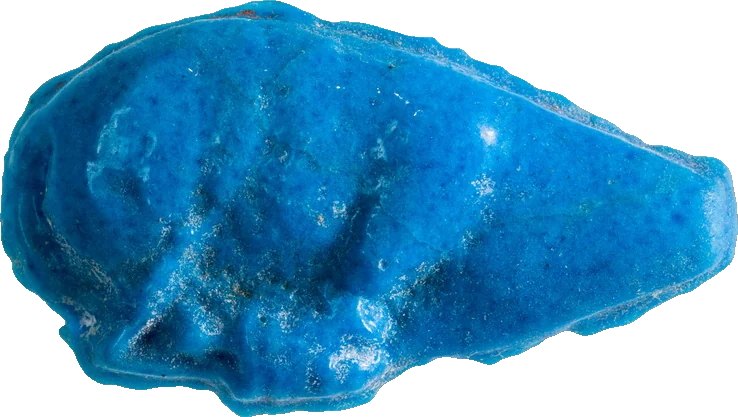 Plaque in the Form of a Slaughtered Oxca. 1166–1158 BCE
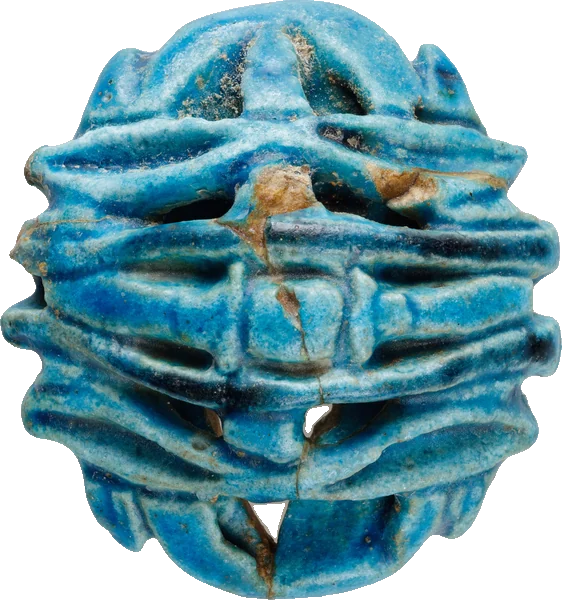 Multiple Wedjat eye amuletca. 1080–343 BCE
 Tweezers ending in hands525–343 BCE
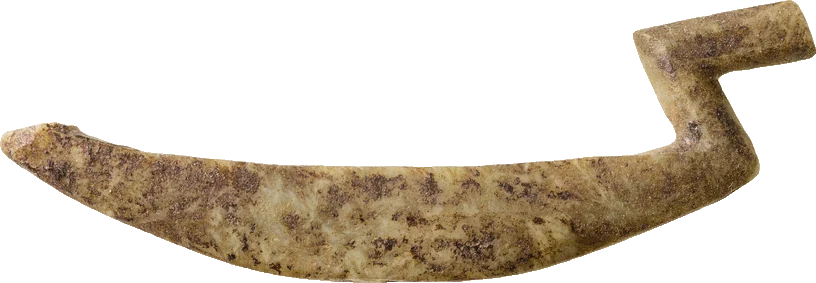 Boat inlay664–525 BCE
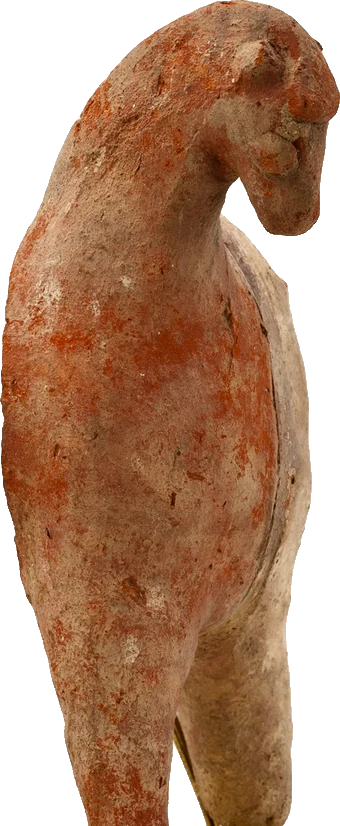 Vessel in the shape of a horse305–30 BCE
12 fun facts about Asasif
- A board game found in the Asasif in 1910 has 58 holes, a drawer with a bolt, and ten playing pins: five topped with hounds' heads and five with jackals' heads. metmuseum.org
- Howard Carter and Lord Carnarvon, who found the Hounds and Jackals game, worked out possible rules themselves and called it "a simple, but exciting, game of chance." metmuseum.org
- A wooden model of a granary from the tomb of Meketre shows six men carrying sacks of grain, outnumbered by nine men measuring and keeping accounts. Two scribes write on papyrus and two on wooden boards. metmuseum.org
- The model granary from Meketre's tomb has peaked corners, a style still sometimes seen in southern Egypt, probably to help keep out thieves and rodents. metmuseum.org
- A wooden figure from Meketre's tomb, about 44 inches (112 cm) tall, shows a woman carrying a basket of meat on her head and holding a live duck by its wings. metmuseum.org
- A small ivory box from the Asasif has a lid that swivels on a peg. Its rosette pattern was probably drawn with an early kind of compass and filled with Egyptian blue. metmuseum.org
- A painted battle scene with a royal chariot was found reused in the foundations of Ramesses IV's temple in the Asasif. It was first dated to Ramesses II, but scholars now think it is older, probably from Amenhotep II. metmuseum.org
- Montuemhat, who built his tomb in the Asasif, was Fourth Prophet of Amun, Mayor of Thebes and Governor of Upper Egypt, serving from the reign of Taharqa into that of Psamtik I. exploreluxor.org
- The tomb of Kheruef, steward of Queen Tiye's estate, was never finished. It was planned like a temple, with an entry building and a ramp down to a sunken courtyard lined with columns. exploreluxor.org
- The Asasif was abandoned as a cemetery early in the 12th Dynasty, when the king moved Egypt's capital north, and only came back into use in the second half of the 18th Dynasty. thebanproject.com
- Clearing the tomb of Karabasken in the South Asasif took a team almost ten years. Among the finds were texts naming Padibastet, a high official no one had known about before. arce.org
- To rebuild a ruined tomb doorway in the South Asasif, conservators cut new limestone from Helwan and carved deep sockets in it to hold the original carved fragments in place. arce.org
In the game these unlock one by one as you dig here.
The name
Asasif, also spelled el-Assasif, is a modern Arabic place name for a dry desert bay on the west bank at Luxor. It lies south of Dra Abu el-Naga and leads up to Deir el-Bahri, where the temples of Mentuhotep II and Hatshepsut stand. en.wikipedia.org
Life here
The Asasif was first used as a cemetery for the elite in the late 11th Dynasty, about 2050 B.C. After a long pause it filled again with tombs of high officials in the 18th Dynasty. In the 26th Dynasty it became the main focus of the Theban cemetery, in large part because of the cult of the goddess Hathor. thebanproject.com
Who dug here
Early in 1920, the Met's excavator Herbert Winlock had workmen clear debris from the long-robbed tomb of Meketre, just to draw an accurate plan. They found a small hidden chamber packed with almost perfectly preserved wooden models of gardens, workshops and boats. Half went to the Egyptian Museum in Cairo and half to New York. metmuseum.org
Asasif today
The Asasif is not on the main tourist route, but two tombs, those of Kheruef (TT 192) and Ankh-hor (TT 414), are usually open on one joint ticket. They sit beside the parking area for Hatshepsut's temple; the entrances are guarded rather than signposted, so a small flashlight helps inside. exploreluxor.org
A record
In the 26th Dynasty, officials built huge underground tombs in the Asasif with courtyards and gateway towers called pylons. Some of these private tombs are bigger than many royal tombs in the Valley of the Kings. thebanproject.com
Asasif today and in the past
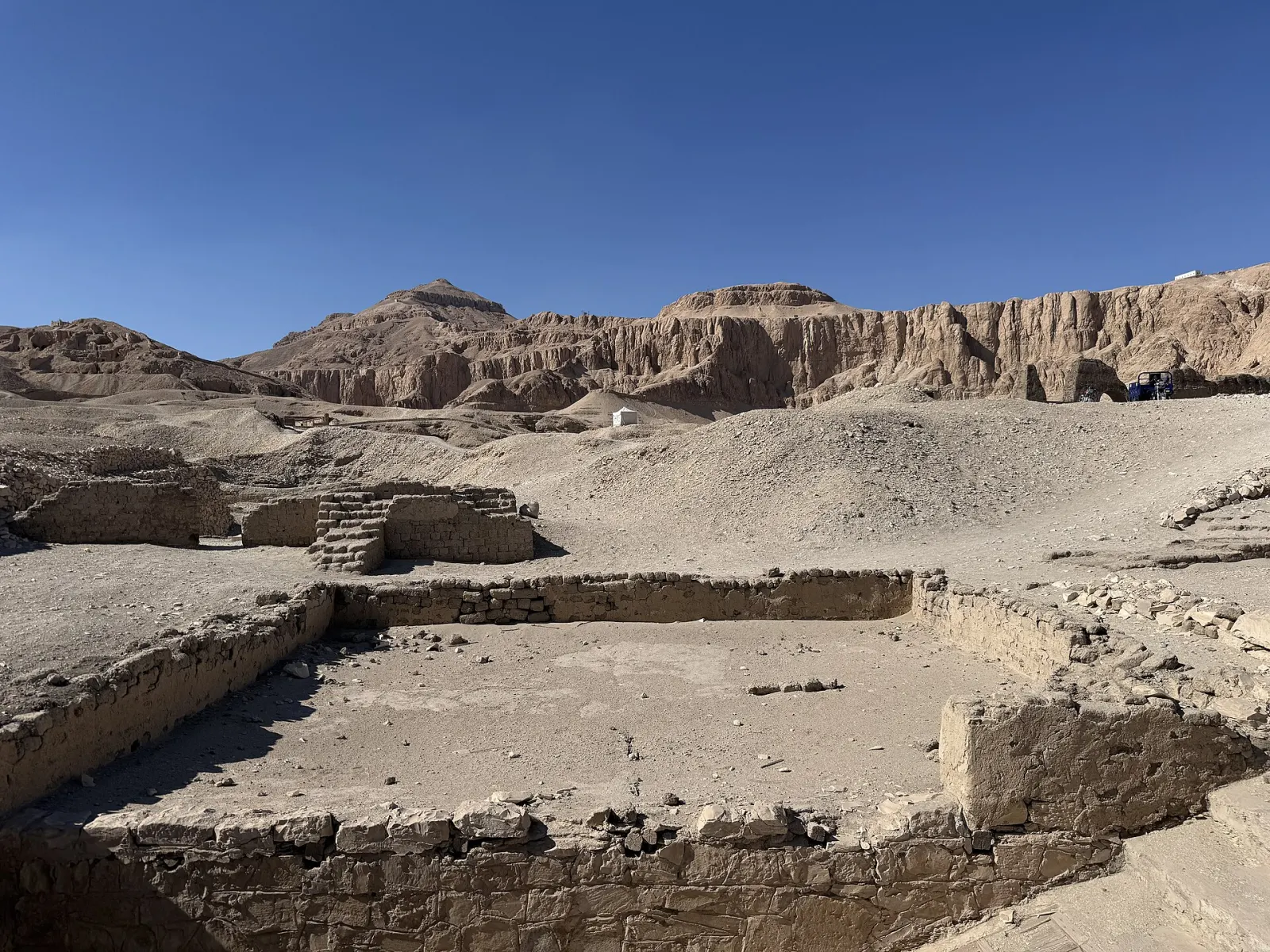
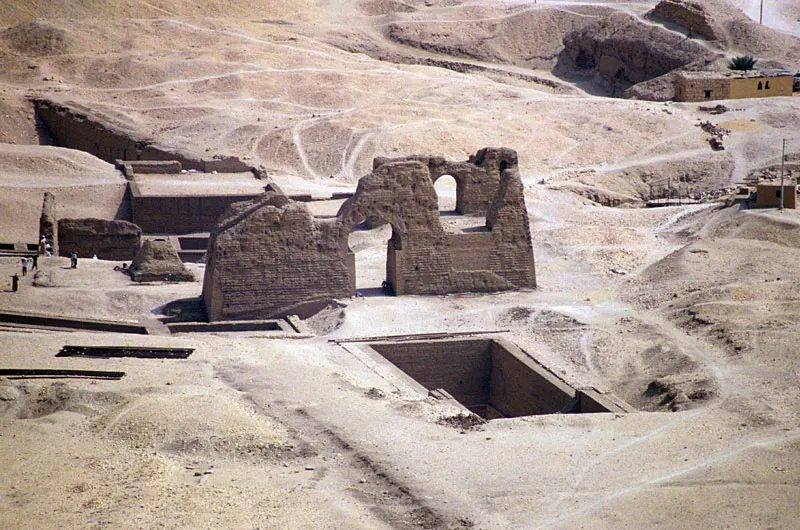
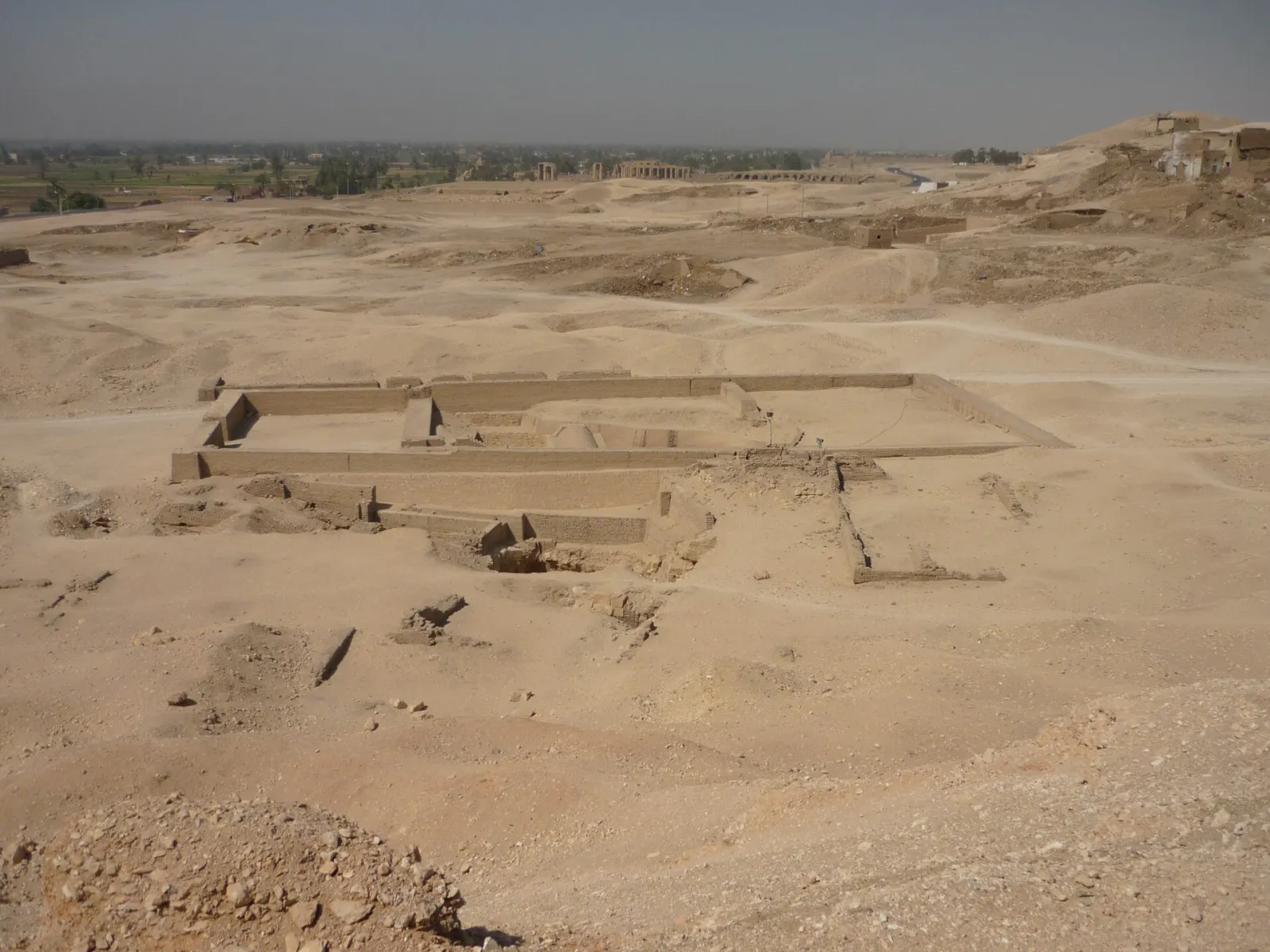
Dig at Asasif yourself: open a trench, brush the soil away layer by layer and find these objects in the game.
Dig at Asasif