
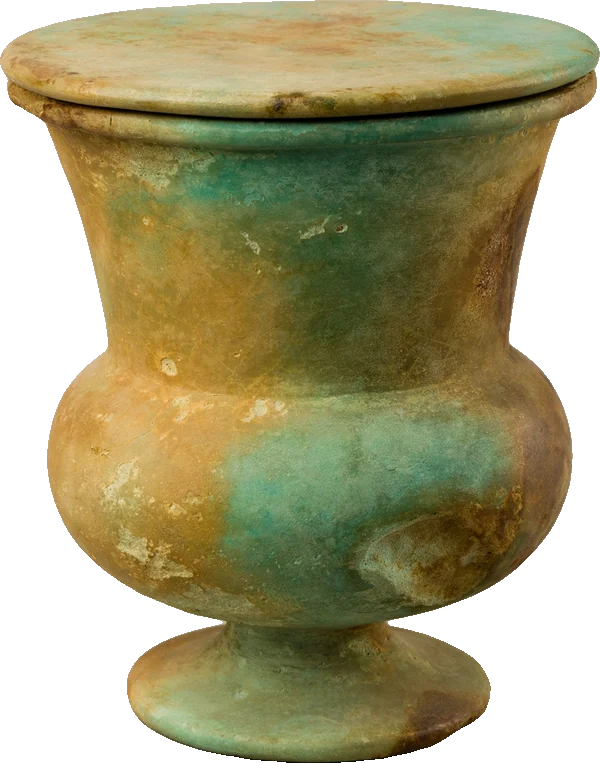
Egypt, New Kingdom, Dynasty 18, early · Important find
Open-Mouthed Cosmetic Jar of Neferkhawet
This object was really found at Asasif by The Metropolitan Museum of Art's expedition. Today it is in The Metropolitan Museum of Art in New York.
What is it?
Ointment and cosmetic jar. A small container for perfumed oil, ointment or make-up. Stone and glass kept these precious contents cool and sealed. Source
Egyptian faience. A glazed material made mostly of crushed quartz, usually bright blue or green. Not clay pottery. Read more
Faience. Glazed quartz paste, often bright blue or green.
Museum record
- Object
- Cosmetic jar, open-mouthed, Neferkhawet
- Culture
- Egypt, New Kingdom, Dynasty 18, early
- Date
- ca. 1504–1447 BCE
- Material
- Faience
- Findspot
- MMA excavations, 1934–35, inside basket in northwest corner, Tomb of Neferkhawet (MMA 729), west chamber B, Asasif, Upper Egypt, Thebes, Egypt
- Size
- Overall height 11 cm (4 5/16 in.). Jar: H. 10.5 cm (4 1/8 in.); Diam. 8.5 cm (3 3/8 in.); Diam. of rim. 9.2 cm (3 5/8 in.); diam. of foot 6 c (2 3/8 in.). Lid: Diam. 9.5 cm (3 3/4 in.); Th. 0.5 cm (3/16 in.)
- Museum
- The Metropolitan Museum of Art, New York
- Number
- 35.3.97a, b
- Credit
- Rogers Fund, 1935
Photo and record: The Metropolitan Museum of Art, Open Access (public domain, CC0), copied 2026-11-12. Background removed from the photo. Region: Nile Valley.
More about this object
A clue in the mystery of Asasif
How did a hidden room in the Asasif keep its treasures safe for nearly 4,000 years? In chapter 1, "A valley of tombs", this object is the clue: A faience cosmetic jar of Neferkhawet, about 1504 to 1447 BCE, found in his tomb in the Asasif, one of the valley's many tombs. Read the mystery
Culture
Egypt, New Kingdom: more objects from the same culture or period, with what we know about it.
More from Asasif
 Arrow or Javelin Point of Neferkhawetca. 1504–1447 BCE
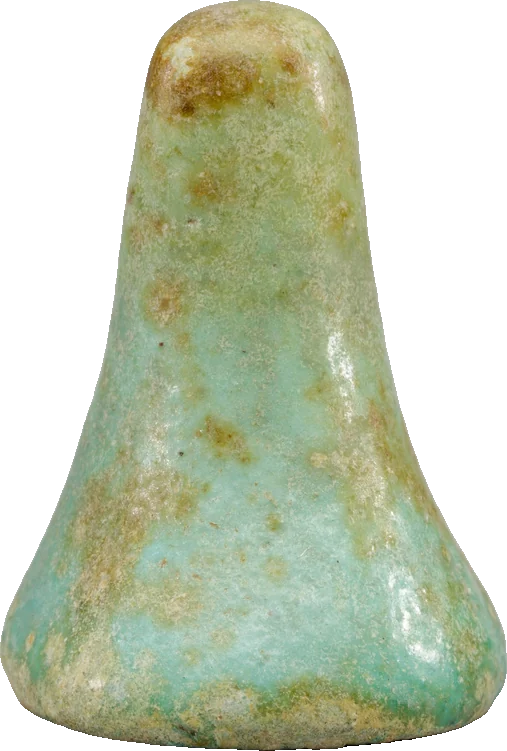 Conical Game Piececa. 1504–1447 BCE
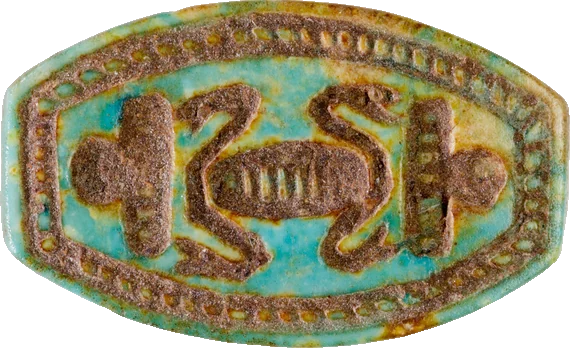 Cowroidca. 1504–1447 BCE
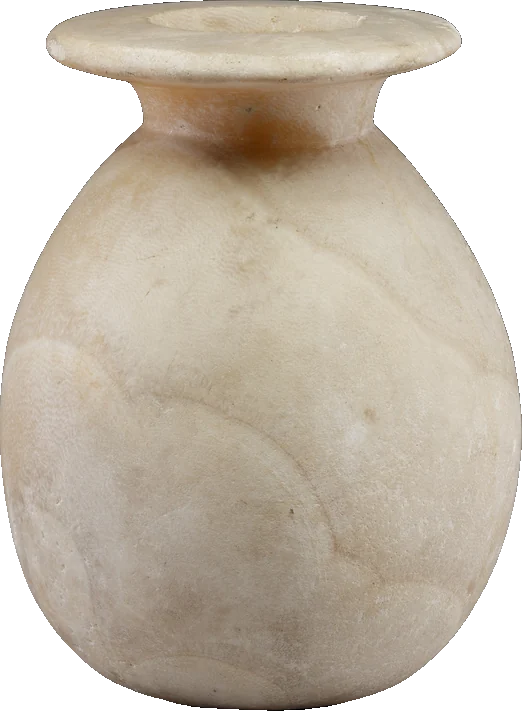 Piriform Jar of Renneferca. 1504–1447 BCE
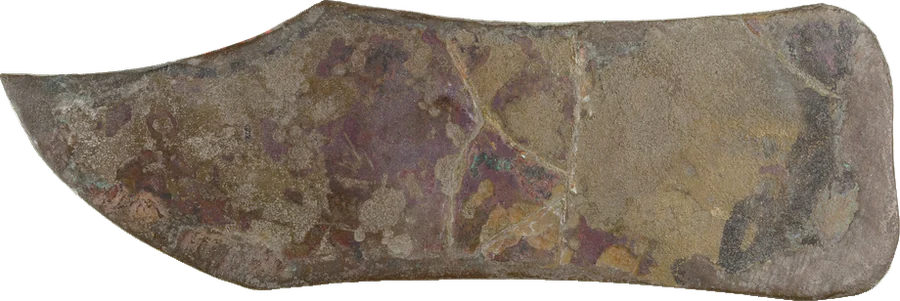 Ruiu's Razorca. 1504–1447 BCE
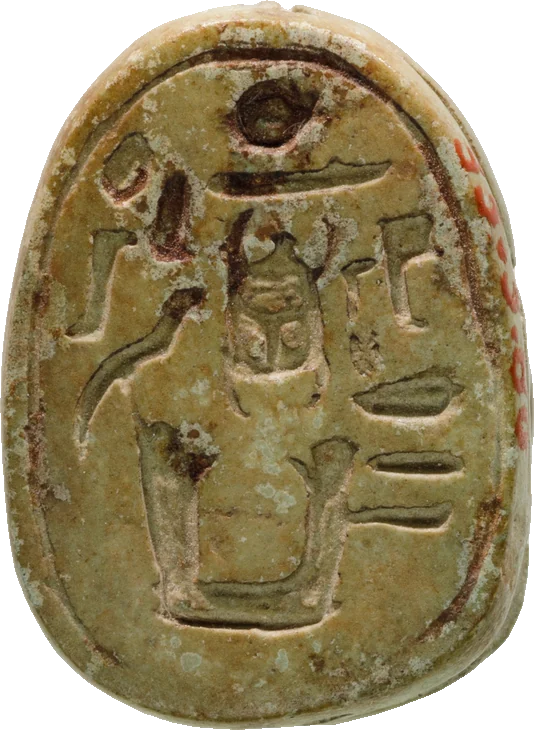 Scarab with the Throne Name of Thutmose Ica. 1504–1447 BCE
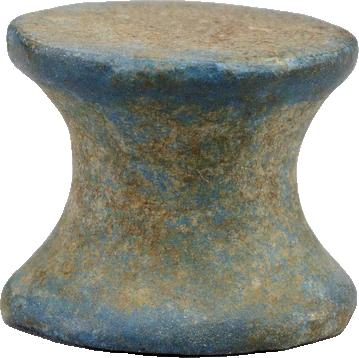 Spool-Shaped Game Piececa. 1504–1447 BCE
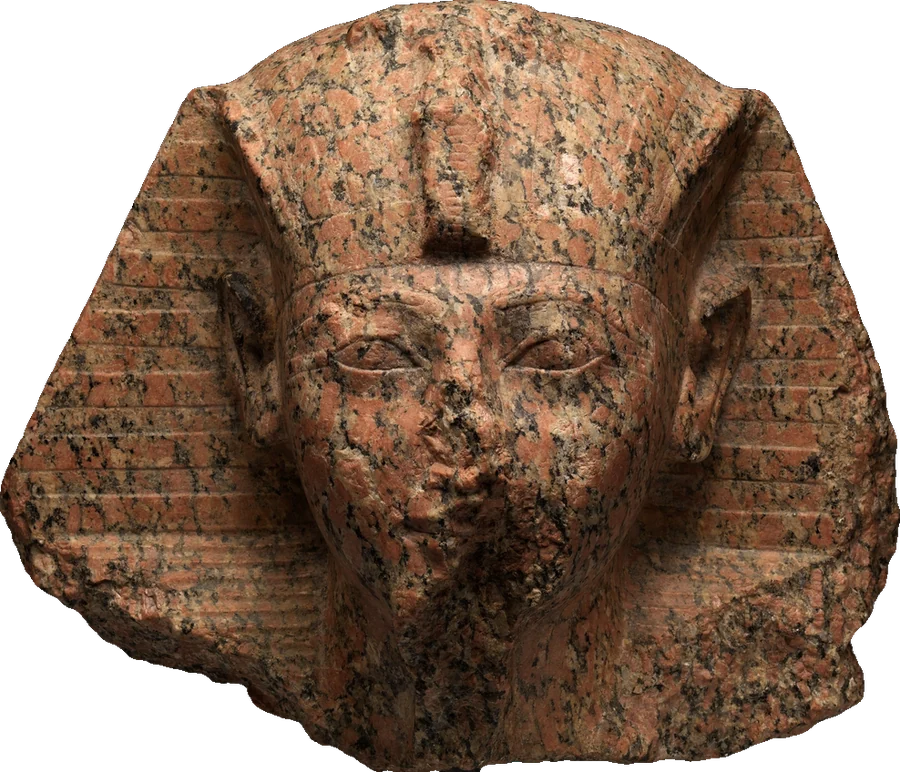 Head of Hatshepsutca. 1473–1458 BCE