
Egypt, New Kingdom
The New Kingdom, from about 1550 to about 1070 B.C. (Dynasties 18 to 20), was the time of Egypt's greatest power, from Nubia to Syria. Thebes was its religious center.
Queen Hatshepsut built her temple at Deir el-Bahri, and Amenhotep III built his palace city at Malqata, both on the west bank at Thebes.
Read more: New Kingdom of Egypt on Wikipedia
78 objects in the game name this period in their museum record. Found at Deir el-Bahri, Asasif, Lisht, Malqata.
Words: Dynasties of Egypt, Amulet, Egyptian faience
12 fun facts: Egypt, New Kingdom
- Late in the reign of Ramesses III, the royal tomb builders of Deir el-Medina stopped work because their wheat rations had not arrived. It may be the first recorded strike in history. en.wikipedia.org
- Work records from Deir el-Medina note why men missed a day, including arguing with a wife and having a hangover. Supervising the brewing of beer counted as a good excuse. en.wikipedia.org
- Howard Carter found Tutankhamun's tomb on November 4, 1922. Its 5,398 objects, including chariots, sandals, food and a senet game board, took ten digging seasons to record and conserve. en.wikipedia.org
- The word pharaoh comes from the Egyptian per-aa, "great house," first the name of the royal palace. The earliest sure use of it for the king himself is in a letter to Akhenaten. en.wikipedia.org
- Kings of Babylon, Mitanni, Assyria and the Hittites, and rulers in Canaan, wrote to Egypt on clay tablets in cuneiform. About 350 of these Amarna Letters survive, from no more than 30 years in the 1300s B.C. en.wikipedia.org
- Hatshepsut's expedition to the land of Punt came home with 31 live myrrh trees, along with frankincense and other luxuries. en.wikipedia.org
- Hatshepsut was shown in the full dress of a king, including the false beard that stood for pharaoh's power. en.wikipedia.org
- One of Hatshepsut's twin obelisks at Karnak still stands, the second-tallest ancient obelisk standing today. When the pair went up, they were the tallest in the world. en.wikipedia.org
- Ramesses II's great temple at Abu Simbel has four seated statues of the king, each 20 meters (66 feet) tall. In the 1960s it was cut into 1,036 blocks and rebuilt 65 meters (213 feet) higher. en.wikipedia.org
- Tomb KV5 in the Valley of the Kings, made for sons of Ramesses II, has 120 known rooms, and excavation is still going on. It is probably the largest tomb in the valley. en.wikipedia.org
- A red granite sphinx of Ramesses II, found by Flinders Petrie's team at the temple of Ptah in Memphis in 1912, weighs about 12.5 tons. It now stands in the Penn Museum in Philadelphia. penntoday.upenn.edu
- About 5,000 ostraca, notes written on broken pottery and stone flakes, were found in a single well near the tomb builders' village of Deir el-Medina. en.wikipedia.org
In the game these unlock one by one as you dig up their objects.
The name
Egyptians did not call it the New Kingdom. In 1845 the German scholar Christian von Bunsen described Egyptian history as three golden ages, and the New Kingdom was the last of them. The way scholars define it has changed a lot since then. en.wikipedia.org
Daily life
The craftsmen who cut and painted the royal tombs lived in their own village, Deir el-Medina, called Set Maat, "Place of Truth." At its peak it had about 68 houses packed into 5,600 square meters (about 60,000 square feet). Many people there, including women, could at least read. en.wikipedia.org
How we know
Local Egyptians first found the Amarna Letters at Amarna around 1887 and sold most of them. Today the tablets are spread across museums: about 200 in Berlin, 99 in the British Museum, about 50 in Cairo, and a few in Paris, Moscow, Chicago and Oxford. Most are written in Akkadian cuneiform, not Egyptian. en.wikipedia.org
What they left us
The Valley of the Kings became a UNESCO World Heritage Site in 1979, together with the rest of the Theban Necropolis. It holds at least 63 tombs, but only 18 can be opened and they are rarely open at the same time. On most days 4,000 to 5,000 visitors come to the main valley. en.wikipedia.org
A record
Around 1259 B.C., Ramesses II and the Hittite king Hattusili III made the oldest known surviving peace treaty. The Egyptian version is carved at Karnak and the Ramesseum, and clay tablets of the Hittite version were found at Hattusa in 1906. A copy is displayed at United Nations headquarters. en.wikipedia.org
Objects, oldest first
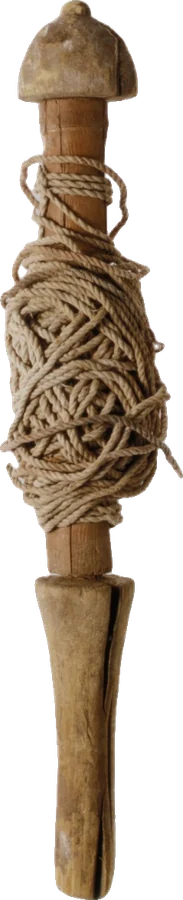 Builder's reel and cordca. 2124–1504 B.C.
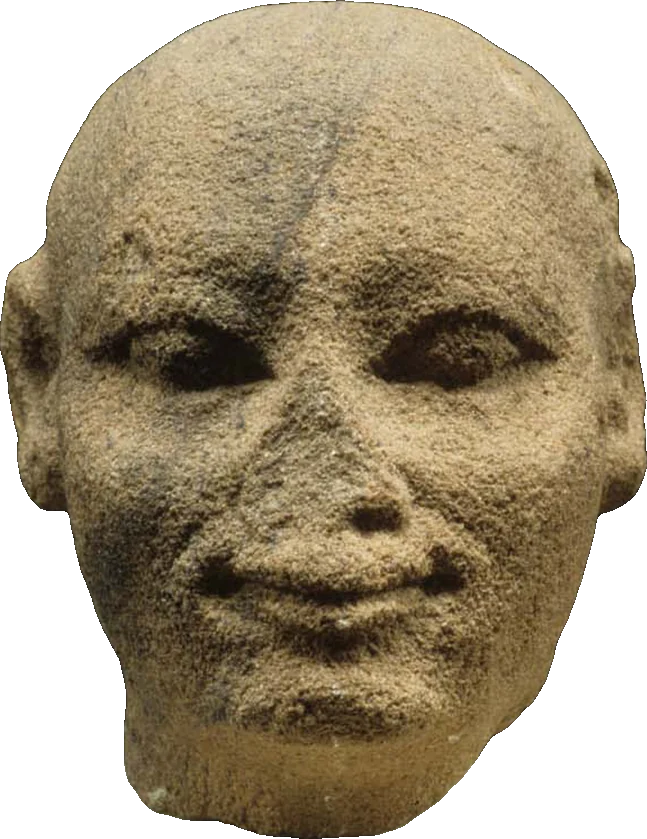 Head of a male statueca. 2124–1504 B.C.
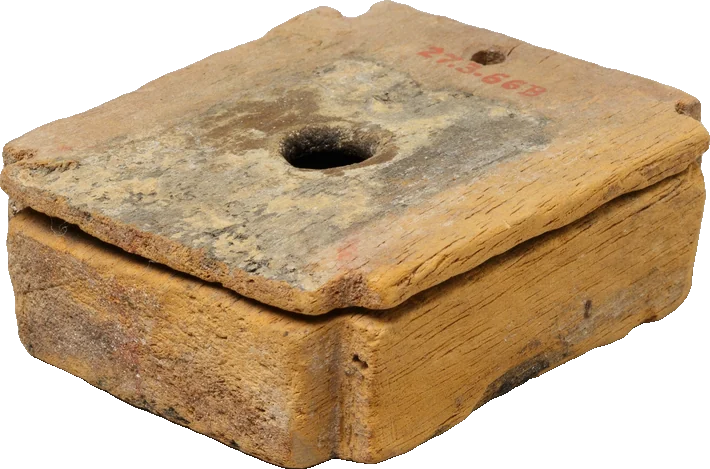 Inkwellca. 2124–1504 B.C.
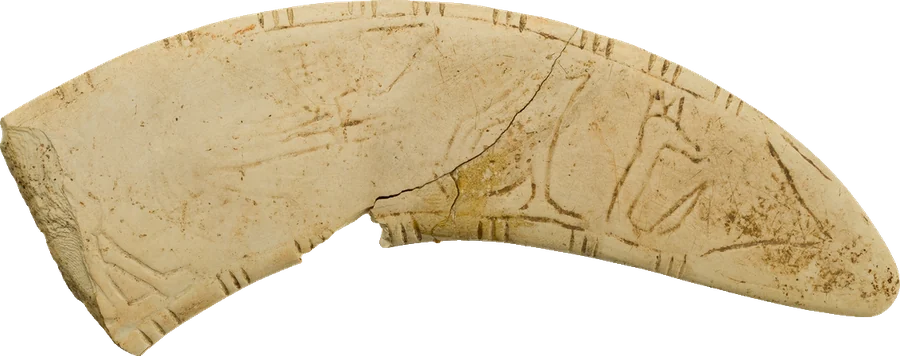 Magic wandca. 2124–1504 B.C.
 Trowelca. 2124–1504 B.C.
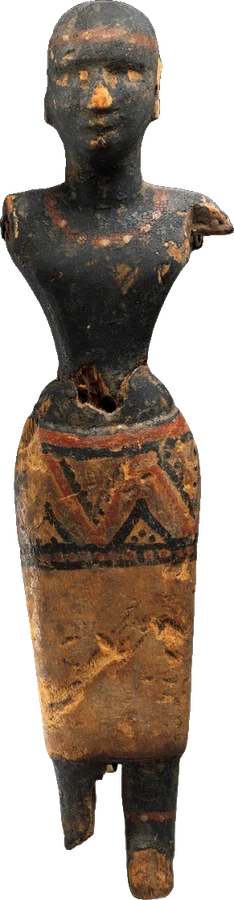 Figure of a Woman of Nubian Descentca. 2030–1981 B.C.
 String of Carnelian Beadsca. 1981–1295 B.C.
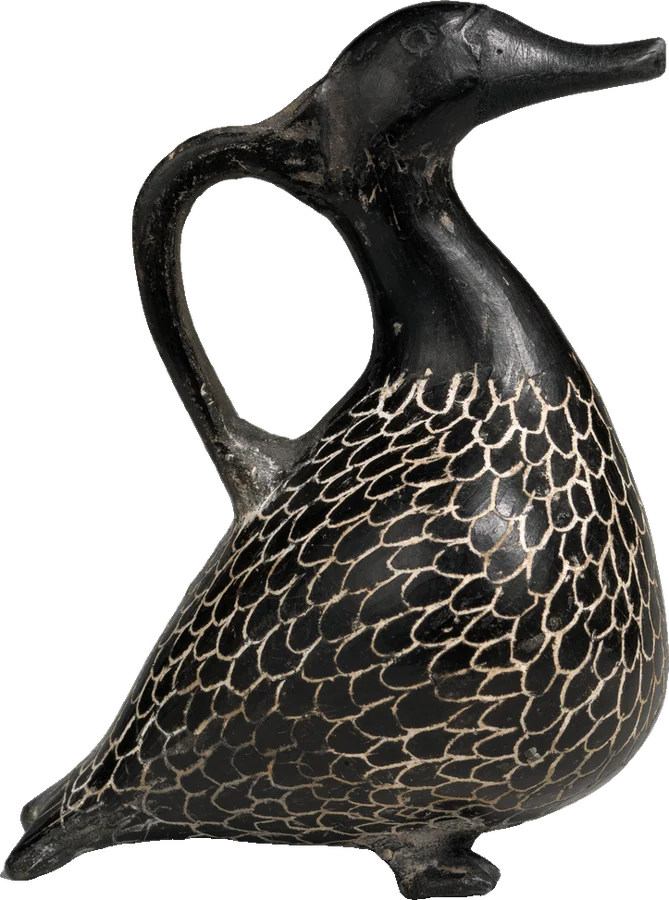 "Tell el-Yahudiya" Vase in the Shape of a Duckca. 1700 B.C.
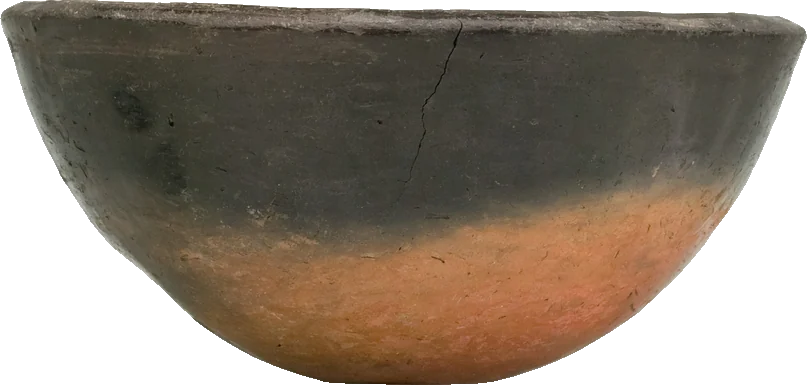 Kerma ware bowlca. 1580–1458 BCE
 Throw Stickca. 1580–1458 BCE
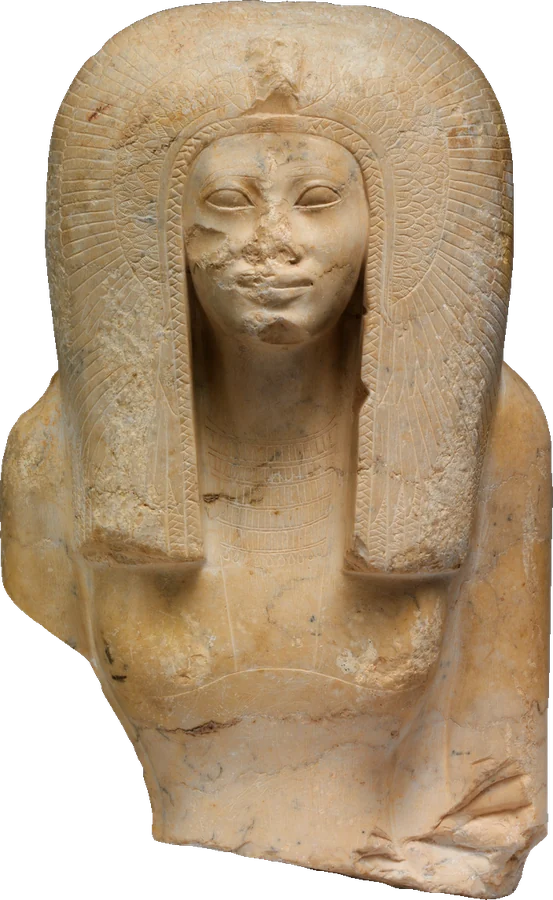 Upper Part of the Seated Statue of a Queenca. 1580–1479 BCE
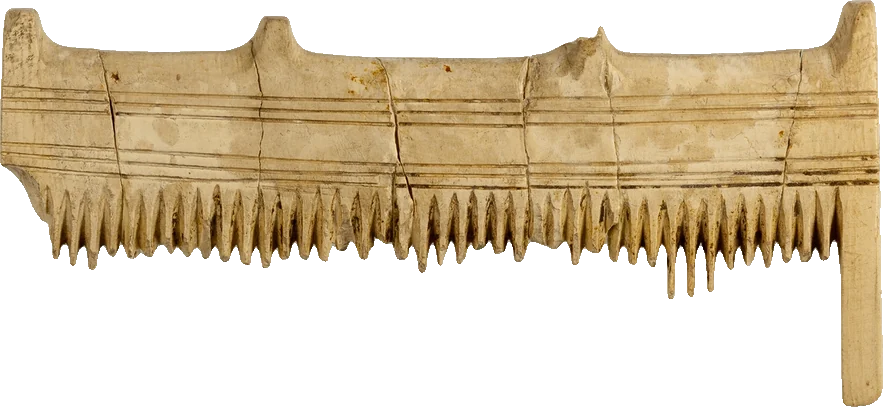 Combca. 1550–1458 BCE
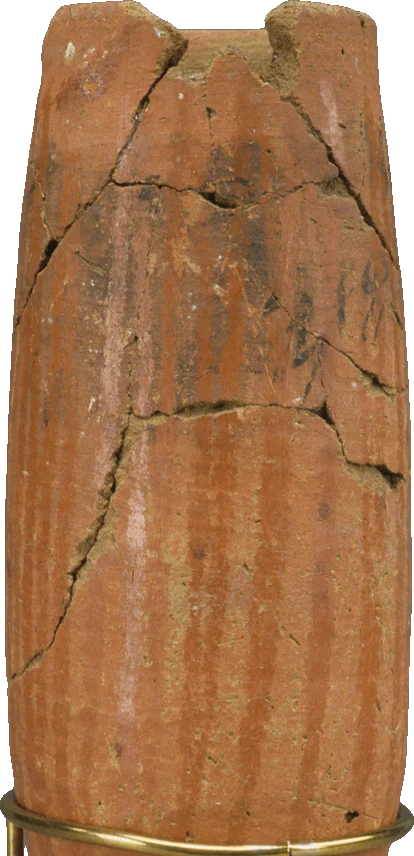 Situla, red polished wareca. 1550–1458 BCE
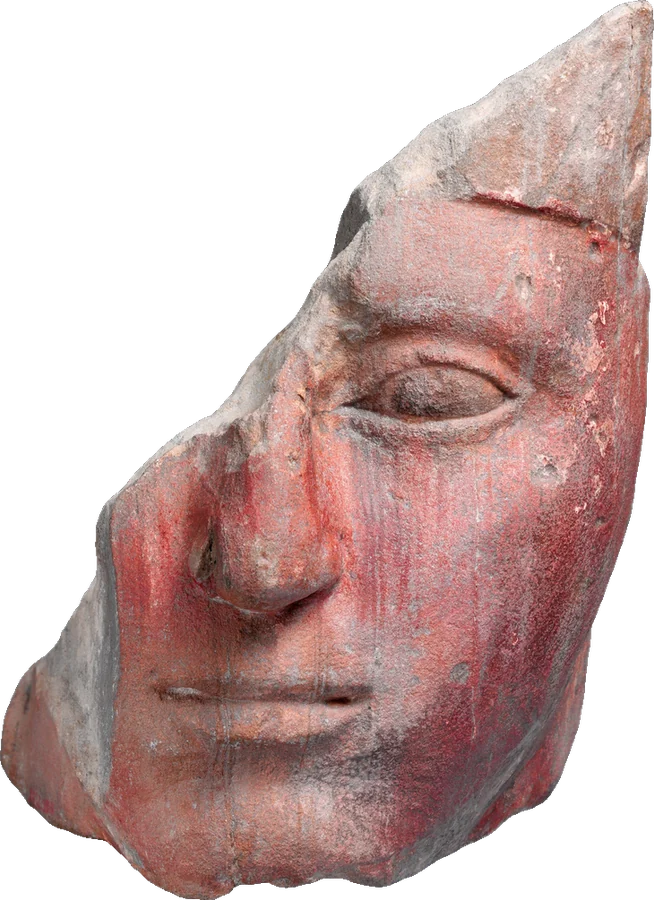 Head from a Statue of King Amenhotep Ica. 1525–1504 BCE
 Arrow or Javelin Point of Neferkhawetca. 1504–1447 BCE
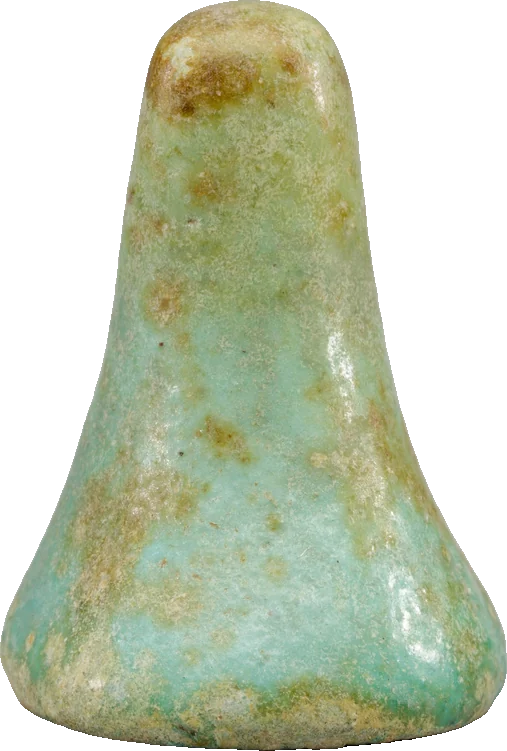 Conical Game Piececa. 1504–1447 BCE
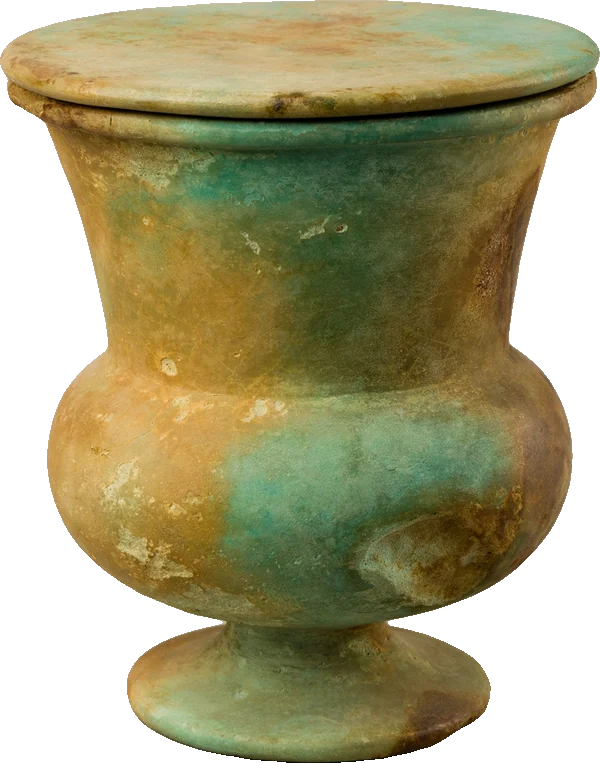 Open-Mouthed Cosmetic Jar of Neferkhawetca. 1504–1447 BCE
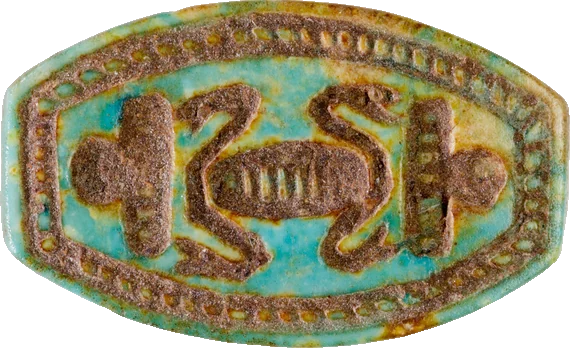 Cowroidca. 1504–1447 BCE
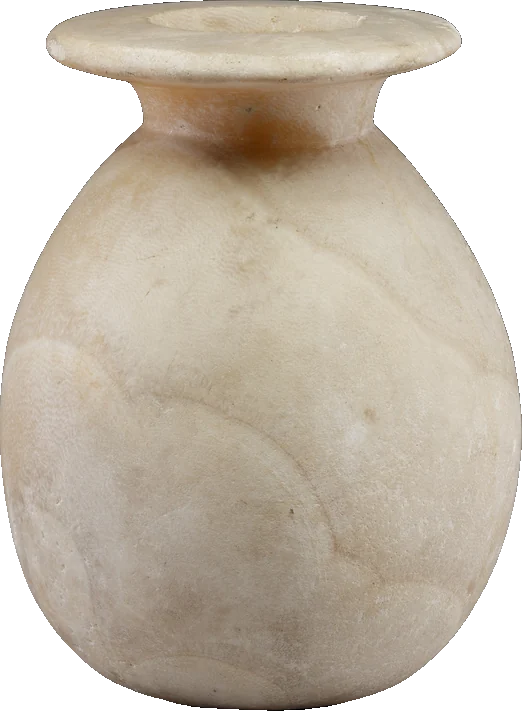 Piriform Jar of Renneferca. 1504–1447 BCE
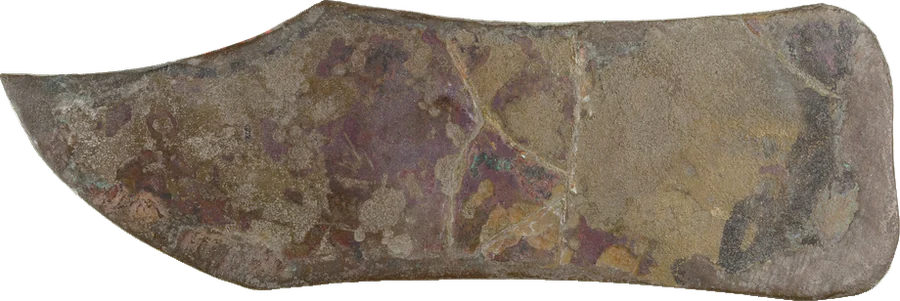 Ruiu's Razorca. 1504–1447 BCE
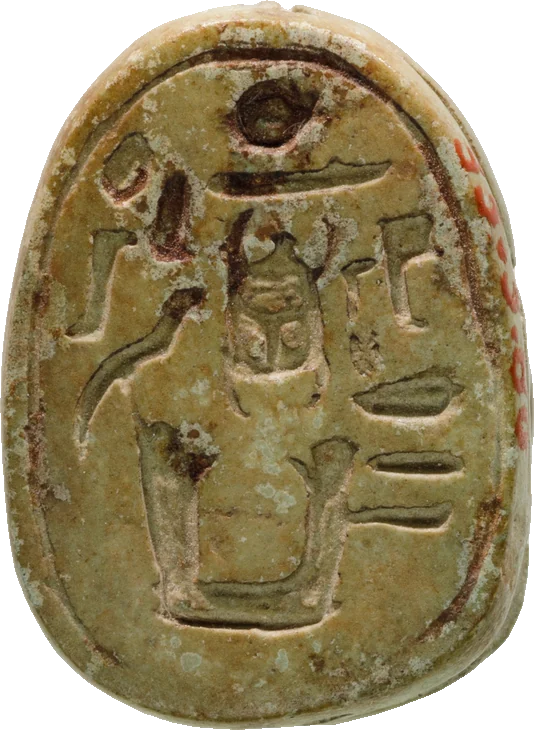 Scarab with the Throne Name of Thutmose Ica. 1504–1447 BCE
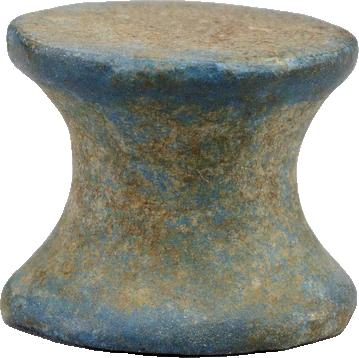 Spool-Shaped Game Piececa. 1504–1447 BCE
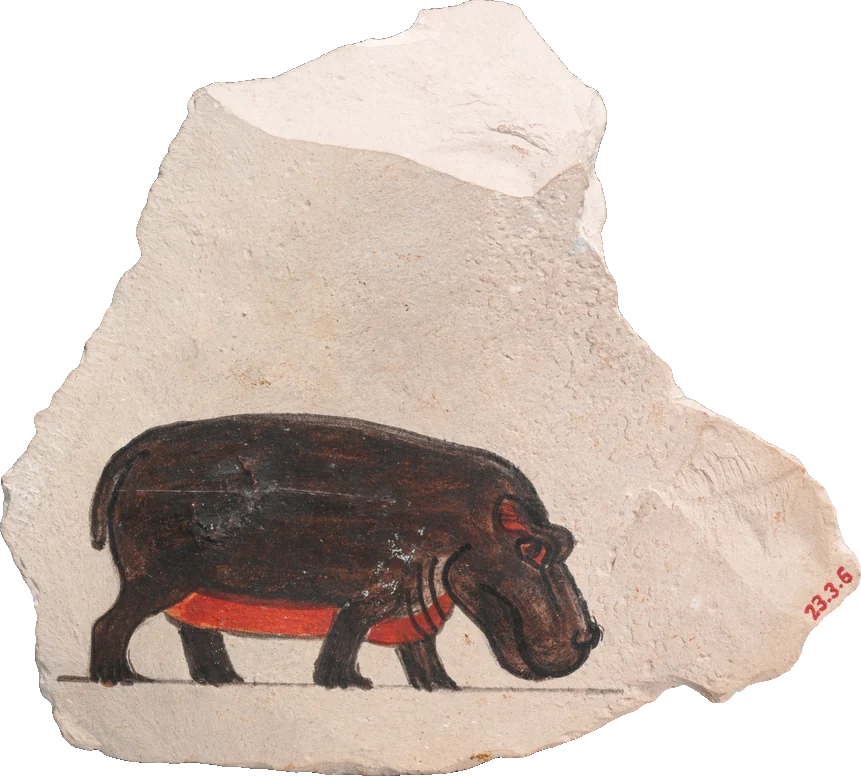 Artist's Painting of a Hippopotamusca. 1473–1458 BCE
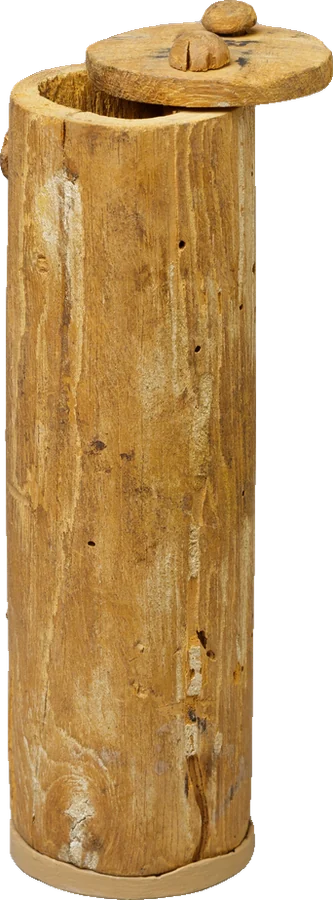 Cylindrical Scribe's Boxca. 1473–1458 BCE
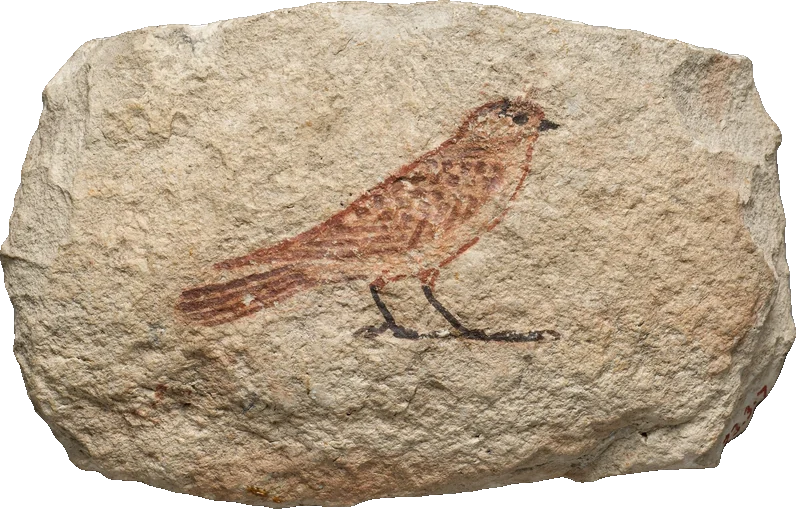 Artist's Sketch of a Sparrowca. 1473–1458 BCE
 Carpenter's Chisel from a Foundation Deposit for Hatshepsut's Templeca. 1473–1458 BCE
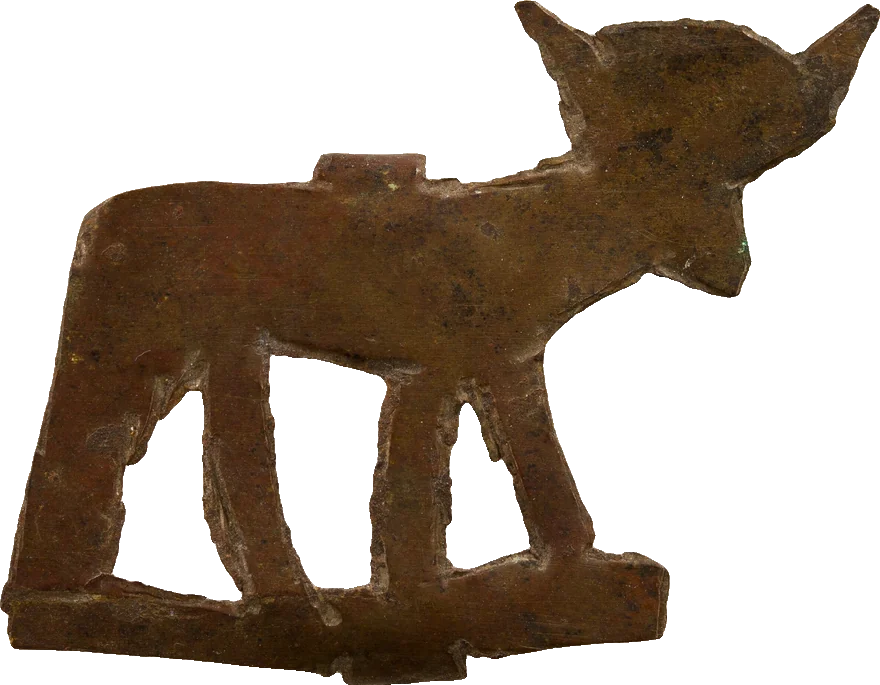 Cow plaqueca. 1473–1458 BCE
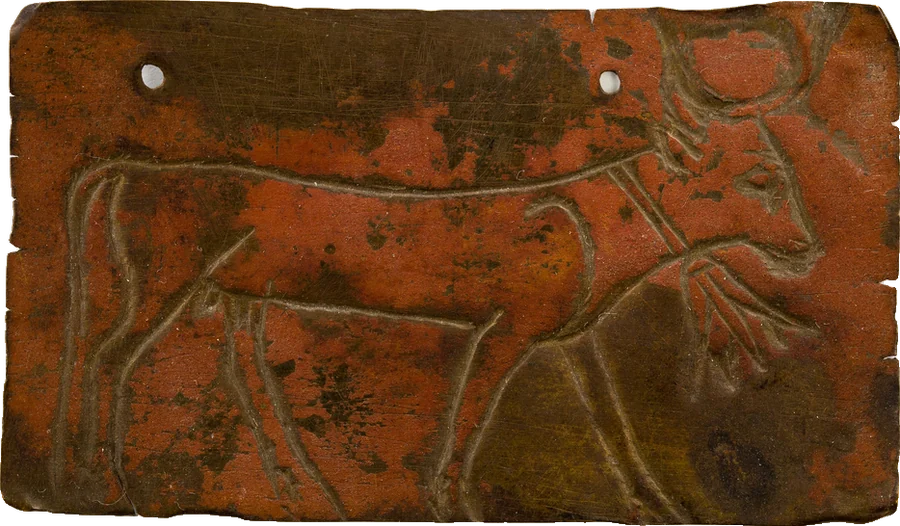 Cow plaqueca. 1473–1458 BCE
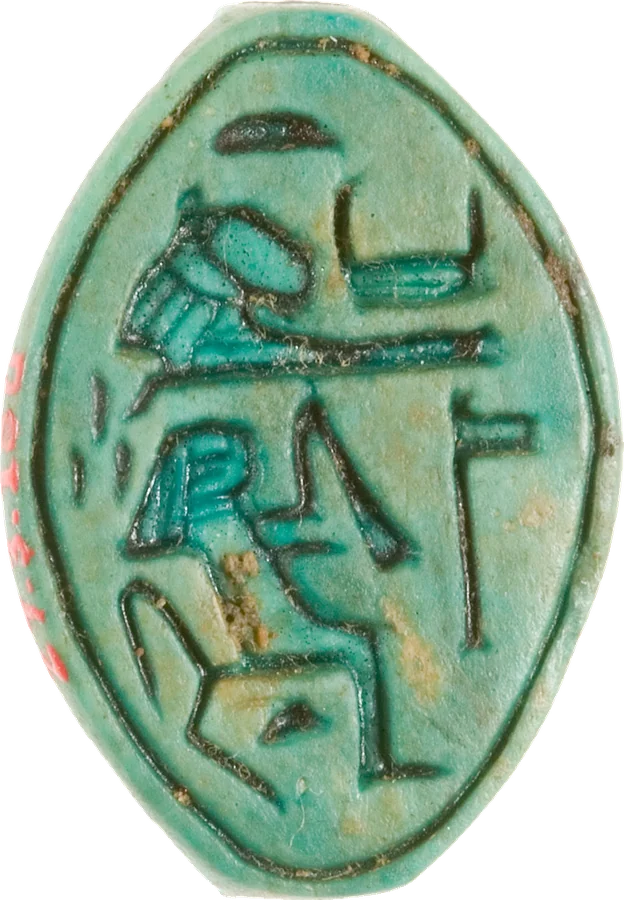 Cowroid Seal Amulet Inscribed for the God's Wife Hatshepsutca. 1473–1458 BCE
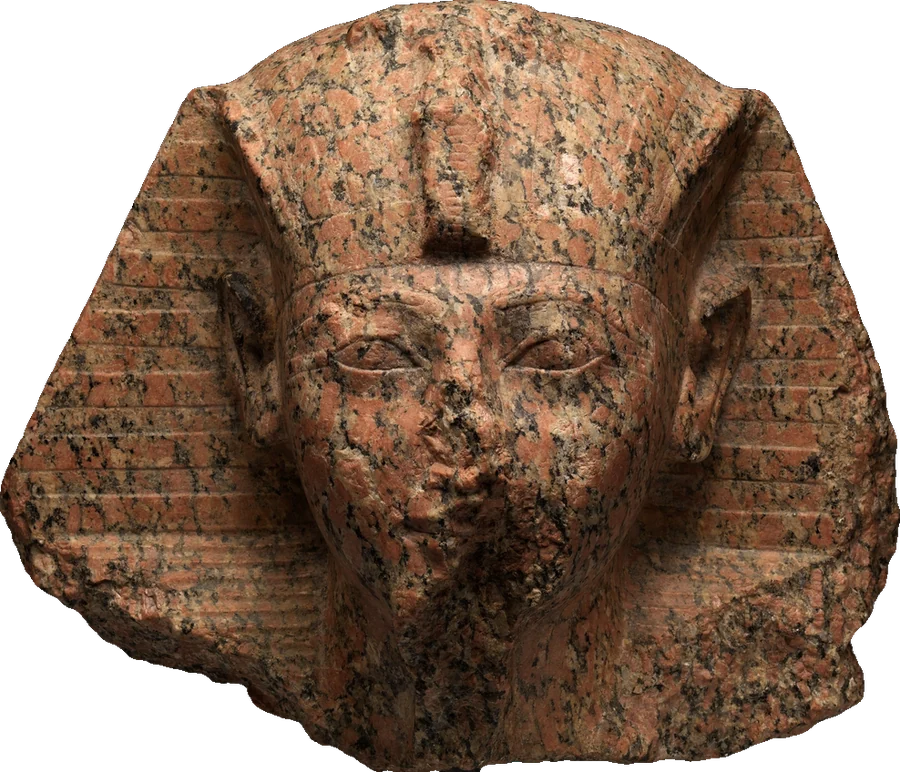 Head of Hatshepsutca. 1473–1458 BCE
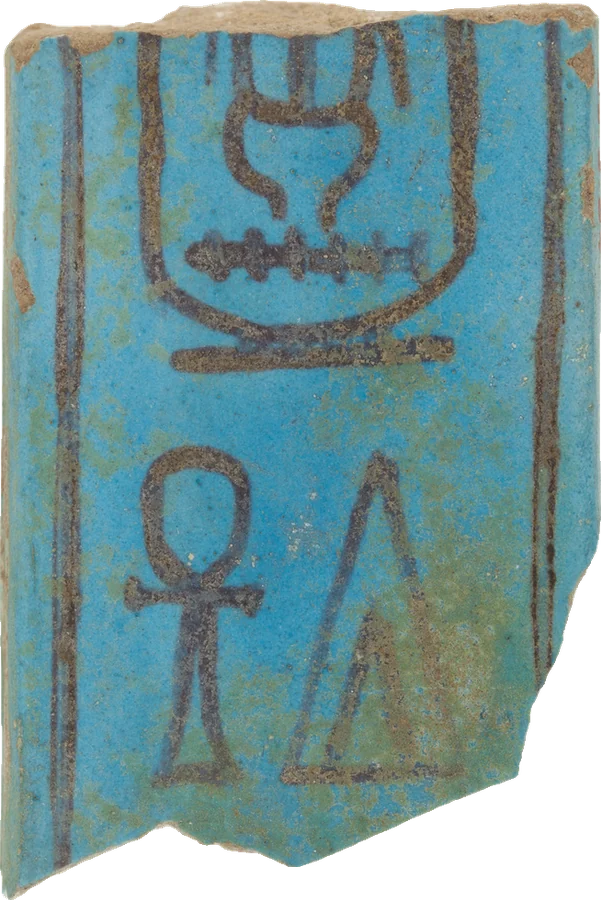 Menat fragmentca. 1473–1458 BCE
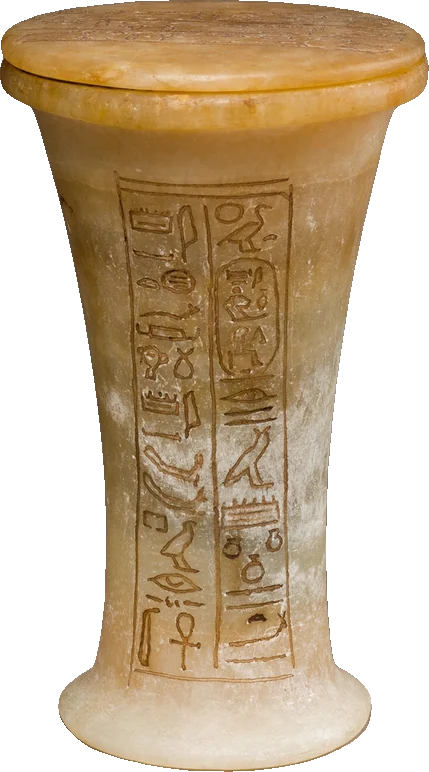 Ointment Jarca. 1473–1458 BCE
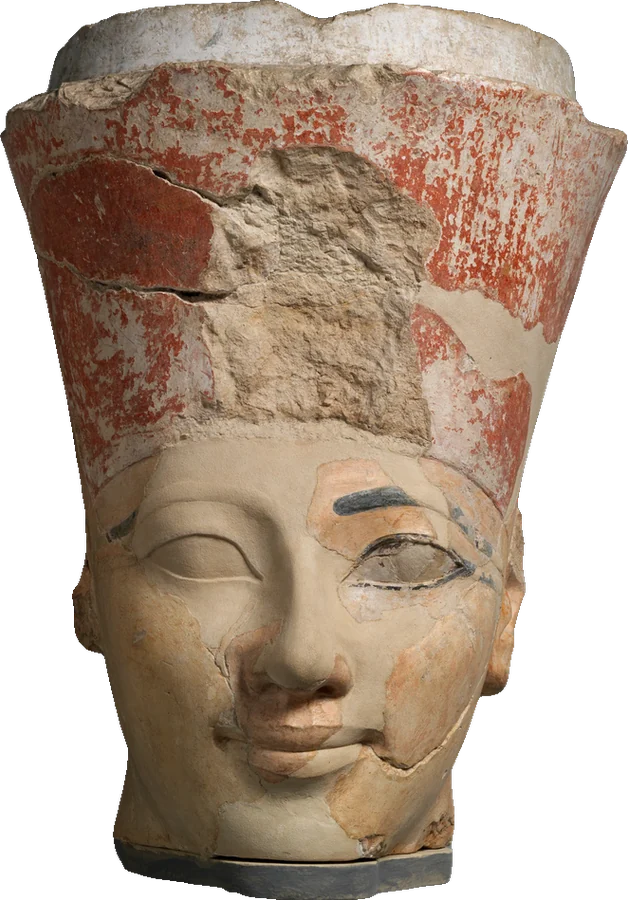 Head of an Osiride Statue of Hatshepsutca. 1473–1458 BCE
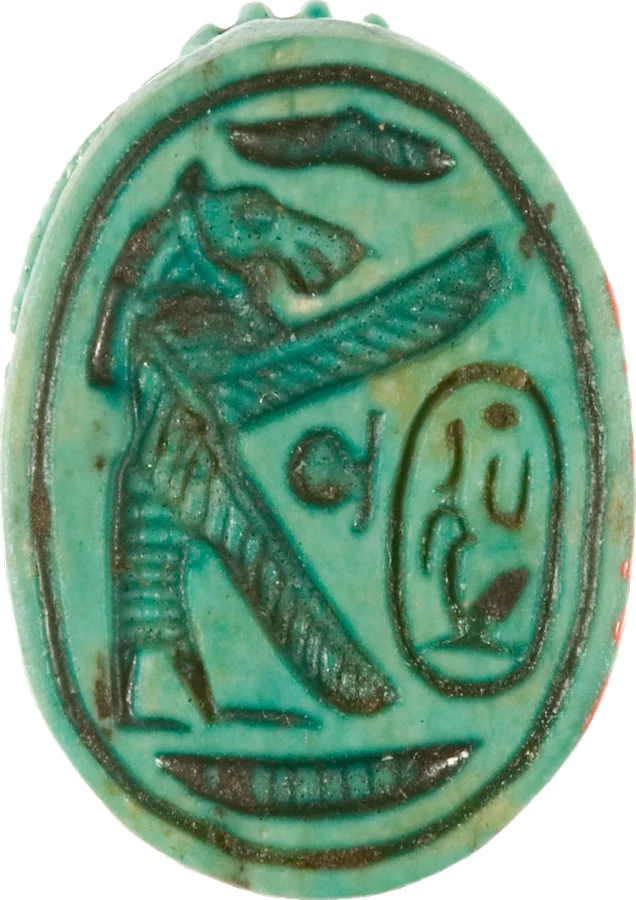 Scarab with Lion-headed Goddess Protecting Maatkareca. 1473–1458 BCE
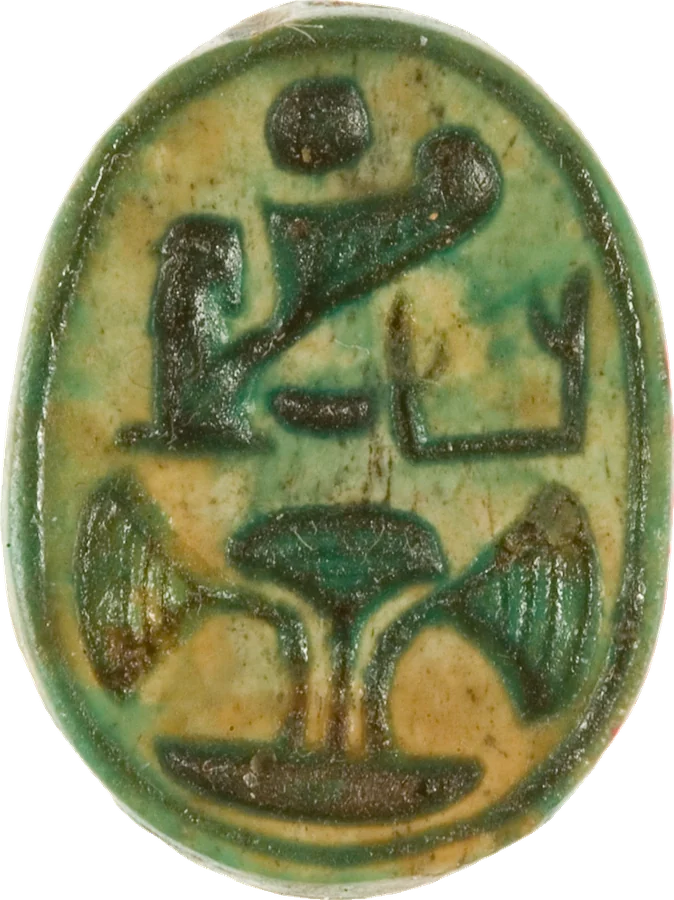 Scarab Inscribed with the Name Maatkare Over a Papyrus Thicketca. 1473–1458 BCE
 Scribal kniife of the Chief Steward Djehutyhotepca. 1473–1458 BCE
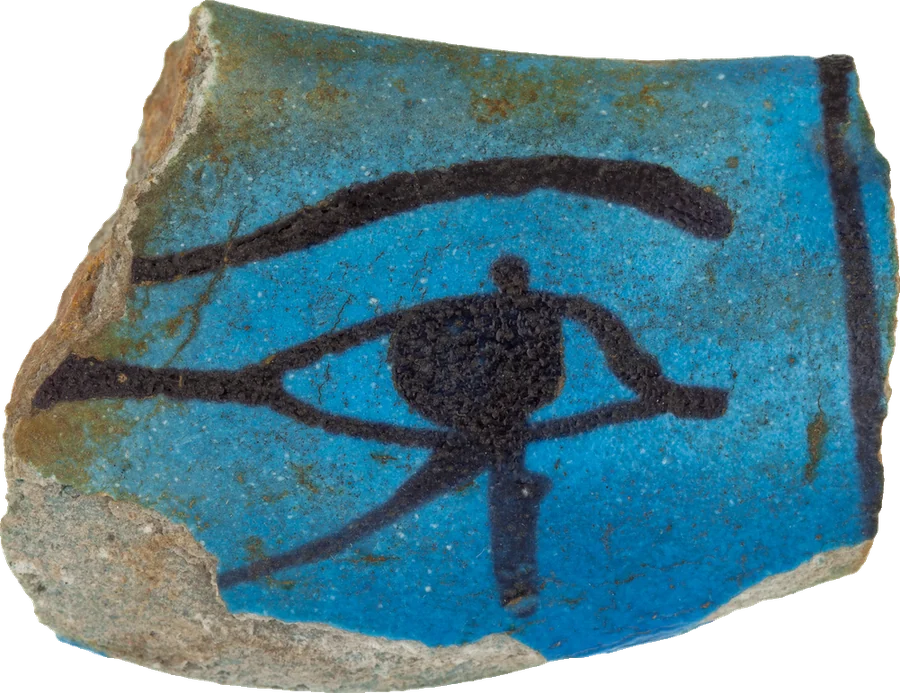 Model Throw stick fragment, eyeca. 1473–1458 BCE
 Scale from Armorca. 1386–1347 BCE
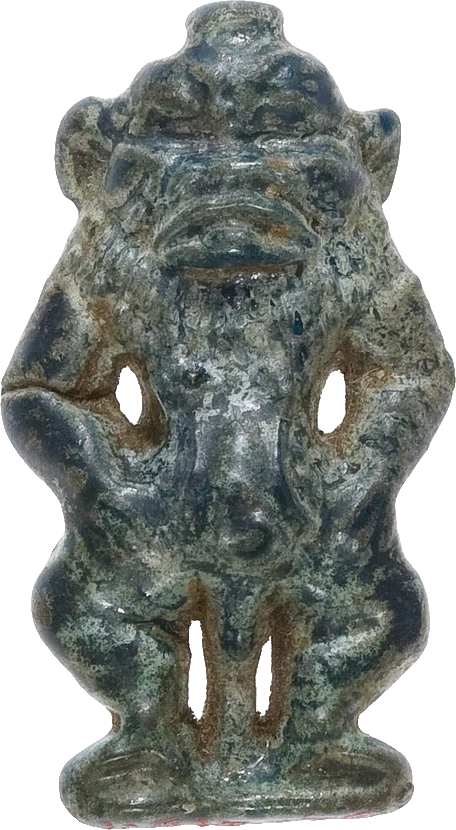 Amulet of a Bes-imageca. 1386–1347 BCE
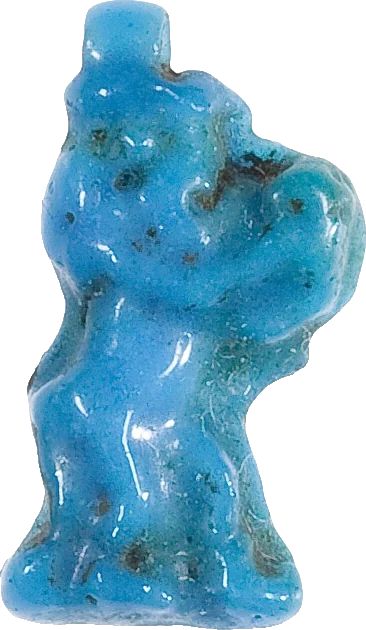 Amulet of Bes with tambourineca. 1386–1347 BCE
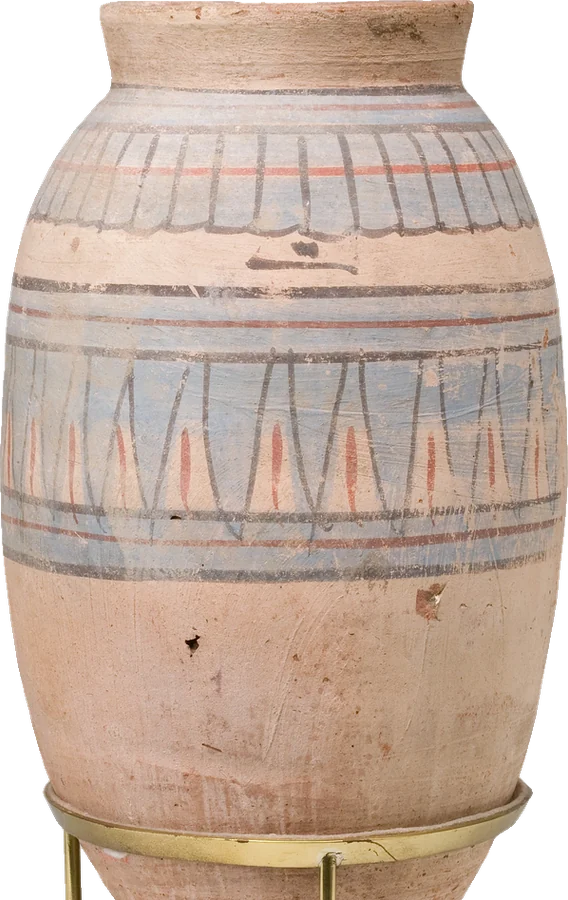 Blue-Painted Jar from Malqataca. 1386–1347 BCE
 Carpenter's Chiselca. 1386–1347 BCE
 Knifeca. 1386–1347 BCE
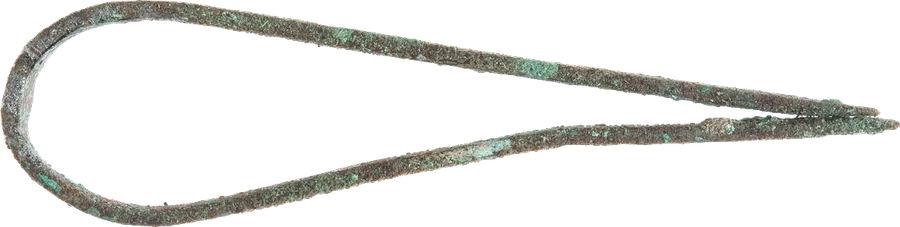 Tweezersca. 1386–1347 BCE
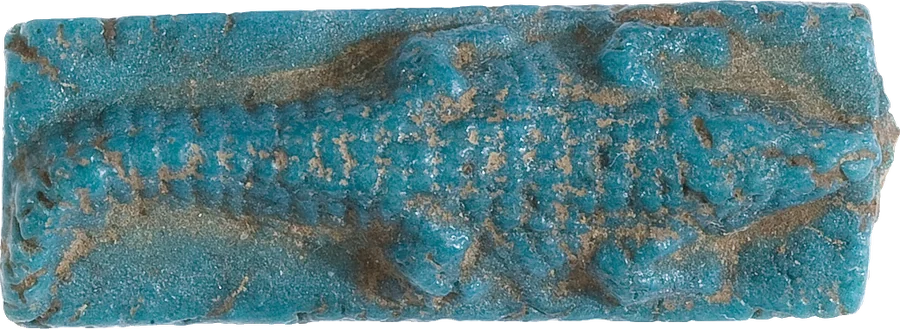 Crocodile Amuletca. 1386–1347 BCE
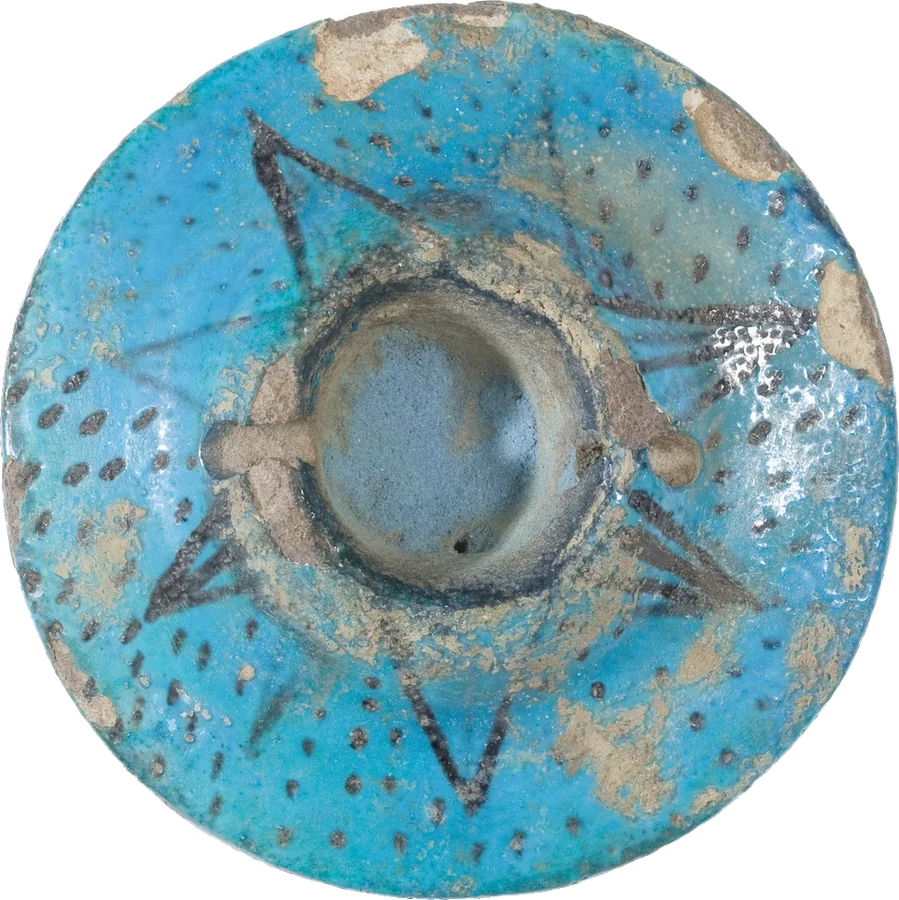 Jar Lidca. 1386–1347 BCE
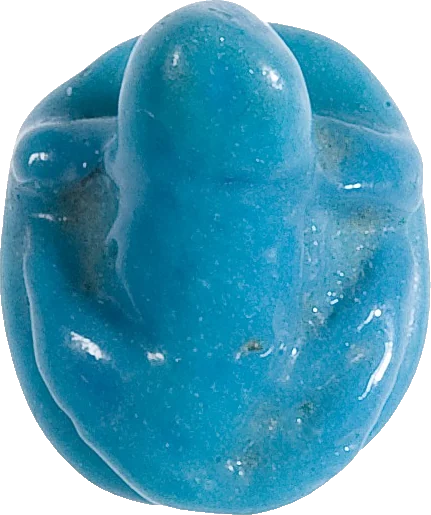 Frog Seal Amulet with a Sa Hieroglyph on the Baseca. 1386–1347 BCE
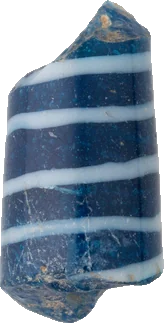 Part of an ear studca. 1386–1347 BCE
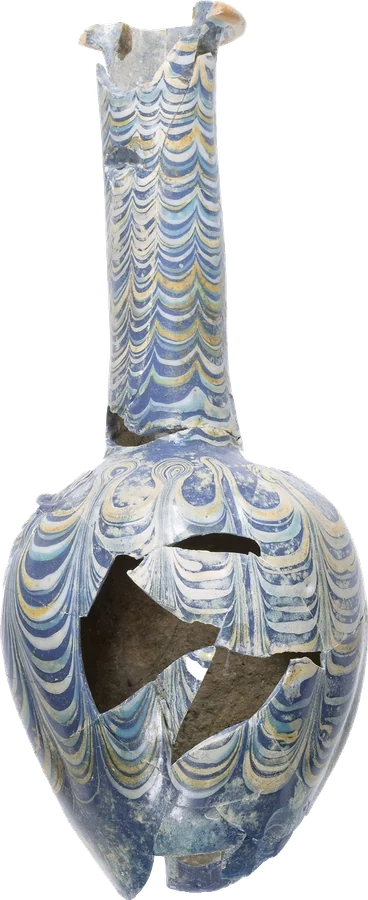 Vaseca. 1386–1347 BCE
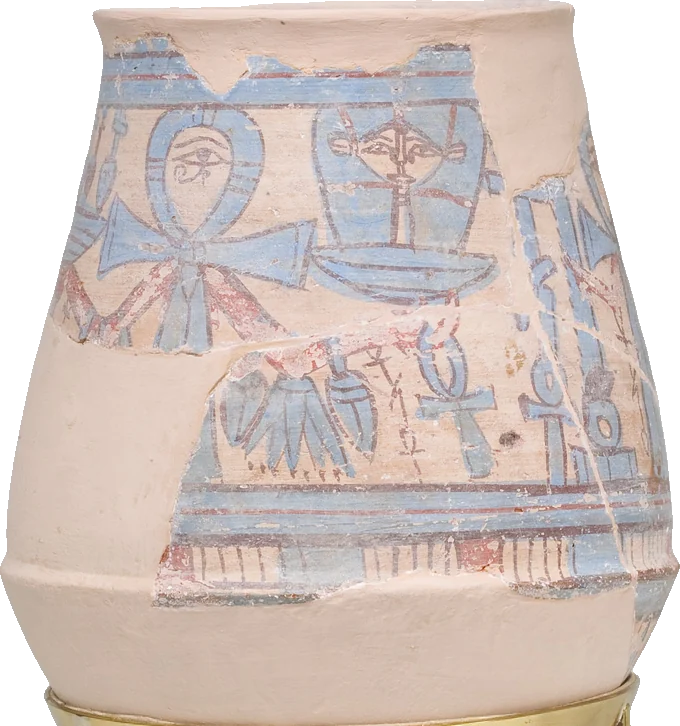 Blue-painted Jar from Malqata with Hathor Emblemca. 1386–1347 BCE
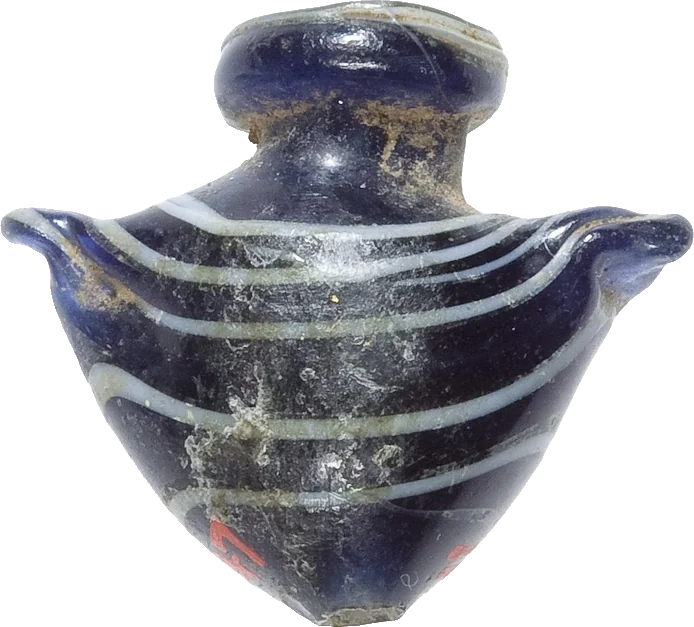 Heart Amuletca. 1386–1347 BCE
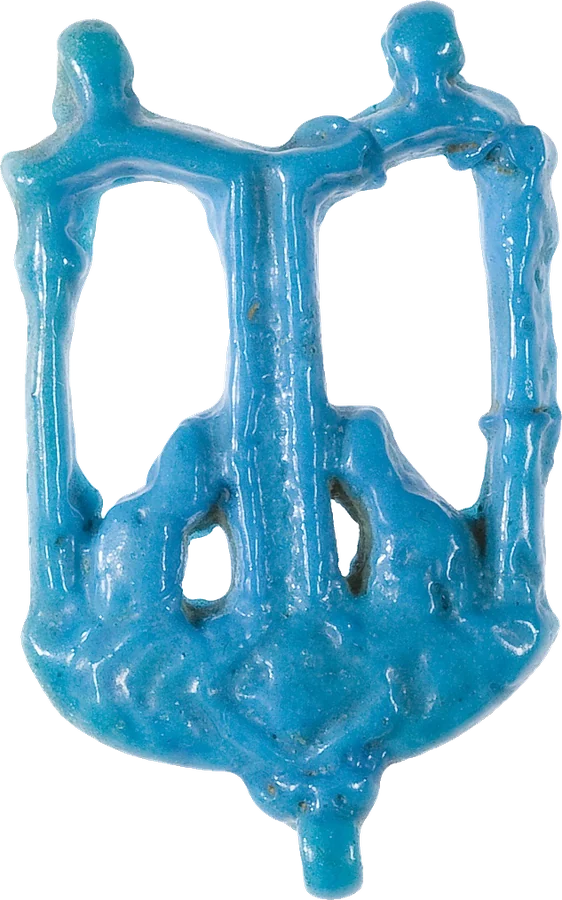 Heb-Sed Amuletca. 1386–1347 BCE
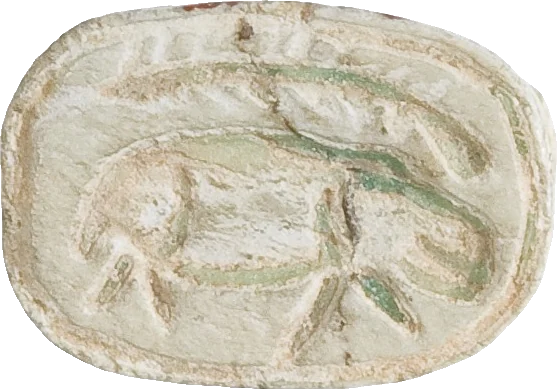 Seal Amulet Decorated with a Hippopotamusca. 1386–1347 BCE
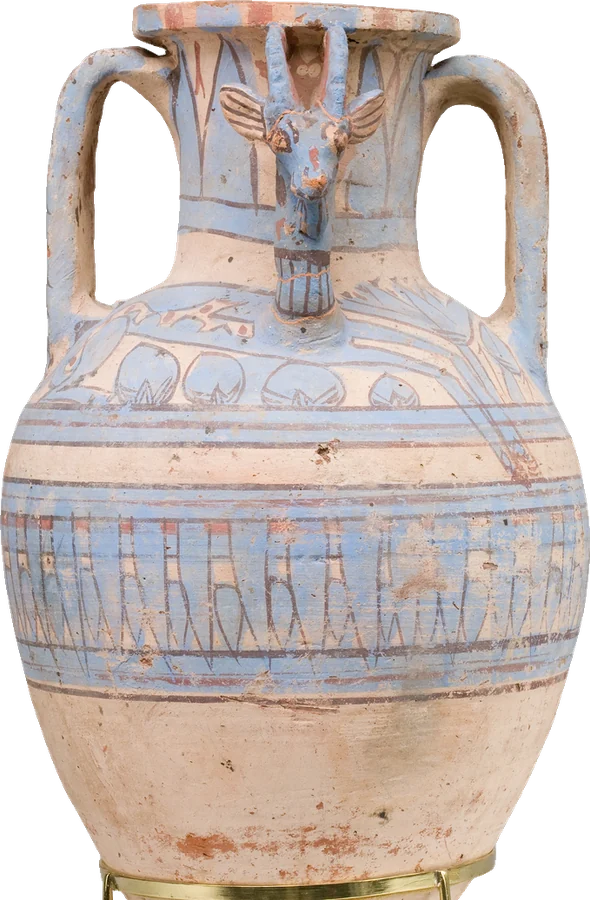 Blue-Painted Ibex Amphora from Malqataca. 1386–1347 BCE
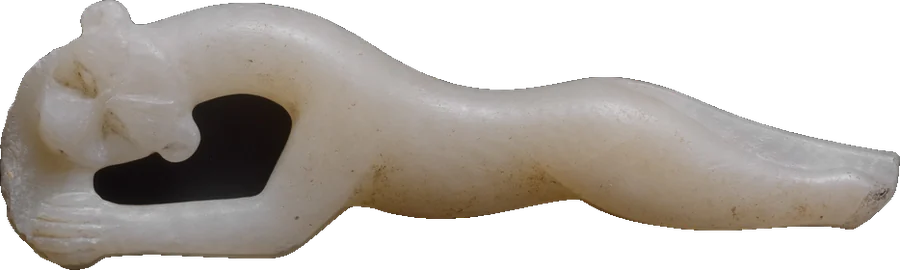 Handle of a Cosmetic Spoon in the Form of a Leopardca. 1386–1347 BCE
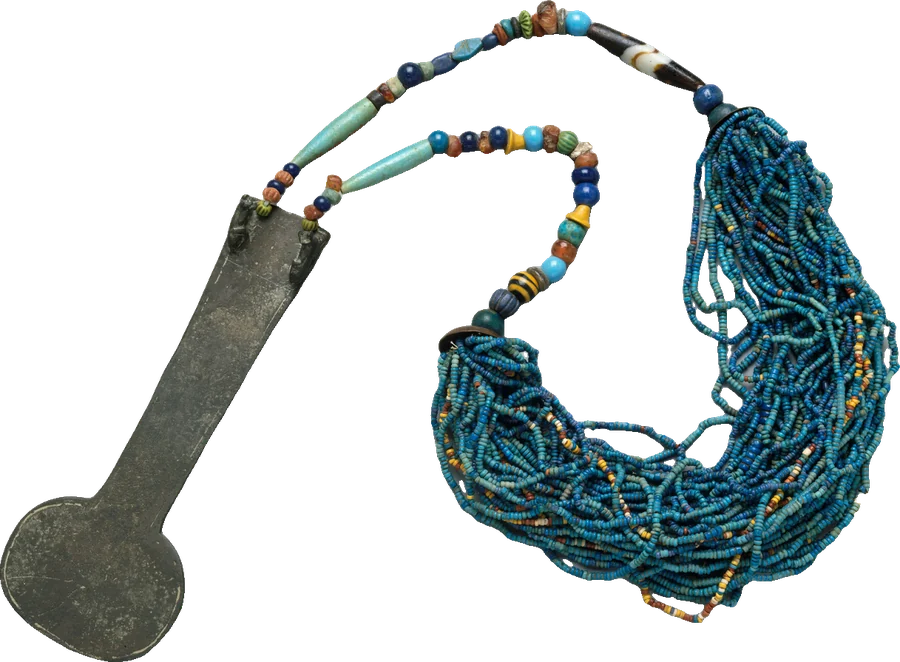 Menat necklace from Malqataca. 1386–1347 BCE
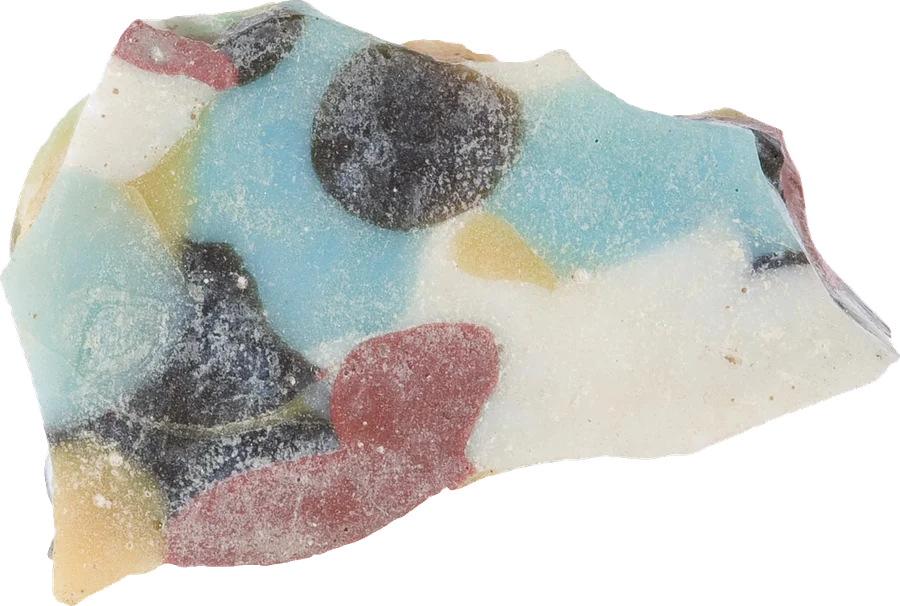 Fragment of a Dish of Polychrome Mosaic Glassca. 1386–1347 BCE
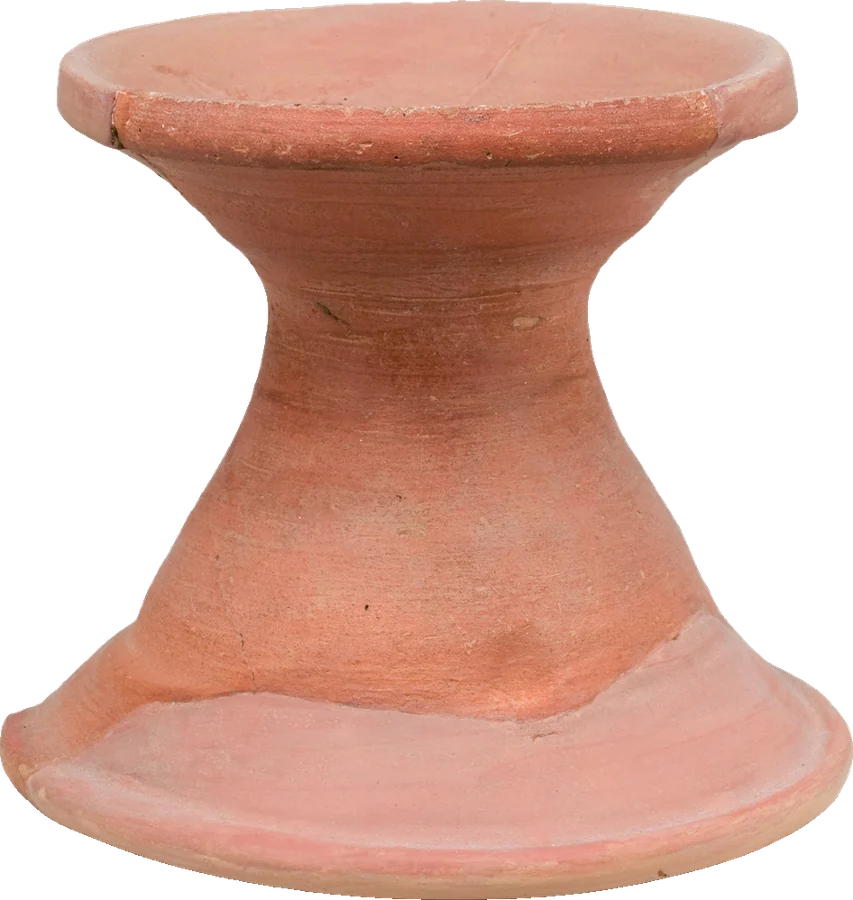 Red Ware Jar Stand from Malqataca. 1386–1347 BCE
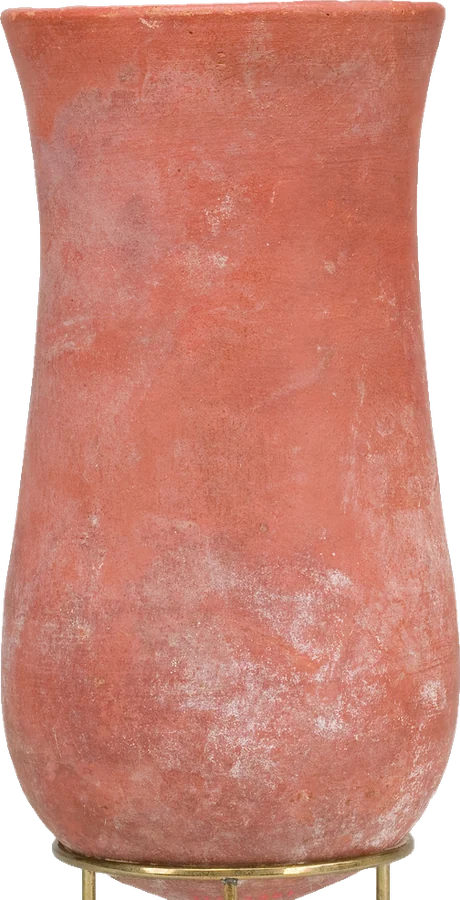 Red Ware Situla-shaped Jar from Malqataca. 1386–1347 BCE
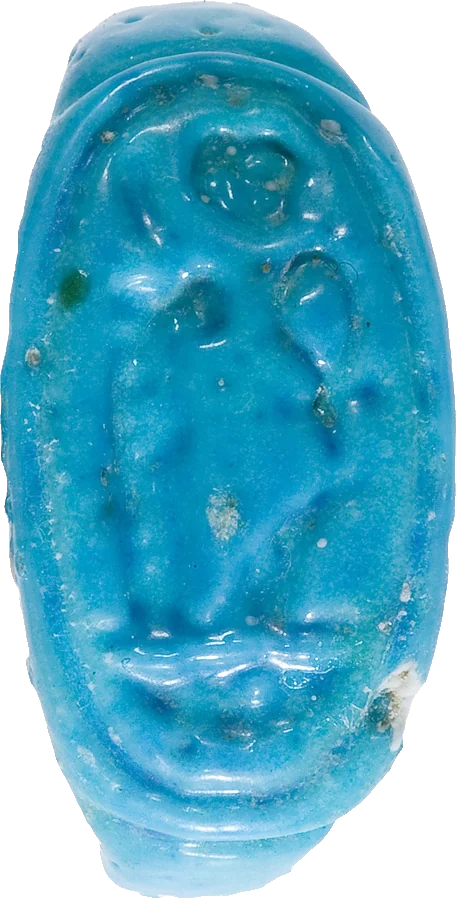 Ring Inscribed with the Throne Name of Amenhotep IIIca. 1386–1347 BCE
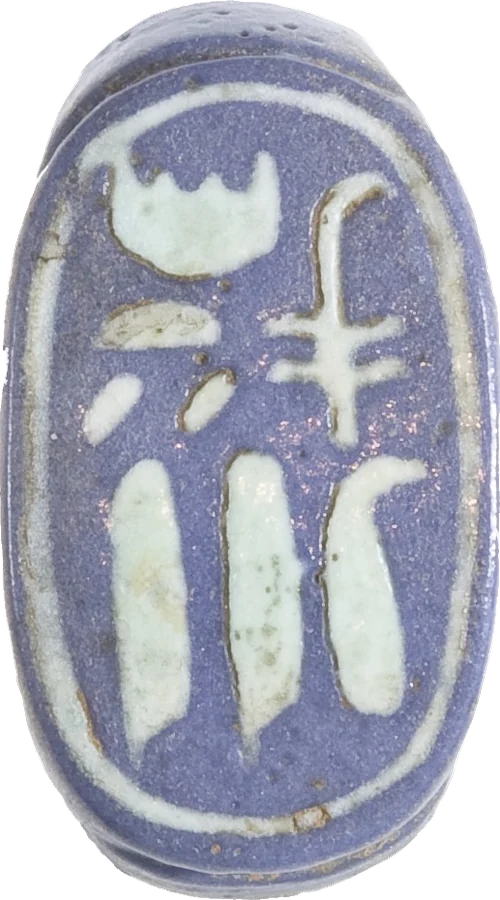 Ring Inscribed for Queen Tiyeca. 1386–1347 BCE
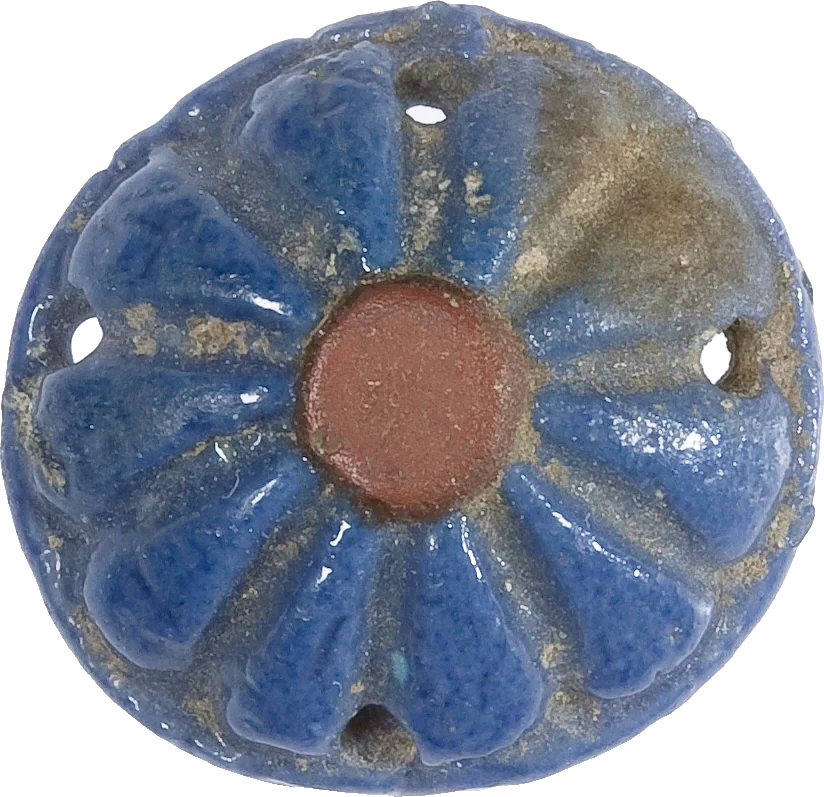 Rosette Decorationca. 1386–1347 BCE
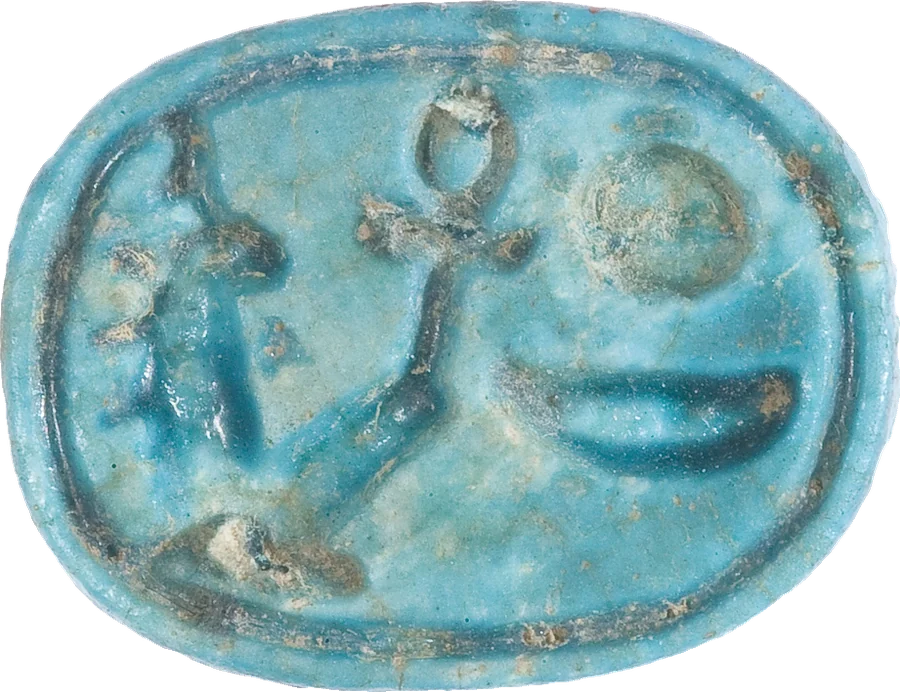 Scarab with the Throne Name of Amenhotep IIIca. 1386–1347 BCE
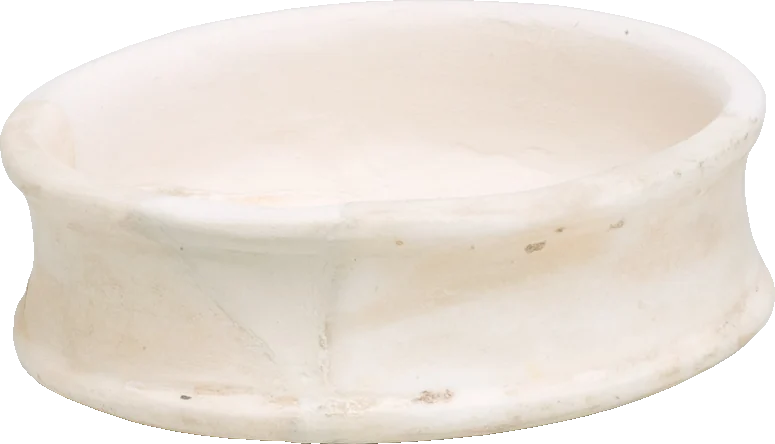 Small Bowl or Cupca. 1386–1347 BCE
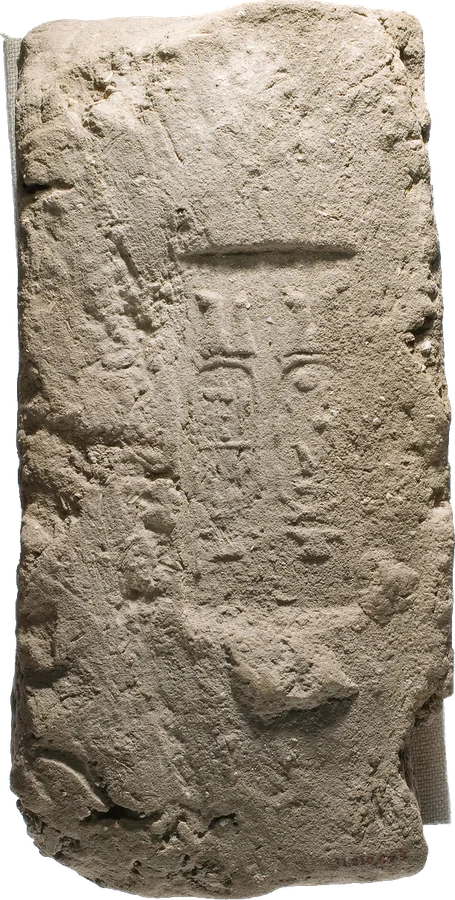 Brick stamped with the Names of Amenhotep IIIca. 1386–1347 BCE
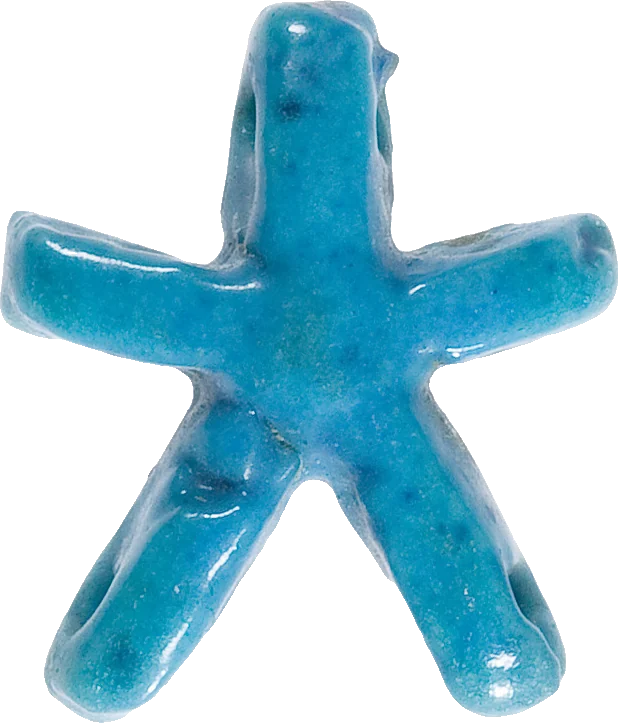 Jewelry element in the shape of a starca. 1386–1347 BCE
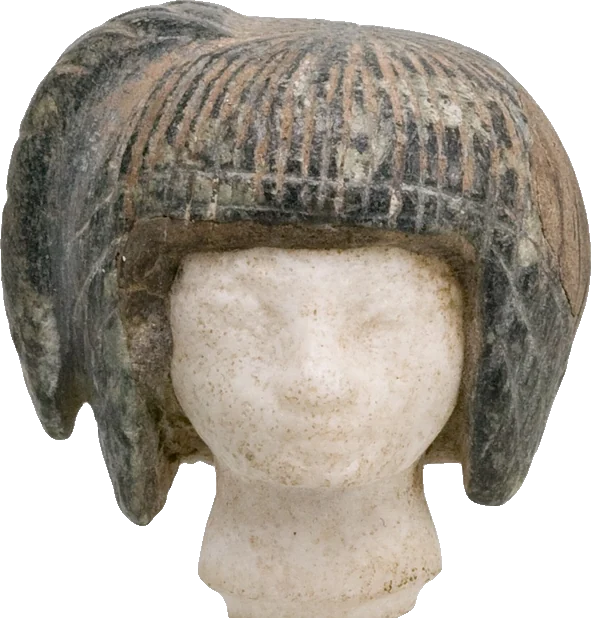 Head from a Spoon in the form of a Swimming Girlca. 1386–1347 BCE
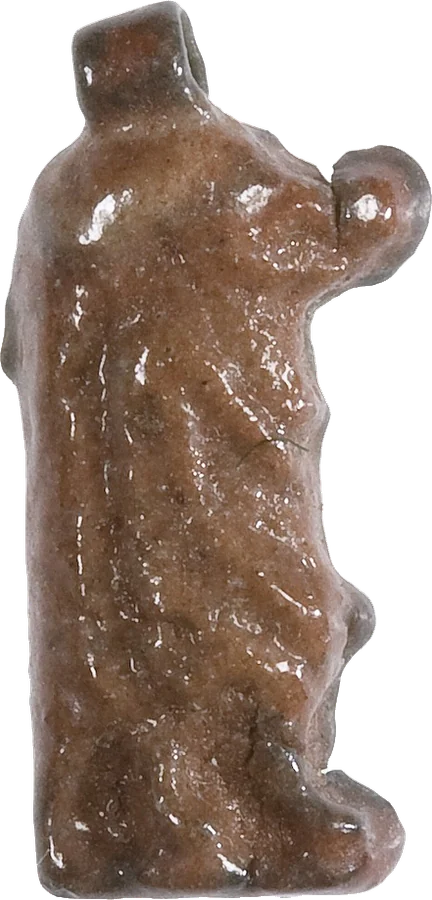 Taweret Amuletca. 1386–1347 BCE
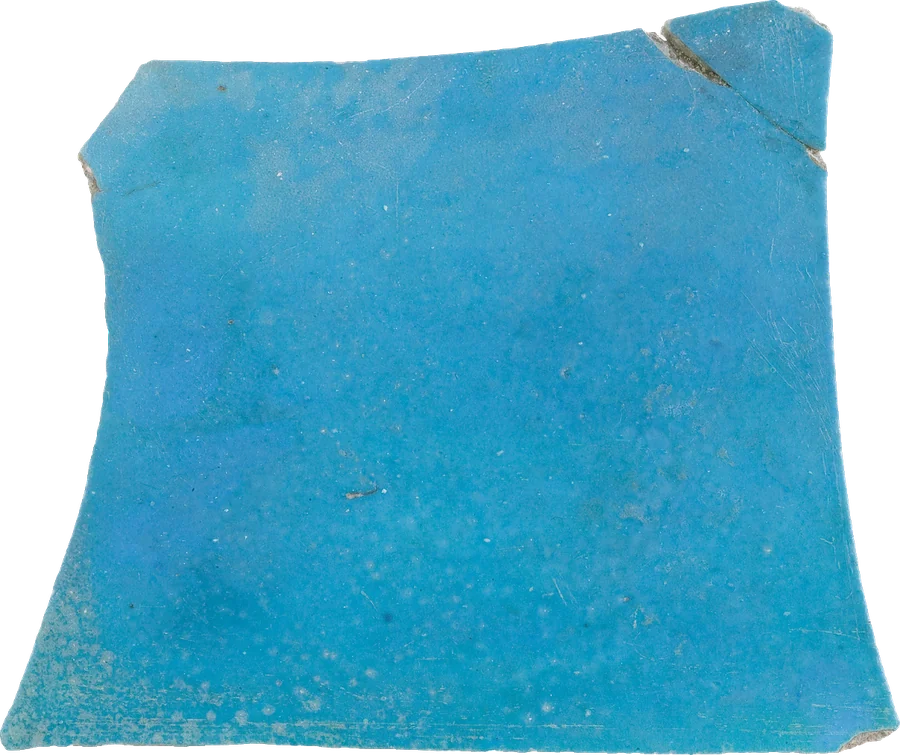 Square Wall Tileca. 1386–1347 BCE
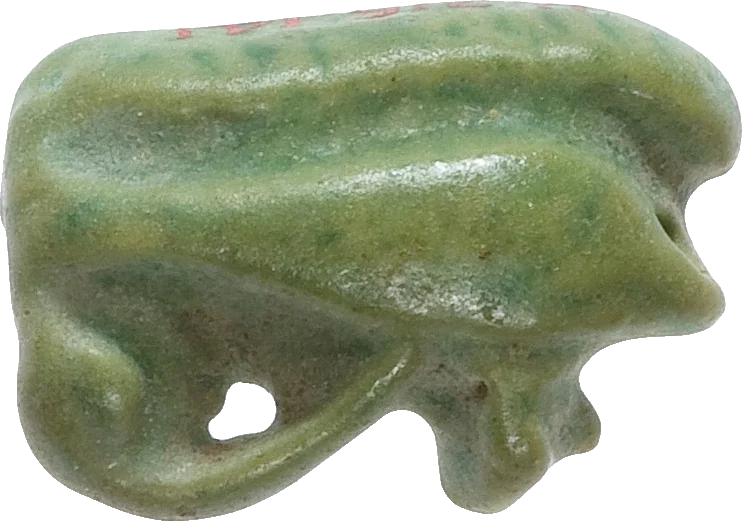 Wedjat Eye Amuletca. 1386–1347 BCE
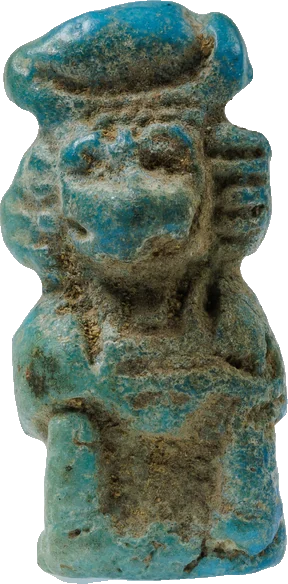 Thoth (Cynocephalus baboon) amuletca. 1300–1080 BCE
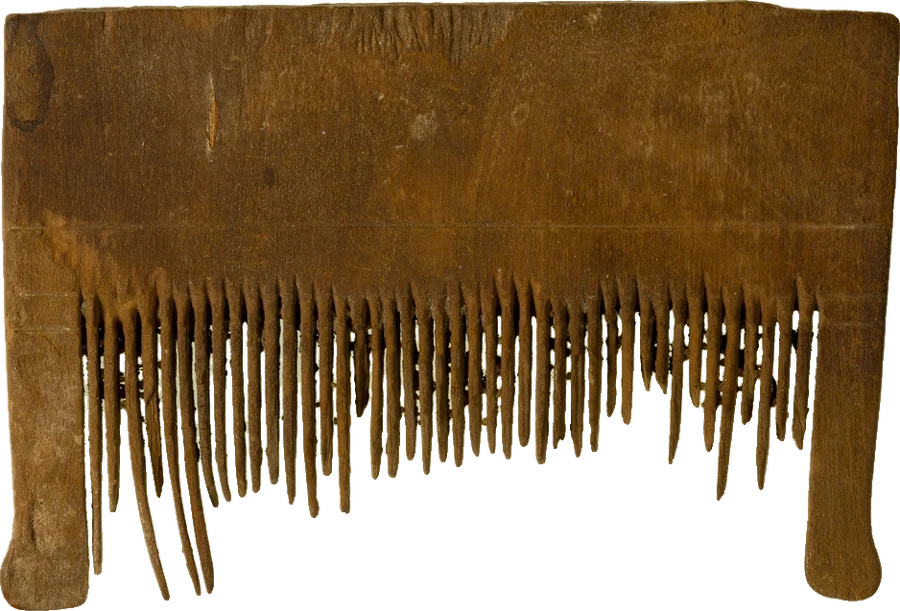 Combca. 1300–1080 BCE
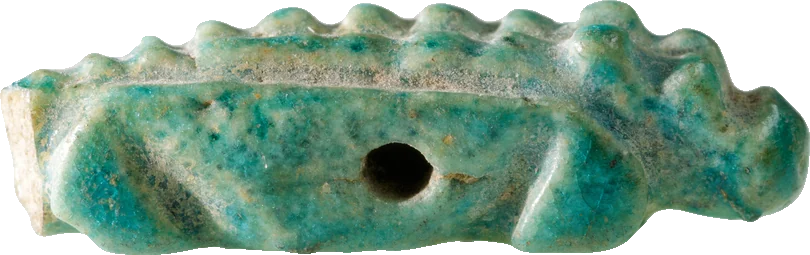 Crocodile amuletca. 1300–1080 BCE
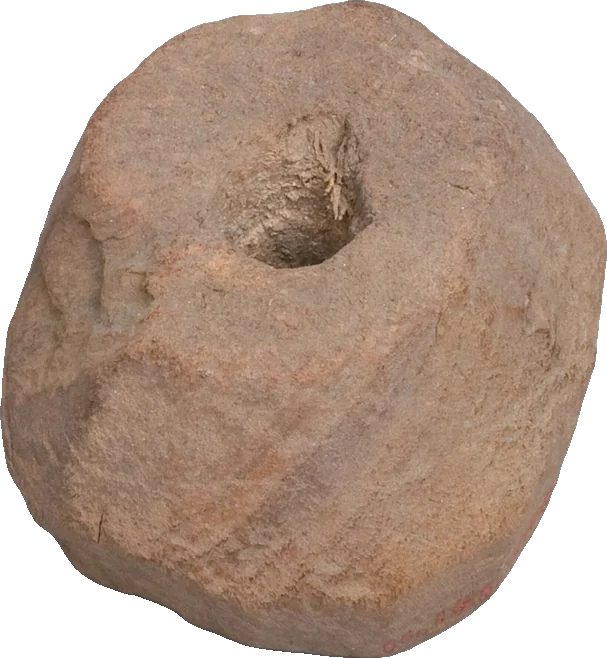 Spindle whorlca. 1300–1080 BCE
 Spindle with whorlca. 1300–1080 BCE
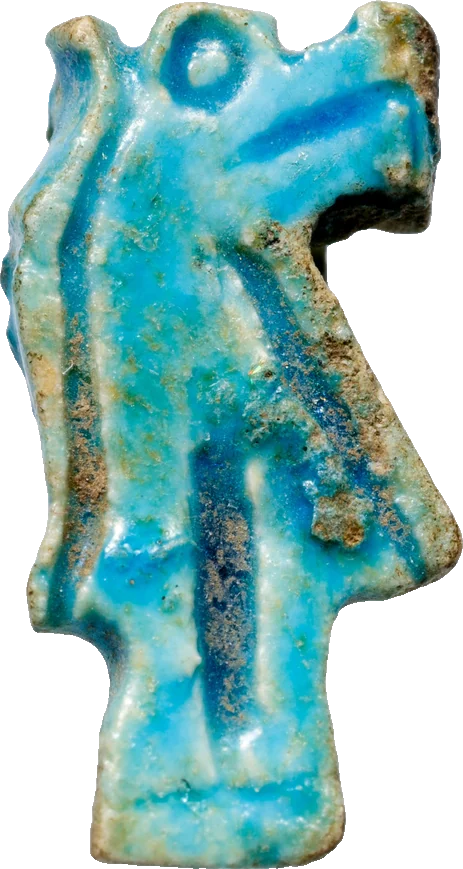 Taweret Amuletca. 1300–1080 BCE
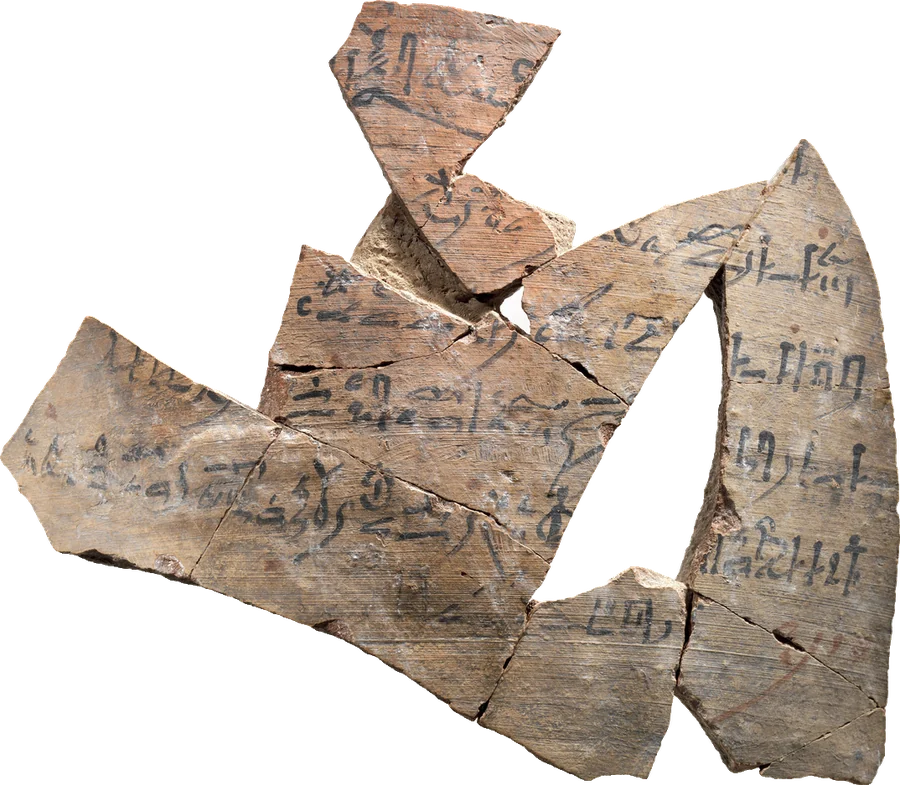 Hieratic copy of the Teaching of Amenemhat Ica. 1300–1080 BCE
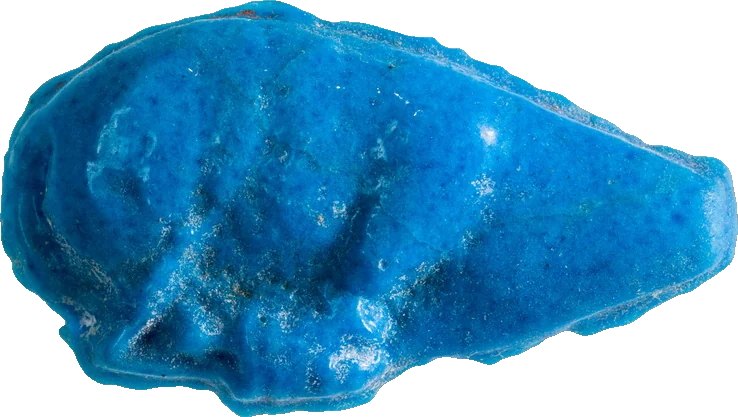 Plaque in the Form of a Slaughtered Oxca. 1166–1158 BCE
Find these objects in the game at Deir el-Bahri, Asasif, Lisht, Malqata.
Play Digopolis