
Materials
Egyptian faience
A glazed material made mostly of crushed quartz, usually bright blue or green. Not clay pottery.
Egyptian faience looks like glazed pottery but is made differently. Its body is mostly ground quartz or sand mixed with small amounts of lime and an alkali such as natron or plant ash.
When it is fired, the surface forms a shiny glaze, most often blue or blue-green, colored with copper. Egyptians used it for amulets, beads, scarabs, small vessels and inlays for thousands of years.
Read more: Egyptian faience on Wikipedia
In the game
Faience is one of the materials you identify in the lab, and Odd One Out sometimes groups finds by it.
Real examples from the game
12 of 33 objects in Digopolis, each with its museum record. Oldest first.
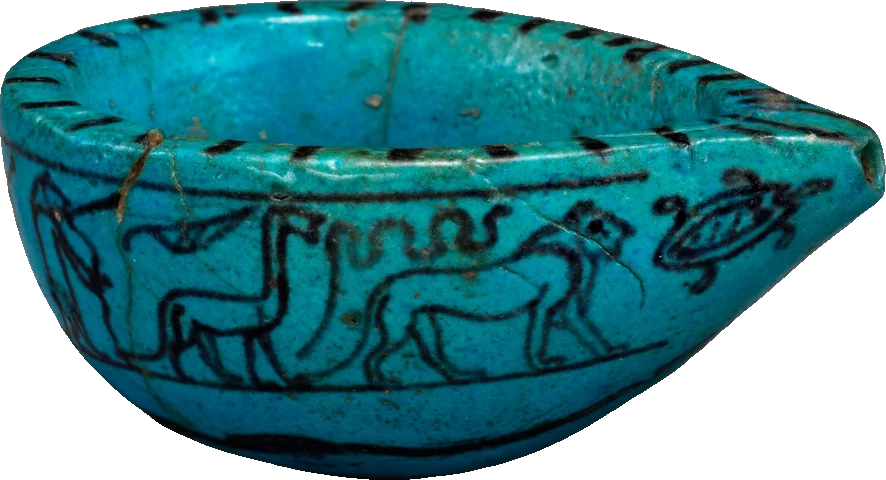 Feeding Cupca. 1850–1700 B.C.
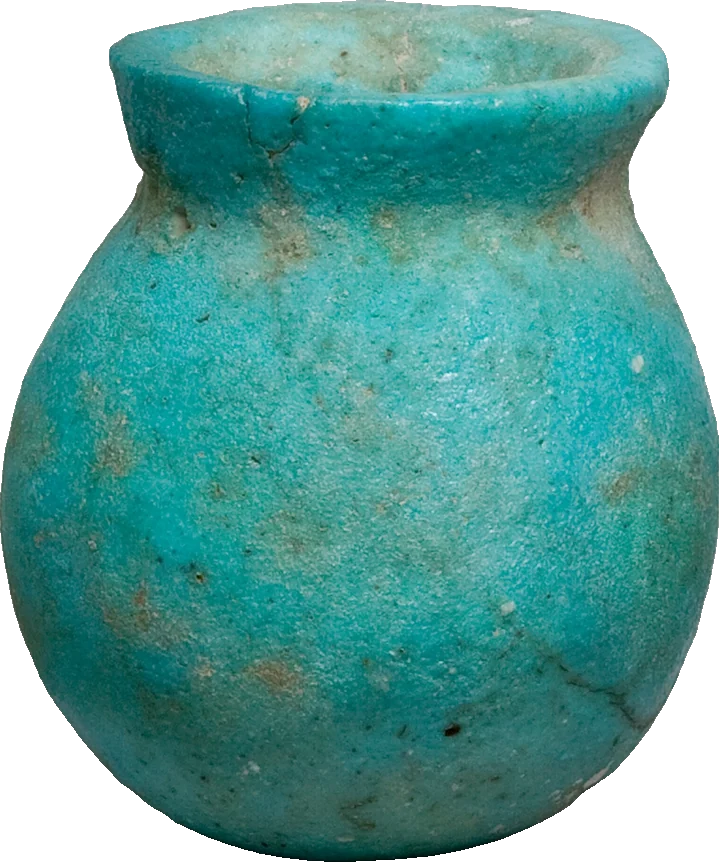 Toilet vaseca. 1850–1775 B.C.
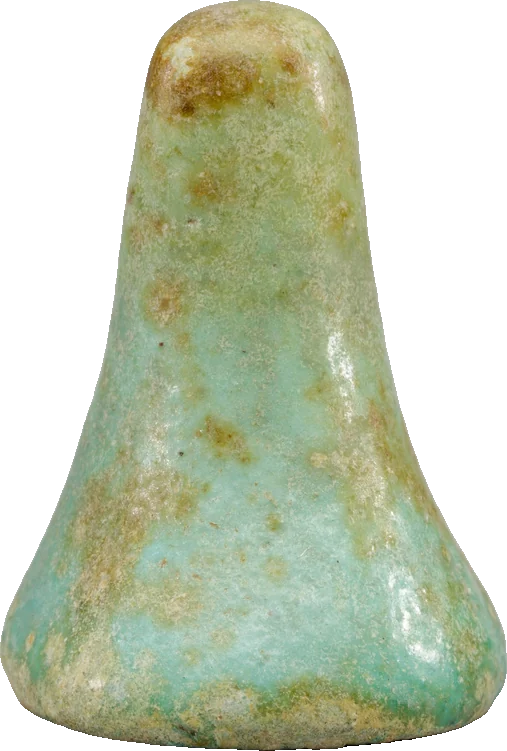 Conical Game Piececa. 1504–1447 BCE
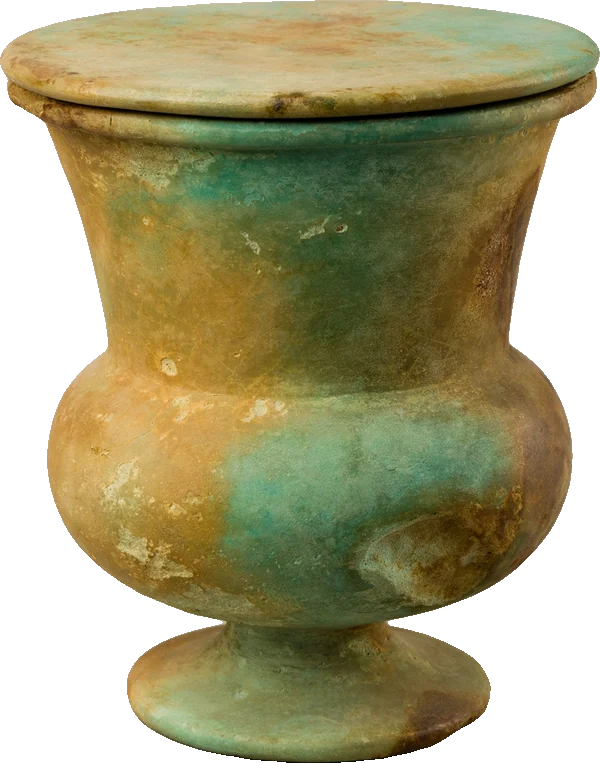 Open-Mouthed Cosmetic Jar of Neferkhawetca. 1504–1447 BCE
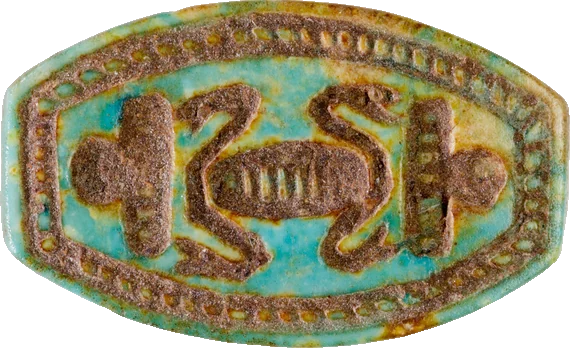 Cowroidca. 1504–1447 BCE
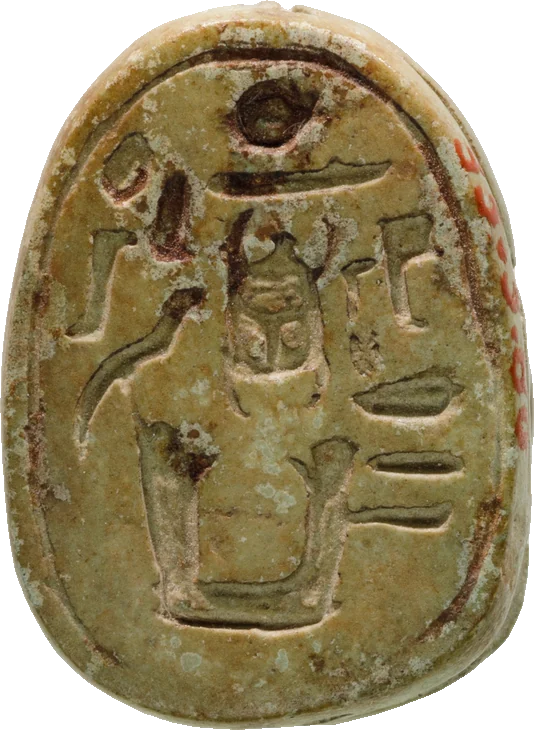 Scarab with the Throne Name of Thutmose Ica. 1504–1447 BCE
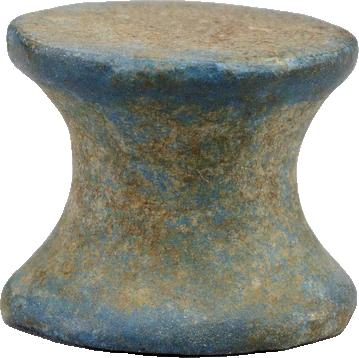 Spool-Shaped Game Piececa. 1504–1447 BCE
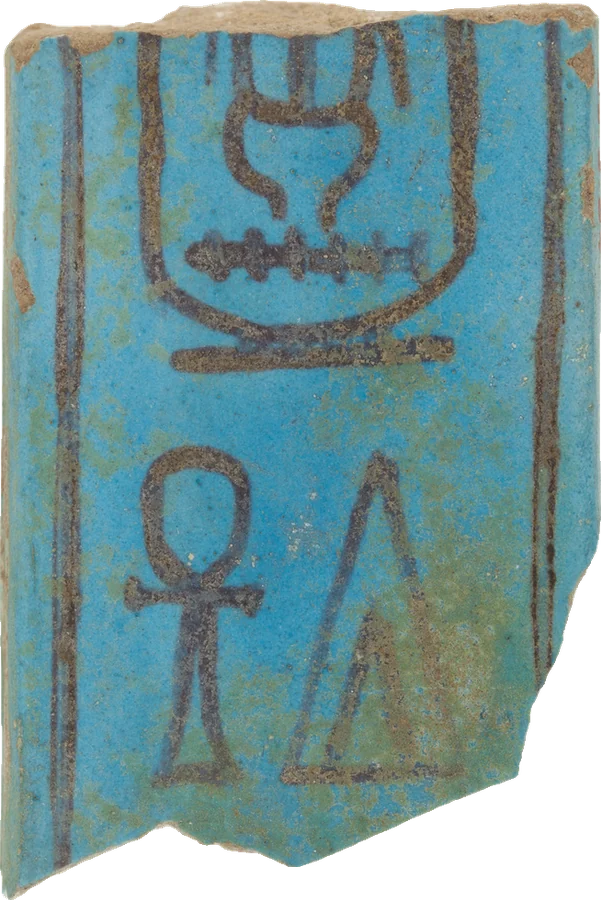 Menat fragmentca. 1473–1458 BCE
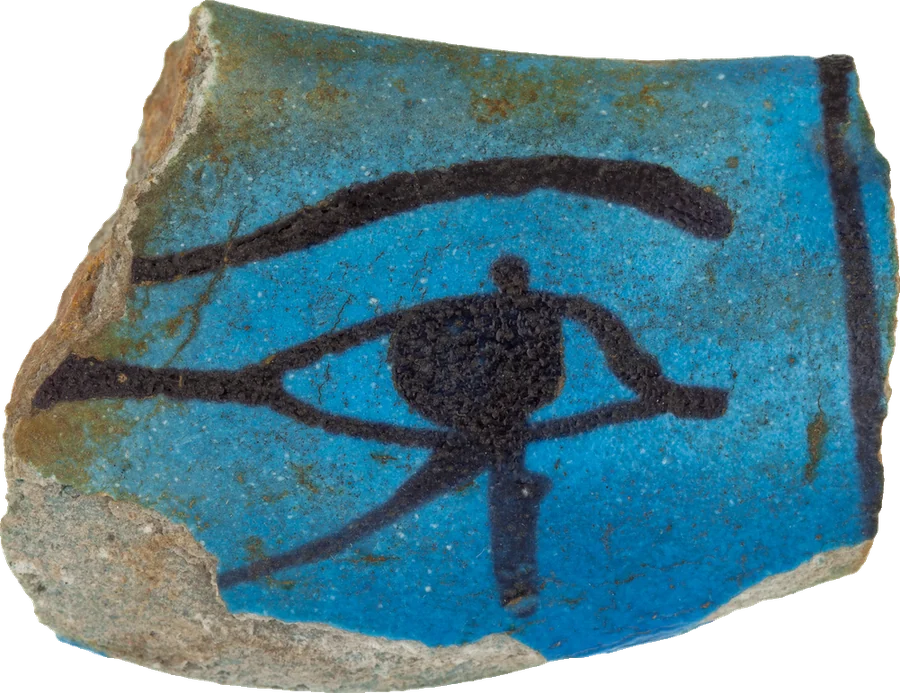 Model Throw stick fragment, eyeca. 1473–1458 BCE
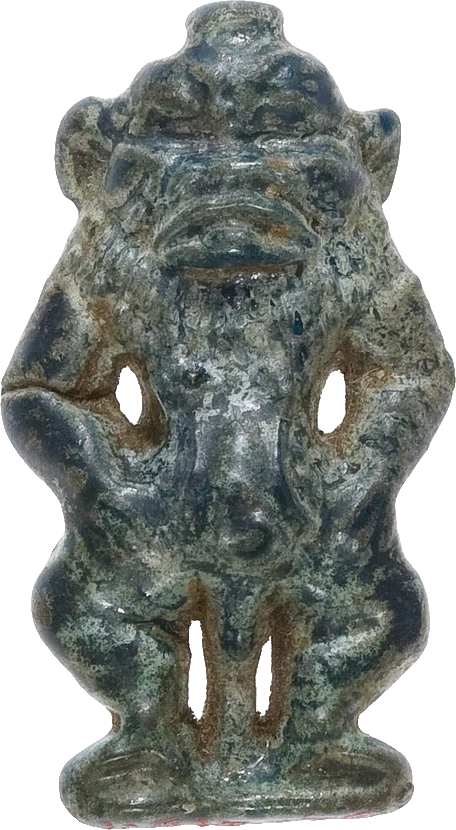 Amulet of a Bes-imageca. 1386–1347 BCE
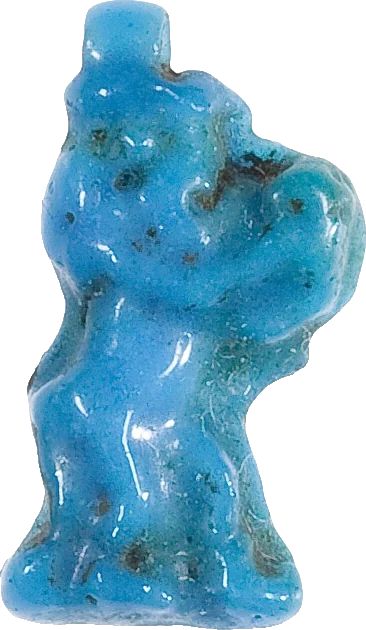 Amulet of Bes with tambourineca. 1386–1347 BCE
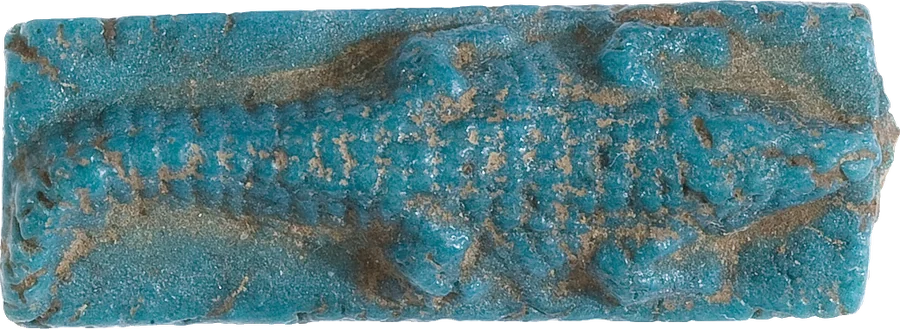 Crocodile Amuletca. 1386–1347 BCE
Related words
Dig real sites layer by layer, sieve the soil, mend and date your finds, and build your own museum.
Play Digopolis