
Objects
Amulet
A small object worn for protection or luck, often in the form of a god, an animal or a symbol.
Amulets were worn on the body, often on a string around the neck. Egyptian amulets took many forms: gods, animals, body parts and symbols such as the wedjat eye, the eye of the god Horus.
They were made of faience, stone, metal and other materials, and many are small enough to be found only by sieving.
Read more: Amulet on Wikipedia
In the game
Amulets are common finds at the Egyptian sites, and many of the smallest turn up in the sieve.
Real examples from the game
12 of 25 objects in Digopolis, each with its museum record. Oldest first.
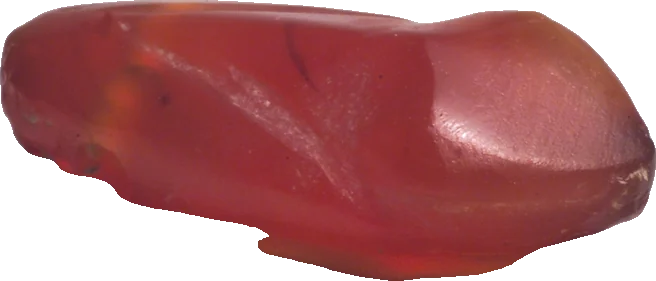 Snake-head Amuletca. 1981–1640 B.C.
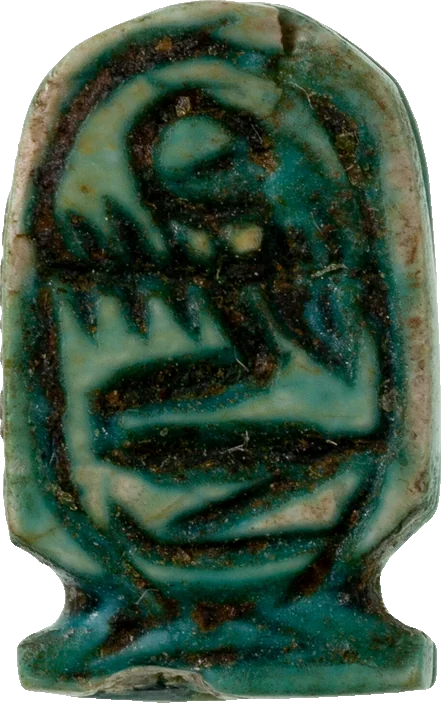 Cartouche amulet of Amenemhat IIIca. 1859–1813 B.C.
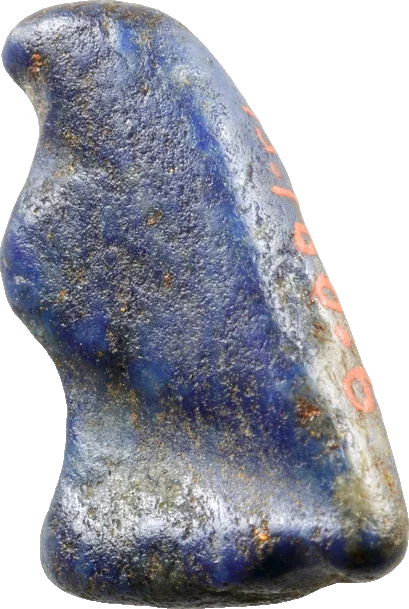 Falcon Amuletca. 1850–1700 B.C.
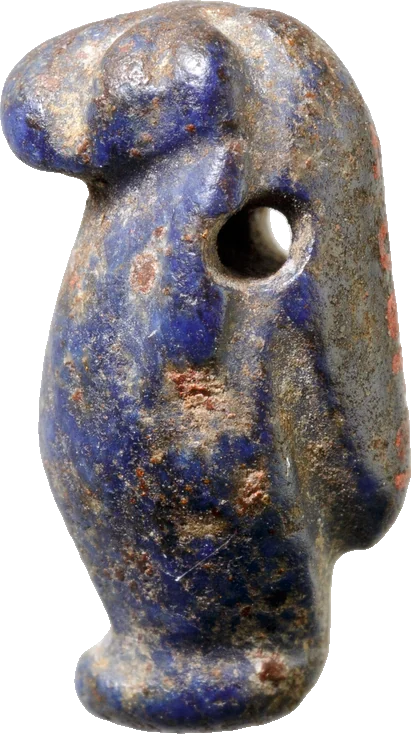 Taweret Amuletca. 1850–1700 B.C.
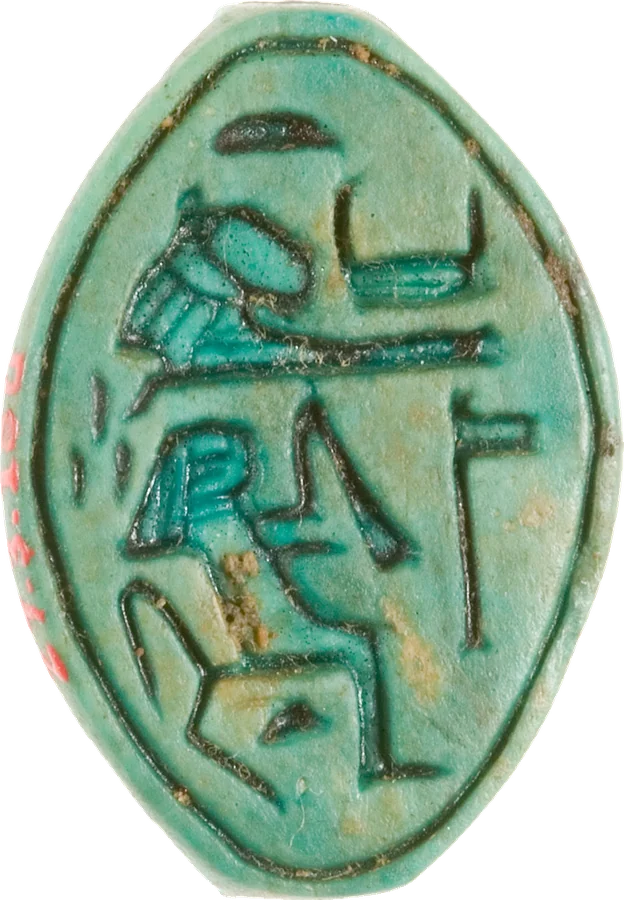 Cowroid Seal Amulet Inscribed for the God's Wife Hatshepsutca. 1473–1458 BCE
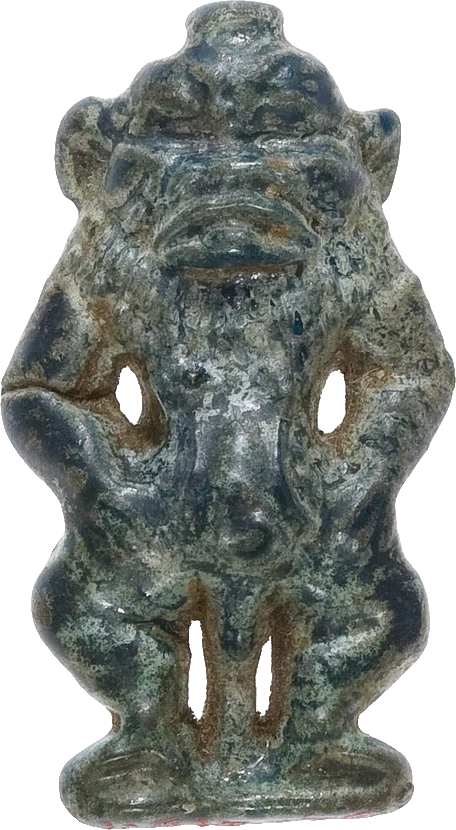 Amulet of a Bes-imageca. 1386–1347 BCE
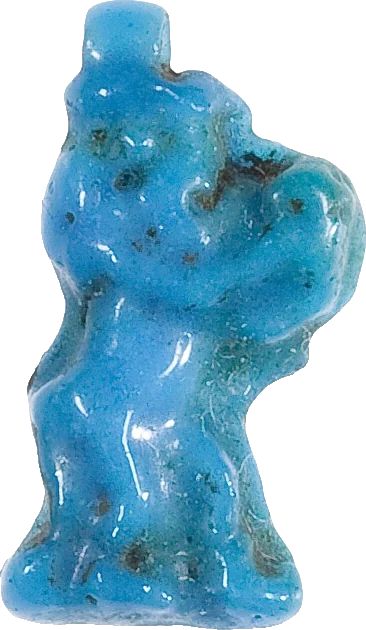 Amulet of Bes with tambourineca. 1386–1347 BCE
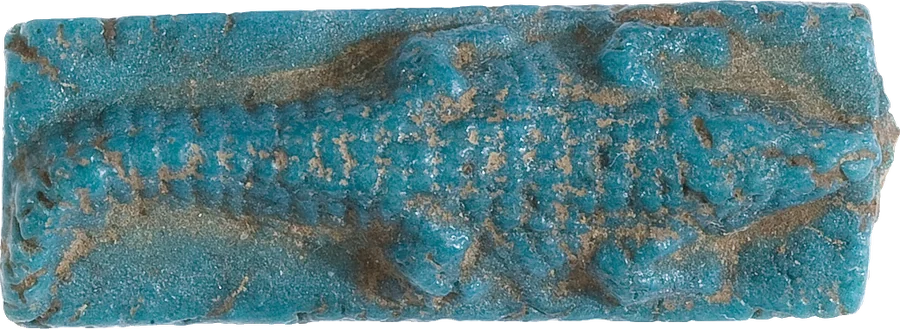 Crocodile Amuletca. 1386–1347 BCE
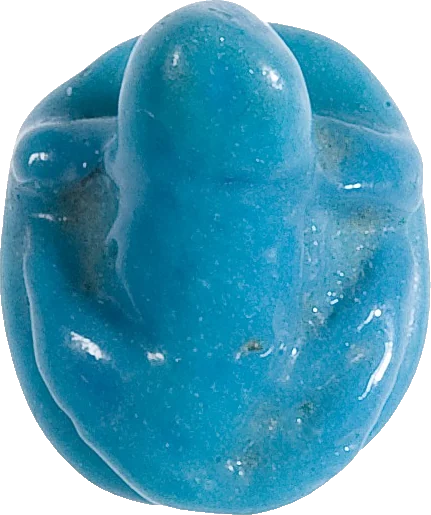 Frog Seal Amulet with a Sa Hieroglyph on the Baseca. 1386–1347 BCE
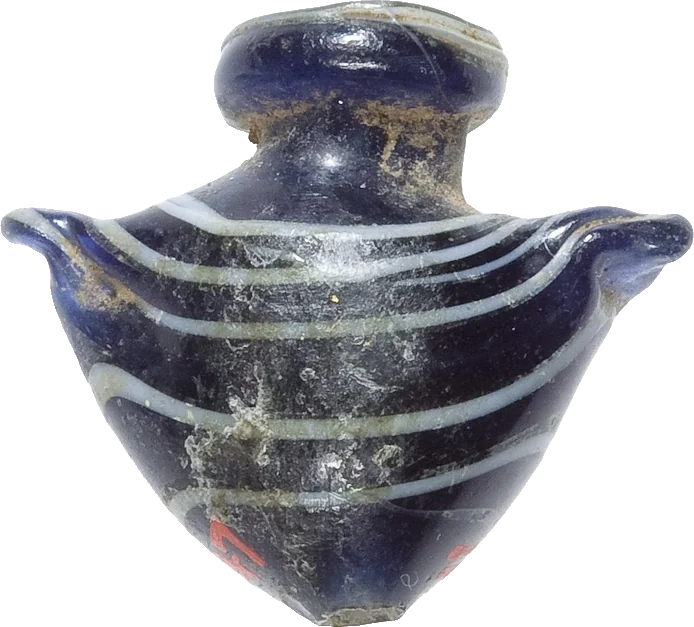 Heart Amuletca. 1386–1347 BCE
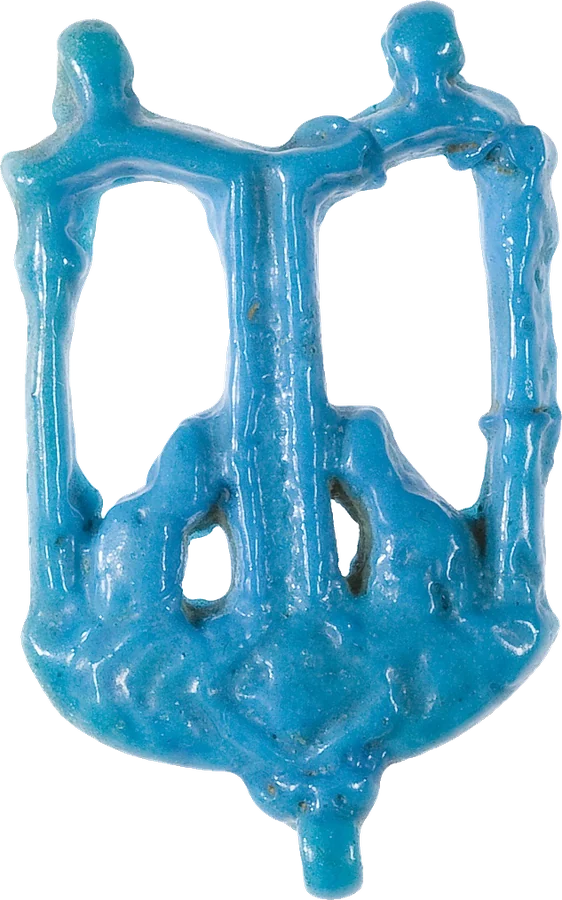 Heb-Sed Amuletca. 1386–1347 BCE
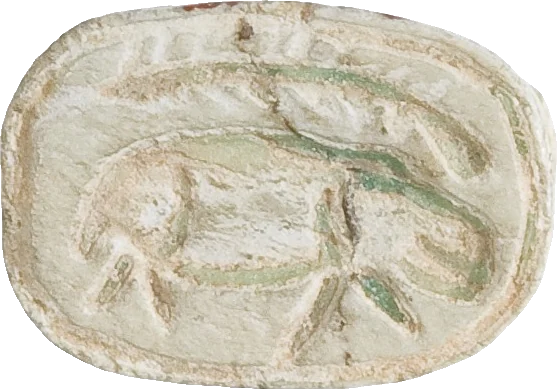 Seal Amulet Decorated with a Hippopotamusca. 1386–1347 BCE
Related words
ScarabA small Egyptian object in the shape of a dung beetle, often used as an amulet or a seal.Egyptian faienceA glazed material made mostly of crushed quartz, usually bright blue or green. Not clay pottery.SievingShaking dug soil through a mesh screen so small finds such as beads and amulets are not missed.
Dig real sites layer by layer, sieve the soil, mend and date your finds, and build your own museum.
Play Digopolis