
Digging
Sieving
Shaking dug soil through a mesh screen so small finds such as beads and amulets are not missed.
Many finds are smaller than a fingernail: beads, small amulets, seeds, fish bones. They are easy to miss with a trowel.
So the soil from a square is shaken through a sieve, a frame with wire mesh. The soil falls through and the small objects stay on the mesh.
Read more: Excavation (archaeology) on Wikipedia
In the game
Objects up to 3.2 cm long, measured from the real museum record, are only found in the sieve. You shake it until the soil falls through.
Real examples from the game
12 of 76 objects in Digopolis, each with its museum record. Oldest first.
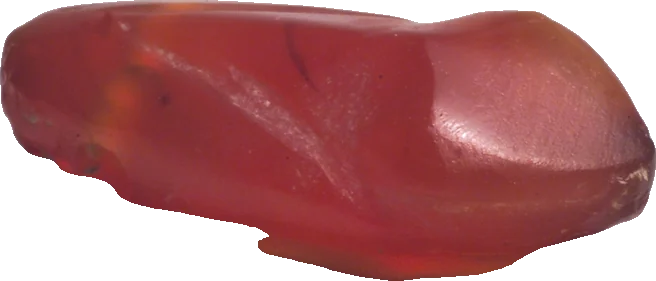 Snake-head Amuletca. 1981–1640 B.C.
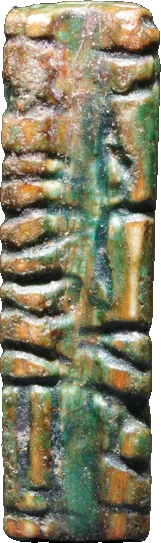 Cylinder seal of Senwosret IIIca. 1878–1840 B.C.
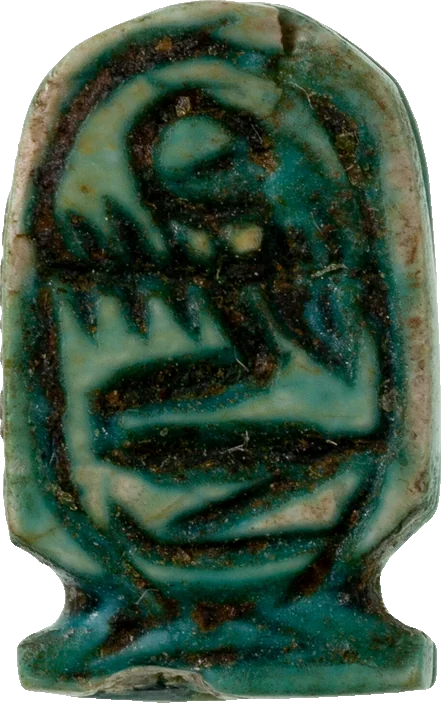 Cartouche amulet of Amenemhat IIIca. 1859–1813 B.C.
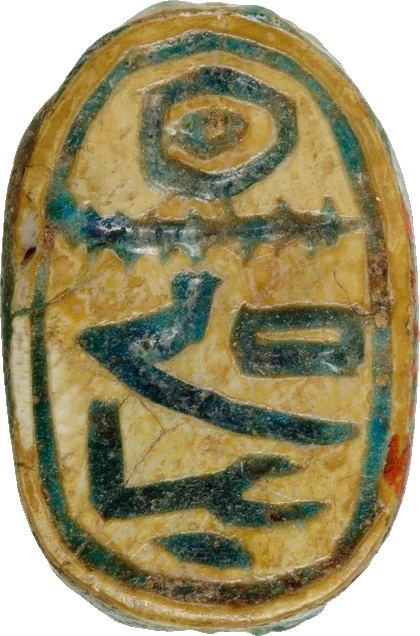 Scarab of Amenemhat IIIca. 1859–1813 B.C.
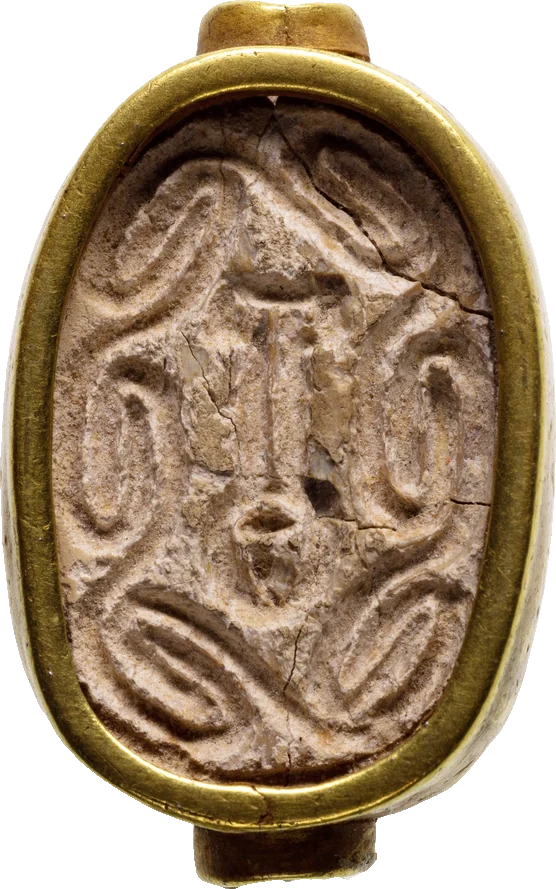 Mounted Scarab Incised with Nefer Sign in Scroll Borderca. 1850–1640 B.C.
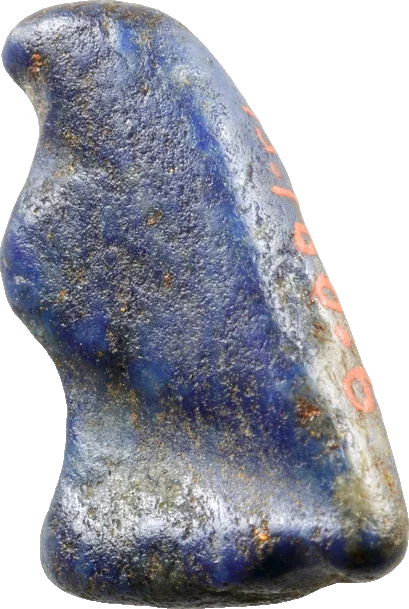 Falcon Amuletca. 1850–1700 B.C.
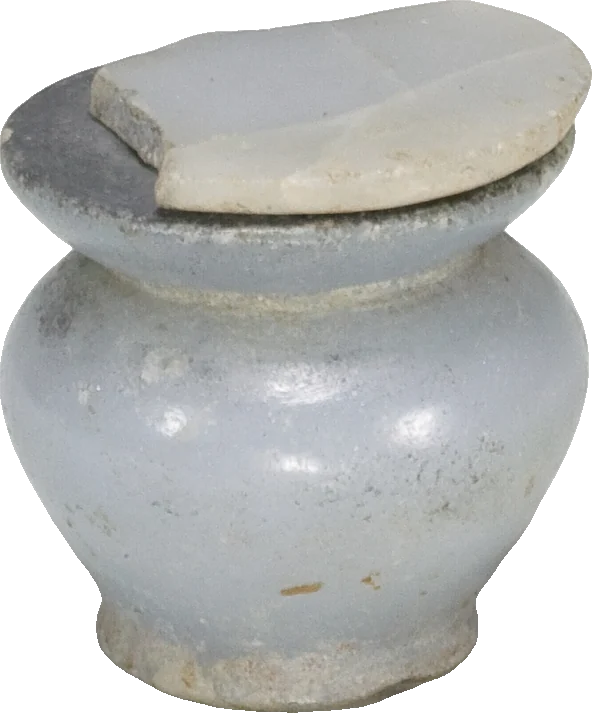 Kohl jarca. 1850–1640 B.C.
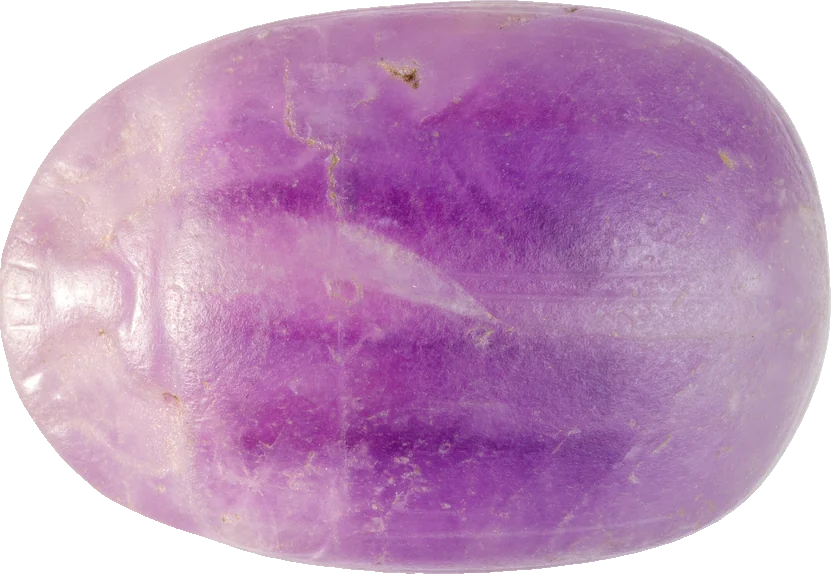 Uninscribed Scarabca. 1850–1700 B.C.
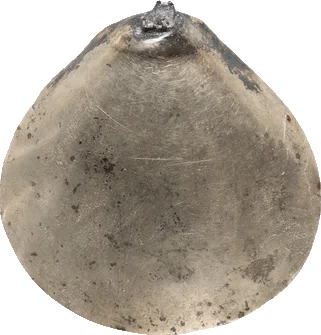 Shell-shaped Pendantca. 1850–1700 B.C.
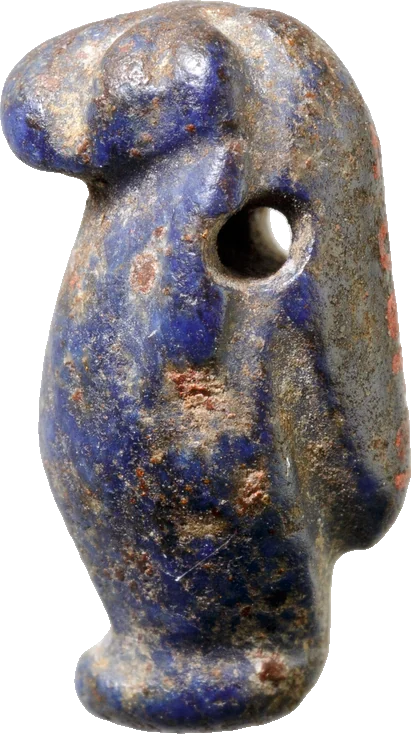 Taweret Amuletca. 1850–1700 B.C.
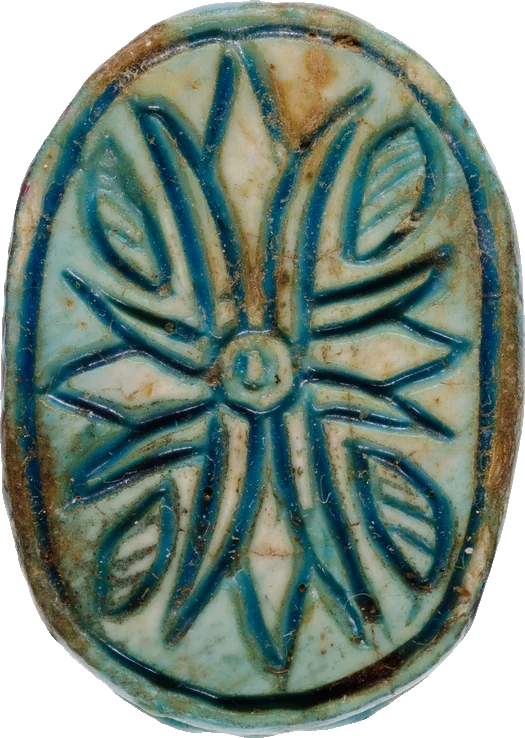 Scarab with Crucifom Lotus Flower Decorationca. 1770–1670 B.C.
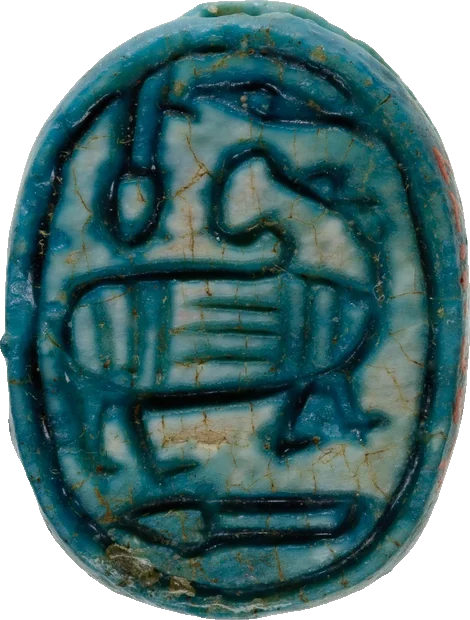 Scarab with the Representation of a Hippoca. 1740–1640 B.C.
Related words
AmuletA small object worn for protection or luck, often in the form of a god, an animal or a symbol.StratigraphyThe study of the layers of soil on a site. In undisturbed ground, deeper layers are older.
Dig real sites layer by layer, sieve the soil, mend and date your finds, and build your own museum.
Play Digopolis