
Materials
Glaze
A glassy coat fused to pottery or brick in the kiln, for color and to keep water in.
A glaze is a thin layer of glass that melts onto the surface of pottery, tiles or bricks during firing. It makes a vessel hold water better and gives it color and shine.
In Mesopotamia and Iran, glazed bricks and tiles decorated palaces and city gates, and glazed bowls and jars were made in many workshops after the rise of Islam.
Read more: Ceramic glaze on Wikipedia
In the game
Glazed pottery, bricks and tiles turn up at Nimrud, Ctesiphon, Nishapur and Qasr-i Abu Nasr. In the lab you decide what a find is made of.
Real examples from the game
12 of 34 objects in Digopolis, each with its museum record. Oldest first.
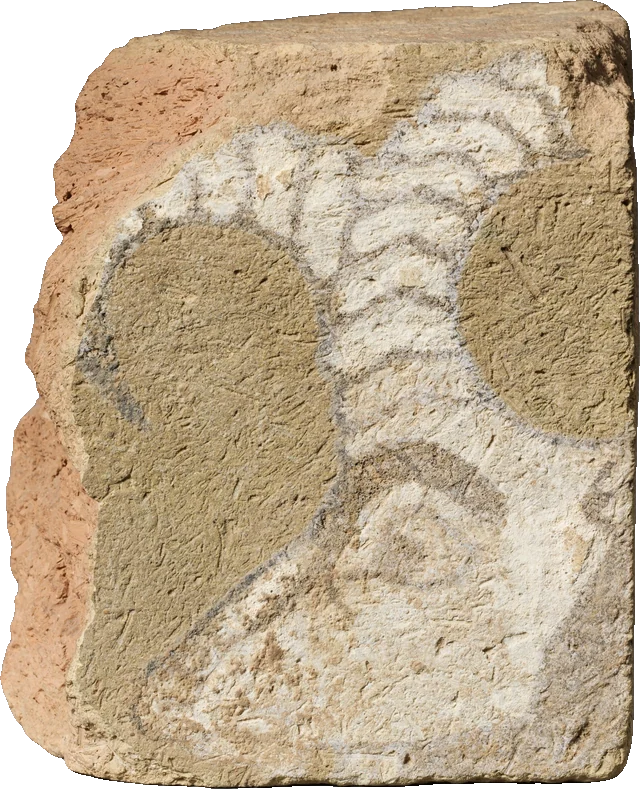 Brick fragment with the head of an ibexca. 9th century BCE
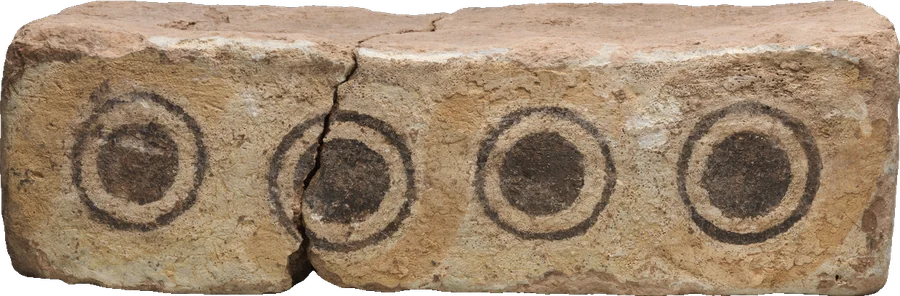 Brick with guilloche designca. 9th century BCE
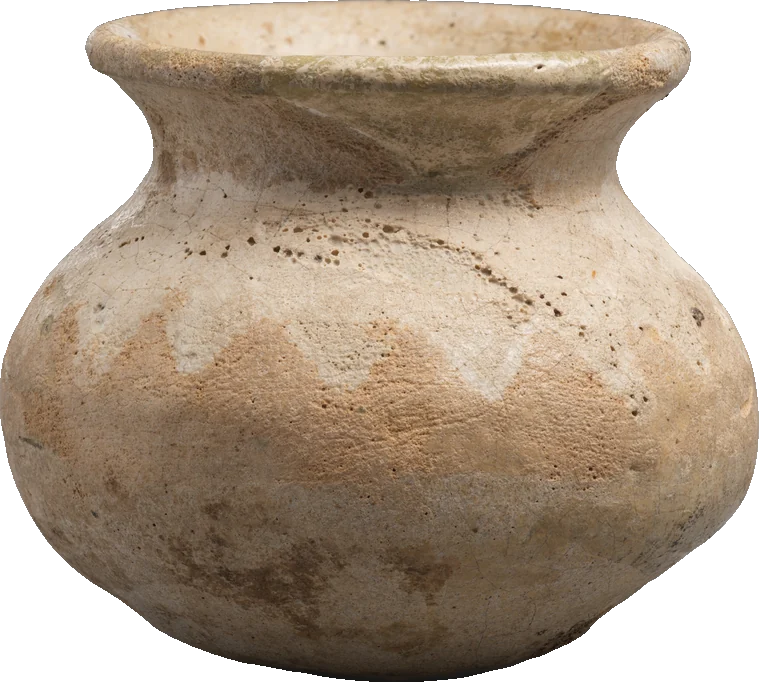 Jar with geometric decorationca. 8th–7th century BCE
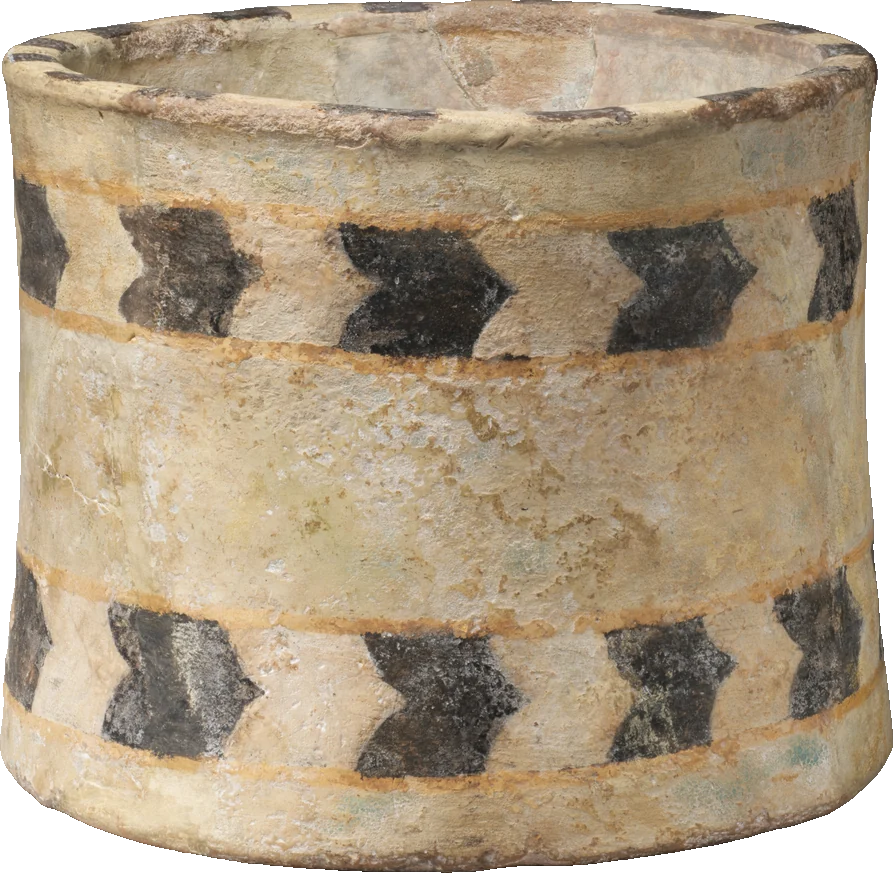 Tub-like vessel with geometric decorationca. 8th–7th century BCE
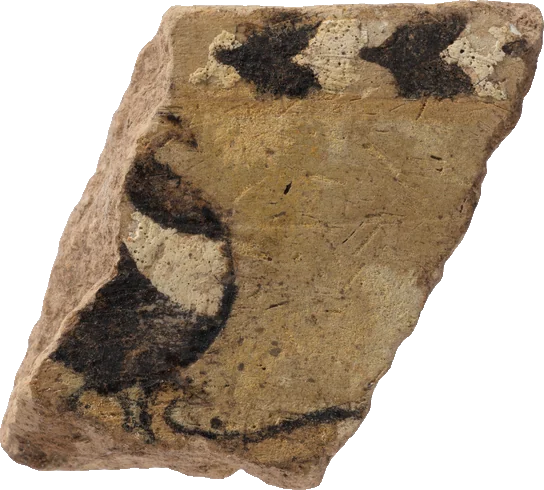 Vessel sherd with pomegranate and geometric decorationca. 8th–7th century BCE
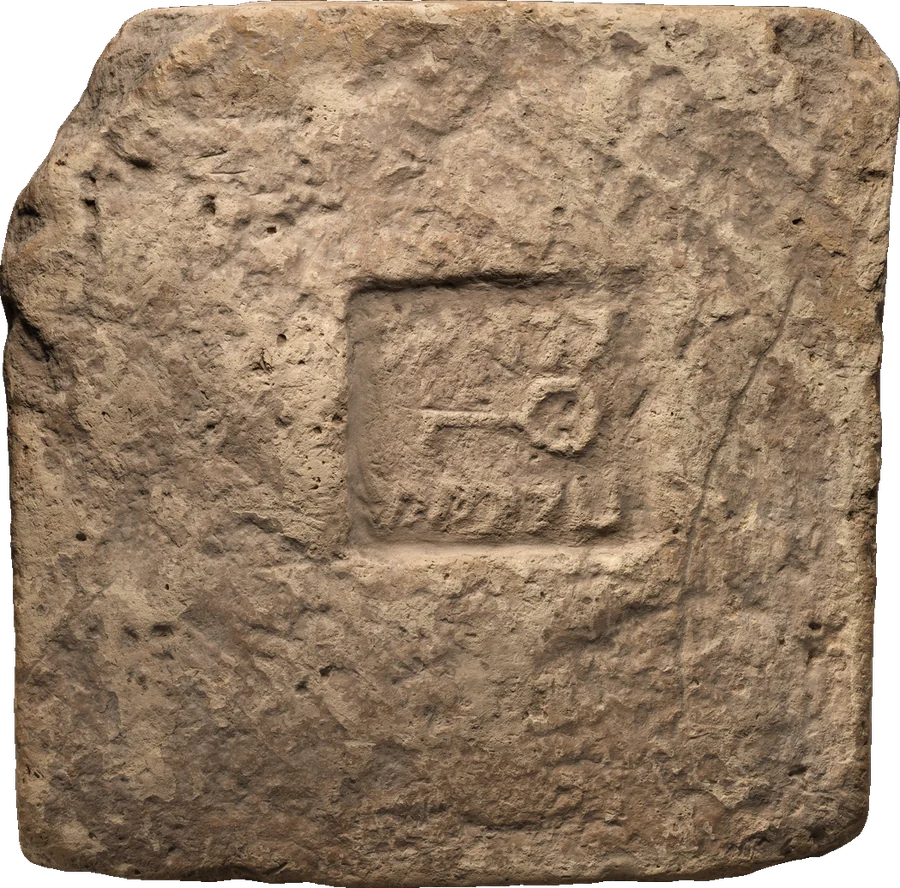 Glazed brickca. 3rd–7th century CE
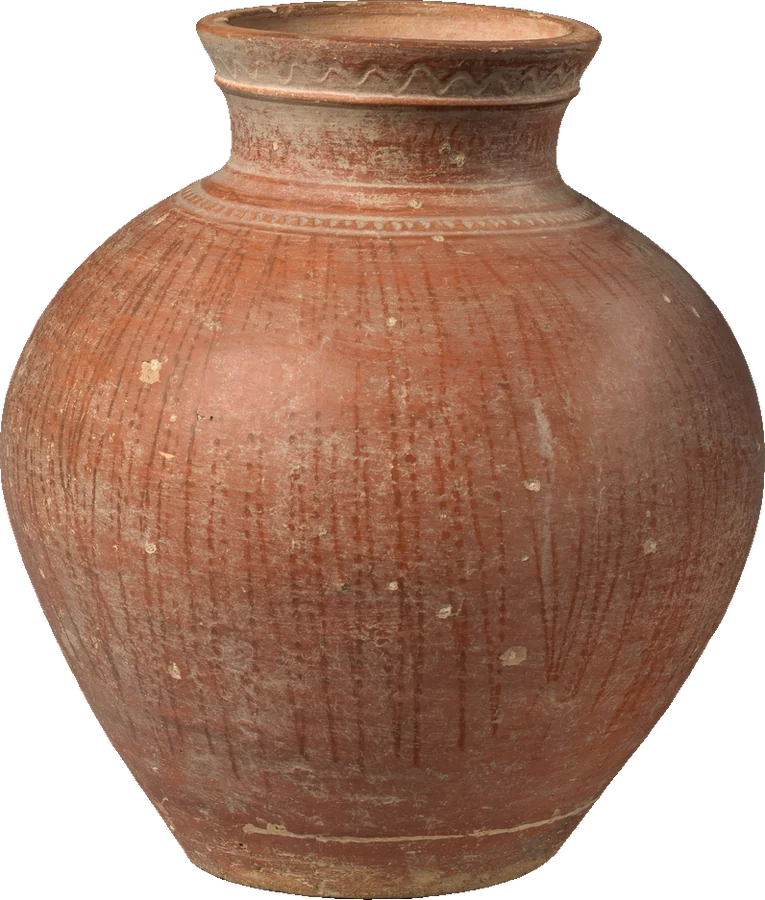 Jarca. 3rd–7th century CE
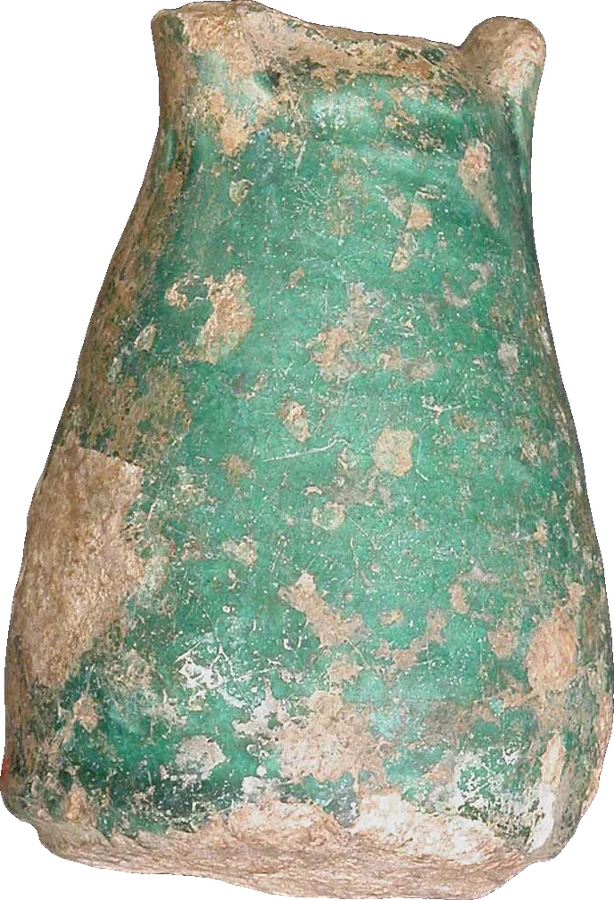 Jar6th century
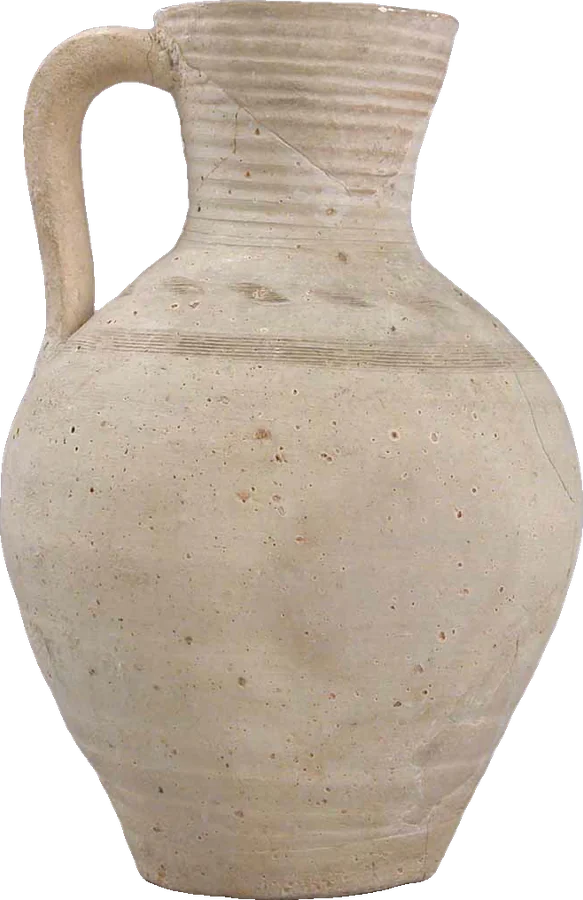 Ewer7th–8th century
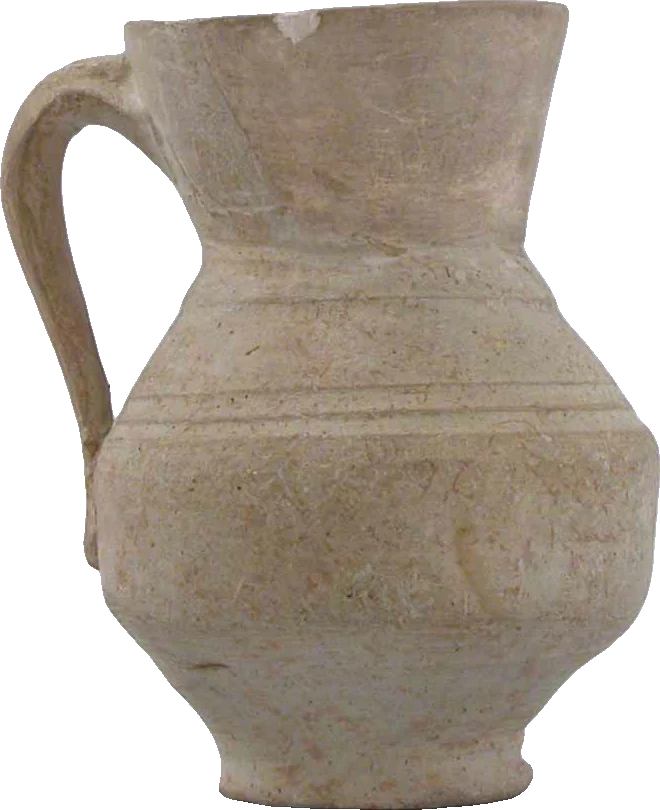 Ewer8th–9th century
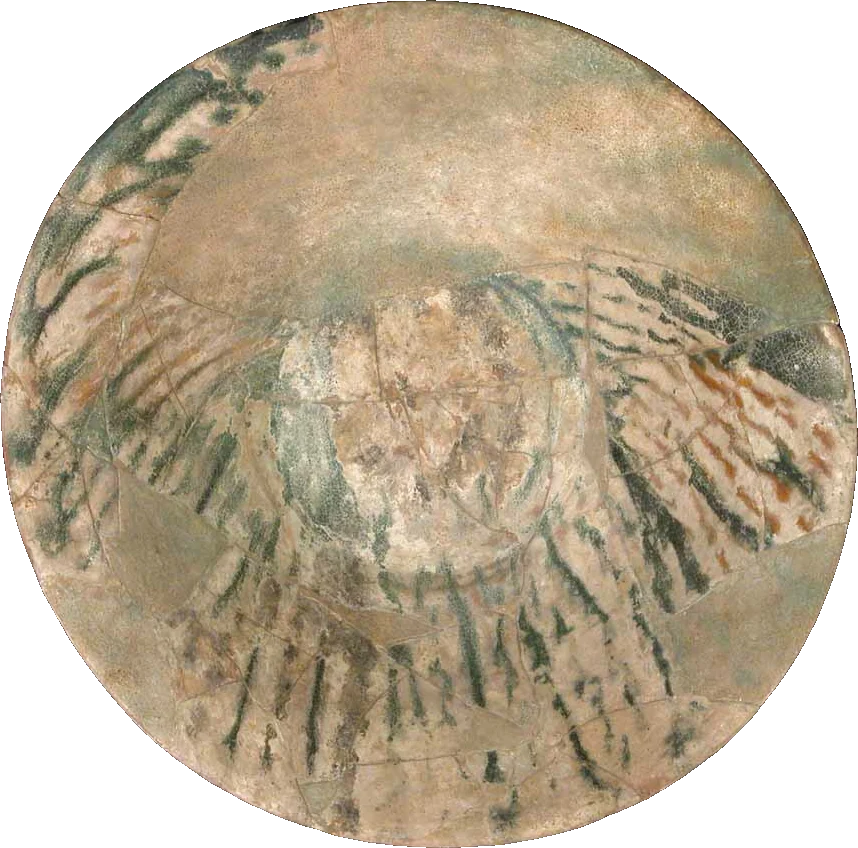 Bowl8th–9th century
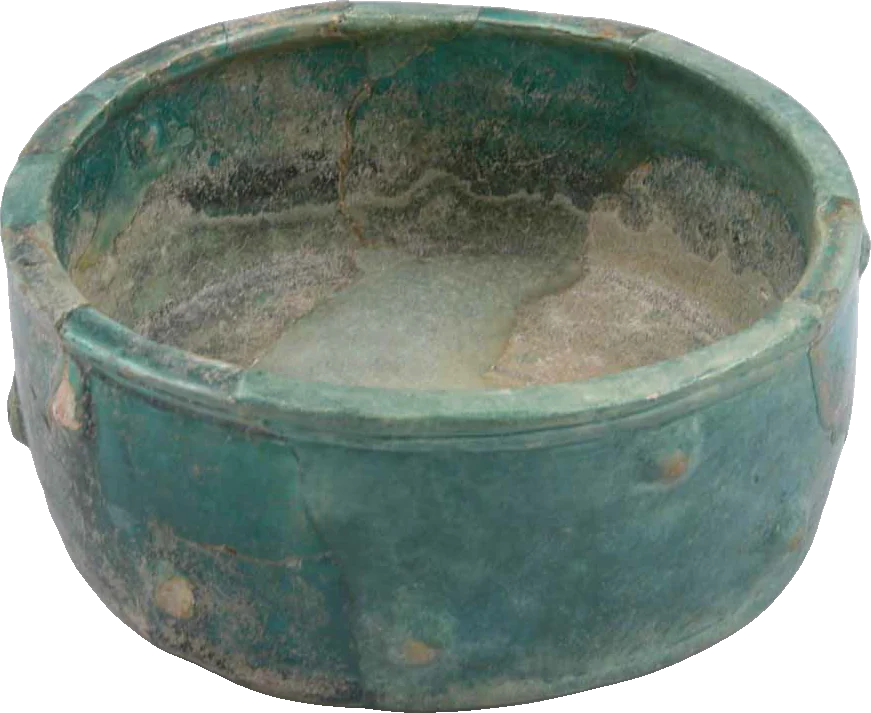 Dish8th century
Related words
Dig real sites layer by layer, sieve the soil, mend and date your finds, and build your own museum.
Play Digopolis