
In the lab
Sherds and mending
Broken pieces of pottery, the most common find on most sites, and the work of joining them again.
Pottery breaks easily but the pieces last for thousands of years. Broken pieces are called sherds or potsherds, and many sites produce thousands of them.
Because pottery styles change over time, sherds help date the layers they are found in. In the lab, conservators sort sherds and join the ones that fit to rebuild a vessel.
Read more: Sherd on Wikipedia
In the game
Some finds come out of the ground broken. In the lab you turn the pieces and fit them together on the mending table.
Real examples from the game
12 of 34 objects in Digopolis, each with its museum record. Oldest first.
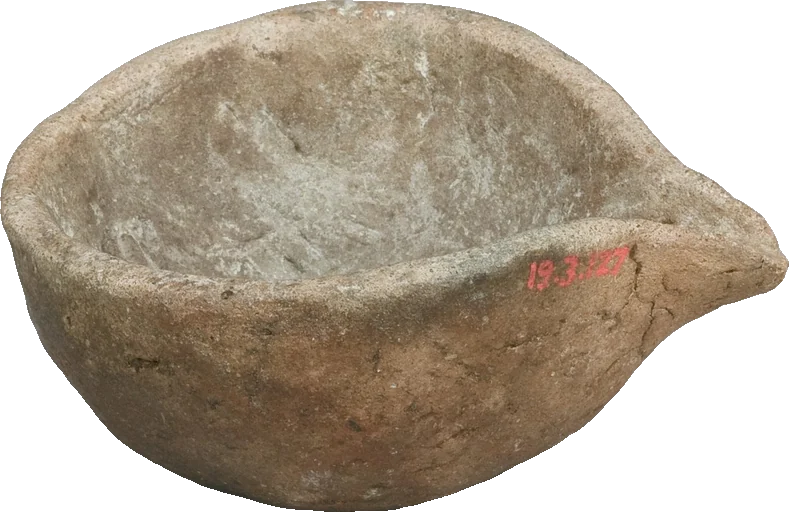 Cup with a spoutca. 2030–1640 B.C.
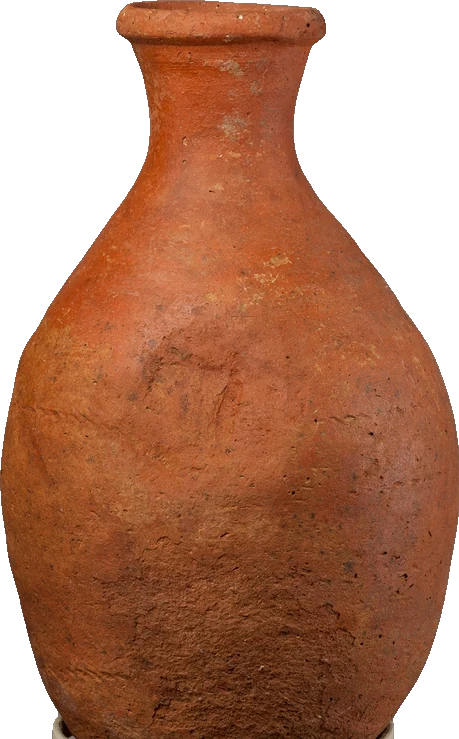 Large water jarca. 2030–1640 B.C.
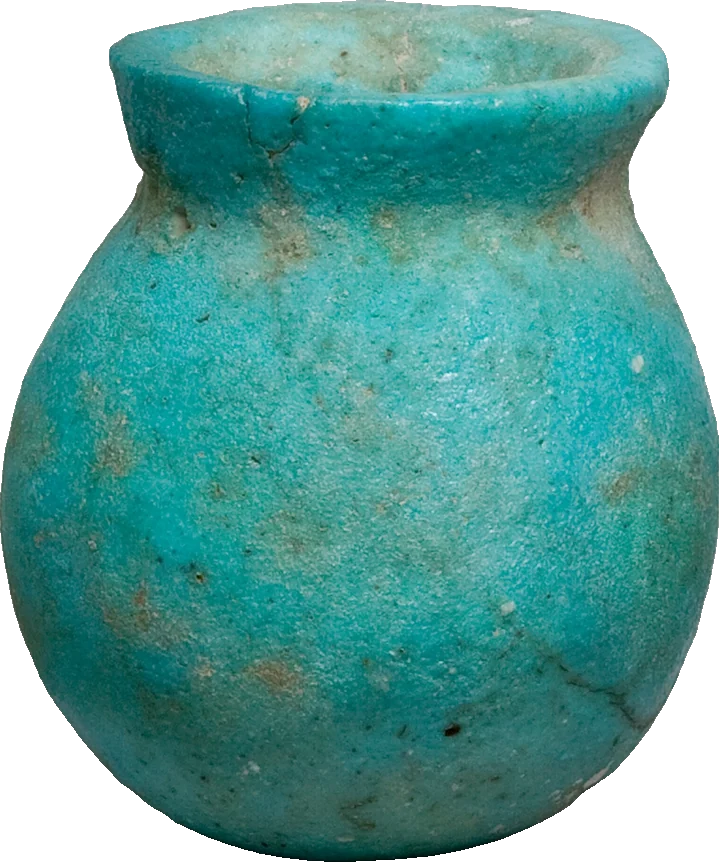 Toilet vaseca. 1850–1775 B.C.
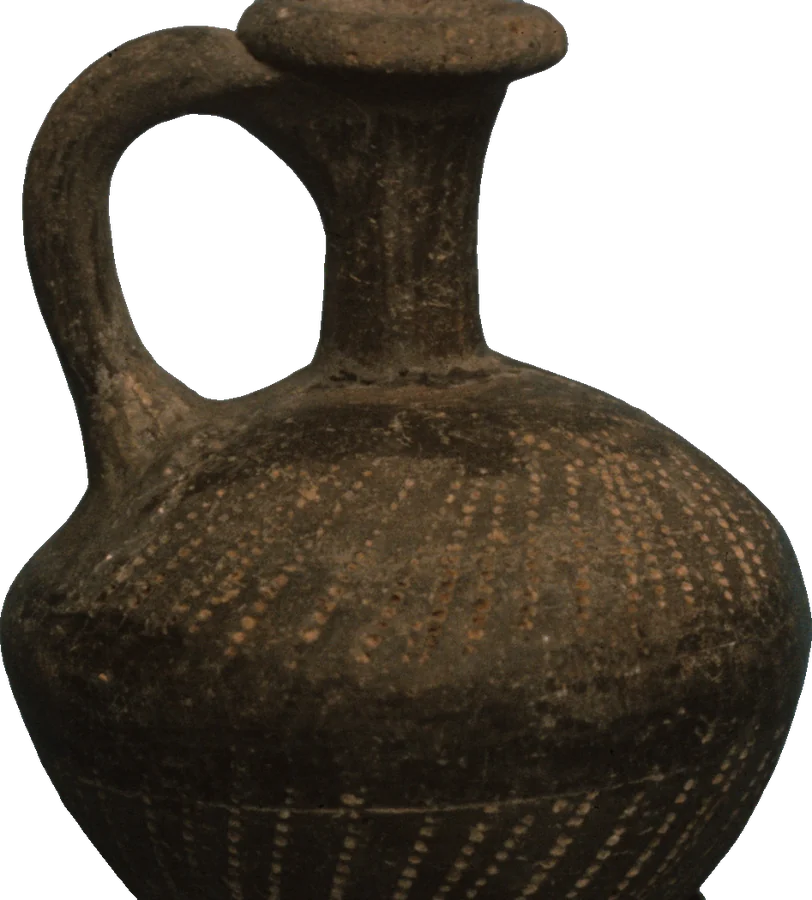 Tell el-Yahudiya-ware jugletca. 1640–1550 B.C.
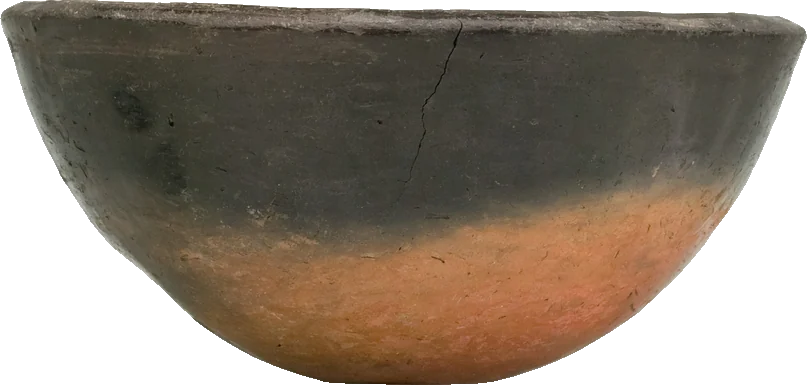 Kerma ware bowlca. 1580–1458 BCE
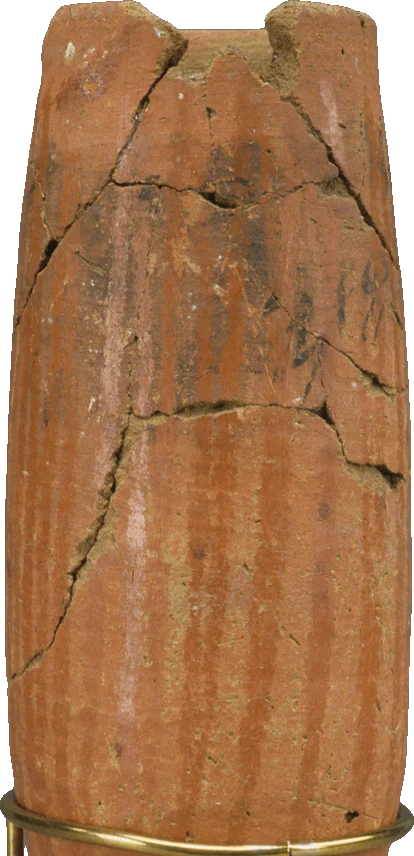 Situla, red polished wareca. 1550–1458 BCE
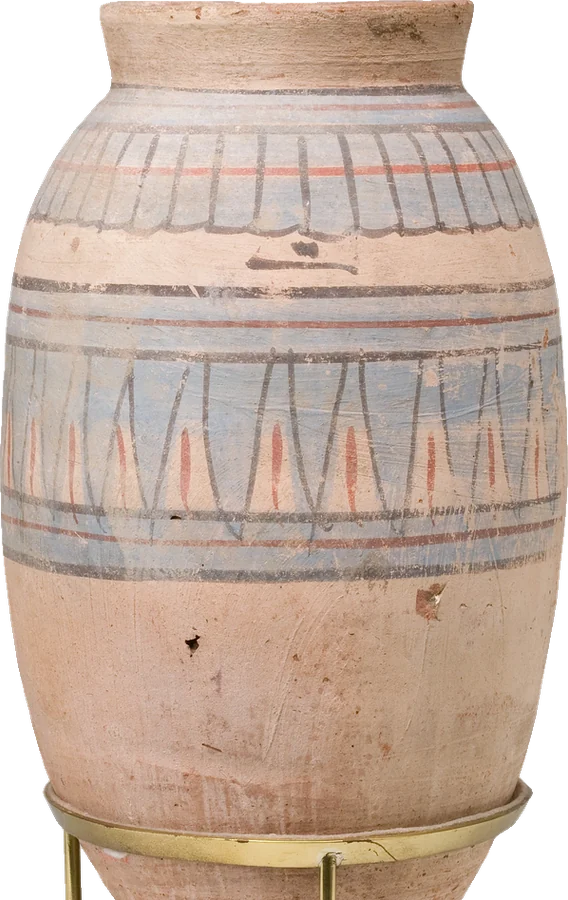 Blue-Painted Jar from Malqataca. 1386–1347 BCE
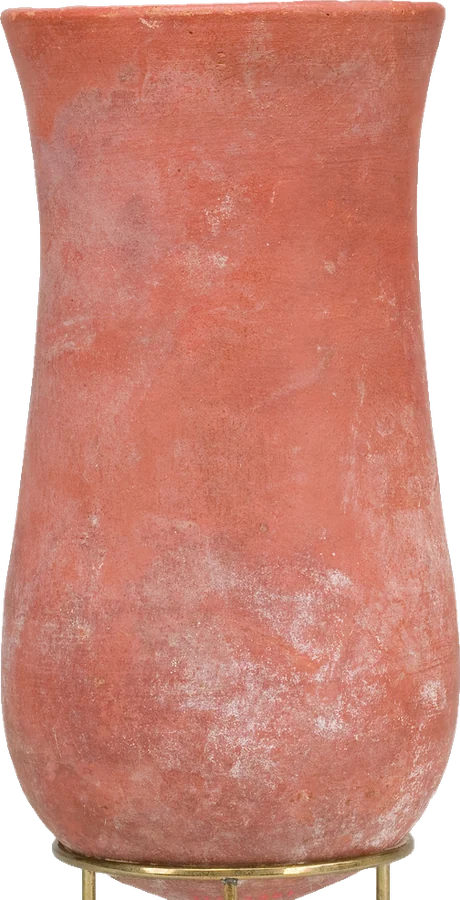 Red Ware Situla-shaped Jar from Malqataca. 1386–1347 BCE
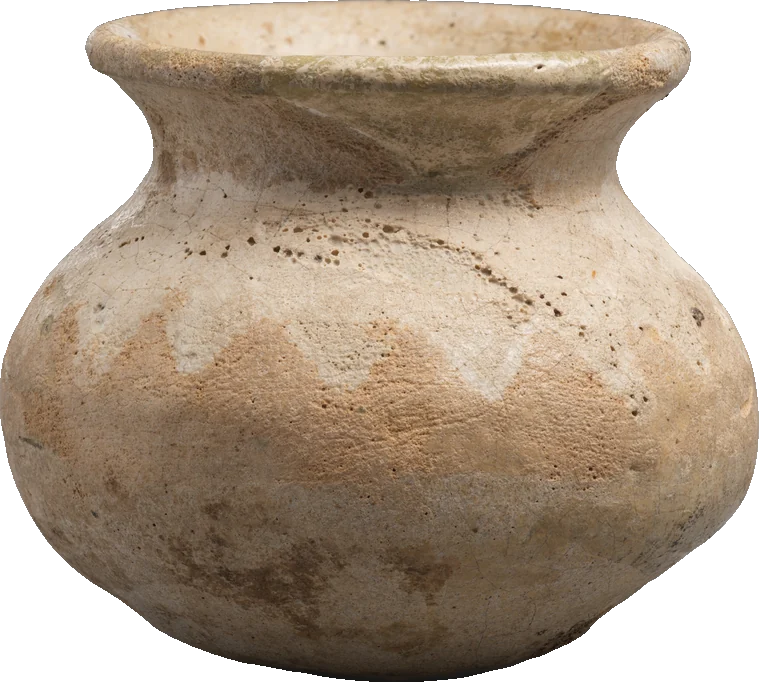 Jar with geometric decorationca. 8th–7th century BCE
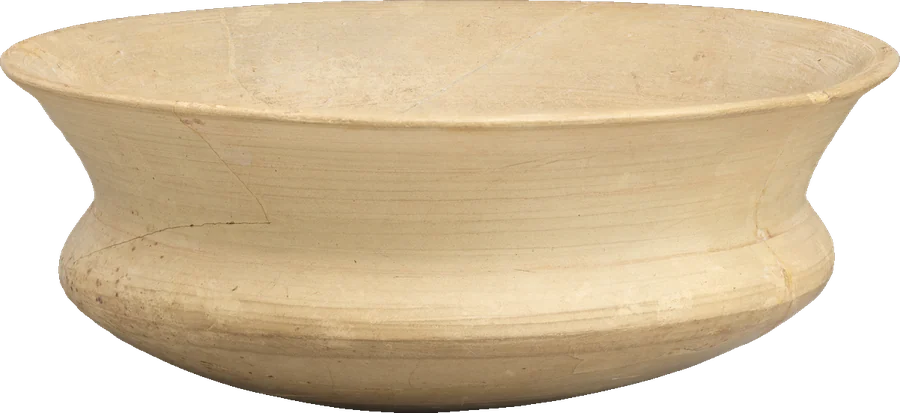 Palace Ware bowlca. 8th–7th century BCE
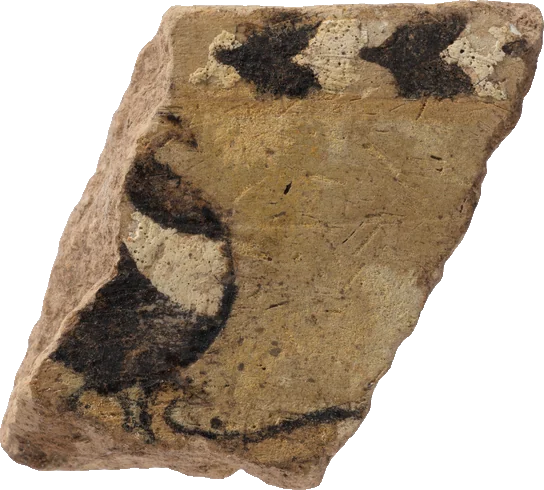 Vessel sherd with pomegranate and geometric decorationca. 8th–7th century BCE
 Cupca. 323 B.C.–A.D. 256
Related words
ConservationCleaning and stabilizing finds so they survive, without adding anything that was not there.Dating findsWorking out how old something is, from the layers, from styles and from scientific methods.GlazeA glassy coat fused to pottery or brick in the kiln, for color and to keep water in.
Dig real sites layer by layer, sieve the soil, mend and date your finds, and build your own museum.
Play Digopolis