
Egypt, New Kingdom, Dynasty 18 · Important find
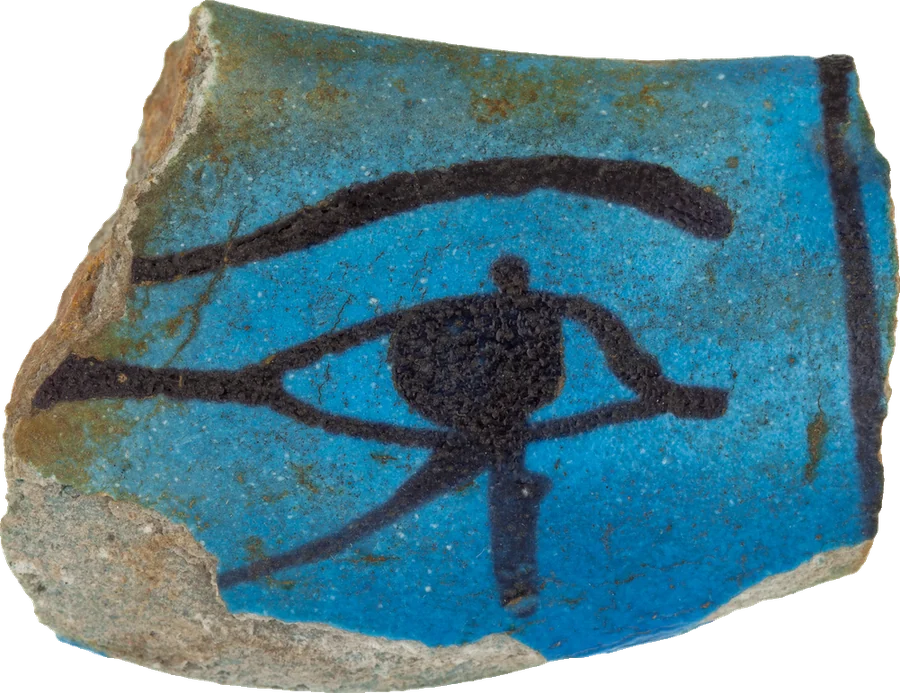
Model Throw stick fragment, eye
This object was really found at Deir el-Bahri by The Metropolitan Museum of Art's expedition. Today it is in The Metropolitan Museum of Art in New York.
What is it?
Weapon. Weapons were used for war, hunting and display. In Egypt, curved throw sticks were thrown to hunt birds in the marshes. Source
Egyptian faience. A glazed material made mostly of crushed quartz, usually bright blue or green. Not clay pottery. Read more
Faience. Glazed quartz paste, often bright blue or green.
Museum record
- Object
- Model Throw stick fragment, eye
- Culture
- Egypt, New Kingdom, Dynasty 18
- Date
- ca. 1473–1458 BCE
- Material
- Faience
- Findspot
- MMA excavations, 1922–23, Hathor Shrine, Hatshepsut Hole, Deir el-Bahri, Upper Egypt, Thebes, Egypt
- Size
- L. 4.5 × W. 3.4 cm (1 3/4 × 1 5/16 in.)
- Museum
- The Metropolitan Museum of Art, New York
- Number
- 23.3.82
- Credit
- Rogers Fund, 1923
Photo and record: The Metropolitan Museum of Art, Open Access (public domain, CC0), copied 2026-11-12. Background removed from the photo. Region: Nile Valley.
More about this object
Culture
Egypt, New Kingdom: more objects from the same culture or period, with what we know about it.
More from Deir el-Bahri
 Carpenter's Chisel from a Foundation Deposit for Hatshepsut's Templeca. 1473–1458 BCE
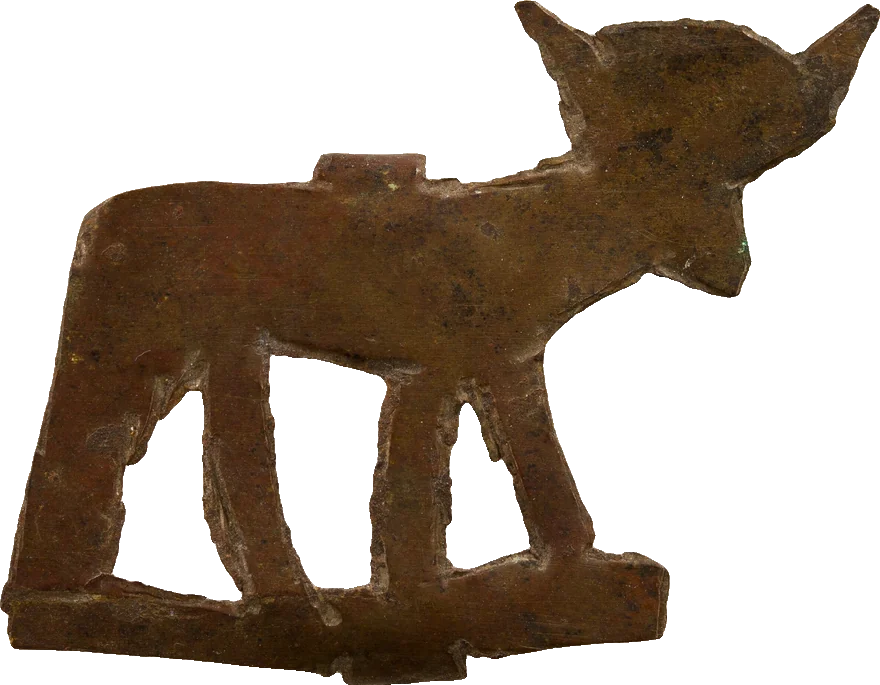 Cow plaqueca. 1473–1458 BCE
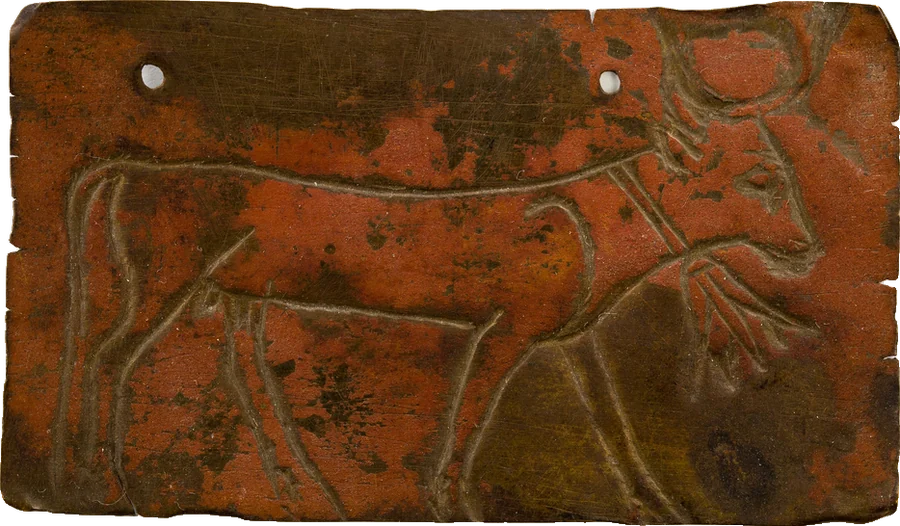 Cow plaqueca. 1473–1458 BCE
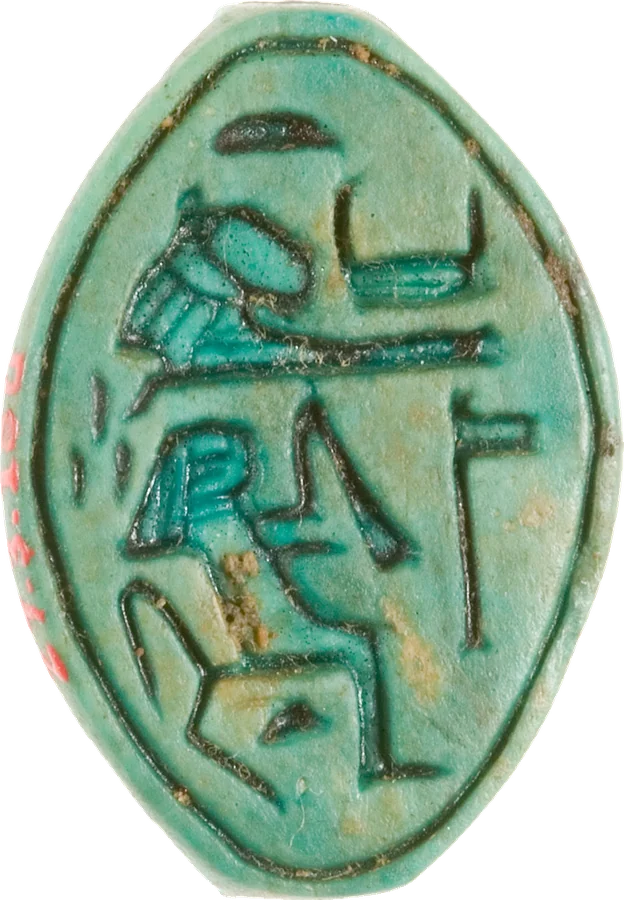 Cowroid Seal Amulet Inscribed for the God's Wife Hatshepsutca. 1473–1458 BCE
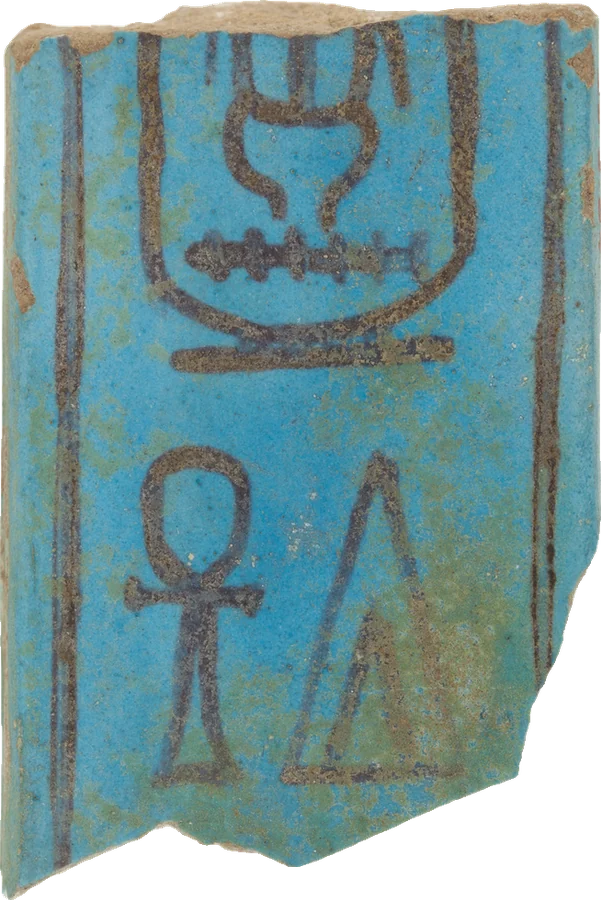 Menat fragmentca. 1473–1458 BCE
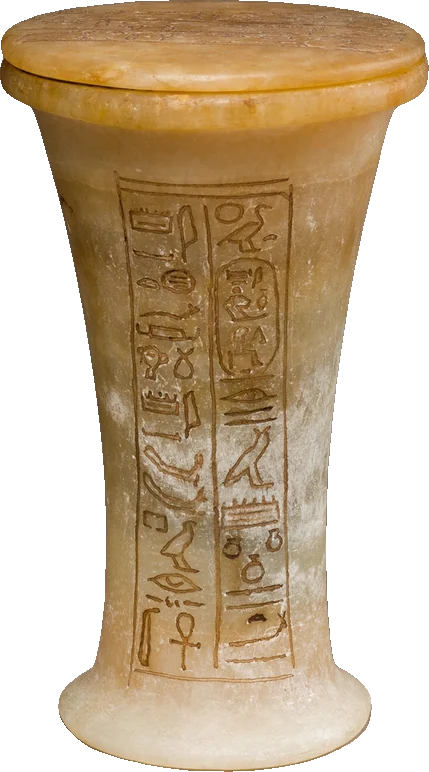 Ointment Jarca. 1473–1458 BCE
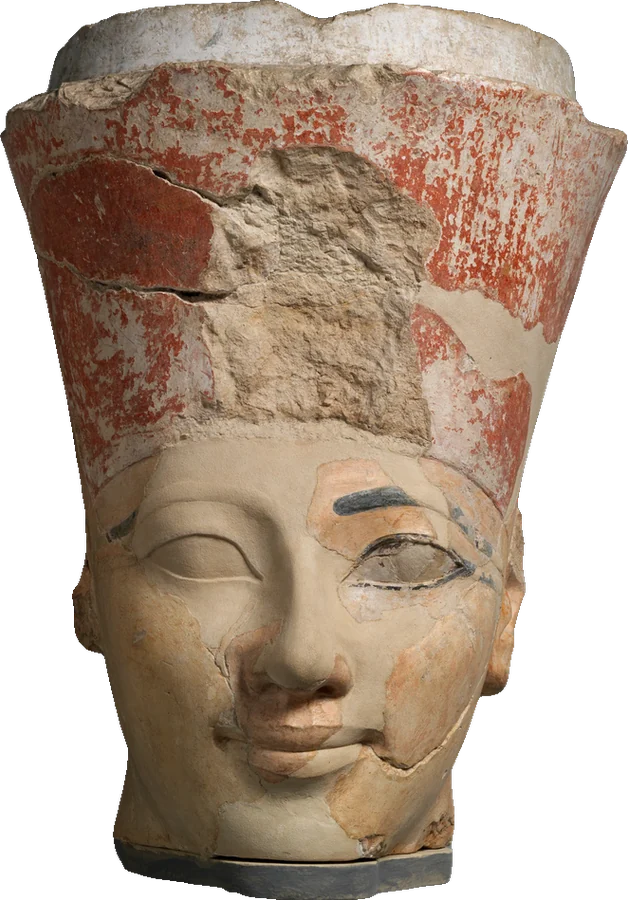 Head of an Osiride Statue of Hatshepsutca. 1473–1458 BCE
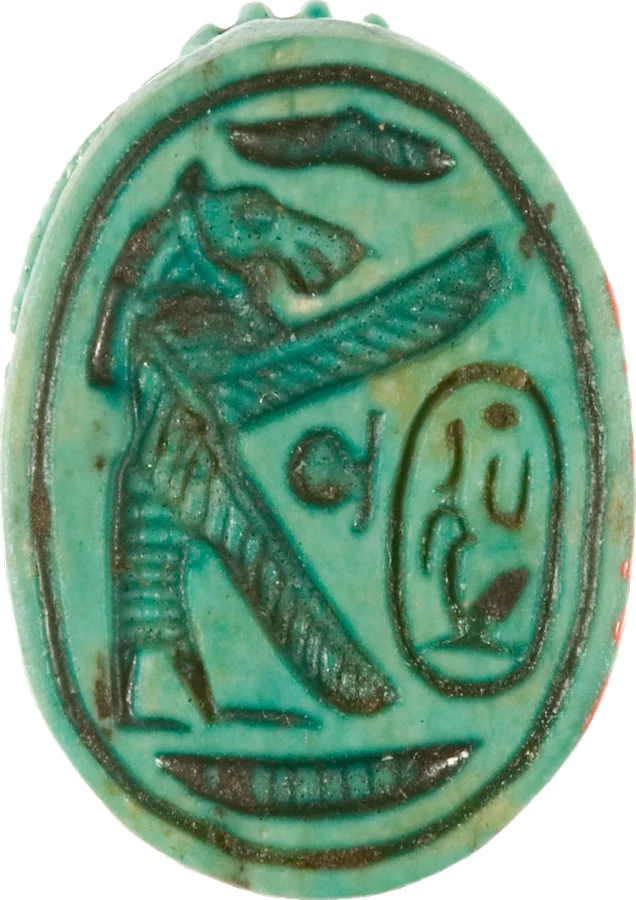 Scarab with Lion-headed Goddess Protecting Maatkareca. 1473–1458 BCE