
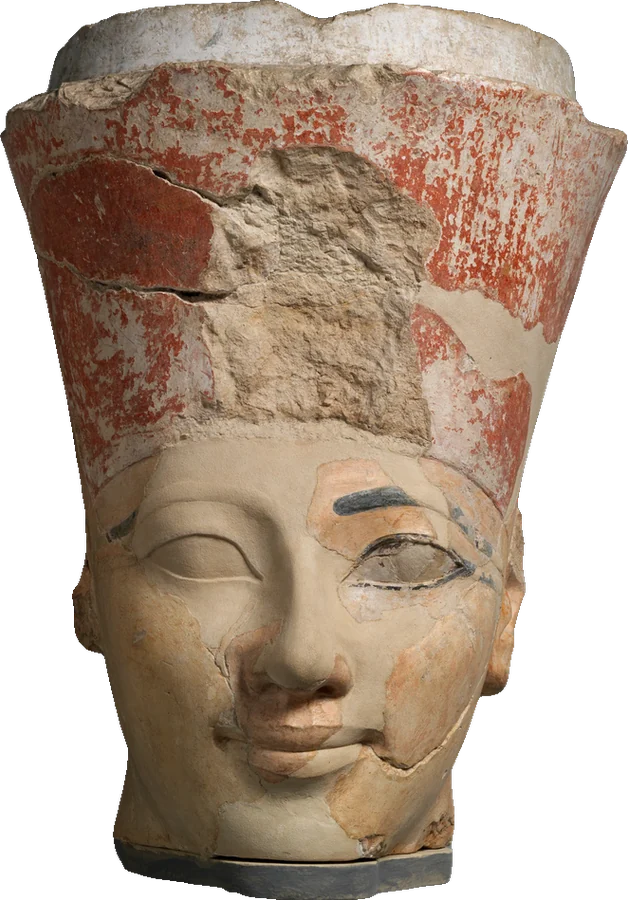
Egypt, New Kingdom, Dynasty 18 · Important find
Head of an Osiride Statue of Hatshepsut
This object was really found at Deir el-Bahri by The Metropolitan Museum of Art's expedition. Today it is in The Metropolitan Museum of Art in New York.
What is it?
Statue. Statues stood in temples, tombs and public places. Many were meant to hold the spirit of a god, a king or the dead person they show. Source
Stone. Carved or polished stone, from soft travertine to hard gemstones.
Museum record
- Object
- Head, Hatshepsut, Double Crown; Hatshepsut-sculpture
- Culture
- Egypt, New Kingdom, Dynasty 18
- Date
- ca. 1473–1458 BCE
- Material
- Limestone, paint
- Findspot
- MMA excavations, 1926–28, Senenmut Quarry, Deir el-Bahri, Upper Egypt, Thebes, Egypt
- Size
- H. 47.8 cm (18 3/16 in.); W. 38.1 cm (15 in.); D. 47.3 cm (18 5/8 in.)
- Museum
- The Metropolitan Museum of Art, New York
- Number
- 31.3.153
- Credit
- Rogers Fund, 1931
Photo and record: The Metropolitan Museum of Art, Open Access (public domain, CC0), copied 2026-11-12. Background removed from the photo. Region: Nile Valley.
More about this object
A clue in the mystery of Deir el-Bahri
Why were Hatshepsut's statues smashed and thrown into pits at Deir el-Bahri? In chapter 4, "Broken on purpose", this object is the clue: The head of a statue of Hatshepsut, found by the Met in 1926 to 1928 in the Senenmut Quarry, away from the temple terrace where such statues stood. Read the mystery
Culture
Egypt, New Kingdom: more objects from the same culture or period, with what we know about it.
More from Deir el-Bahri
 Carpenter's Chisel from a Foundation Deposit for Hatshepsut's Templeca. 1473–1458 BCE
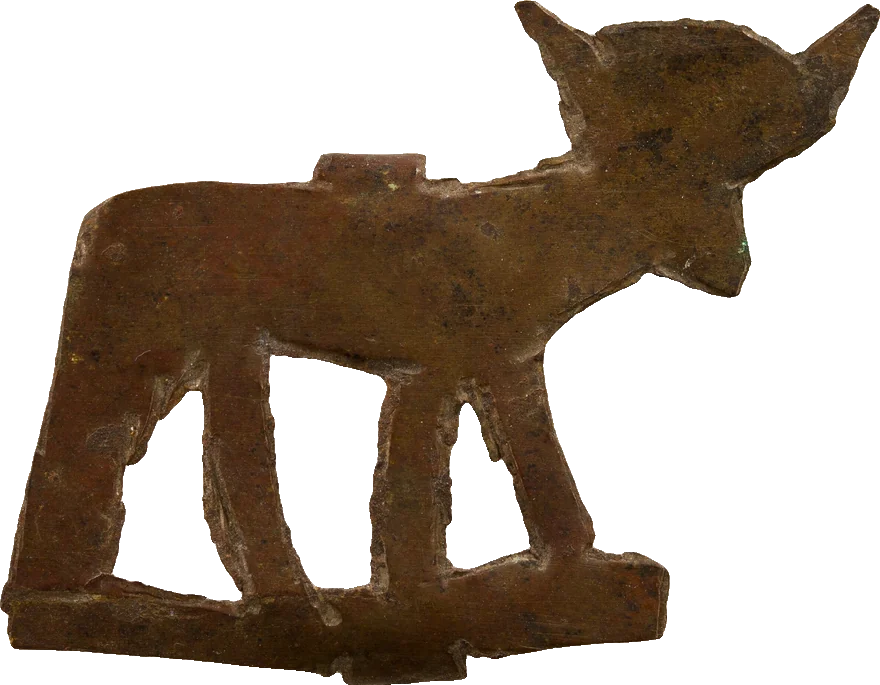 Cow plaqueca. 1473–1458 BCE
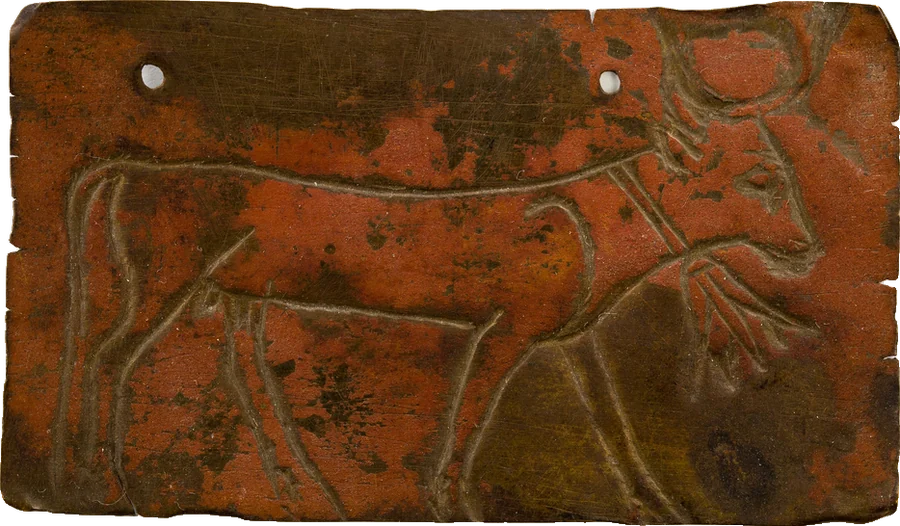 Cow plaqueca. 1473–1458 BCE
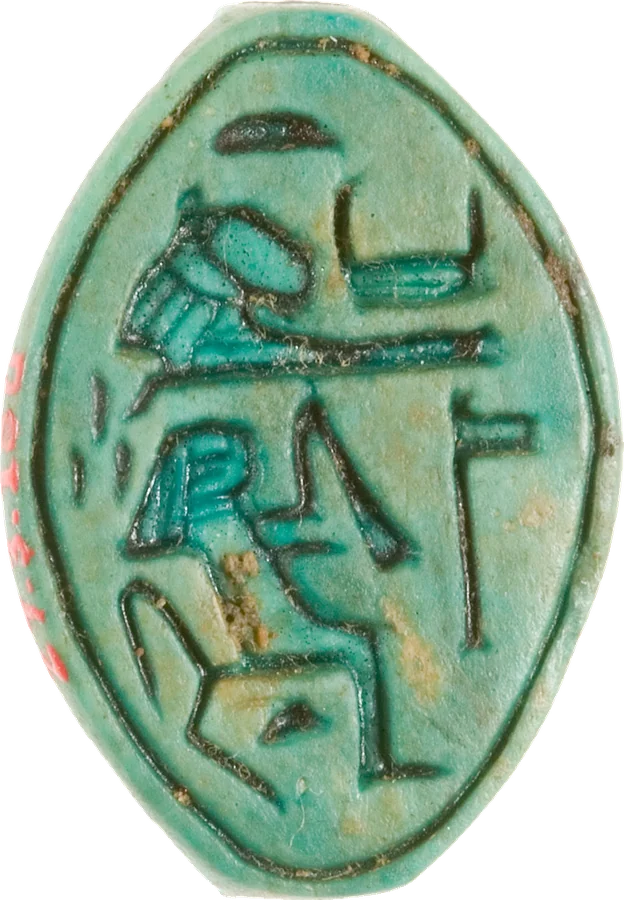 Cowroid Seal Amulet Inscribed for the God's Wife Hatshepsutca. 1473–1458 BCE
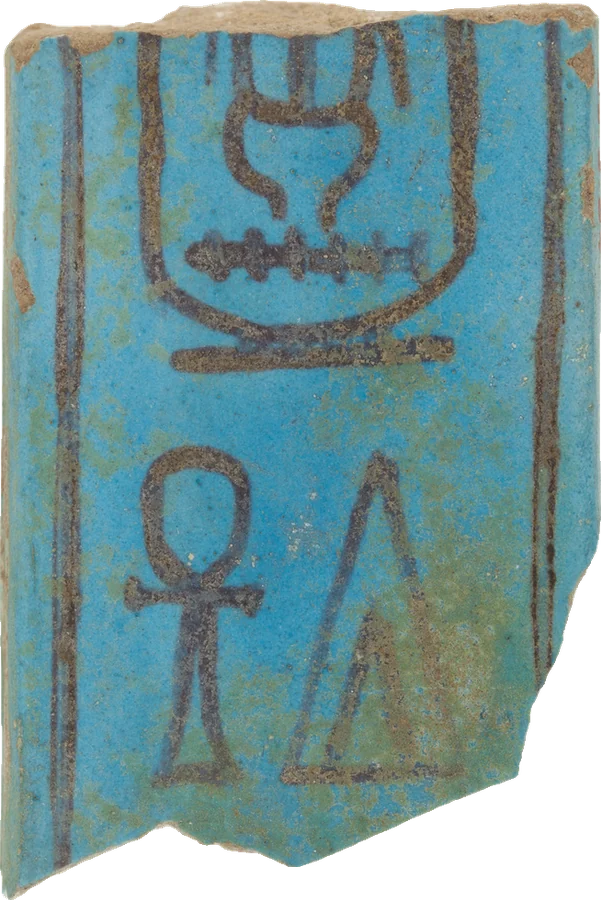 Menat fragmentca. 1473–1458 BCE
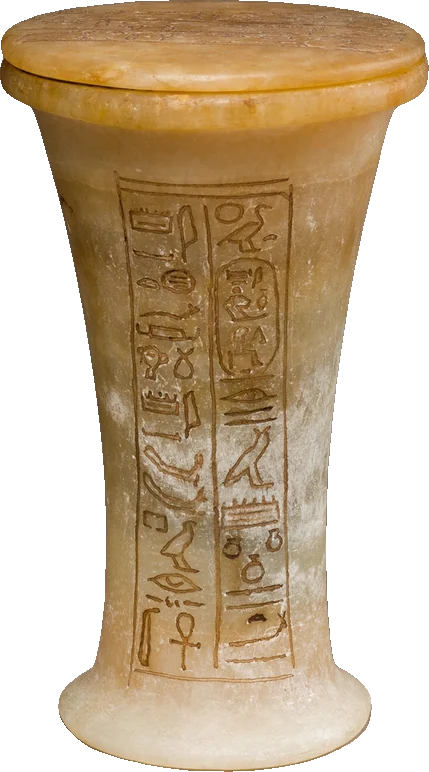 Ointment Jarca. 1473–1458 BCE
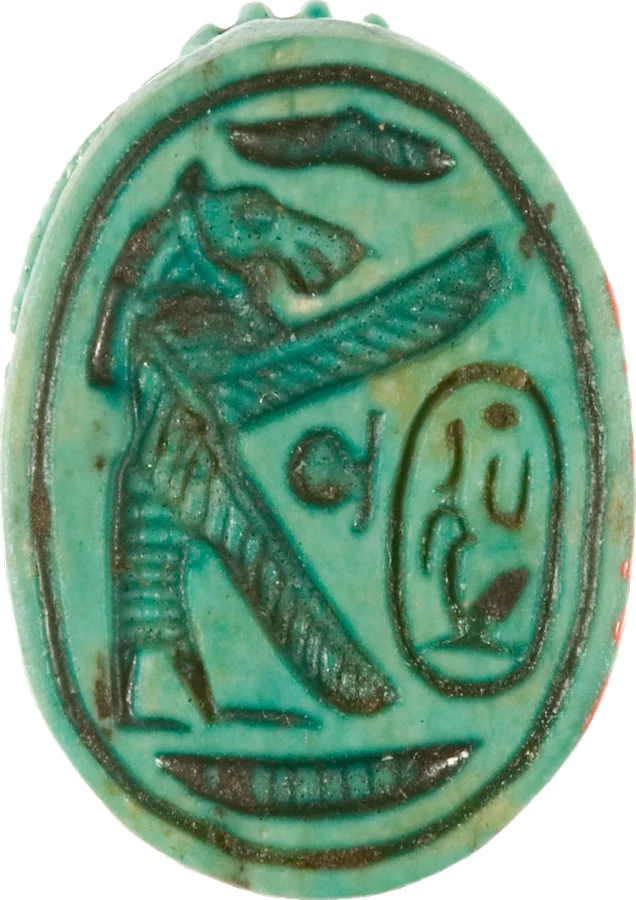 Scarab with Lion-headed Goddess Protecting Maatkareca. 1473–1458 BCE
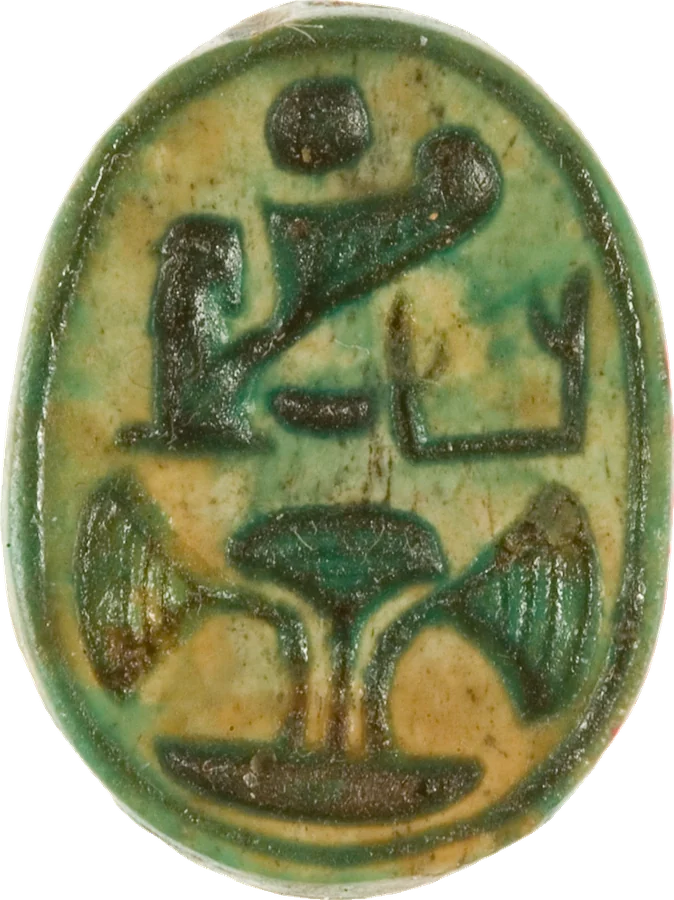 Scarab Inscribed with the Name Maatkare Over a Papyrus Thicketca. 1473–1458 BCE