
Egypt, New Kingdom, Dynasty 18, early · Find
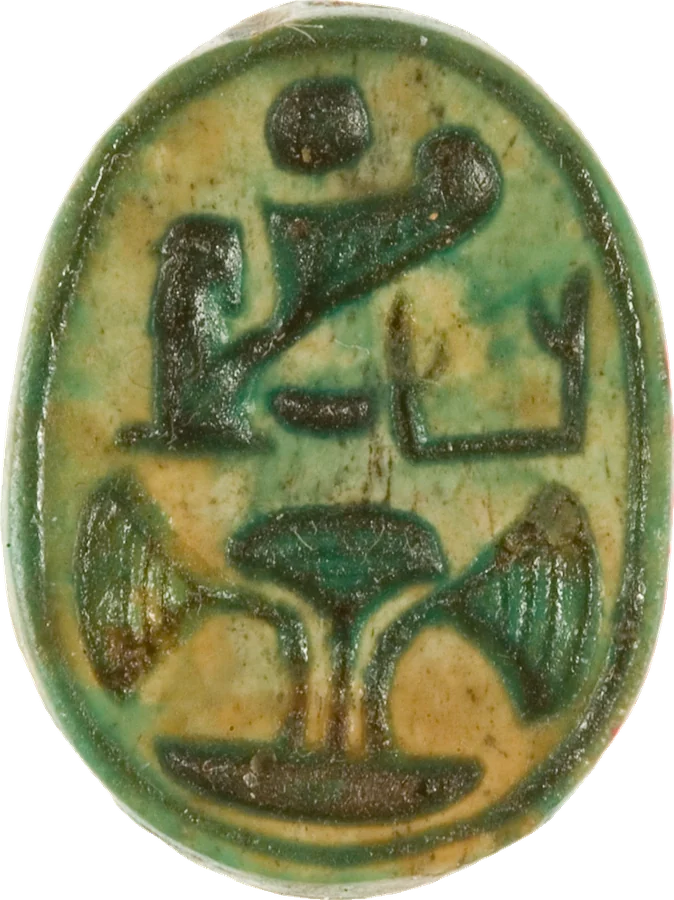
Scarab Inscribed with the Name Maatkare Over a Papyrus Thicket
This object was really found at Deir el-Bahri by The Metropolitan Museum of Art's expedition. Today it is in The Metropolitan Museum of Art in New York.
What is it?
Scarab. A small Egyptian object in the shape of a dung beetle, often used as an amulet or a seal. Read more
Stone. Carved or polished stone, from soft travertine to hard gemstones.
Museum record
- Object
- Scarab; Maatkare, papyrus; simple back
- Culture
- Egypt, New Kingdom, Dynasty 18, early
- Date
- ca. 1473–1458 BCE
- Material
- Steatite (glazed)
- Findspot
- MMA excavations, 1926–27, Foundation Deposit 7 (G), Temple of Hatshepsut, Deir el-Bahri, Upper Egypt, Thebes, Egypt
- Size
- L. 1.8 cm (11/16 in.); w. 1.4 cm (9/16 in.)
- Museum
- The Metropolitan Museum of Art, New York
- Number
- 27.3.224
- Credit
- Rogers Fund, 1927
Photo and record: The Metropolitan Museum of Art, Open Access (public domain, CC0), copied 2026-11-12. Background removed from the photo. Region: Nile Valley.
More from Deir el-Bahri
 Carpenter's Chisel from a Foundation Deposit for Hatshepsut's Templeca. 1473–1458 BCE
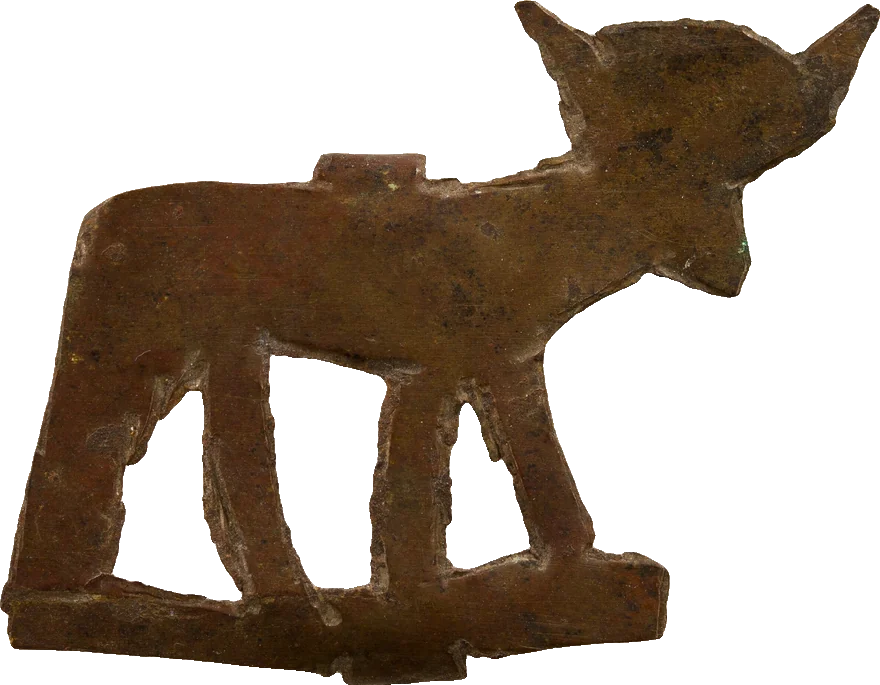 Cow plaqueca. 1473–1458 BCE
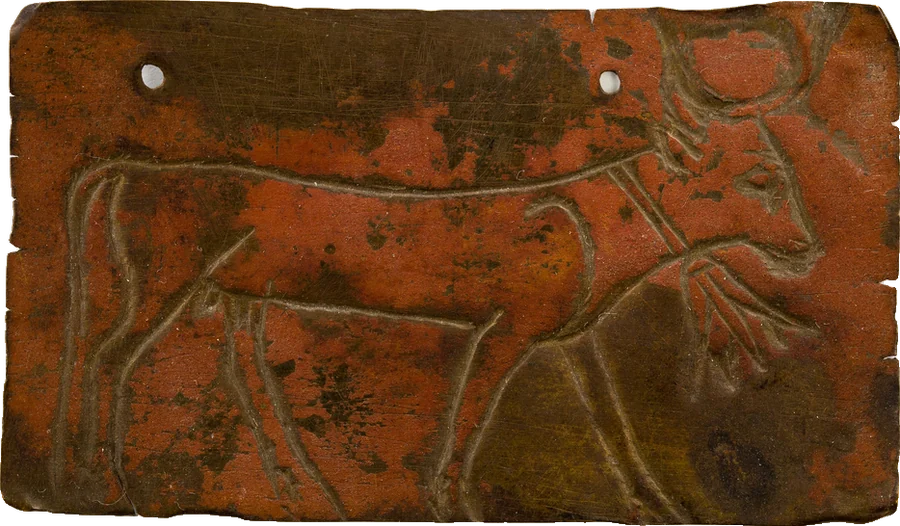 Cow plaqueca. 1473–1458 BCE
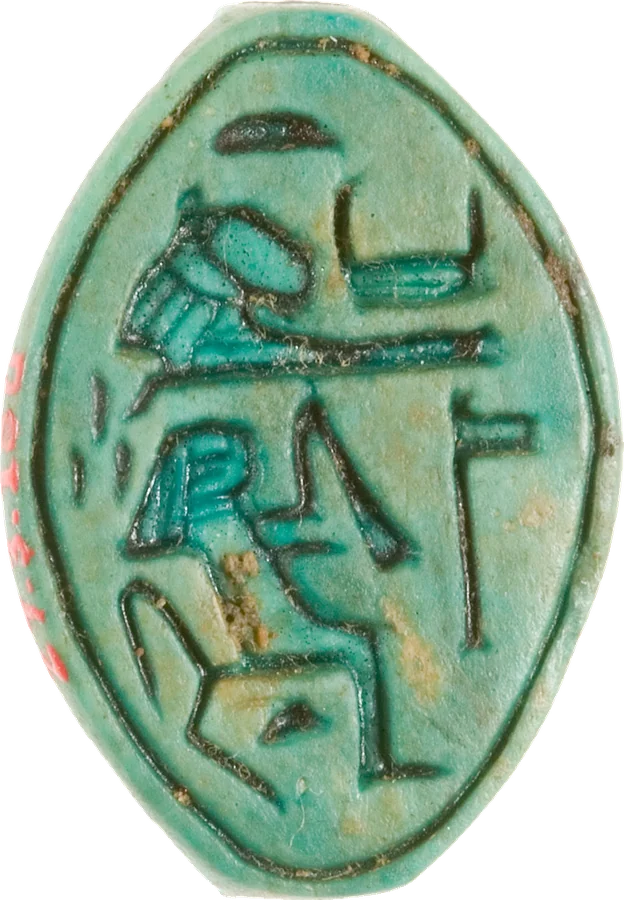 Cowroid Seal Amulet Inscribed for the God's Wife Hatshepsutca. 1473–1458 BCE
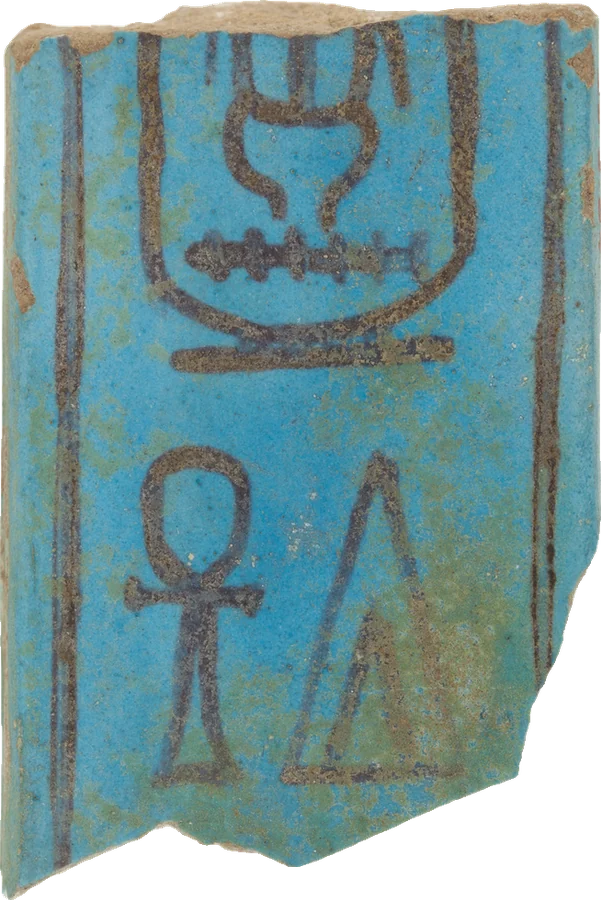 Menat fragmentca. 1473–1458 BCE
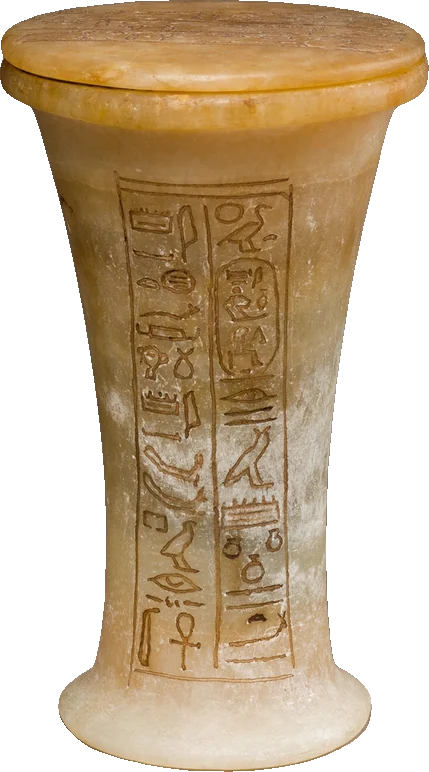 Ointment Jarca. 1473–1458 BCE
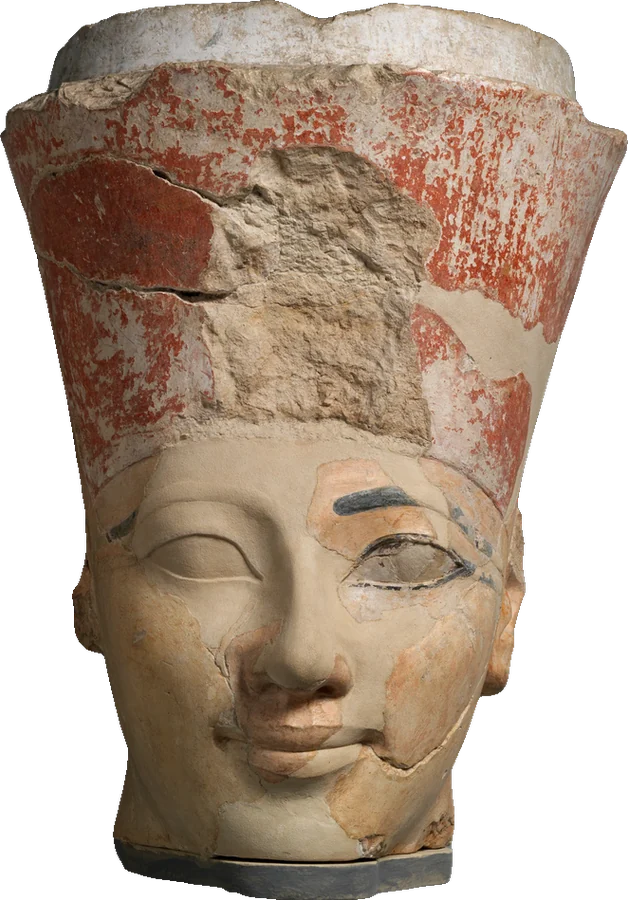 Head of an Osiride Statue of Hatshepsutca. 1473–1458 BCE
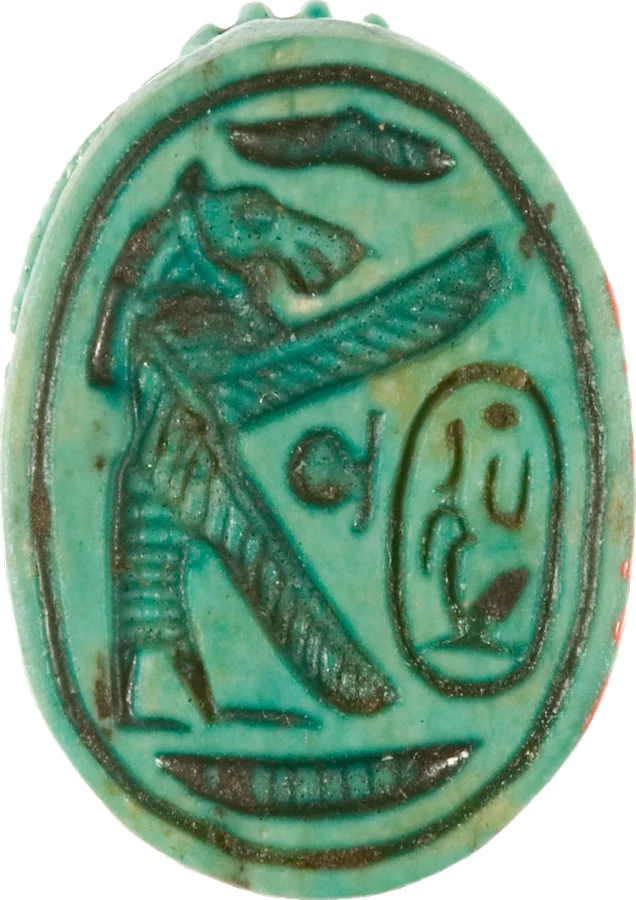 Scarab with Lion-headed Goddess Protecting Maatkareca. 1473–1458 BCE