
Nile Valley · Egypt
Deir el-Bahri
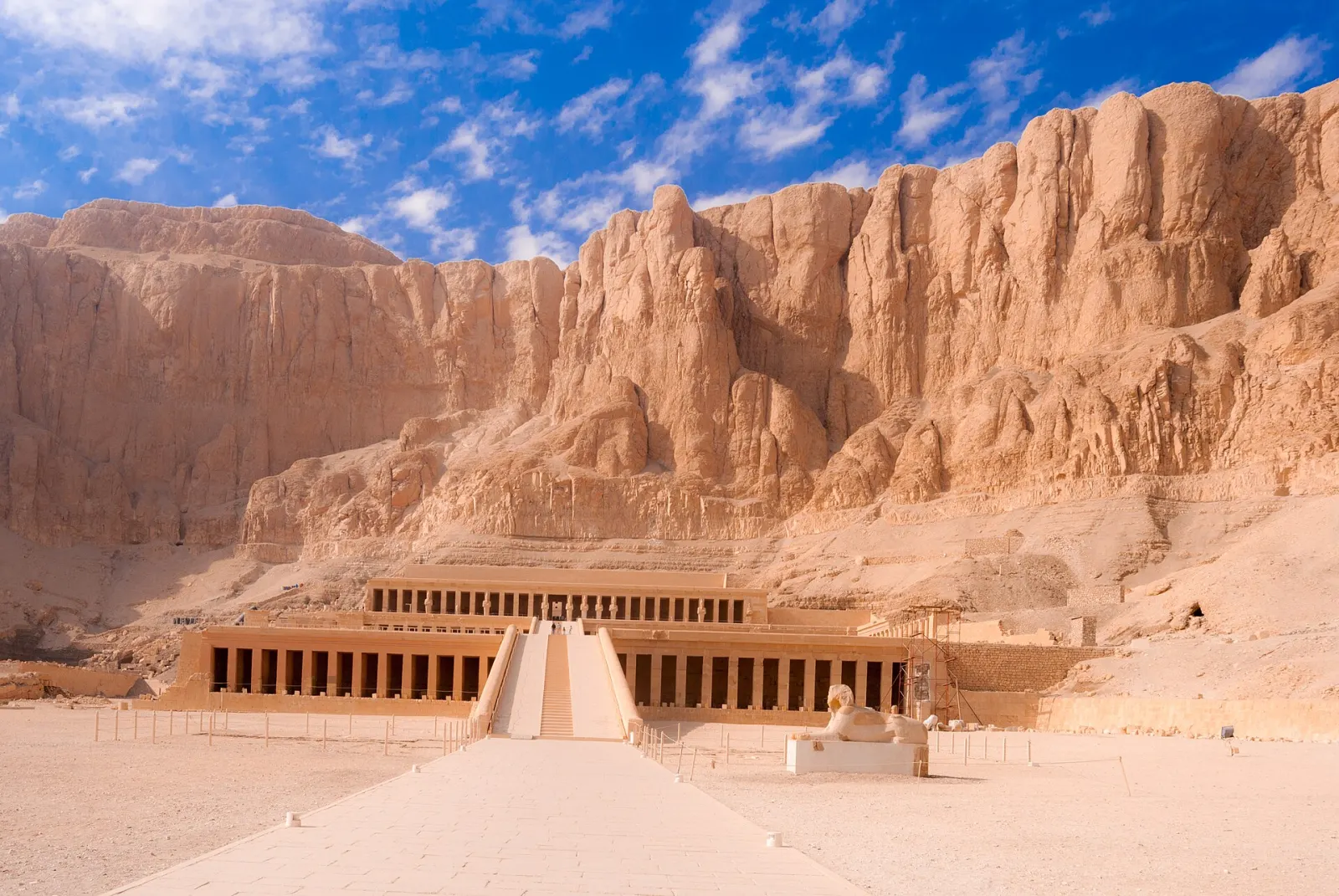
Deir el-Bahri is a bay in the cliffs on the west bank of the Nile, opposite modern Luxor. Here Hatshepsut, a queen who ruled as pharaoh, built her terraced temple beside the older temple of Mentuhotep II. The Metropolitan Museum of Art excavated here from 1911 to 1936 and found statues of Hatshepsut that had been broken in ancient times. Source
The Metropolitan Museum of Art's expedition dug here 1911 to 1936.
31 objects found here
Each one was found at Deir el-Bahri by The Metropolitan Museum of Art's expedition. Today they are in The Metropolitan Museum of Art. Oldest first.
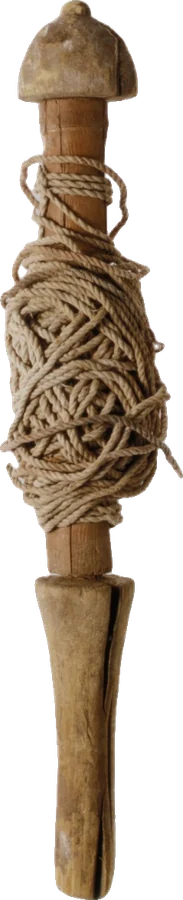 Builder's reel and cordca. 2124–1504 B.C.
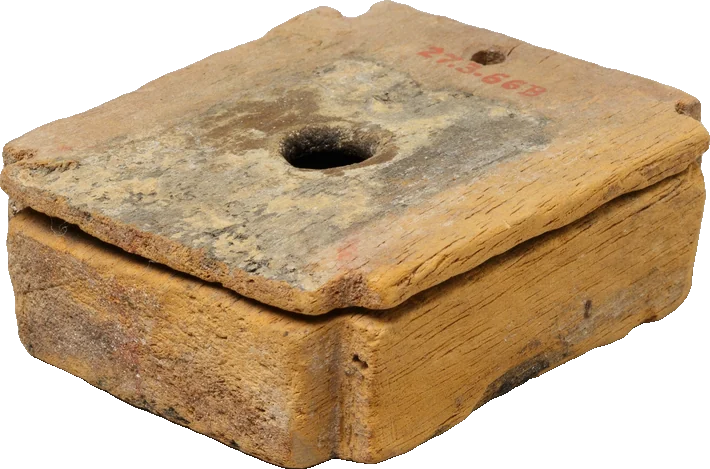 Inkwellca. 2124–1504 B.C.
 Trowelca. 2124–1504 B.C.
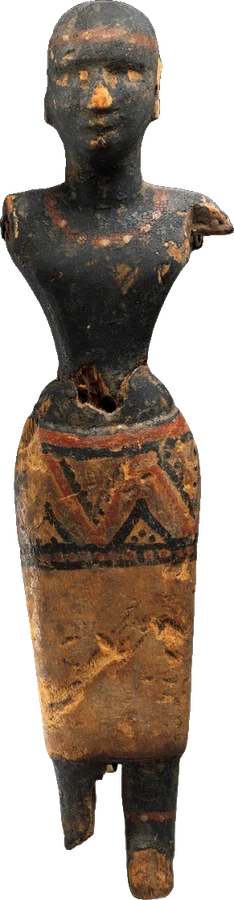 Figure of a Woman of Nubian Descentca. 2030–1981 B.C.
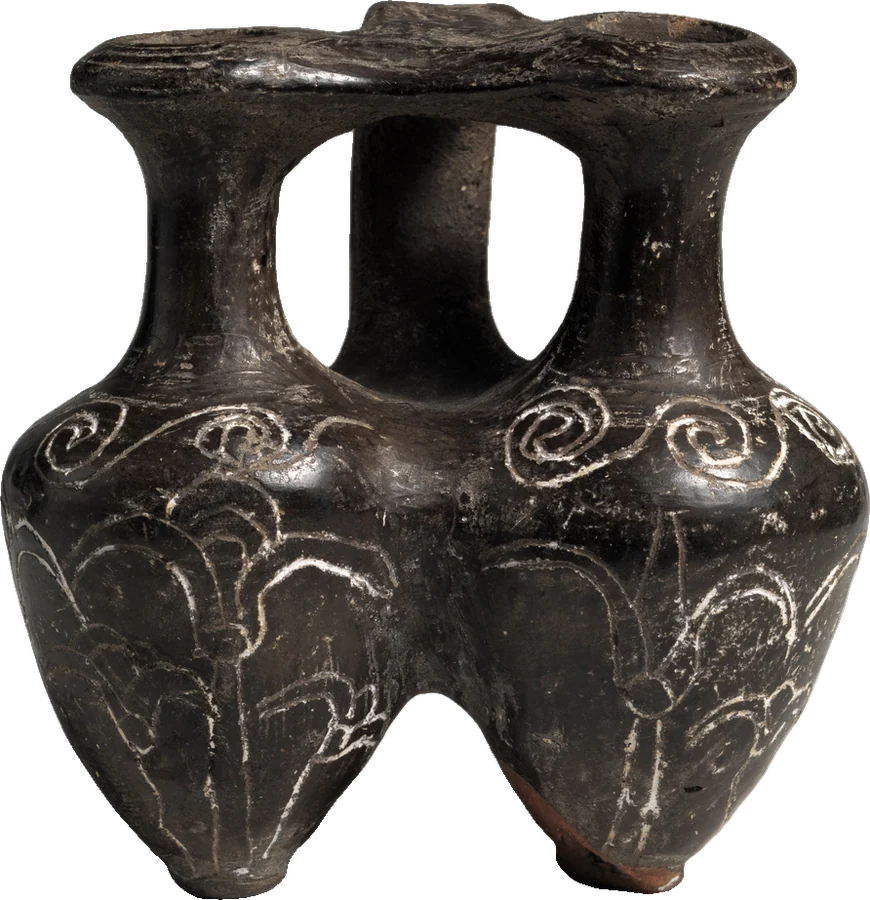 Double "Tell el-Yahudiya" Vase with Incised Lotus Flowers, probably manufactured in Egyptca. 1640–1575 BCE
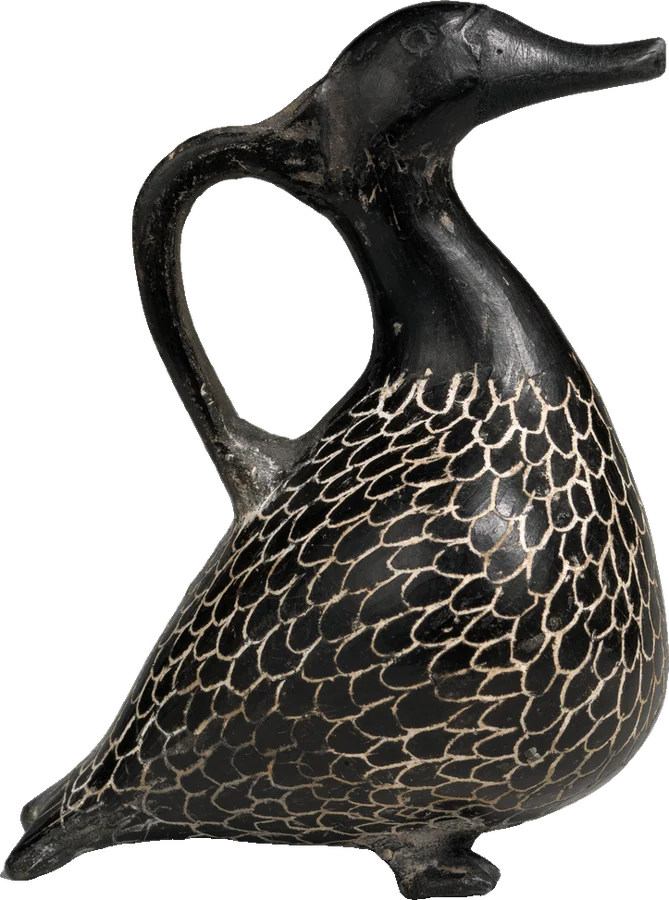 "Tell el-Yahudiya" Vase in the Shape of a Duckca. 1700 B.C.
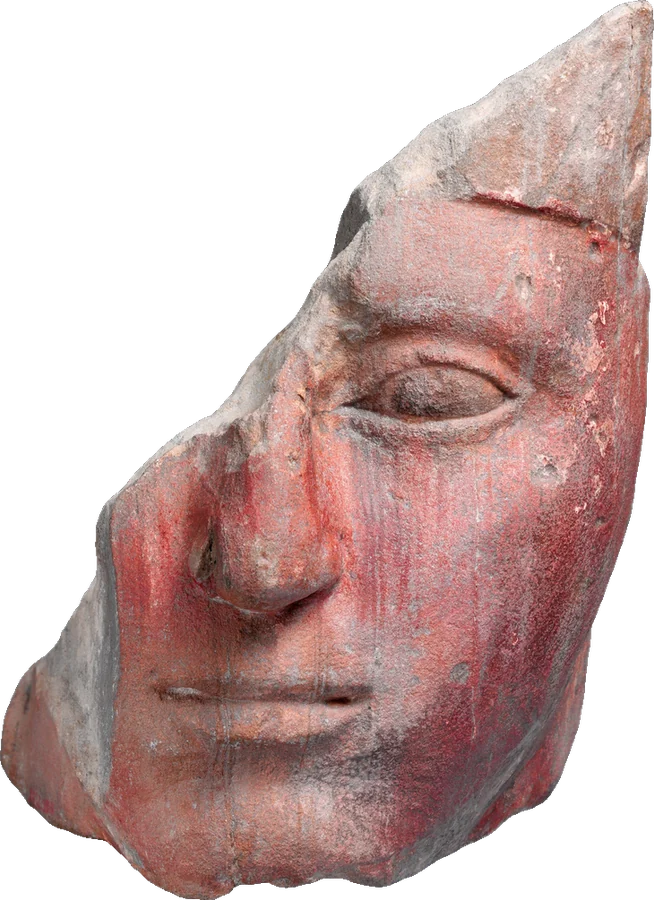 Head from a Statue of King Amenhotep Ica. 1525–1504 BCE
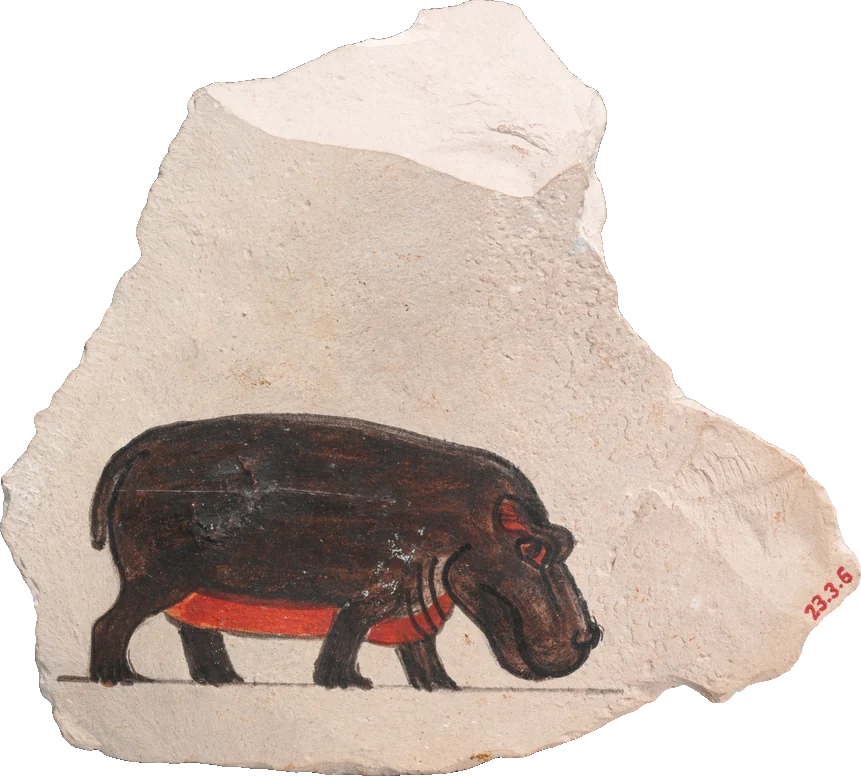 Artist's Painting of a Hippopotamusca. 1473–1458 BCE
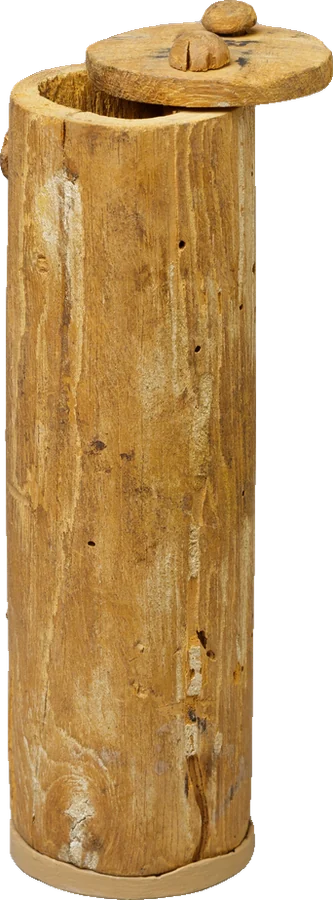 Cylindrical Scribe's Boxca. 1473–1458 BCE
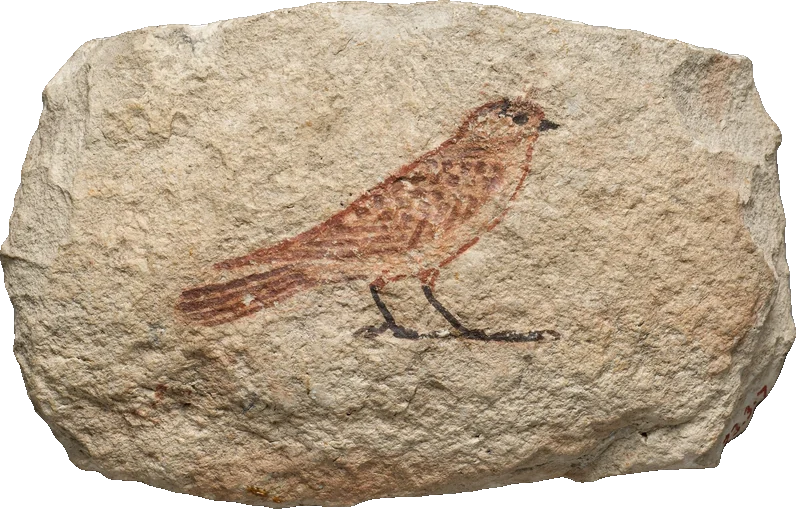 Artist's Sketch of a Sparrowca. 1473–1458 BCE
 Carpenter's Chisel from a Foundation Deposit for Hatshepsut's Templeca. 1473–1458 BCE
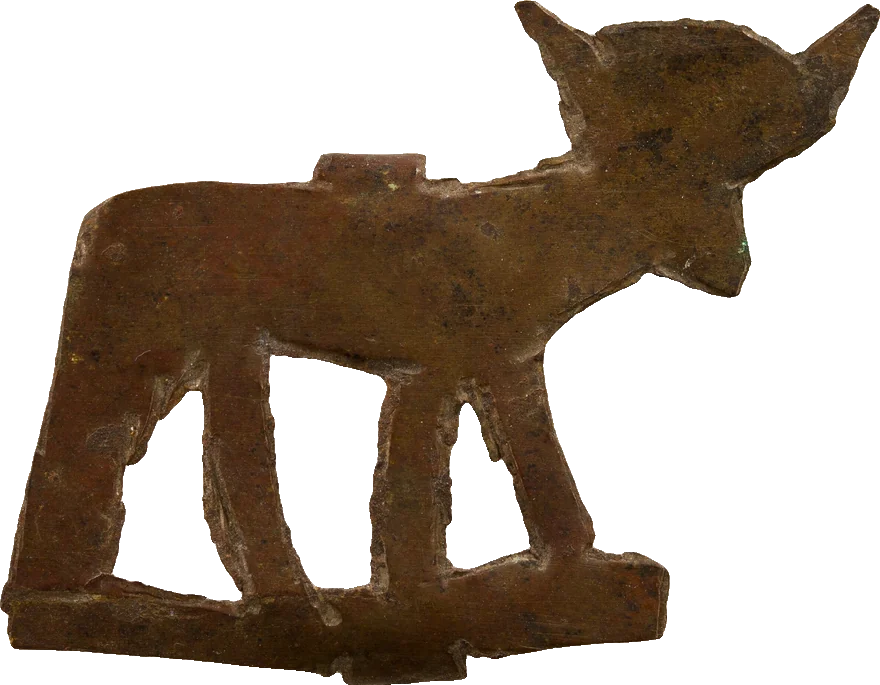 Cow plaqueca. 1473–1458 BCE
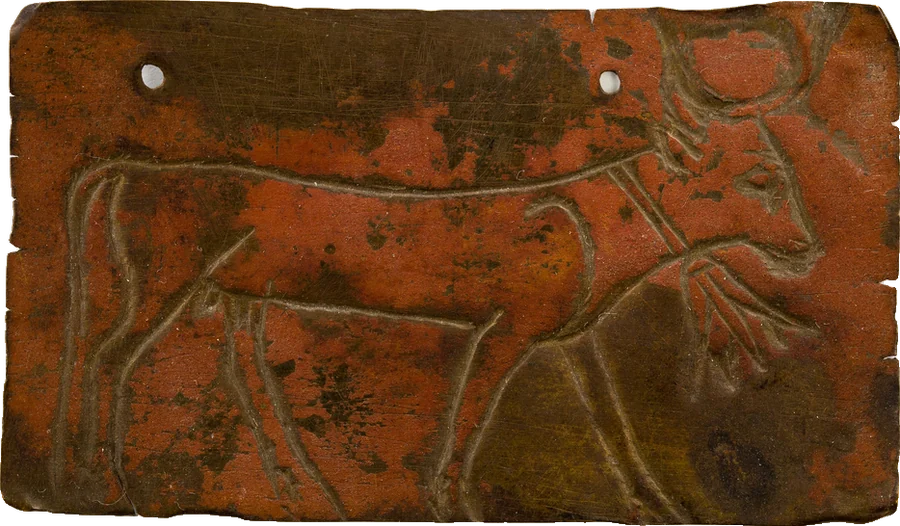 Cow plaqueca. 1473–1458 BCE
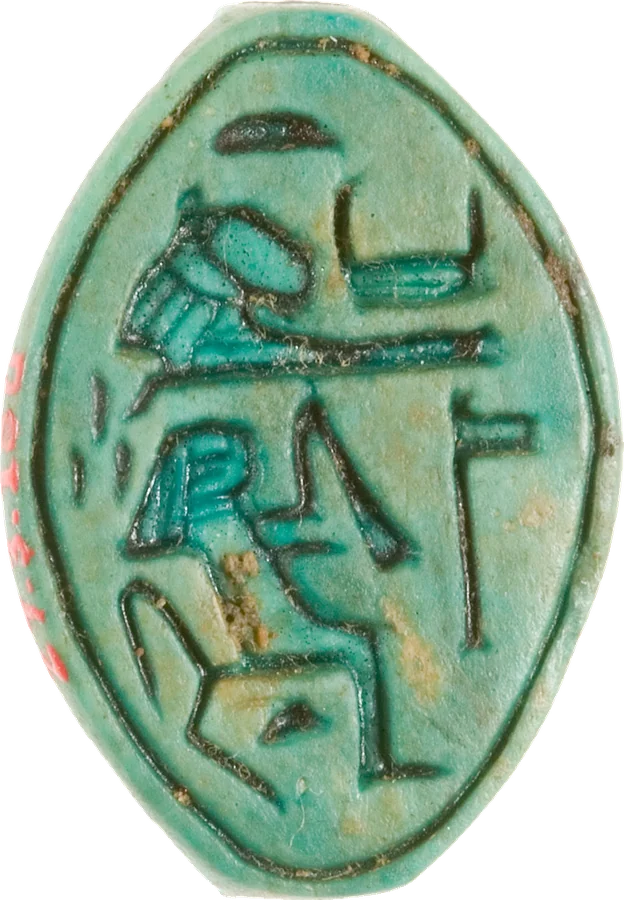 Cowroid Seal Amulet Inscribed for the God's Wife Hatshepsutca. 1473–1458 BCE
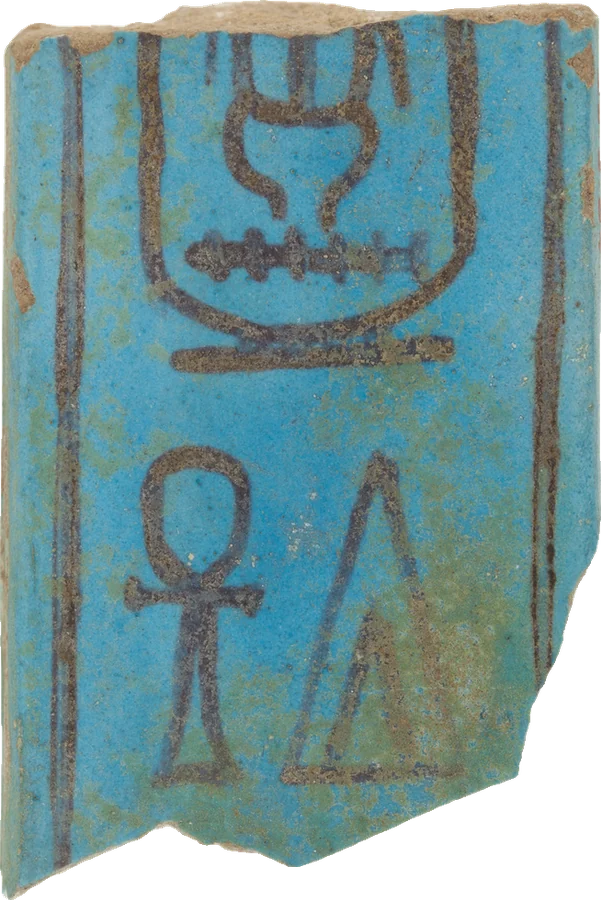 Menat fragmentca. 1473–1458 BCE
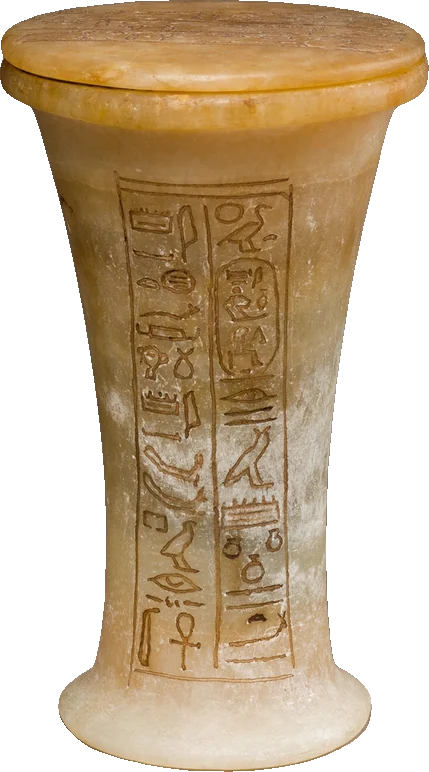 Ointment Jarca. 1473–1458 BCE
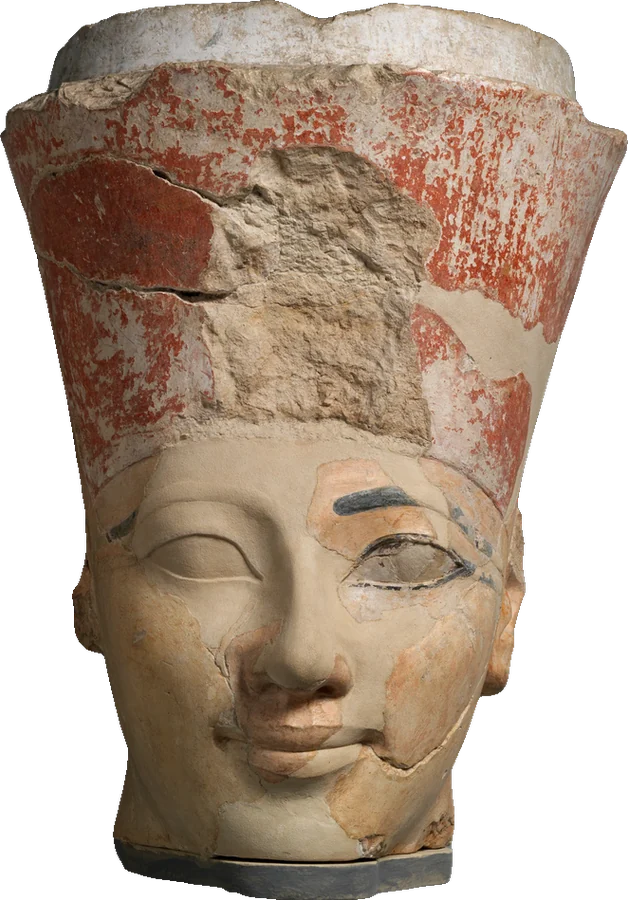 Head of an Osiride Statue of Hatshepsutca. 1473–1458 BCE
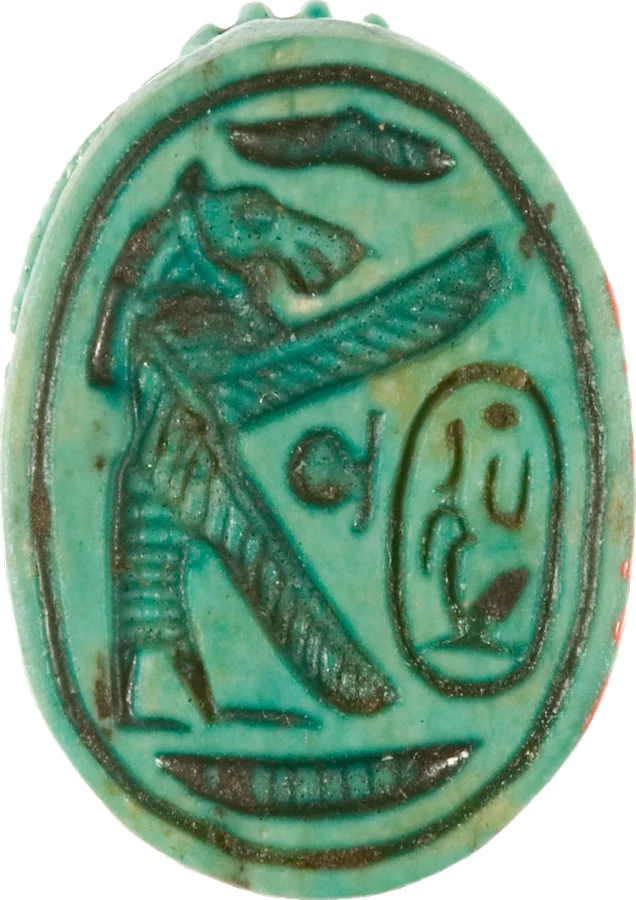 Scarab with Lion-headed Goddess Protecting Maatkareca. 1473–1458 BCE
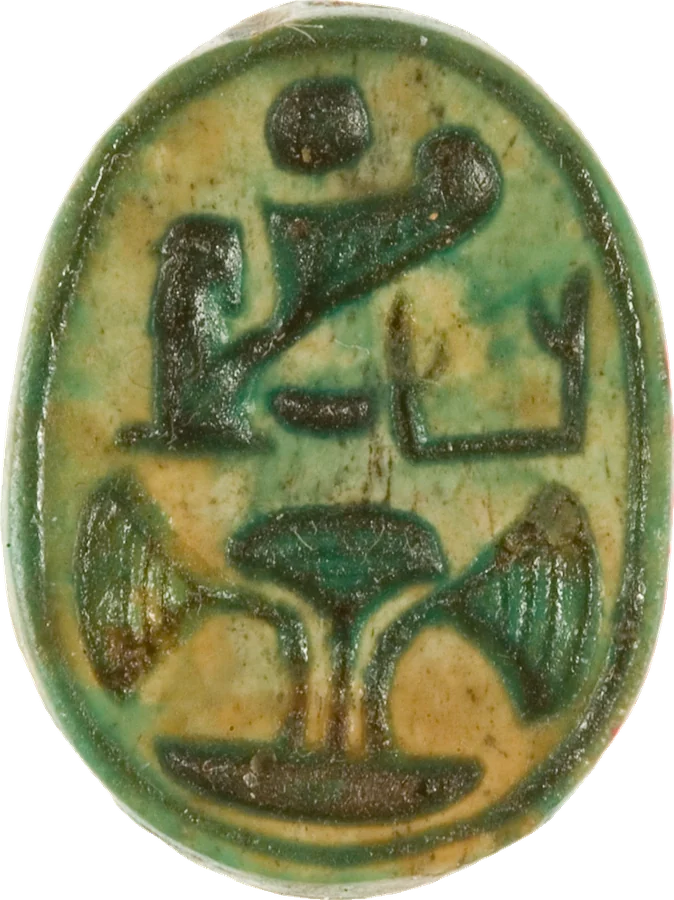 Scarab Inscribed with the Name Maatkare Over a Papyrus Thicketca. 1473–1458 BCE
 Scribal kniife of the Chief Steward Djehutyhotepca. 1473–1458 BCE
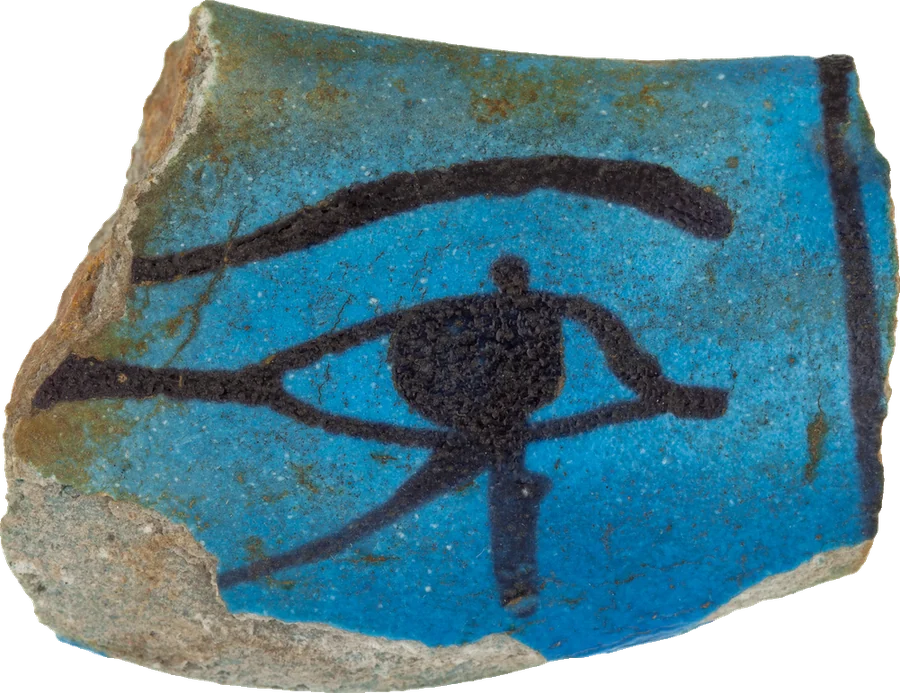 Model Throw stick fragment, eyeca. 1473–1458 BCE
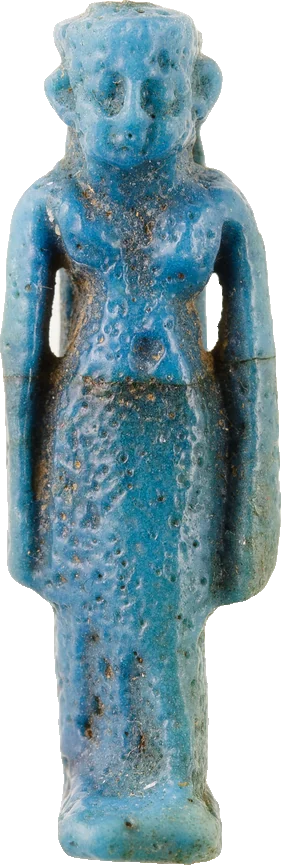 Goddess amuletca. 1080–343 BCE
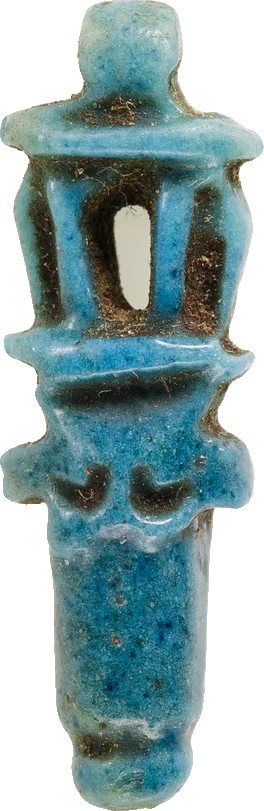 Sistrum amuletca. 1080–343 BCE
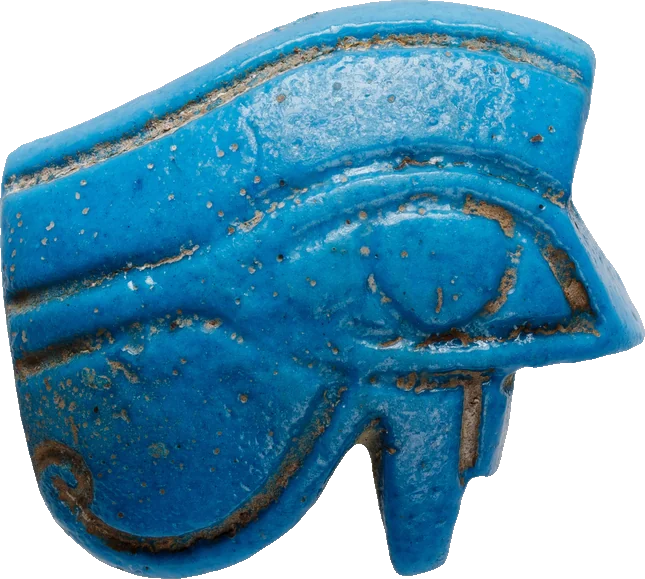 Wedjat Eye Amuletca. 1080–343 BCE
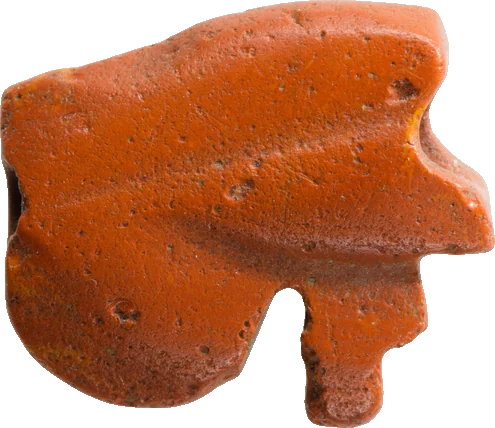 Wedjat eye amuletca. 1080 BCE or later
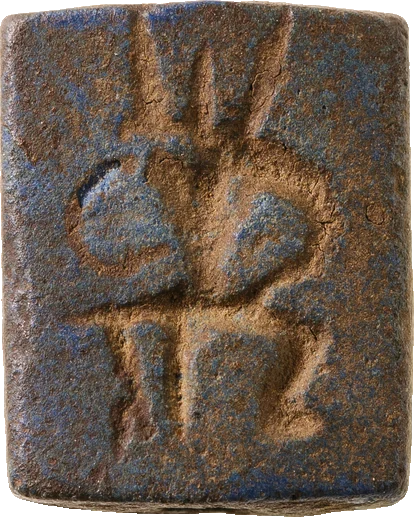 Bes Plaque664–332 BCE
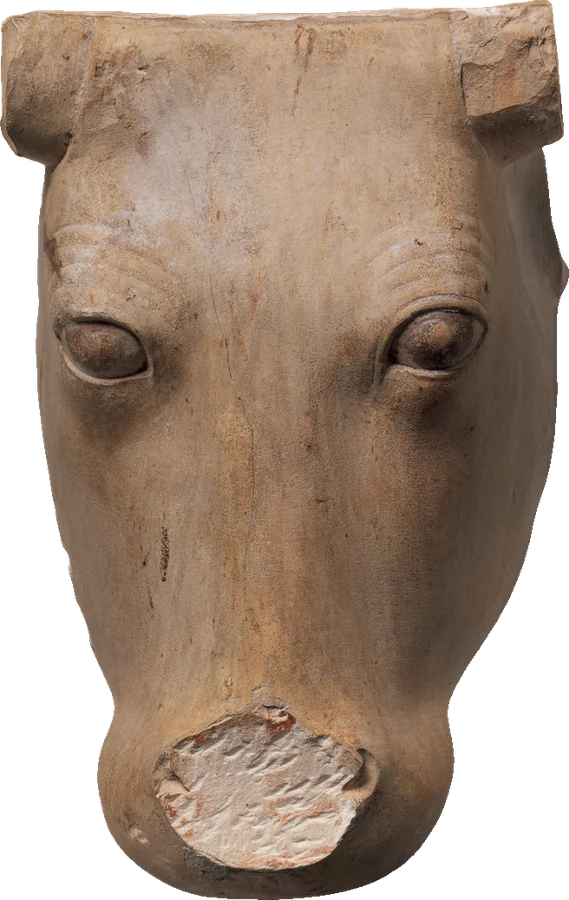 Cow's Head from a frontal representation of a cow emerging from a wall664–610 BCE
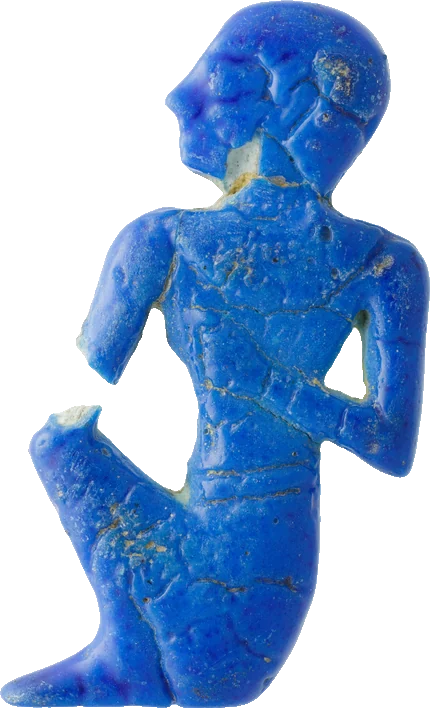 Inlay, hieroglyph664–610 BCE
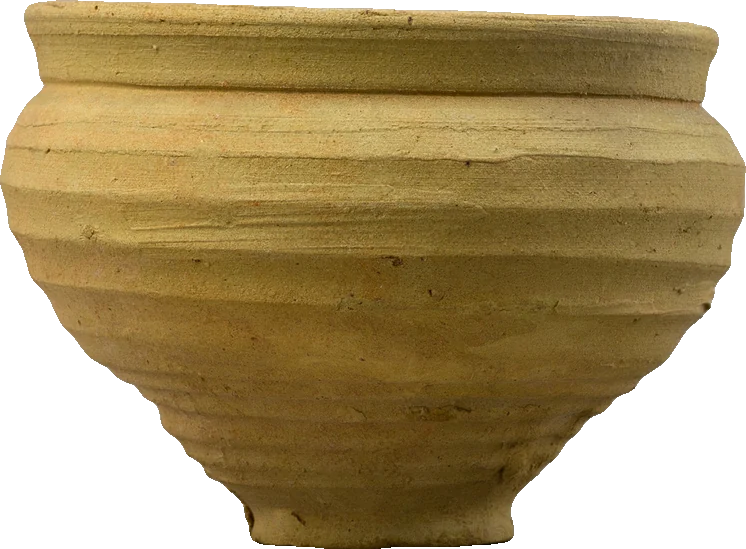 Bowl1–100 CE
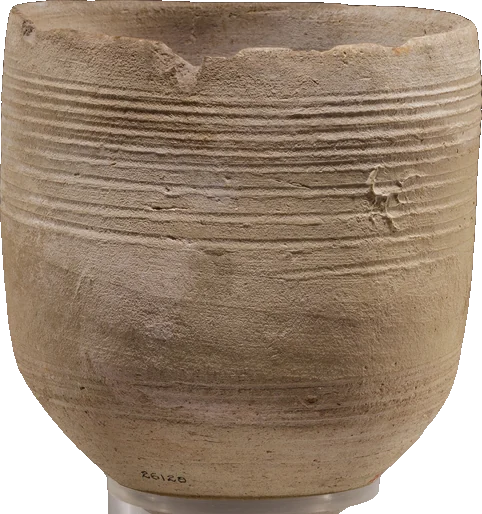 Cup1st–2nd century CE
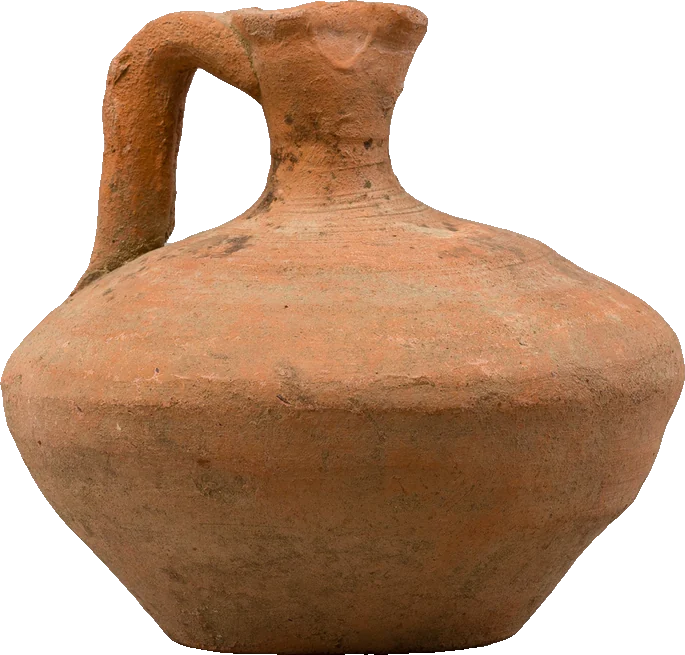 Jug with pinched trefoil rim1st–2nd century CE
12 fun facts about Deir el-Bahri
- Hatshepsut's temple had at least six granite sphinxes with her face. The one at The Met is over 11 feet (343 cm) long and weighs about 14,900 pounds (6,759 kg). metmuseum.org
- Hatshepsut's traders came back from the land of Punt with 31 live myrrh trees and frankincense. A myrrh tree from Punt was planted in front of her temple at Deir el-Bahri. en.wikipedia.org
- A life-size statue of Hatshepsut was split between two countries: its torso was found in 1869 and went to a museum in Leiden. In 1998 it was reunited with the pieces the Met excavated. metmuseum.org
- The Met rebuilt Hatshepsut's broken statues by fixing the stone pieces to metal frames and filling the gaps with tinted plaster. Look closely and you can still tell old stone from new plaster. metmuseum.org
- When the statue finds from Deir el-Bahri were divided, the most complete statues of Hatshepsut were sent to the Egyptian Museum in Cairo, and The Met received fragments to rebuild. metmuseum.org
- The name Hatshepsut means "foremost of noble women." It appears even on statues that show her dressed as a male king, with headcloth, kilt and false beard. metmuseum.org
- The statues of Hatshepsut in her temple's sanctuary were painted with an unusual light pink color for the skin. Three of their heads are now at The Met. metmuseum.org
- King Amenhotep I lined the processional way of Mentuhotep II's temple at Deir el-Bahri with statues of himself more than 9 feet (2.5 meters) tall, each with a strikingly individual face. metmuseum.org
- A relief from Mentuhotep II's temple shows the goddess Hathor, whose figure was chiseled away under King Akhenaten. Workers later repaired her in plaster, and The Met displays the mended block. metmuseum.org
- To make room for Hatshepsut's temple, an older temple of Amenhotep I, built about 50 years earlier, was taken down. en.wikipedia.org
- A third temple at Deir el-Bahri, built by Thutmose III just above Hatshepsut's, was found again by a Polish-Egyptian mission in the early 1960s. en.wikipedia.org
- Between the A.D. 500s and 700s, Christians built the monastery of Saint Phoibammon at Hatshepsut's temple and painted images of Christ over some of the ancient reliefs. en.wikipedia.org
In the game these unlock one by one as you dig here.
The name
Deir el-Bahri is Arabic for "the Northern Monastery" (literally "the Seaward Monastery"). In Coptic, the language of Egypt's early Christians, the place was called the monastery of Apa Phoibammon. Hatshepsut's temple itself was called Djeser-djeseru. en.wikipedia.org
Life here
The central sanctuary of Hatshepsut's temple belonged to the god Amun-Re, whose main home was Karnak temple across the Nile. Once a year, at the Beautiful Feast of the Valley, the god's image was carried over the river in his sacred boat and brought up a road lined with sphinxes to her temple. metmuseum.org
Who dug here
Herbert Winlock led the Metropolitan Museum's excavations at Deir el-Bahri between 1911 and 1931. His team found statues of Hatshepsut and Thutmose III and caches of ritual objects, and also worked to stabilize the temple's walls. en.wikipedia.org
Deir el-Bahri today
Since 1961, the Polish Centre of Mediterranean Archaeology has worked with Egypt to strengthen and restore Hatshepsut's temple. Parts reopened to visitors from 2000 onward, and the temple was opened to the public in March 2023. en.wikipedia.org
A record
The Met calls Hatshepsut the most successful of the several women who ruled ancient Egypt. She declared herself king sometime between years 2 and 7 of the reign of her stepson and nephew, Thutmose III. metmuseum.org
Deir el-Bahri today and in the past
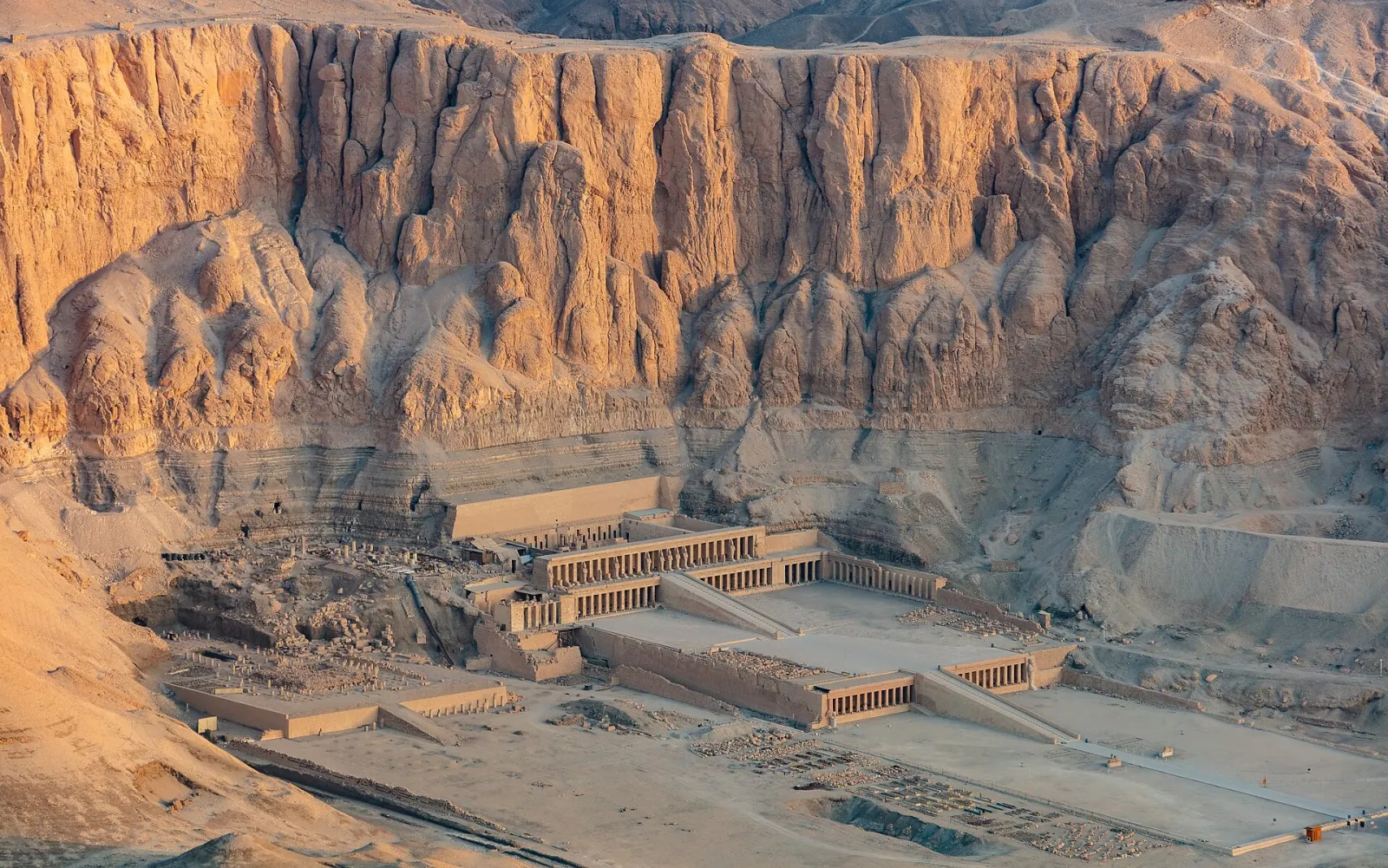
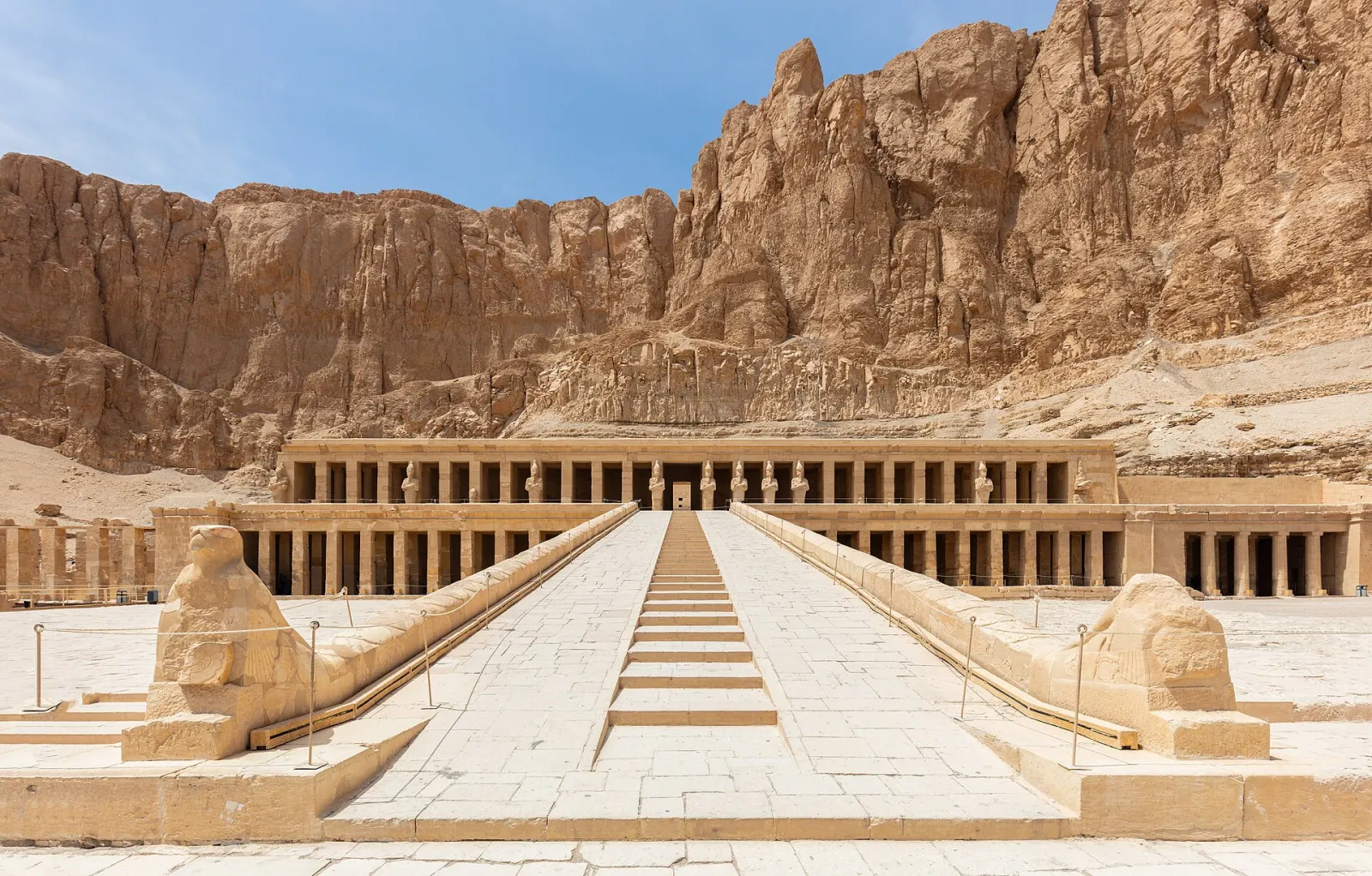
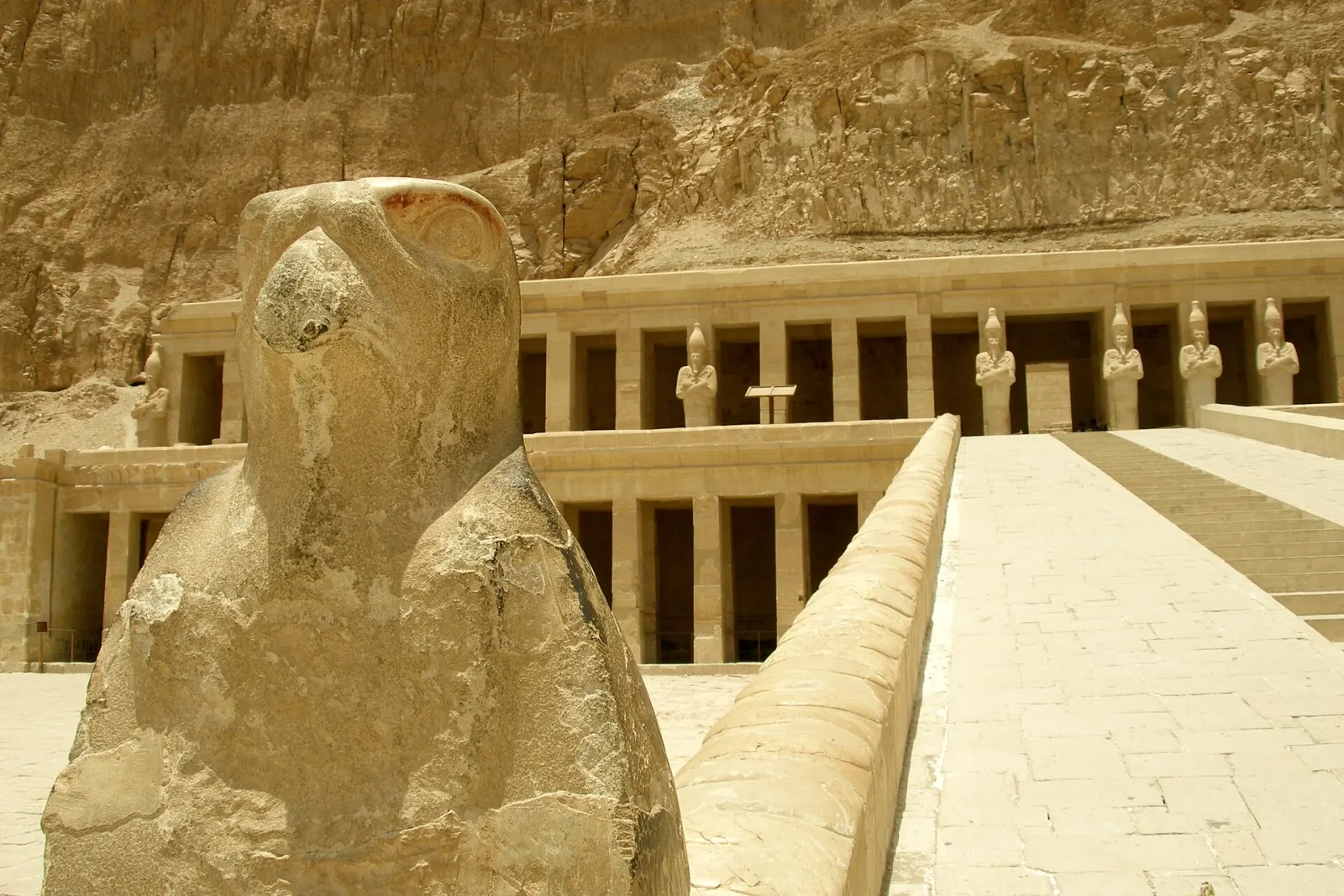
Dig at Deir el-Bahri yourself: open a trench, brush the soil away layer by layer and find these objects in the game.
Dig at Deir el-Bahri