
Nile Valley · Egypt
Lisht
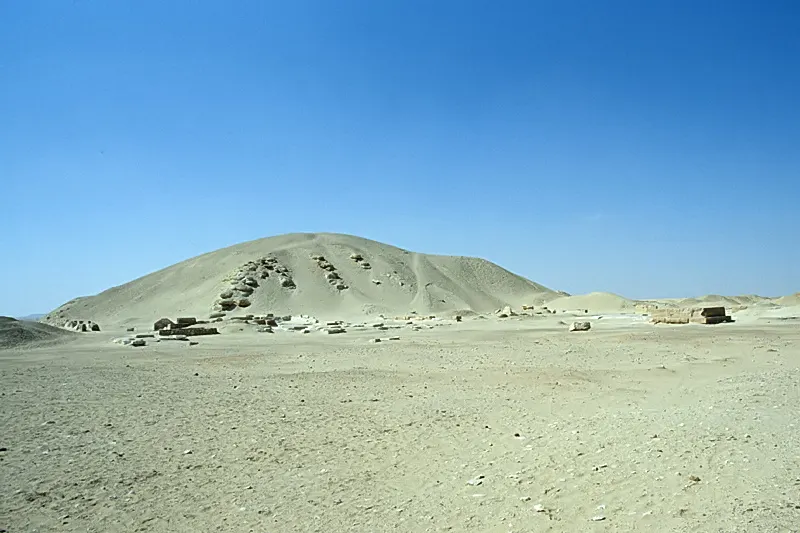
Lisht is the burial ground of the first two kings of Egypt's 12th Dynasty, Amenemhat I and his son Senwosret I. They built pyramids here, near their new capital Itjtawy, and officials and royal family members were buried in tombs and small pyramids around them. The Metropolitan Museum of Art's Egyptian Expedition excavated at Lisht from 1906 to 1934. Source
The Metropolitan Museum of Art's expedition dug here 1906 to 1934.
30 objects found here
Each one was found at Lisht by The Metropolitan Museum of Art's expedition. Today they are in The Metropolitan Museum of Art. Oldest first.
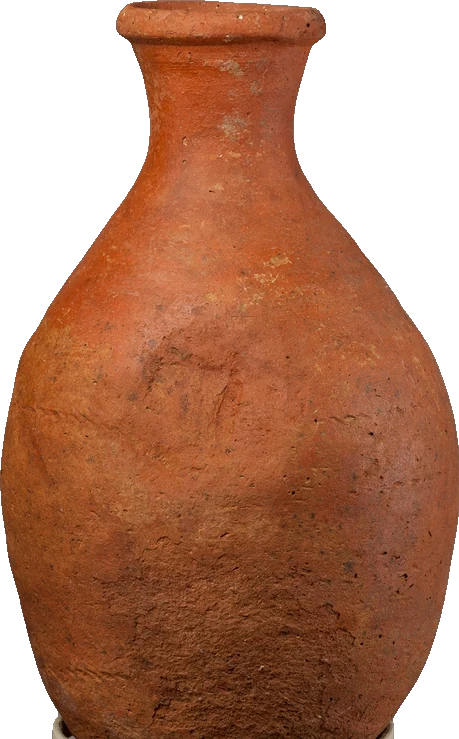 Large water jarca. 2030–1640 B.C.
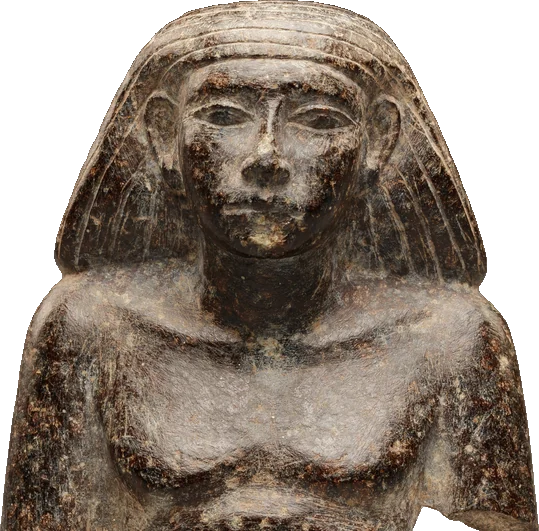 Bust of upper part of manca. 1981–1640 B.C.
 String of Carnelian Beadsca. 1981–1295 B.C.
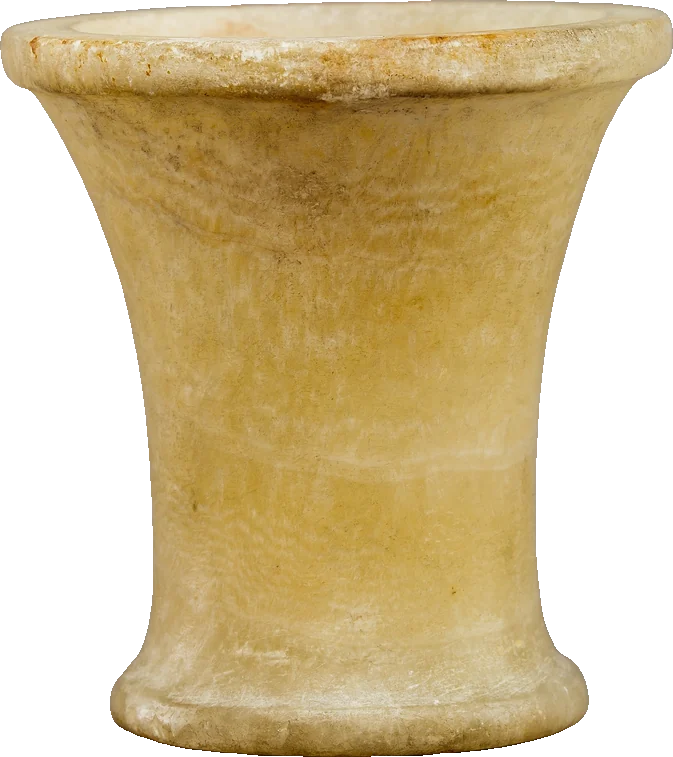 Ointment jarca. 1981–1952 B.C.
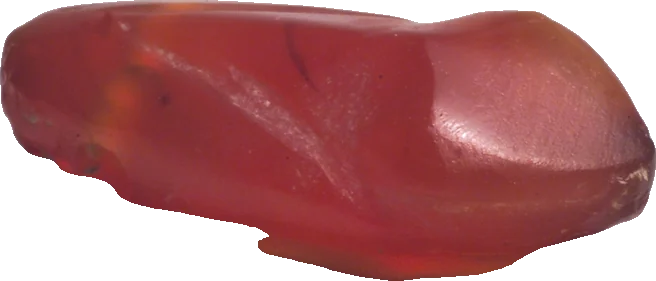 Snake-head Amuletca. 1981–1640 B.C.
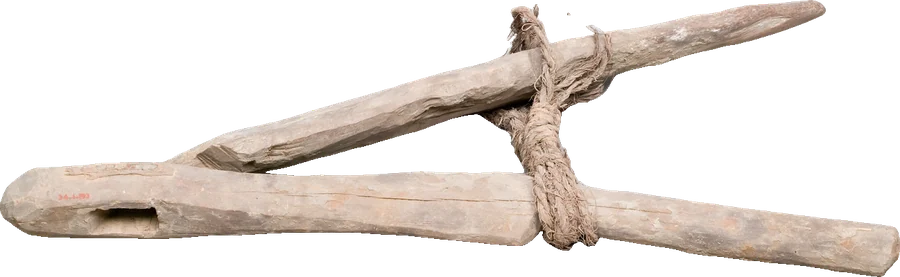 Hoeca. 1961–1917 B.C.
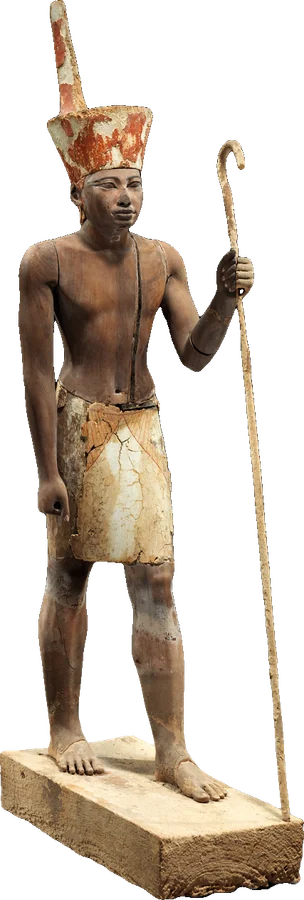 Guardian Figureca. 1919–1885 B.C.
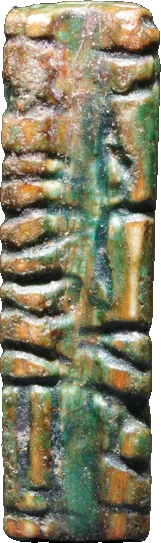 Cylinder seal of Senwosret IIIca. 1878–1840 B.C.
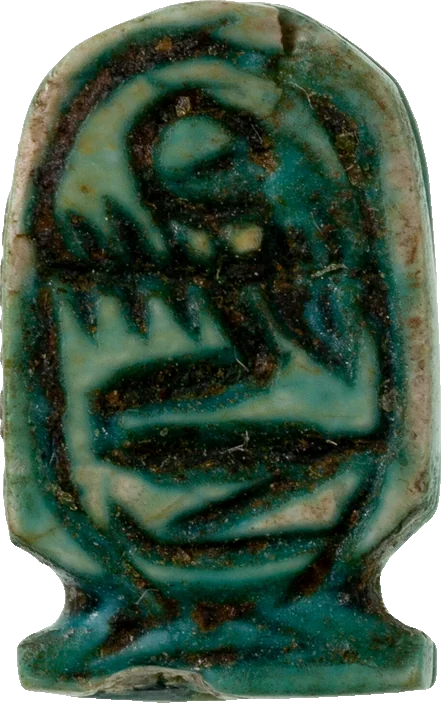 Cartouche amulet of Amenemhat IIIca. 1859–1813 B.C.
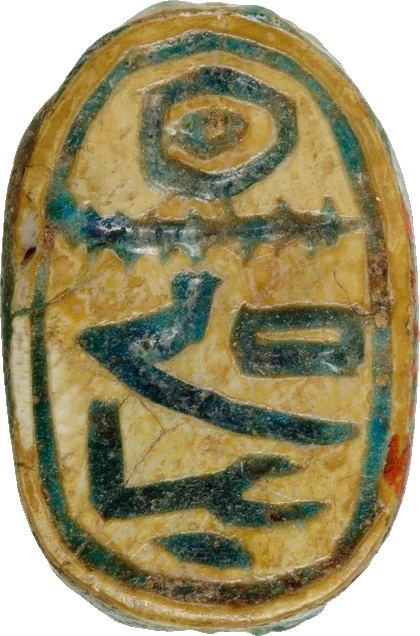 Scarab of Amenemhat IIIca. 1859–1813 B.C.
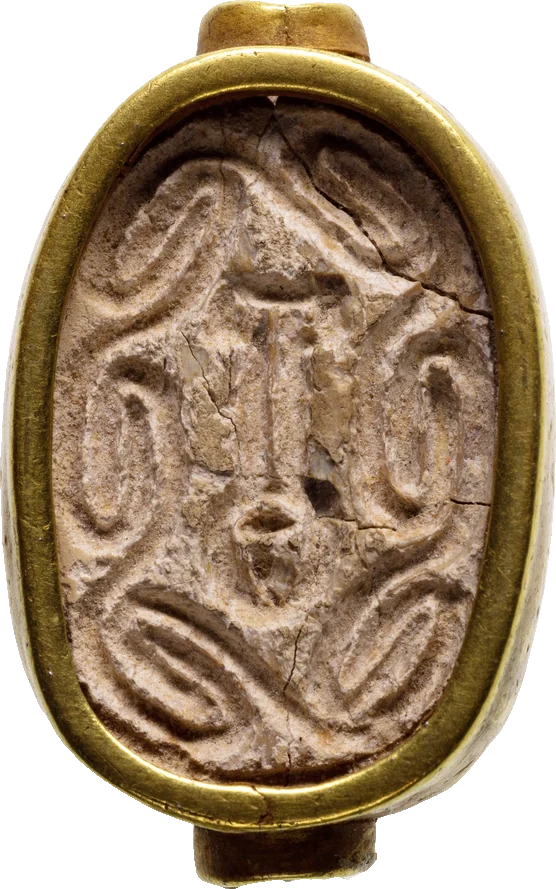 Mounted Scarab Incised with Nefer Sign in Scroll Borderca. 1850–1640 B.C.
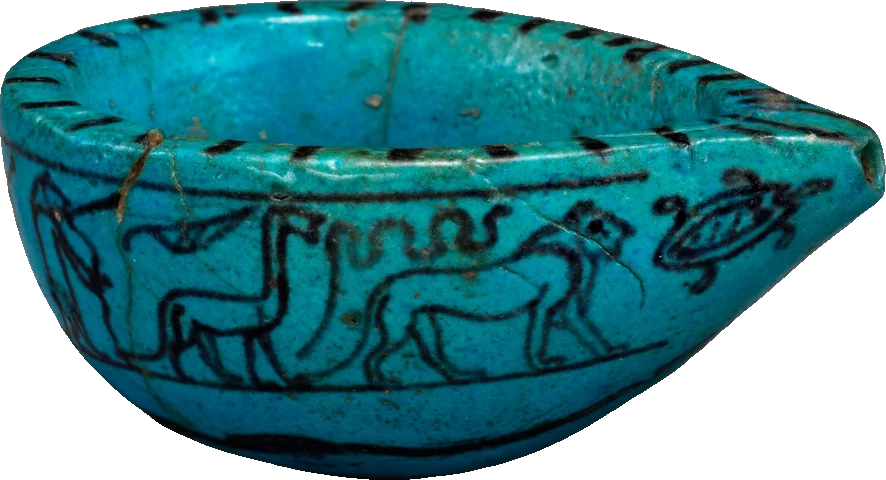 Feeding Cupca. 1850–1700 B.C.
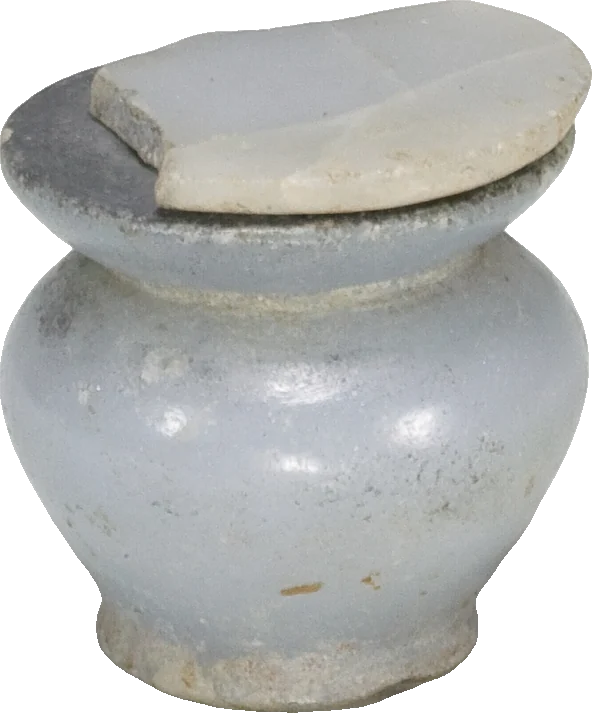 Kohl jarca. 1850–1640 B.C.
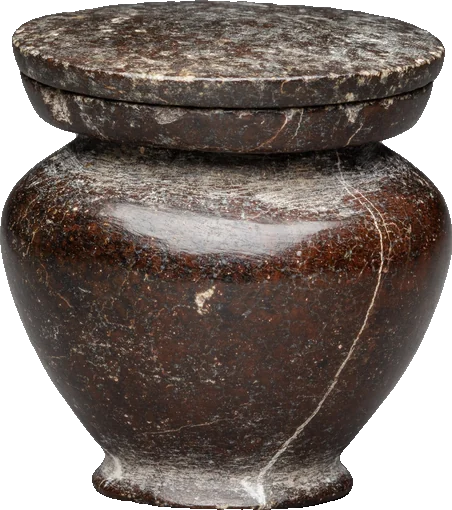 Kohl jarca. 1850–1640 B.C.
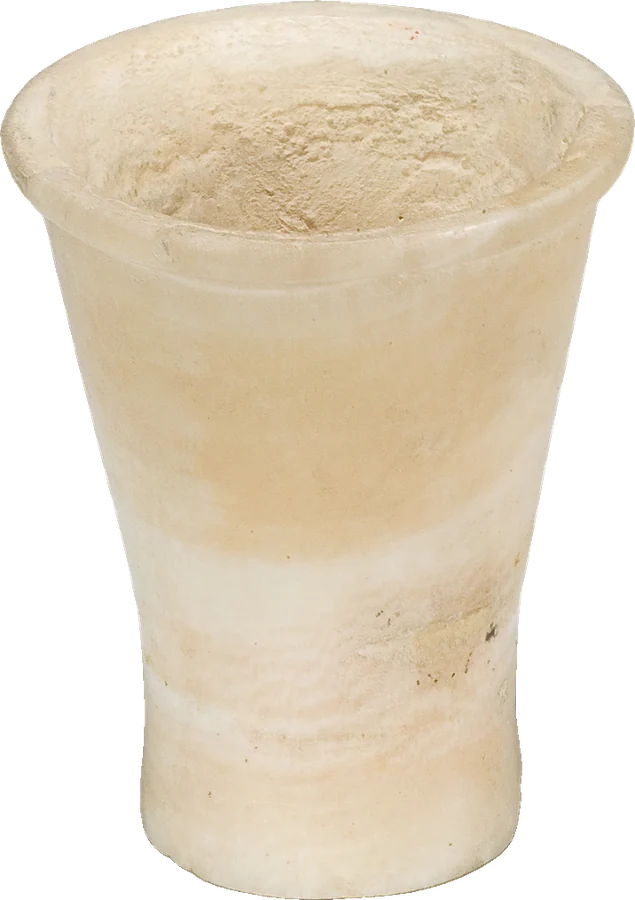 Miniature Ointment jarca. 1850–1775 B.C.
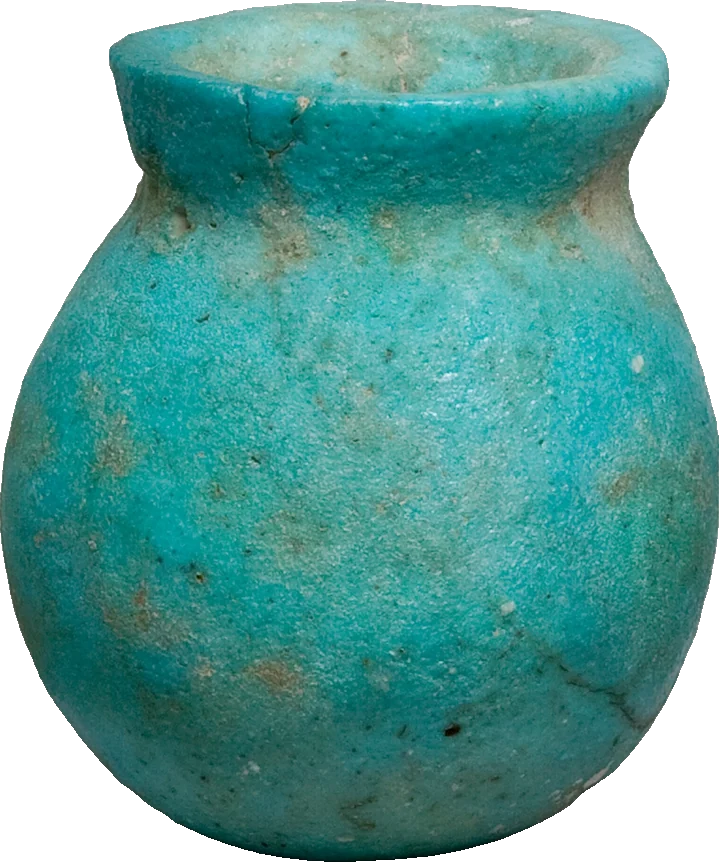 Toilet vaseca. 1850–1775 B.C.
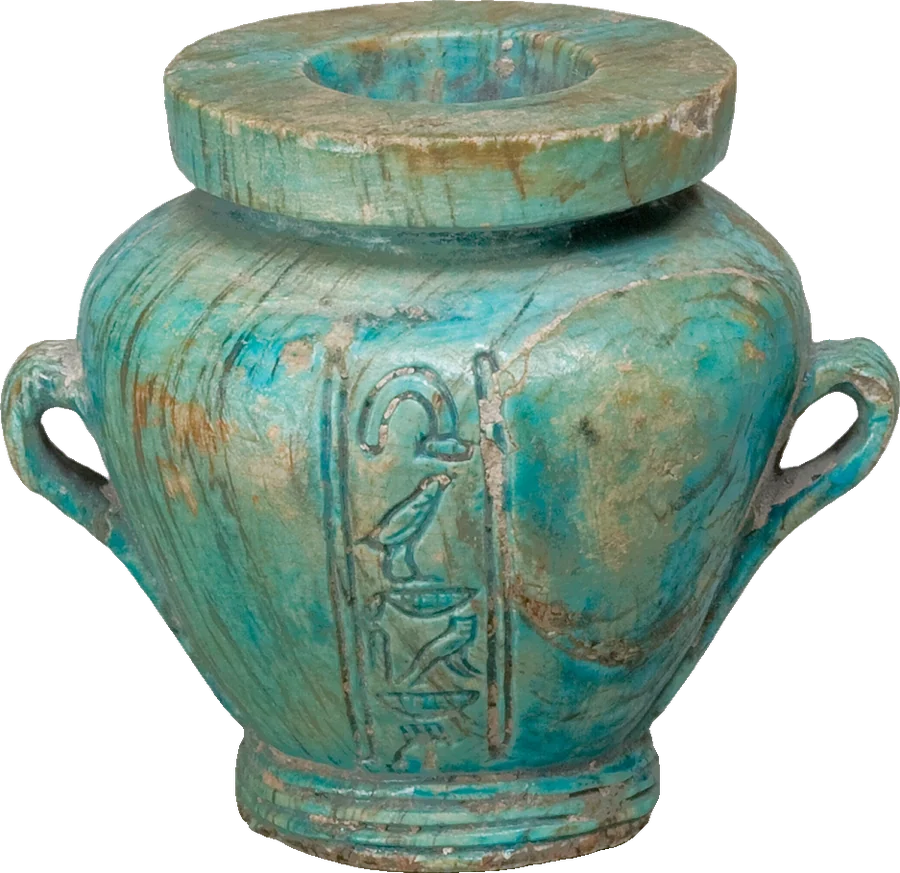 Toilet vase with two handles, inscribed for the Seal Bearer Kemesca. 1850–1775 B.C.
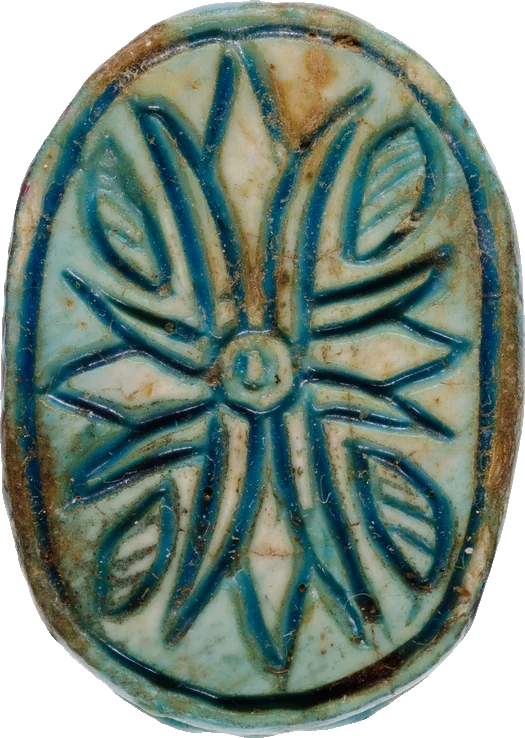 Scarab with Crucifom Lotus Flower Decorationca. 1770–1670 B.C.
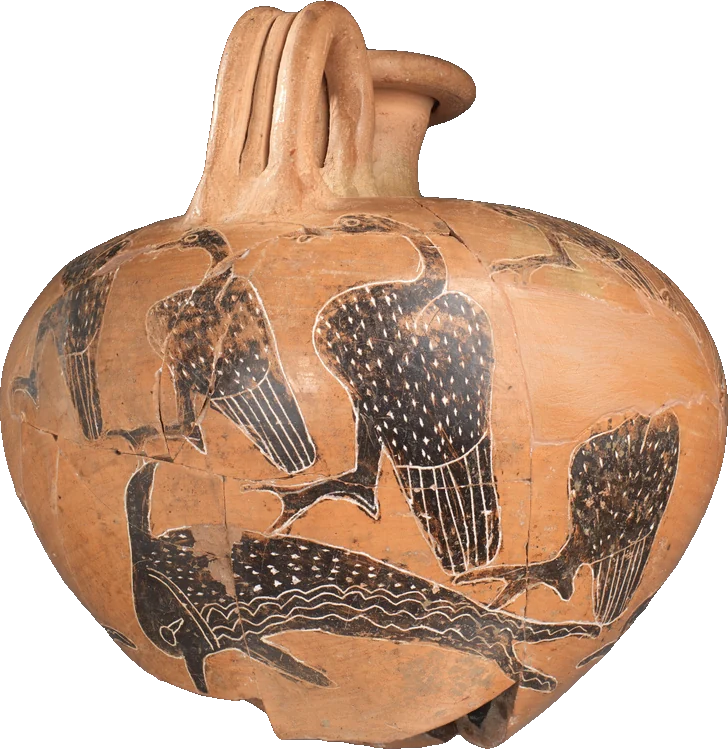 Jug Decorated with Dolphins and Birdsca. 1750–1550 B.C.
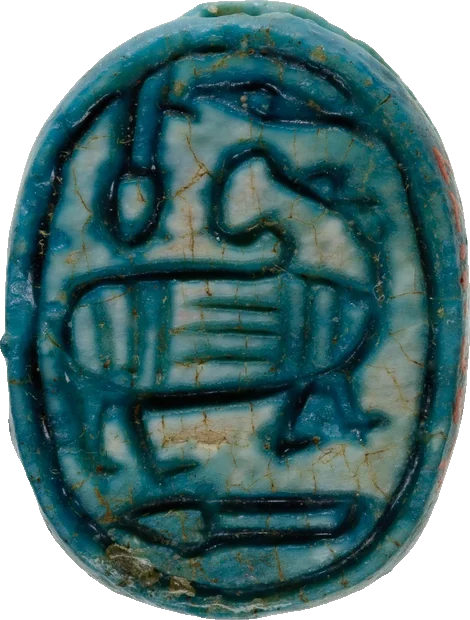 Scarab with the Representation of a Hippoca. 1740–1640 B.C.
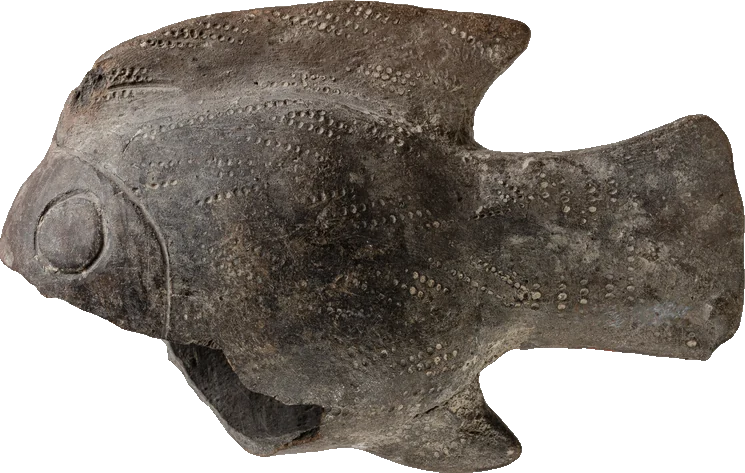 Tell el-Yahudiya-ware fish vesselca. 1640–1550 B.C.
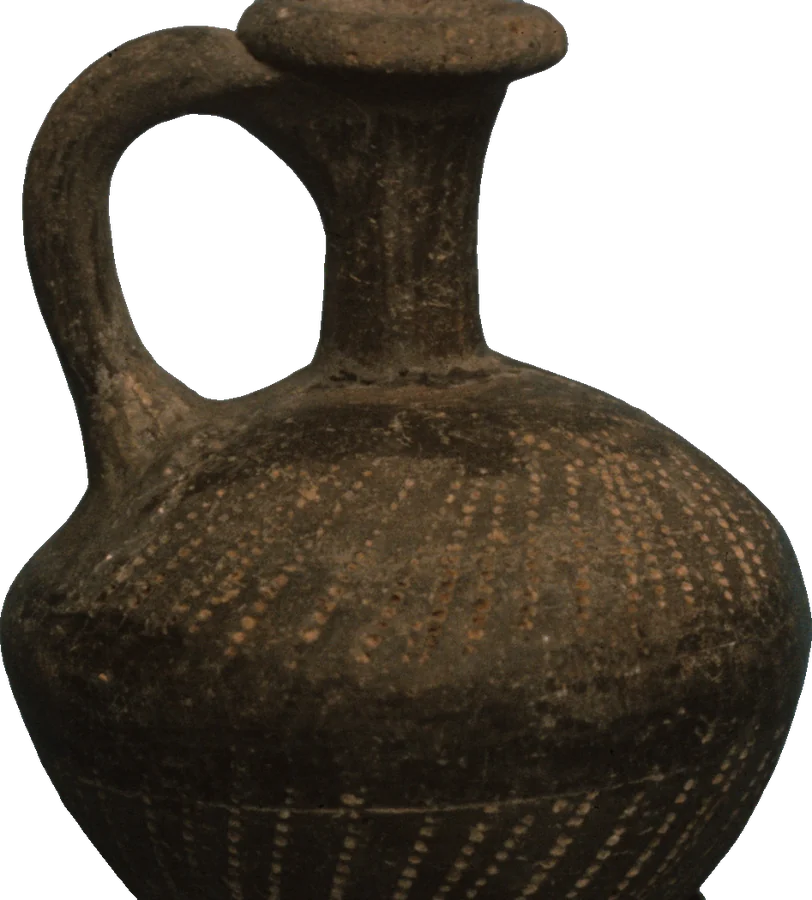 Tell el-Yahudiya-ware jugletca. 1640–1550 B.C.
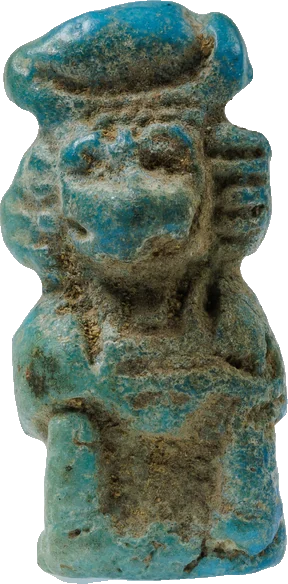 Thoth (Cynocephalus baboon) amuletca. 1300–1080 BCE
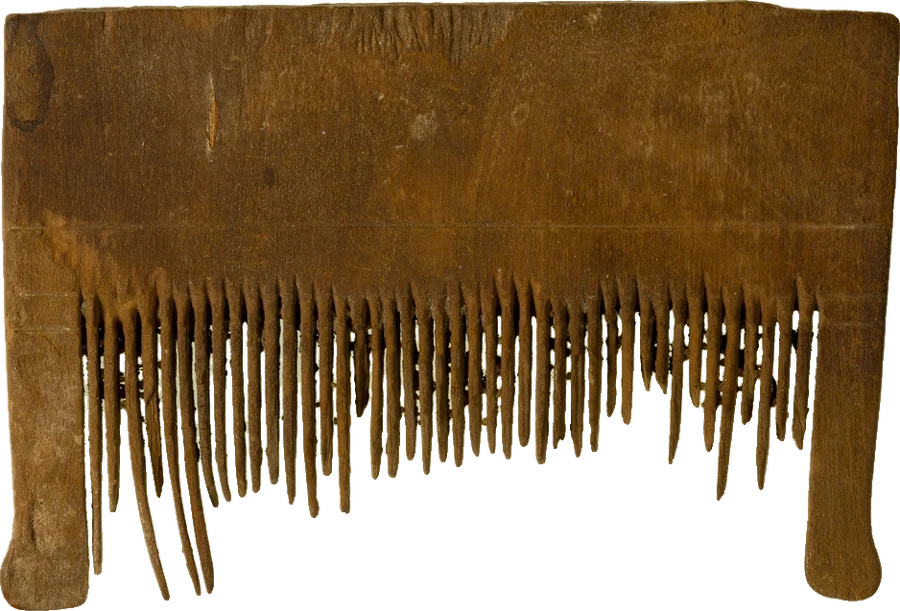 Combca. 1300–1080 BCE
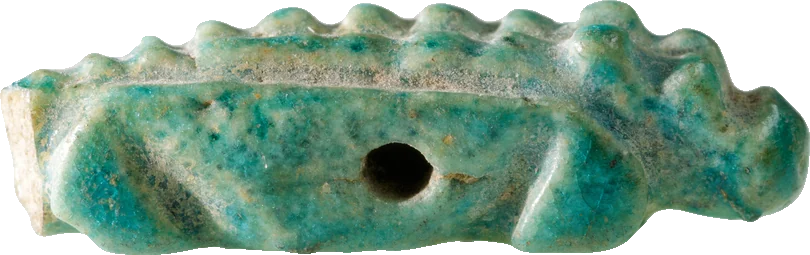 Crocodile amuletca. 1300–1080 BCE
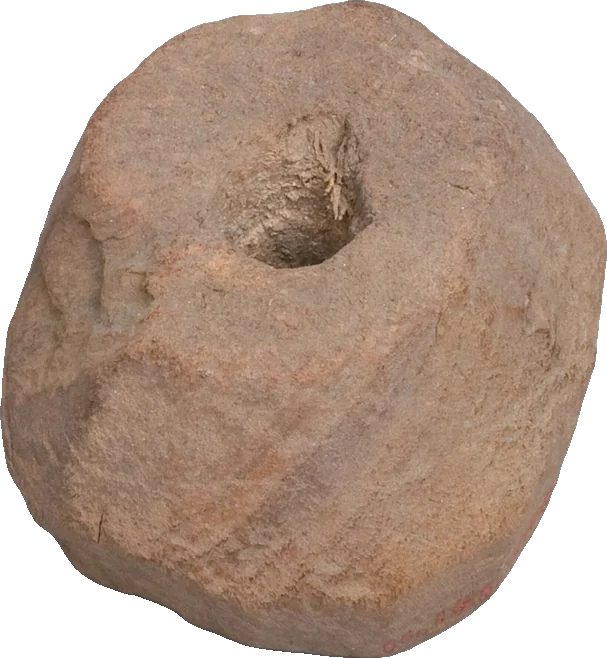 Spindle whorlca. 1300–1080 BCE
 Spindle with whorlca. 1300–1080 BCE
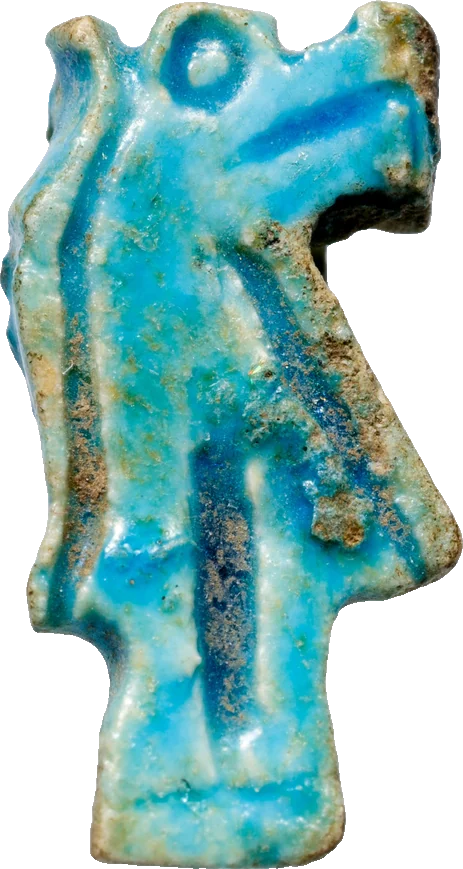 Taweret Amuletca. 1300–1080 BCE
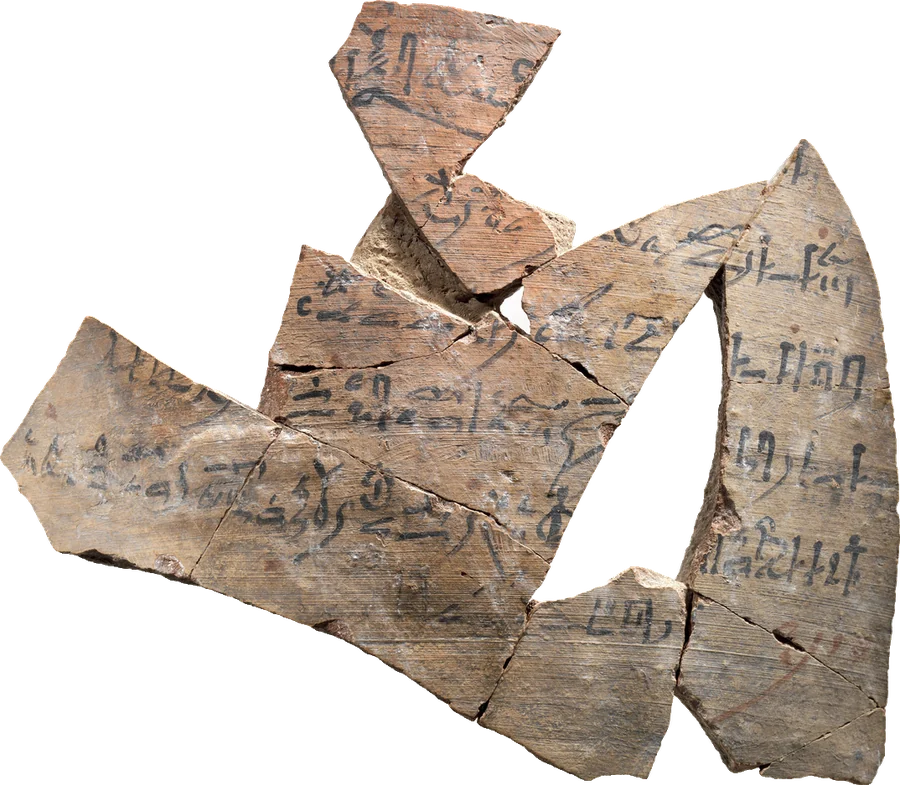 Hieratic copy of the Teaching of Amenemhat Ica. 1300–1080 BCE
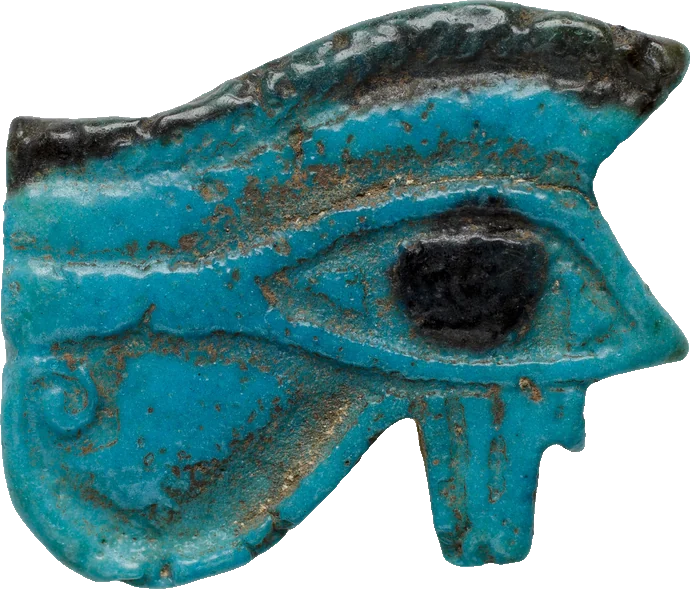 Wedjat amuletca. 1080–664 BCE
11 fun facts about Lisht
- Amenemhat I built his pyramid partly from older stone blocks taken from monuments of earlier kings, including Khufu, the builder of the Great Pyramid at Giza. en.wikipedia.org
- A small clay jug from Lisht shows three dolphins swimming around its base, each with three large birds, possibly geese, above it. The Met says no exact match for this jug has been found anywhere. metmuseum.org
- In 1914, Met excavators found two cedar figures hidden in a chamber in the wall around the tomb of an official named Imhotep. One wears the red crown of Lower Egypt and is now at The Met. metmuseum.org
- A carved limestone block showing cooks plucking and roasting geese was found reused as the doorstep of a later house at Lisht. A hole was even cut into its corner to hold a doorpost. metmuseum.org
- The stone wall around Senwosret I's pyramid carried one hundred relief panels. Each showed the king's name above the front of a palace, with the falcon of the sky on top. metmuseum.org
- A carved fragment found in the debris of Amenemhat I's pyramid complex shows a god labeled "Lord of Cats' Town." It was carved in the Old Kingdom, centuries before the pyramid was built. metmuseum.org
- A granite offering table of Amenemhat I, about 5 feet (161 cm) tall, is carved with three loaves of bread and two vases. One loaf bears the king's names and a wish for eternal life. metmuseum.org
- Ten seated statues of Senwosret I were found in 1894 in a pit at his pyramid temple and moved to the Egyptian Museum in Cairo in 1895. In 2020 they went to the Grand Egyptian Museum. dailynewsegypt.com
- Senwosret I's pyramid was built in a new way: stone walls radiating from the center divided it into 32 compartments filled with slabs and debris, then covered with fine limestone. en.wikipedia.org
- Arthur Mace, co-director of the Met's work at Lisht, was lent to Howard Carter in 1922 to help clear and record the tomb of Tutankhamun. metmuseum.org
- Starting from satellite images that showed looting pits, a team led by Sarah Parcak and Egypt's antiquities ministry mapped 802 previously unknown tombs at Lisht in a single season. nationalgeographic.com
In the game these unlock one by one as you dig here.
The name
Lisht, also written el-Lisht, is the name of a modern village on the west bank of the Nile, about 40 miles (65 km) south of Cairo. The village probably takes its name from the nearby ancient capital Itj-tawy, through an older form of the name, Al-Isht. en.wikipedia.org
Life here
Amenemhat I moved Egypt's capital from Thebes to a new city, Itj-tawy, and Lisht became its royal cemetery. Around the two pyramids, high officials built their own tombs, among them the high steward Nakht, the treasurer Rehuerdjersen and the vizier Intefiqer. The ruins of Itj-tawy itself have never been firmly identified. en.wikipedia.org
Who dug here
The Met's Trustees founded the Department of Egyptian Art and its Egyptian Expedition on October 15, 1906. In January 1907, Albert Lythgoe began digging at Lisht with co-director Arthur Mace, helped by a young Harvard graduate, Herbert Winlock, who later became director of the Museum. metmuseum.org
Lisht today
Amenemhat I's pyramid, once about 55 meters tall, now stands about 20 meters (66 feet) high. Senwosret I's pyramid is mostly rubble. The burial chambers of both pyramids are flooded by seeping Nile water, and attempts to pump out Amenemhat I's chamber have not worked. en.wikipedia.org
A record
Coffins found at Lisht in the tomb of a man named Sesenebnef carry the earliest known versions of the Book of the Dead. en.wikipedia.org
Lisht today and in the past
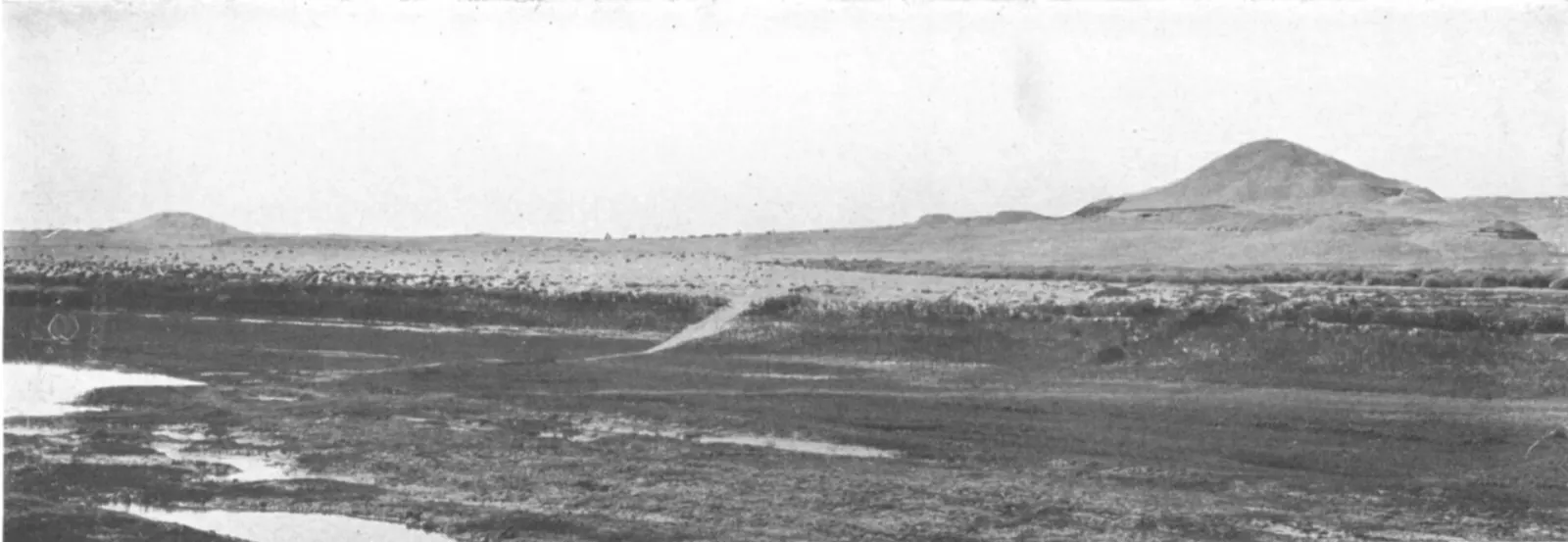
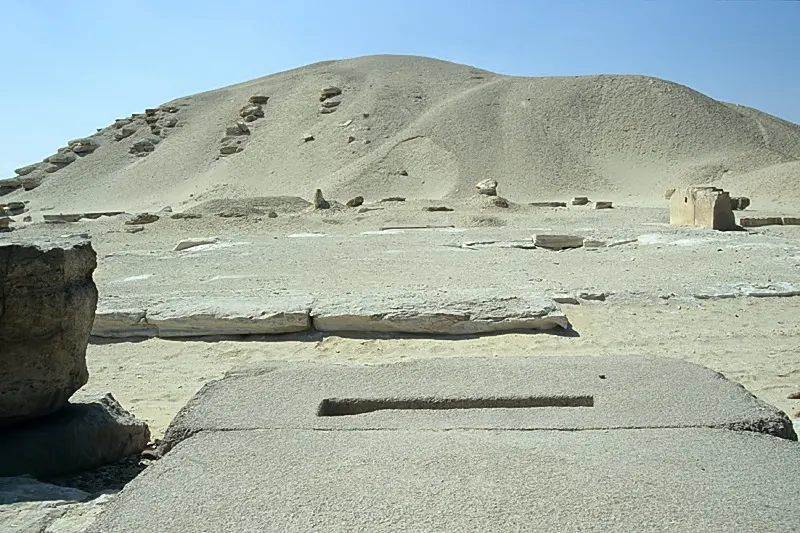
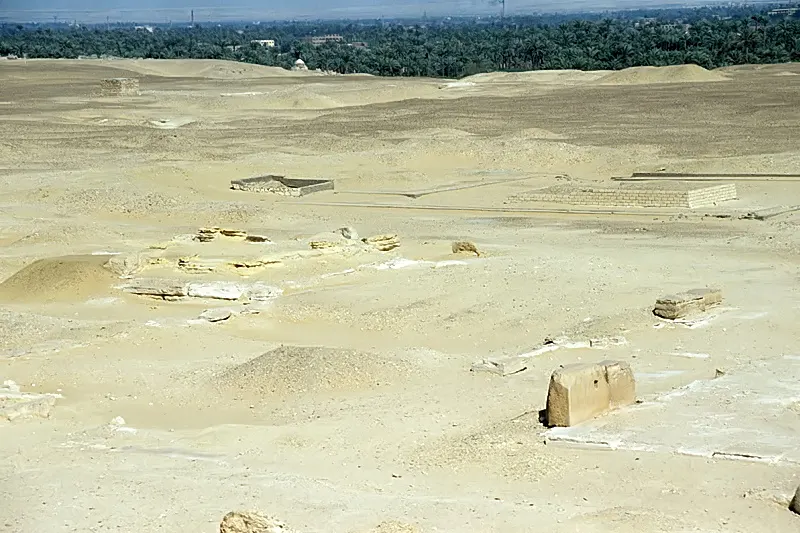
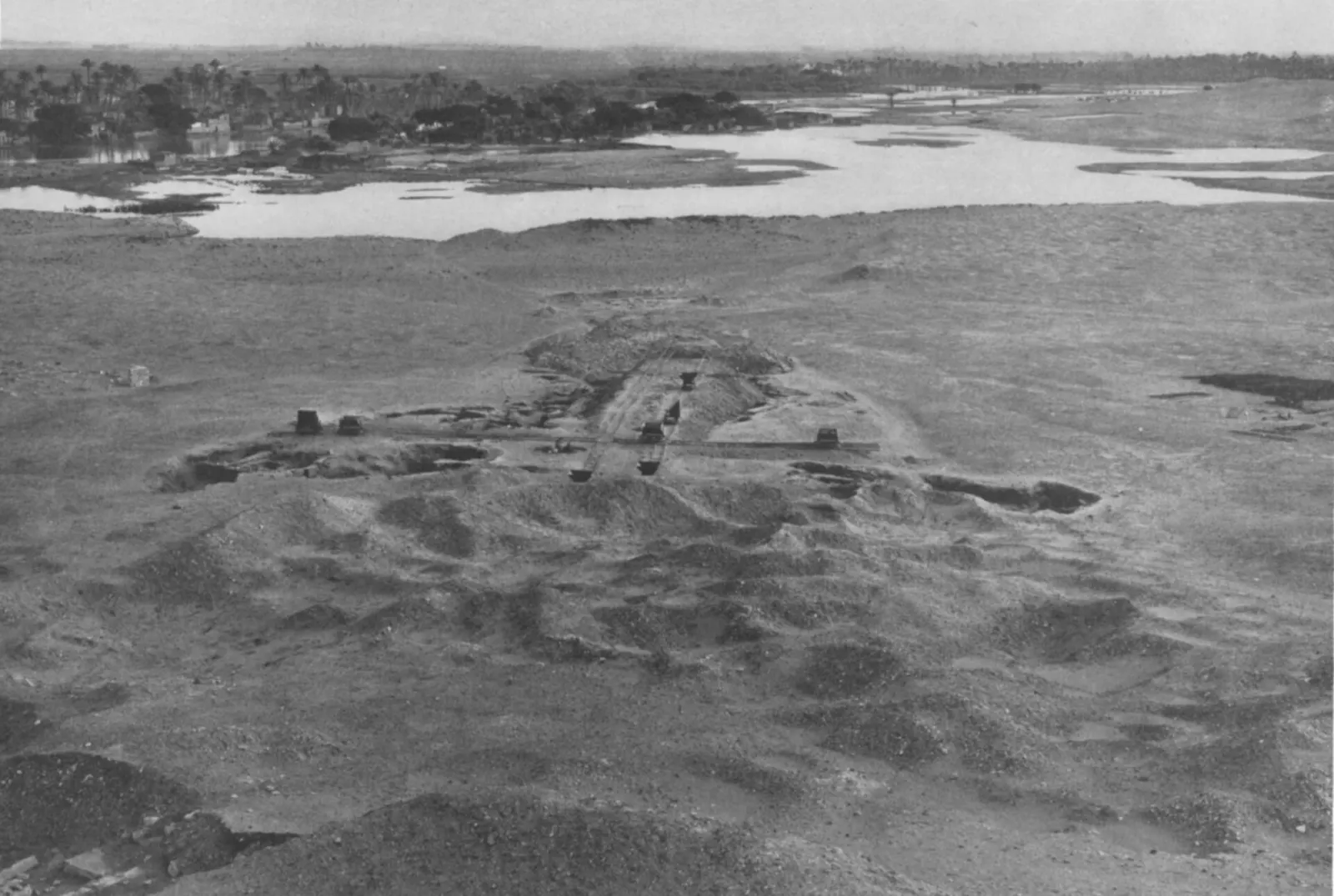
Dig at Lisht yourself: open a trench, brush the soil away layer by layer and find these objects in the game.
Dig at Lisht