
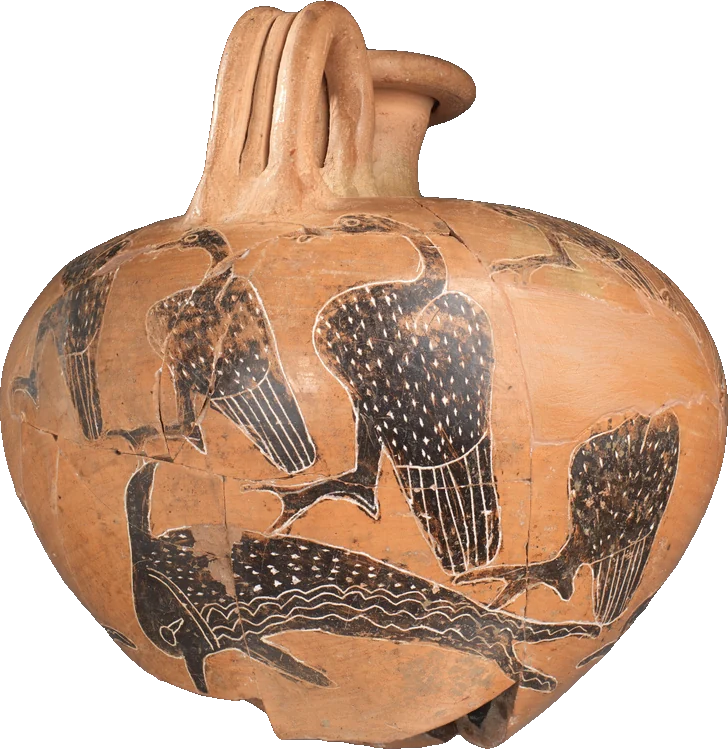
Egypt, Middle Kingdom or Second Intermediate Period, Dynasty 13–15 · Rare find
Jug Decorated with Dolphins and Birds
This object was really found at Lisht by The Metropolitan Museum of Art's expedition. Today it is in The Metropolitan Museum of Art in New York.
What is it?
Jug. A jug has a handle and a spout or lip for pouring. Ewers and pitchers held water or wine at the table. Source
Pottery. Clay shaped by hand or on a wheel, then fired.
Museum record
- Object
- Jug, Dolphins
- Culture
- Egypt, Middle Kingdom or Second Intermediate Period, Dynasty 13–15
- Date
- ca. 1750–1550 B.C.
- Material
- Pottery, manganese black, gypsum fill
- Findspot
- MMA excavations, 1920–21, Pit 879, cemetery south of pyramid below House A1:3, Lisht North, Memphite Region, Egypt
- Size
- H. 15 cm (5 7/8 in.); Diam. 14.9 cm (5 7/8 in.)
- Museum
- The Metropolitan Museum of Art, New York
- Number
- 22.1.95
- Credit
- Rogers Fund and Edward S. Harkness Gift, 1922
Photo and record: The Metropolitan Museum of Art, Open Access (public domain, CC0), copied 2026-11-12. Background removed from the photo. Region: Nile Valley.
More about this object
From the museum
A small clay jug from Lisht shows three dolphins swimming around its base, each with three large birds, possibly geese, above it. The Met says no exact match for this jug has been found anywhere. The Met
Culture
Egypt, Middle Kingdom, Egypt, Second Intermediate Period: more objects from the same culture or period, with what we know about it.
More from Lisht
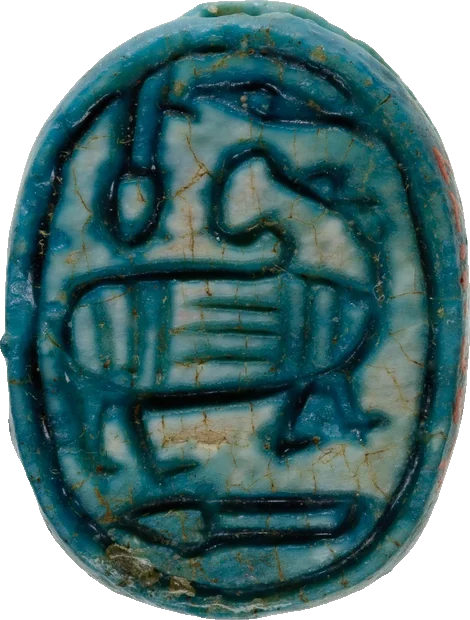 Scarab with the Representation of a Hippoca. 1740–1640 B.C.
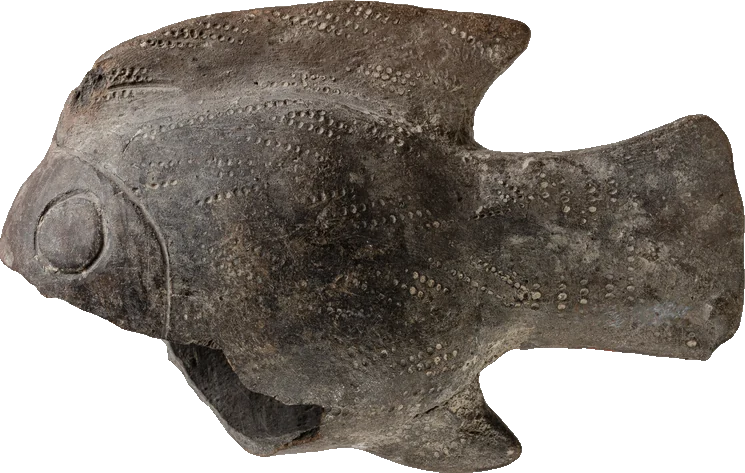 Tell el-Yahudiya-ware fish vesselca. 1640–1550 B.C.
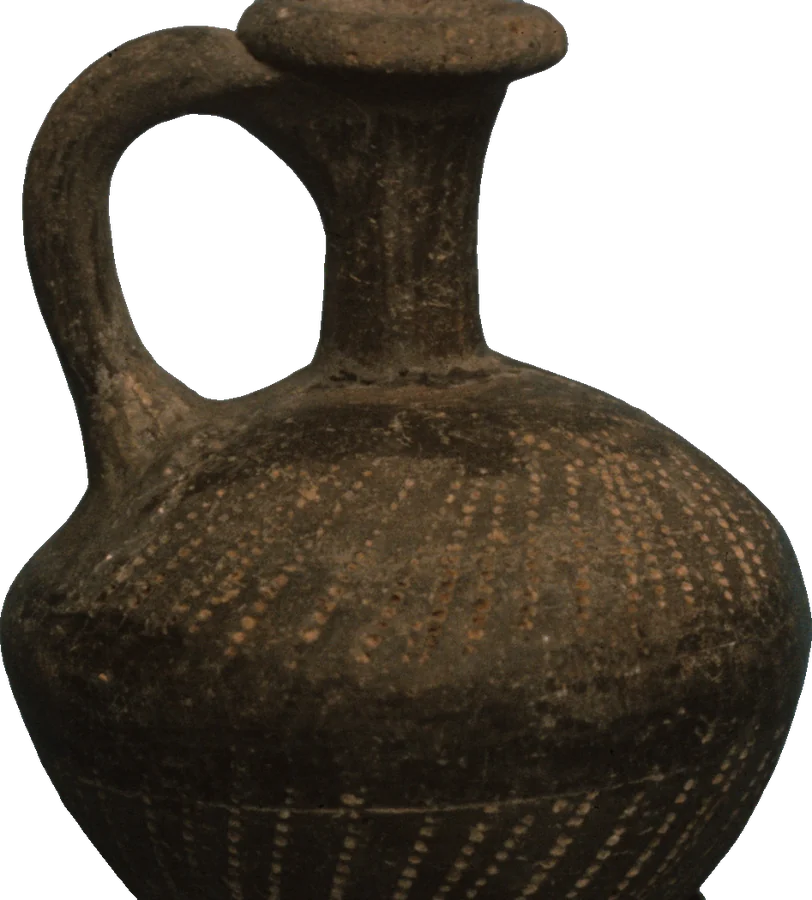 Tell el-Yahudiya-ware jugletca. 1640–1550 B.C.
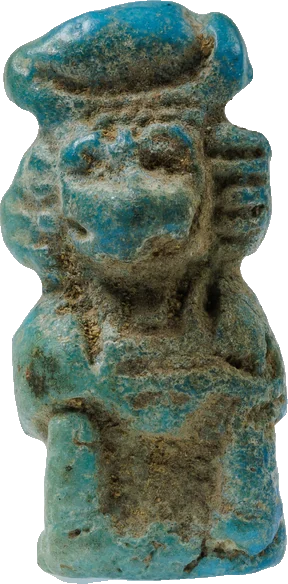 Thoth (Cynocephalus baboon) amuletca. 1300–1080 BCE
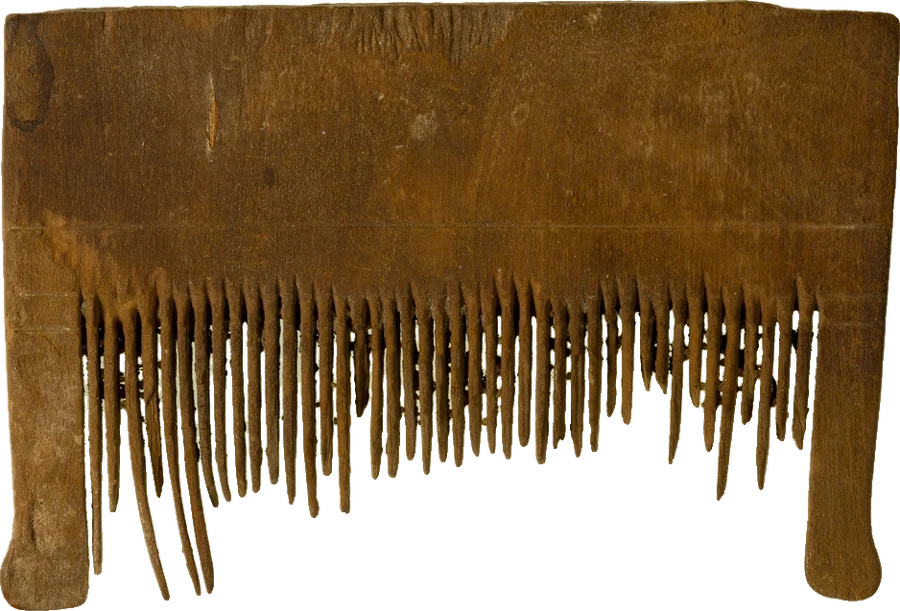 Combca. 1300–1080 BCE
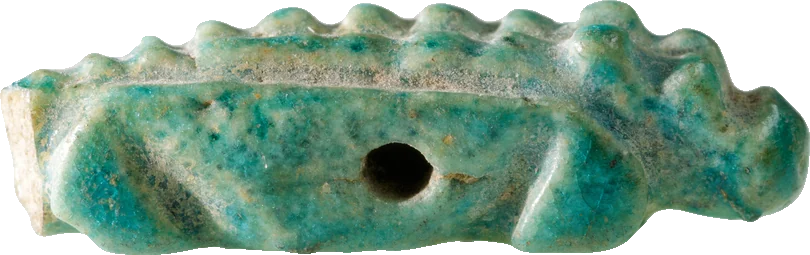 Crocodile amuletca. 1300–1080 BCE
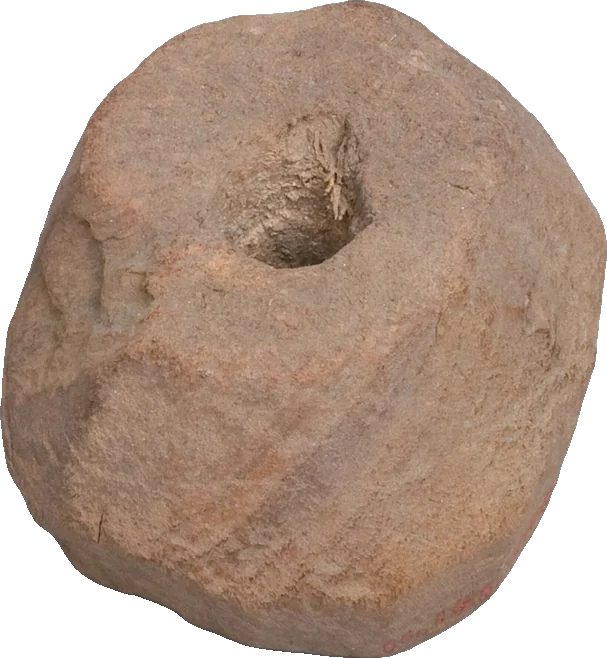 Spindle whorlca. 1300–1080 BCE
 Spindle with whorlca. 1300–1080 BCE