
Egypt, Second Intermediate Period
From about 1700 to about 1550 B.C., Egypt was divided again. The Hyksos, rulers of West Asian origin, held the north as Dynasty 15, while kings at Thebes ruled the south as Dynasty 17.
The Theban kings finally drove the Hyksos out and began the New Kingdom. Museum records often give a range across these dynasties, because objects from these years are hard to date closely.
Read more: Second Intermediate Period of Egypt on Wikipedia
9 objects in the game name this period in their museum record. Found at Lisht, Deir el-Bahri, Asasif.
Words: Dynasties of Egypt, Dating finds
12 fun facts: Egypt, Second Intermediate Period
- A later Egyptian tale says the Hyksos king Apophis complained that the hippos of Thebes kept him awake at night, although he lived hundreds of miles away. The end of the story is lost. en.wikipedia.org
- In January 2014 a Penn Museum team at Abydos found the painted tomb of Senebkay, a king historians had not known, who belonged to a forgotten local line now called the Abydos Dynasty. penn.museum
- King Senebkay's tomb reused materials taken from the nearby tomb of an earlier king, Sobekhotep I. Excavator Josef Wegner thinks this hints at hard economic times. archaeology.org
- The Theban king Kamose recorded that his soldiers caught a messenger carrying a letter from the Hyksos king to the ruler of Kush in Nubia, asking for urgent help against Thebes. en.wikipedia.org
- The earliest horse known from Egypt, a mare, was found in a Hyksos-era palace at Avaris, the Hyksos capital in the Nile Delta. archaeology.org
- Avaris traded far and wide. Its people imported oils from Cyprus, cedar wood from Lebanon and wine from the Levant. archaeology.org
- Under the Hyksos, Avaris nearly tripled in size. At its height it held an estimated 25,000 people in about one square mile. archaeology.org
- Egypt's best-known math scroll, the Rhind Mathematical Papyrus, is dated to Year 33 of the Hyksos king Apophis. Its scribe, Ahmose, wrote that he was making a copy of an older text. en.wikipedia.org
- The word Hyksos is older than the Hyksos kings. In the tomb of the official Khnumhotep II, from about 1900 B.C., a visiting chief from the Levant is labeled "Abisha the Hyksos." en.wikipedia.org
- Small dark juglets with pricked patterns filled with white chalk or lime are typical of this time. Called Tell el-Yahudiyeh ware after a Delta site, they turn up from Nubia to Canaan and Cyprus. en.wikipedia.org
- An inscription in the tomb of Sobeknakht, a governor at Elkab, records that armies from the Nubian kingdom of Kerma invaded deep into Egypt between about 1575 and 1550 B.C. en.wikipedia.org
- The Pan-Grave people, who lived in Egypt and Nubia, painted cattle skulls with battle scenes. Some of them may have served as hired soldiers in the wars of the time. en.wikipedia.org
In the game these unlock one by one as you dig up their objects.
The name
Egyptologists call these years the Second Intermediate Period because they fall between the Middle and New Kingdoms. The northern rulers' name, Hyksos, comes through Greek from the Egyptian heqau khasut, "rulers of foreign lands." Egyptians had used the phrase for chiefs from the Syria and Palestine region long before. The later writer Josephus understood it as "king-shepherds." en.wikipedia.org
Daily life
Avaris was a trading city in the eastern Delta, and its excavator Manfred Bietak argues that many of its people descended from immigrants from the Levant. Temples to storm gods from present-day Syria stood there from about 1800 B.C. When tin from the Levant stopped arriving, weapons were made of pure copper instead of bronze. archaeology.org
How we know
The Egyptian archaeologist Labib Habachi began digging at Tell el-Dab'a, about 40 miles northeast of Cairo, in the 1940s. Manfred Bietak of Austria started there in 1966 and kept digging for nearly 50 years, until security problems after 2011 halted the work. Their work identified the site as Avaris, the Hyksos capital. archaeology.org
What they left us
Avaris now lies under the site of Tell el-Dab'a in the northeastern Nile Delta. Radar imaging in 2010 revealed buried streets, houses, a port and an old branch of the Nile. Centuries after the Hyksos, Ramesses II built his new capital, Pi-Ramesses, about 2 km (1.2 miles) to the north. en.wikipedia.org
A record
By one estimate, Avaris was the largest city in the world from about 1670 to 1557 B.C. During the Hyksos period it spread over about 250 hectares (about 620 acres), and its harbor served more than 300 ships in a trading season. en.wikipedia.org
Objects, oldest first
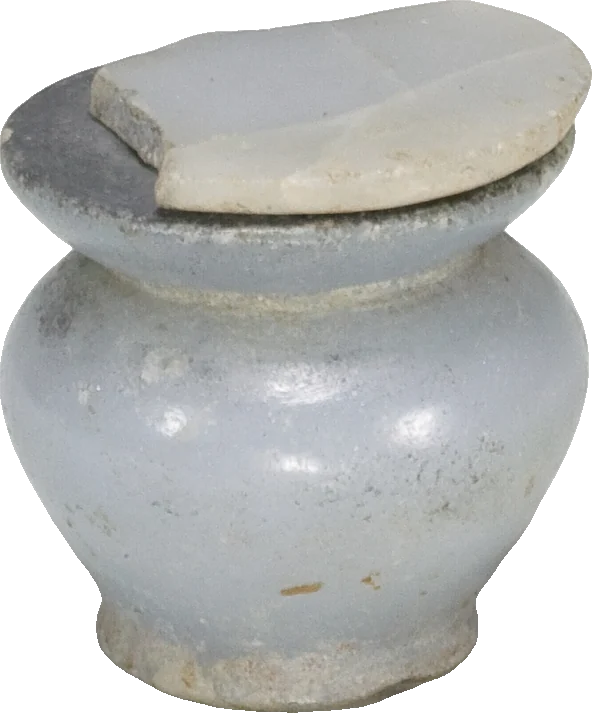 Kohl jarca. 1850–1640 B.C.
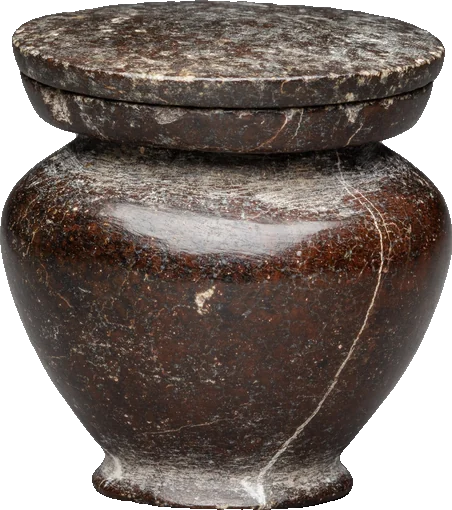 Kohl jarca. 1850–1640 B.C.
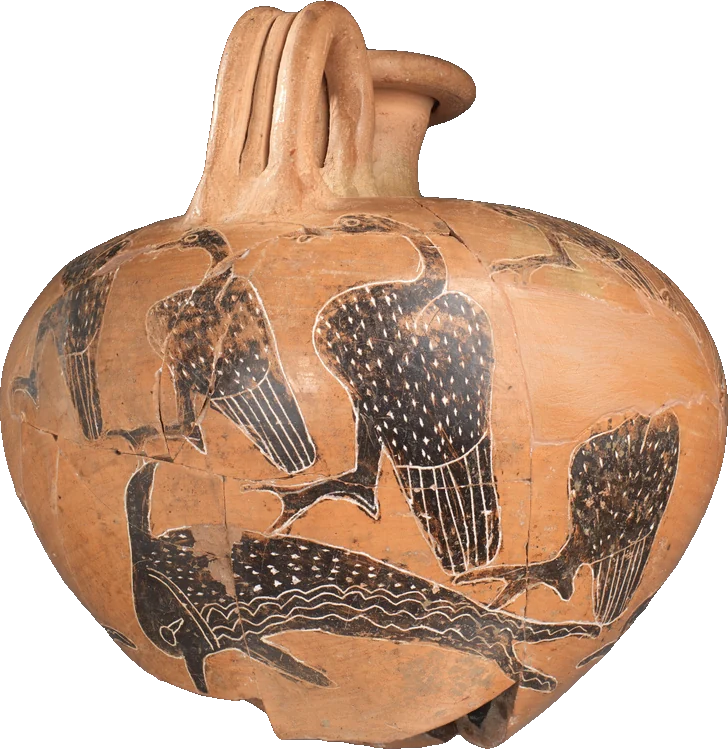 Jug Decorated with Dolphins and Birdsca. 1750–1550 B.C.
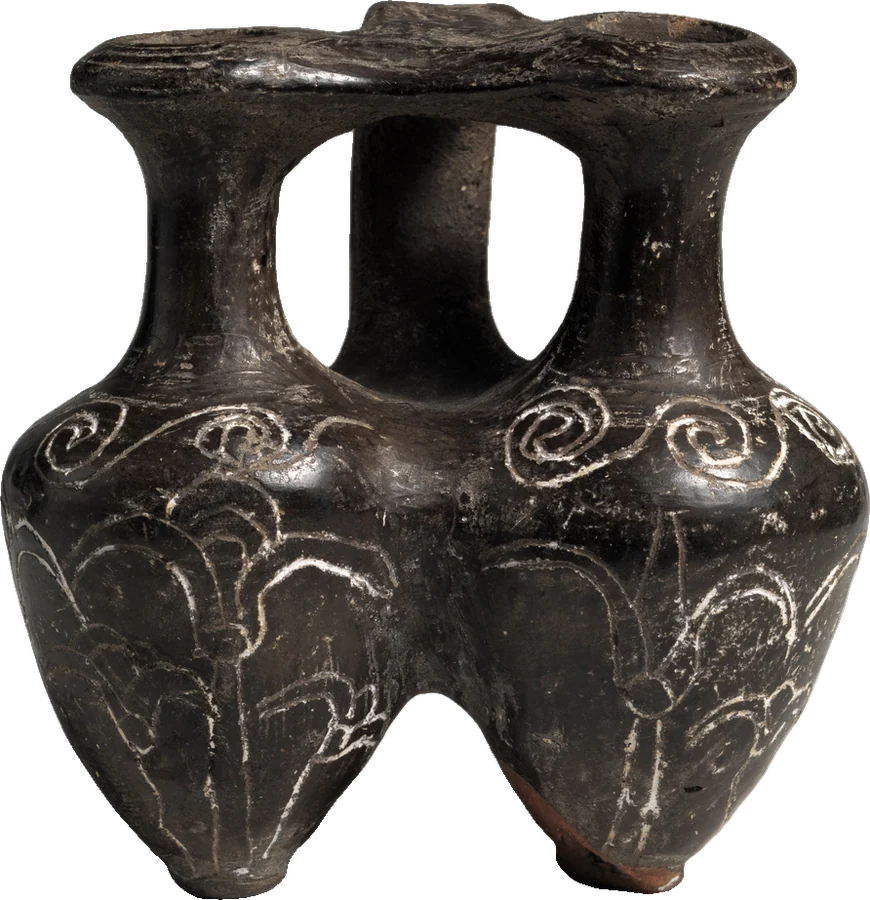 Double "Tell el-Yahudiya" Vase with Incised Lotus Flowers, probably manufactured in Egyptca. 1640–1575 BCE
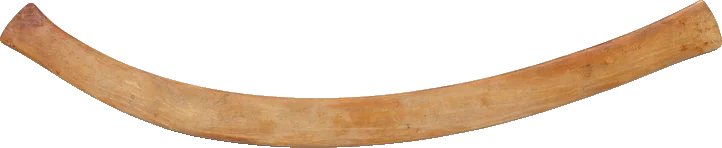 Boomerangca. 1640–1550 B.C.
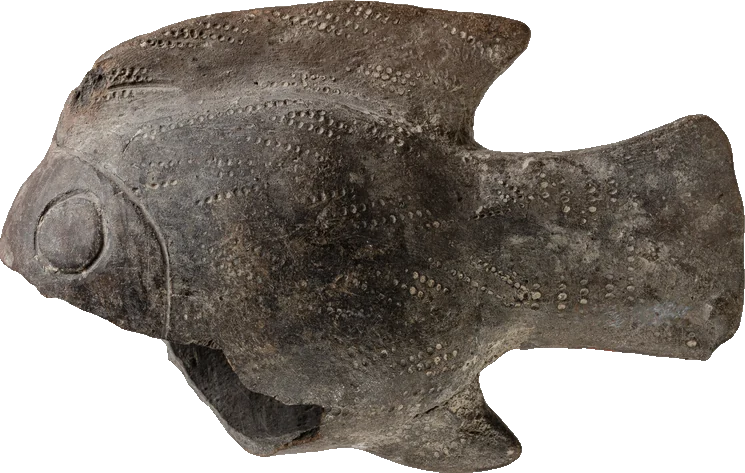 Tell el-Yahudiya-ware fish vesselca. 1640–1550 B.C.
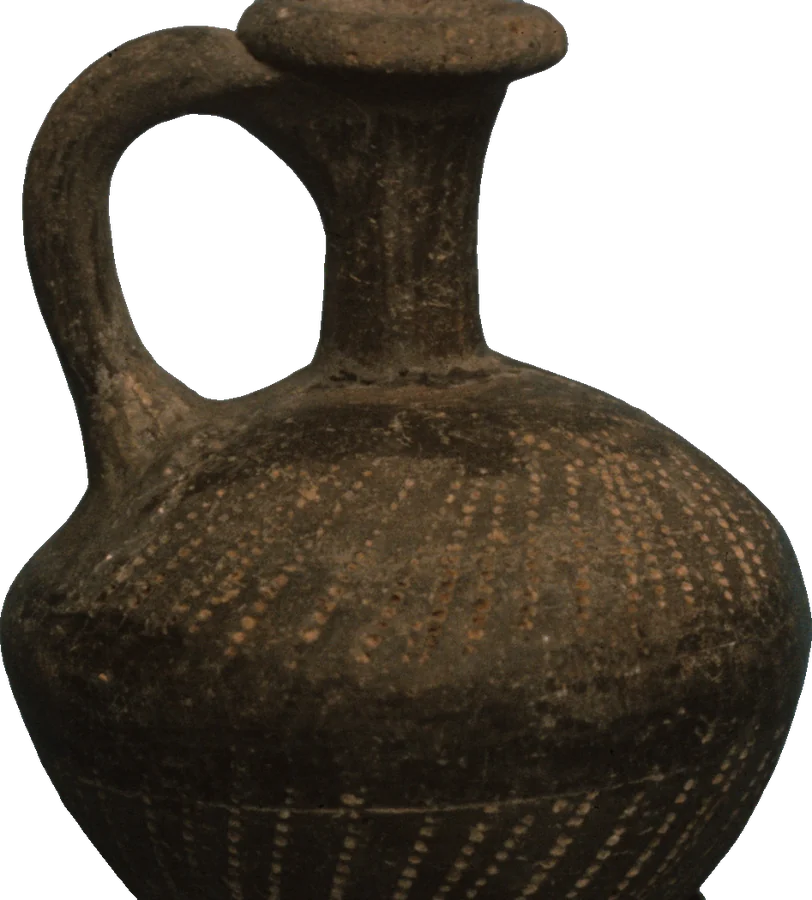 Tell el-Yahudiya-ware jugletca. 1640–1550 B.C.
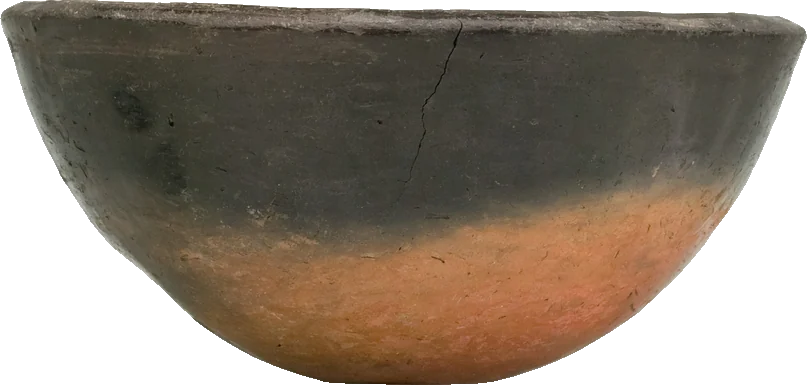 Kerma ware bowlca. 1580–1458 BCE
 Throw Stickca. 1580–1458 BCE
Find these objects in the game at Lisht, Deir el-Bahri, Asasif.
Play Digopolis