
Egypt, Middle Kingdom
The Middle Kingdom, from about 2050 to about 1700 B.C., began when Egypt was united again after a time of division. Its kings of Dynasty 12 moved the capital north to a new city near Lisht and built their pyramids there.
It is remembered as a classic age of Egyptian writing and art. Many of the objects below come from the houses, tombs and pyramid temples around Lisht.
Read more: Middle Kingdom of Egypt on Wikipedia
40 objects in the game name this period in their museum record. Found at Deir el-Bahri, Asasif, Lisht.
Words: Dynasties of Egypt, Scarab, Egyptian faience
12 fun facts: Egypt, Middle Kingdom
- Sobekneferu, who ruled at the end of Dynasty 12, is the first woman known for certain to have ruled Egypt as pharaoh. Her reign lasted no more than four years. en.wikipedia.org
- The Met's much-loved blue hippo, nicknamed William, is a Middle Kingdom faience figure painted with lotus flowers, buds and leaves. His nickname comes from a 1931 story in the British magazine Punch. en.wikipedia.org
- On March 17, 1920, Met Egyptologist Herbert Winlock opened a sealed chamber in the tomb of the official Meketre at Thebes and found wooden models of daily life, such as a bakery and brewery, unseen for nearly 4,000 years. archaeology.org
- Reports from Egyptian forts at Semna in Nubia describe border life. In one, Nubian women arrive saying they have come to trade, and after their goods are exchanged they receive bread and beer. en.wikipedia.org
- Statues of King Senusret III show a tired, serious face with deep lines and pouches under the eyes, set on a body that still looks young and strong. en.wikipedia.org
- At the fort of Semna, Senusret III set up a stone marking his southern frontier. It says, "I established my border further south than my forefathers," and urges later kings to hold it. en.wikipedia.org
- Under Amenemhat III, who ruled for 45 years, Egyptian mining camps in Sinai became almost permanent, and one stone-quarrying expedition to Wadi Hammamat had more than 2,000 workers. en.wikipedia.org
- Egypt's most famous math scroll, the Rhind Mathematical Papyrus, was copied from a now-lost text written in the reign of the Middle Kingdom king Amenemhat III. en.wikipedia.org
- In the planned town of Lahun, built near the pyramid of Senusret II, Flinders Petrie found about 1,000 papyrus fragments on law, medicine, religion and astronomy. en.wikipedia.org
- Houses at Lahun came in very different sizes. The grandest mansions covered about 2,700 square meters (29,000 square feet), while small houses had 50 square meters (540 square feet) or less. en.wikipedia.org
- Princess Sithathoriunet's gold jewelry, inlaid with colored stones, was found at Lahun in 1914 in a niche that ancient robbers missed. Most of it is now at the Met. en.wikipedia.org
- Near Senusret III's tomb at Abydos, a Penn Museum team found an underground building made for a funeral boat. Its walls still carry about 120 drawings of boats. penntoday.upenn.edu
In the game these unlock one by one as you dig up their objects.
The name
The name is modern, not Egyptian. In 1845 the German Egyptologist Baron von Bunsen described Egyptian history as three golden ages, and this middle one became the Middle Kingdom. It is also called the Period of Reunification, because it began when Mentuhotep II, who took the throne at Thebes in 2055 B.C., brought all of Egypt back under one king. en.wikipedia.org
Daily life
The town of Lahun shows ordinary life near a royal pyramid. It probably housed the workers who built Senusret II's pyramid and served his temple, along with officials and temple staff. Excavators found copper and flint tools, local and foreign pottery, jars for kohl eye paint, jewelry, and clay seals once used to close boxes, vases and bags. en.wikipedia.org
How we know
Gaston Maspero first dug at Lisht for France in 1882. The Met's Egyptian Expedition then worked there for fourteen seasons from 1906 to 1934 and returned from 1984 to 1991. In Amenemhat I's pyramid complex, excavators found stones taken from monuments of much older kings, including Khufu and Khafre. en.wikipedia.org
What they left us
The language of this age, Middle Egyptian, became Egypt's classic written language. It stayed the language of literature until Egypt became Christian in Roman times. Modern study of it began with grammars by Adolf Erman in 1894 and Alan Gardiner in 1927. en.wikipedia.org
A record
Senusret III's hidden tomb at Abydos, found in 1901 to 1902 by a 21-year-old Arthur Weigall, is Egypt's longest tomb. It runs about 800 feet (about 245 meters) from its entrance to its inner chamber. One passage was packed with granite blocks, the largest weighing over 50 tons. penn.museum
Objects, oldest first
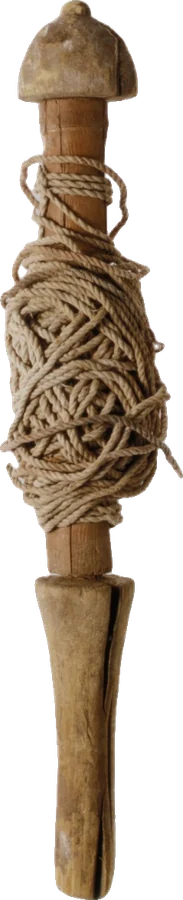 Builder's reel and cordca. 2124–1504 B.C.
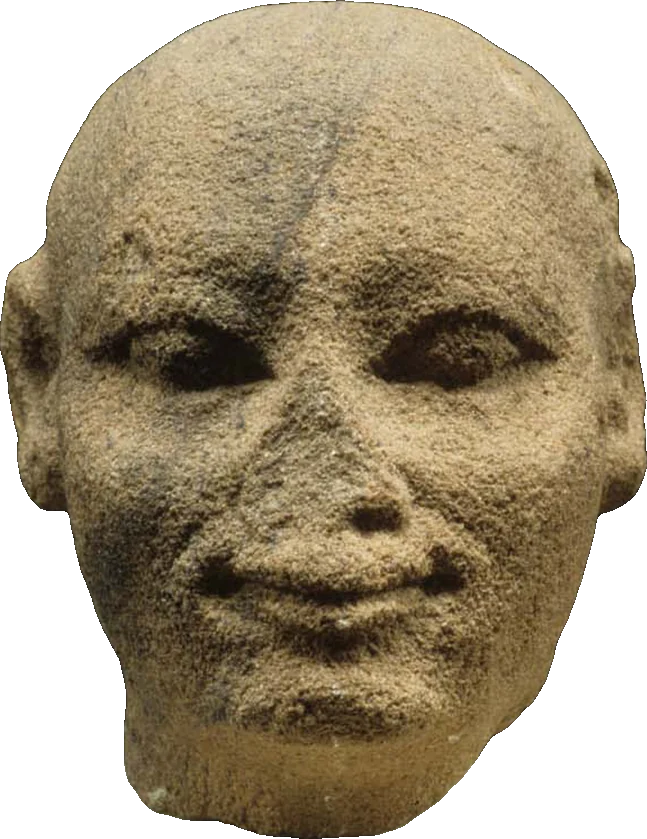 Head of a male statueca. 2124–1504 B.C.
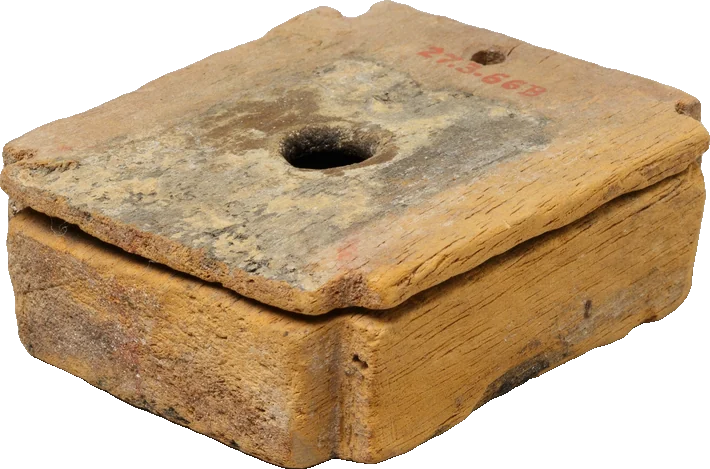 Inkwellca. 2124–1504 B.C.
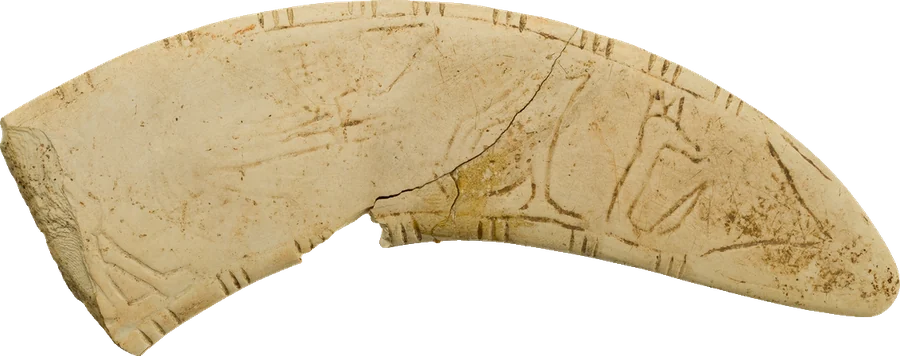 Magic wandca. 2124–1504 B.C.
 Trowelca. 2124–1504 B.C.
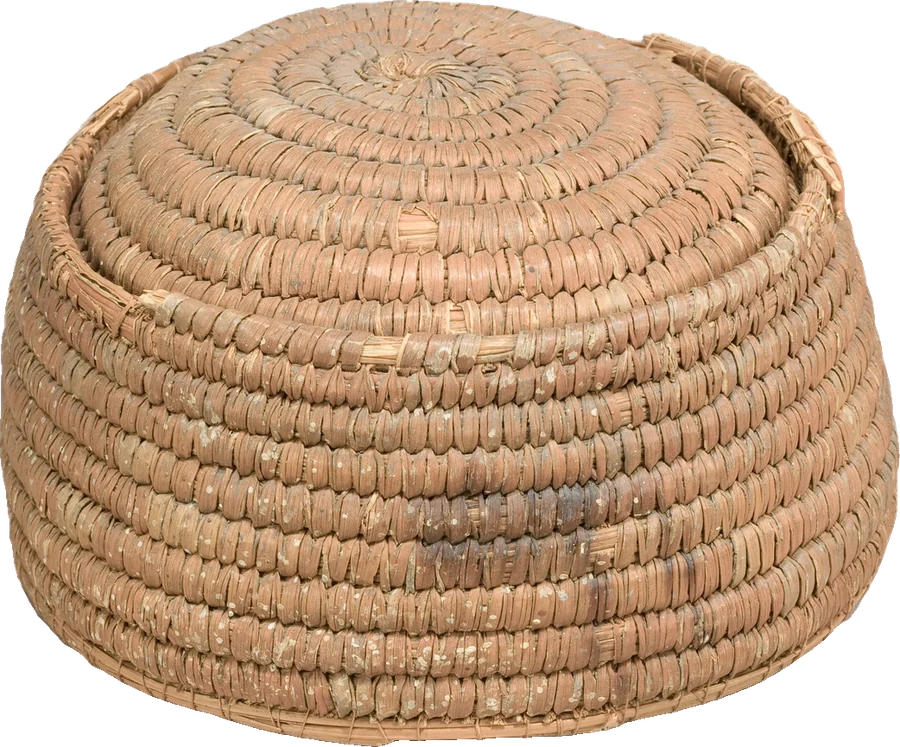 Basketca. 2030–1640 B.C.
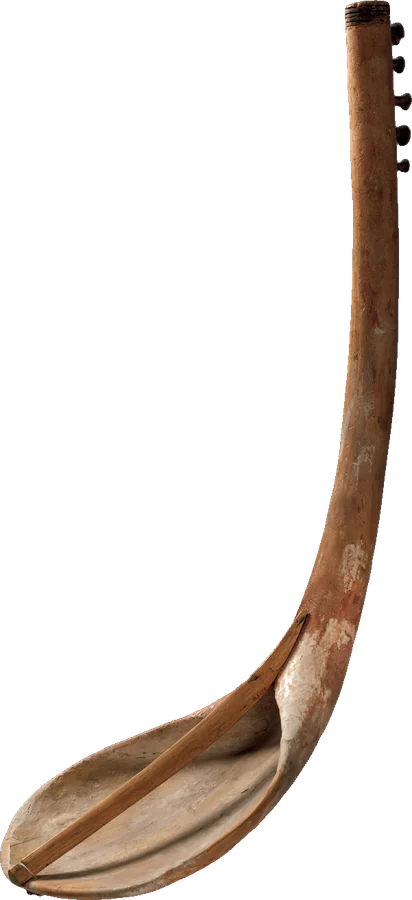 Bow harpca. 2030–1640 B.C.
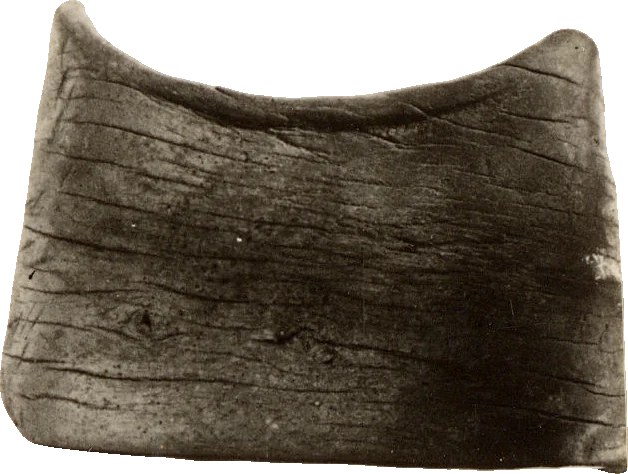 Headrestca. 2030–1640 B.C.
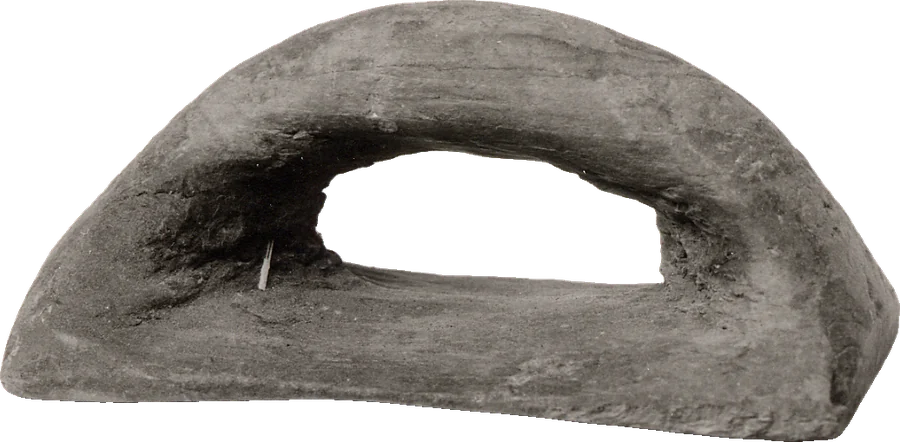 Mason's Float Modelca. 2030–1640 B.C.
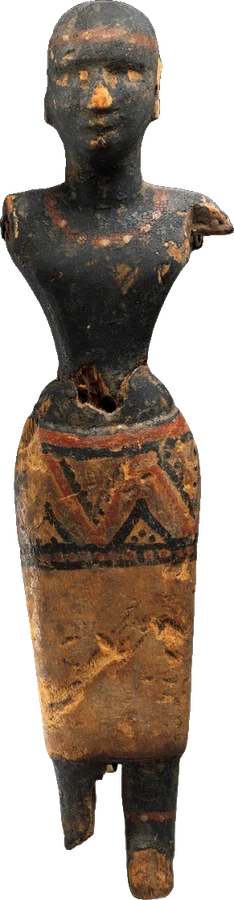 Figure of a Woman of Nubian Descentca. 2030–1981 B.C.
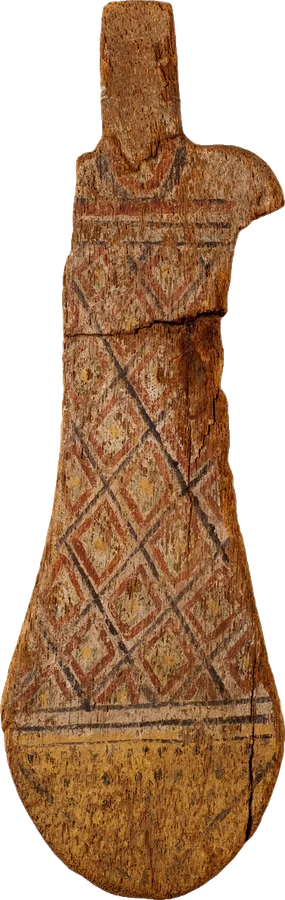 Paddle Dollca. 2030–1981 B.C.
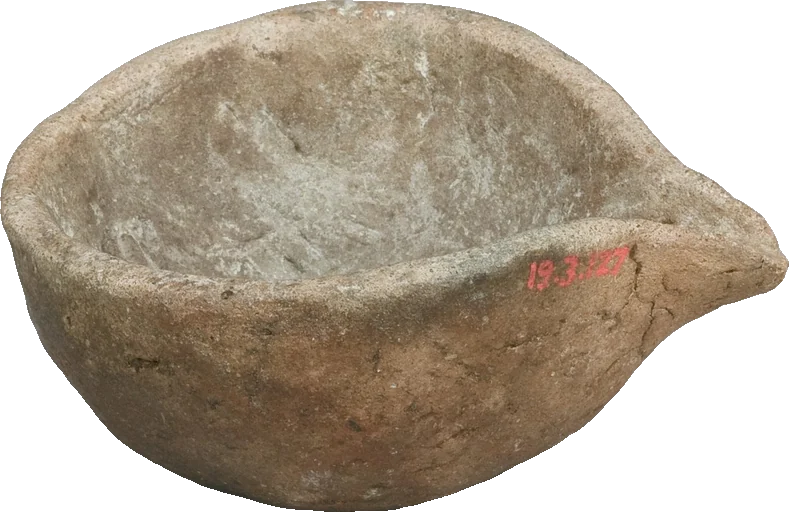 Cup with a spoutca. 2030–1640 B.C.
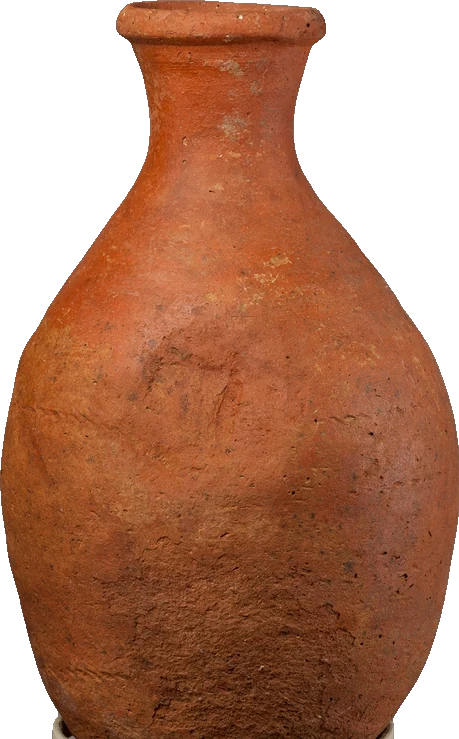 Large water jarca. 2030–1640 B.C.
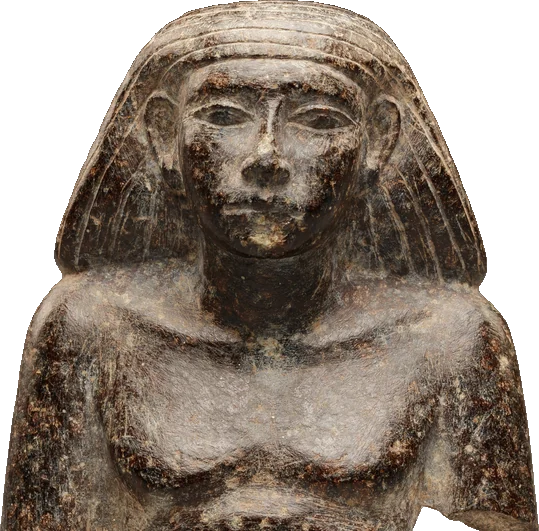 Bust of upper part of manca. 1981–1640 B.C.
 String of Carnelian Beadsca. 1981–1295 B.C.
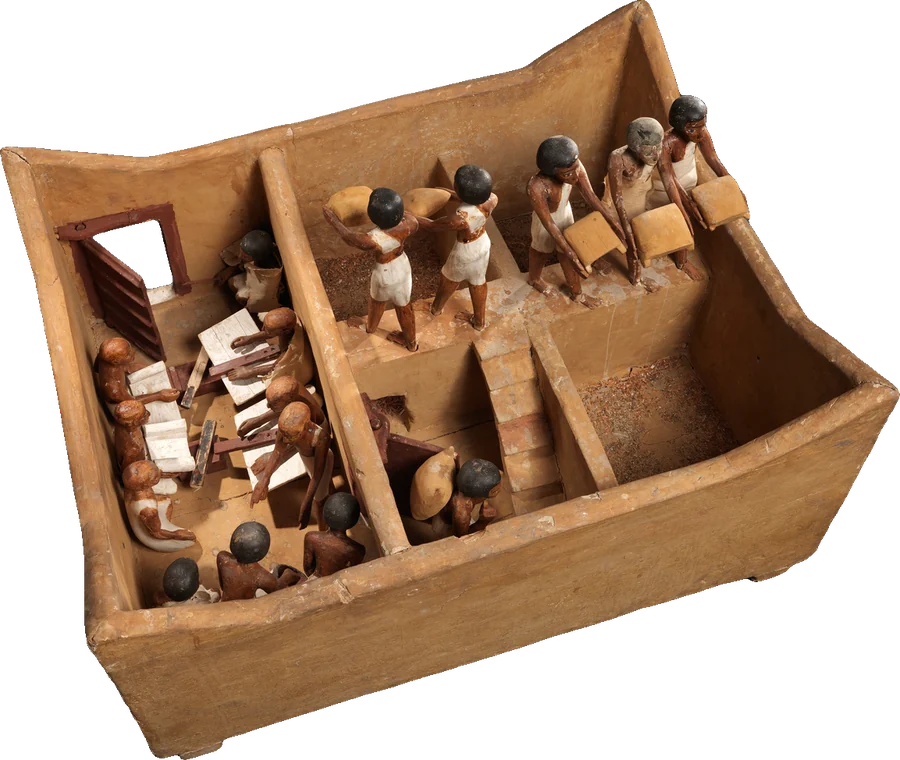 Model of a Granary with Scribesca. 1981–1975 B.C.
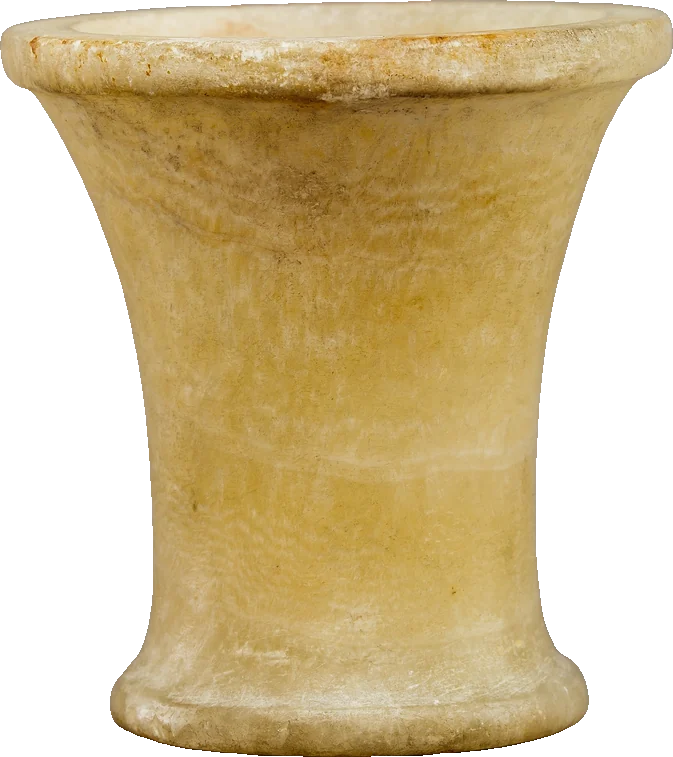 Ointment jarca. 1981–1952 B.C.
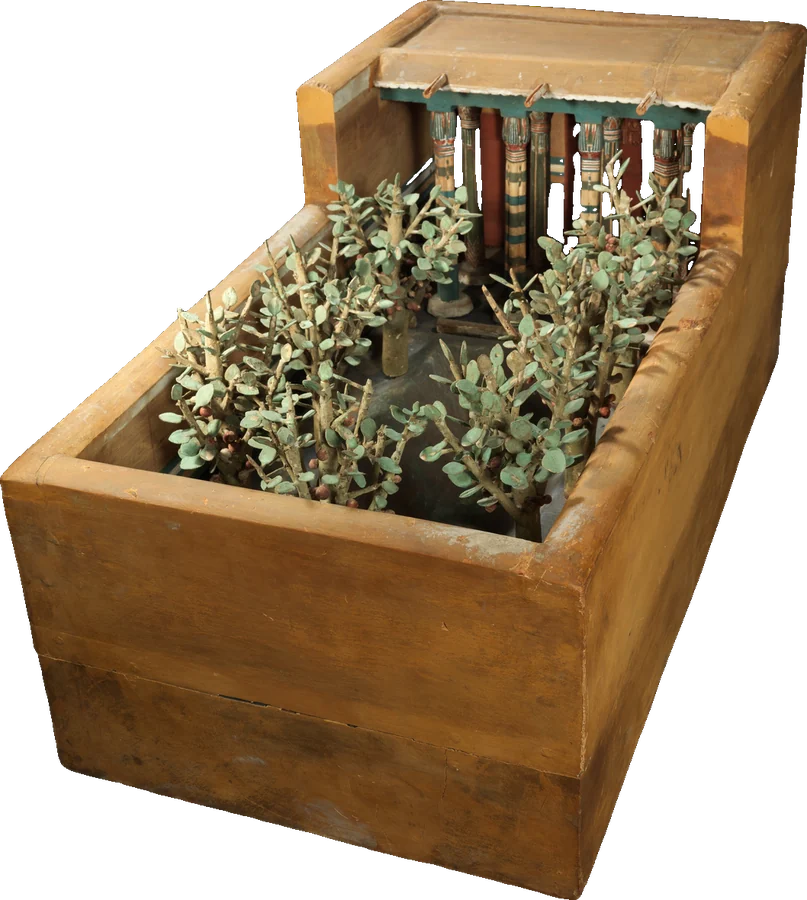 Model of a Porch and Gardenca. 1981–1975 B.C.
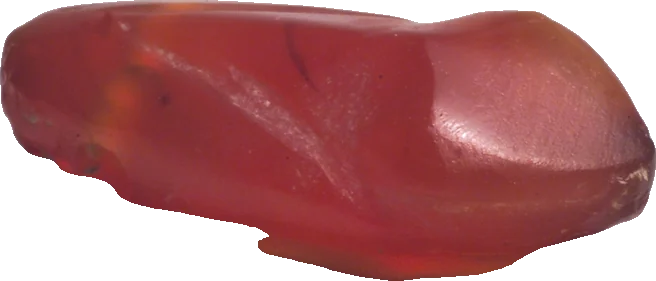 Snake-head Amuletca. 1981–1640 B.C.
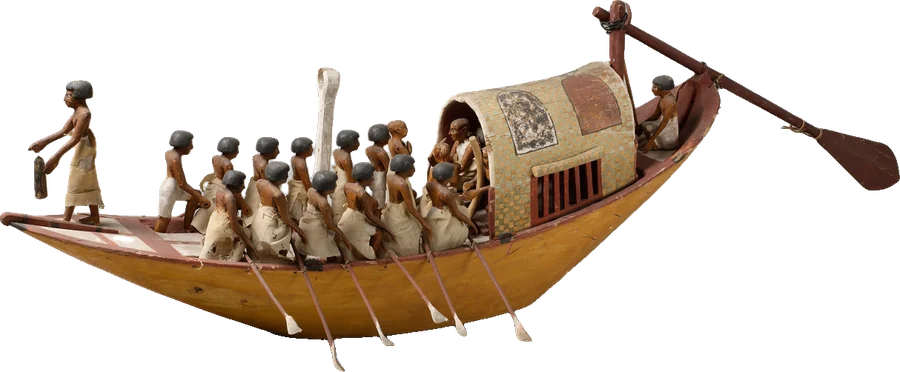 Travelling Boat being Rowedca. 1981–1975 B.C.
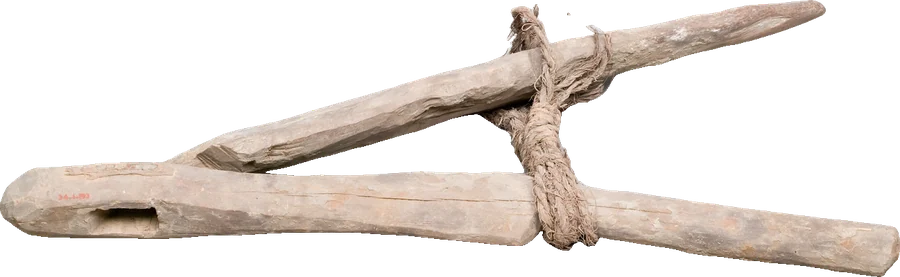 Hoeca. 1961–1917 B.C.
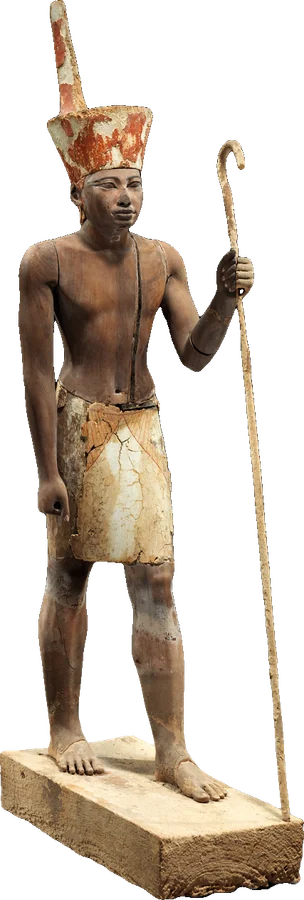 Guardian Figureca. 1919–1885 B.C.
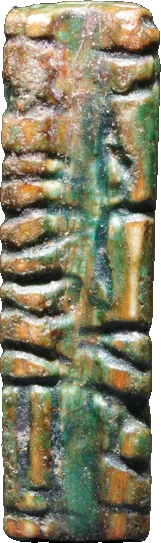 Cylinder seal of Senwosret IIIca. 1878–1840 B.C.
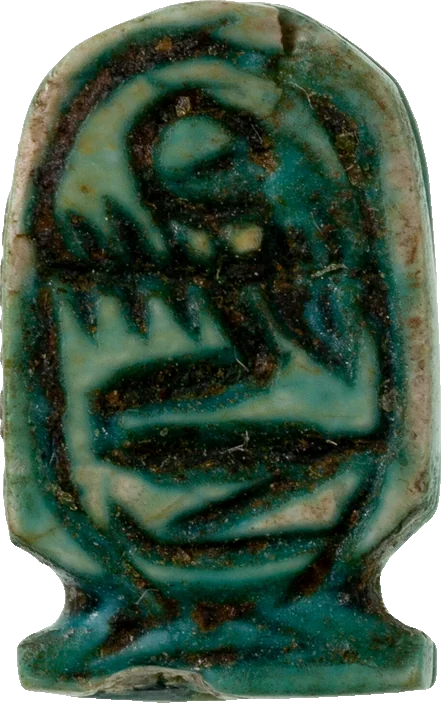 Cartouche amulet of Amenemhat IIIca. 1859–1813 B.C.
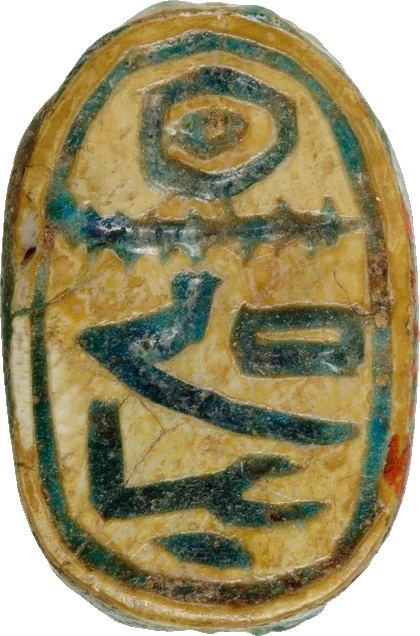 Scarab of Amenemhat IIIca. 1859–1813 B.C.
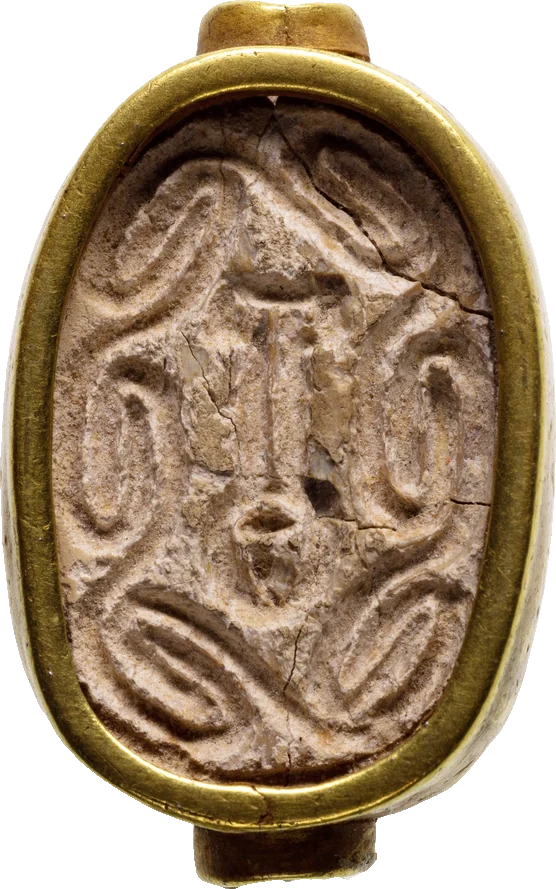 Mounted Scarab Incised with Nefer Sign in Scroll Borderca. 1850–1640 B.C.
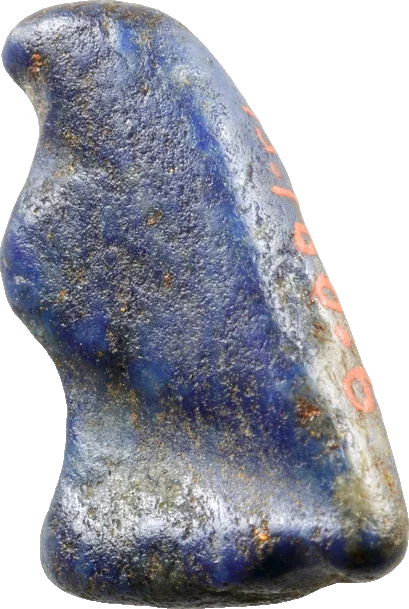 Falcon Amuletca. 1850–1700 B.C.
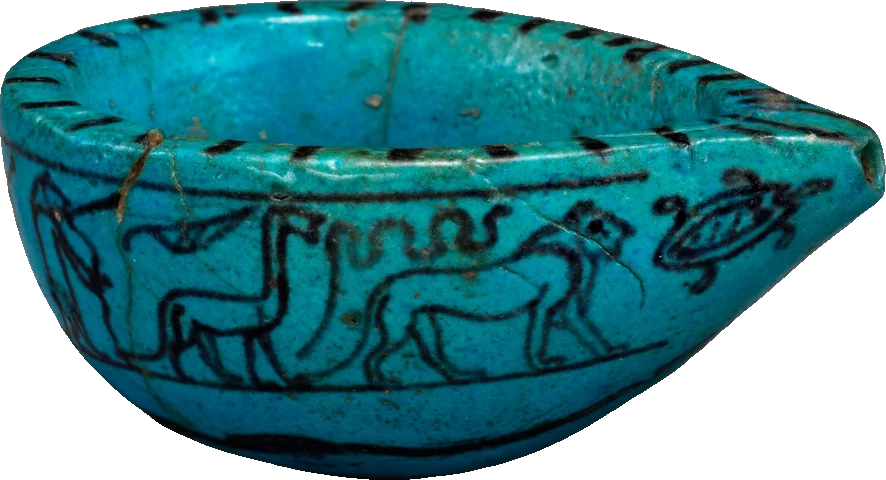 Feeding Cupca. 1850–1700 B.C.
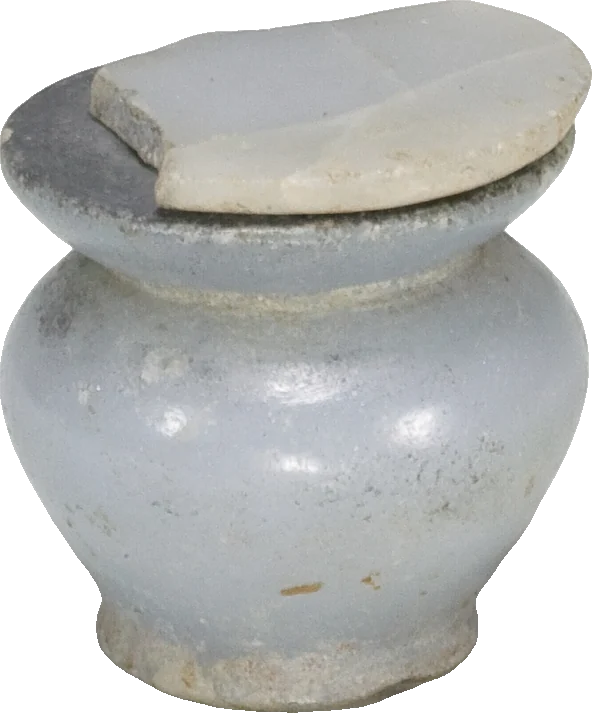 Kohl jarca. 1850–1640 B.C.
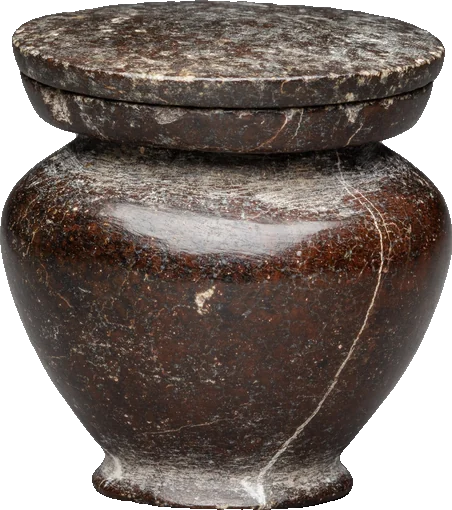 Kohl jarca. 1850–1640 B.C.
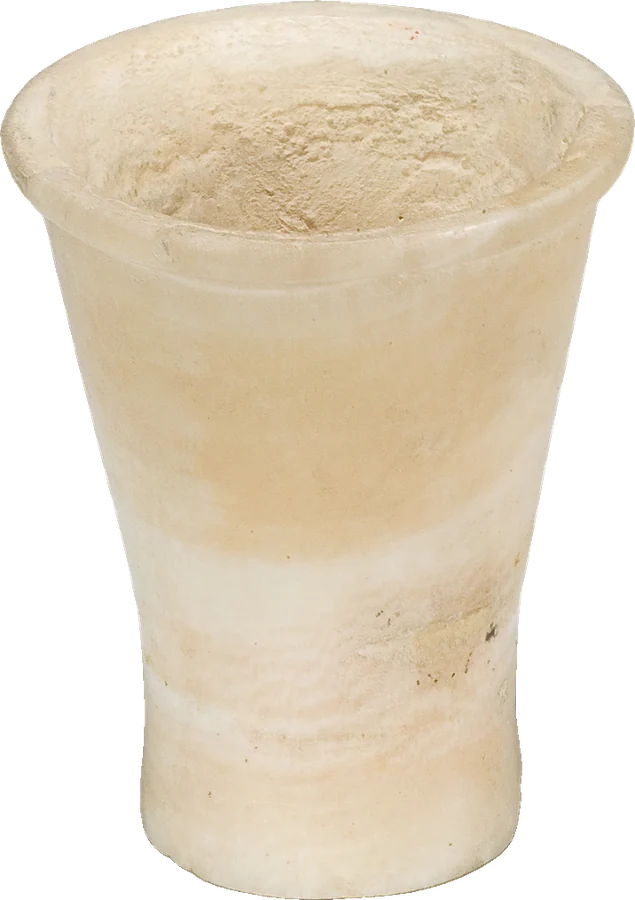 Miniature Ointment jarca. 1850–1775 B.C.
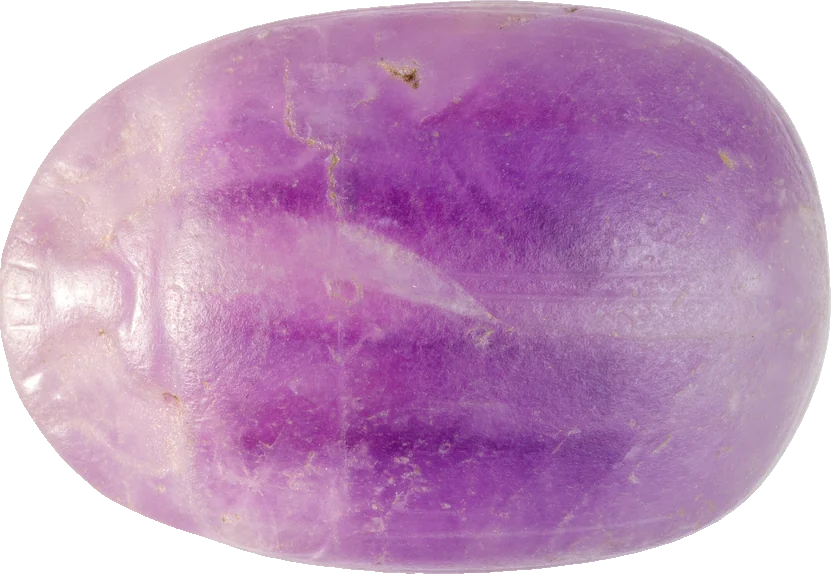 Uninscribed Scarabca. 1850–1700 B.C.
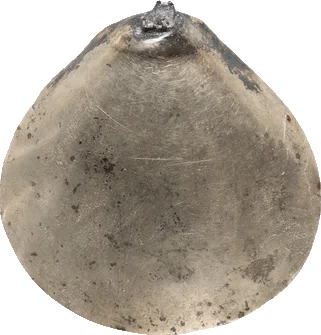 Shell-shaped Pendantca. 1850–1700 B.C.
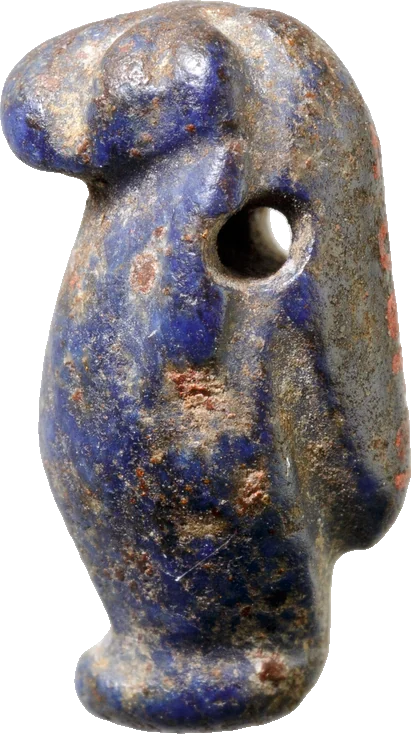 Taweret Amuletca. 1850–1700 B.C.
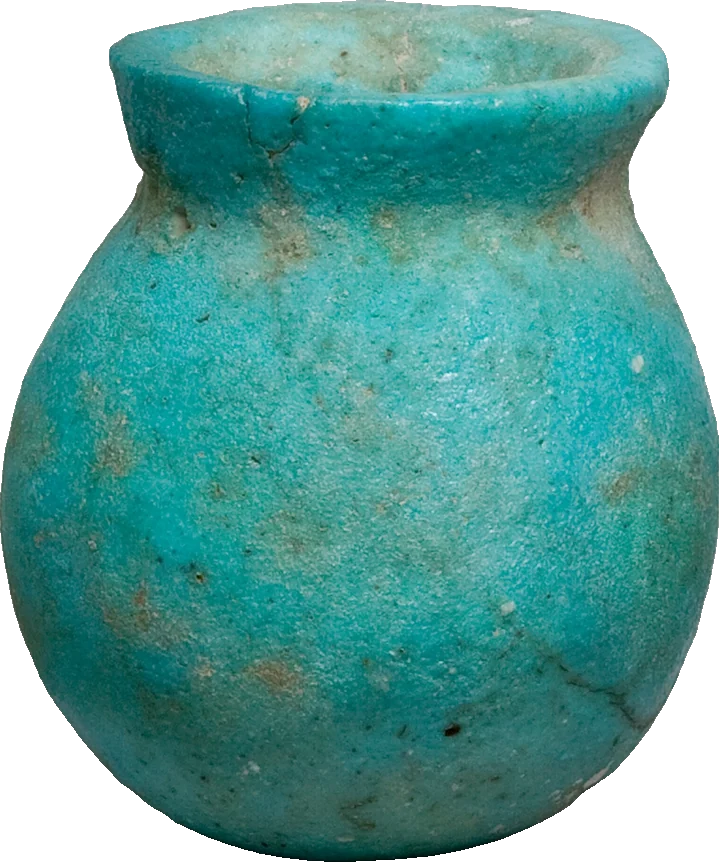 Toilet vaseca. 1850–1775 B.C.
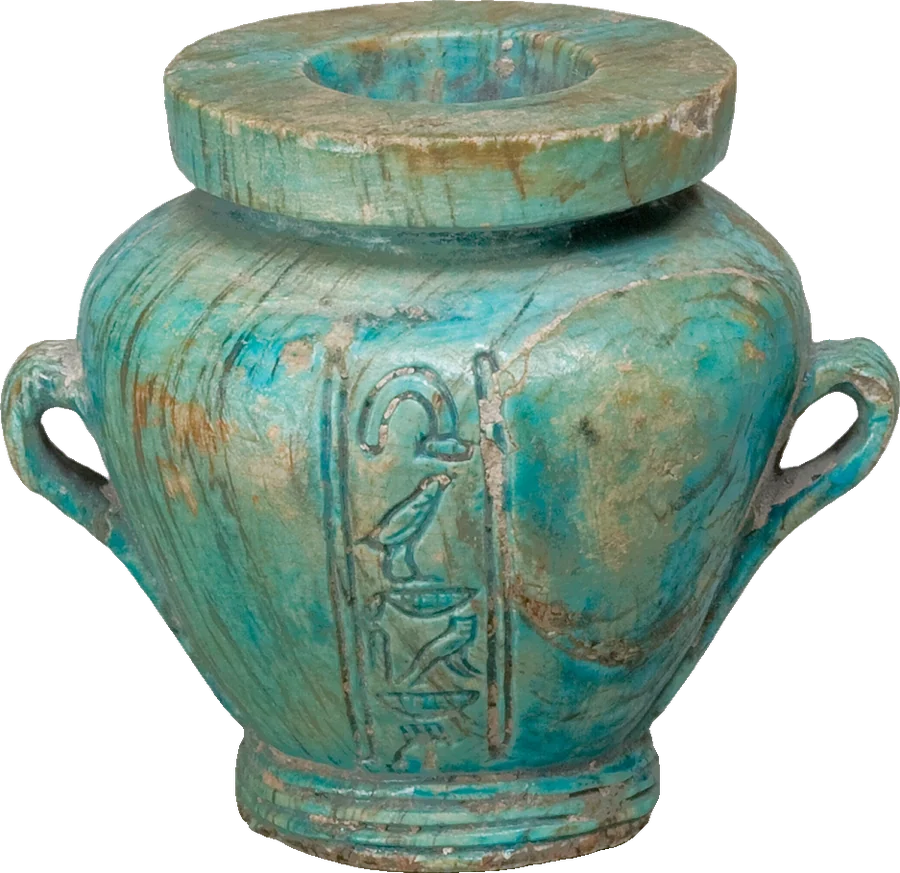 Toilet vase with two handles, inscribed for the Seal Bearer Kemesca. 1850–1775 B.C.
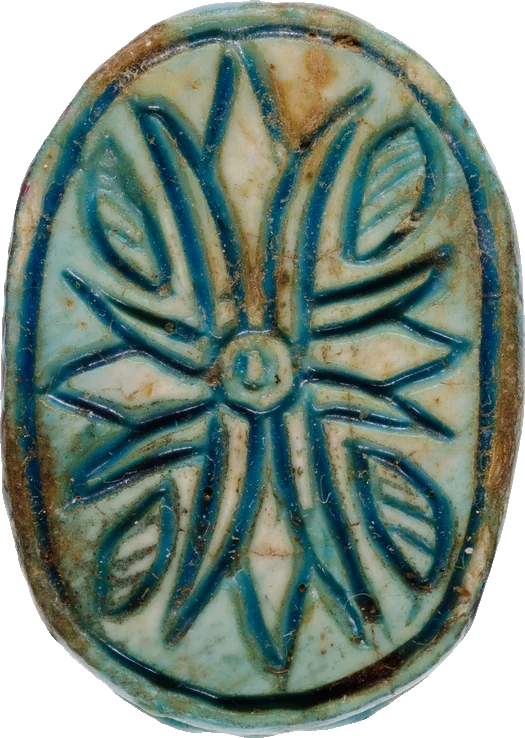 Scarab with Crucifom Lotus Flower Decorationca. 1770–1670 B.C.
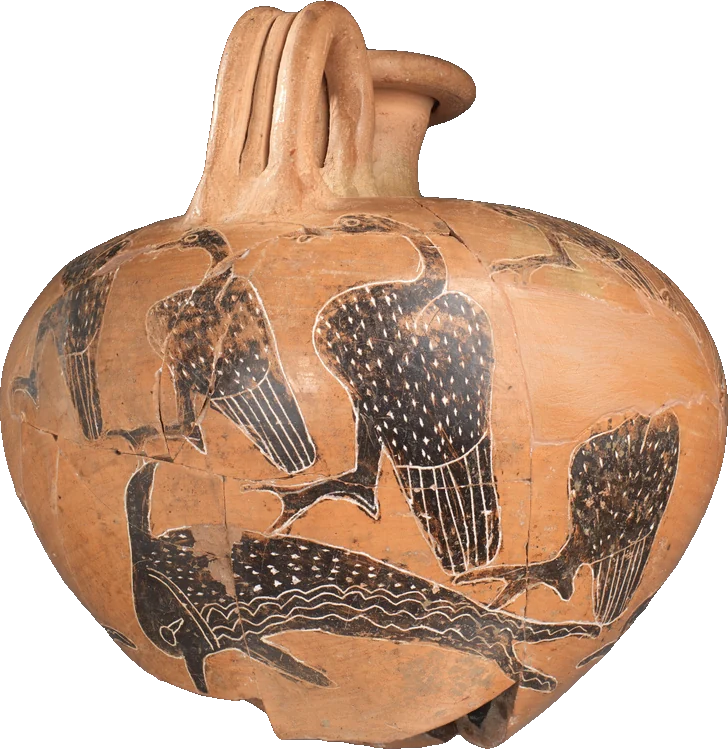 Jug Decorated with Dolphins and Birdsca. 1750–1550 B.C.
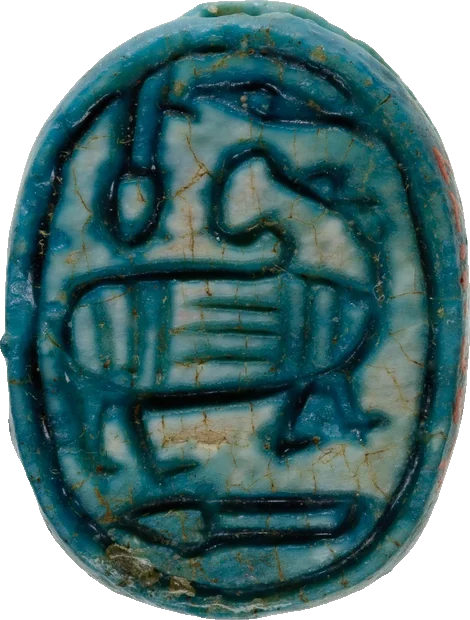 Scarab with the Representation of a Hippoca. 1740–1640 B.C.
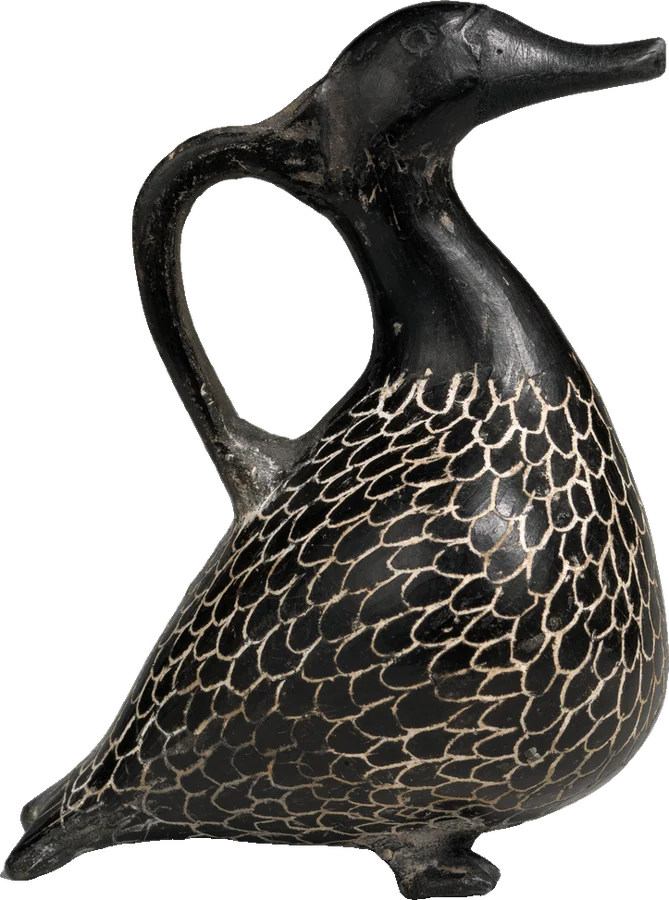 "Tell el-Yahudiya" Vase in the Shape of a Duckca. 1700 B.C.
Find these objects in the game at Deir el-Bahri, Asasif, Lisht.
Play Digopolis