
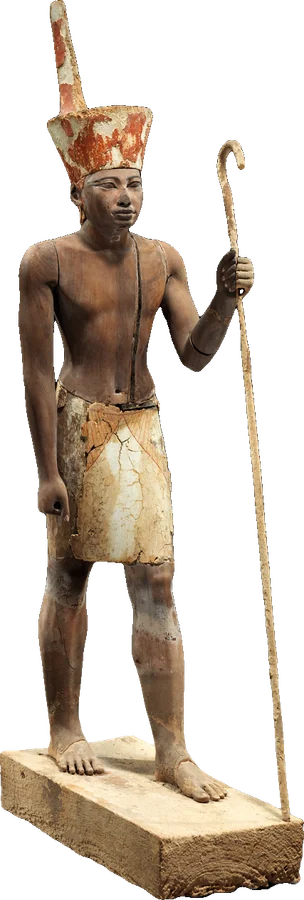
Egypt, Middle Kingdom, Dynasty 12 · Rare find
Guardian Figure
This object was really found at Lisht by The Metropolitan Museum of Art's expedition. Today it is in The Metropolitan Museum of Art in New York.
What is it?
Statue. Statues stood in temples, tombs and public places. Many were meant to hold the spirit of a god, a king or the dead person they show. Source
Wood. Carved or joined wood.
Museum record
- Object
- Statue, guardian figure
- Culture
- Egypt, Middle Kingdom, Dynasty 12
- Date
- ca. 1919–1885 B.C.
- Material
- Cedar wood, plaster, paint
- Findspot
- MMA excavations, 1913–14, chamber inside the south enclosure wall, tomb of Imhotep, Lisht South, Memphite Region, Egypt
- Size
- H. 57.6 cm (22 11/16 in.); W. 11 cm (4 5/16 in.); D. 26 cm (10 1/4 in.)
- Museum
- The Metropolitan Museum of Art, New York
- Number
- 14.3.17
- Credit
- Rogers Fund and Edward S. Harkness Gift, 1914
Photo and record: The Metropolitan Museum of Art, Open Access (public domain, CC0), copied 2026-11-12. Background removed from the photo. Region: Nile Valley.
More about this object
From the museum
In 1914, Met excavators found two cedar figures hidden in a chamber in the wall around the tomb of an official named Imhotep. One wears the red crown of Lower Egypt and is now at The Met. The Met
Culture
Egypt, Middle Kingdom: more objects from the same culture or period, with what we know about it.
More from Lisht
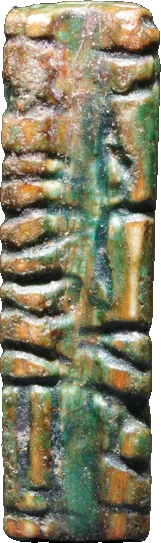 Cylinder seal of Senwosret IIIca. 1878–1840 B.C.
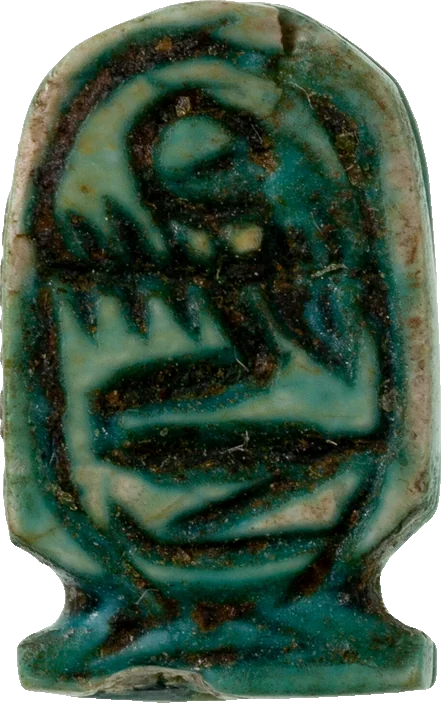 Cartouche amulet of Amenemhat IIIca. 1859–1813 B.C.
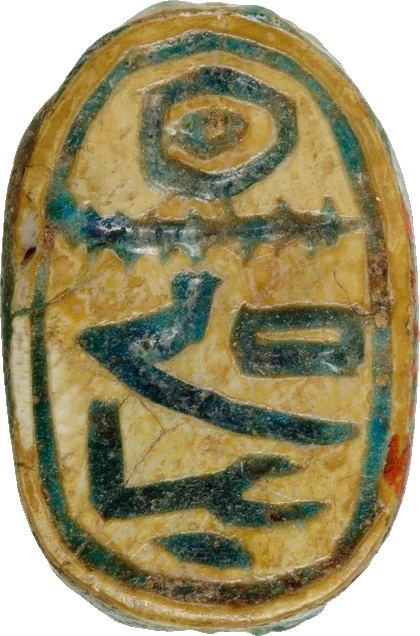 Scarab of Amenemhat IIIca. 1859–1813 B.C.
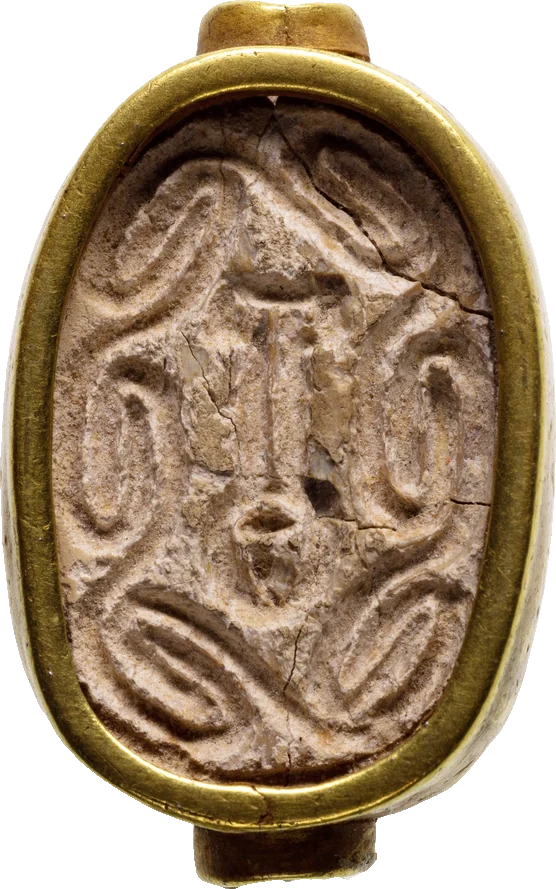 Mounted Scarab Incised with Nefer Sign in Scroll Borderca. 1850–1640 B.C.
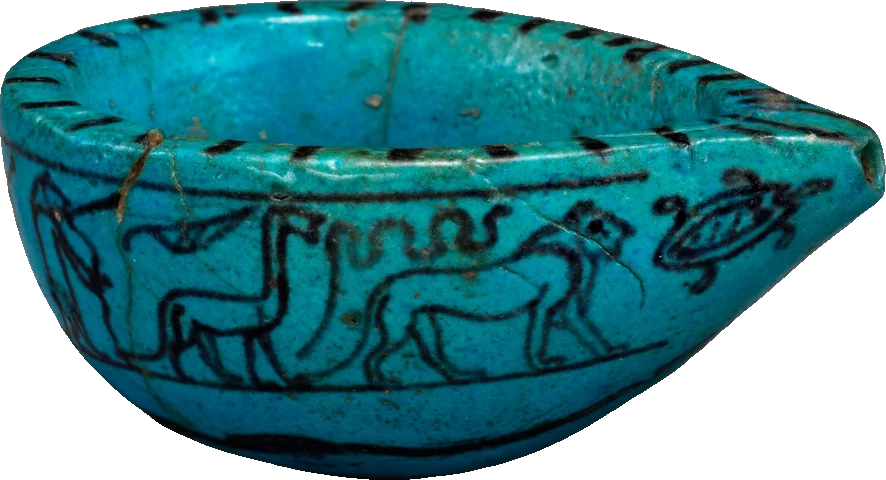 Feeding Cupca. 1850–1700 B.C.
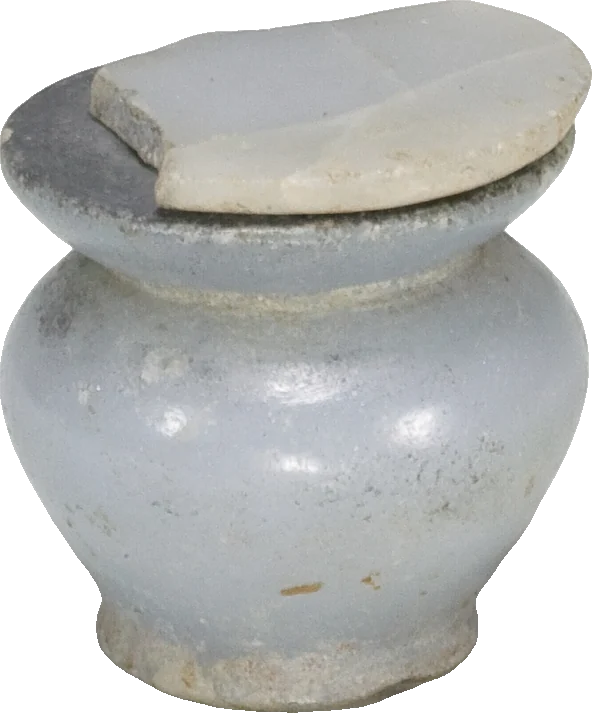 Kohl jarca. 1850–1640 B.C.
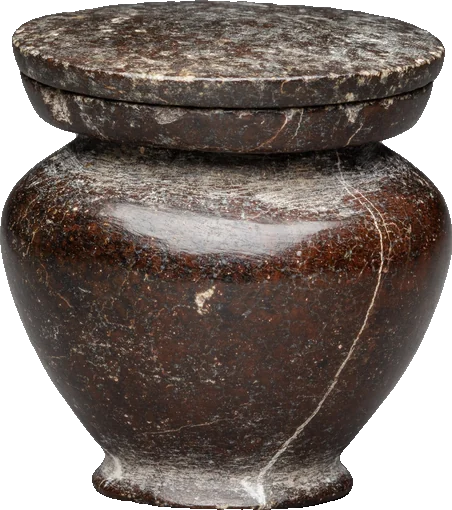 Kohl jarca. 1850–1640 B.C.
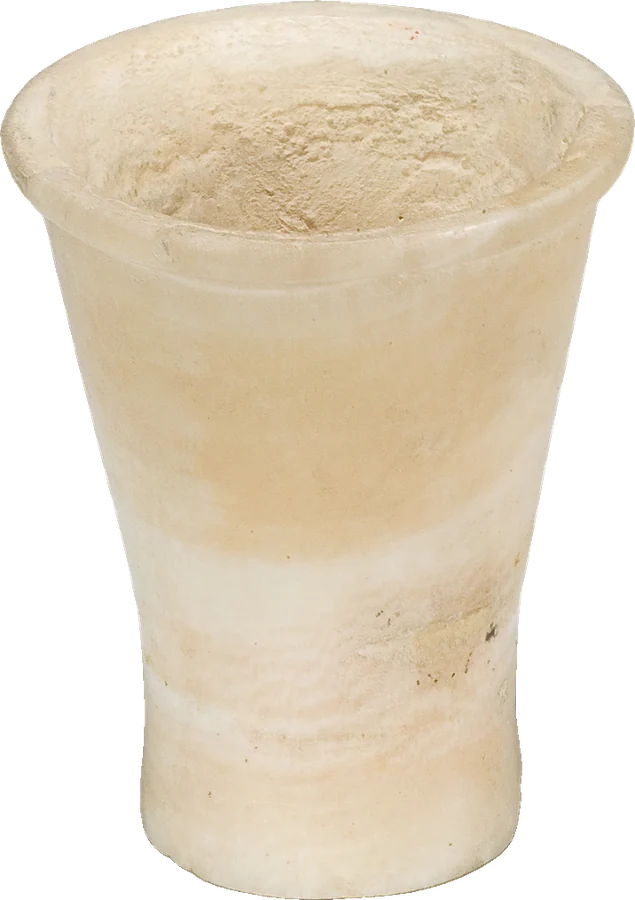 Miniature Ointment jarca. 1850–1775 B.C.