
Nile Valley · Egypt
Malqata
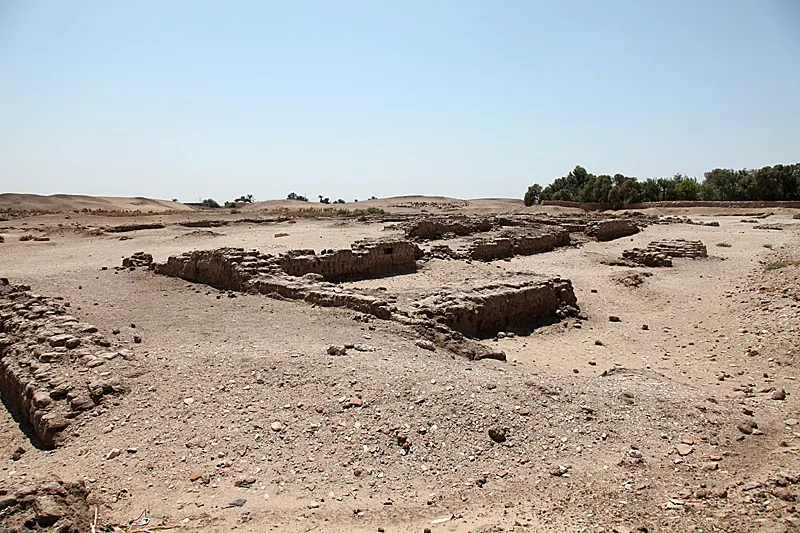
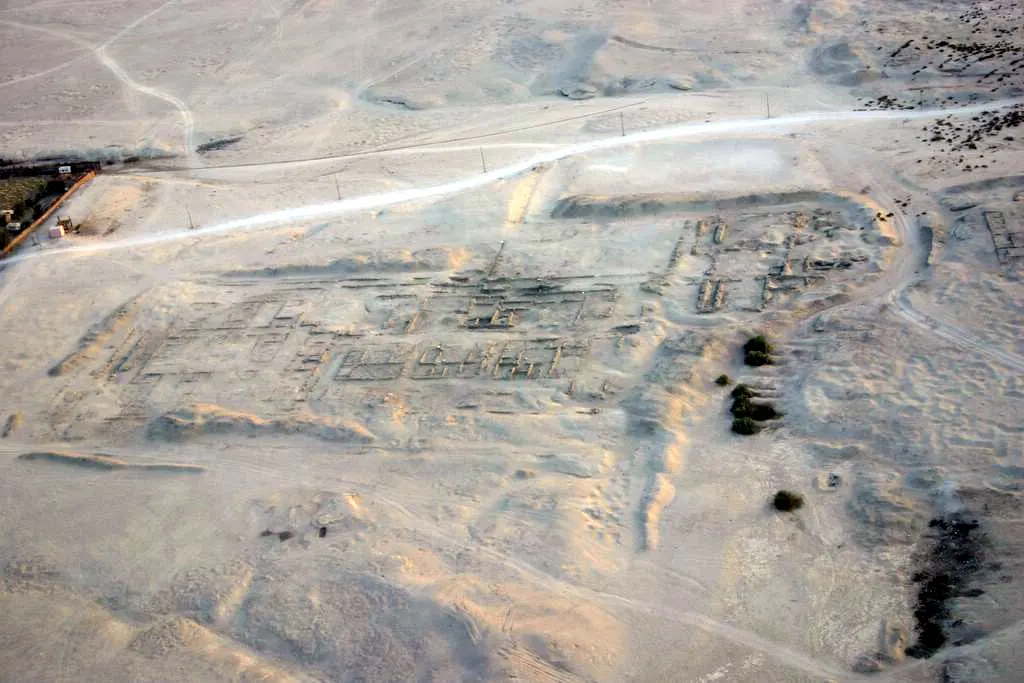
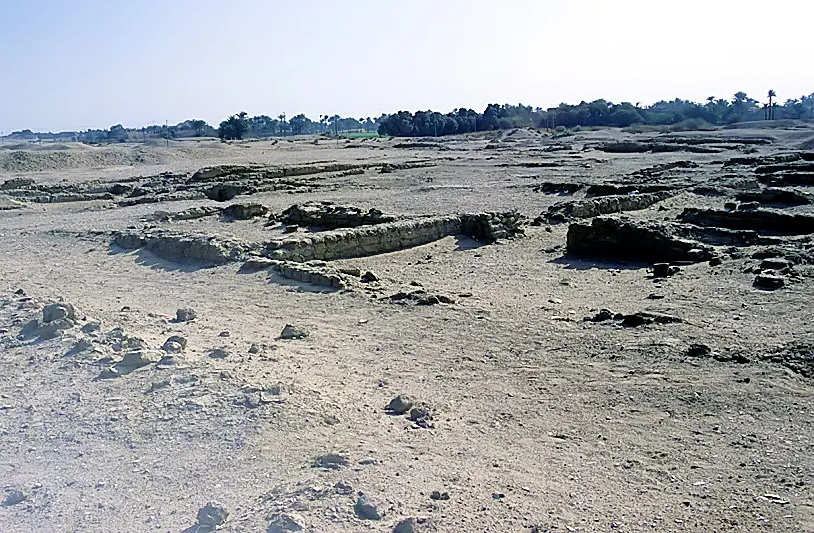
Malqata is the site of a huge mud-brick palace built by King Amenhotep III on the west bank at Thebes. It held royal apartments, a temple of Amun, a festival hall and villas for the elite, next to a large man-made harbor. The Metropolitan Museum of Art excavated the palace from 1910 to 1920. Source
The Metropolitan Museum of Art's expedition dug here 1910 to 1920.
33 objects found here
Each one was found at Malqata by The Metropolitan Museum of Art's expedition. Today they are in The Metropolitan Museum of Art. Oldest first.
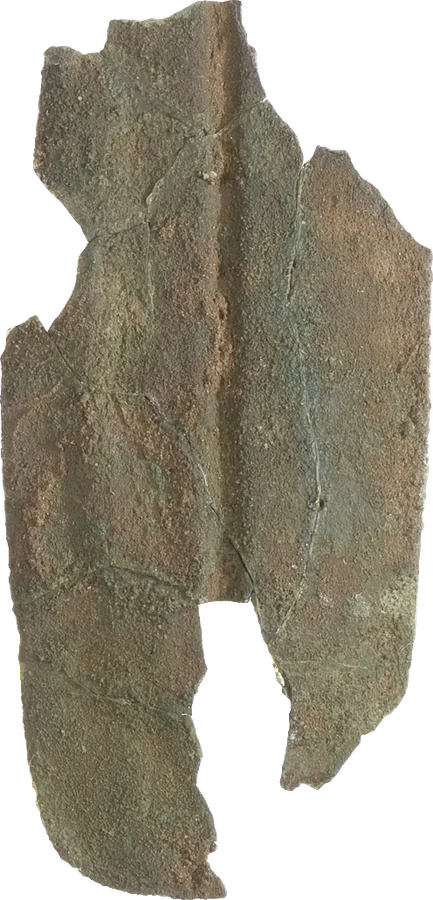 Scale from Armorca. 1386–1347 BCE
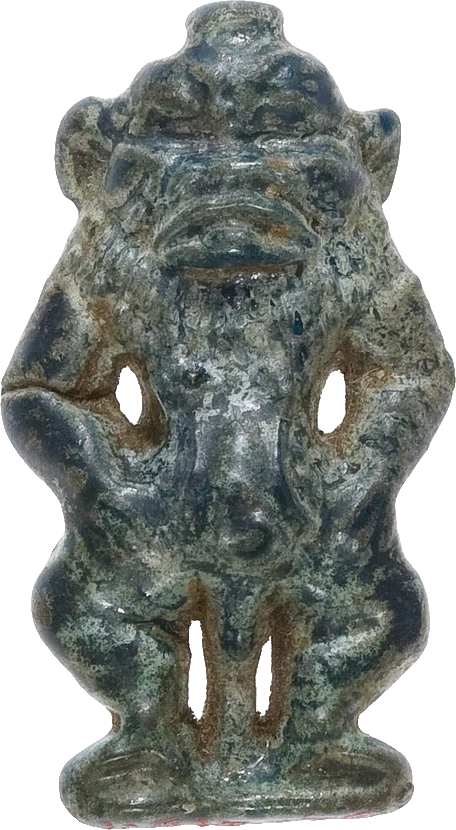 Amulet of a Bes-imageca. 1386–1347 BCE
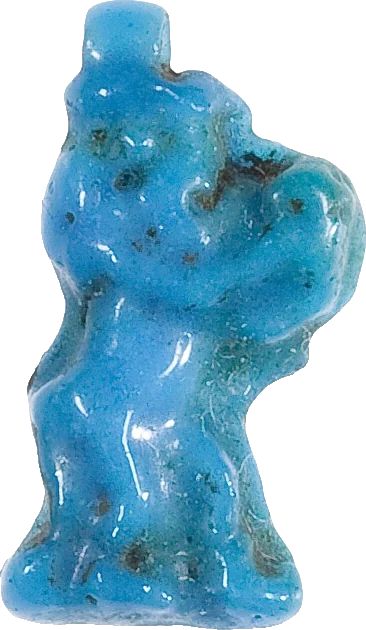 Amulet of Bes with tambourineca. 1386–1347 BCE
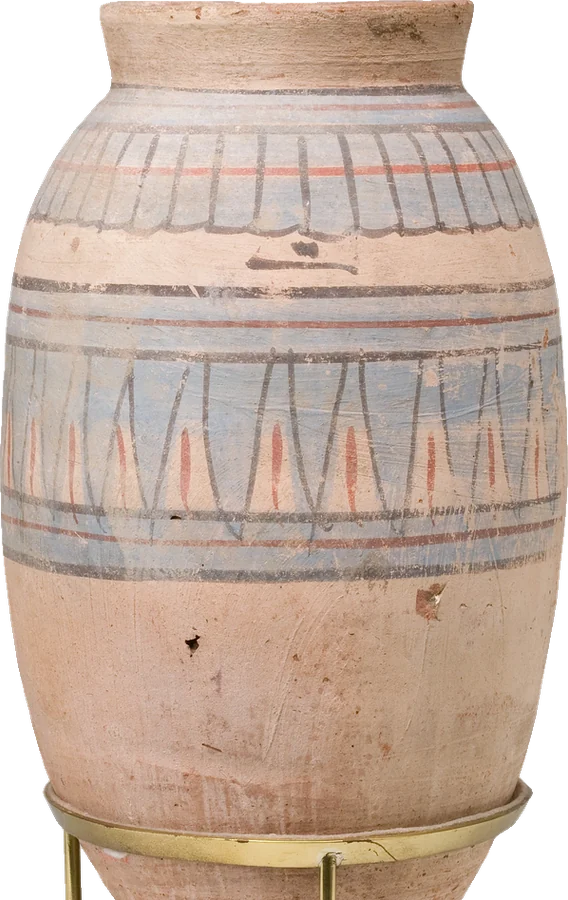 Blue-Painted Jar from Malqataca. 1386–1347 BCE
 Carpenter's Chiselca. 1386–1347 BCE
 Knifeca. 1386–1347 BCE
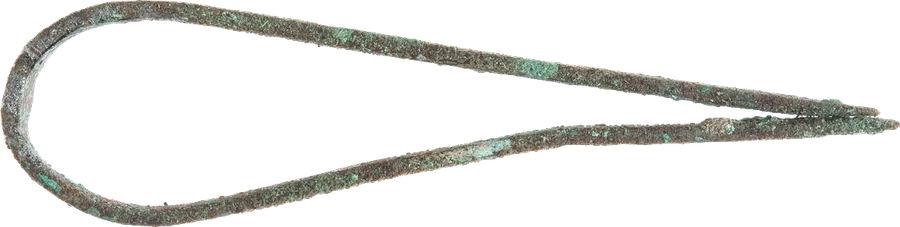 Tweezersca. 1386–1347 BCE
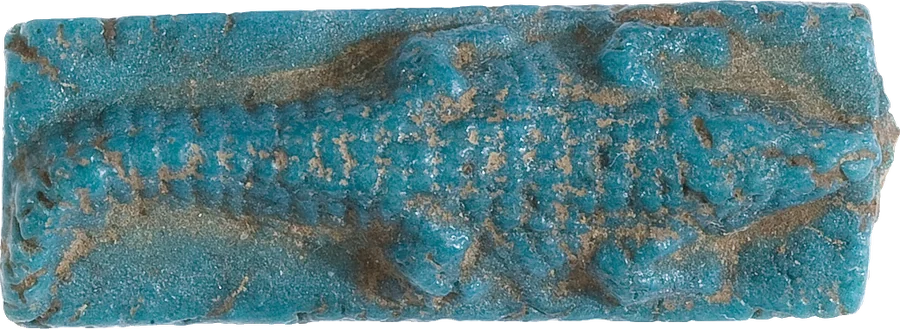 Crocodile Amuletca. 1386–1347 BCE
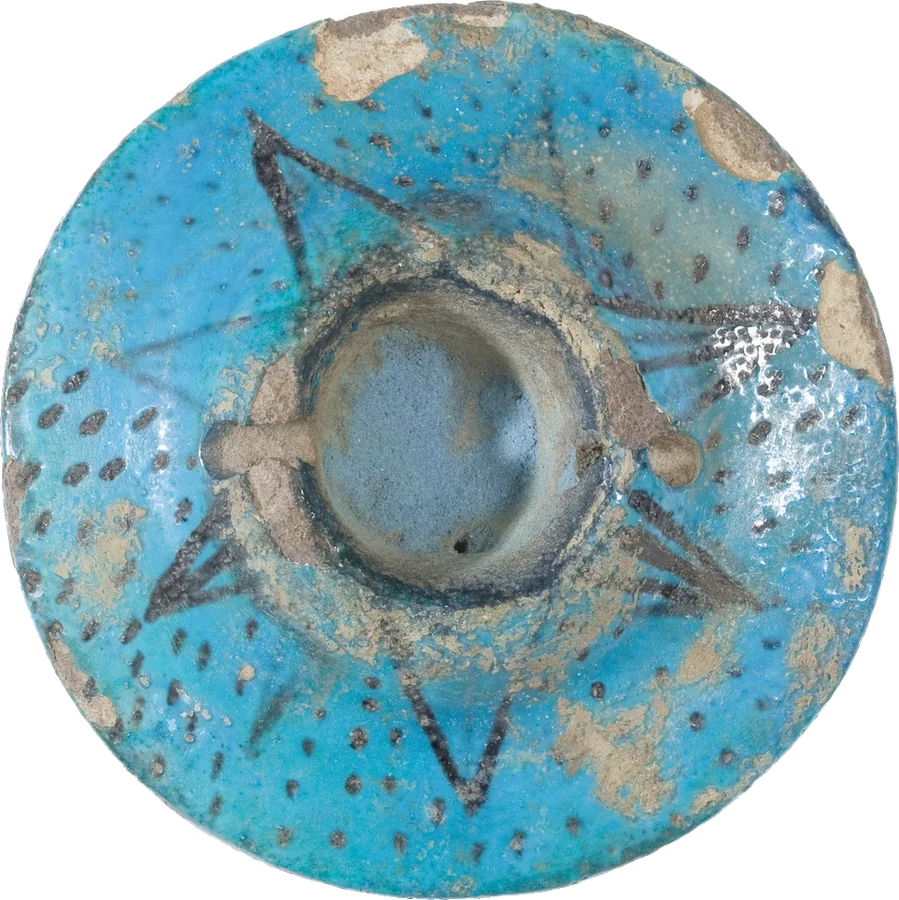 Jar Lidca. 1386–1347 BCE
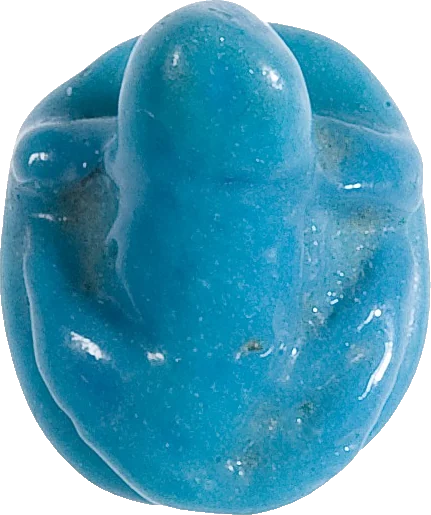 Frog Seal Amulet with a Sa Hieroglyph on the Baseca. 1386–1347 BCE
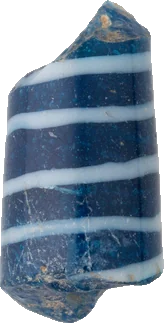 Part of an ear studca. 1386–1347 BCE
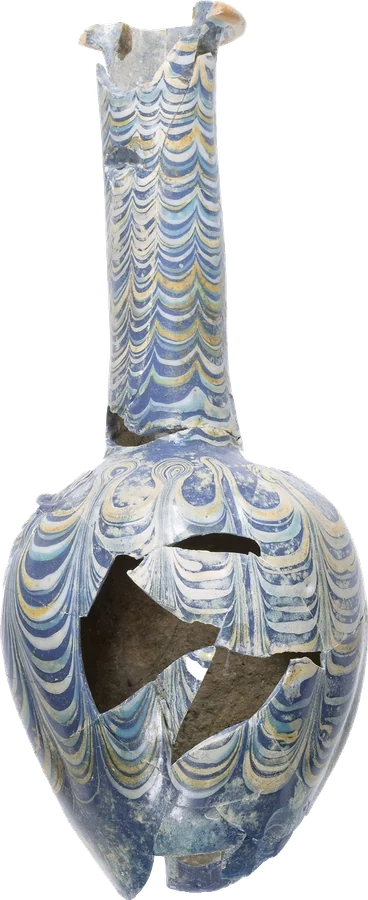 Vaseca. 1386–1347 BCE
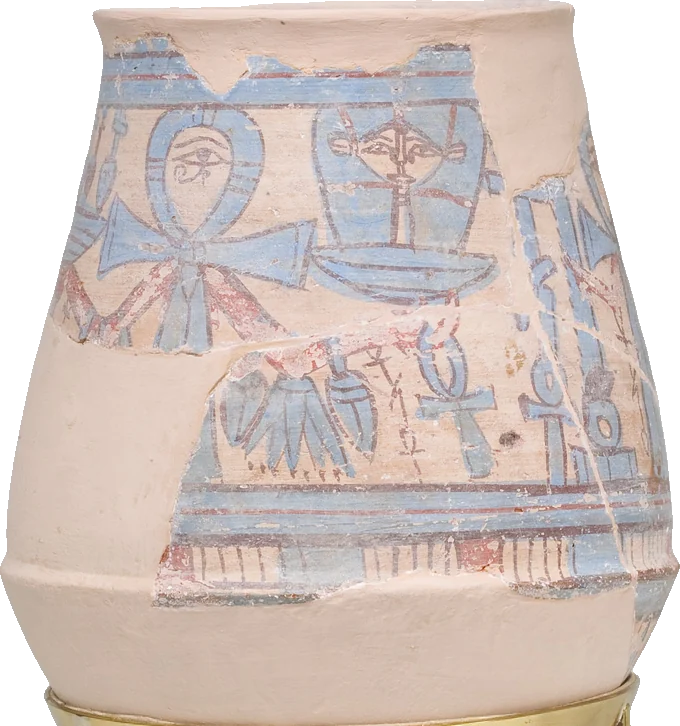 Blue-painted Jar from Malqata with Hathor Emblemca. 1386–1347 BCE
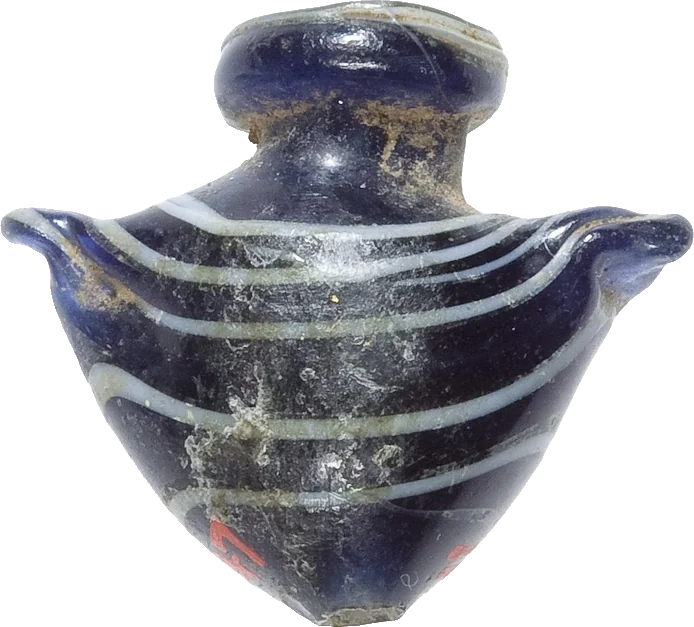 Heart Amuletca. 1386–1347 BCE
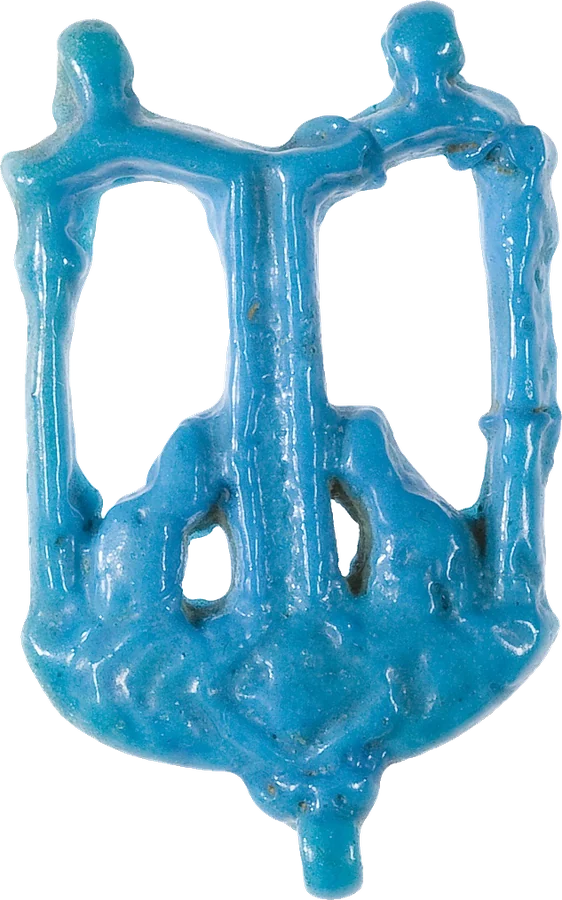 Heb-Sed Amuletca. 1386–1347 BCE
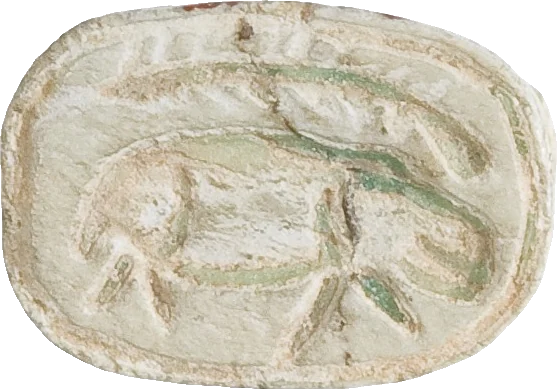 Seal Amulet Decorated with a Hippopotamusca. 1386–1347 BCE
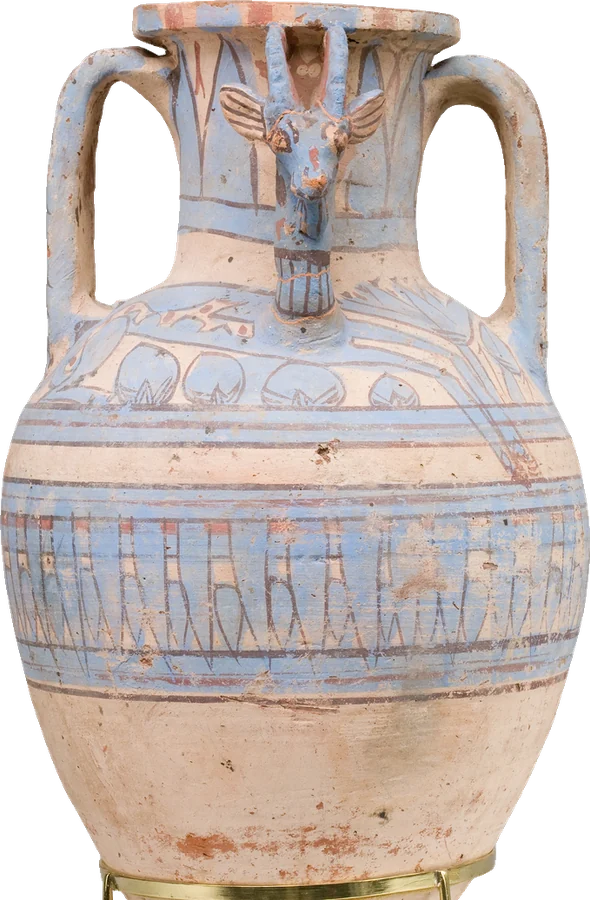 Blue-Painted Ibex Amphora from Malqataca. 1386–1347 BCE
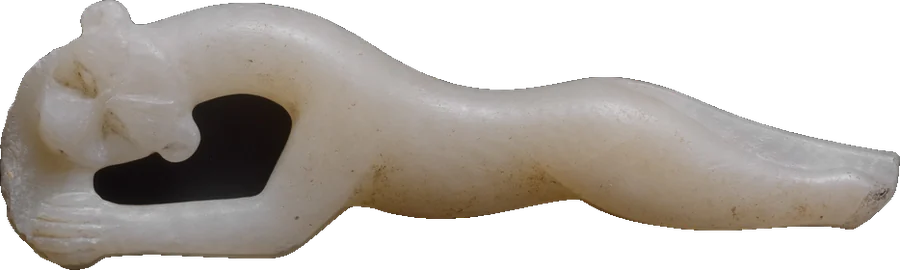 Handle of a Cosmetic Spoon in the Form of a Leopardca. 1386–1347 BCE
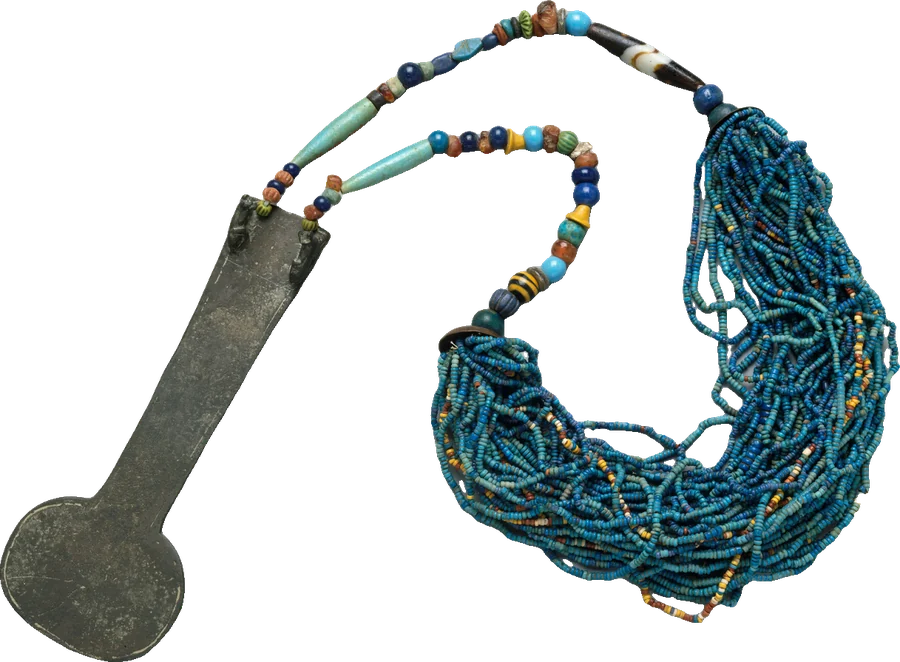 Menat necklace from Malqataca. 1386–1347 BCE
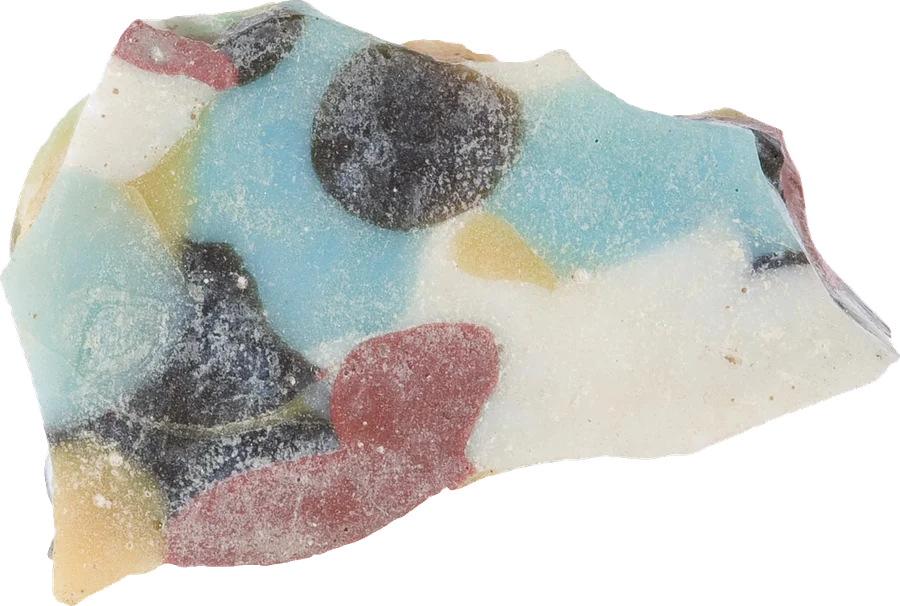 Fragment of a Dish of Polychrome Mosaic Glassca. 1386–1347 BCE
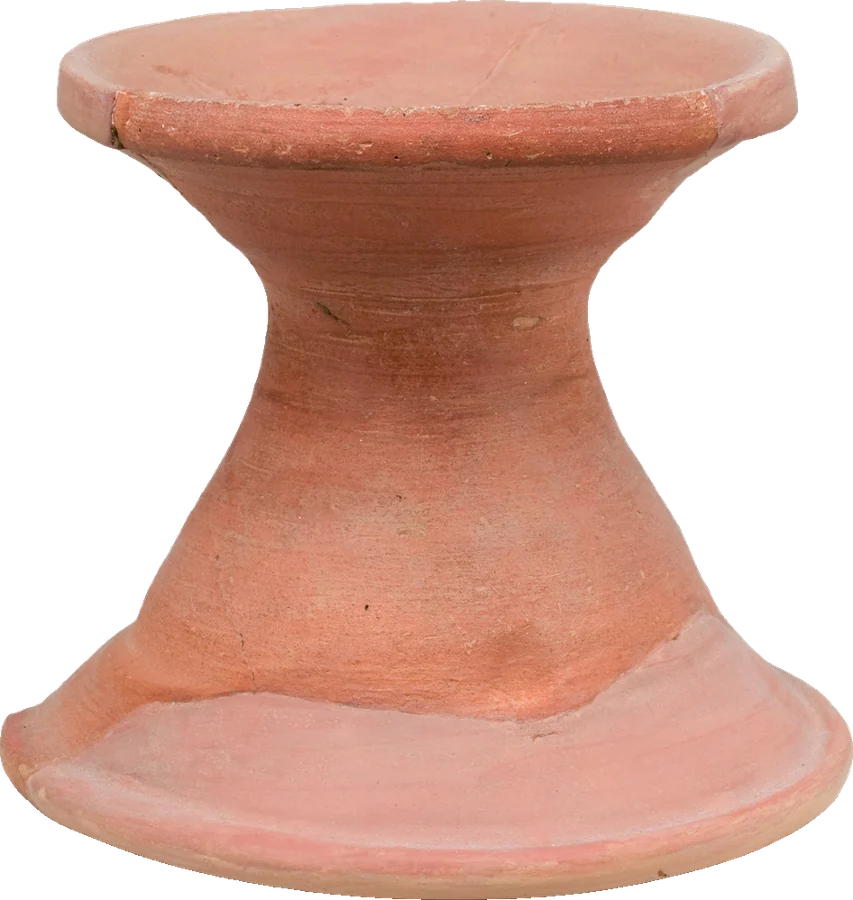 Red Ware Jar Stand from Malqataca. 1386–1347 BCE
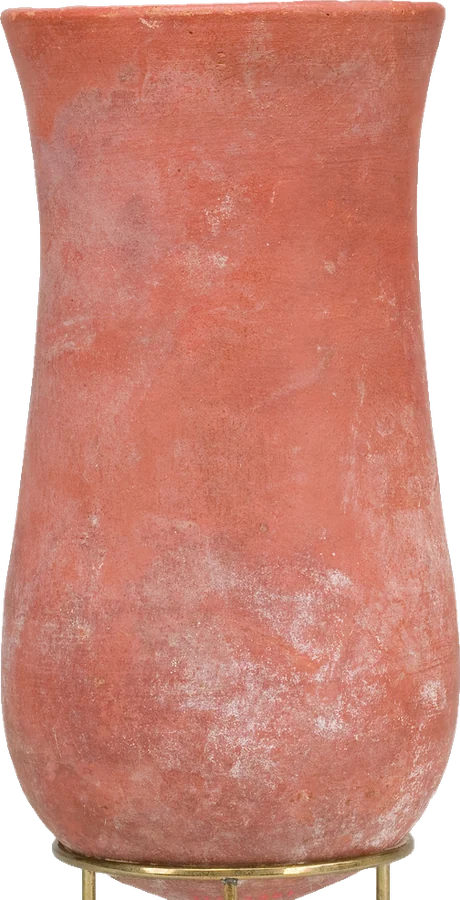 Red Ware Situla-shaped Jar from Malqataca. 1386–1347 BCE
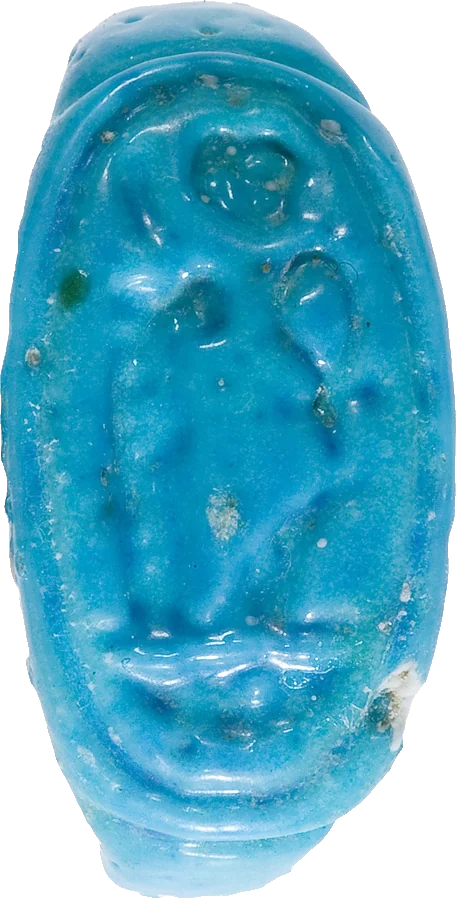 Ring Inscribed with the Throne Name of Amenhotep IIIca. 1386–1347 BCE
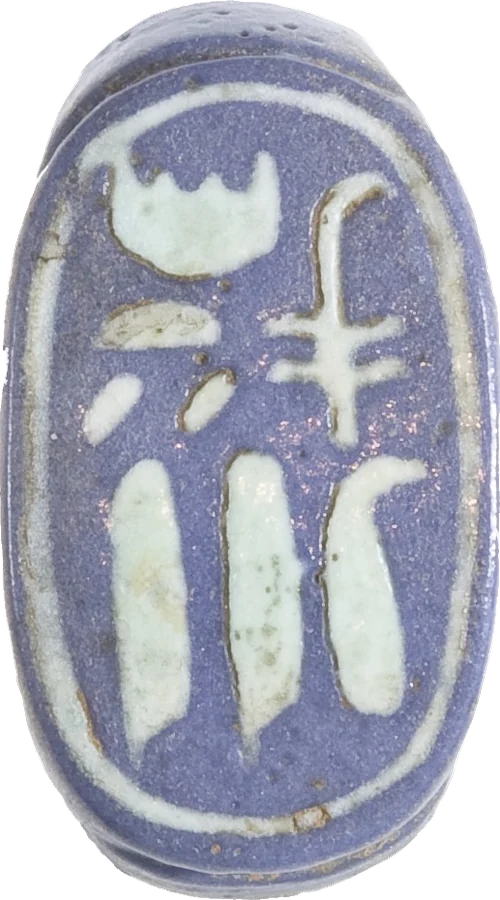 Ring Inscribed for Queen Tiyeca. 1386–1347 BCE
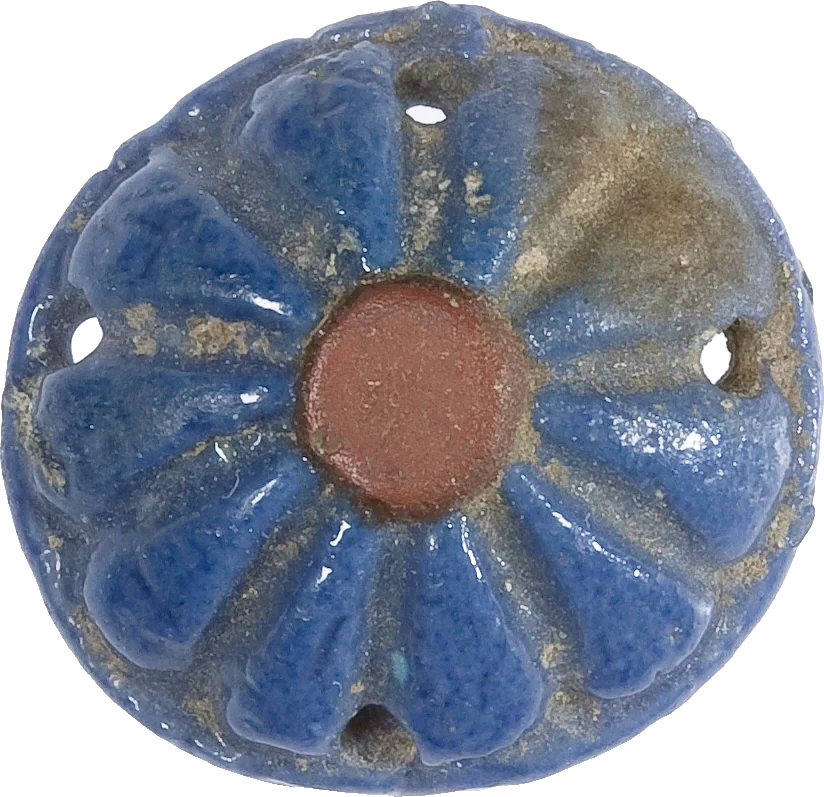 Rosette Decorationca. 1386–1347 BCE
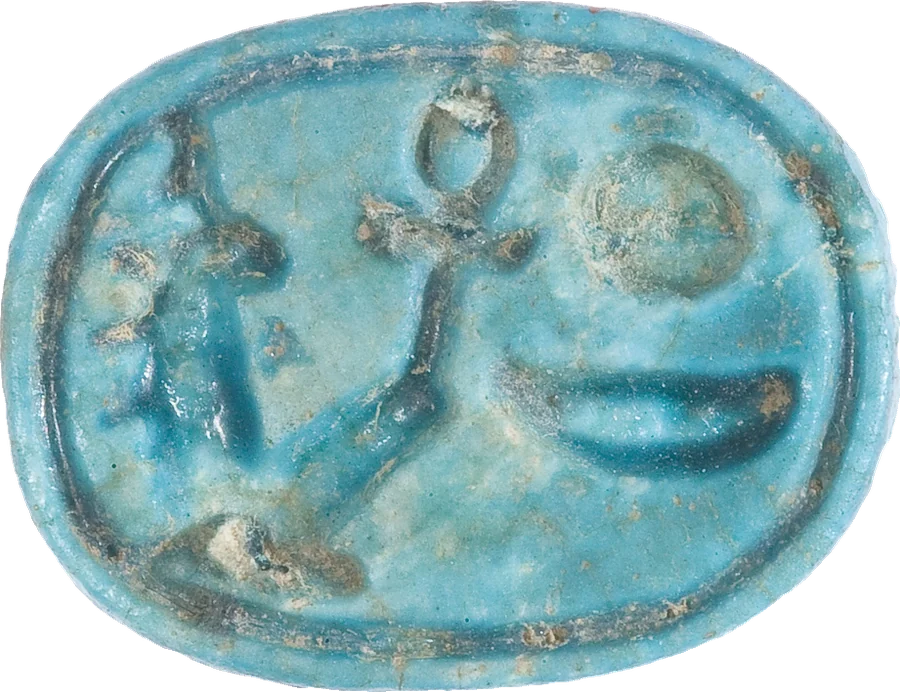 Scarab with the Throne Name of Amenhotep IIIca. 1386–1347 BCE
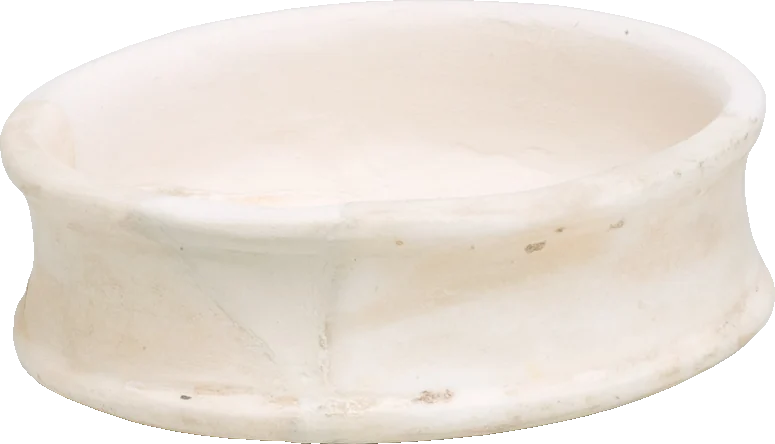 Small Bowl or Cupca. 1386–1347 BCE
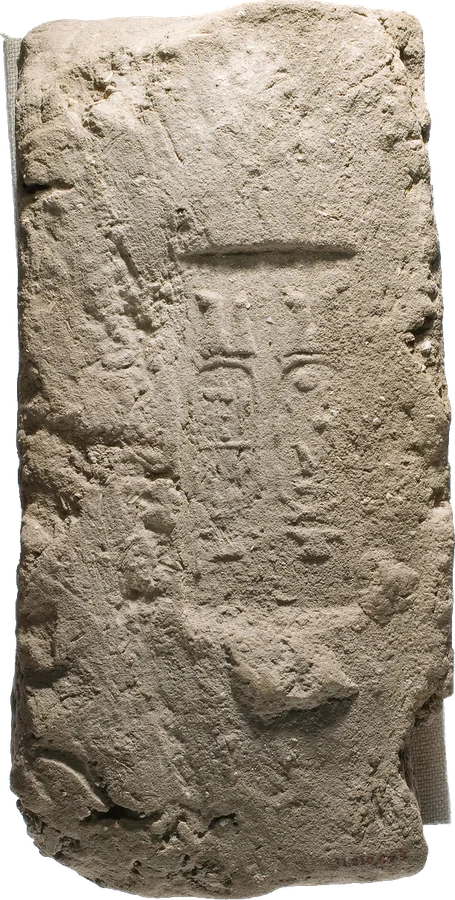 Brick stamped with the Names of Amenhotep IIIca. 1386–1347 BCE
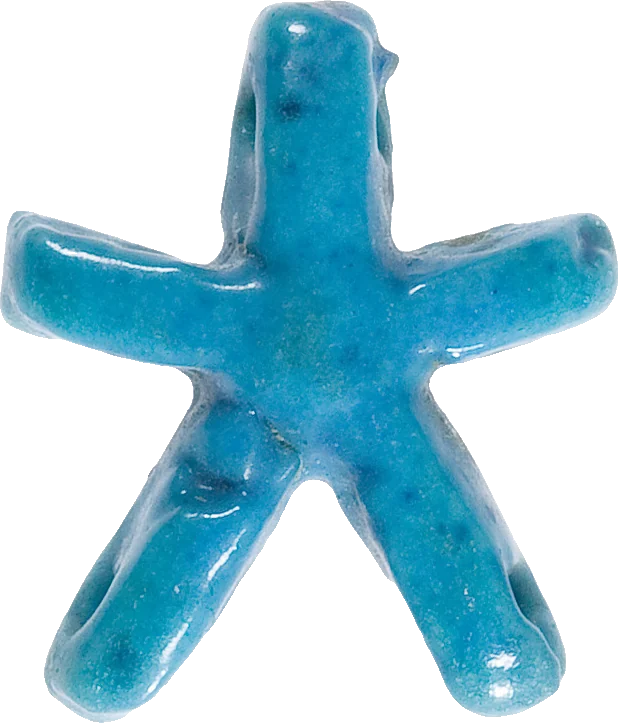 Jewelry element in the shape of a starca. 1386–1347 BCE
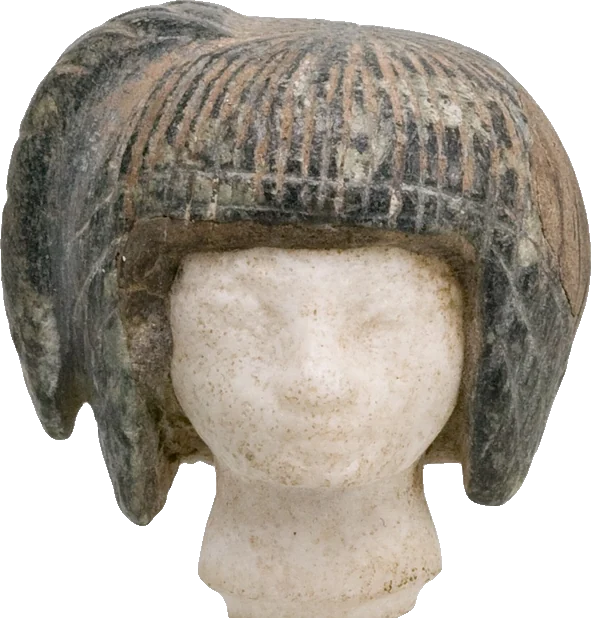 Head from a Spoon in the form of a Swimming Girlca. 1386–1347 BCE
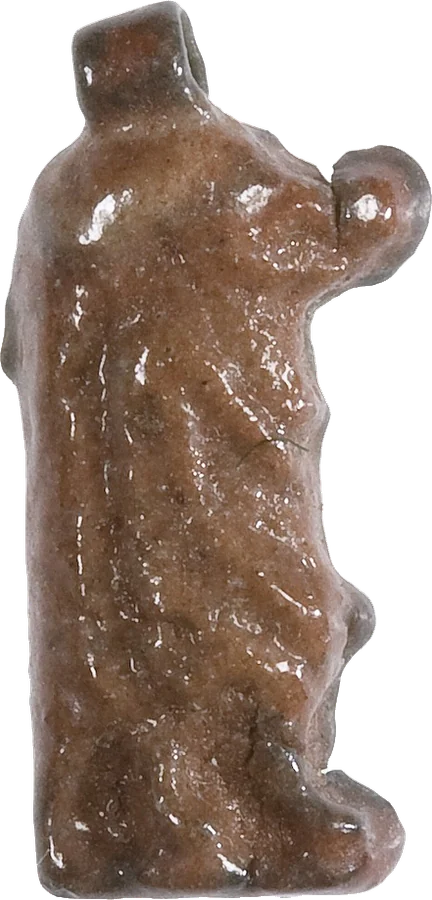 Taweret Amuletca. 1386–1347 BCE
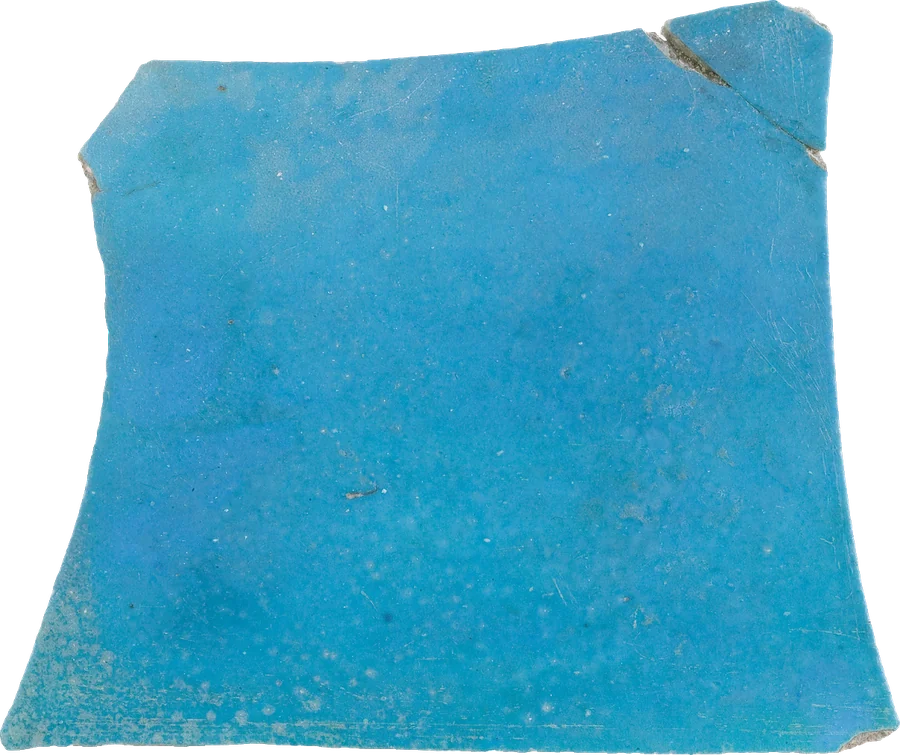 Square Wall Tileca. 1386–1347 BCE
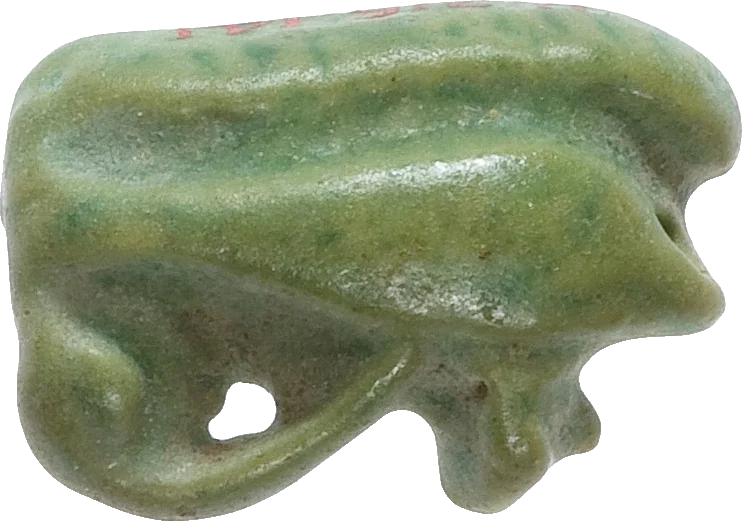 Wedjat Eye Amuletca. 1386–1347 BCE
12 fun facts about Malqata
- Met excavators at Malqata found about 1,400 jar labels written in black ink. They name what each jar held, such as wine, ale, fat or meat, and often who donated it and for which festival. metmuseum.org
- One jar label from Malqata, dated to year 38 of Amenhotep III, says the jar held fat prepared by a man named Iuamen and donated by the royal scribe Ahmose. metmuseum.org
- A menat necklace was often carried by women in religious ceremonies and shaken like a percussion instrument, making a soothing sound that was thought to calm a god or goddess. metmuseum.org
- A beaded menat necklace and two other necklaces were found together in the corner of a room in a house near the palace. Traces of the linen bag they were packed in could still be seen. metmuseum.org
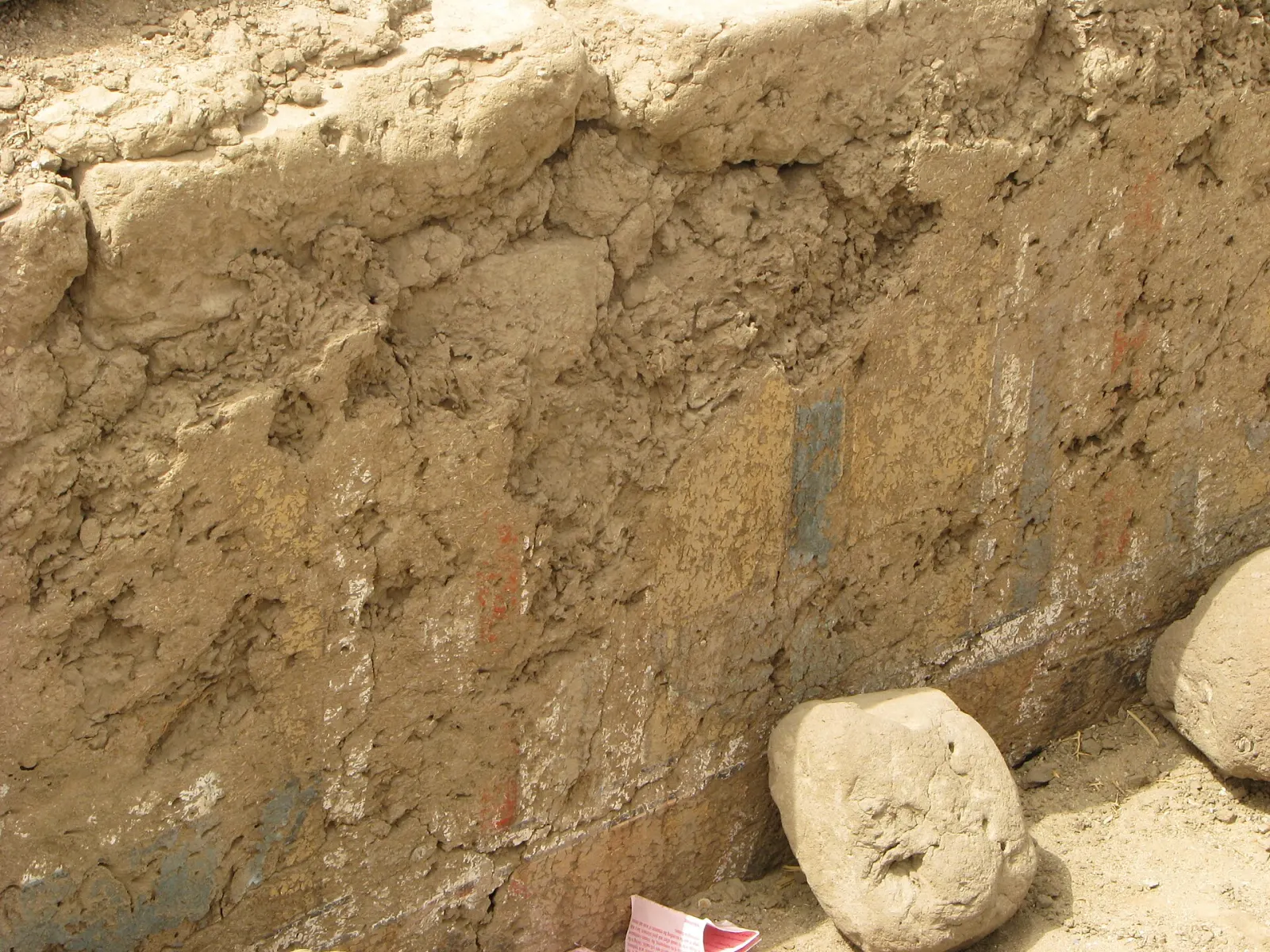
- The ceiling next to Amenhotep III's bedroom was painted with spirals full of rosettes alternating with ox skulls. Similar ceiling patterns are known from slightly earlier sites in the Aegean. metmuseum.org
- In the palace, clothes were stored in low benches whose supports were painted with a calf running through a papyrus marsh and a basket of fruit. metmuseum.org
- A blue-painted jar from Amenhotep III's palace is decorated with an ibex. The ibex's head had broken off, but excavators found it lying nearby. metmuseum.org
- Much of the palace pottery at Malqata was made of red clay, coated with a cream-colored layer and painted in blue, red and black. metmuseum.org
- A cosmetic spoon from the palace had a handle carved from Egyptian alabaster in the shape of a leaping leopard. metmuseum.org
- After Amenhotep III's first jubilee festival, which lasted a month or more, the whole festival city was left empty until his second jubilee four years later. metmuseum.org
- The king who built Malqata, Amenhotep III, was the father of Akhenaten and very likely the grandfather of Tutankhamun. metmuseum.org
- The earth dug out to make Malqata's great harbor was not wasted: it was heaped up into artificial hills along the harbor's southwestern shore. aamw.sas.upenn.edu
In the game these unlock one by one as you dig here.
The name
Malqata (also spelled Malkata) is an Arabic name meaning roughly "the place where (ancient) things are picked up." In ancient times the palace was called Per-Hai, "the House of Rejoicing," and it was also known as the Palace of the Dazzling Aten. en.wikipedia.org
Life here
Amenhotep III built Malqata for his jubilee, the heb-sed, held in the thirtieth year of his reign, about 1360 B.C. Beside a huge new harbor, his architects laid out palaces, ceremonial halls and offices. Around them were villages for the workers, artisans and servants who supplied the labor and goods for the festival. metmuseum.org
Who dug here
The Metropolitan Museum ran six seasons of fieldwork at Malqata between 1910 and 1920, and the finds were shared with Egypt's Antiquities Service. The Met's part is shown in galleries 119 and 120 in New York. In 2008 a new Joint Expedition, co-sponsored by The Met, began exploring and conserving the site. metmuseum.org
Malqata today
Malqata lies on the west bank at Luxor, and a modern village sits beside the ancient palace, with a small church and monastery of Saint Theodore Stratelates. Teams from Waseda University in Japan have worked at the site since 1985. en.wikipedia.org
A record
The artificial harbor built beside Amenhotep III's palace at Malqata is the largest known harbor in ancient Egypt. It was studied by David O'Connor and Barry Kemp in excavations from 1971 to 1977. aamw.sas.upenn.edu
Malqata today and in the past
Dig at Malqata yourself: open a trench, brush the soil away layer by layer and find these objects in the game.
Dig at Malqata