
Syria and Jordan
Gerasa
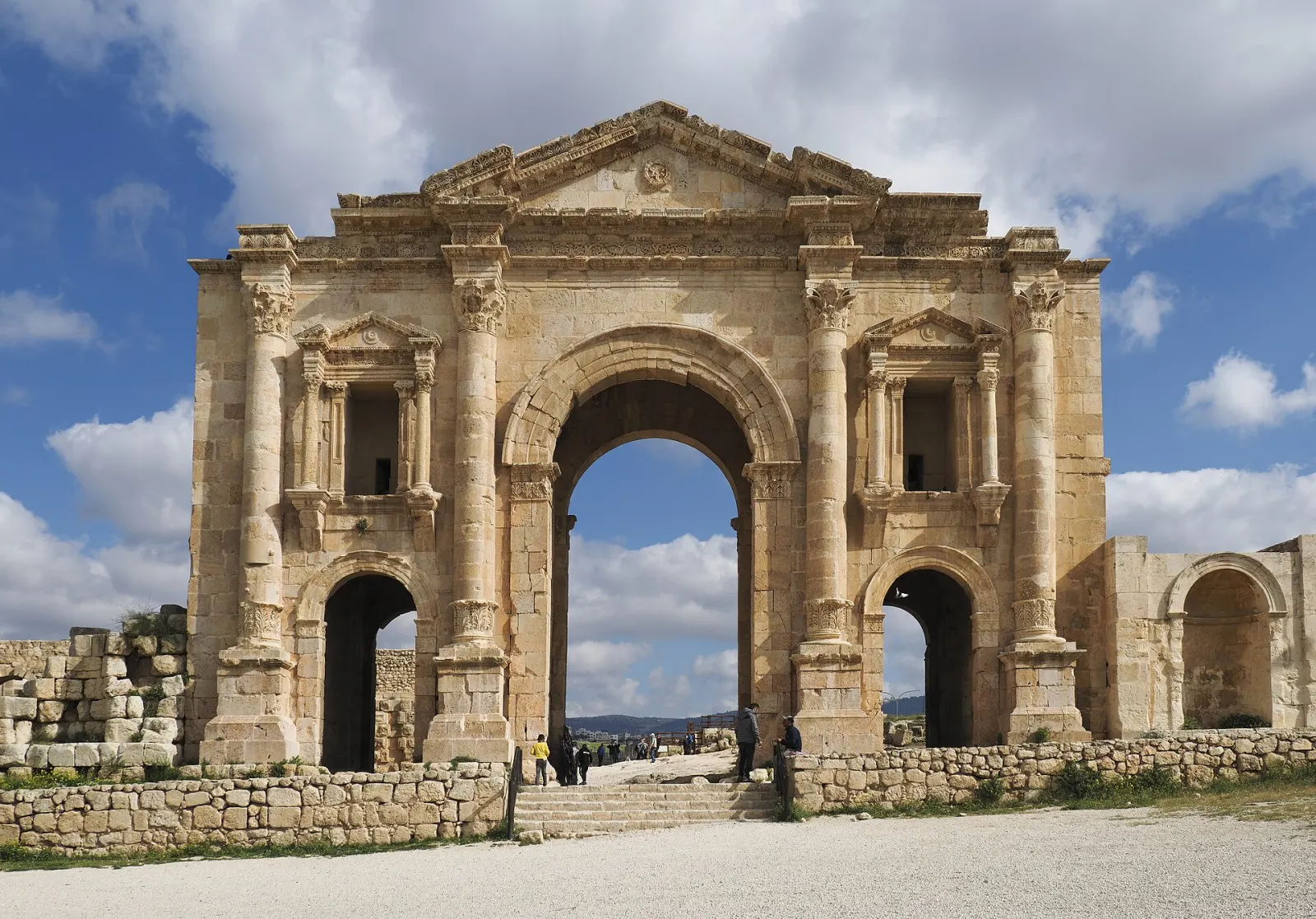
Gerasa, today the town of Jerash in northern Jordan, was one of the cities of the Decapolis. It flourished in Hellenistic, Roman and Byzantine times, until an earthquake in 749 CE destroyed much of it. With its colonnaded streets, theaters and temples it is one of the best preserved Greco-Roman cities. From 1928 to 1934 Yale University and the British School of Archaeology in Jerusalem dug here, and Yale received a share of the finds. Source
Excavated by Yale University and the British School of Archaeology in Jerusalem, 1928 to 1934.
26 objects found here
Each one was found at Gerasa by the Yale-British School Excavations at Gerasa. Today they are in Yale University Art Gallery. Oldest first.
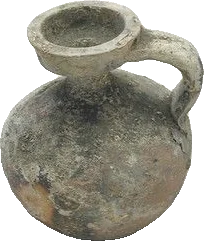 Jug1st–2nd century A.D.
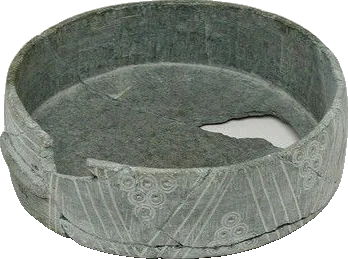 Circular dish1st–5th century A.D.
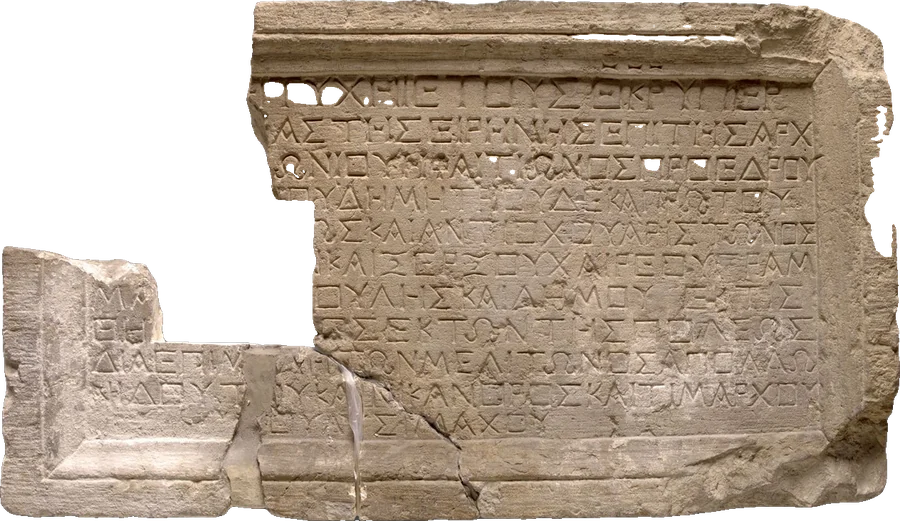 InscriptionA.D. 66–67
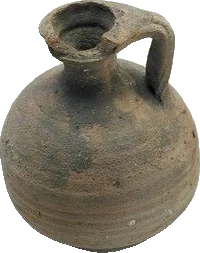 Jug2nd–3rd century A.D.
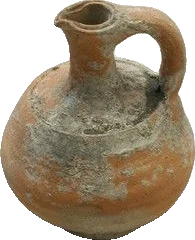 Jug2nd–3rd century A.D.
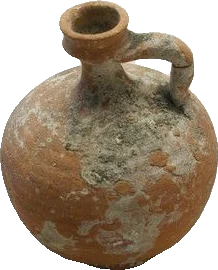 Jug2nd–3rd century A.D.
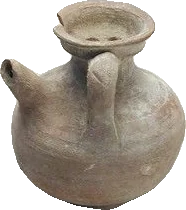 jug2nd–3rd century A.D.
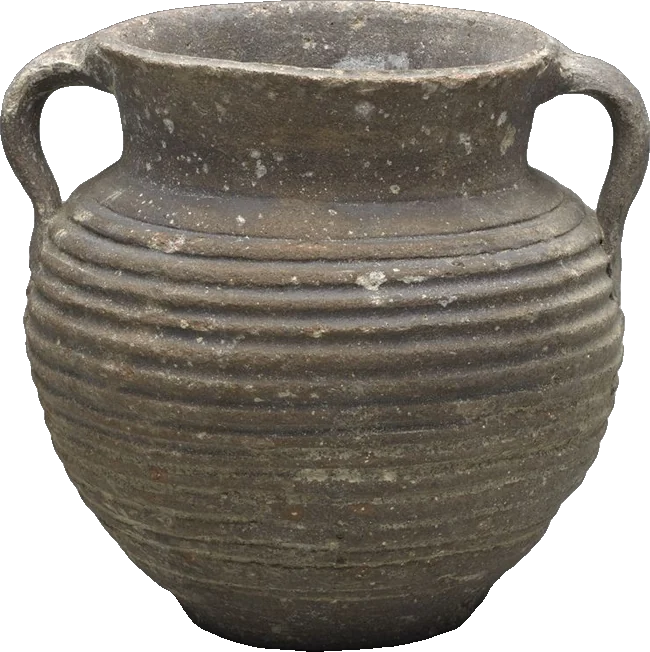 Jug with two handles2nd–3rd century A.D.
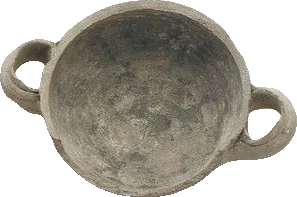 Votive Cup2nd–3rd century A.D.
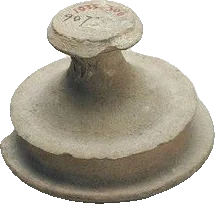 Votive Cup2nd–3rd century A.D.
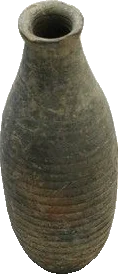 BottleA.D. 150–350
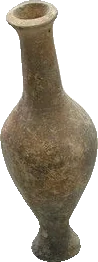 BottleA.D. 150–350
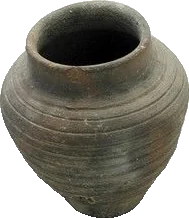 BottleA.D. 150–350
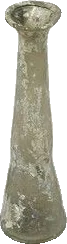 Long-Necked VaseProbably 3rd or 4th century A.D.
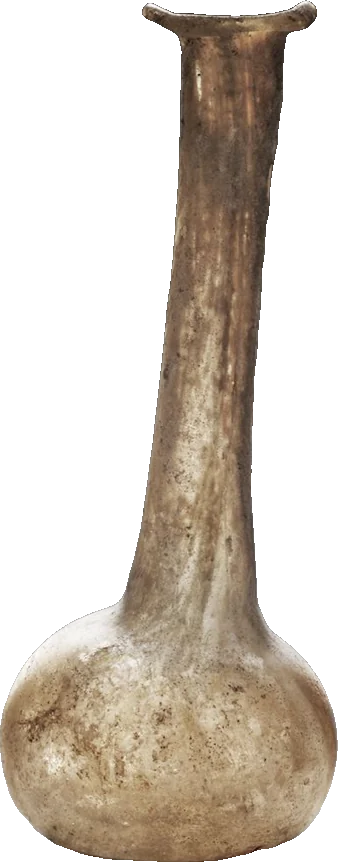 Candlestick Unguentarium4th–5th century A.D.
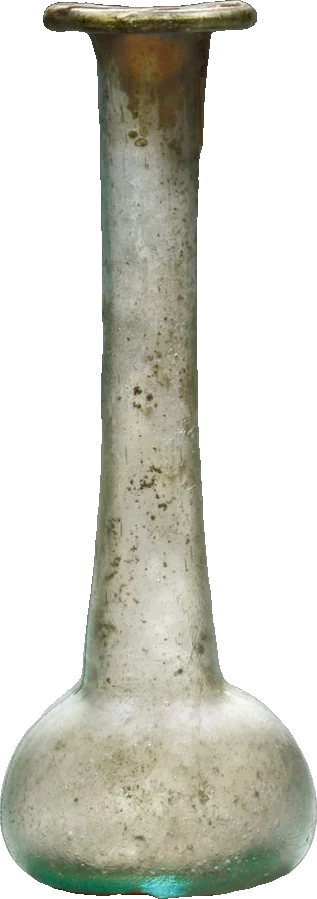 Candlestick Unguentarium4th–5th century A.D.
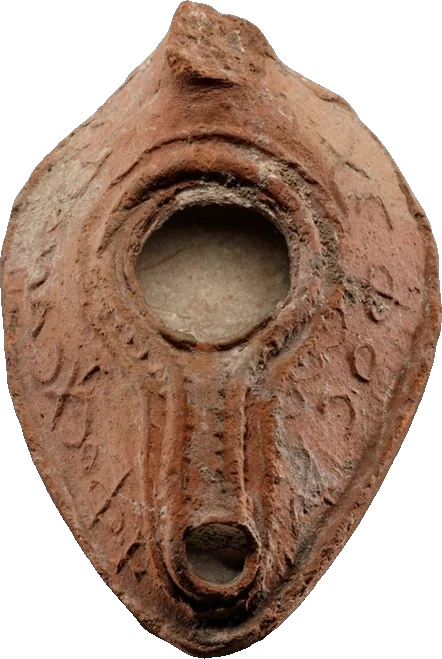 Oil lamp4th–6th century A.D.
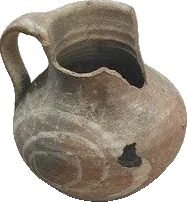 Jar5th–6th century A.D.
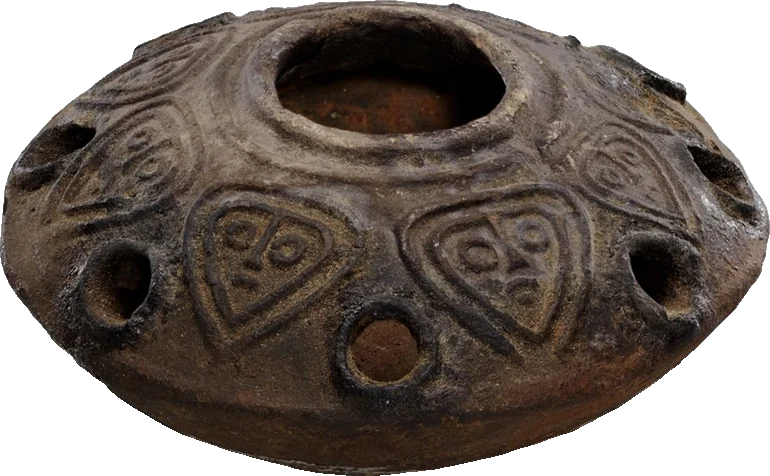 Round lamp with eight holes5th–6th century A.D.
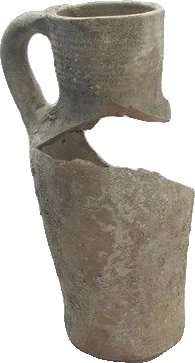 Jug6th–7th century A.D.
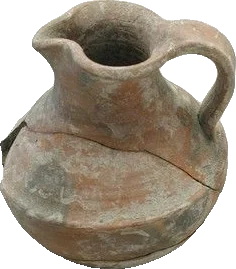 Jug6th–early 7th century A.D.
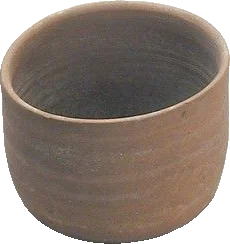 Jug6th–7th century A.D.
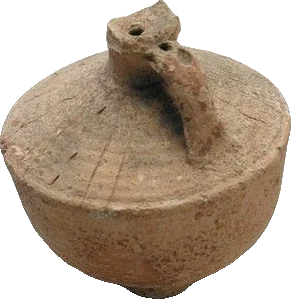 Flagon6th–7th century A.D.
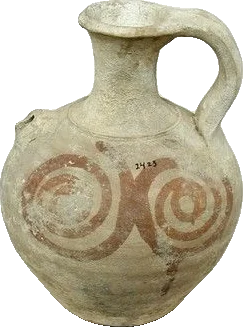 Jug6–7th Century A.D.
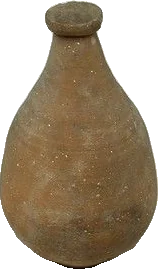 Bottle6th–7th century A.D.
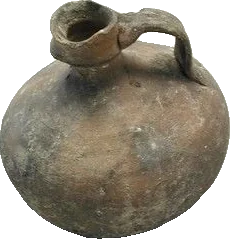 Jug6th–7th century A.D.
12 fun facts about Gerasa
- Emperor Hadrian spent the winter of A.D. 129 to 130 in Gerasa, and the city put up a grand arch in his honor. nationalgeographic.com
- A floor mosaic from about A.D. 540, now at Yale, shows two Egyptian cities, Alexandria and Memphis, with Nile plants. It was found in 1932 in the Church of Saints Peter and Paul. news.yale.edu
- Yale conservators began restoring the Alexandria and Memphis mosaic in 2009. They swapped its heavy concrete backing for foam and fiberglass on an aluminum frame, and it went on display in 2012. news.yale.edu
- Eleven tall columns of the Temple of Artemis still stand, each about 13.2 meters (43 feet) high, with their leafy Corinthian tops well preserved. en.wikipedia.org
- The Temple of Artemis was never finished. Later its inner hall became a public reception hall with a mosaic floor, and later still a fortified home in a quarter of craftsmen. en.wikipedia.org
- In 1930 the Yale team found the Temple of Artemis under about 20 feet of debris, along with hundreds of coins from Roman, Byzantine and Arab times. jta.org
- The South Theater could seat about 3,000 people. It was built at the end of the first century A.D. under Emperor Domitian. nationalgeographic.com
- A marked stone in the middle of the South Theater lets a person speaking in a normal voice be heard easily all through the seats. en.wikipedia.org
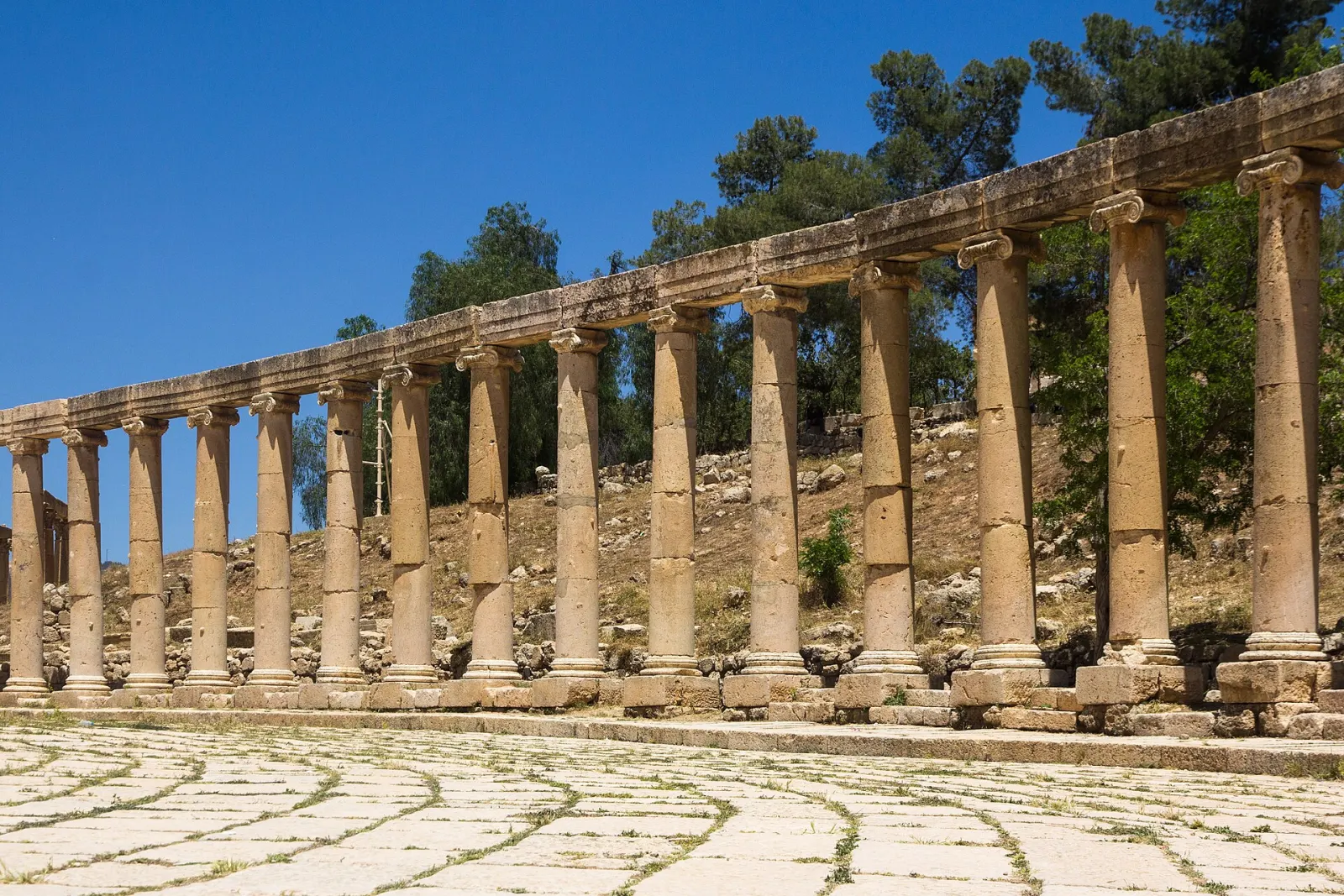
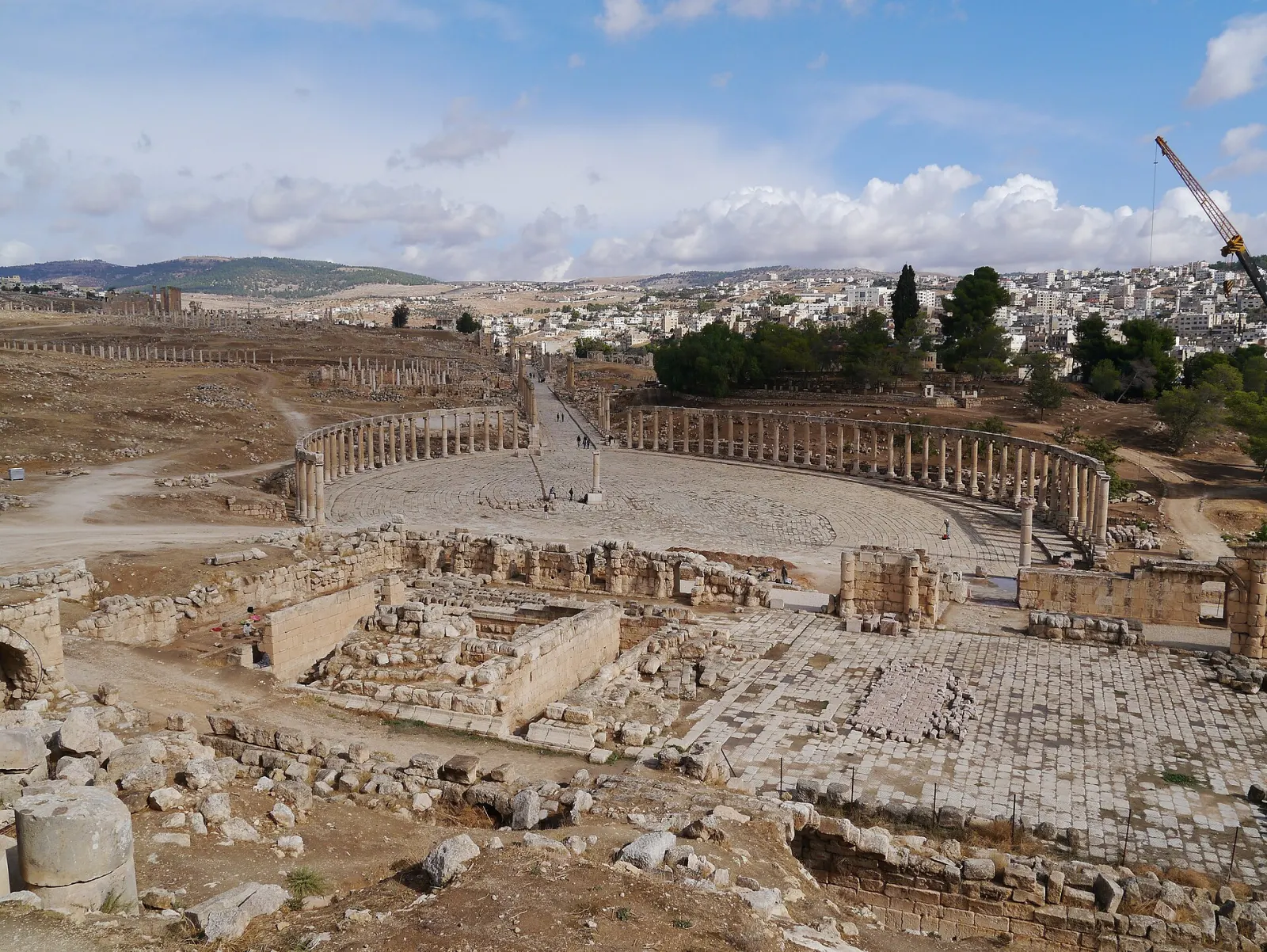
- Gerasa has an oval plaza about 300 feet long, ringed by a row of Ionic columns. en.wikipedia.org
- Between the fourth and seventh centuries A.D., at least 14 churches were built in Gerasa, many of them with mosaic floors. en.wikipedia.org
- Gerasa lay on the King's Highway, a road that carried grain, incense, pearls and spices. Emperor Trajan had it paved and renamed the Via Nova Traiana. nationalgeographic.com
- Rome grouped Gerasa with nine other cities in a league called the Decapolis. They were allowed to run their own affairs much like small independent states. nationalgeographic.com
In the game these unlock one by one as you dig here.
The name
The city's early official name was Antiochia ad Chrysorrhoam, "Antioch beside the river of gold," probably given by the Seleucid king Antiochus IV. An old story linked the names Gerasa and Jerash to elderly veterans of Alexander the Great, but historians think that story is unlikely. nationalgeographic.com
Life here
Gerasa grew rich from trade along the King's Highway, which carried grain, incense, pearls and spices. Its people gathered in theaters and temples, and in A.D. 129 to 130 they even hosted Emperor Hadrian for a whole winter. nationalgeographic.com
Who dug here
Travelers W. J. Bankes and C. Barry explored the vaults under the Temple of Artemis in 1816 to 1819. From 1928 to 1934 Clarence Stanley Fisher and the Anglo-American expedition cleared its porch. An Italian archaeological mission has worked there since 1978, and a conservation project began in 2018. en.wikipedia.org
Gerasa today
About 330,000 people visited Jerash in 2018. Its ancient city walls still form an almost complete circle. Since 1981 the ruins have hosted the Jerash Festival, three weeks of summer music, dance and theater. en.wikipedia.org
Gerasa today and in the past
Dig at Gerasa yourself: open a trench, brush the soil away layer by layer and find these objects in the game.
Dig at Gerasa