
Rhine Frontier · Netherlands
Nijmegen
Nijmegen, on the Waal River, the main branch of the Rhine, is the oldest city in the Netherlands. In the first century BCE the Romans built an army camp on the hills here, with a view over the river. A Batavian town grew beside it and was destroyed in the Batavian revolt of 69 CE. Afterwards the Tenth Legion was stationed in a new fortress, and in 98 CE the town received Roman city rights. Emperor Trajan renamed it Ulpia Noviomagus Batavorum. Source
These finds are in the Rijksmuseum van Oudheden in Leiden; the museum record gives the place each was found.
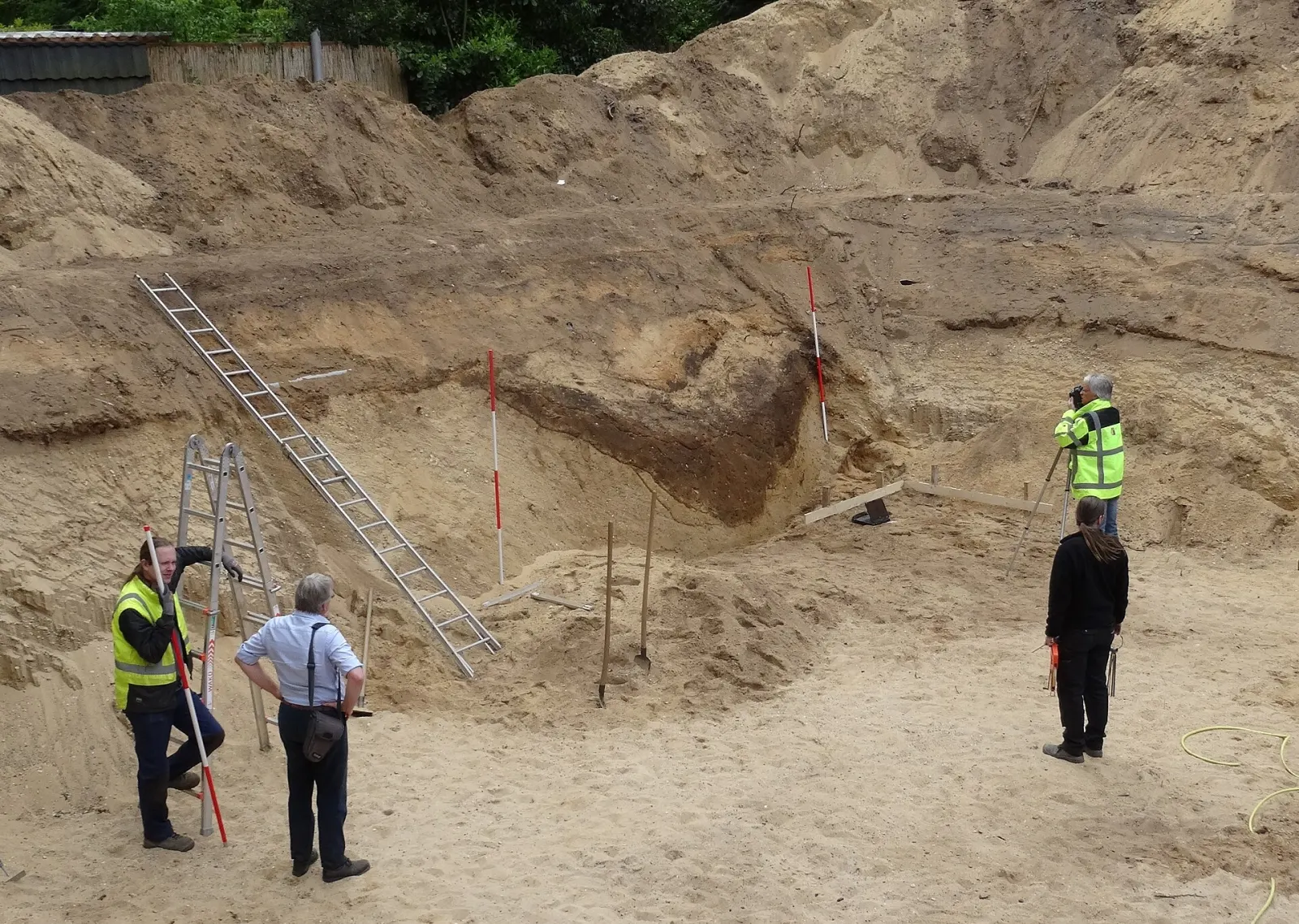
36 objects found here
Each one was found at Nijmegen, as the museum record says. Today they are in Rijksmuseum van Oudheden (National Museum of Antiquities). Oldest first.
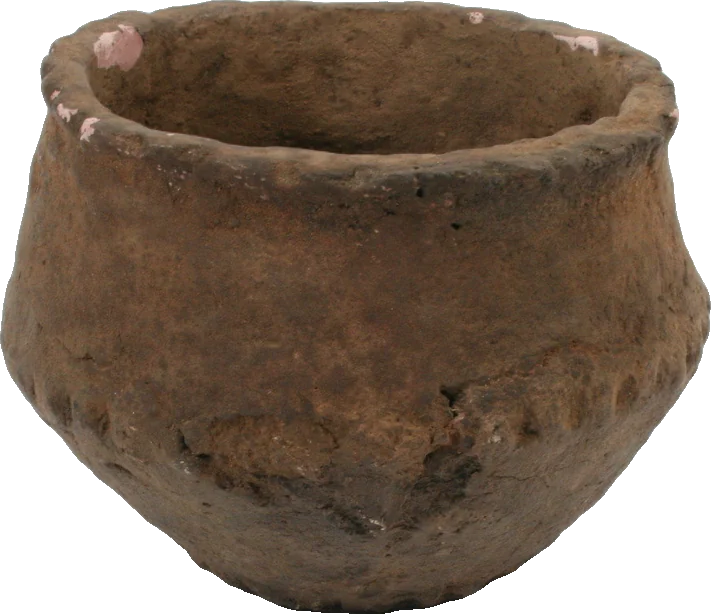 Small pot decorated with fingernail marks1200–800 B.C.
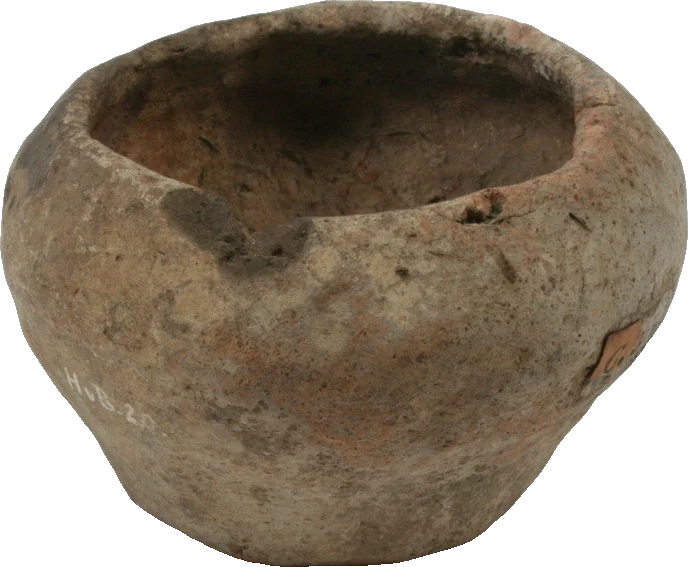 Rough little bowl of white clay1200–500 B.C.
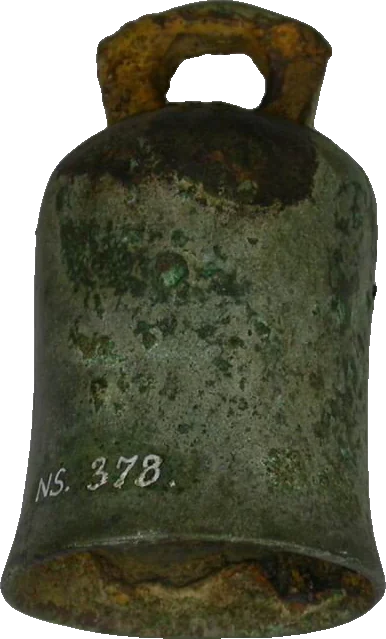 Beehive-shaped bellA.D. 1–300
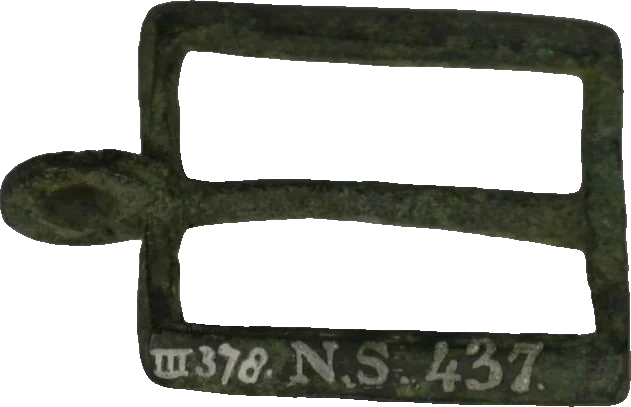 Bronze buckle with a small ringA.D. 1–300
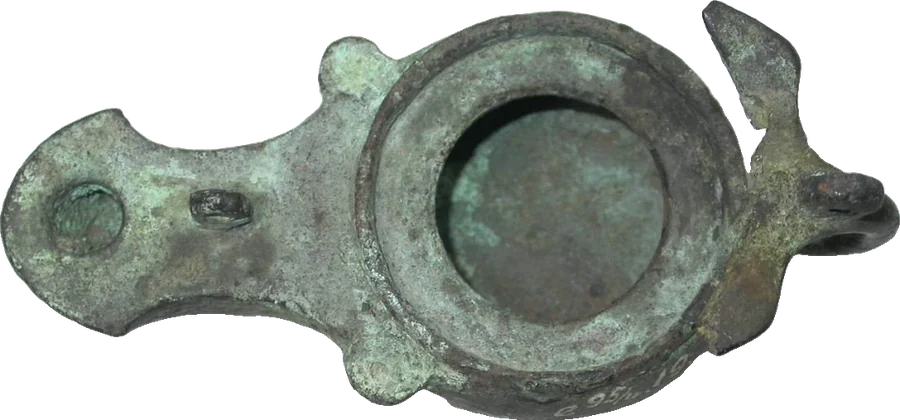 Bronze lamp that hung on chainsA.D. 1–300
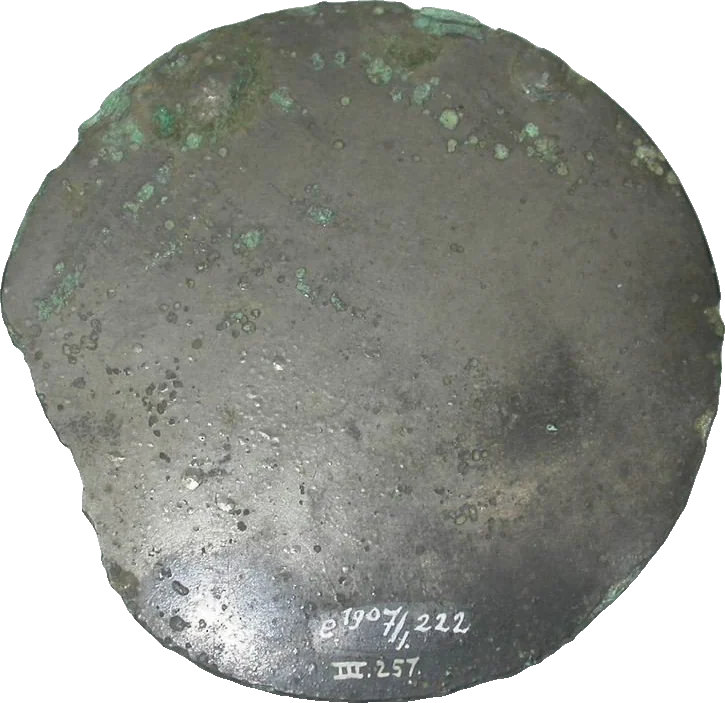 Round bronze mirrorA.D. 1–300
 Small bronze tongsA.D. 1–300
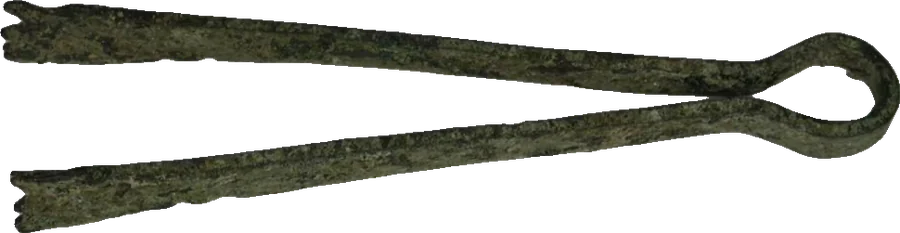 Bronze tweezersA.D. 1–300
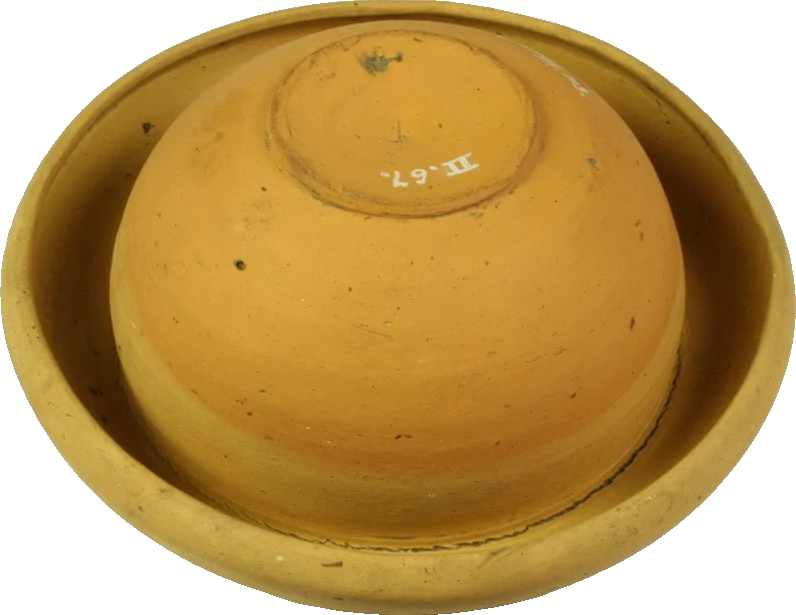 Small dish with traces of goldA.D. 1–25
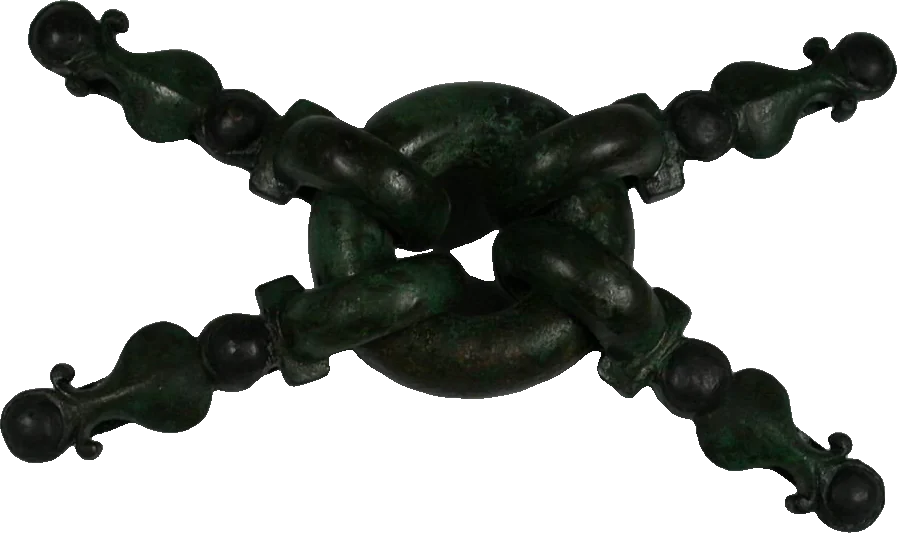 Ring with four strap mountsA.D. 1–300
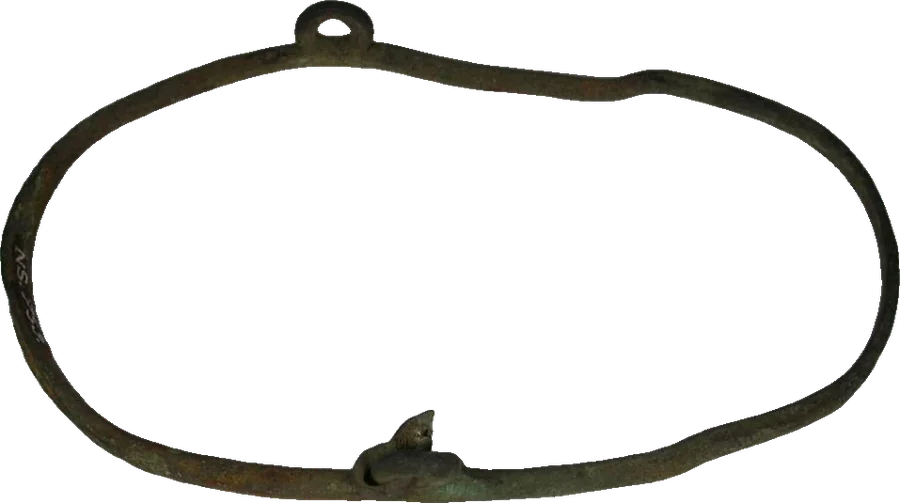 Horse bitA.D. 1–300
 Iron nailA.D. 1–300
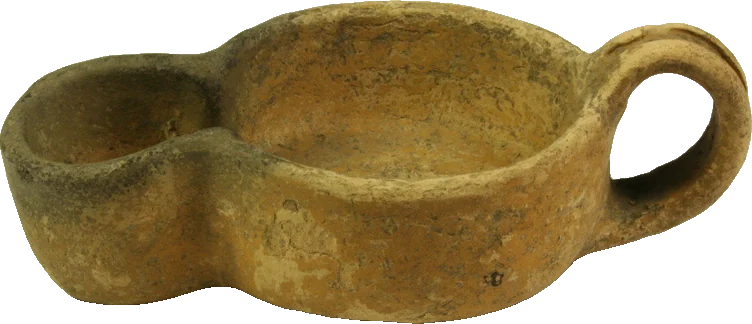 Open clay lampA.D. 1–300
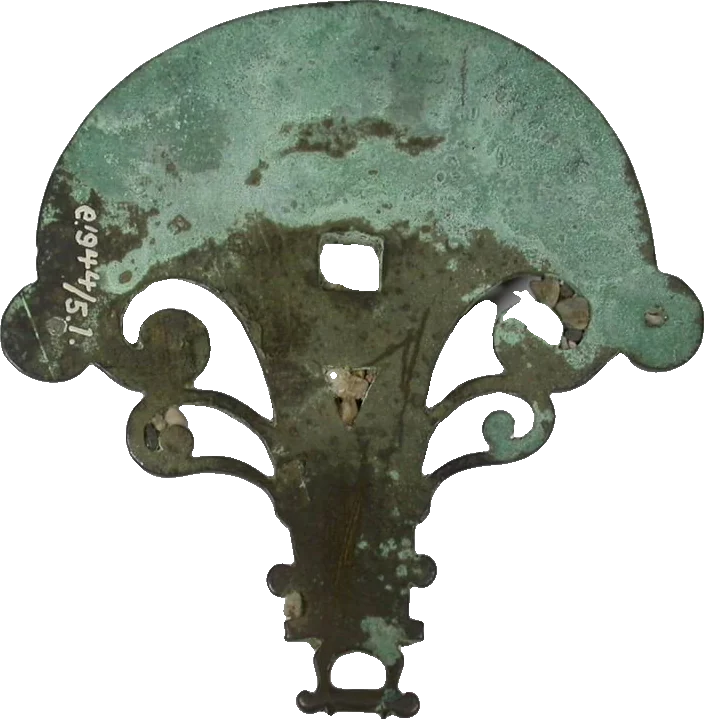 Openwork bronze ornamentA.D. 1–300
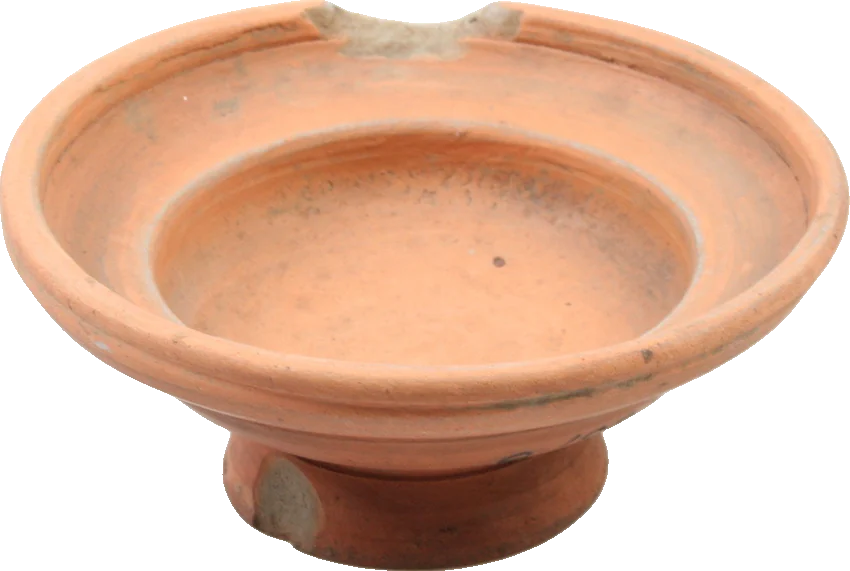 Little cup with pinched sidesA.D. 1–300
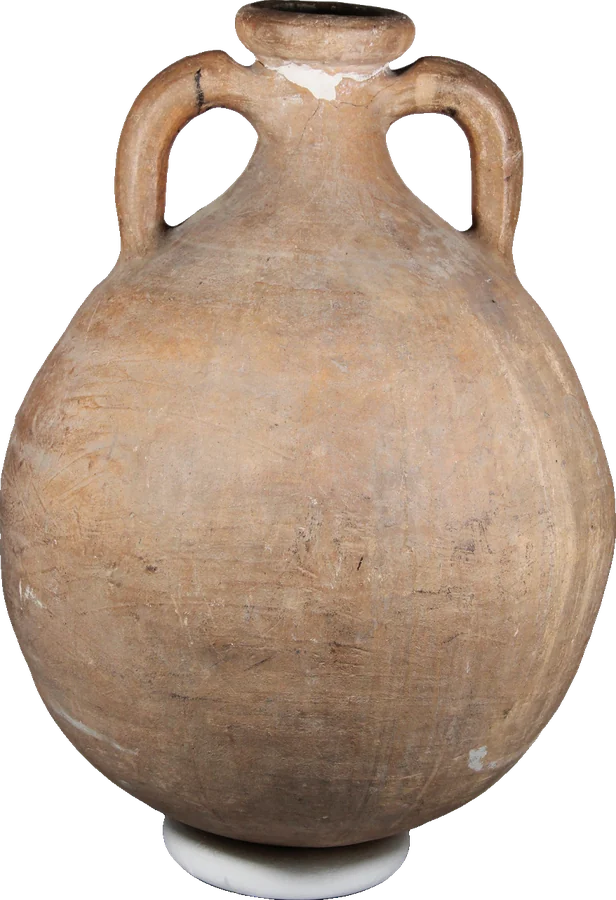 AmphoraA.D. 1–300
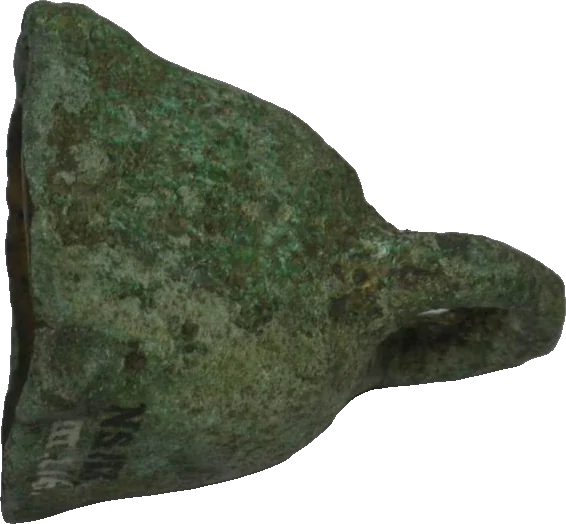 Small bronze bellA.D. 1–300
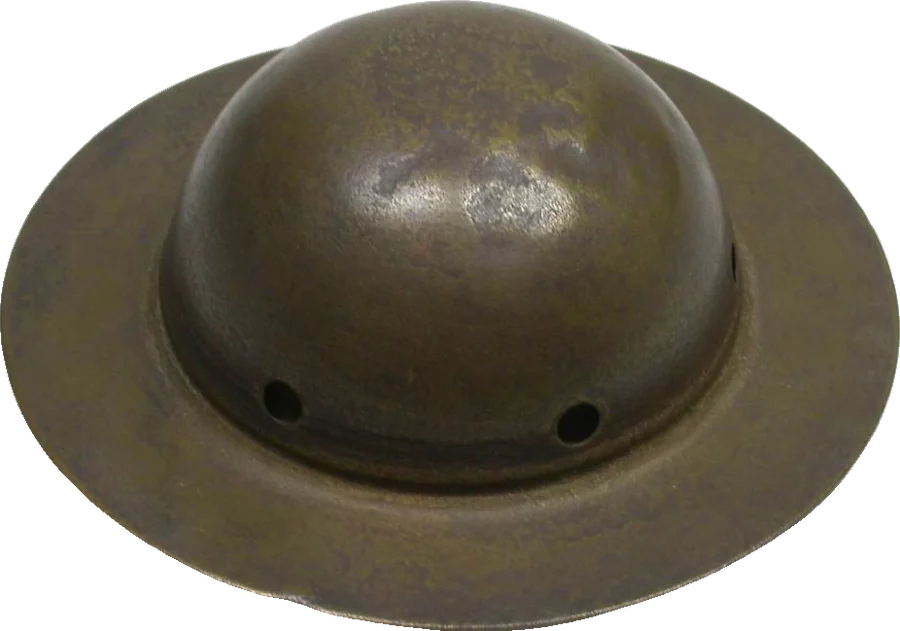 Small bronze boss, perhaps from a shieldA.D. 1–300
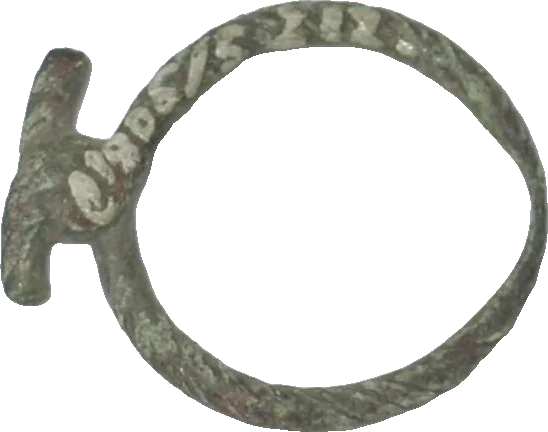 Small bronze ringA.D. 1–300
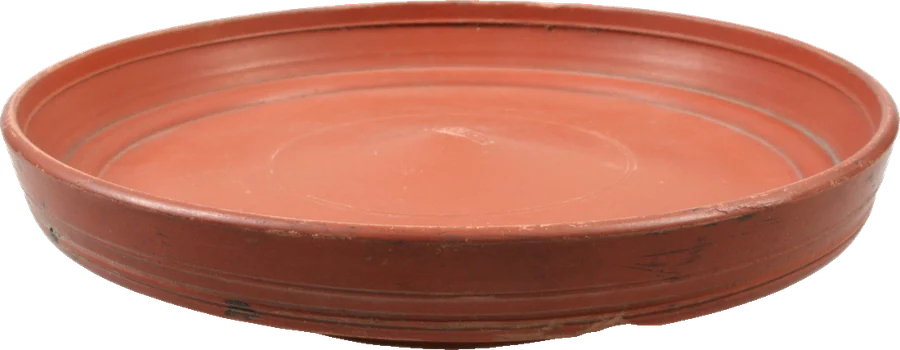 Terra sigillata plate stamped by TestiusA.D. 20–40
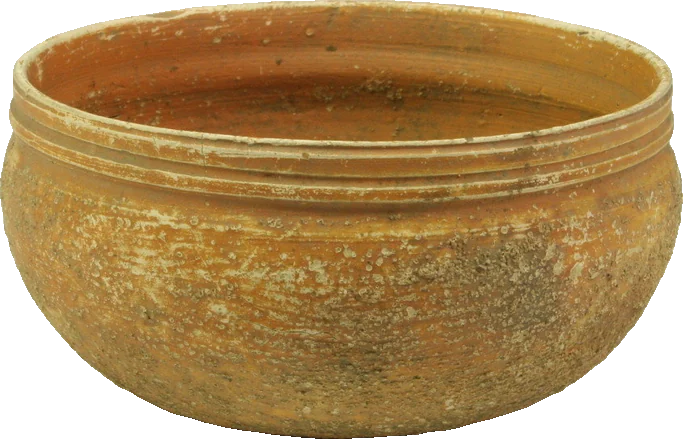 Little bowl dusted with sandA.D. 25–70
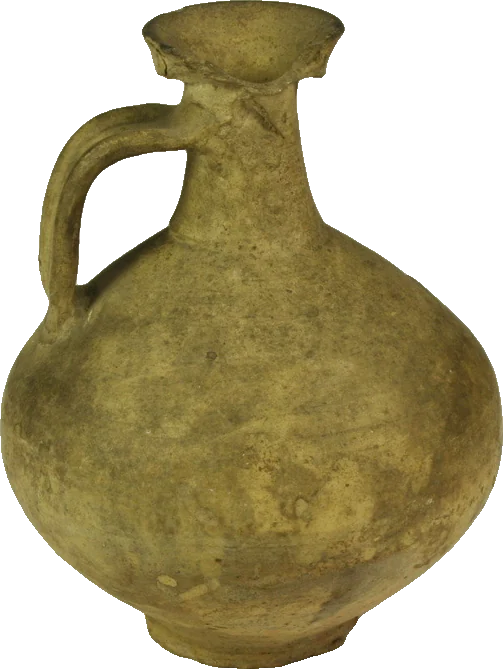 Pipeclay jugca. A.D. 50
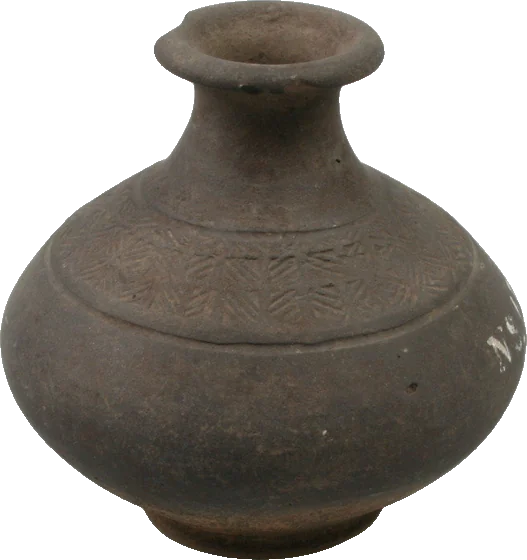 Little terra nigra flaskca. A.D. 50
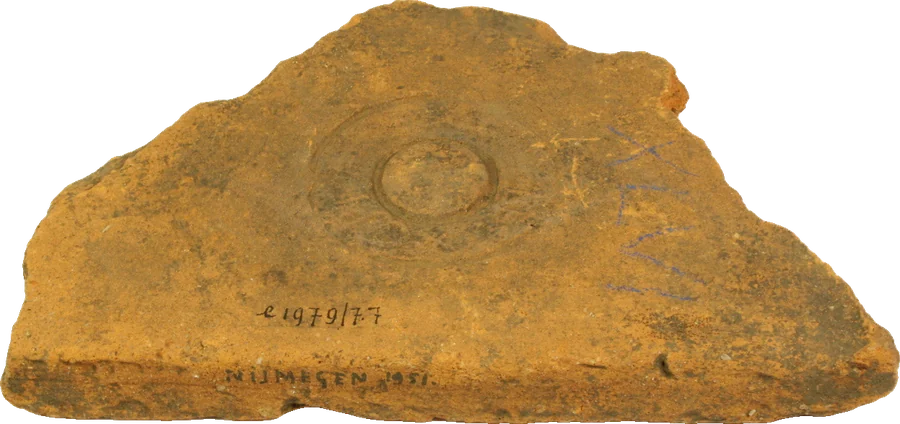 Roof tile stamped by the Tenth LegionA.D. 89–300
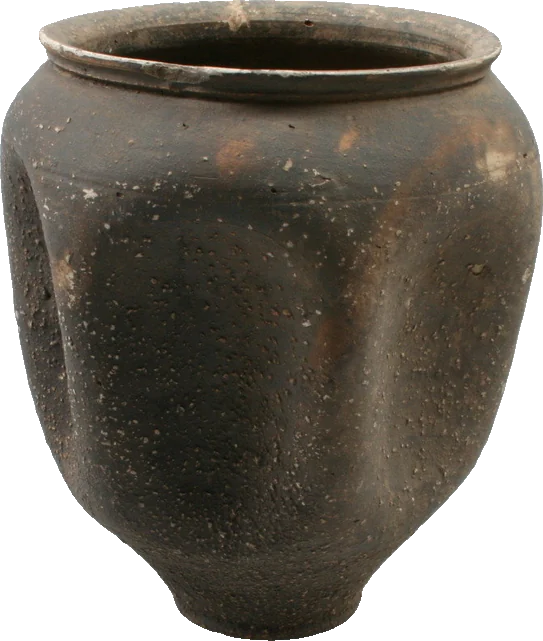 Grey beaker with pinched-in sidesA.D. 100–200
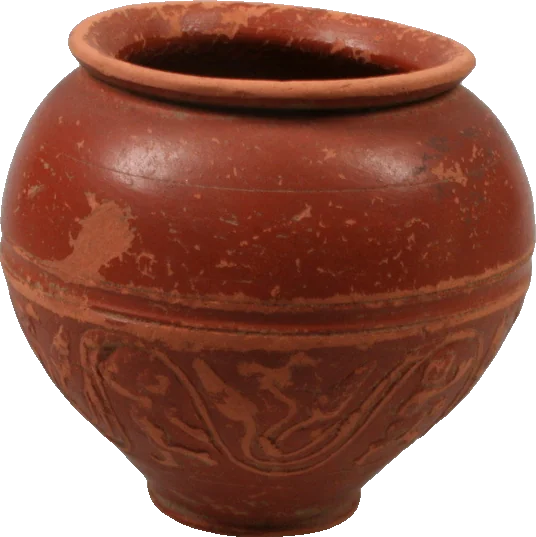 Terra sigillata pot with relief decorationA.D. 100–120
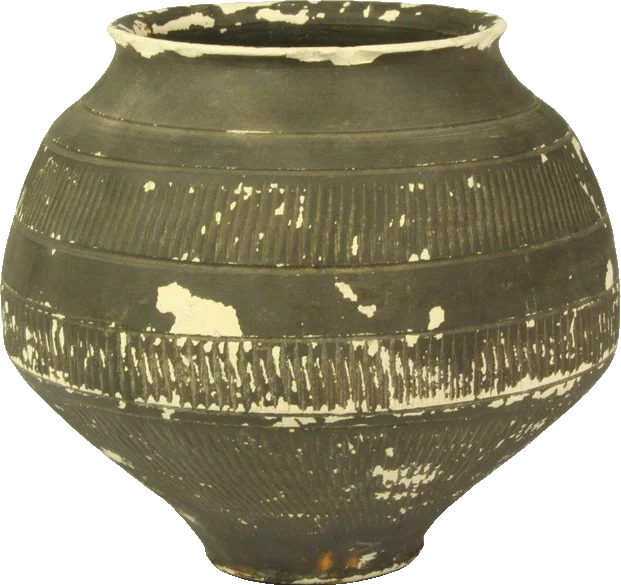 Beaker with a glossy coatA.D. 150–250
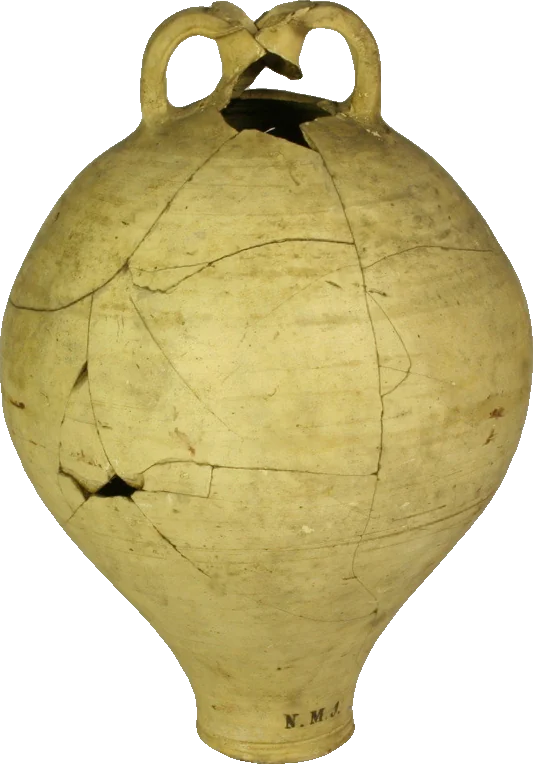 Tall pear-shaped jug-amphoraA.D. 150–200
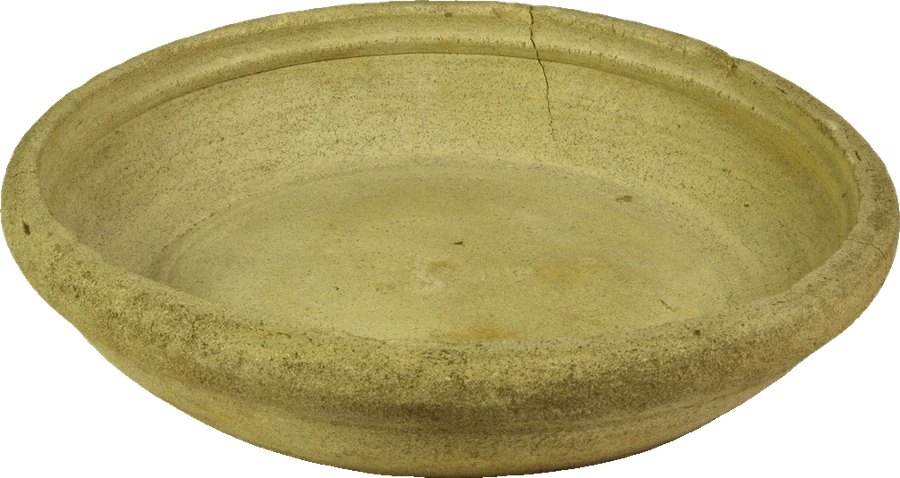 Light grey dishA.D. 175–325
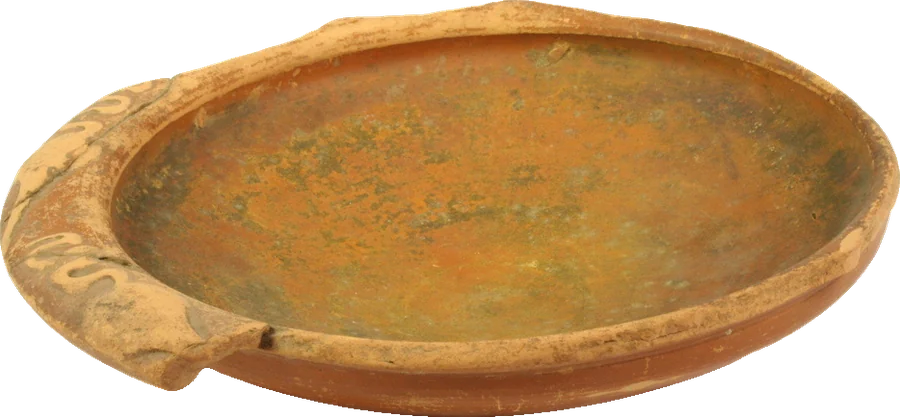 Terra sigillata bowlA.D. 175–200
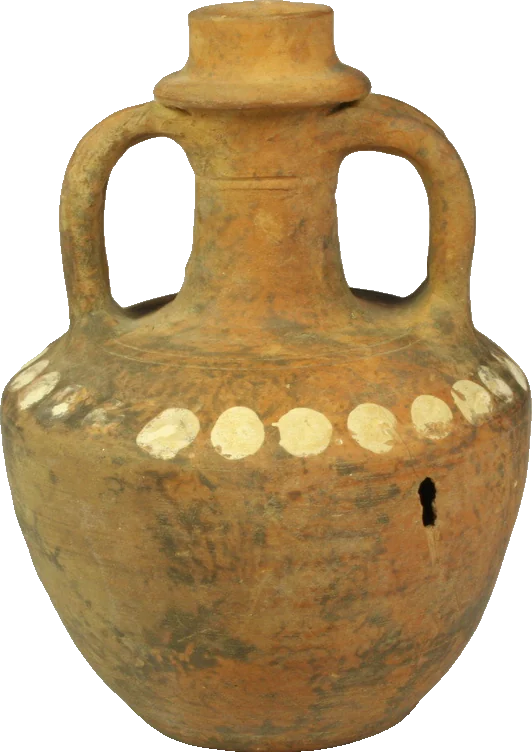 Two-handled jar with a wreath of white spotsA.D. 300–400
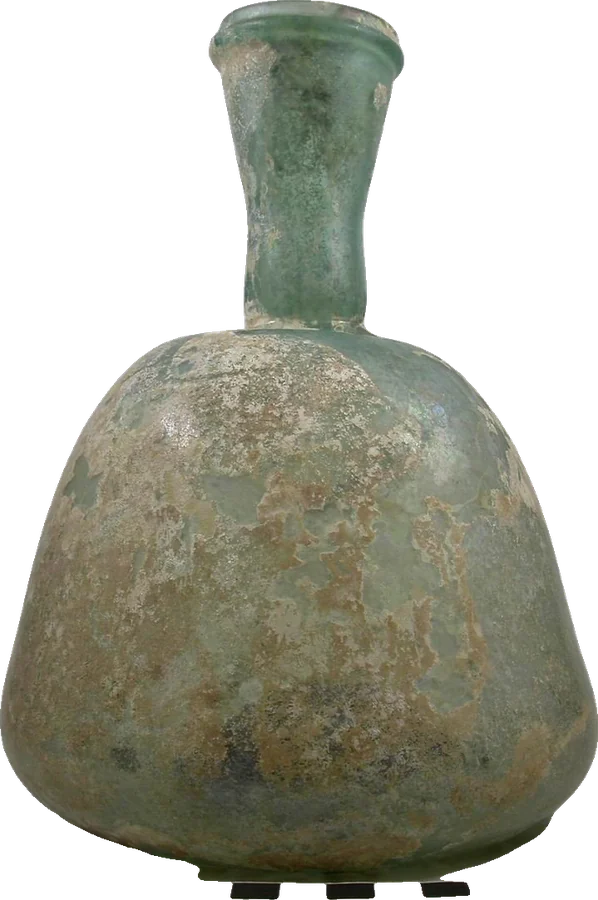 Blown glass bottleA.D. 300–400
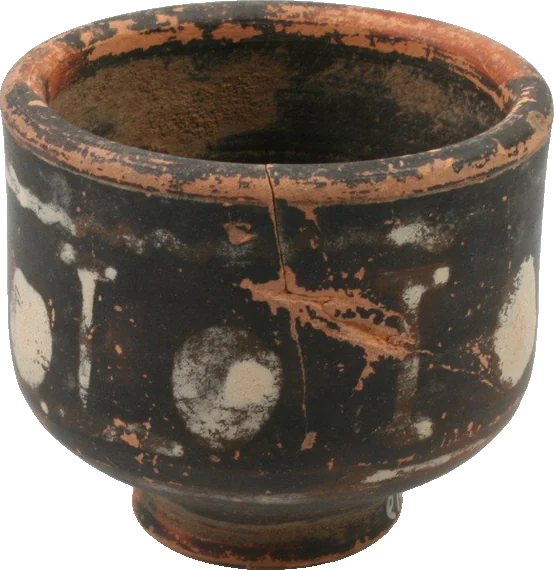 Drinking cup with the word "Felix"A.D. 300–400
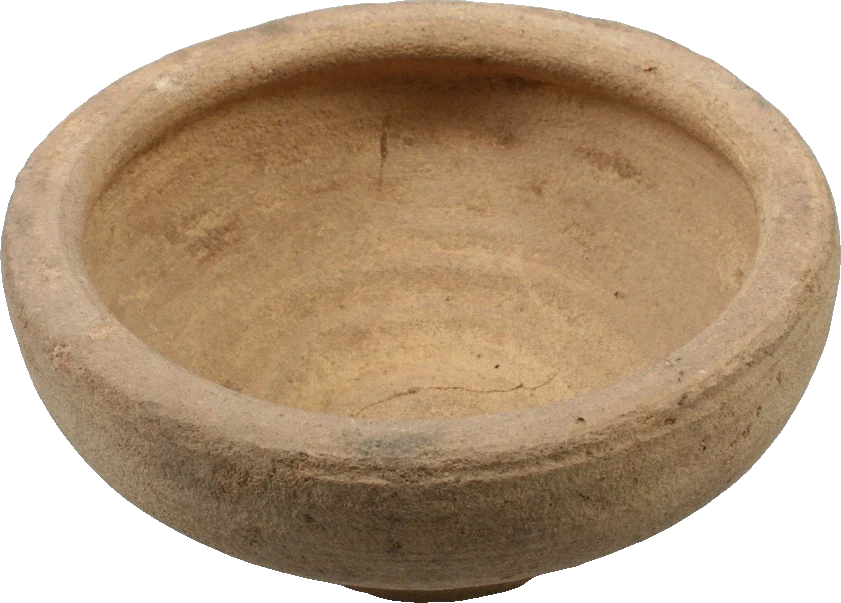 Rough-walled bowlA.D. 300–400
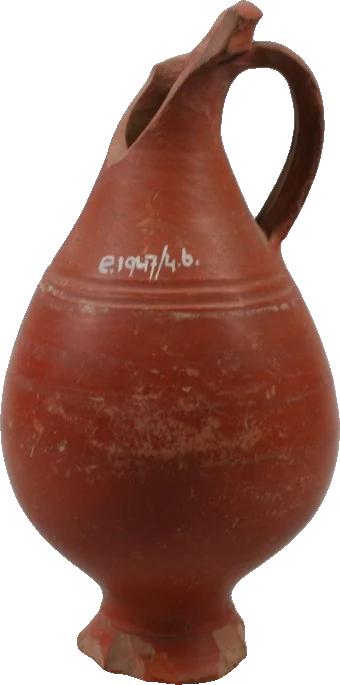 Terra sigillata jug with painted white bandsA.D. 300–325
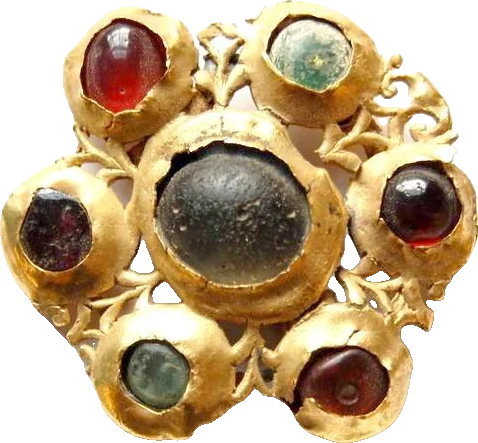 Brooch with set stonesA.D. 750–800
12 fun facts about Nijmegen
- A rubbish dump at the Kops Plateau fort shows a grand Roman meal: about 200 fish, among them carp and eel, plus duck, hare, suckling pig, lentils and olives. livius.org
- The commander's house at the Kops Plateau fort covered about 2,000 square meters (21,500 square feet) and looked like a villa in Italy. livius.org
- The Nijmegen Helmet, a Roman cavalry sports helmet with a silvered face mask and gilded lips and eyelids, was found in gravel in the Waal River around 1915. en.wikipedia.org
- Someone scratched a name, perhaps "Marcianus," on the right cheek of the Nijmegen Helmet's face mask. The helmet is now in the Valkhof Museum. en.wikipedia.org
- Archaeologists in Nijmegen dug up a palm-sized blue glass bowl about 2,000 years old, without a single chip or crack. thisiscolossal.com
- The blue bowl was made by pouring hot glass into a mold, and metal oxide gave it its color. It may have come from a glass workshop in Cologne or Xanten. thisiscolossal.com
- The first Roman fortress on the Hunerberg hill, founded in 19 B.C., measured 650 by 650 meters (about 2,100 by 2,100 feet) and held at least two legions. livius.org
- In the Middle Ages, local people thought the old Roman ruins were built by the Huns, so the hill is still called the Hunerberg, "mountain of the Huns." livius.org
- The stone fortress of the Tenth Legion had an aqueduct and a sewer. Its underground channel ran about 1.5 meters (5 feet) below the street and was covered with roof tiles. livius.org
- An amphora rim from the fortress is marked as the property of a centurion called Paulus the Macedonian. livius.org
- An inscription found at Nijmegen names Marcus Liberius Victor, a grain trader from the Nervii tribe. livius.org
- A wall painting of a deer and a peacock once decorated an officer's house in the Hunerberg fortress. livius.org
In the game these unlock one by one as you dig here.
The name
Nijmegen comes from the Roman name Noviomagus. It is a Latin form of an old Celtic place name: "novio" means new, and "magos" means field or market. Several other Roman towns, in Britain and Gaul, had the same name. en.wikipedia.org
Life here
After A.D. 70 the town of Noviomagus was rebuilt to the west, near the Waal River. The Romans saw it as a small town of about 5,000 people. Near the fortress were a market center, an amphitheater and an inn, and the town got a wall in the 170s. livius.org
Who dug here
The Hunerberg fortress was discovered in 1916 and dug almost completely from 1917 to 1921, with more work from 1951 on. At first diggers only reached the later stone buildings, so the earliest phase was not recognized until 1960. livius.org
Nijmegen today
Few Roman remains can be seen above ground. A piece of the old city wall stands near the casino, and the outline of the amphitheater is traced in the paving of Rembrandtstraat. Museum Het Valkhof shows the city's Roman finds, and in 2005 Nijmegen celebrated 2,000 years of existence. en.wikipedia.org
A record
The forum built east of the Hunerberg fortress measured about 166 by 137 meters (545 by 450 feet). It is the largest known Roman building in the Netherlands. livius.org
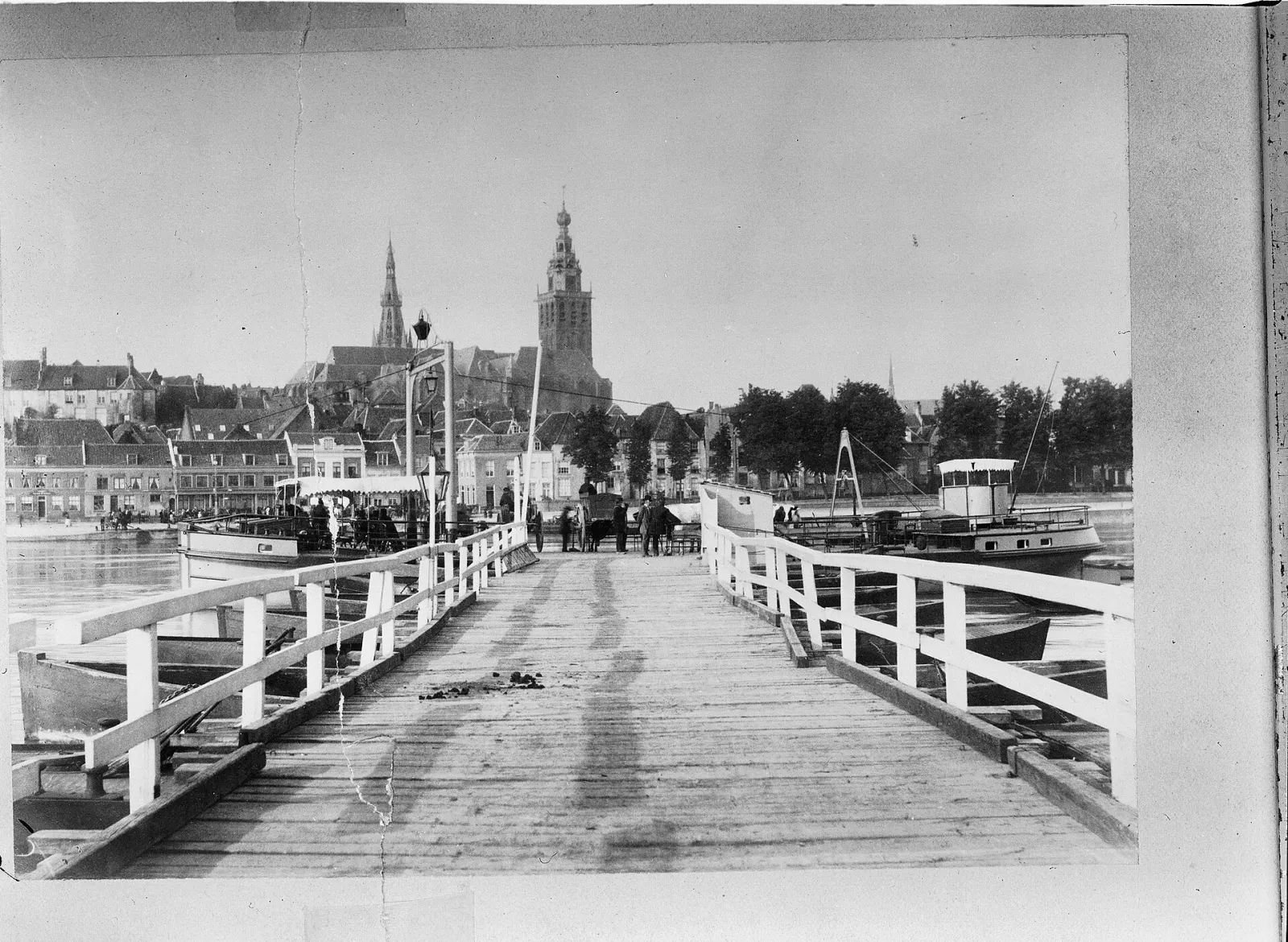
Nijmegen today and in the past
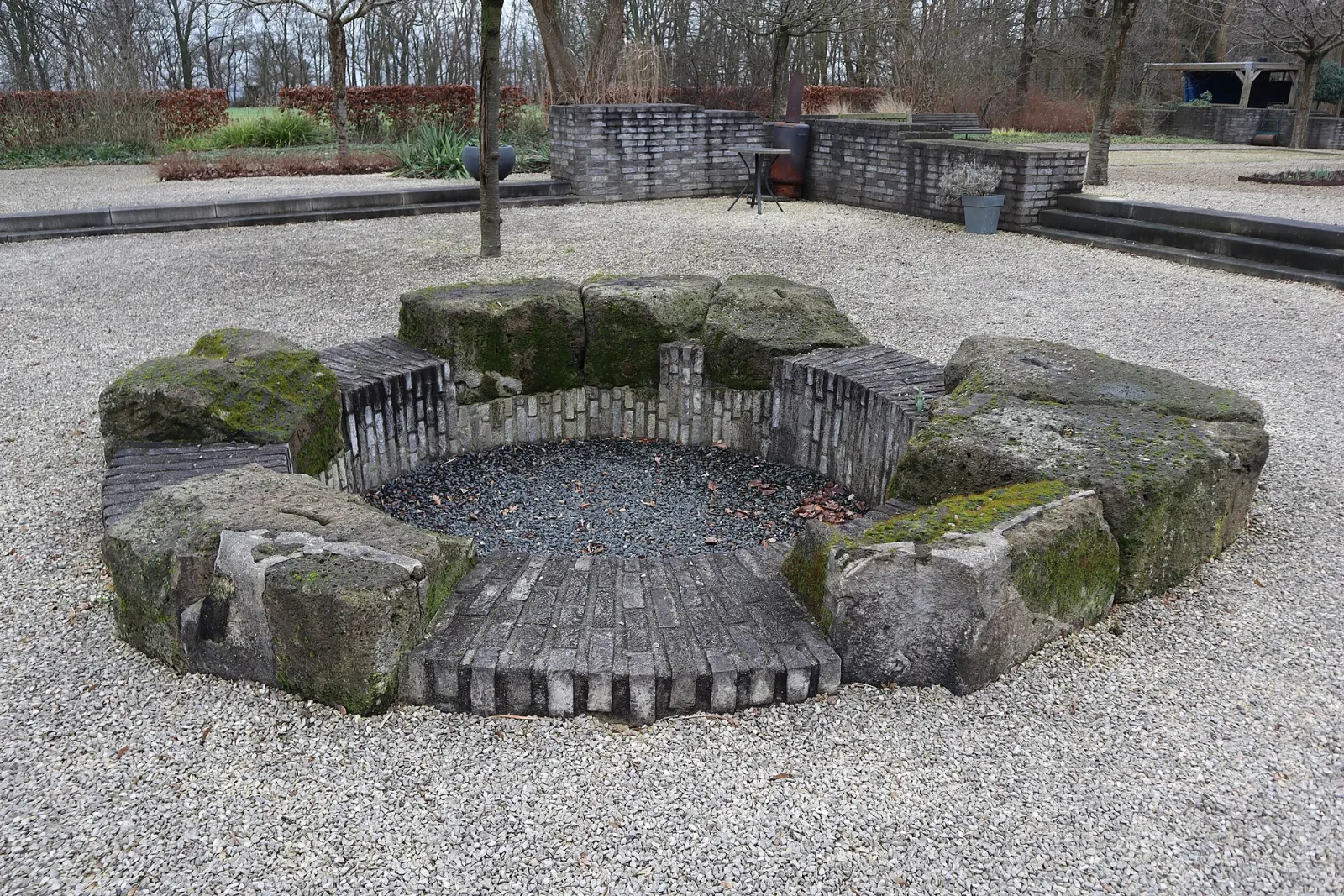
Dig at Nijmegen yourself: open a trench, brush the soil away layer by layer and find these objects in the game.
Dig at Nijmegen