
Sasanian · Important find
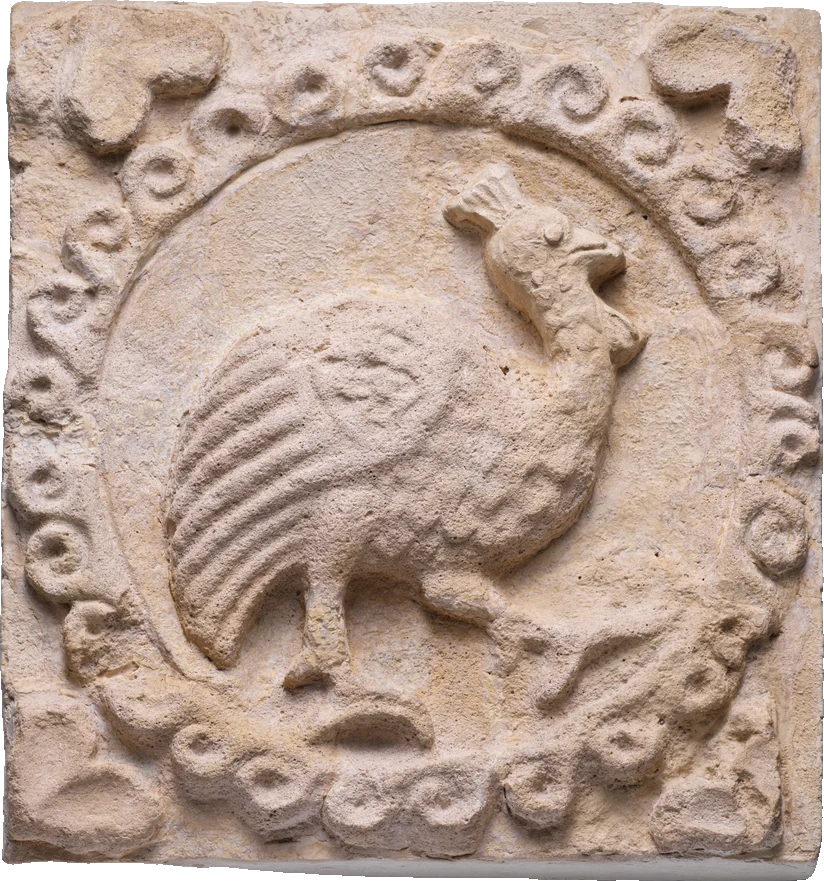
Wall panel with a bird in roundel
This object was really found at Ctesiphon by the joint expedition of The Metropolitan Museum of Art and the Berlin State Museums. Today it is in The Metropolitan Museum of Art in New York.
What is it?
Jewelry. Jewelry showed wealth and rank, and often protected its wearer. Gold, silver, faience, glass and shell were favorite materials. Source
Stucco. Plaster used to decorate walls, molded or carved into patterns and figures. Read more
Stucco. Lime or gypsum plaster, carved or pressed in molds to decorate walls.
Museum record
- Object
- Relief
- Culture
- Sasanian
- Date
- ca. 6th century CE
- Material
- Stucco
- Findspot
- Ctesiphon, Mesopotamia
- Size
- 10 1/2 × 9 3/4 × 2 1/2 in. (26.7 × 24.7 × 6.4 cm)
- Museum
- The Metropolitan Museum of Art, New York
- Number
- 32.150.13
- Credit
- Rogers Fund, 1932
Photo and record: The Metropolitan Museum of Art, Open Access (public domain, CC0), copied 2026-11-12. Background removed from the photo. Region: Mesopotamia.
More about this object
From the museum
One carved plaster panel from a house at Ctesiphon shows a bird that is probably a Congo peafowl, set inside a ring of curling designs. The Met
Culture
Sasanian: more objects from the same culture or period, with what we know about it.
More from Ctesiphon
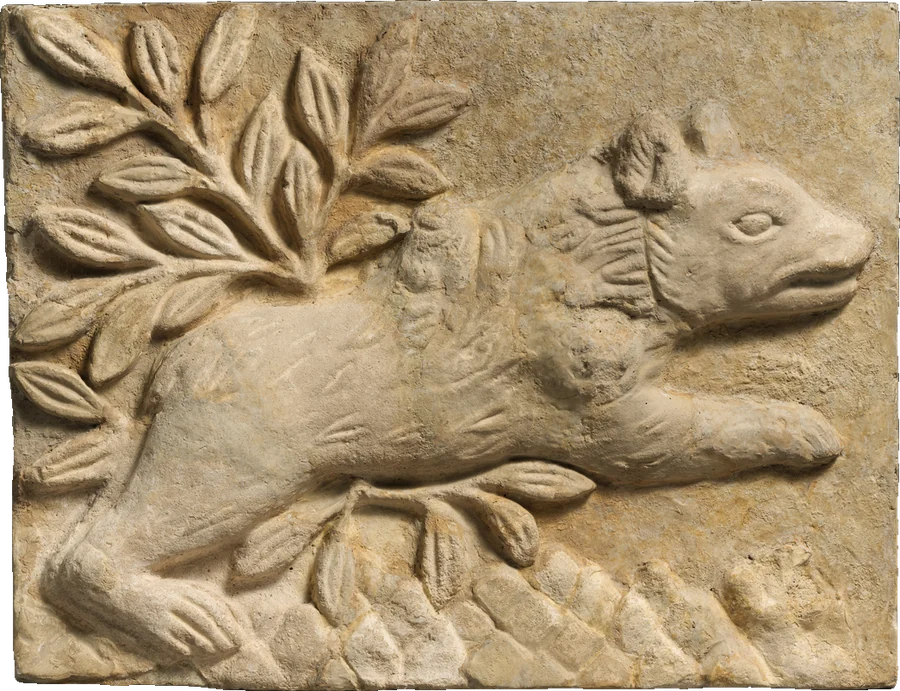 Wall panel with a charging bearca. 6th century CE
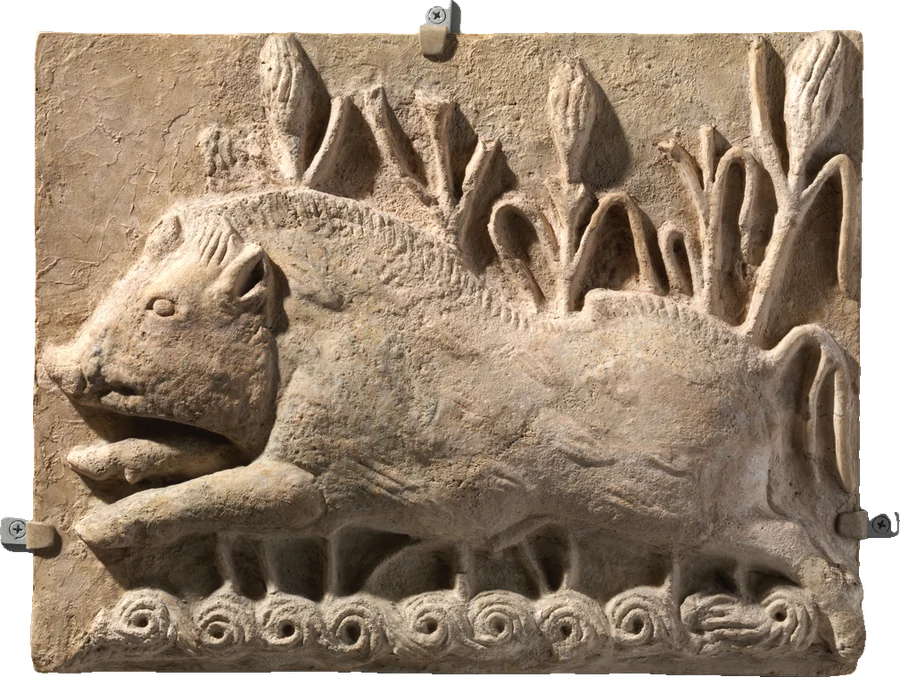 Wall panel with a charging boarca. 6th century CE
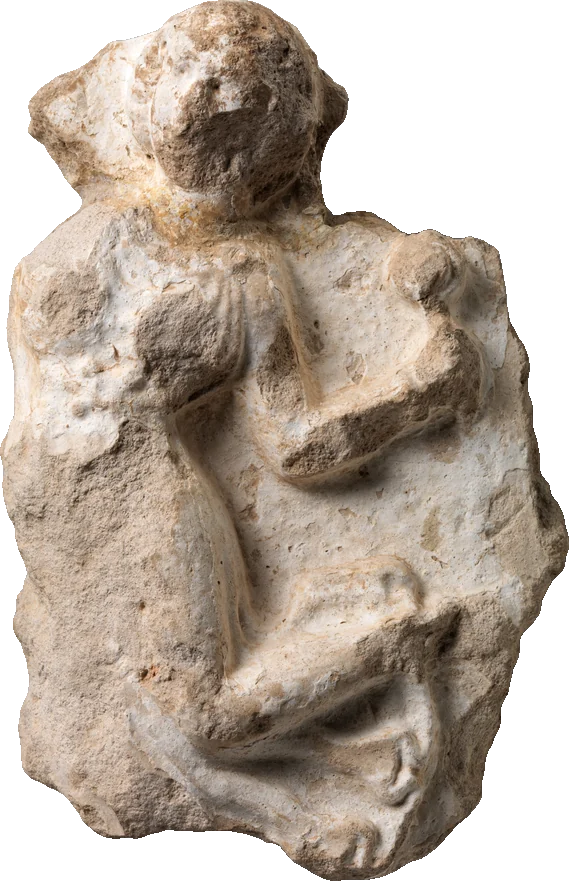 Fragment of a wall decoration with a female dancerca. 6th century CE
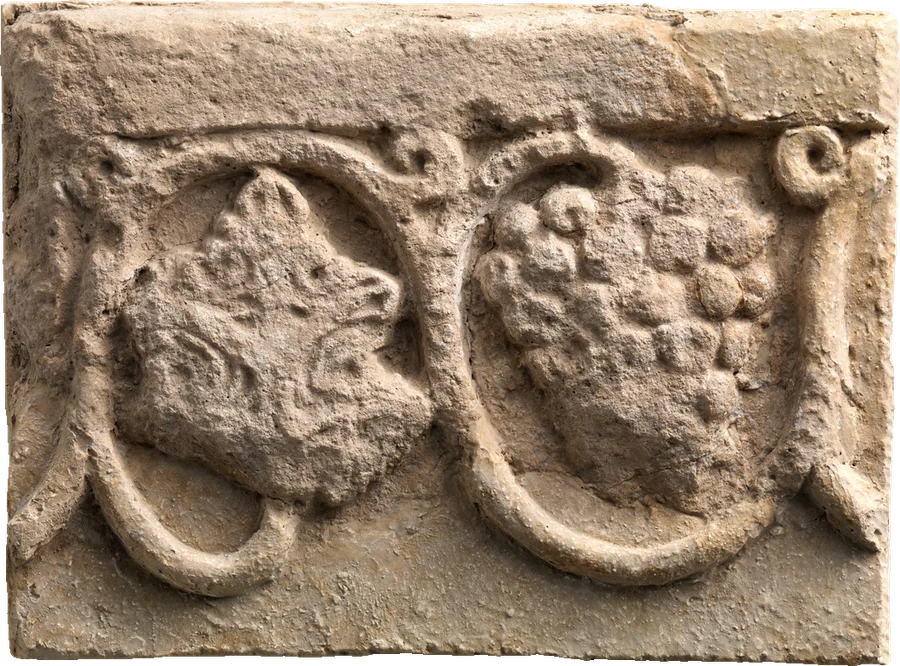 Wall decoration with a grapevineca. 6th century CE
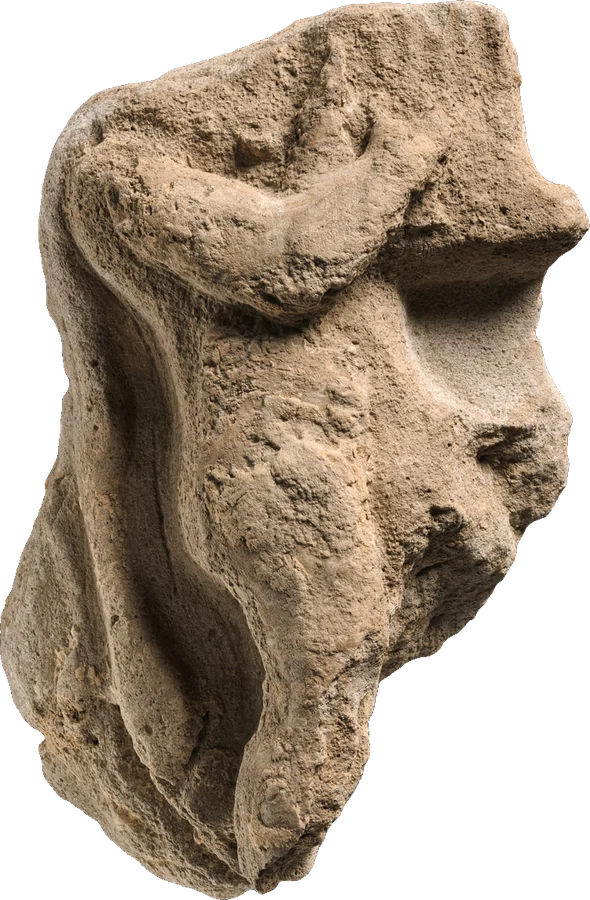 Fragment of a wall decoration with a figure playing a harpca. 6th century CE
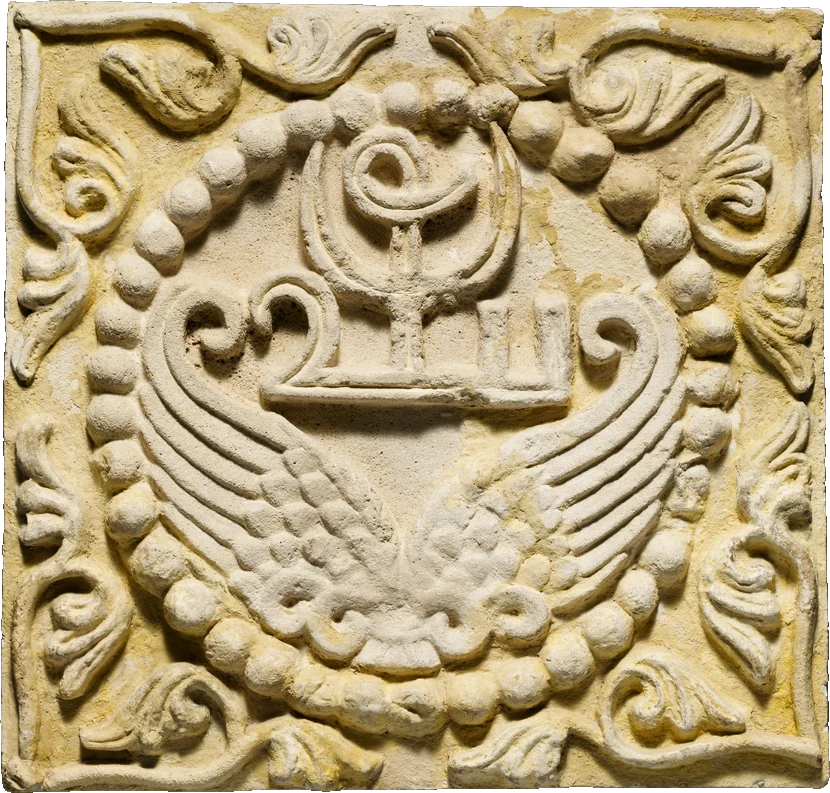 Wall panel with wings and a Pahlavi device encircled by pearlsca. 6th century CE
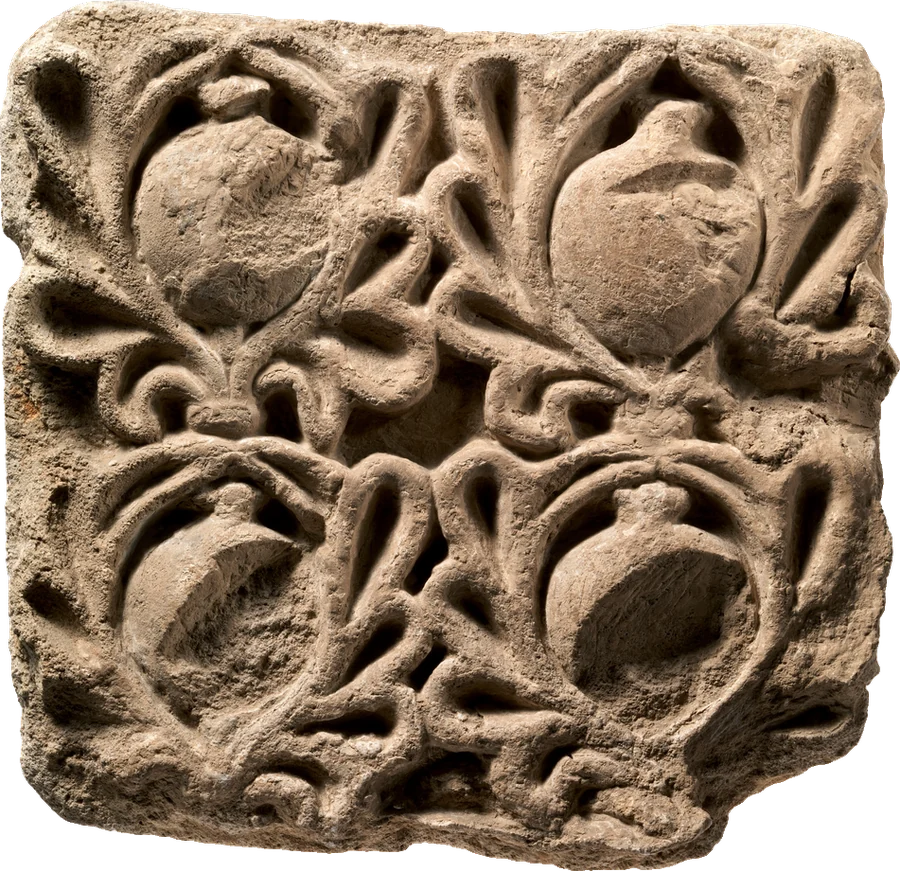 Wall decoration with pomegranates in palmettesca. 6th century CE
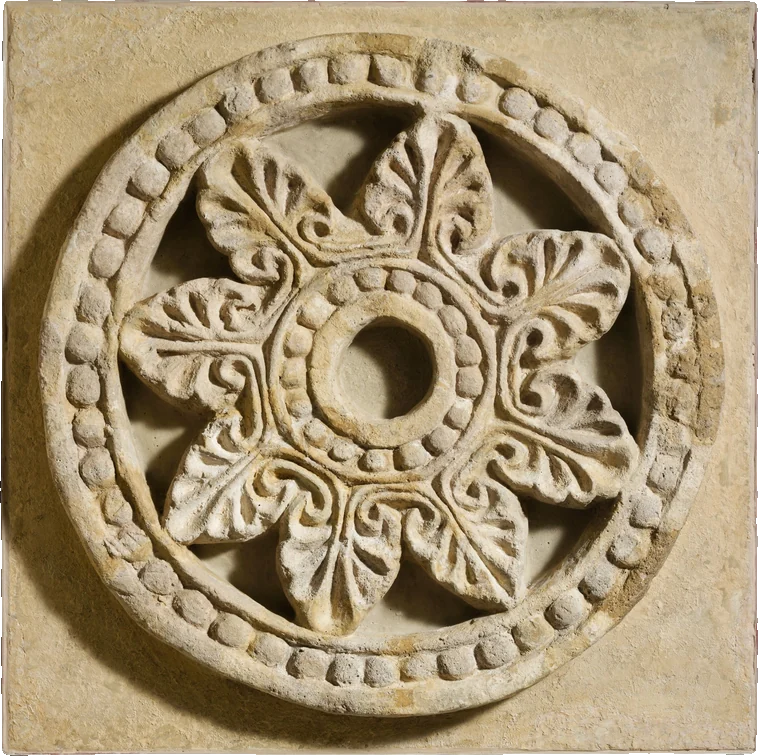 Window roundelca. 6th century CE