
Sasanian
The Sasanian Empire ruled Iran and Mesopotamia from A.D. 224 to 651, the last Persian empire before the rise of Islam. Its capital was Ctesiphon, on the Tigris near today's Baghdad.
Sasanian buildings were decorated with molded stucco, and officials sealed goods and documents with stamp seals pressed into clay.
Read more: Sasanian Empire on Wikipedia
49 objects in the game name this culture in their museum record. Found at Qasr-i Abu Nasr, Ctesiphon.
Words: Stucco, Seals and sealings, Glaze
12 fun facts: Sasanian
- The great arch of Taq Kasra at Ctesiphon is about 121 feet (37 m) high and 85 feet (26 m) across. It is the only part of the old capital still standing above ground. en.wikipedia.org
- A Sasanian silver plate showing King Shapur II hunting was made from nineteen separate pieces of metal, hammered and chased, then gilded using gold mixed with mercury. asia-archive.si.edu
- Silver plates showing a king on the hunt were probably royal gifts, showing off the ruler's strength and his large stores of silver. archive.asia.si.edu
- The Persians learned chess from India, where it was called chaturanga, and played it as chatrang. In return, they gave India the game of backgammon. en.wikipedia.org
- Polo, called chovgan, was part of the education of young Sasanian royals. Women played too: old stories tell of a queen and her ladies playing against King Khosrow II and his courtiers. en.wikipedia.org
- Only about two dozen Sasanian silk textiles survive. Woven in warm yellows, blues and greens, they are among the most highly valued fabrics today. en.wikipedia.org
- Sasanian builders learned to set a round dome on a square room using small arches across the corners. The dome room at Firuzabad is the oldest surviving example. en.wikipedia.org
- The huge Sasanian rock carvings at Naqsh-e Rustam and Taq-e Bostan were once painted in color. Only traces of the paint are left. en.wikipedia.org
- King Khosrow I had works of Plato and Aristotle translated into Middle Persian. A scholar named Borzuya translated the Indian animal fables of the Panchatantra. en.wikipedia.org
- A mythical bird called the simurgh served as a royal emblem and appears on Sasanian silver. en.wikipedia.org
- The academy of Gundishapur became a great center of learning under Khosrow I, where Christian scholars brought Syriac translations of Greek medical and philosophical books. en.wikipedia.org
- In 2018 UNESCO listed eight Sasanian sites in Fars province, Iran, together, including the Palace of Ardashir, the city of Bishapur and Sarvestan Palace. en.wikipedia.org
In the game these unlock one by one as you dig up their objects.
The name
The Sasanians are named after Sasan, an ancestor of the first king, Ardashir I. They called their own realm Eranshahr, "the empire of the Iranians". The name first appears in a great inscription of King Shapur I, who calls himself lord of the Empire of the Iranians. en.wikipedia.org
Daily life
Middle Persian was the official language, and Zoroastrianism was the state religion. Christians, Jews, Manichaeans and Buddhists lived in the empire too. Weavers made silks and tapestries, and brick walls inside buildings were covered with molded or carved plaster decoration. en.wikipedia.org
How we know
On June 1, 1936, a University of Chicago Oriental Institute team digging at Naqsh-e Rustam found a long inscription of King Shapur I on a stone tower. It is written in Greek and two kinds of Middle Persian, and lists his lands, his wars with Rome and the fire temples he founded. en.wikipedia.org
What they left us
Taq Kasra still stands in Iraq, but a flood in 1888 destroyed much of the building. It has been repaired several times, including work by the University of Chicago from 2004 to 2008 and a restoration finished in 2017. Part of it collapsed again in March 2019. en.wikipedia.org
A record
At its greatest size under Khosrow II, the Sasanian Empire covered about 3.5 million square km (about 1.35 million square miles), from Iran and Iraq to the Caucasus, the Levant and Central Asia. en.wikipedia.org
Objects, oldest first
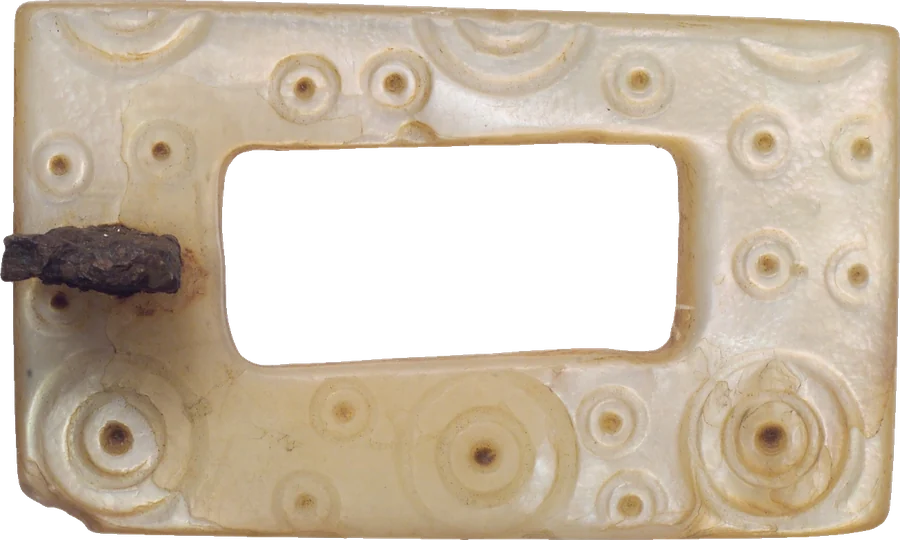 Buckleca. 2nd–4th century CE
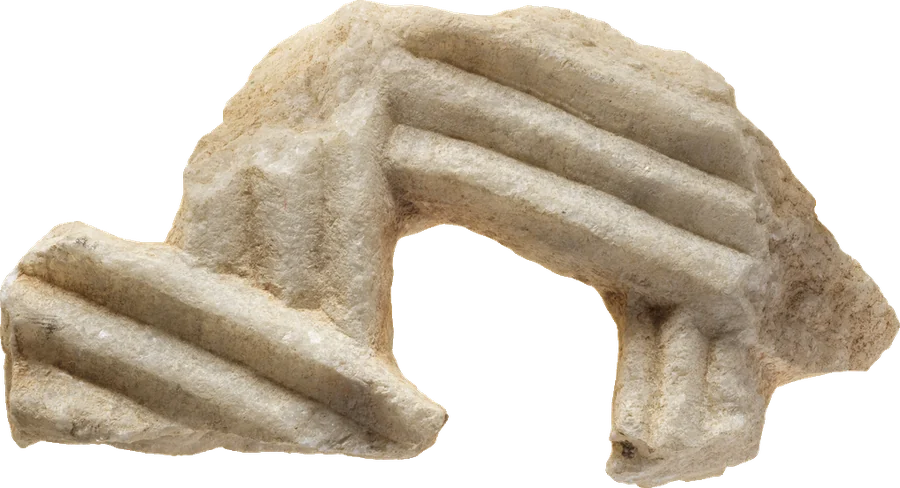 Grill fragmentca. 3rd–7th century CE
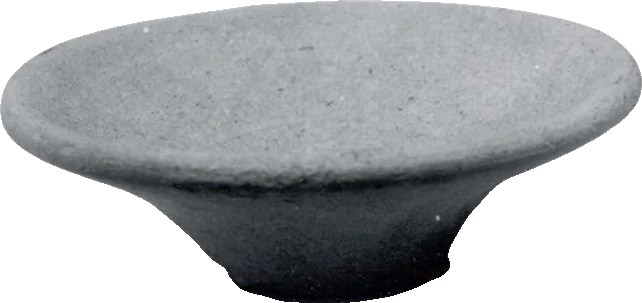 Bowlca. 3rd–7th century CE
 Arrowheadca. 3rd–7th century CE
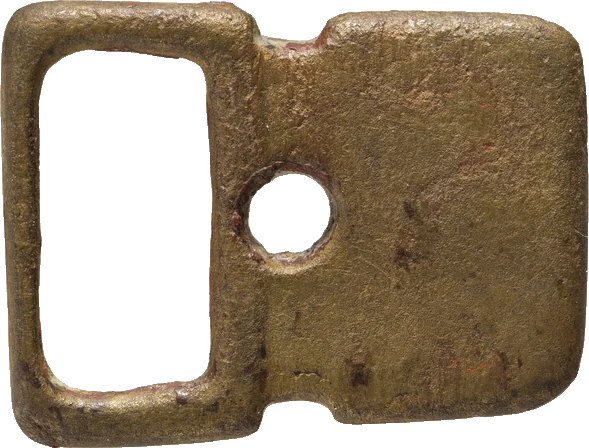 Belt buckleca. 3rd–7th century CE
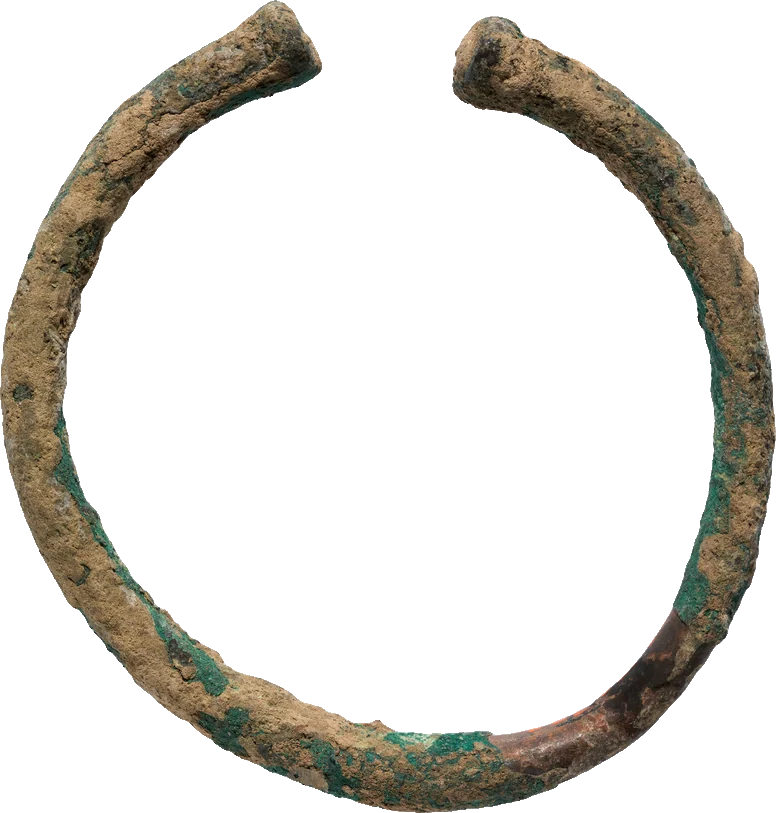 Braceletca. 3rd–7th century CE
 Earspoonca. 3rd–7th century CE
 Needleca. 3rd–7th century CE
 Pinca. 3rd–7th century CE
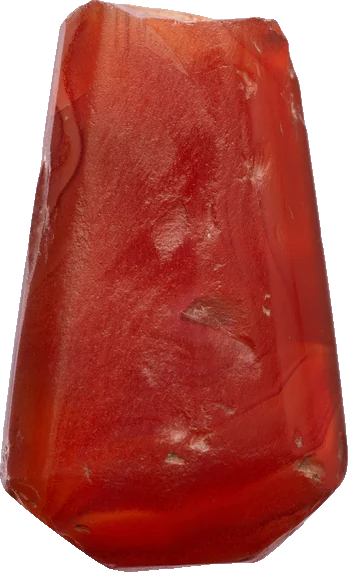 Pendant fragmentca. 3rd–7th century CE
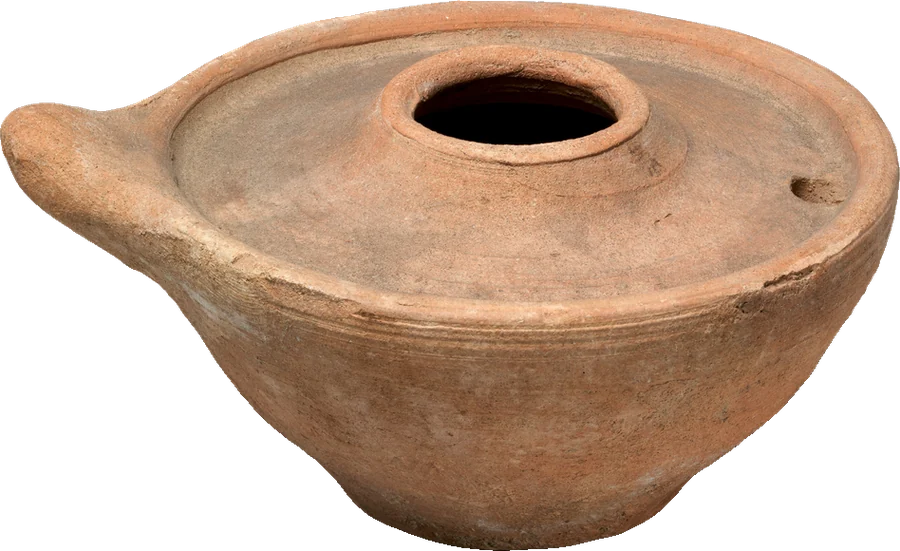 Lampca. 3rd–7th century CE
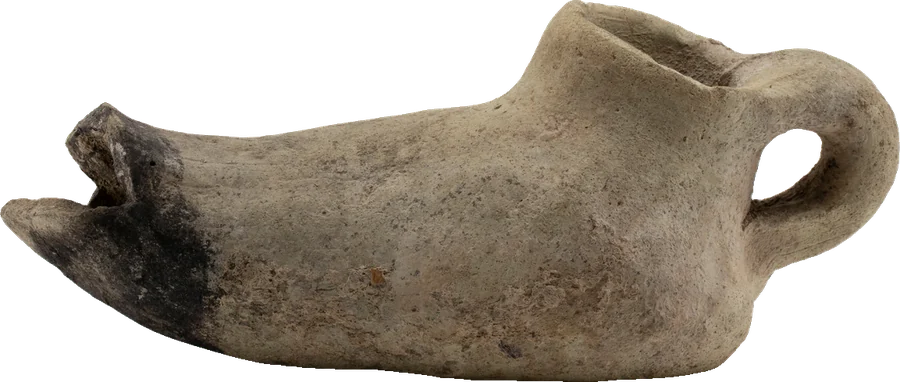 Lampca. 3rd–7th century CE
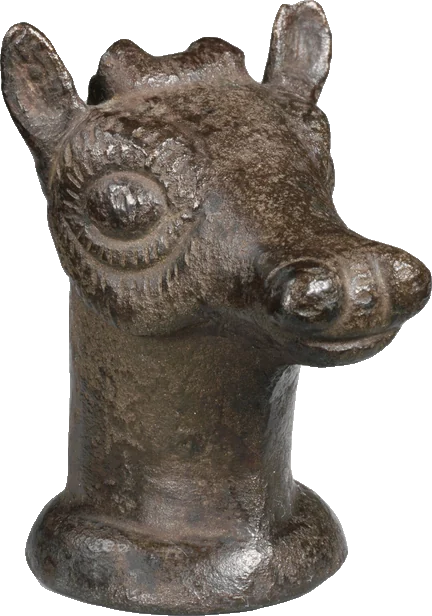 Head of a gazelleca. 3rd–7th century CE
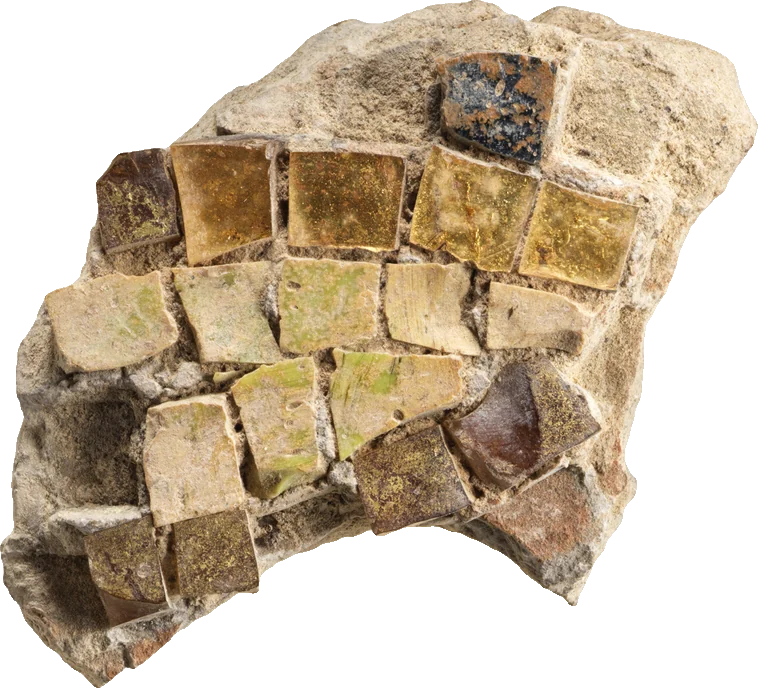 Mosaic fragmentca. 3rd–7th century CE
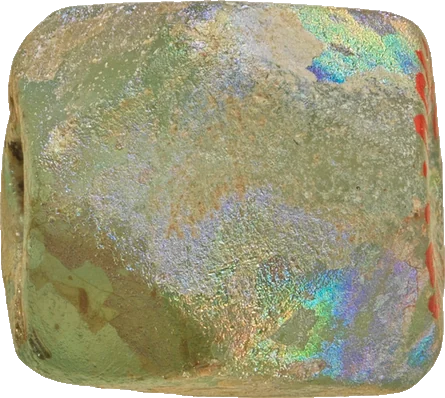 Beadca. 3rd–7th century CE
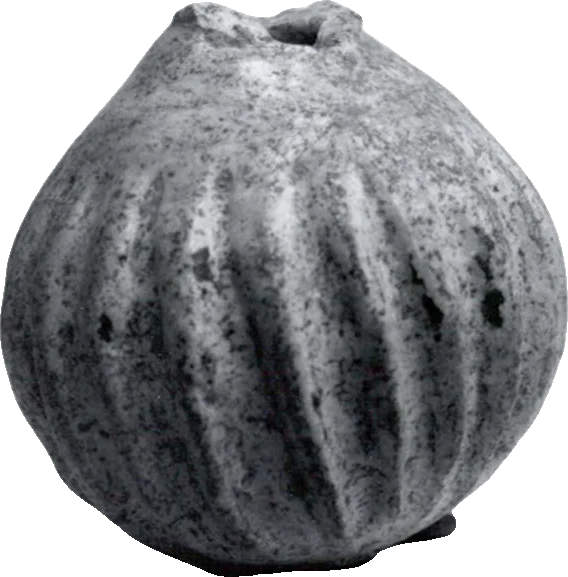 Bottleca. 3rd–7th century CE
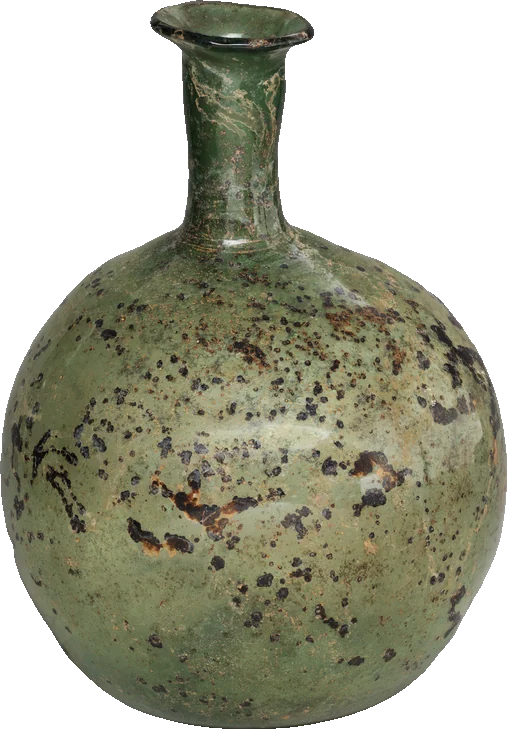 Bottleca. 3rd–7th century CE
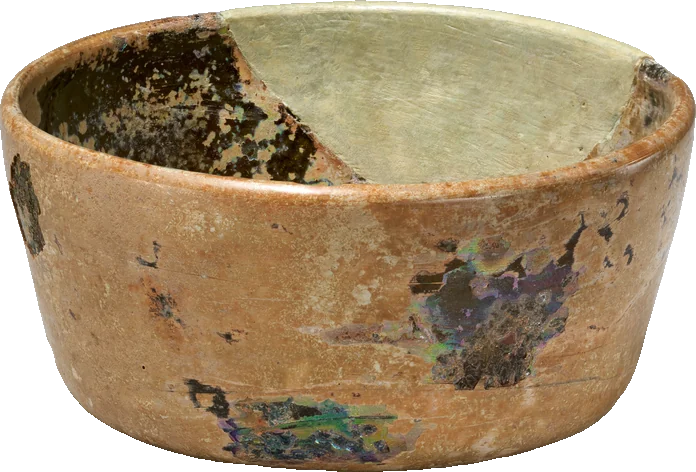 Dishca. 3rd–7th century CE
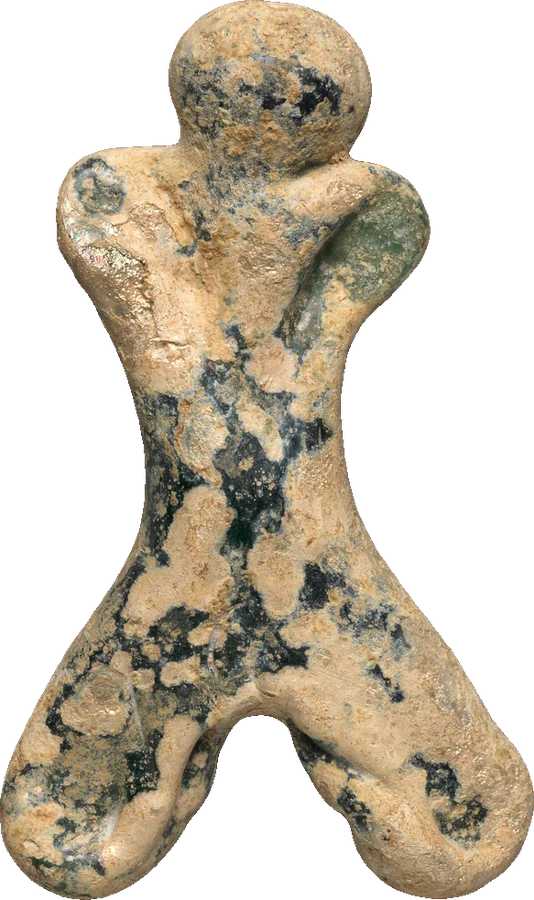 Dollca. 3rd–7th century CE
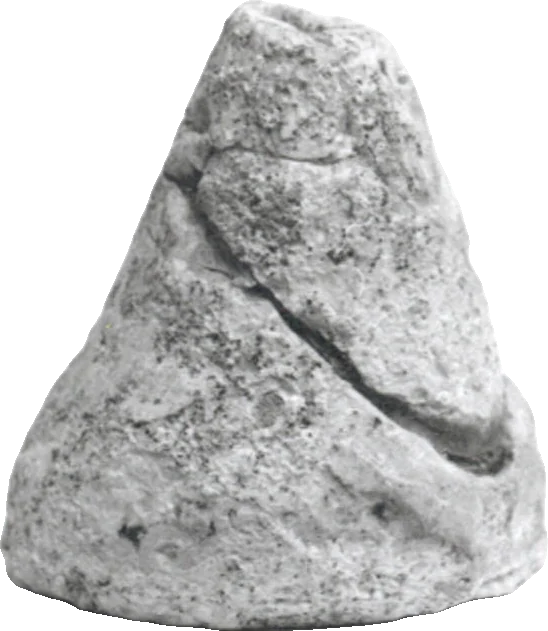 Pendantca. 3rd–7th century CE
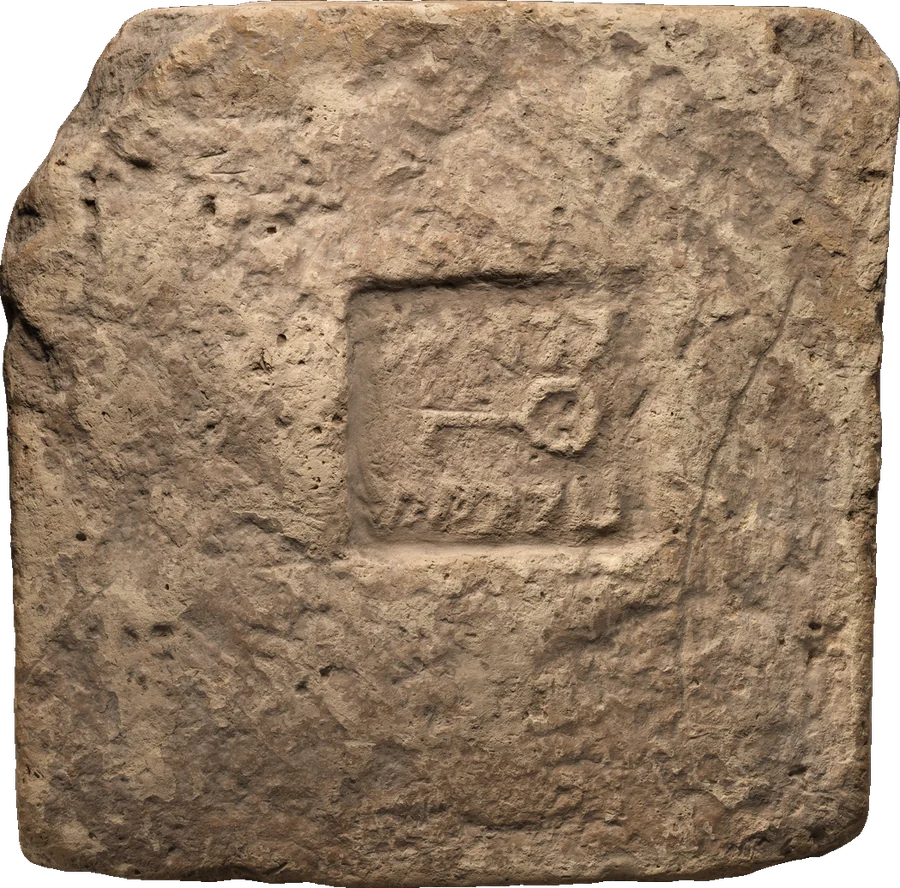 Glazed brickca. 3rd–7th century CE
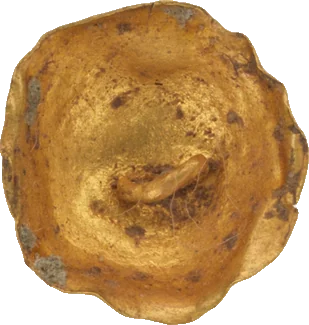 Buttonca. 3rd–7th century CE
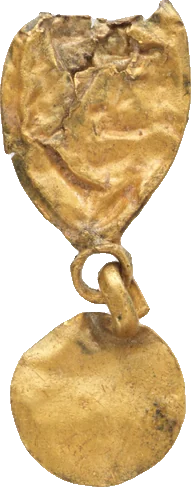 Jewelryca. 3rd–7th century CE
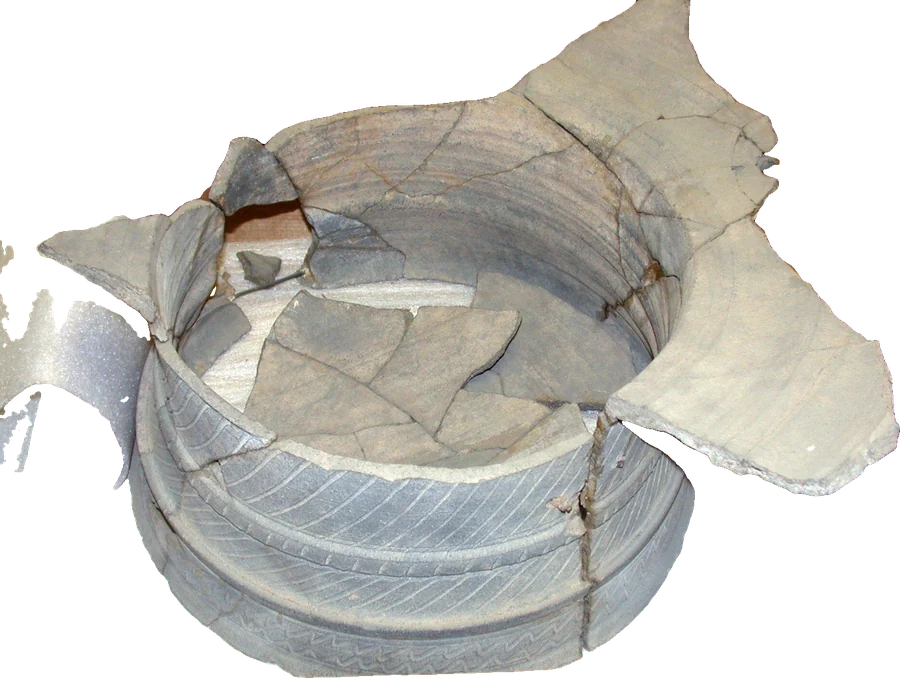 Homrehca. 3rd–7th century CE
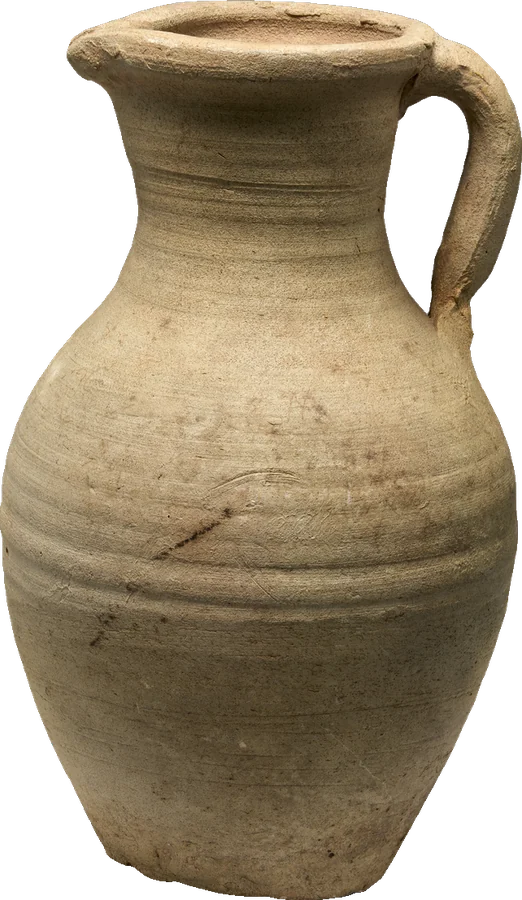 Jugca. 3rd–7th century CE
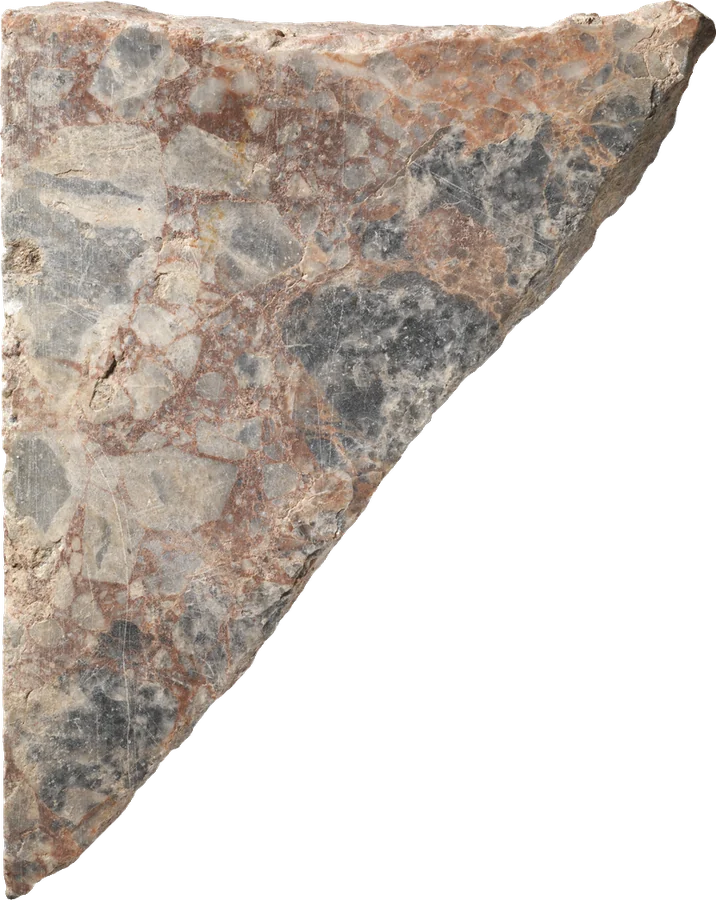 Plaqueca. 3rd–7th century CE
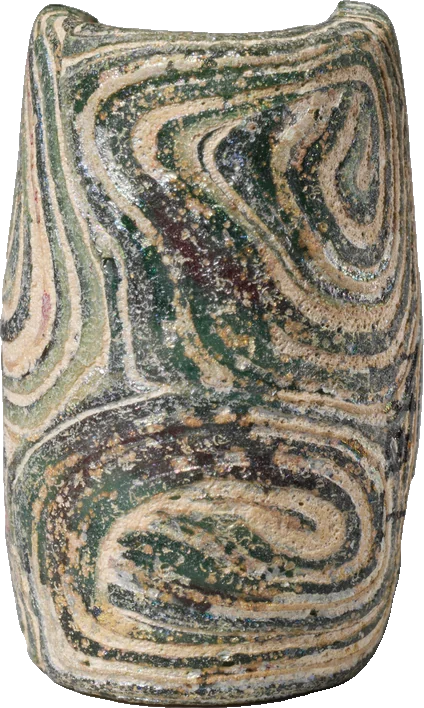 Mosaic beadca. 3rd–7th century CE
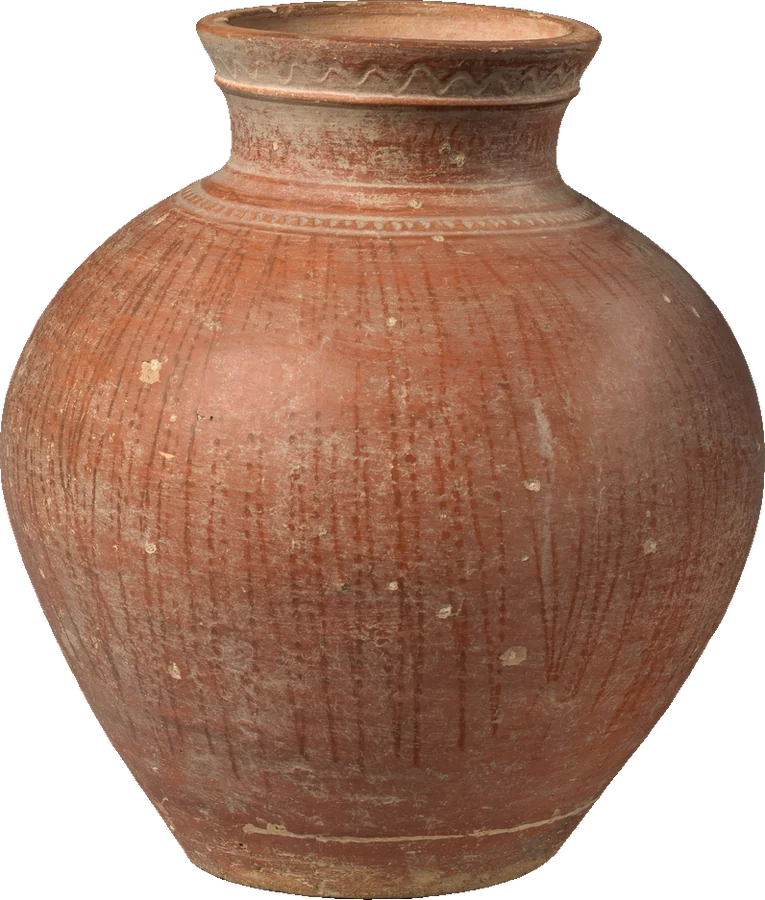 Jarca. 3rd–7th century CE
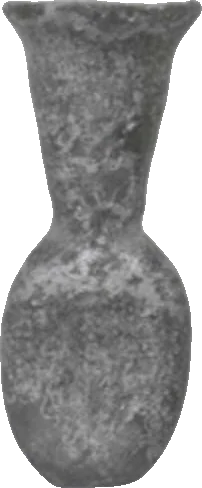 Scent bottleca. 3rd–7th century CE
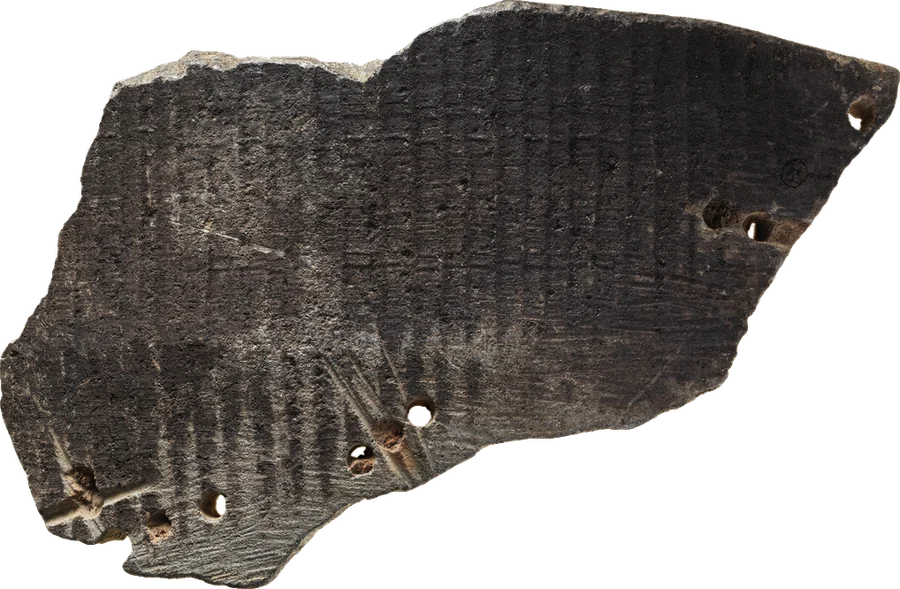 Stone vessel fragmentca. 3rd–7th century CE
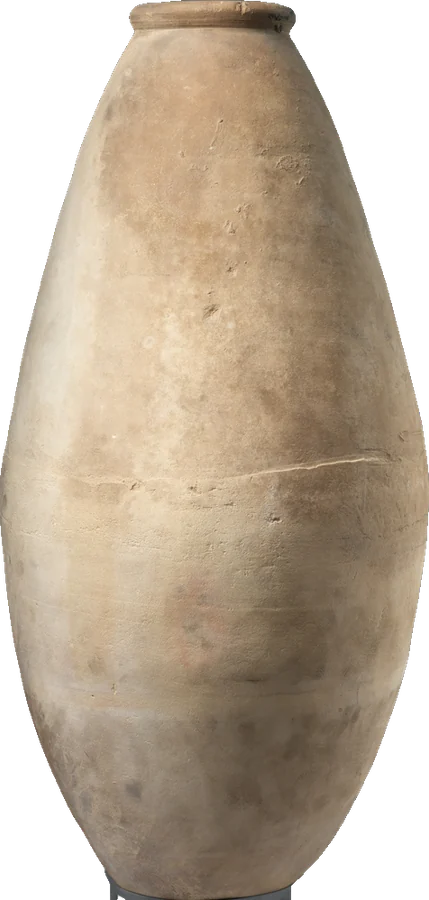 Storage jarca. 3rd–7th century CE
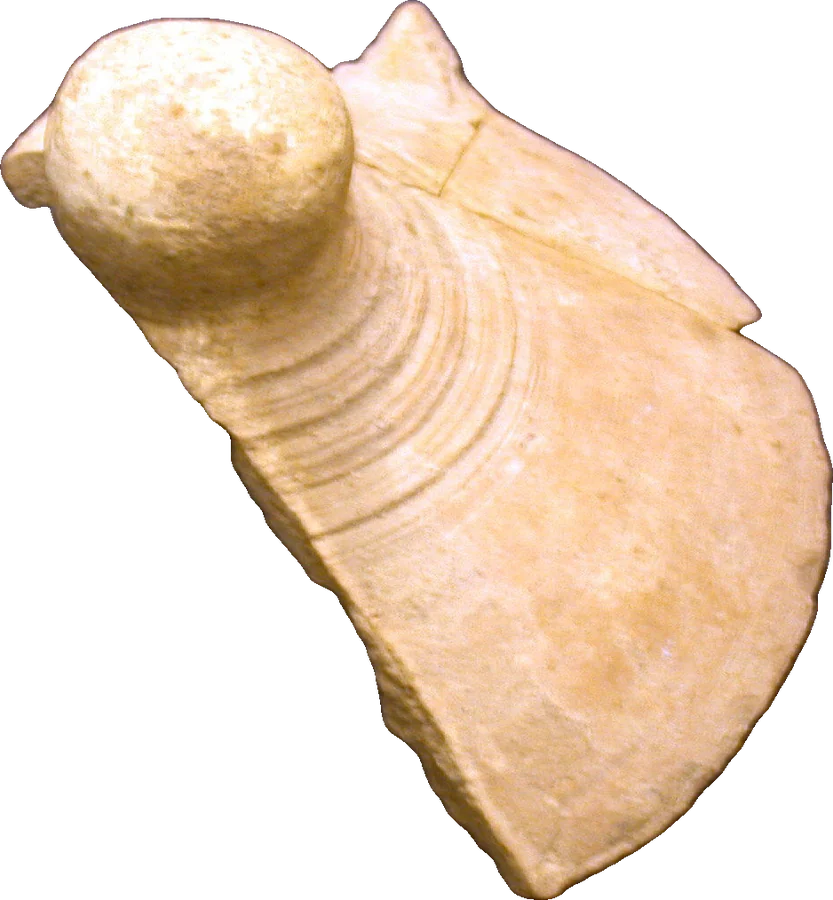 Vessel lidca. 3rd–7th century CE
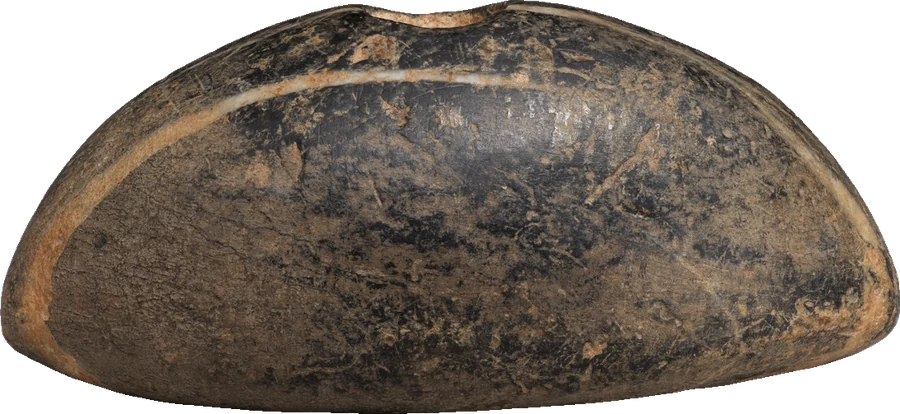 Mace headca. 3rd century CE (?)
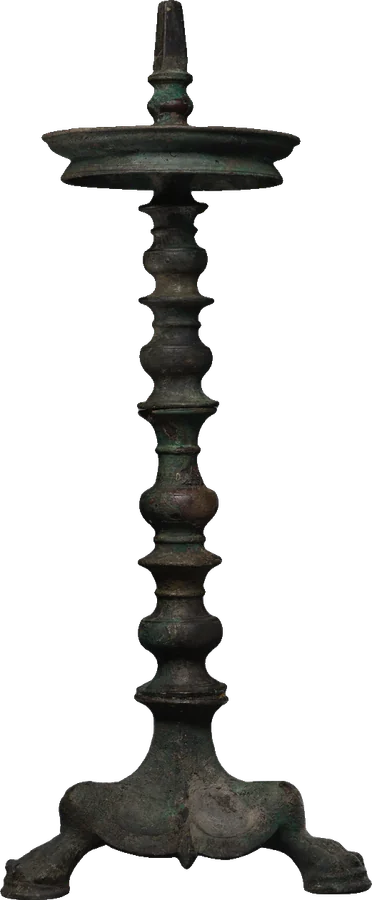 Lamp standca. 6th–7th century CE
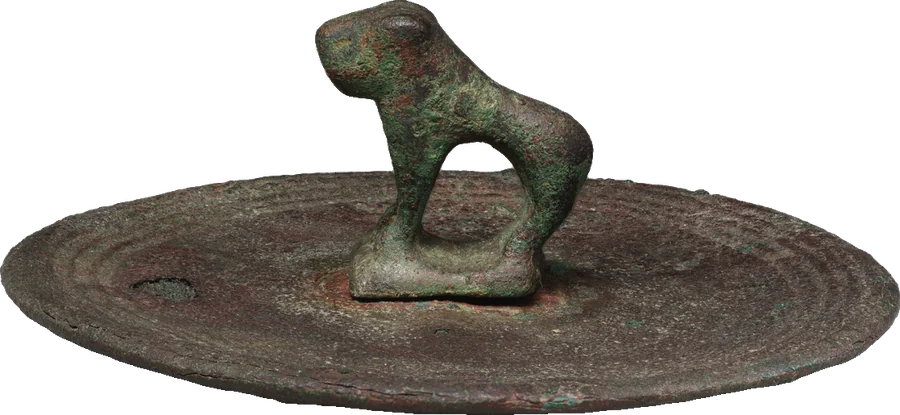 Mirror or lid with handle in the form of a lionca. 6th–7th century CE
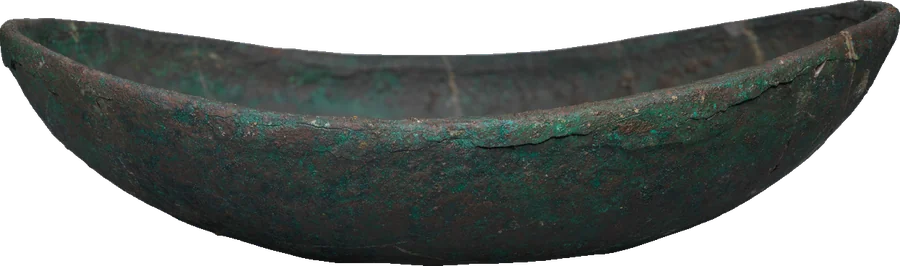 Oval bowlca. 6th–7th century CE
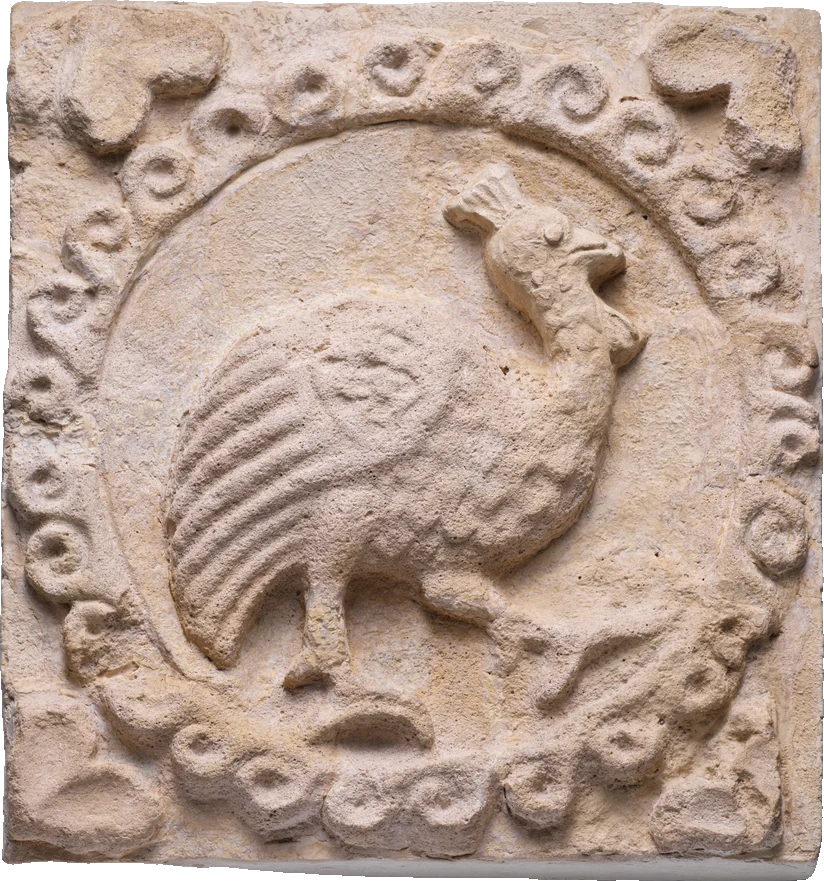 Wall panel with a bird in roundelca. 6th century CE
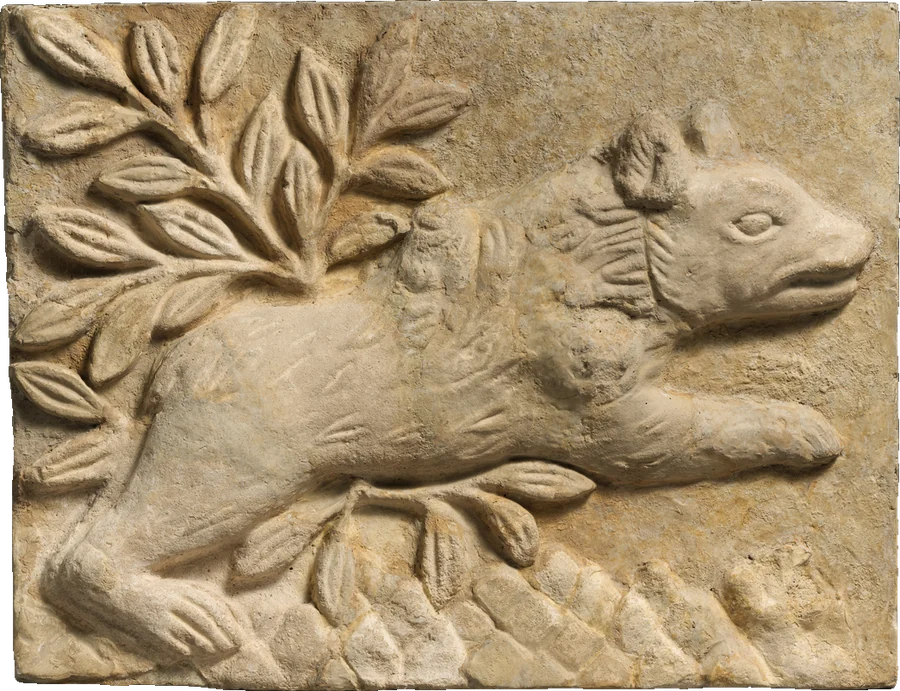 Wall panel with a charging bearca. 6th century CE
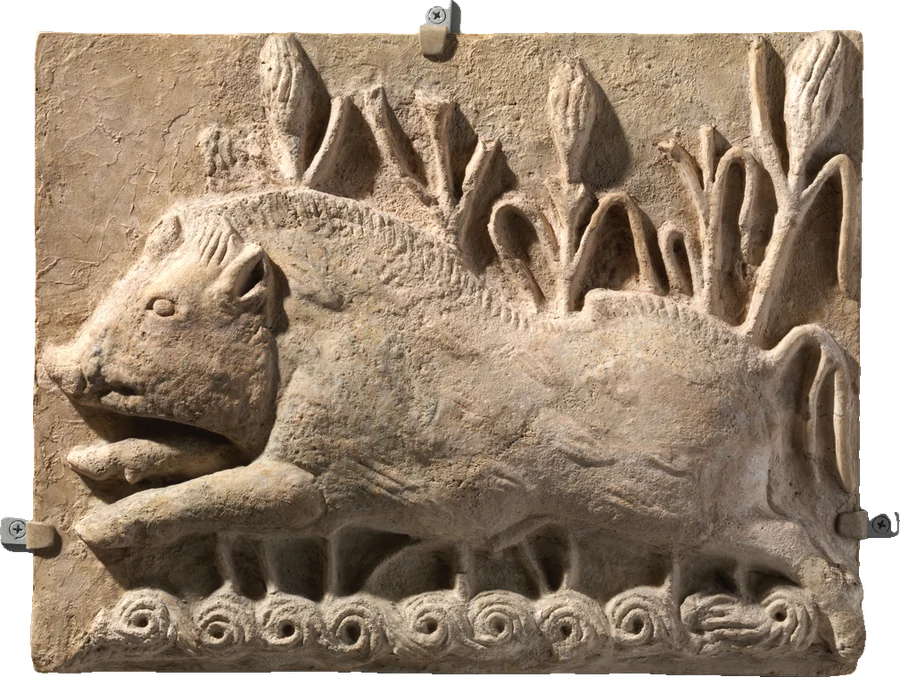 Wall panel with a charging boarca. 6th century CE
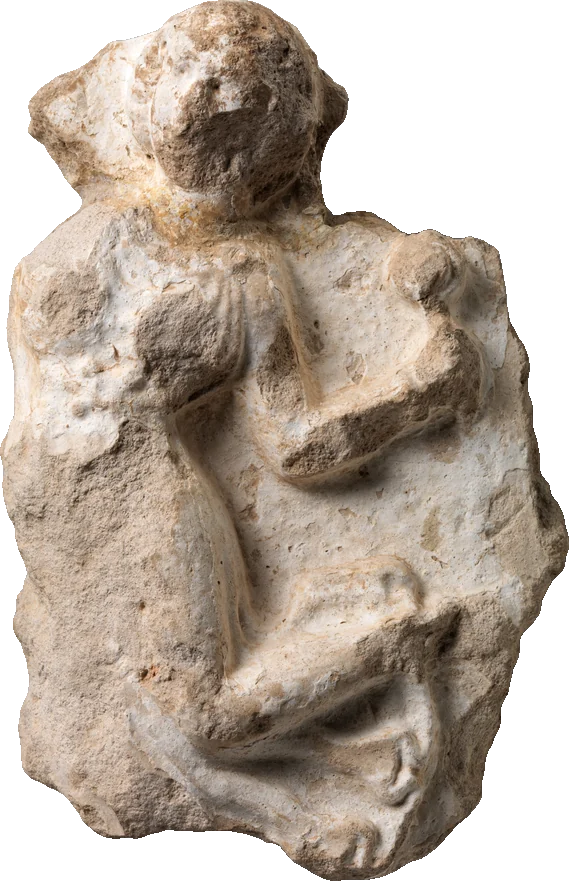 Fragment of a wall decoration with a female dancerca. 6th century CE
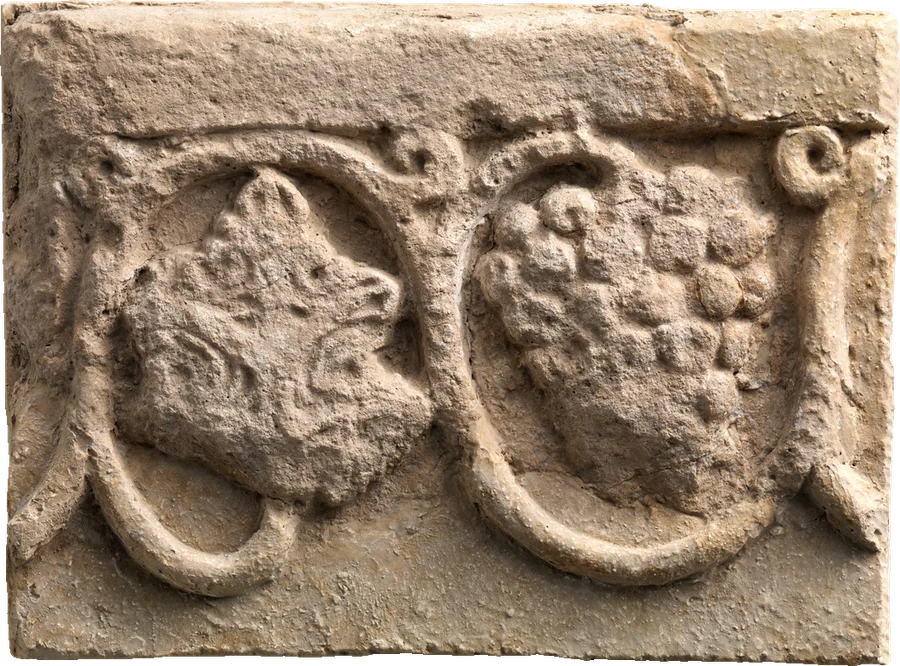 Wall decoration with a grapevineca. 6th century CE
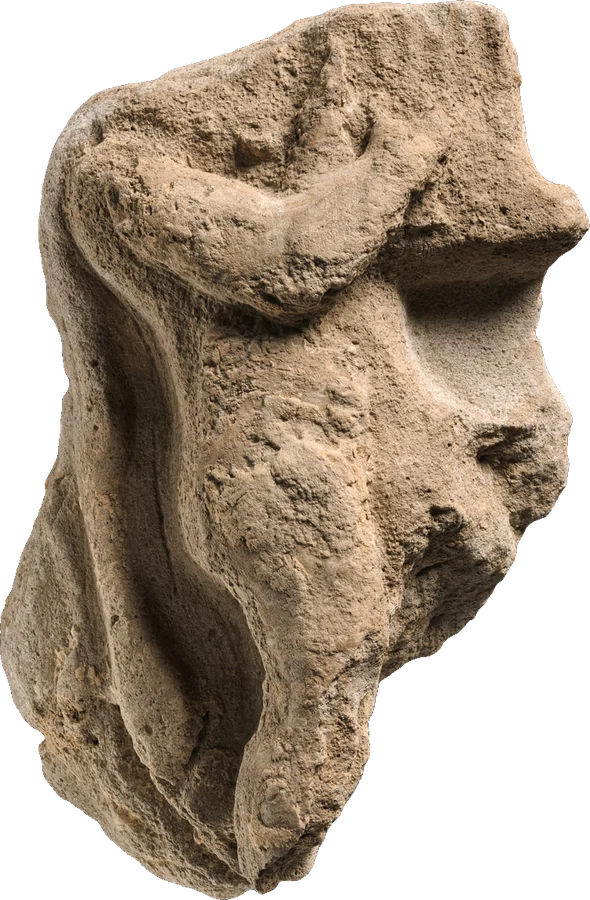 Fragment of a wall decoration with a figure playing a harpca. 6th century CE
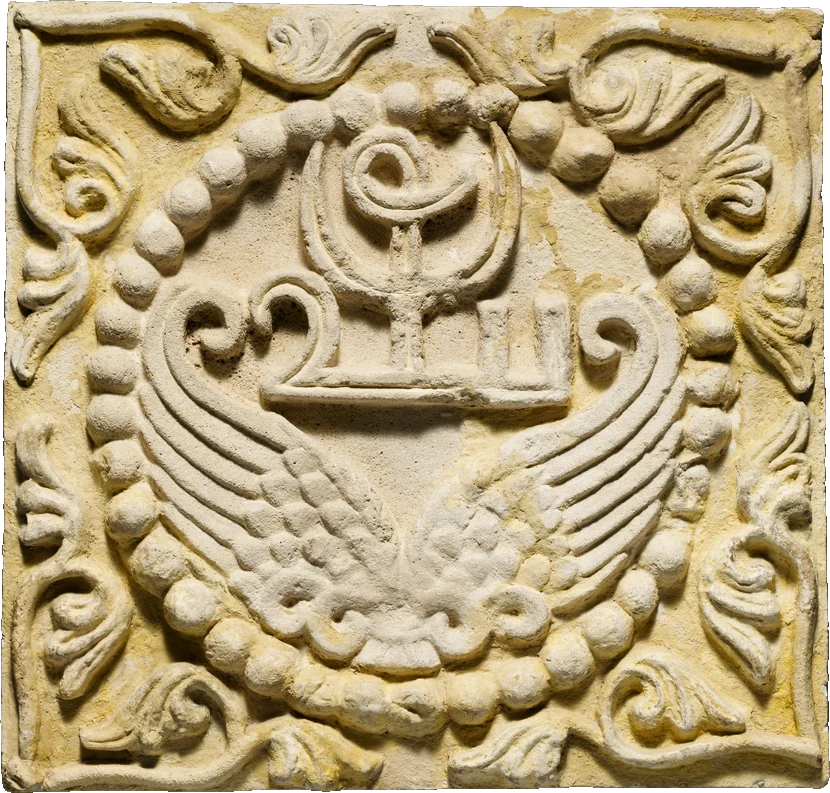 Wall panel with wings and a Pahlavi device encircled by pearlsca. 6th century CE
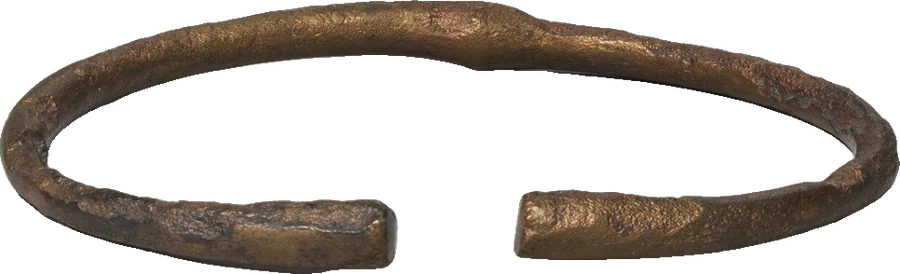 Braceletca. 6th–8th century CE
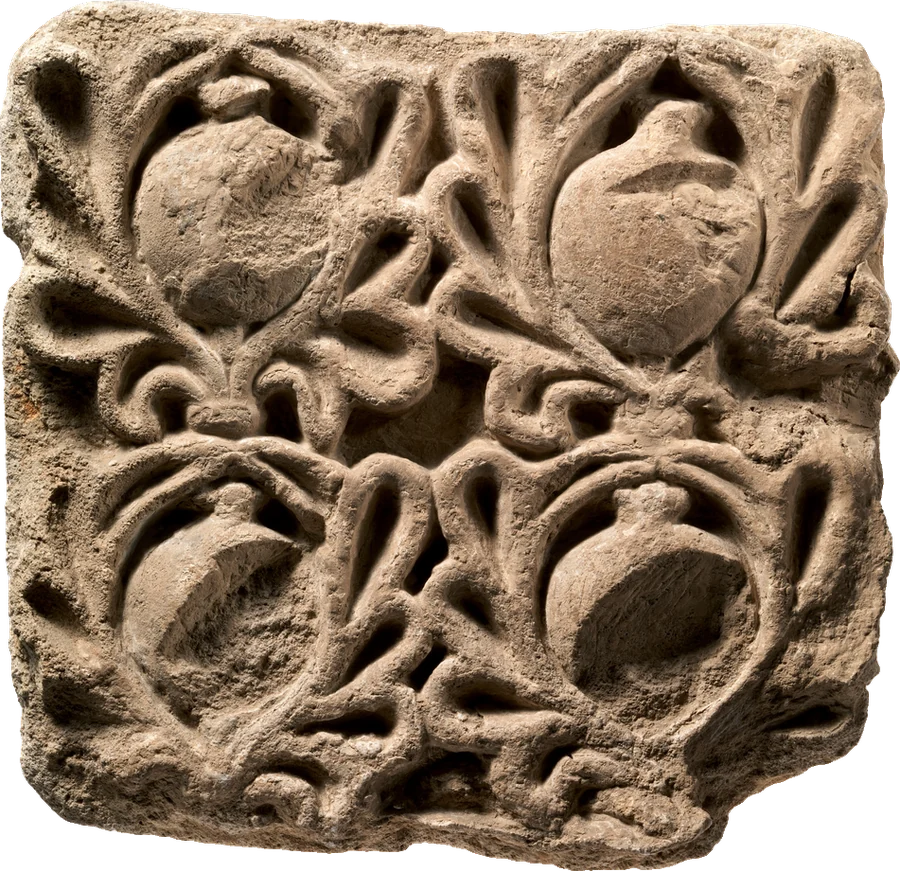 Wall decoration with pomegranates in palmettesca. 6th century CE
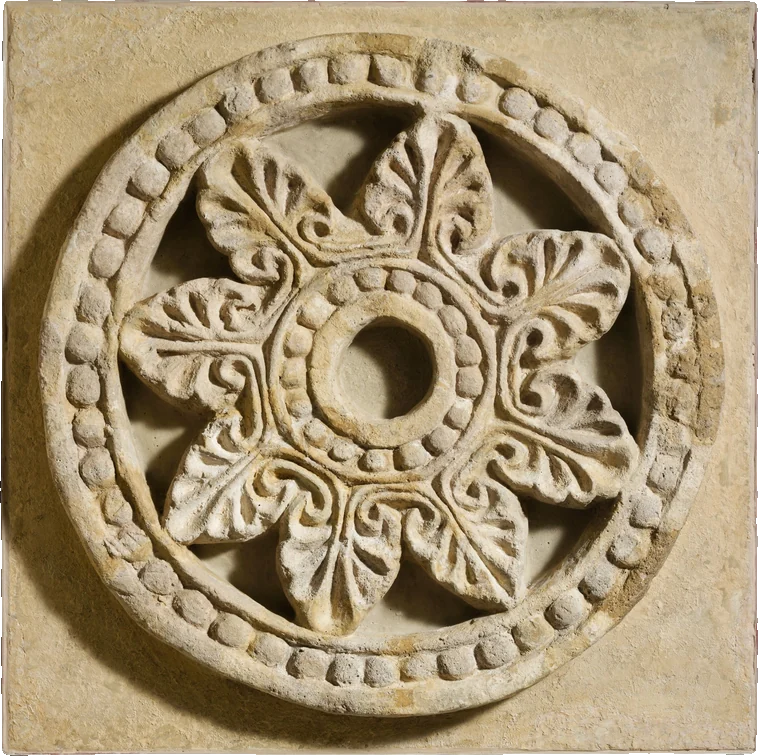 Window roundelca. 6th century CE
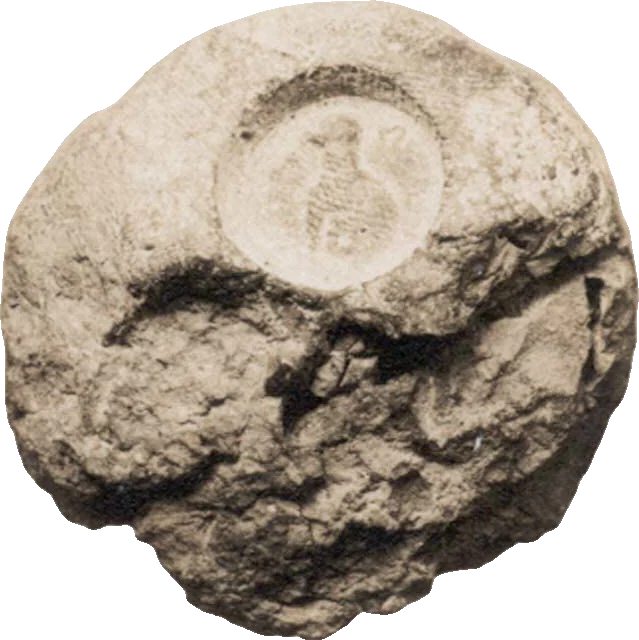 Sealingca. 7th century CE
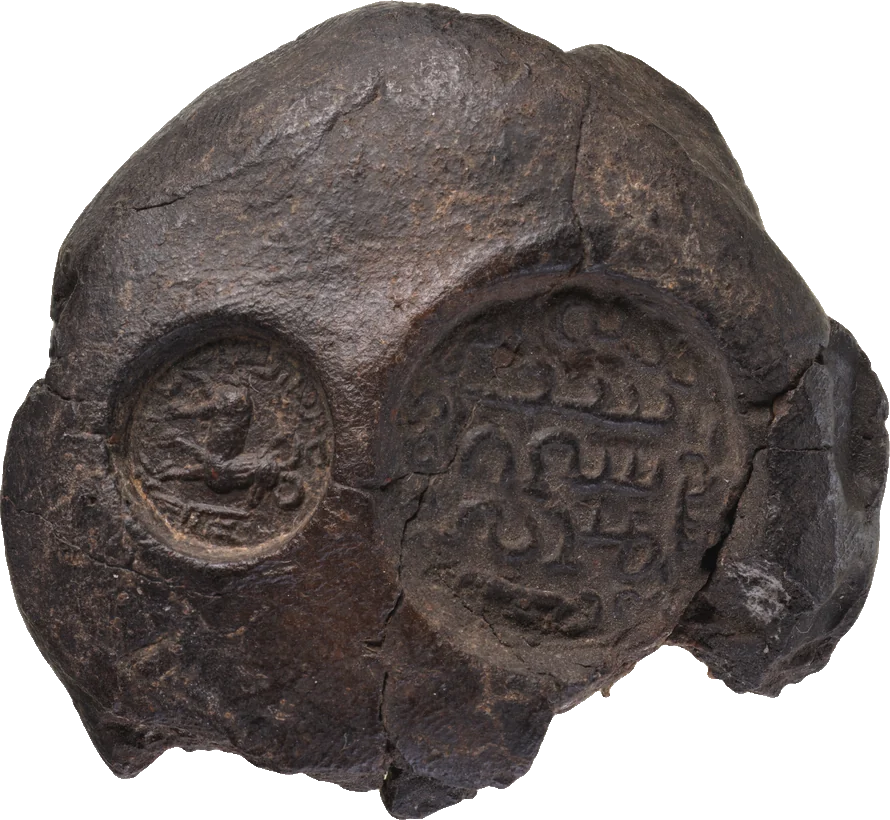 Sealingca. 7th century CE
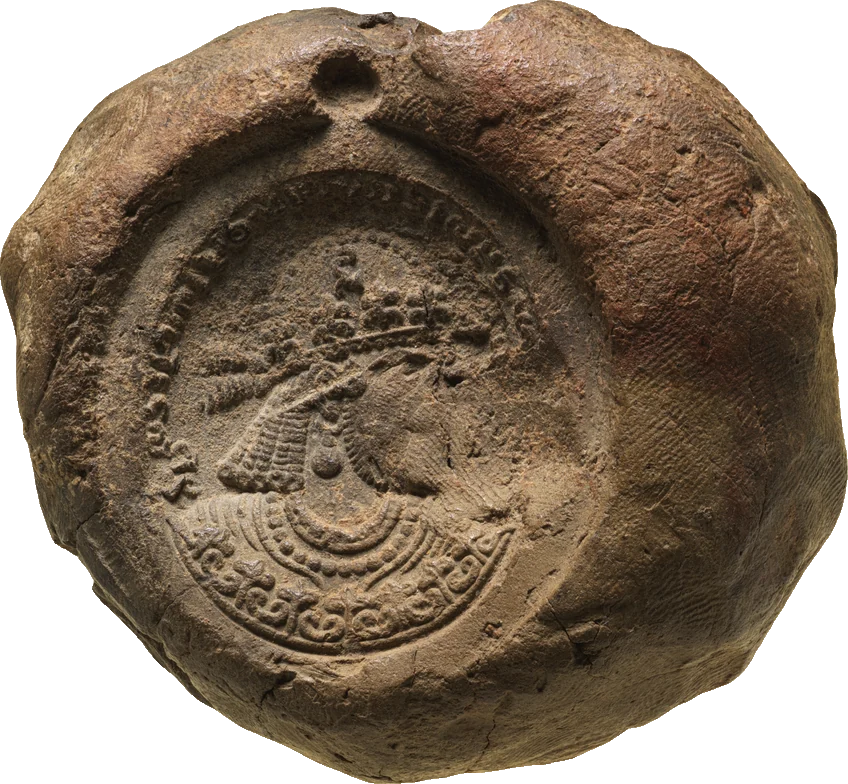 Sealingca. 7th century CE
Find these objects in the game at Qasr-i Abu Nasr, Ctesiphon.
Play Digopolis