Sasanian · Important find
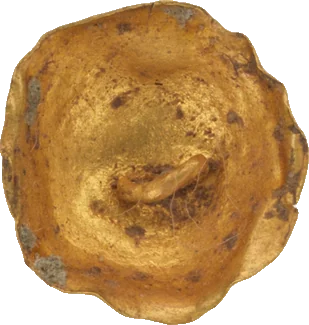
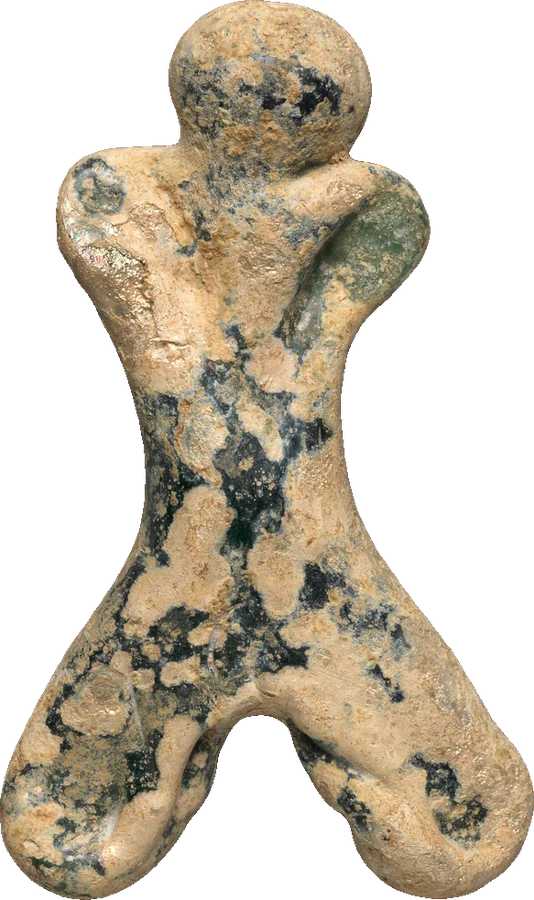
Doll
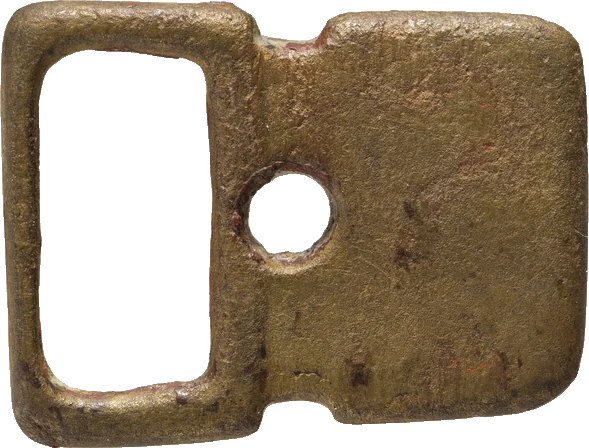
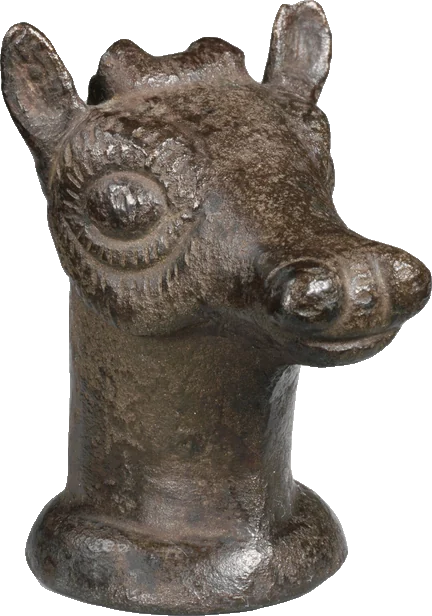
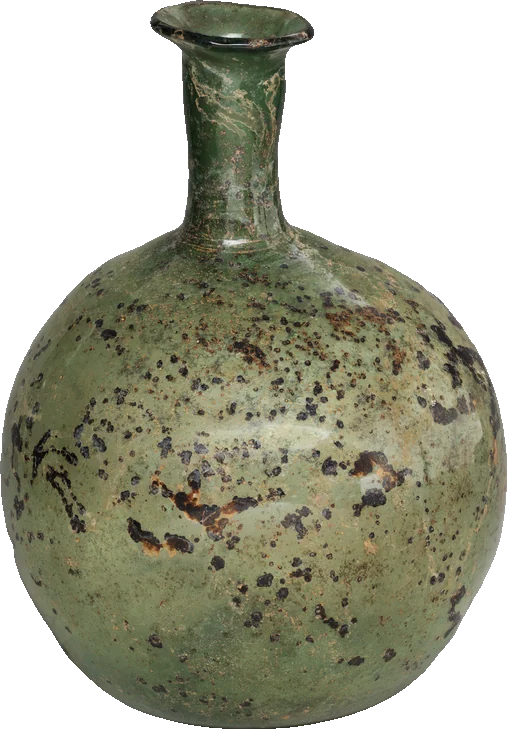
This object was really found at Qasr-i Abu Nasr by The Metropolitan Museum of Art's expedition. Today it is in The Metropolitan Museum of Art in New York.
What is it?
Doll and toy. Flat figures called paddle dolls were placed in Egyptian tombs of the Middle Kingdom; what they meant is still debated. Source
Glass. Melted sand and minerals, shaped while hot.
Museum record
- Object
- Doll
- Culture
- Sasanian
- Date
- ca. 3rd–7th century CE
- Material
- Glass
- Findspot
- Qasr-i Abu Nasr, Iran
- Size
- 2.75 x 1.75 in. (6.99 x 4.45 cm)
- Museum
- The Metropolitan Museum of Art, New York
- Number
- 34.107.67
- Credit
- Rogers Fund, 1934
Photo and record: The Metropolitan Museum of Art, Open Access (public domain, CC0), copied 2026-11-12. Background removed from the photo. Region: Iran.
More about this object
A clue in the mystery of Qasr-i Abu Nasr
What was the small burned fortress near Shiraz? In chapter 5, "The answer: a working town, maybe Old Shiraz", this object is the clue: A Sasanian glass doll from Qasr-i Abu Nasr; The Met's essay names it among the finds that show everyday life. Read the mystery
Culture
Sasanian: more objects from the same culture or period, with what we know about it.