
The mystery of Qasr-i Abu Nasr · Iran
What was the small burned fortress near Shiraz?
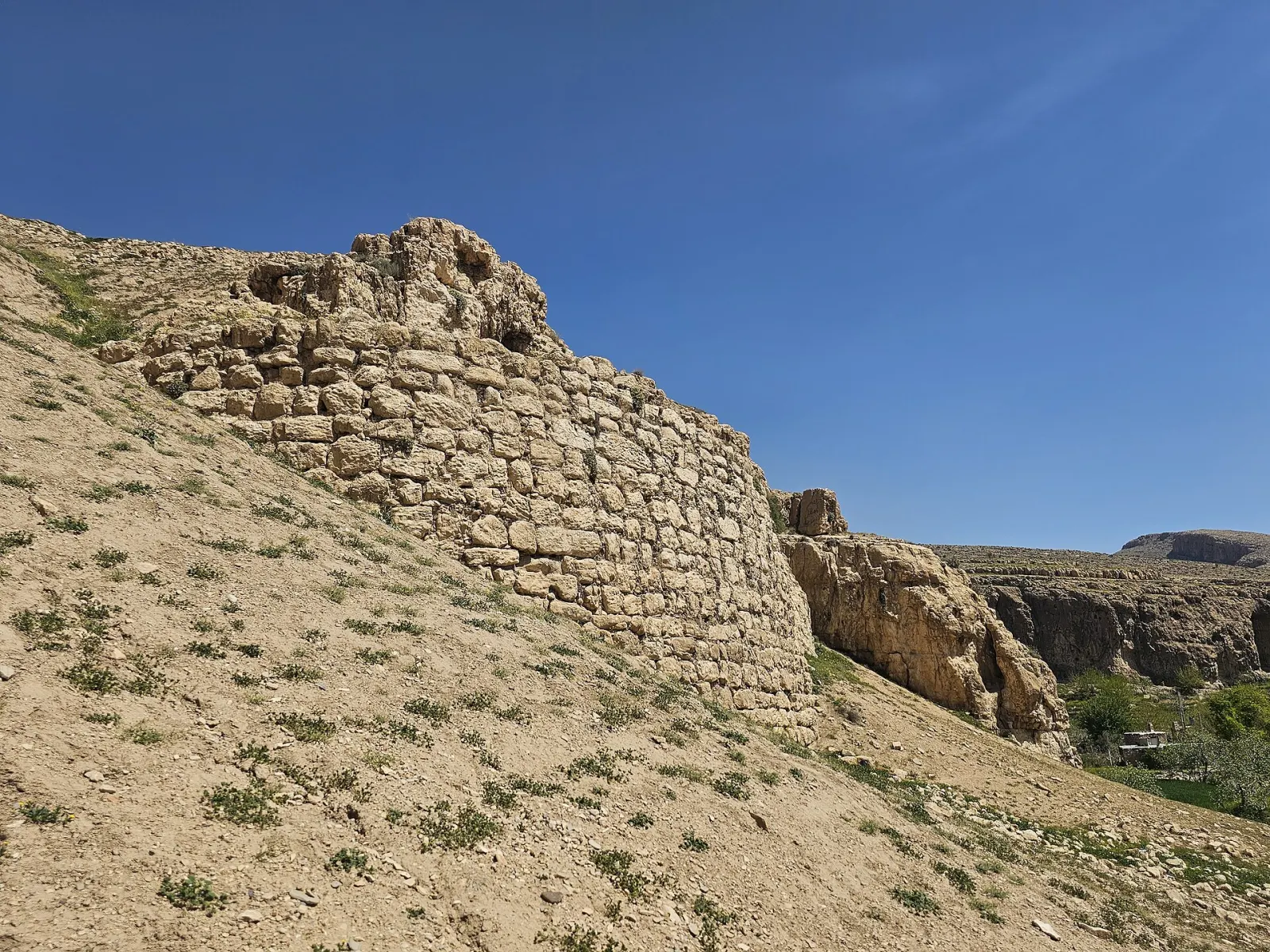
Qasr-i Abu Nasr is a hill with the ruins of a small town and fortress near Shiraz in southern Iran. People lived here on and off for many centuries, but the main fortress dates to the late Sasanian period. A fire in the fortress baked more than 500 clay sealings, which survived. The Metropolitan Museum of Art excavated here from 1932 to 1935. Source
- 1. A hill lived on for centuries
- 2. The doorways that fooled the diggers
- 3. What was the fortress for?
- 4. How a fire saved the paperwork
- 5. The answer: a working town, maybe Old Shiraz
Chapter 1
A hill lived on for centuries
Qasr-i Abu Nasr is a site 6 km (about 4 miles) east of Shiraz in southern Iran. People lived here in Parthian, Sasanian and Islamic times, and the main settlement was Sasanian. It never grew beyond a small town and fortress.
The clue
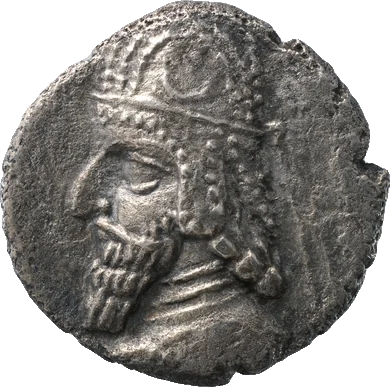
Drachm, ca. 1st century BCE. A Parthian silver coin of about the 1st century BCE found here. Parthian is the earliest period named for the site, though coins stayed in use long after they were made.
Sources for this chapter (2)
- metmuseum.org: "Located 6 km east of Shiraz, the site had remains from several periods of occupation"
- metmuseum.org: "Despite the advantageous location, however, the site never developed beyond a small town and fortress."
Chapter 2
The doorways that fooled the diggers
The Met chose this site partly because standing stone doorways suggested remains from the Achaemenid Persians (550 to 330 BCE). The doorways turned out to be a later addition. Their old stones had been brought from Persepolis in the 800s or 900s CE.
The clue
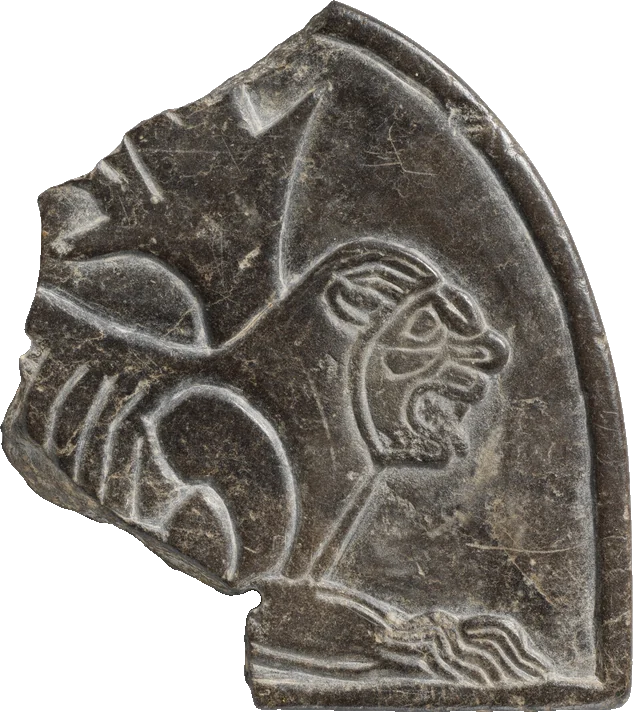
Plaque with the figure of a lion, ca. 6th–5th century BCE. An Achaemenid black limestone lion plaque of the 6th to 5th century BCE found at Qasr-i Abu Nasr. Its record does not say whether it came from Persepolis.
Sources for this chapter (2)
- metmuseum.org: "because doorways found standing at the site suggested the possibility of Achaemenid"
- metmuseum.org: "proved to be a later addition to the site, brought from Persepolis to Qasr-i Abu Nasr in the ninth or tenth century"
Chapter 3
What was the fortress for?
The fortress stood on a natural rise and was reached by a ramp and a gate. As you would expect in a fortress, many finds had to do with defense and with running things. Diggers found many metal arrowheads and several metal keys.

The clue
Arrowhead, ca. 3rd–7th century CE. A Sasanian bronze arrowhead from Qasr-i Abu Nasr.
Sources for this chapter (2)
- metmuseum.org: "As is expected within a fortress, many of the finds relate to defense and administration."
- metmuseum.org: "Numerous metal arrowheads were found across the area"
Chapter 4
How a fire saved the paperwork
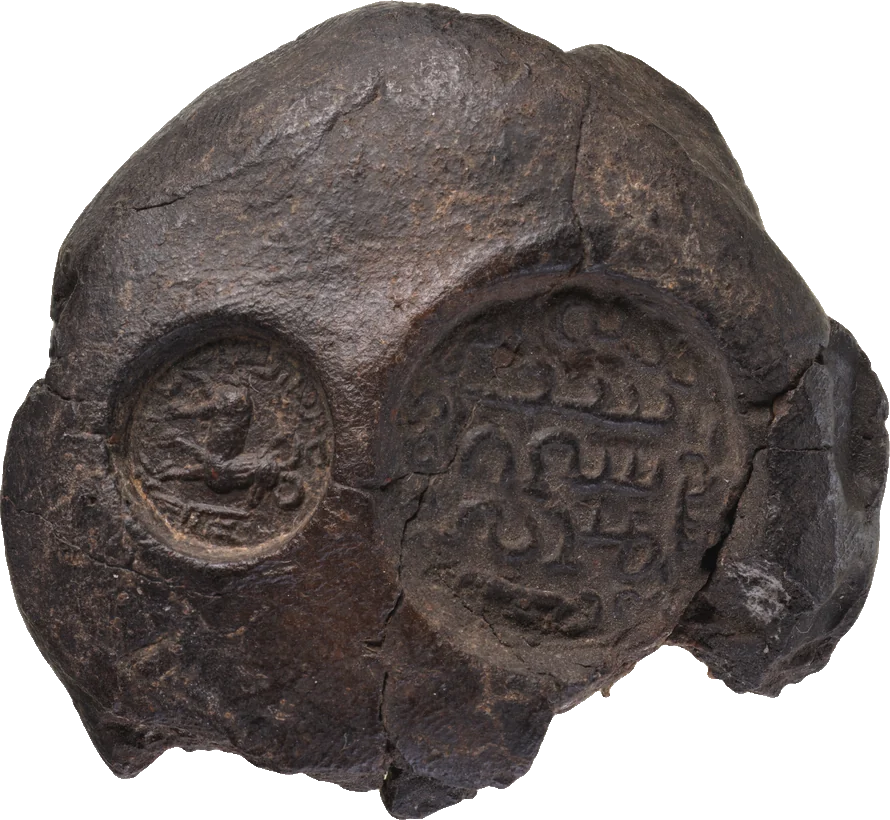
To close a document, a Sasanian official pressed a lump of clay around its string and stamped it with a seal. Once the clay was broken, it could not be replaced unless the seal's owner was there. A pile of these sealings survived because the fortress building burned, and the fire baked the clay.
The clue
Sealing, ca. 7th century CE. A Sasanian clay sealing of about the 7th century CE from Qasr-i Abu Nasr, from the same series The Met's essay names for the Fortress cache.
Sources for this chapter (2)
- metmuseum.org: "A piece of clay would be pressed around a rope or string to close a document and then stamped with a seal"
- metmuseum.org: "The Fortress cache was preserved because the building had burned, baking the clay and retaining the seal impressions."
Chapter 5
The answer: a working town, maybe Old Shiraz
Qasr-i Abu Nasr was a small Sasanian town and fortress where officials sealed documents and people went about their daily work. Place names on objects found here suggest it was Old Shiraz itself, or a town that dealt with Old Shiraz often. Scholars also think a large platform in the fortress may have been used for Zoroastrian worship.
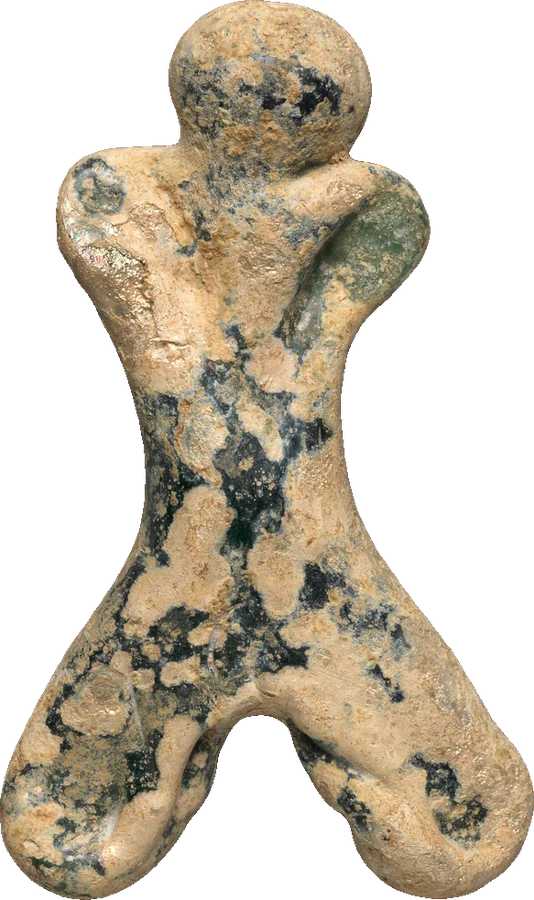
The clue
Doll, ca. 3rd–7th century CE. A Sasanian glass doll from Qasr-i Abu Nasr; The Met's essay names it among the finds that show everyday life.
Sources for this chapter (2)
- metmuseum.org: "Artifacts excavated at the site have place names on them that suggest the town was either Old Shiraz or interacted frequently with Old Shiraz."
- metmuseum.org: "Scholars have proposed that the podium was linked to Zoroastrian religious practice at the site during the Sasanian period."
Every sentence above is checked against the quoted source. Spotted a mistake? Tell us. More about the site, its finds and who dug there: Qasr-i Abu Nasr.
Next mystery: How was the great Assyrian capital of Kalhu forgotten?
In the game the chapters of this mystery open as you dig up the objects of Qasr-i Abu Nasr.
Dig at Qasr-i Abu Nasr