
Iran
Qasr-i Abu Nasr
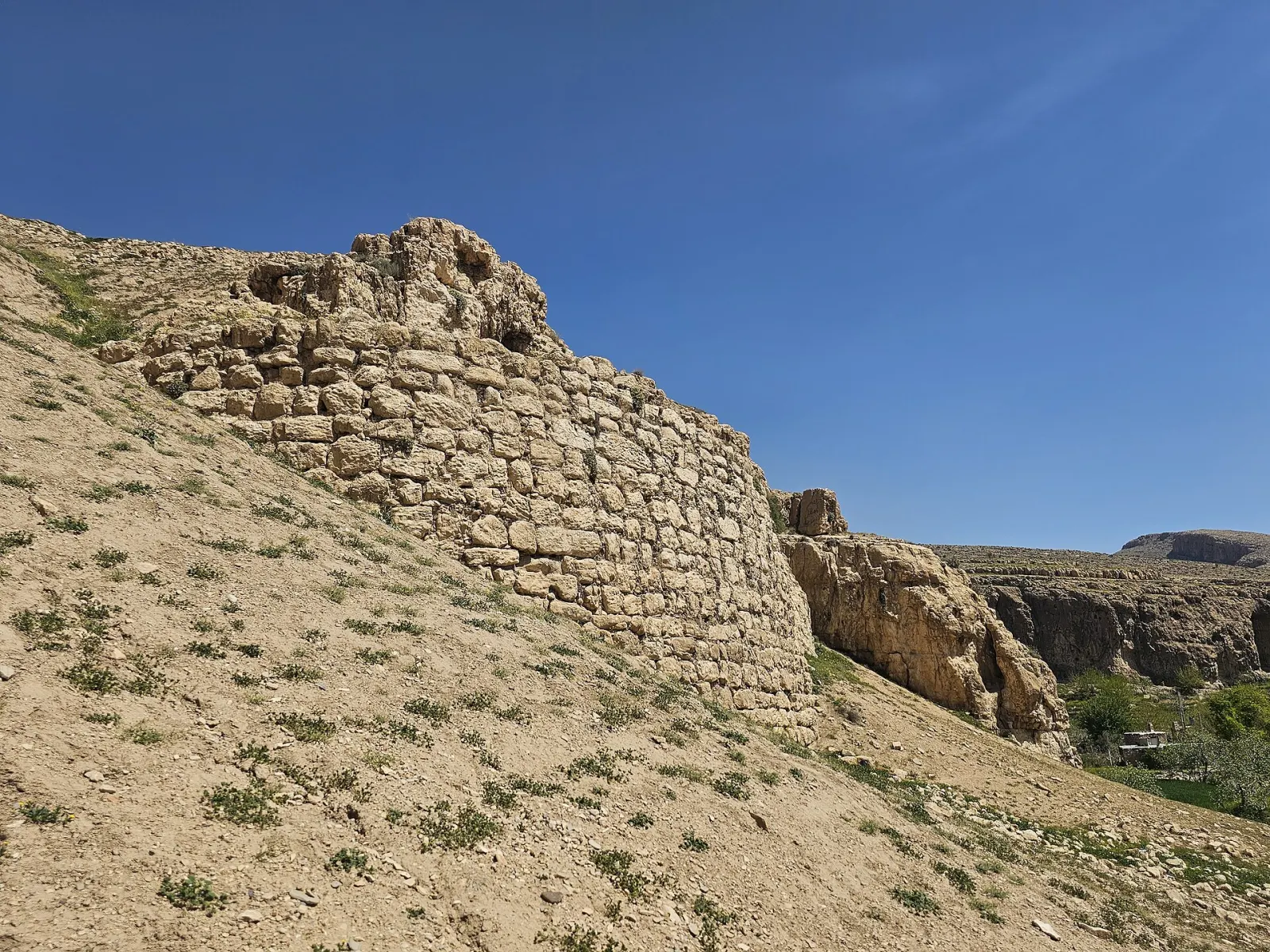
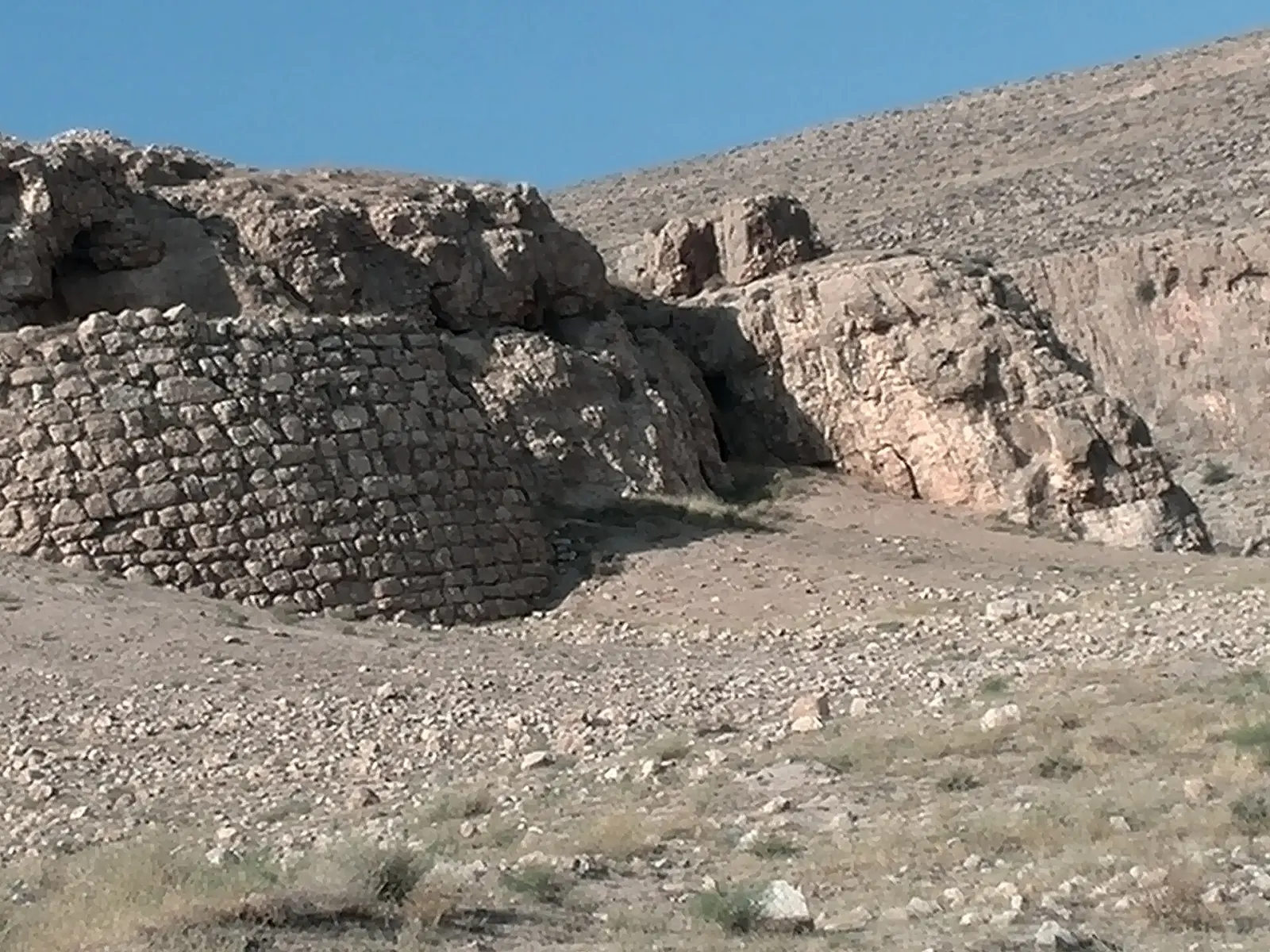
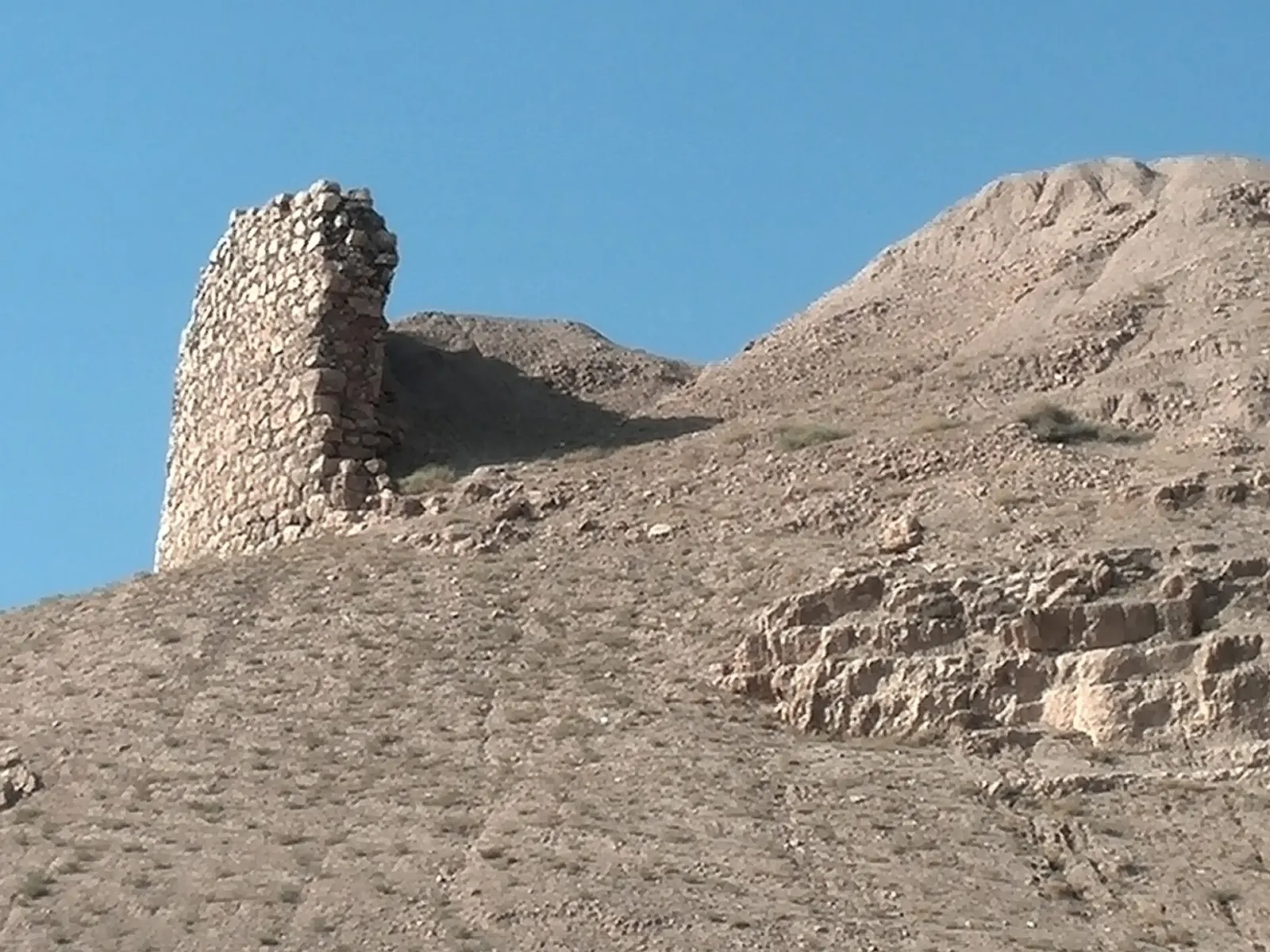
Qasr-i Abu Nasr is a hill with the ruins of a small town and fortress near Shiraz in southern Iran. People lived here on and off for many centuries, but the main fortress dates to the late Sasanian period. A fire in the fortress baked more than 500 clay sealings, which survived. The Metropolitan Museum of Art excavated here from 1932 to 1935. Source
The Metropolitan Museum of Art's expedition dug here 1932 to 1935.
36 objects found here
Each one was found at Qasr-i Abu Nasr by The Metropolitan Museum of Art's expedition. Today they are in The Metropolitan Museum of Art. Oldest first.
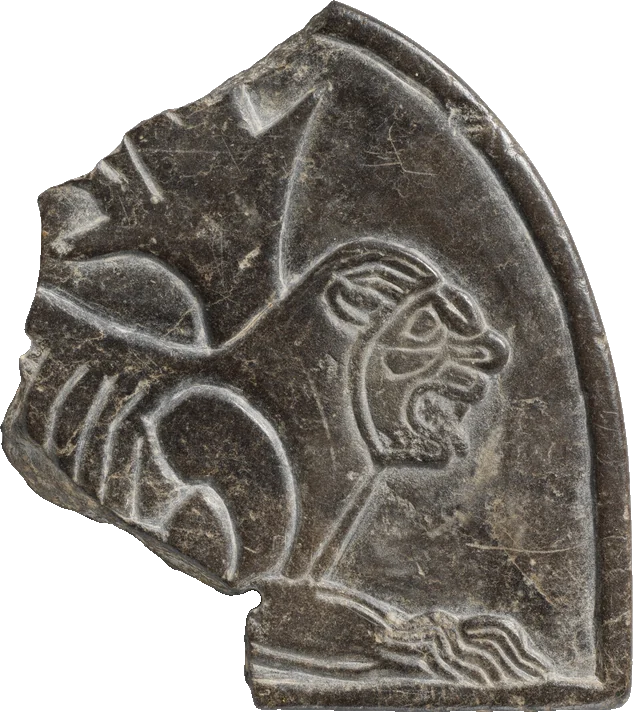 Plaque with the figure of a lionca. 6th–5th century BCE
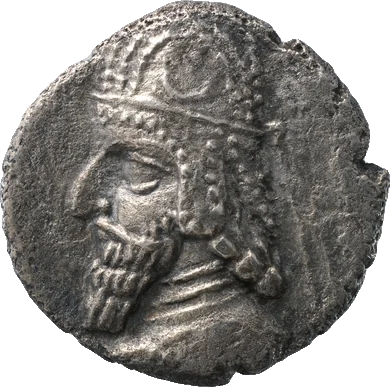 Drachmca. 1st century BCE
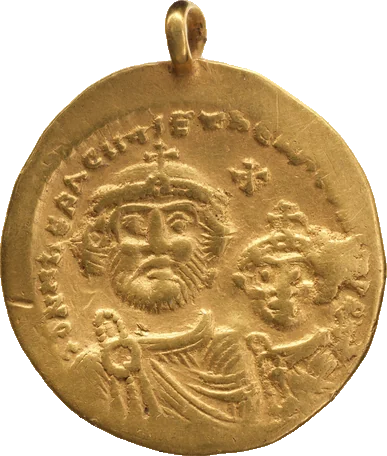 Solidus of Heracliusca. 610–41 CE
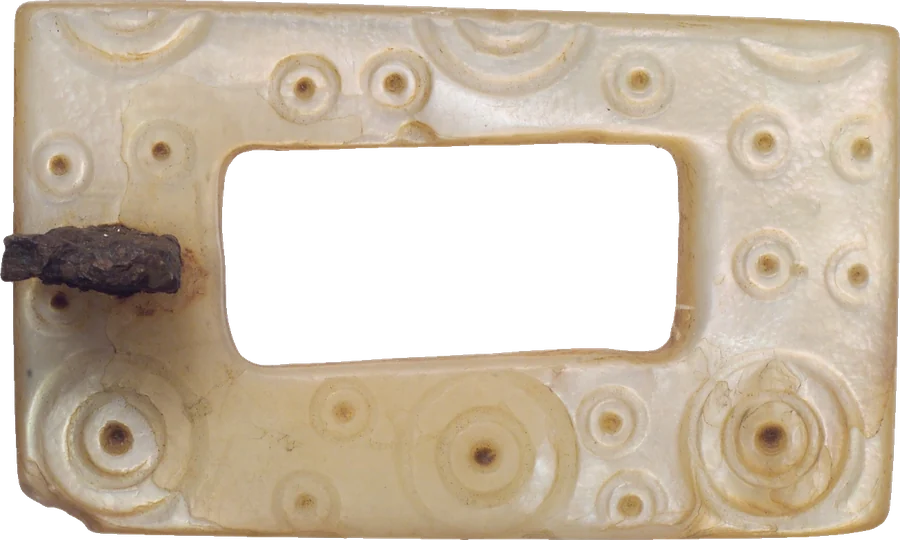 Buckleca. 2nd–4th century CE
 Arrowheadca. 3rd–7th century CE
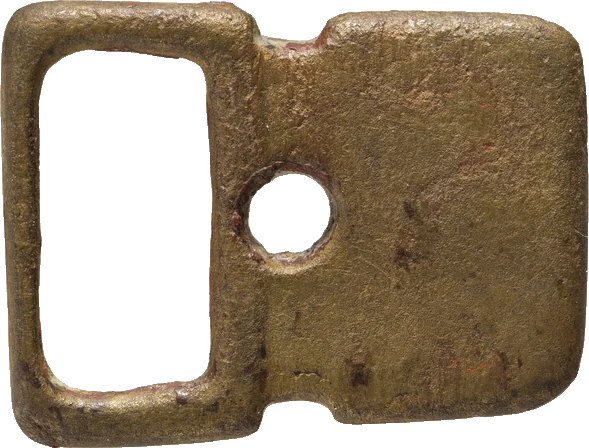 Belt buckleca. 3rd–7th century CE
 Needleca. 3rd–7th century CE
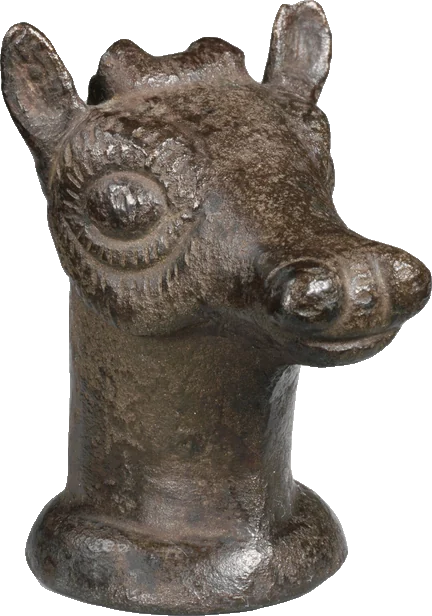 Head of a gazelleca. 3rd–7th century CE
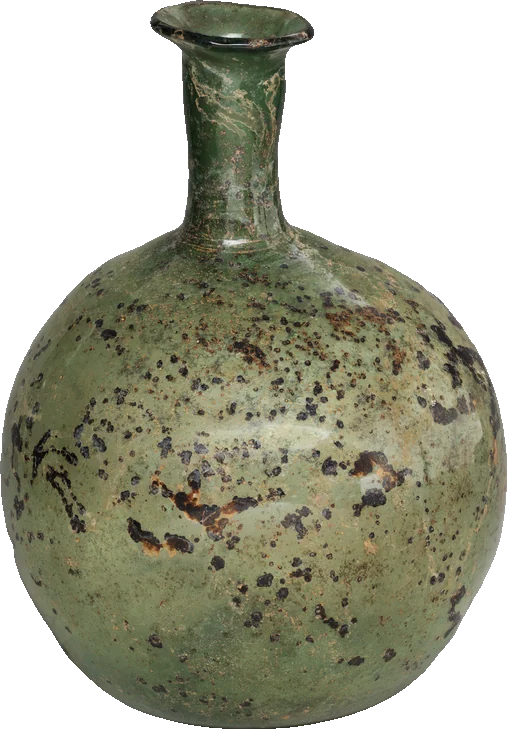 Bottleca. 3rd–7th century CE
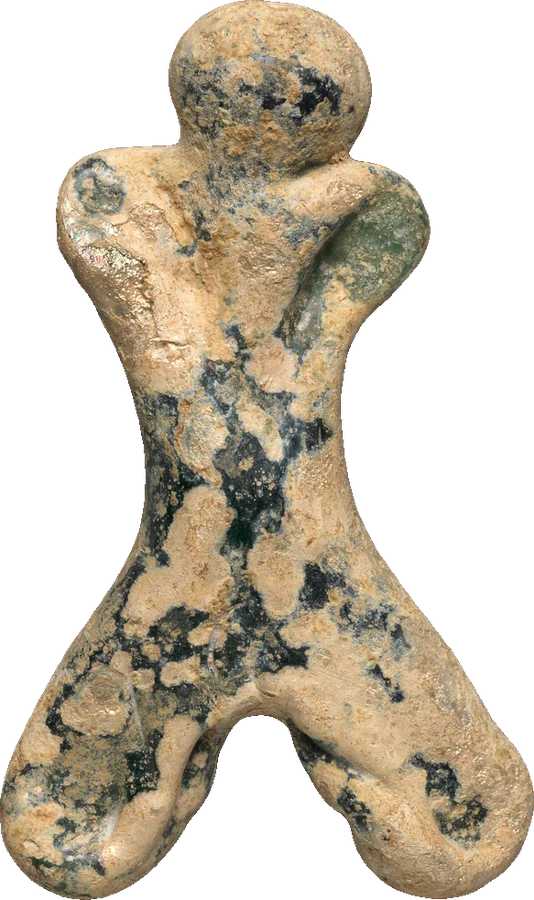 Dollca. 3rd–7th century CE
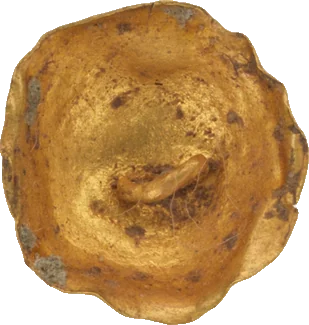 Buttonca. 3rd–7th century CE
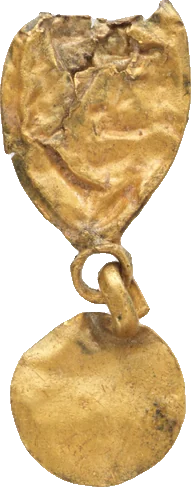 Jewelryca. 3rd–7th century CE
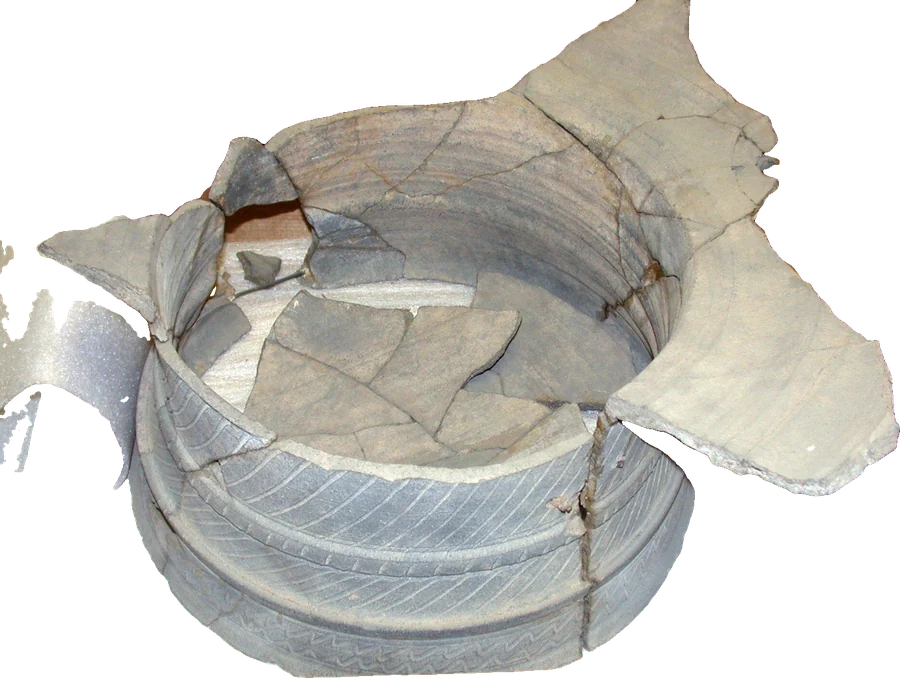 Homrehca. 3rd–7th century CE
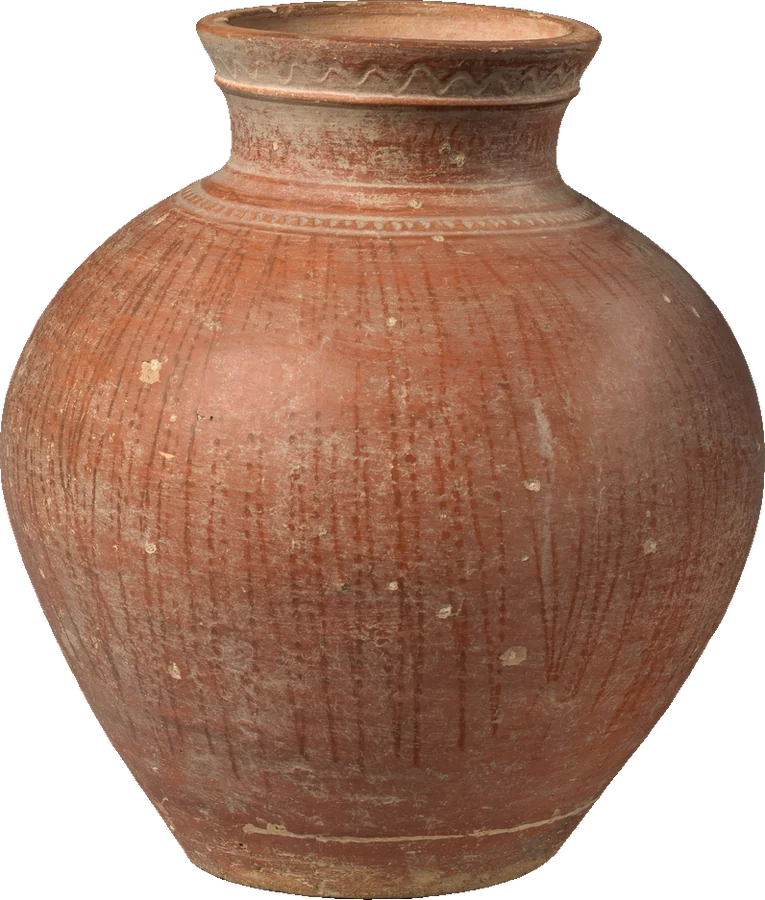 Jarca. 3rd–7th century CE
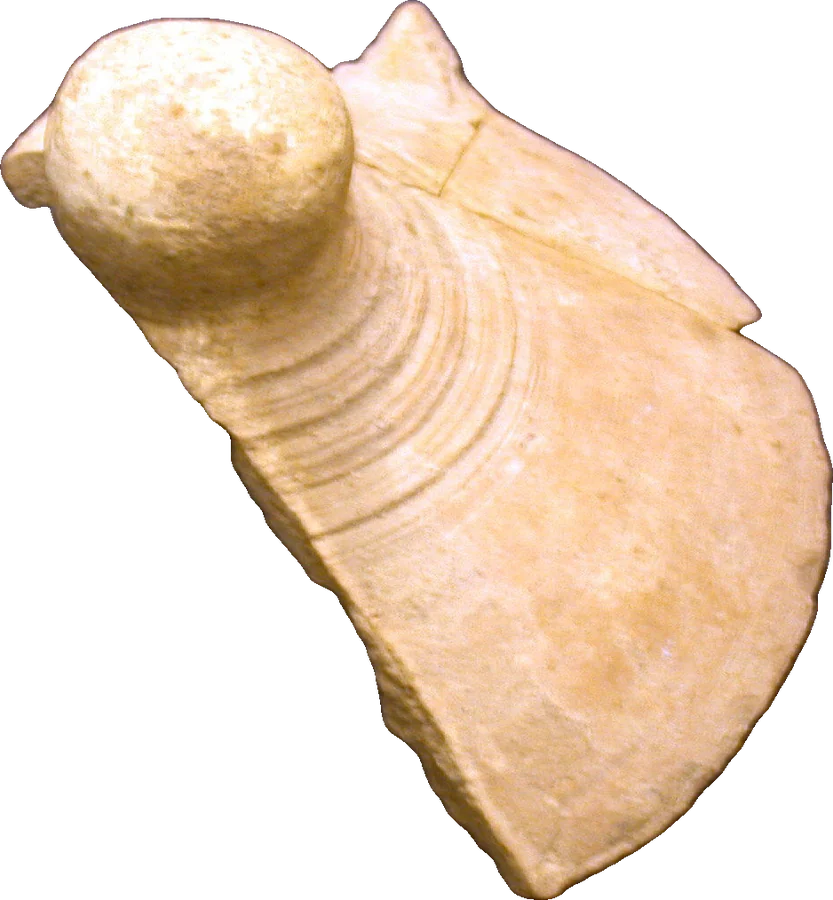 Vessel lidca. 3rd–7th century CE
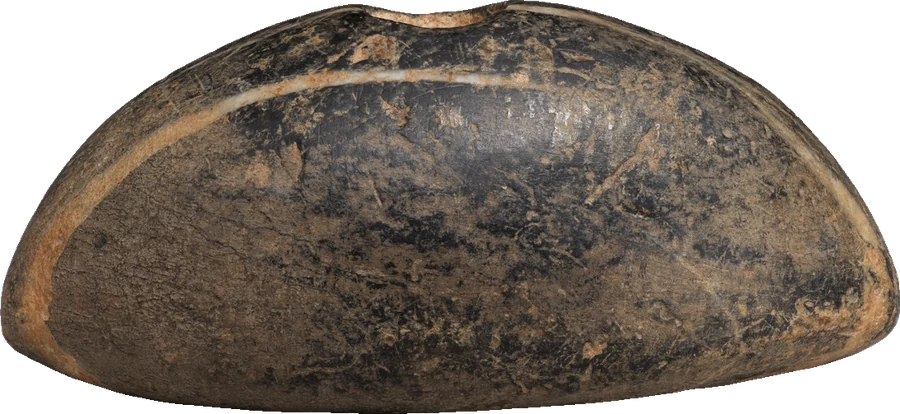 Mace headca. 3rd century CE (?)
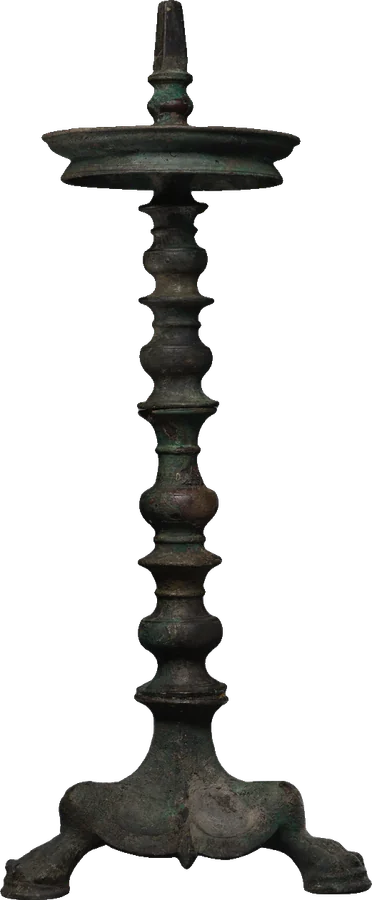 Lamp standca. 6th–7th century CE
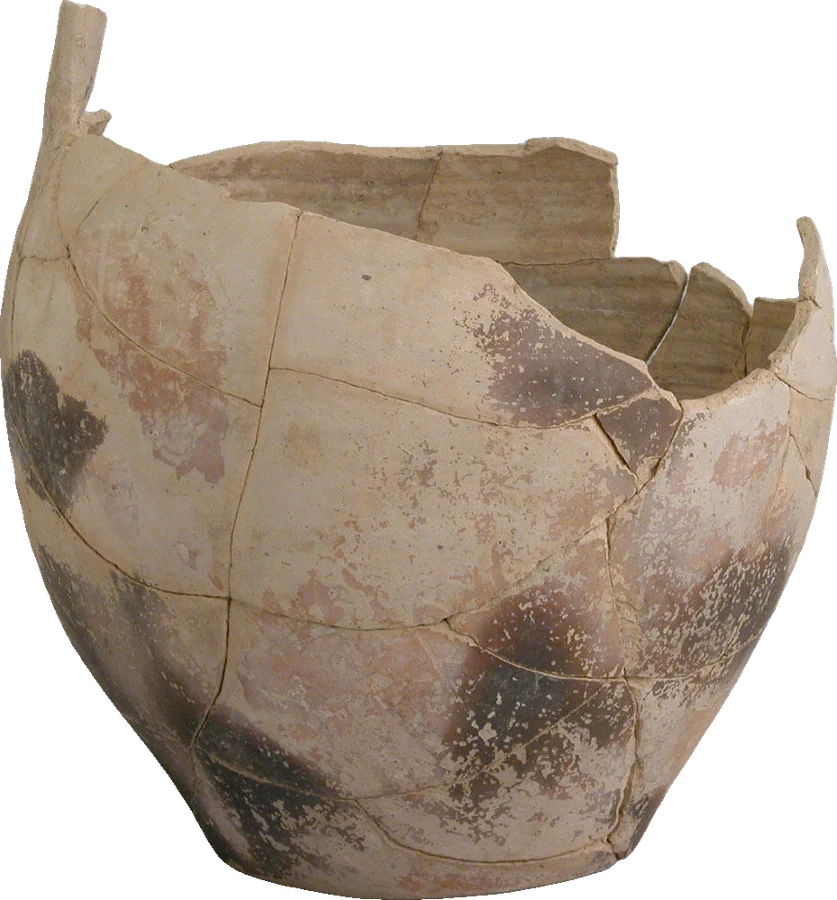 Fragmentary Jar6th–7th century
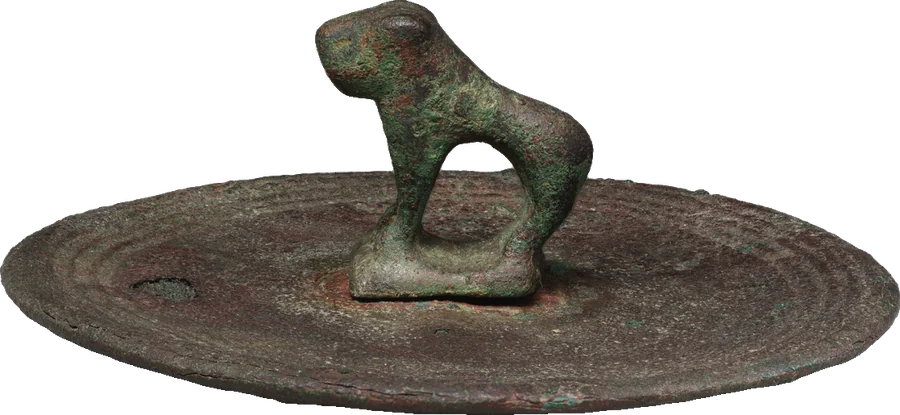 Mirror or lid with handle in the form of a lionca. 6th–7th century CE
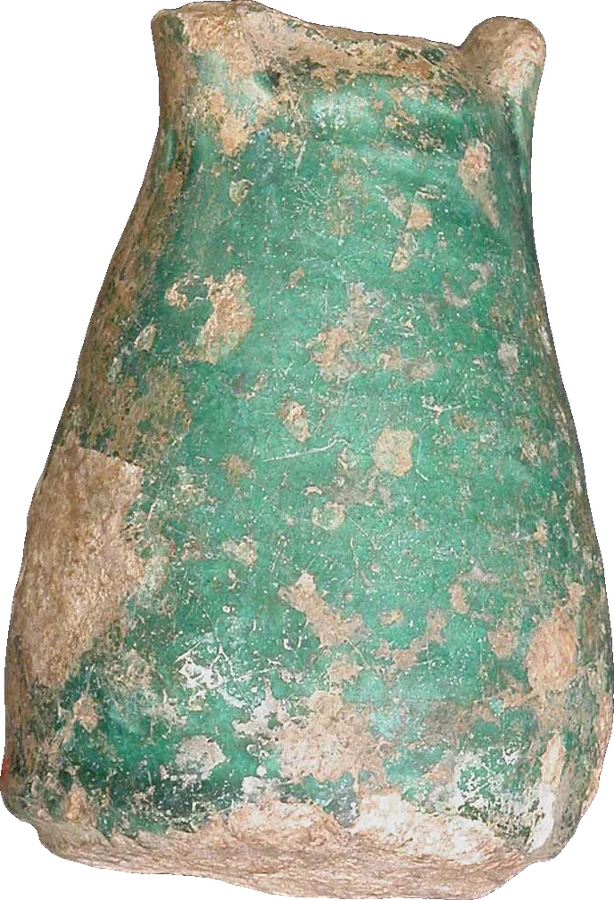 Jar6th century
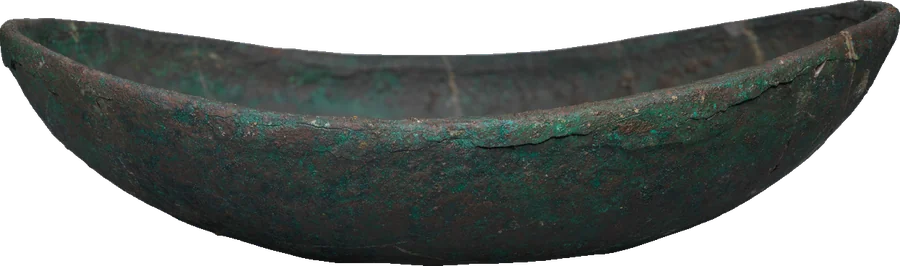 Oval bowlca. 6th–7th century CE
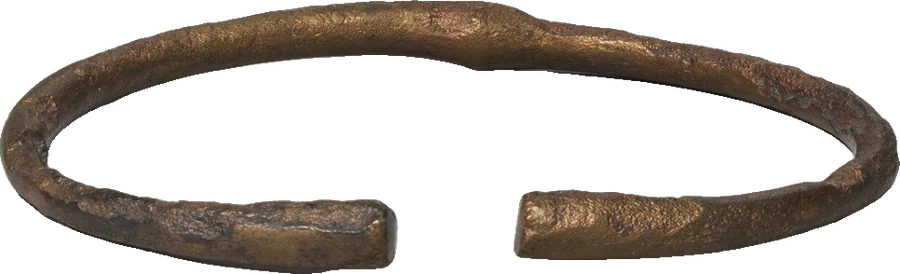 Braceletca. 6th–8th century CE
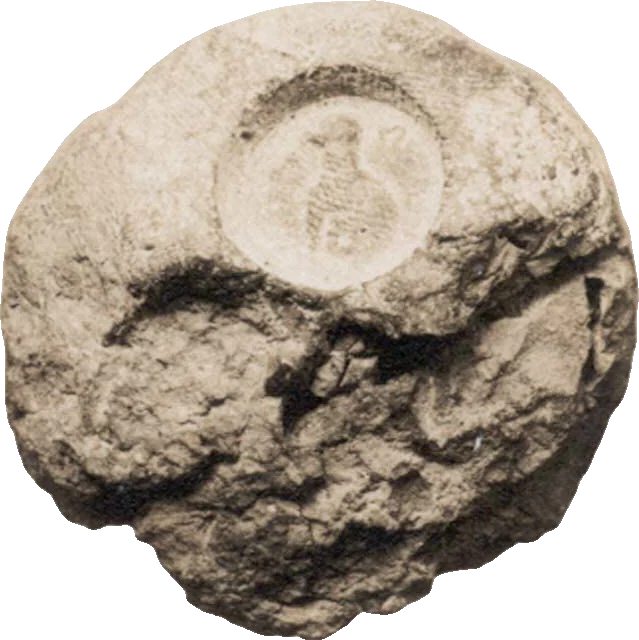 Sealingca. 7th century CE
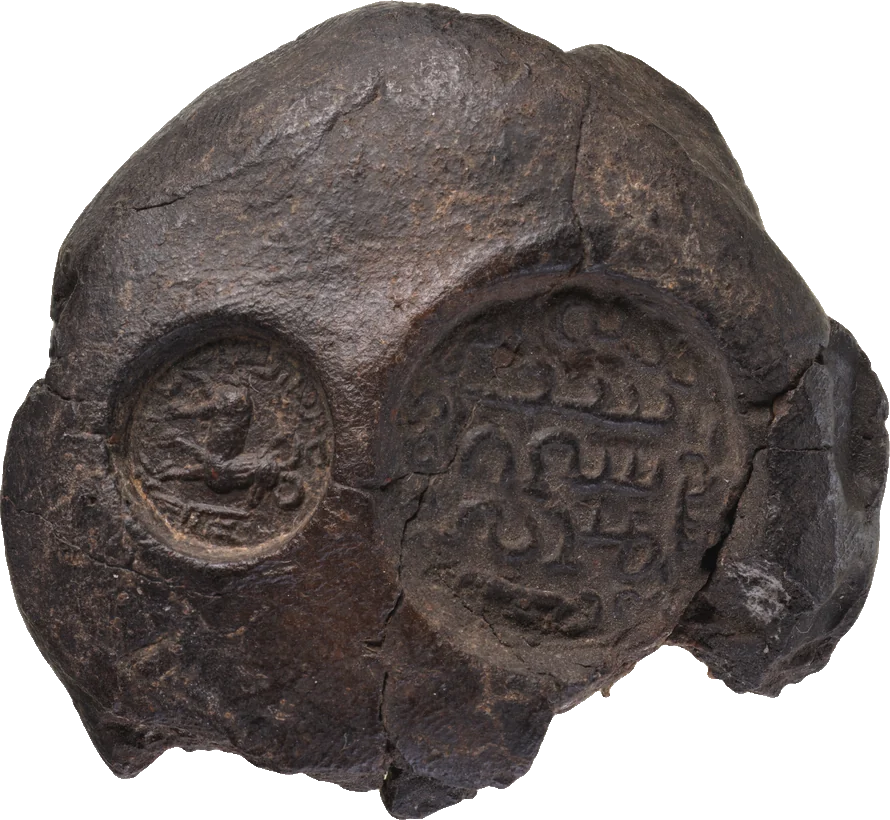 Sealingca. 7th century CE
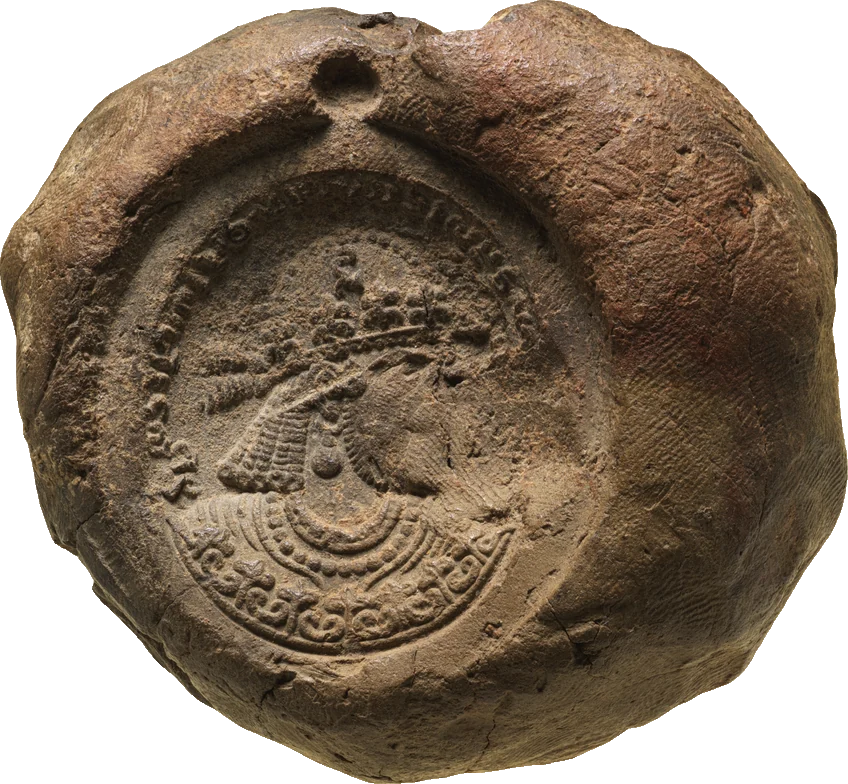 Sealingca. 7th century CE
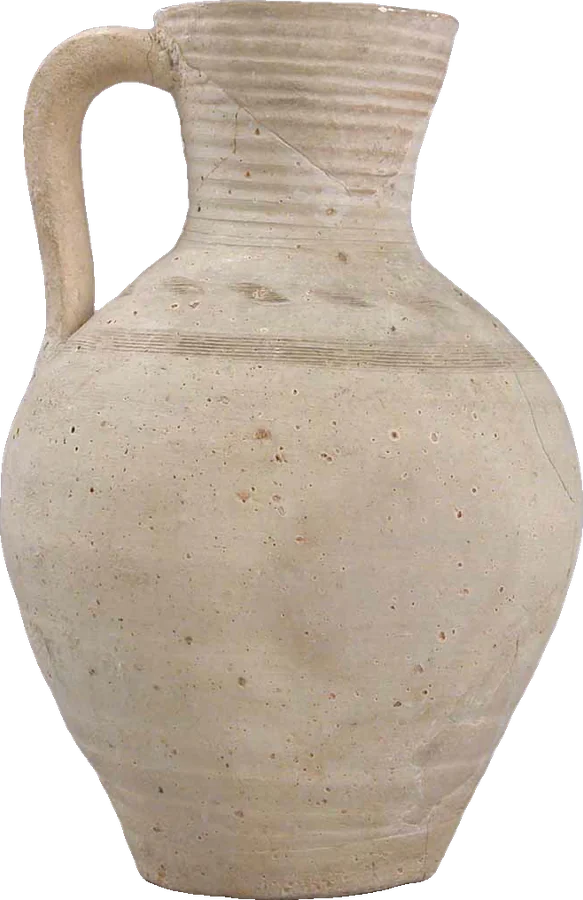 Ewer7th–8th century
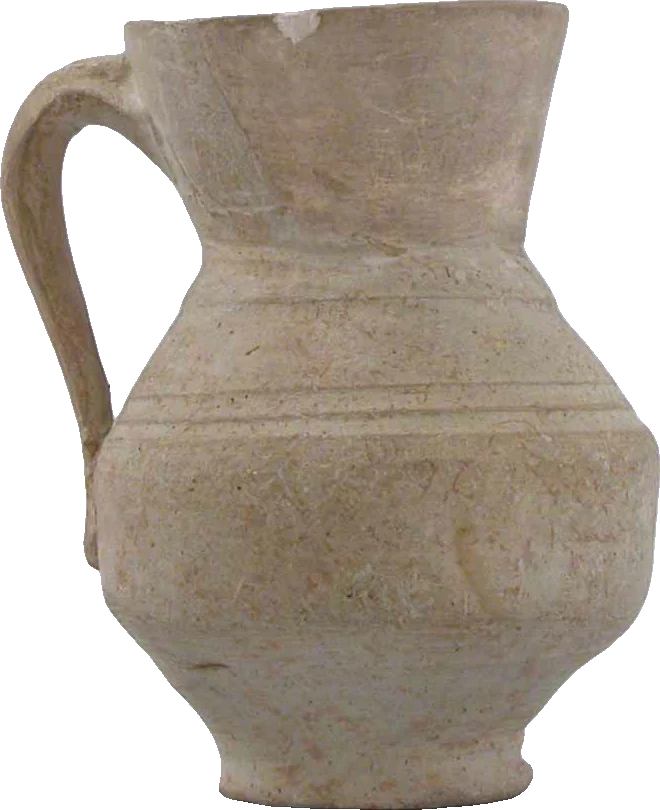 Ewer8th–9th century
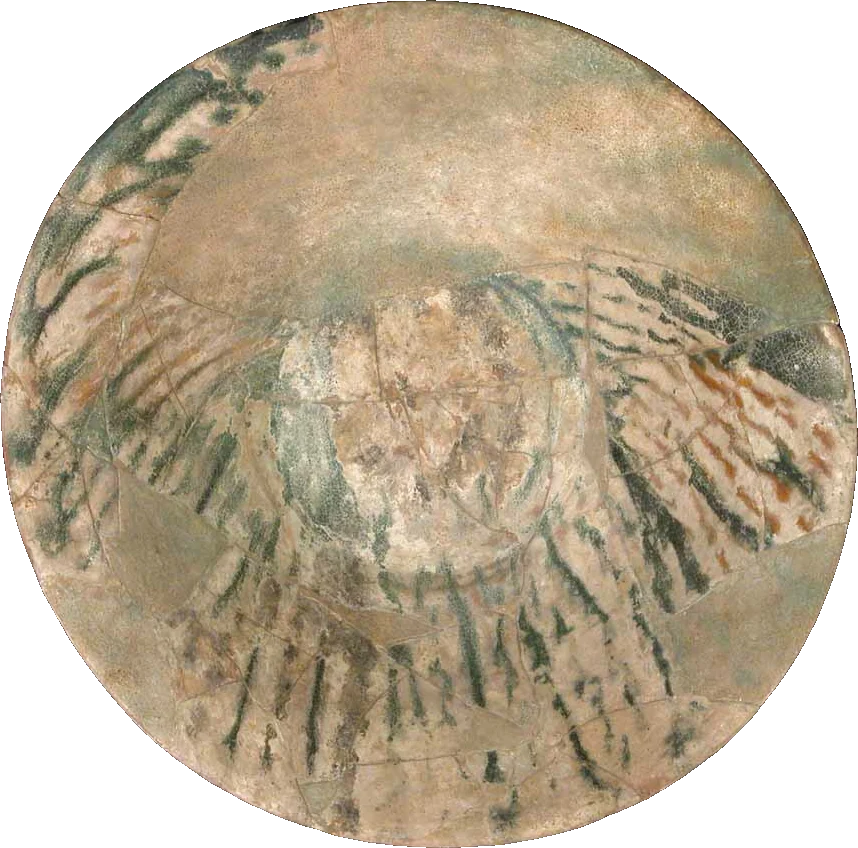 Bowl8th–9th century
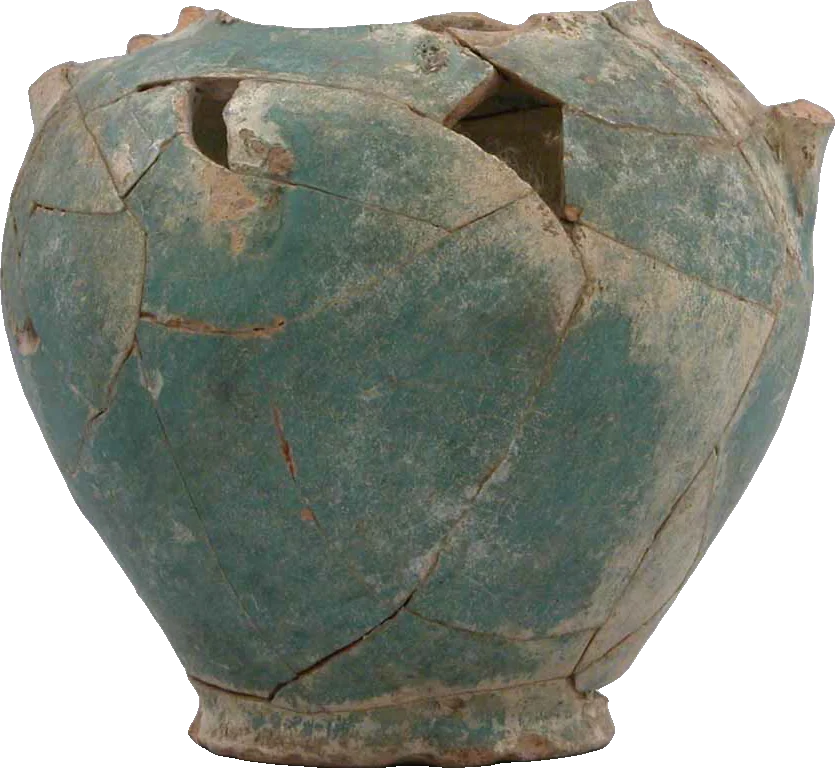 Jar8th–9th century
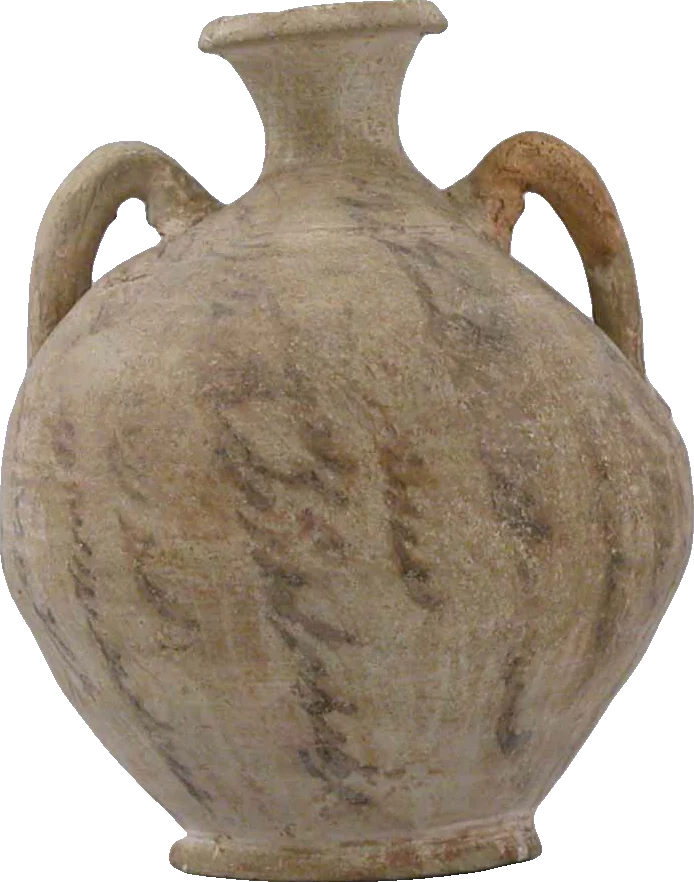 Jar with Writing8th–10th century
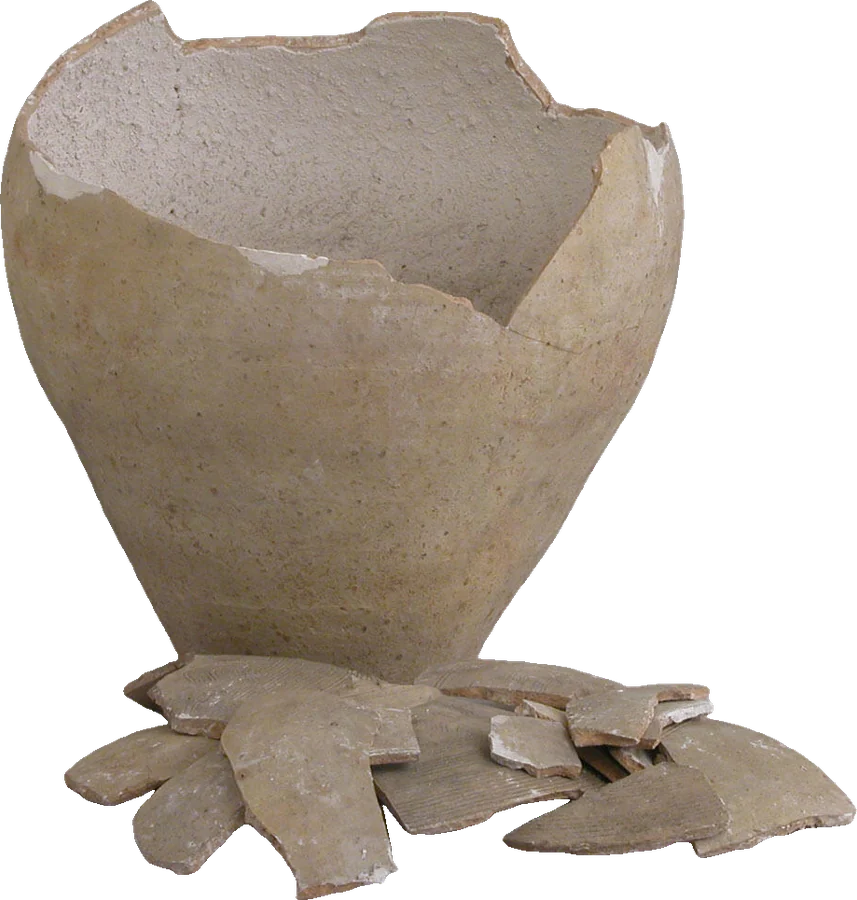 Jar8th–9th century
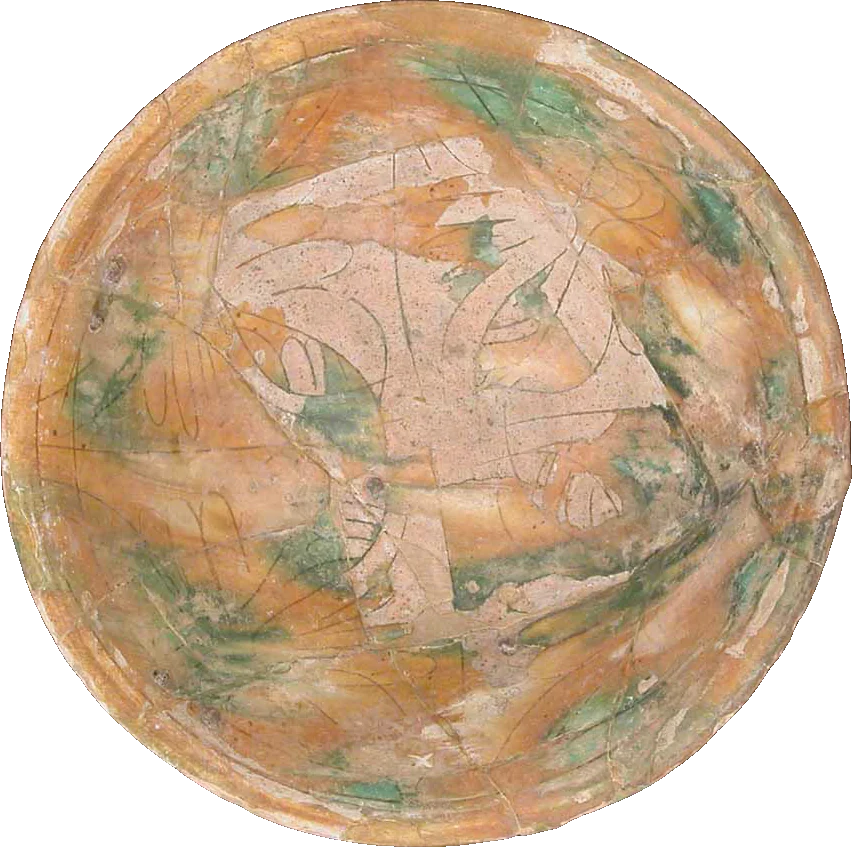 Bowl9th–10th century
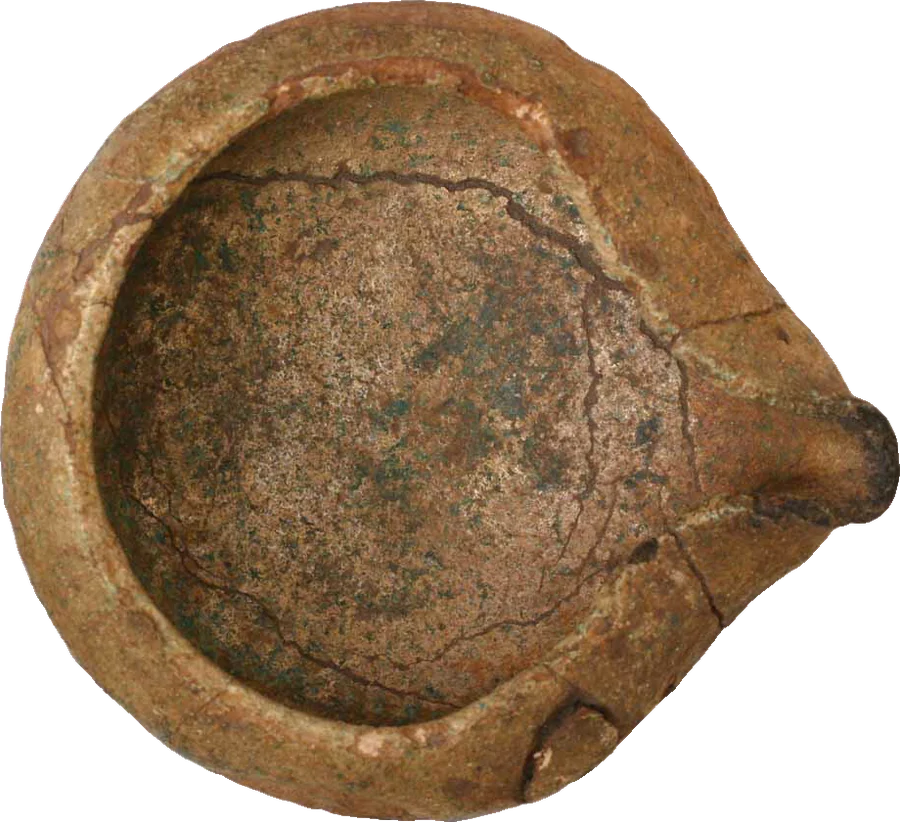 Lamp9th–11th century
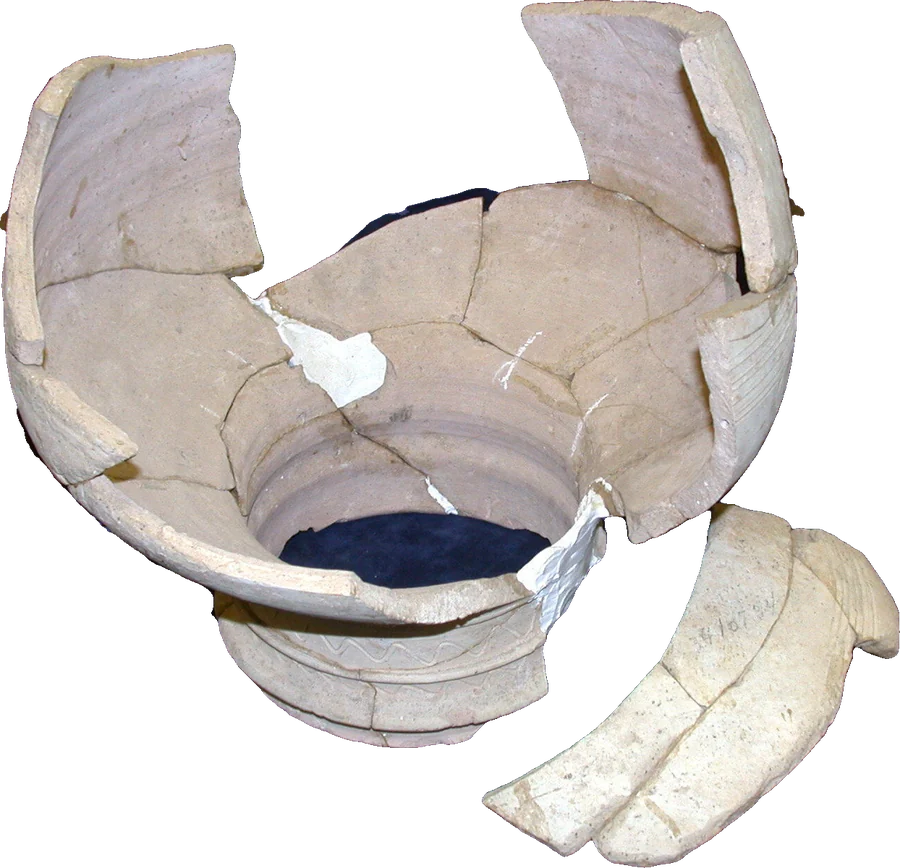 Broken jarca. 9th–10th century CE
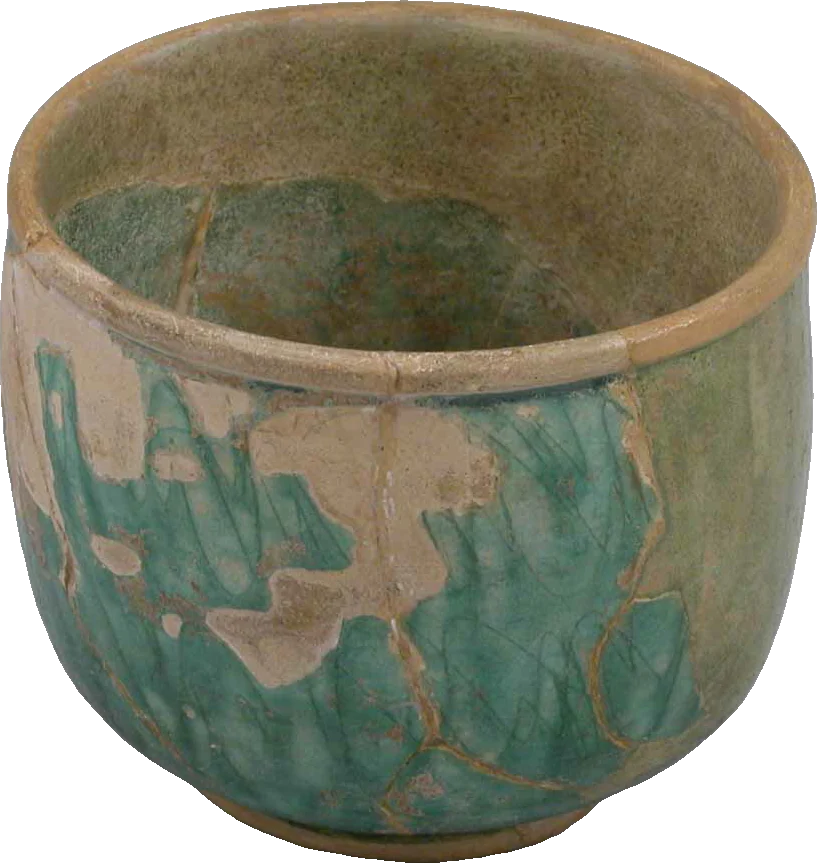 Jar10th century
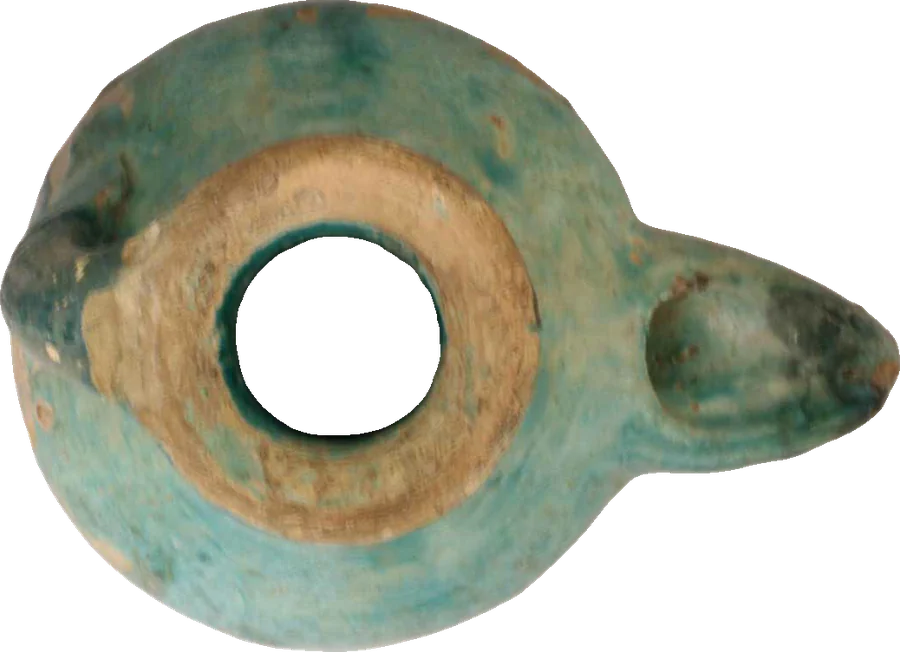 Lamp13th–14th century
12 fun facts about Qasr-i Abu Nasr
- The stone doorways that first drew the Met team here looked like ancient Persian royal work. They turned out to have been carried from Persepolis and set up at the site in the 9th or 10th century A.D. metmuseum.org
- A clay tablet about 1.3 inches (3.4 cm) long, found here in 1935, records 60 rams, 75 ewes, 20 yearling ewes and 50 lambs. It is written in Elamite, like the accounting tablets of Persepolis. metmuseum.org
- The Met suggests the little Elamite tablet may have been planted by workmen hoping for a few more seasons of digging. If so, the plan failed: the team moved on to Nishapur. metmuseum.org
- One clay sealing from the fortress carries the marks of five different seals, showing two birds, a camel walking to the right, an inscription and a flower. metmuseum.org
- To close a document, a Sasanian official pressed a lump of clay around its cord and stamped it with a seal. Once broken, the clay could not be replaced without the seal's owner. metmuseum.org
- Stamp seals were marks of ownership and status. One found in the fortress shows a resting horned animal and has a hole so it could hang on a cord and perhaps be worn. metmuseum.org
- Metal arrowheads turned up all over the fortress, along with several metal keys, fitting a place built for defense and government work. metmuseum.org
- A large platform in the south of the fortress was nicknamed a fire altar by the excavators. Scholars have proposed it was linked to Zoroastrian worship. metmuseum.org
- The fortress sat on a roughly triangular natural rise. People came up a ramp to a gate on the southwest side, and one main street cut across the whole fortress. metmuseum.org
- Place names on objects from the dig suggest the town was Old Shiraz, or traded often with it. The site lies only about 4 miles (6 km) east of Shiraz. metmuseum.org
- In the western area, the team uncovered an eight-sided building and a large pillared, vaulted hall that has been suggested as a possible Christian church. metmuseum.org
- About six hundred objects from Qasr-i Abu Nasr came to the Met, and a small exhibition of the finds was held in New York in 1934. metmuseum.org
In the game these unlock one by one as you dig here.
The name
Qasr-e Abu Nasr is Persian for "Palace of Abu Nasr." An Iranian list of historic sites from 1932 records the place under another name, Takht-e Soleyman, "Throne of Solomon." en.wikipedia.org
Life here
In Sasanian times Qasr-i Abu Nasr was one of many small towns on the Fars plain. It sat against the mountains, near water and along a likely road into the Shiraz plain. Finds from the fortress point to soldiers and officials at work, with arrowheads, keys, seals and stored clay sealings, while plain pottery shows everyday life and labor. metmuseum.org
Who dug here
When France's monopoly on digging in Iran ended in 1930, the Met applied for a site of its own. Joseph Upton, Charles Wilkinson and Walter Hauser, called the Persian Expedition, spent the first season in the western area, the second on the fortress and the third finishing the fortress plans and exploring tombs in the hills. The full results appeared in books in 1973 and 1985. metmuseum.org
Qasr-i Abu Nasr today
Today Qasr-e Abu Nasr lies within the city of Shiraz, in Iran's Fars province. Archaeologists have found coins and other objects there from several eras, and studies of its seals, sealings and coins are still standard references. en.wikipedia.org
A record
Qasr-i Abu Nasr was among the very first Sasanian sites ever excavated. Before the Met's dig very few had been, so the published seals, pottery and coins became a key point of comparison for later work. metmuseum.org
Qasr-i Abu Nasr today and in the past
Dig at Qasr-i Abu Nasr yourself: open a trench, brush the soil away layer by layer and find these objects in the game.
Dig at Qasr-i Abu Nasr