
Mesopotamia · Iraq
Ctesiphon
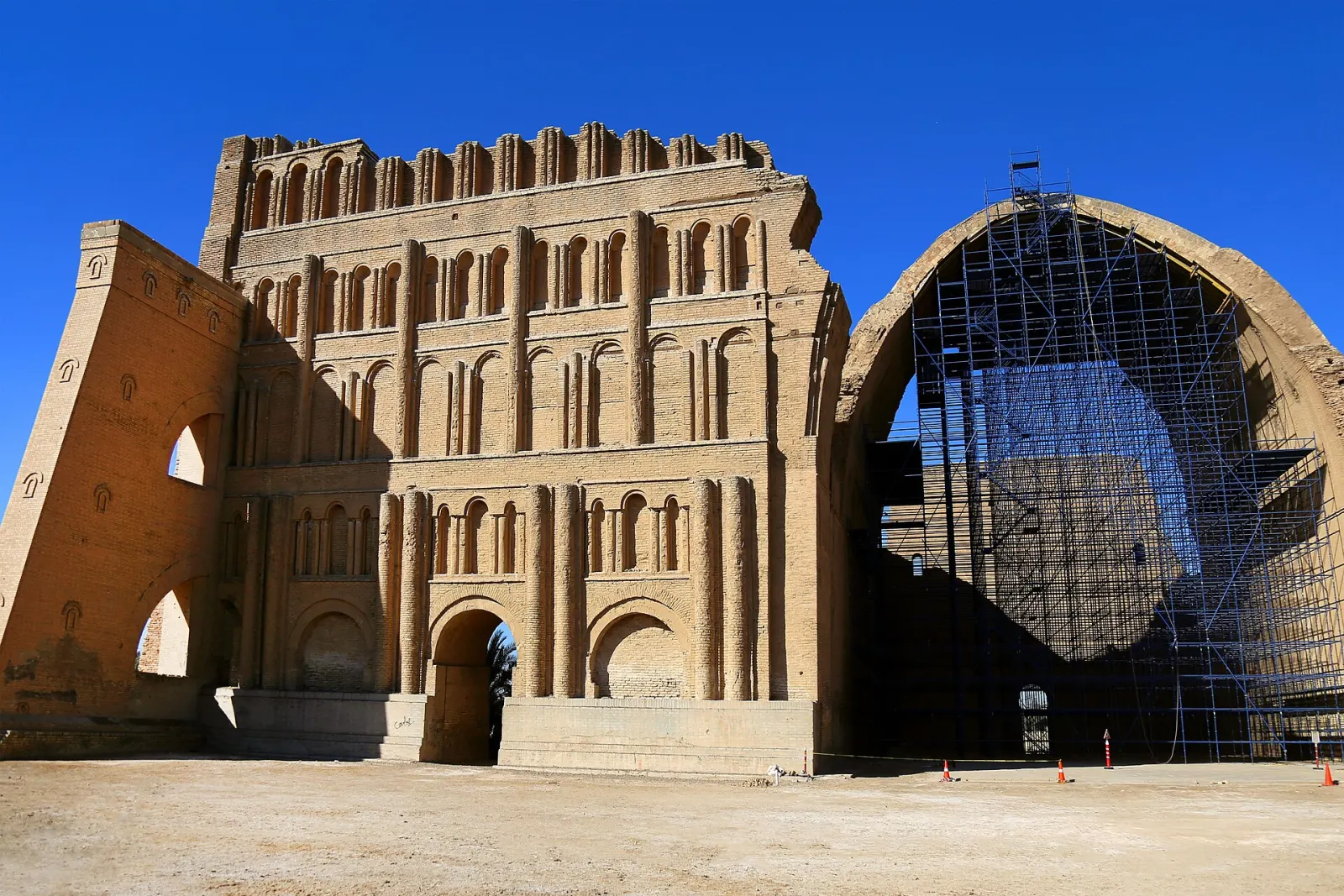
Ctesiphon, on the Tigris River south of Baghdad, was a capital of the Parthian and then the Sasanian kings of Iran for about 800 years. The great brick arch of the Taq Kasra still stands. In 1931 and 1932 The Metropolitan Museum of Art and the Berlin State Museums dug here together for one season and found Sasanian houses with carved plaster walls and the ground plan of the palace. Source
The Metropolitan Museum of Art's expedition dug here 1931 to 1932, together with the Berlin State Museums.
37 objects found here
Each one was found at Ctesiphon by the joint expedition of The Metropolitan Museum of Art and the Berlin State Museums. Today they are in The Metropolitan Museum of Art. Oldest first.
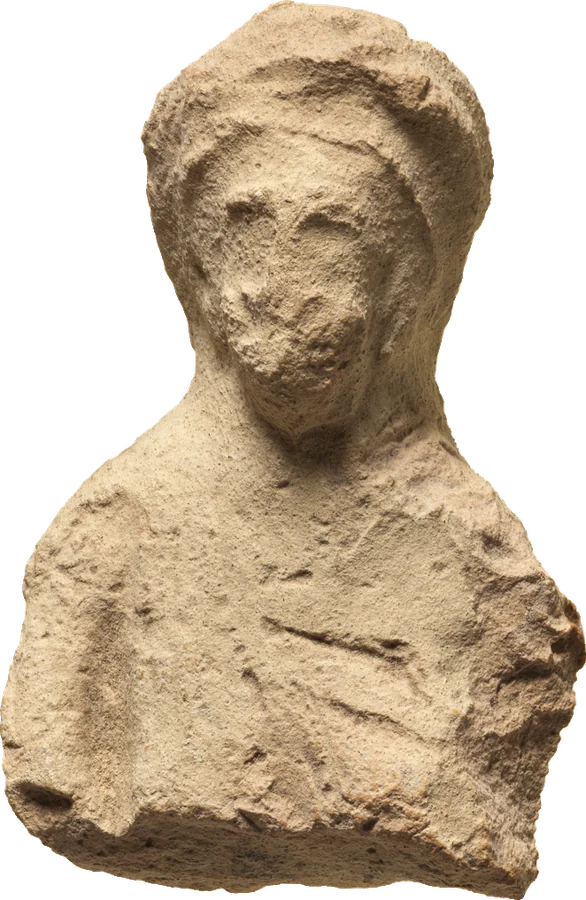 Figure fragmentca. 2nd century BCE–3rd century CE
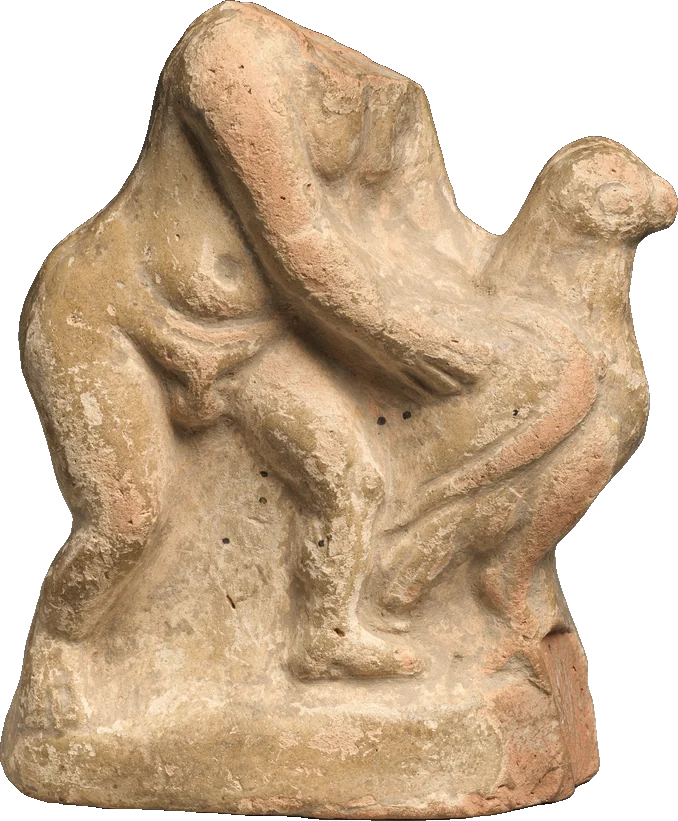 Figureca. 1st–2nd century A.D
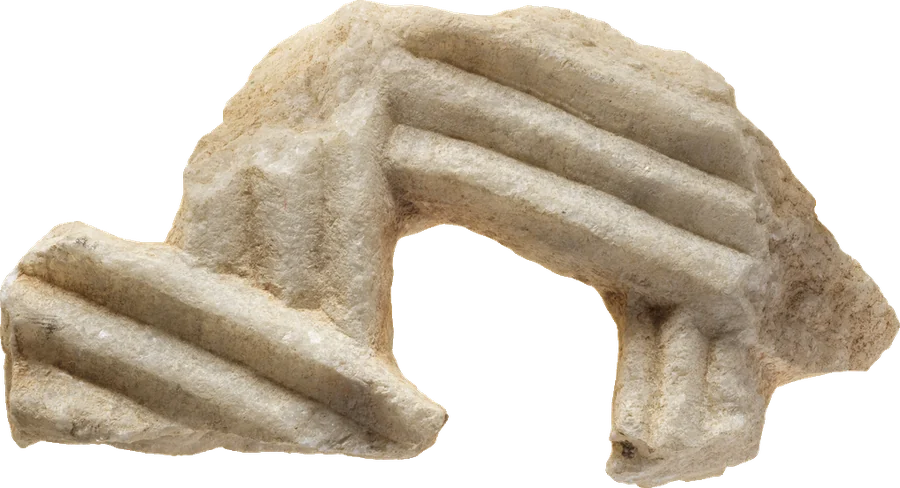 Grill fragmentca. 3rd–7th century CE
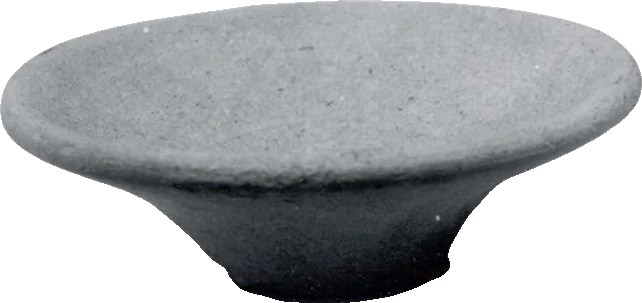 Bowlca. 3rd–7th century CE
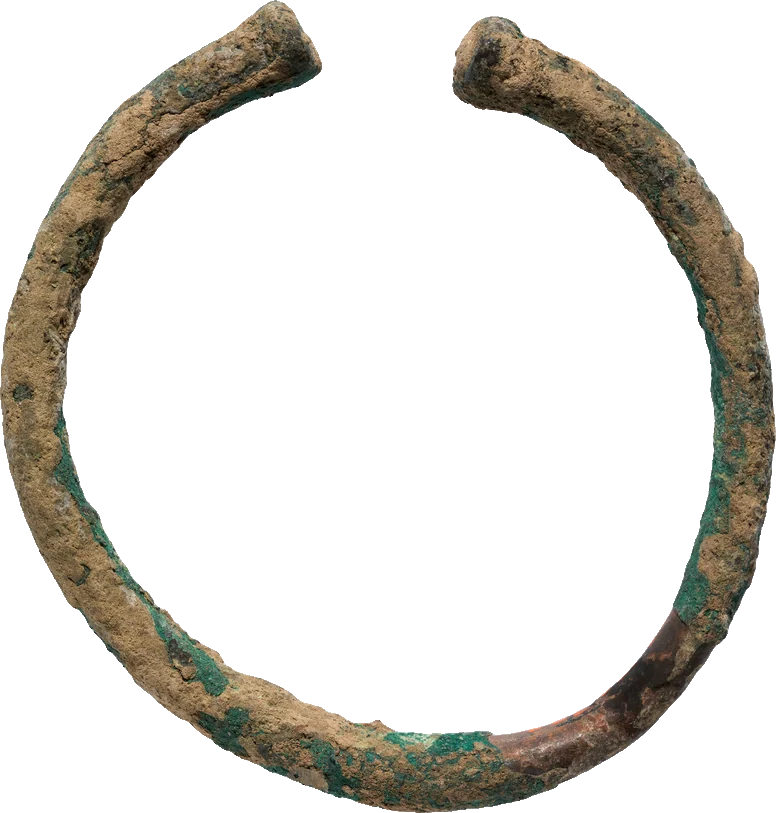 Braceletca. 3rd–7th century CE
 Earspoonca. 3rd–7th century CE
 Pinca. 3rd–7th century CE
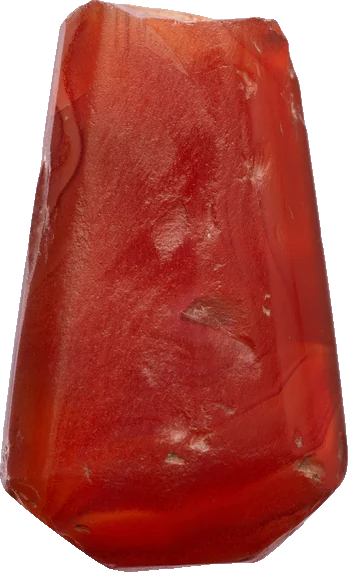 Pendant fragmentca. 3rd–7th century CE
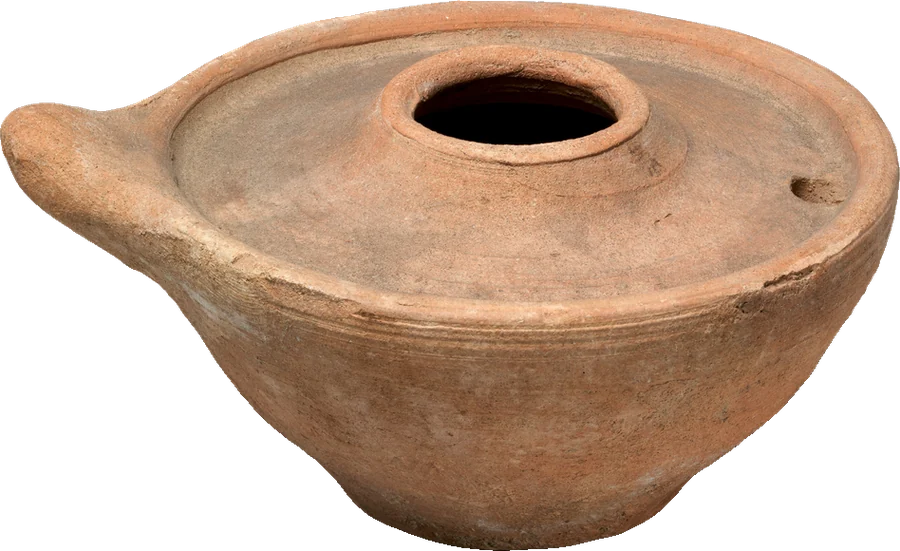 Lampca. 3rd–7th century CE
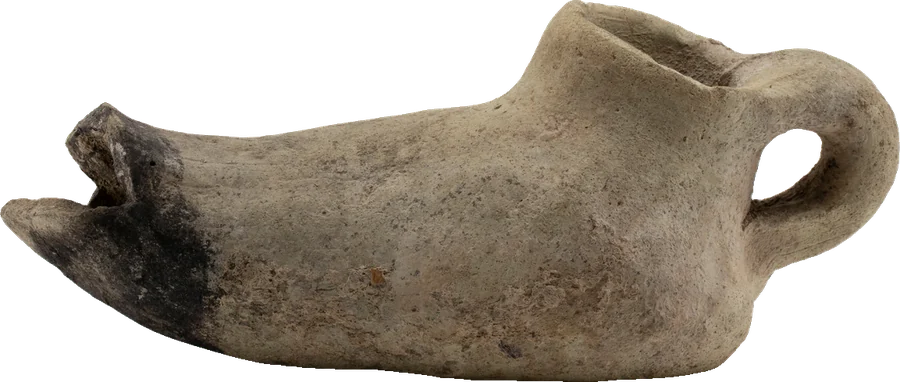 Lampca. 3rd–7th century CE
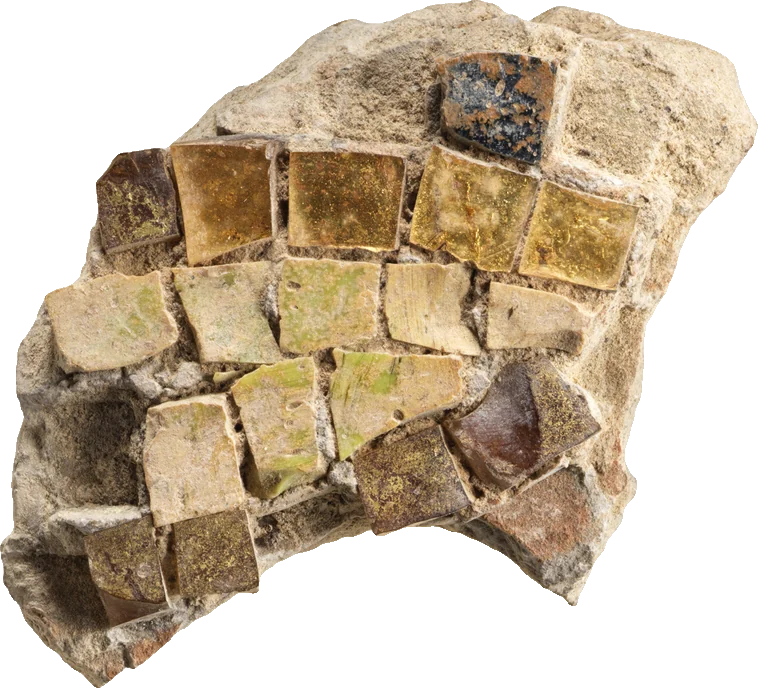 Mosaic fragmentca. 3rd–7th century CE
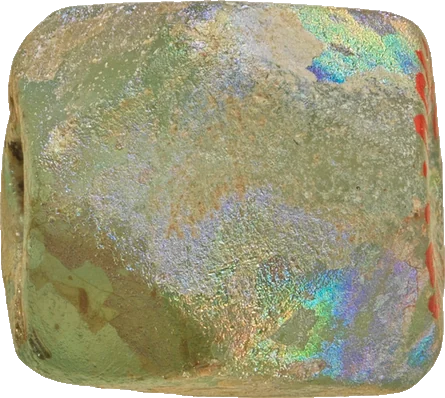 Beadca. 3rd–7th century CE
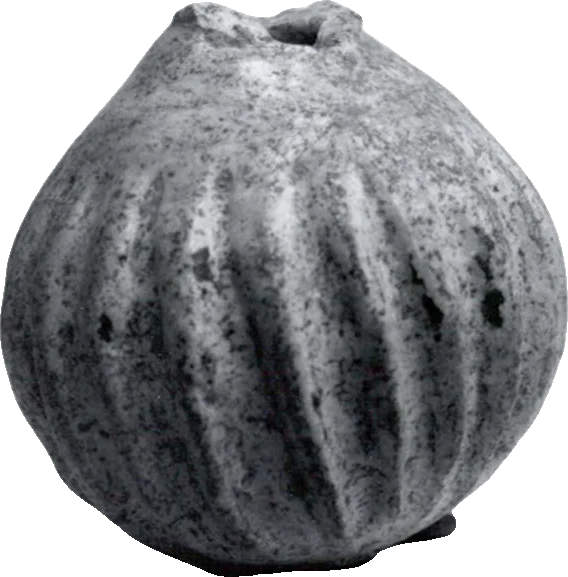 Bottleca. 3rd–7th century CE
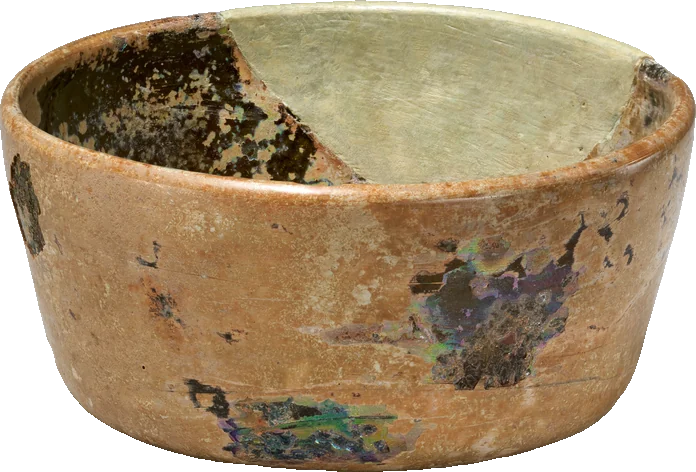 Dishca. 3rd–7th century CE
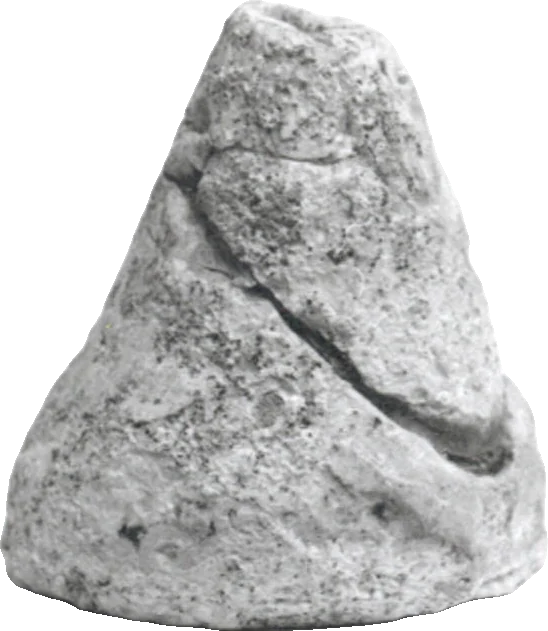 Pendantca. 3rd–7th century CE
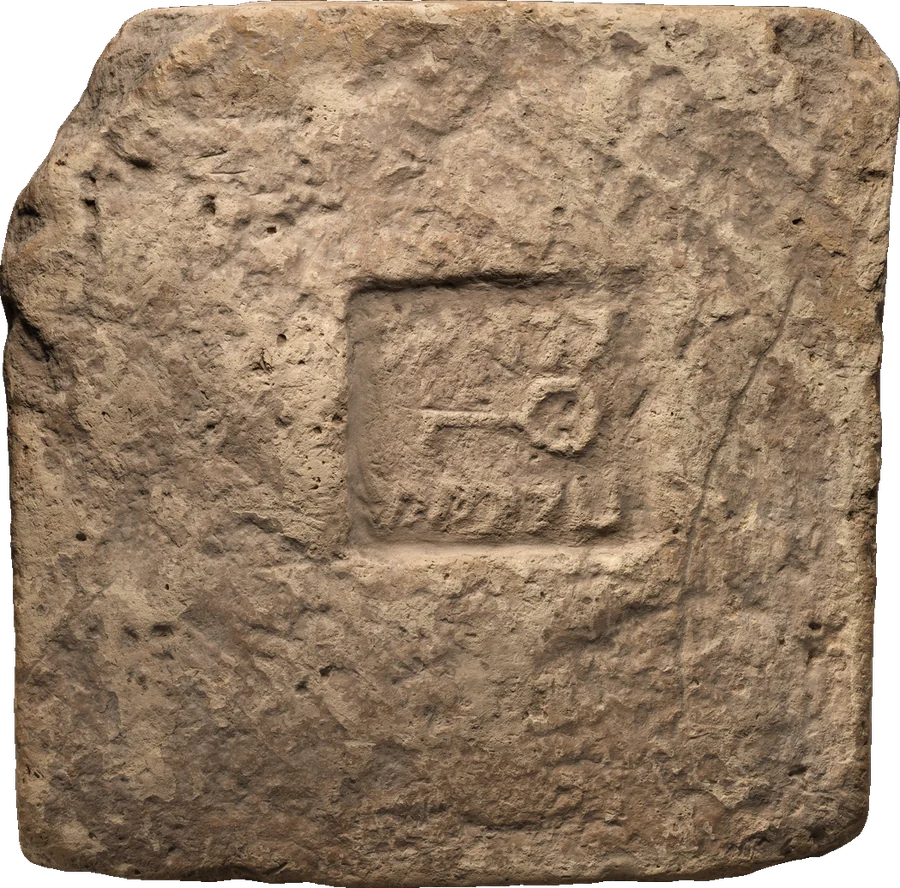 Glazed brickca. 3rd–7th century CE
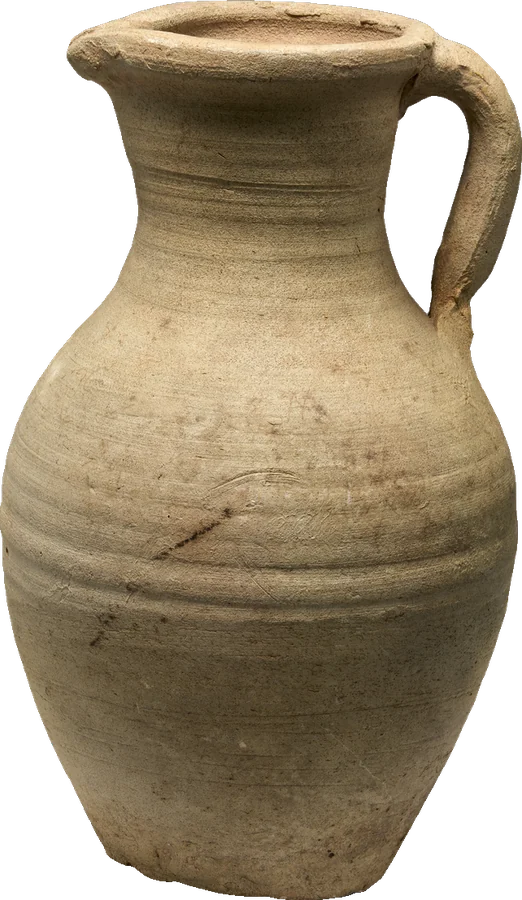 Jugca. 3rd–7th century CE
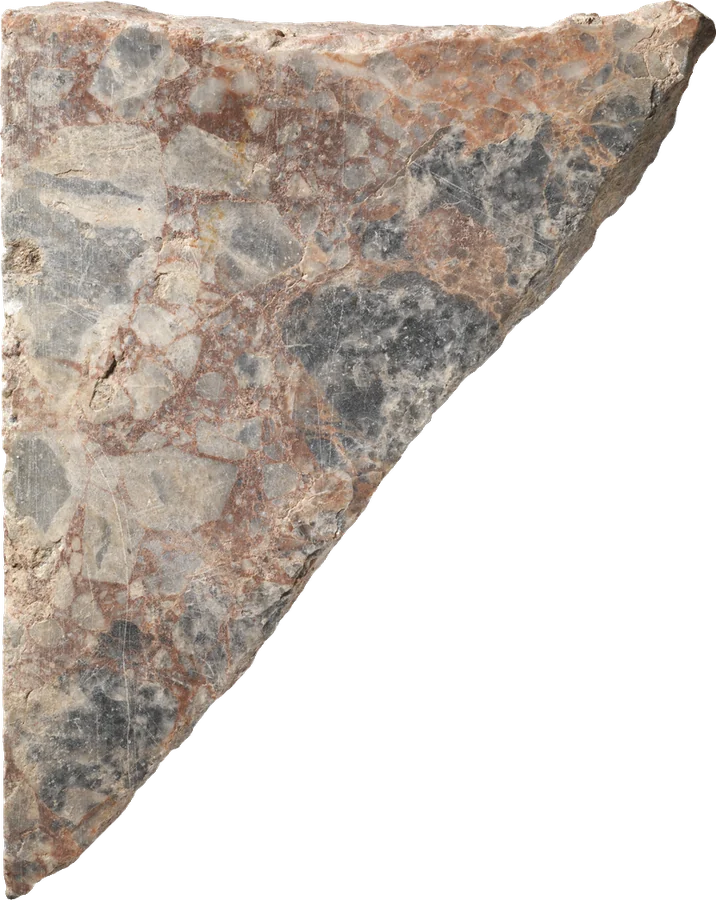 Plaqueca. 3rd–7th century CE
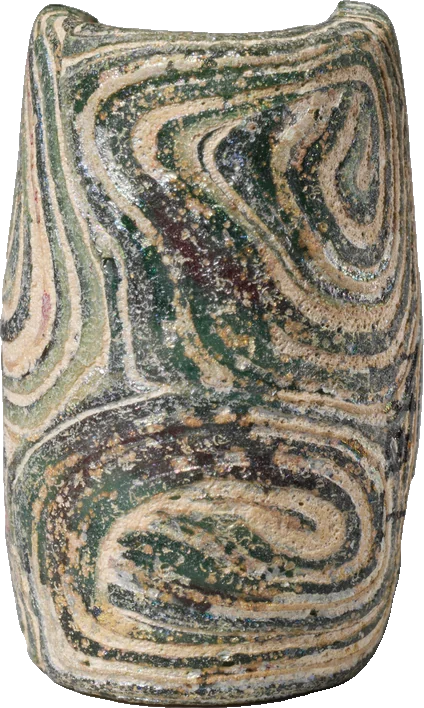 Mosaic beadca. 3rd–7th century CE
 Scent bottleca. 3rd–7th century CE
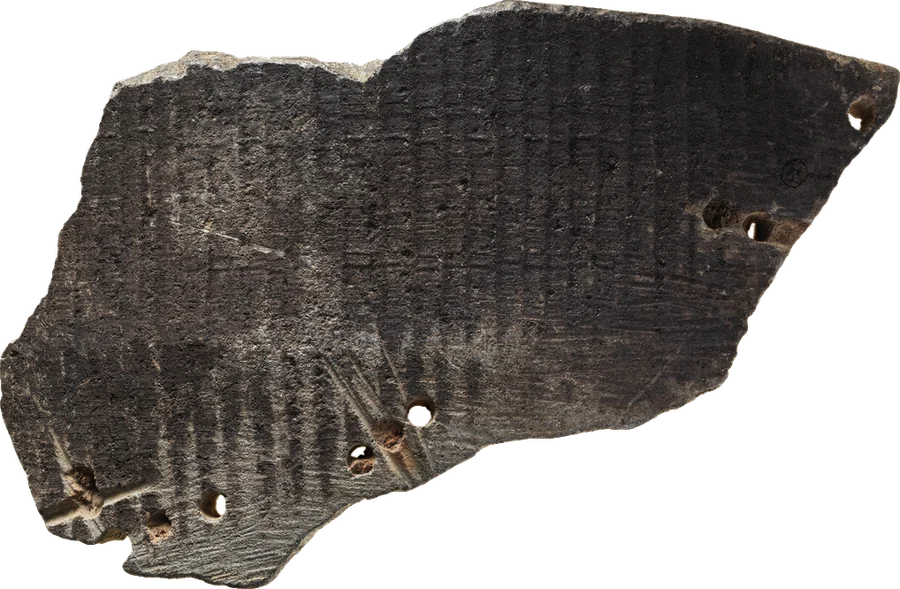 Stone vessel fragmentca. 3rd–7th century CE
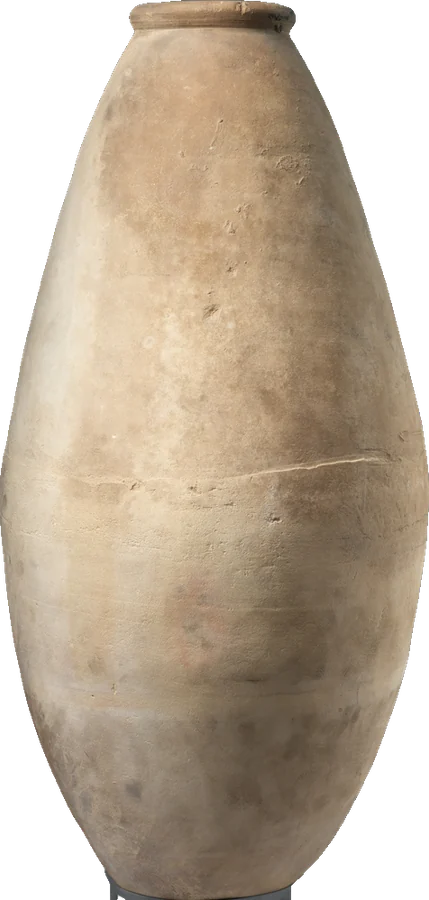 Storage jarca. 3rd–7th century CE
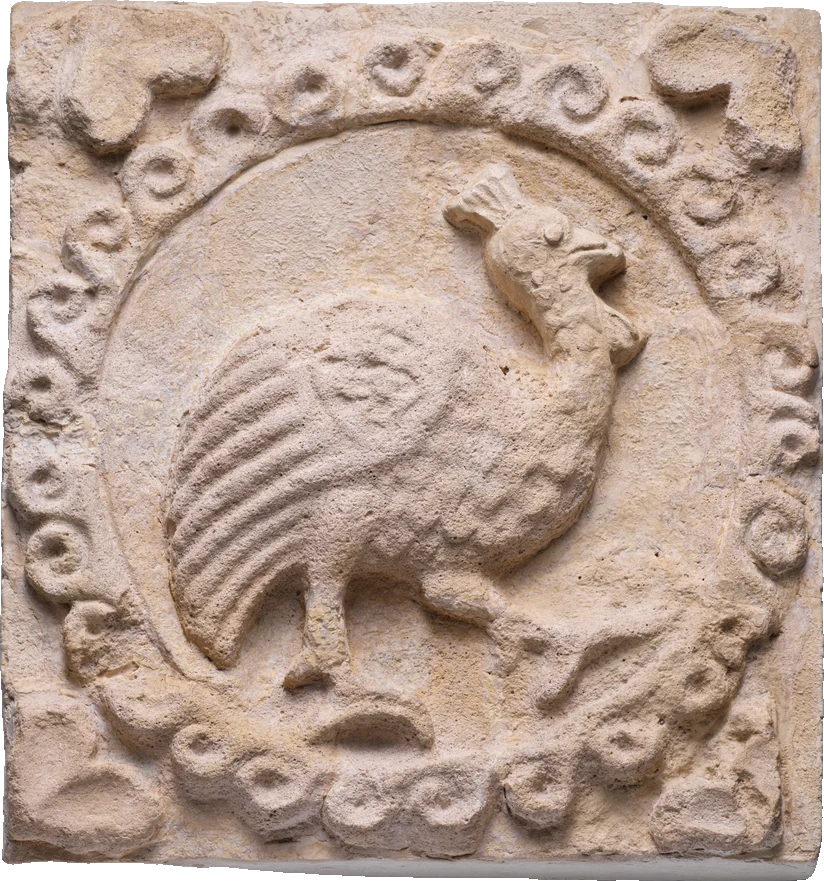 Wall panel with a bird in roundelca. 6th century CE
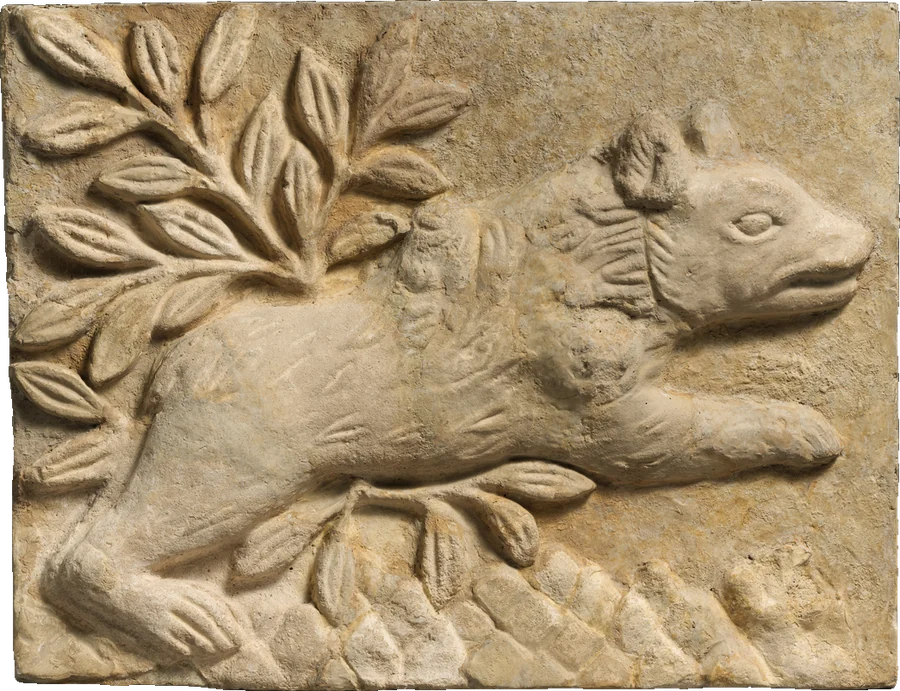 Wall panel with a charging bearca. 6th century CE
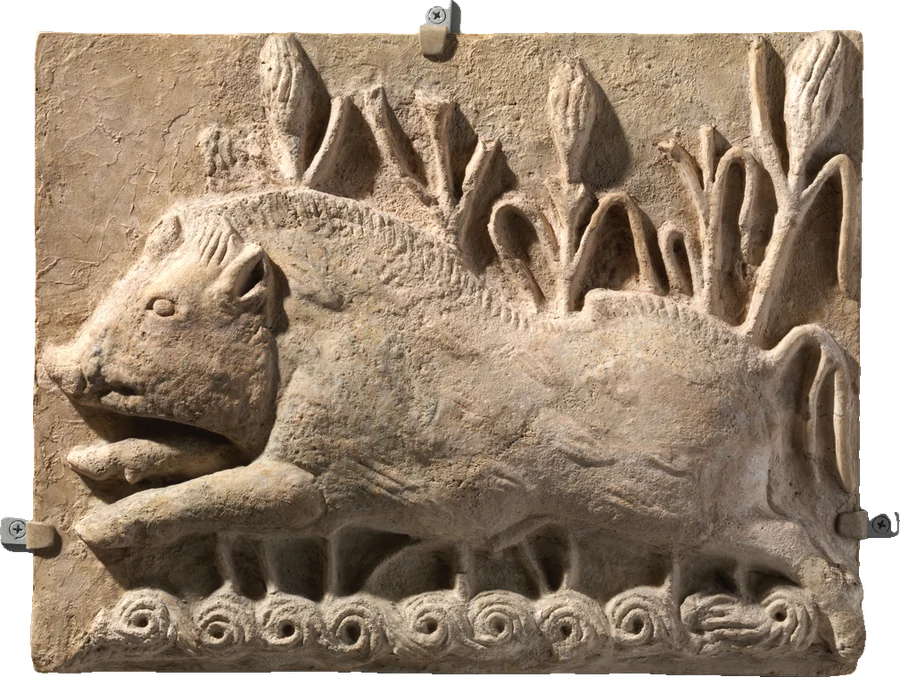 Wall panel with a charging boarca. 6th century CE
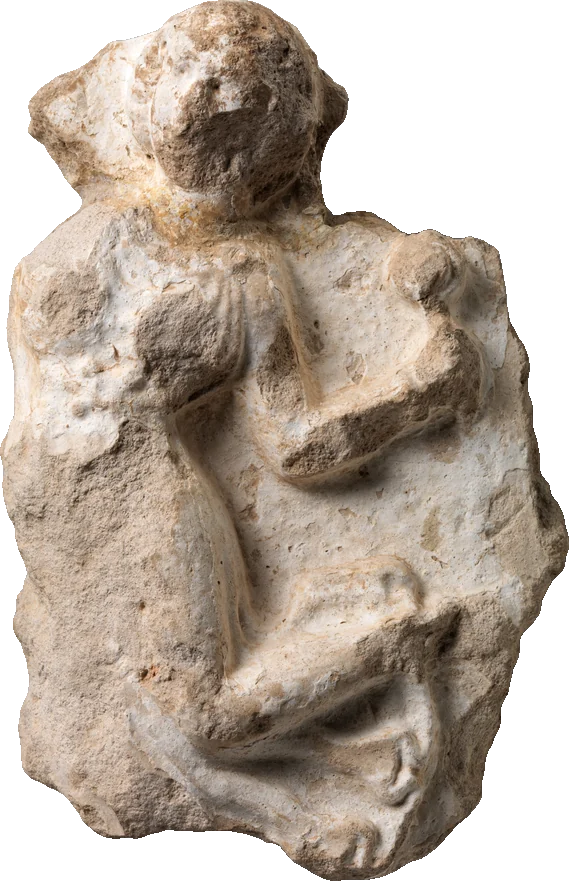 Fragment of a wall decoration with a female dancerca. 6th century CE
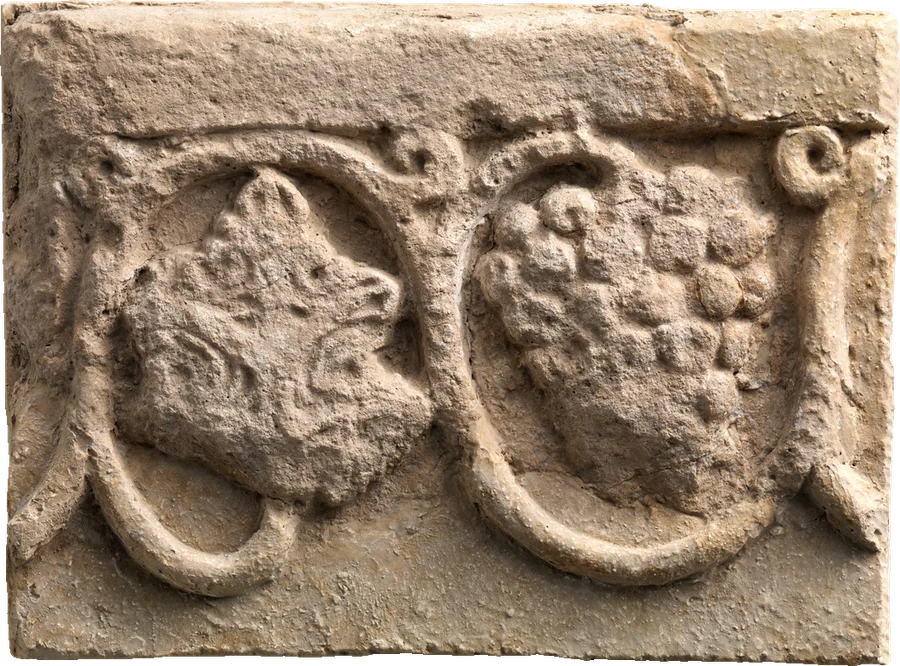 Wall decoration with a grapevineca. 6th century CE
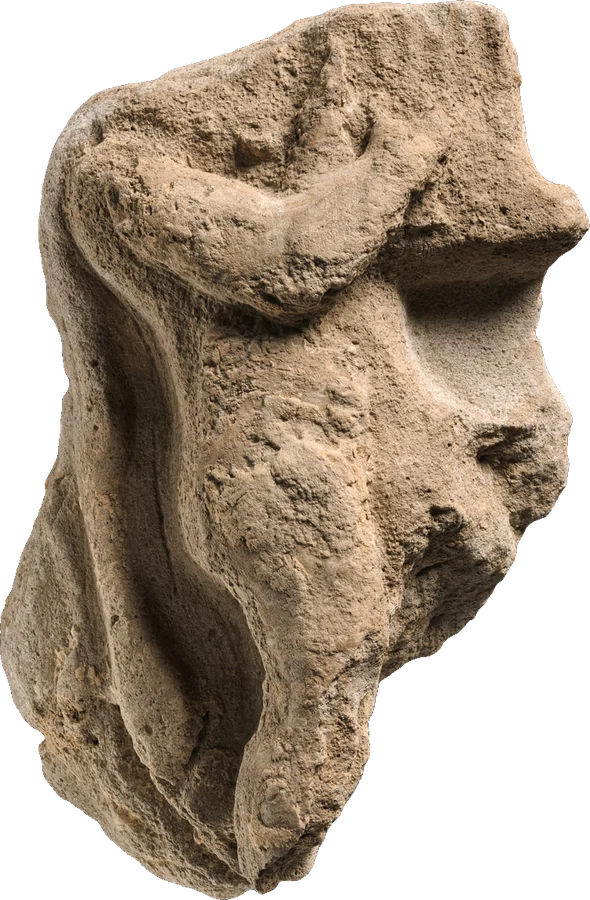 Fragment of a wall decoration with a figure playing a harpca. 6th century CE
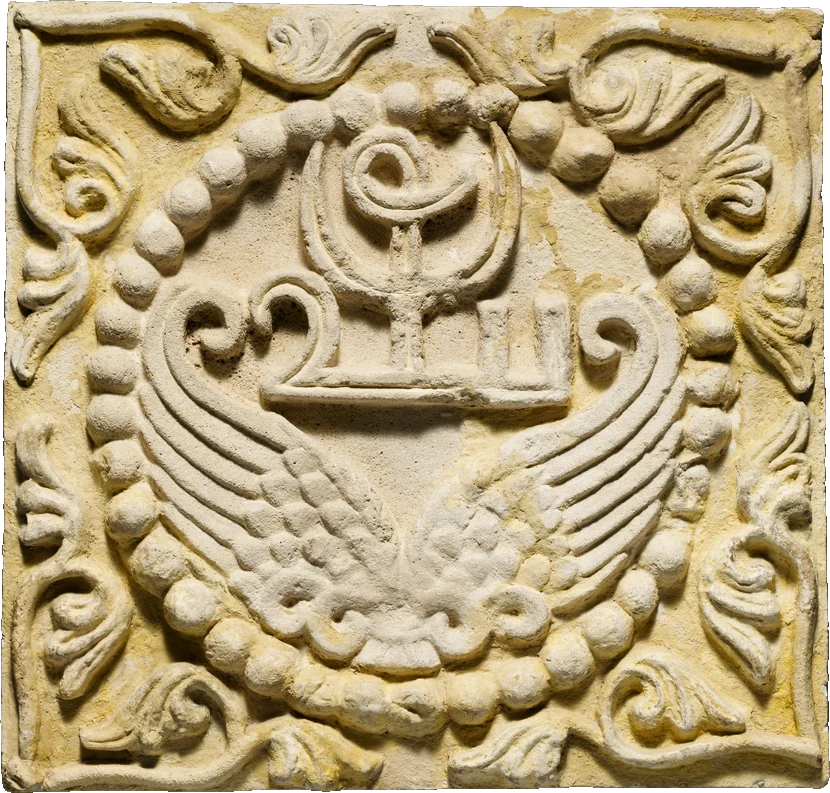 Wall panel with wings and a Pahlavi device encircled by pearlsca. 6th century CE
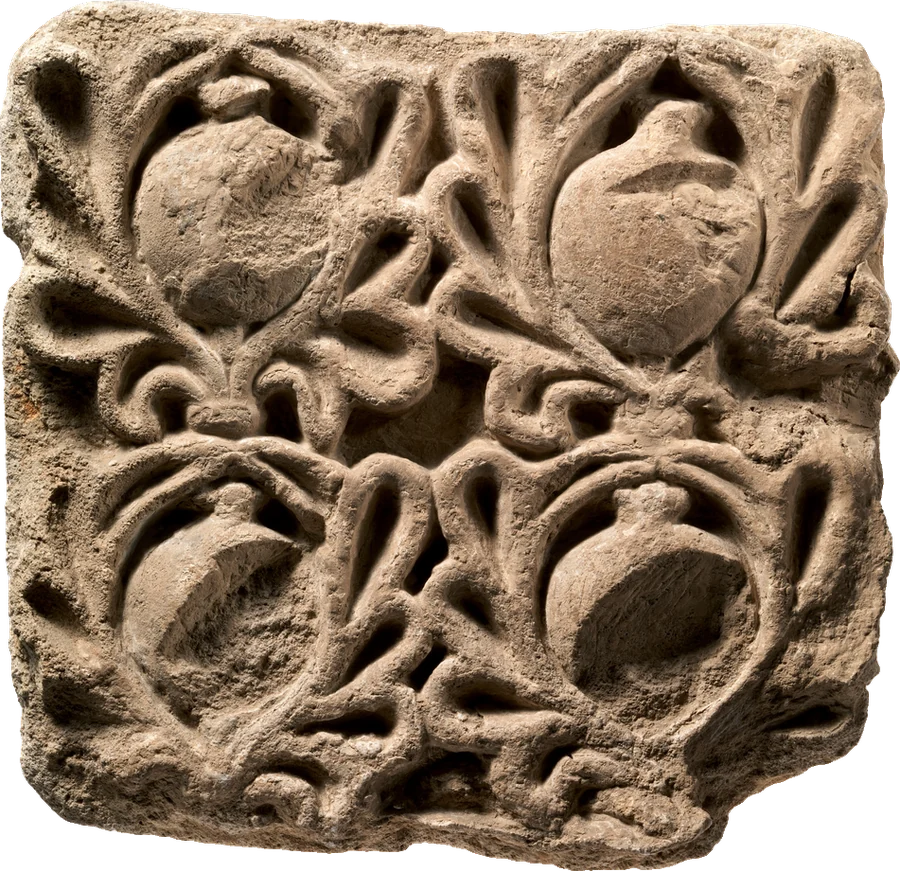 Wall decoration with pomegranates in palmettesca. 6th century CE
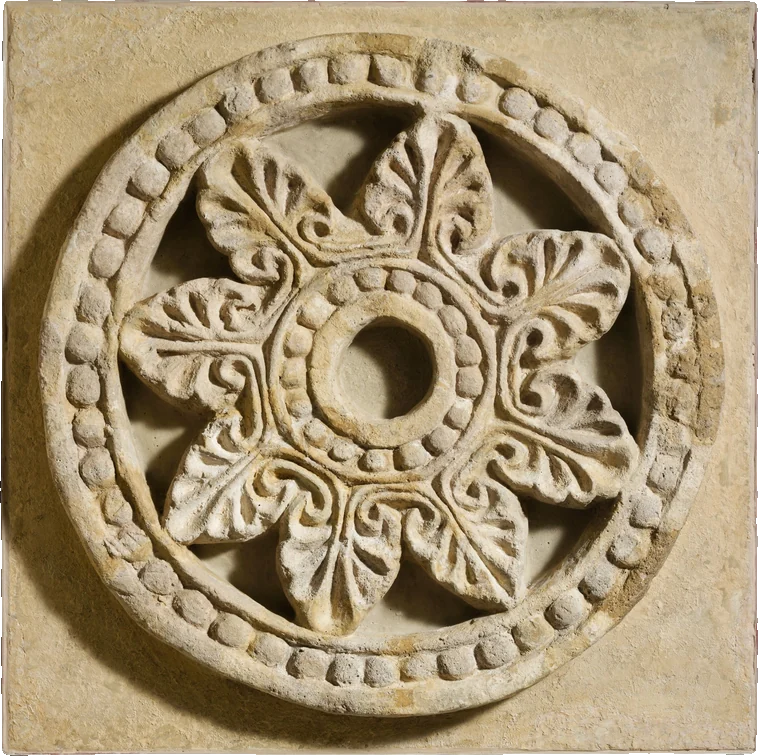 Window roundelca. 6th century CE
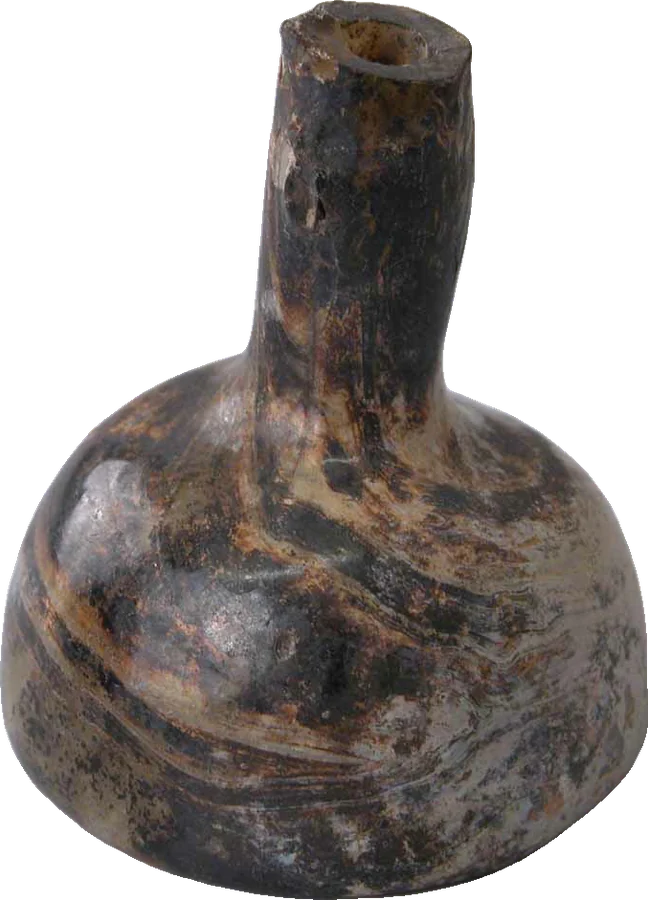 Bottle7th–8th century
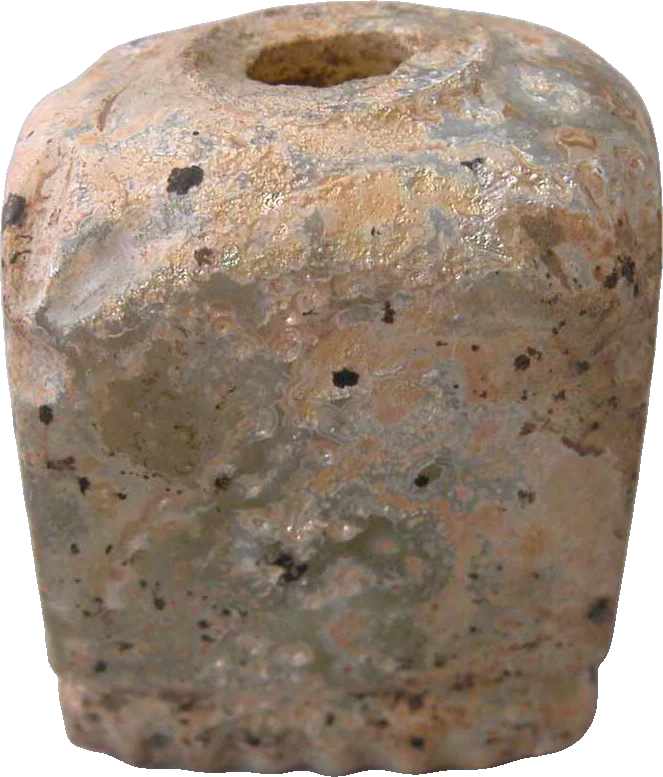 Flask7th–8th century
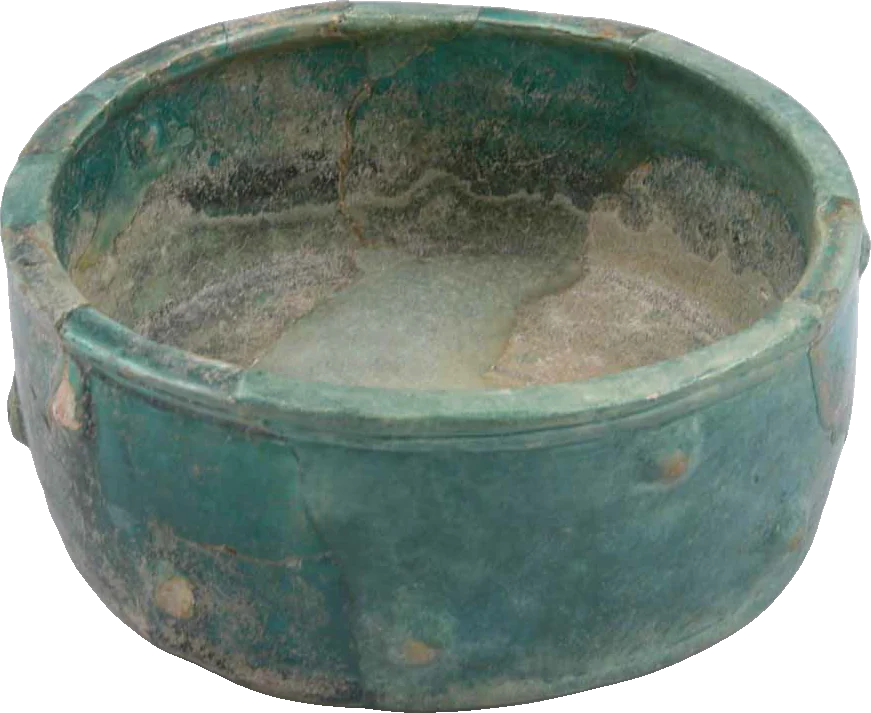 Dish8th century
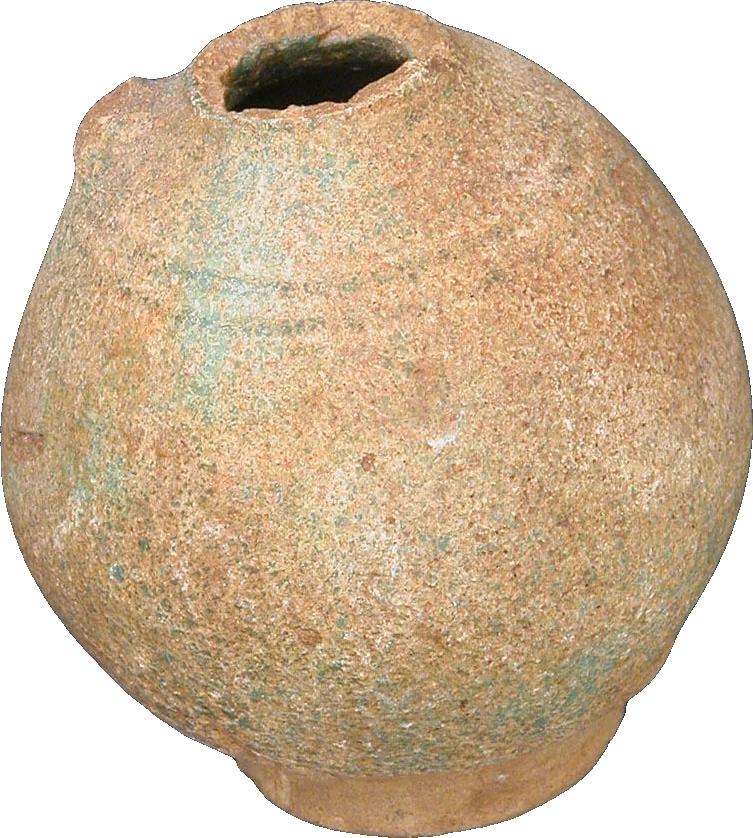 Jar8th–10th century
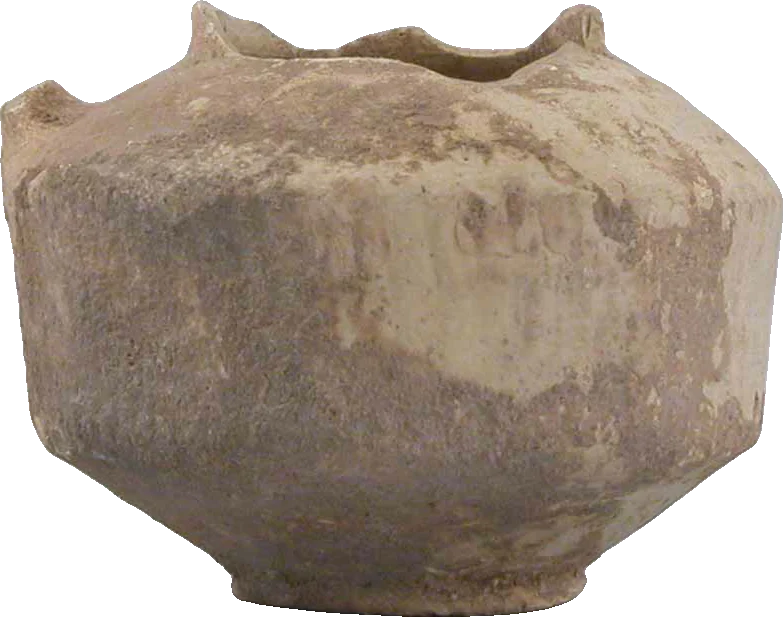 Ewer8th century
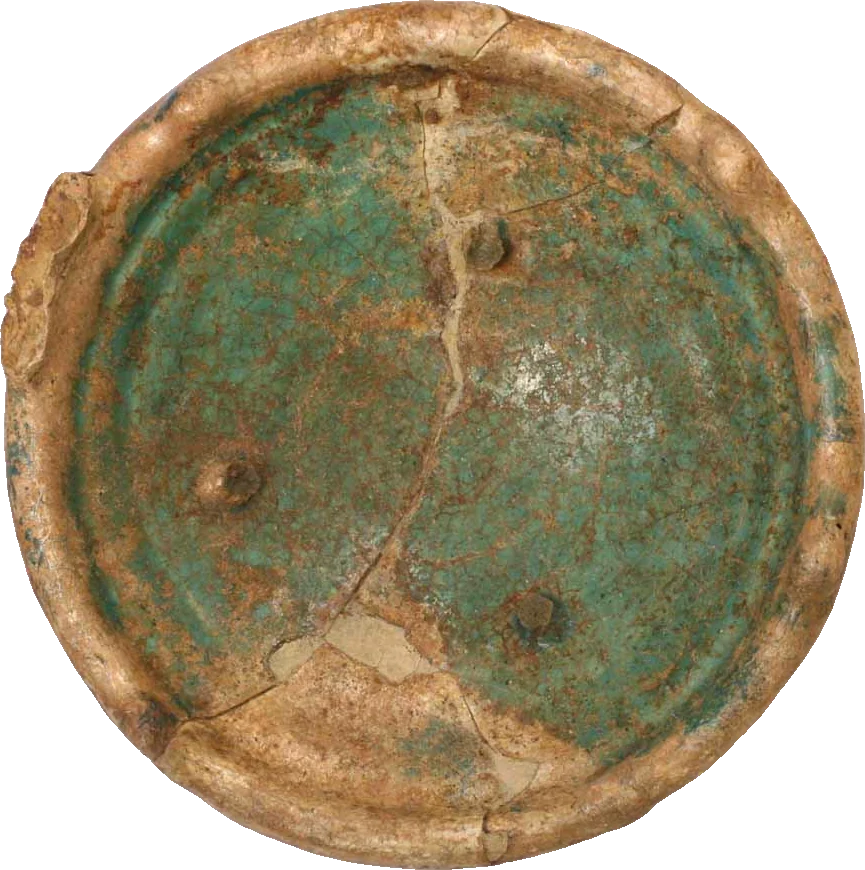 Bowl10th century
12 fun facts about Ctesiphon
- Tell Dheheb means "Gold Hill," so diggers hoped for riches. Instead they found a walled square about 540 feet (165 m) on each side, full of houses on crooked streets. metmuseum.org
- Umm ez-Za'tir means "Mother of Thyme." A large house there had a courtyard decorated with carved plaster showing rosettes, animals, birds and vines. metmuseum.org
- One carved plaster panel from a house at Ctesiphon shows a bird that is probably a Congo peafowl, set inside a ring of curling designs. metmuseum.org
- Sasanian plaster decorations were pressed in molds, so designs repeat: the same charging bear turned up at the great palace and in a house at Ma'aridh. metmuseum.org
- Round plaster wheels about 3 feet (1 m) across, carved on both sides, served as windows, letting air and soft light into a huge columned hall south of the palace. metmuseum.org
- The 1931 to 1932 expedition hired more than 500 workmen and dug at five places around the old capital. metmuseum.org
- Front doors of the big houses at Ma'aridh were set back in niches, so no one could walk straight in from the street. metmuseum.org
- From the finds sent to Berlin, the Met chose 466 objects. More than 16,000 objects from Ctesiphon are still in Berlin's State Museums. metmuseum.org
- The great arch of the Taq Kasra was built without a wooden frame to hold it up. Builders tilted the bricks and used quick-drying mortar so each new row leaned on the last. en.wikipedia.org
- In 1940, the future author Roald Dahl photographed the Arch of Ctesiphon from an old biplane while training as an RAF pilot. The photo won him prizes. en.wikipedia.org
- In the early 10th century A.D., a caliph dug up the ruins of the palace to reuse its bricks for the Taj Palace in Baghdad. en.wikipedia.org
- The Roman emperor Trajan captured Ctesiphon in A.D. 116, but his successor Hadrian gave it back the next year as part of a peace deal. en.wikipedia.org
In the game these unlock one by one as you dig here.
The name
Ctesiphon is the Greek form of the name, which may come from a local name like Tisfon. Because the city grew together with its neighbors, including the Greek city of Seleucia, the whole area was called al-Mada'in in Arabic, meaning "The Cities." en.wikipedia.org
Life here
Wealthy Sasanian families lived in large houses with a mix of square and long rooms. Their reception halls and iwans, or open vaulted halls, were covered with carved and painted plaster, while the other rooms had plain plaster and served as work areas. Everyday glass bowls and plain pottery show how these households lived. metmuseum.org
Who dug here
The first modern dig, in the winter of 1928 to 1929, was led by Oscar Reuther for the German Oriental Society and found Sasanian houses and an early Christian church. In 1931 the Met joined Berlin's State Museums, with Ernst Kuhnel as field director. Joseph Upton of the Met kept the records and Walter Hauser supervised digging. metmuseum.org
Ctesiphon today
The Taq Kasra is the only structure of the ancient capital still standing above ground, near the modern town of Salman Pak. A flood in 1888 brought down much of the building. A restoration was finished in 2017, but part of the arch collapsed again on March 7, 2019. en.wikipedia.org
A record
The Taq Kasra's hall was about 121 feet (37 m) high and 85 feet (26 m) across, the largest free-standing vault built until modern times. It is still the second largest single span of unreinforced brick in the world. en.wikipedia.org
Ctesiphon today and in the past
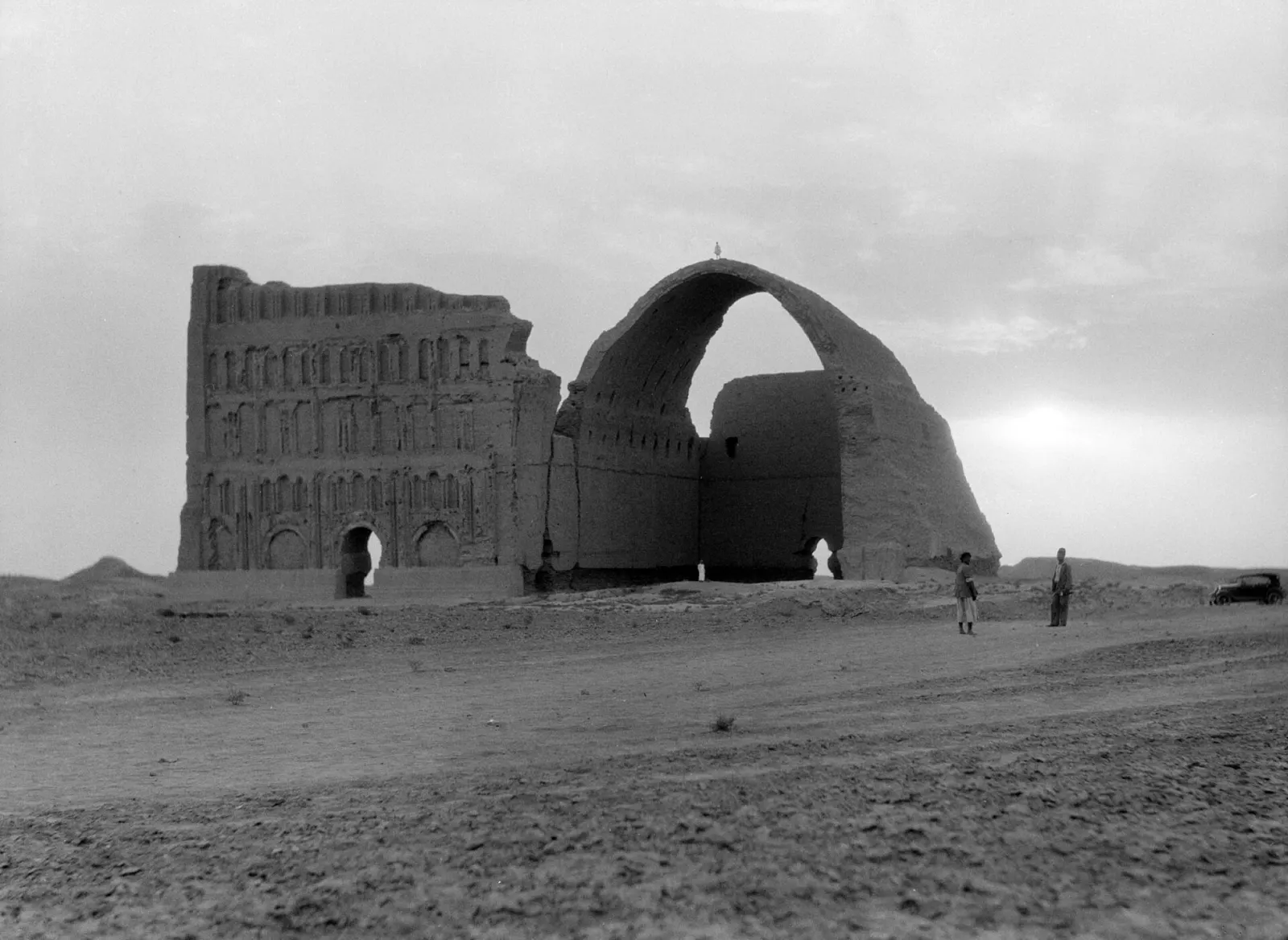
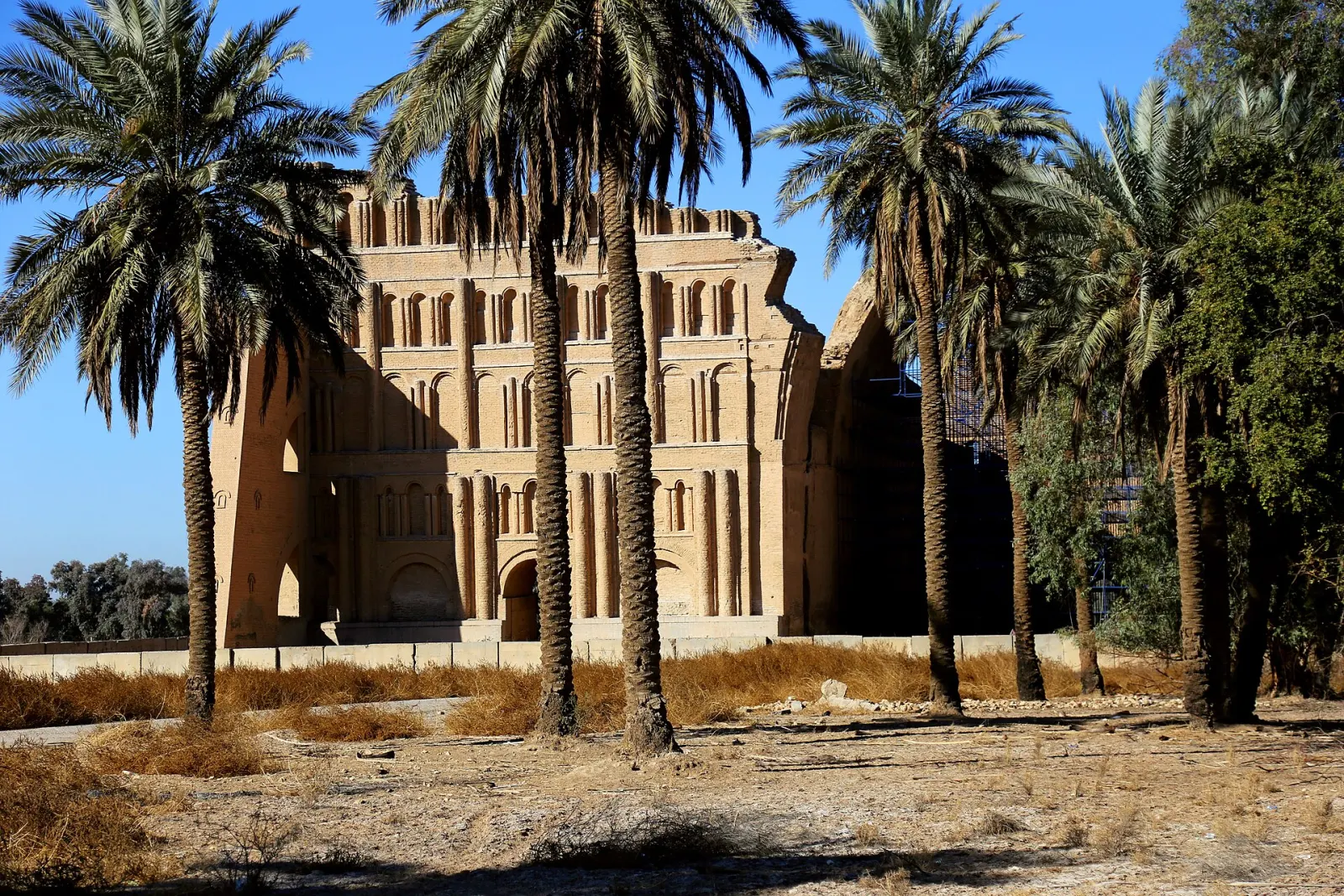
Dig at Ctesiphon yourself: open a trench, brush the soil away layer by layer and find these objects in the game.
Dig at Ctesiphon