Parthian · Important find
Figure
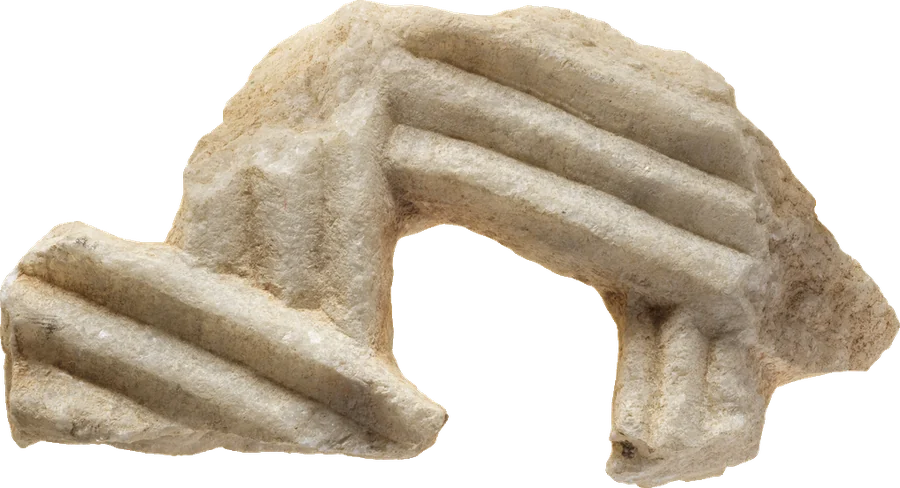
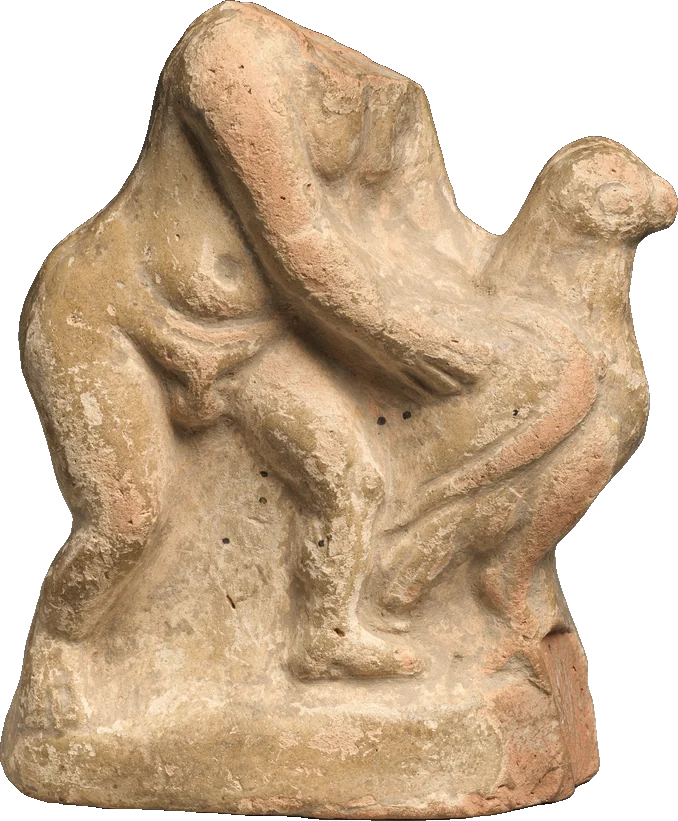
This object was really found at Ctesiphon by the joint expedition of The Metropolitan Museum of Art and the Berlin State Museums. Today it is in The Metropolitan Museum of Art in New York.
What is it?
Statue. Statues stood in temples, tombs and public places. Many were meant to hold the spirit of a god, a king or the dead person they show. Source
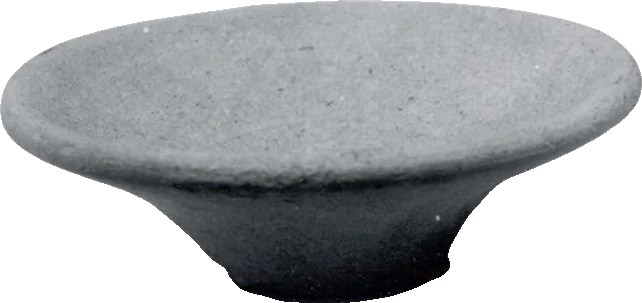
Pottery. Clay shaped by hand or on a wheel, then fired.
Museum record
- Object
- Sculpture
- Culture
- Parthian
- Date
- ca. 1st–2nd century A.D
- Material
- Ceramic
- Findspot
- From Ctesiphon, Mesopotamia
- Size
- 3 9/16 × 2 13/16 × 1 5/16 in. (9 × 7.2 × 3.35 cm)
- Museum
- The Metropolitan Museum of Art, New York
- Number
- 32.150.146
- Credit
- Rogers Fund, 1932
Photo and record: The Metropolitan Museum of Art, Open Access (public domain, CC0), copied 2026-11-12. Background removed from the photo. Region: Mesopotamia.
More about this object
A clue in the mystery of Ctesiphon
How did a capital of kings become a field of ruins? In chapter 1, "A camp across the river", this object is the clue: A Parthian clay figure from Ctesiphon, dated to the 1st to 2nd century CE, when the city was the Parthian capital. Read the mystery
Culture
Parthian: more objects from the same culture or period, with what we know about it.