
Parthian
The Parthian Empire ruled Iran and Mesopotamia from the 3rd century B.C. to A.D. 224, between the Greek kingdoms that followed Alexander and the Sasanians.
Dura-Europos on the Euphrates was a Parthian town for more than two centuries before the Romans took it in A.D. 165, which is why many records there say "Parthian or Roman".
Read more: Parthian Empire on Wikipedia
24 objects in the game name this culture in their museum record. Found at Dura-Europos, Ctesiphon, Qasr-i Abu Nasr.
Words: Dating finds, Oil lamp
12 fun facts: Parthian
- Parthian horse archers could gallop away, twist around in the saddle and shoot backward at anyone chasing them. There were no stirrups yet, so they rode by balance alone. en.wikipedia.org
- A "Parthian shot" still means a sharp remark made just as someone leaves. The poet Samuel Butler used the image in 1678. en.wikipedia.org
- In A.D. 87 the Parthian king Pacorus II sent lions and Persian gazelles as a gift to the Han emperor of China. en.wikipedia.org
- In A.D. 97 the Chinese envoy Gan Ying reached the Persian Gulf on his way to Rome. Told that the only way on was a long sea voyage around Arabia, he turned back. en.wikipedia.org
- The Chinese called the Parthian Empire Anxi, a name that may come from Arsaces, the name of its first king. en.wikipedia.org
- Parthian merchants grew rich reselling goods from Central Asia and China, above all silk, as caravans crossed their lands toward the Mediterranean. depts.washington.edu
- A Parthian rider's outfit was a V-necked jacket, a belted tunic and loose, many-folded trousers held up with garters. en.wikipedia.org
- Parthian builders loved the iwan, a big vaulted hall open on one side. The largest ones at Hatra span about 15 m (50 feet). en.wikipedia.org
- Hatra, a city under Parthian influence in northern Iraq, was round, with walls about 2 km (1.2 miles) across and more than 160 towers. It held out against two Roman emperors, Trajan and Septimius Severus. en.wikipedia.org
- Pottery pieces with writing on them, found at the Parthian fortress of Nisa, record the sale and storage of goods such as wine. en.wikipedia.org
- Parthian coins kept Greek lettering until the 2nd century A.D., even after few people in the empire could still read Greek. livius.org
- At Carrhae in 53 B.C., the Parthian general Surena, with about 1,000 armored riders and 9,000 horse archers, defeated a much larger Roman army led by Crassus. en.wikipedia.org
In the game these unlock one by one as you dig up their objects.
The name
Parthia was a region in what is now northeastern Iran. Around 245 B.C. the Parni, a nomad people from the Central Asian steppe, took it over and were known from then on as Parthians. Their first king was Arsaces I, which is why the empire is also called Arsacid. livius.org
Daily life
Court singers called gosan recited poems to music, though their songs were only written down in later Sasanian times. Parthian was the court language, Greek was also official, and Aramaic was the common language between peoples. Records from Nisa and Dura-Europos deal with everyday business such as taxes and the storage of goods. en.wikipedia.org
How we know
The Parthians left few written histories of their own. Most of what we know comes from Greek, Roman and Chinese histories, along with coins, inscriptions and cuneiform tablets recording the stars and planets. Excavations at Nisa, Hatra and Dura-Europos add buildings, statues and documents. en.wikipedia.org
What they left us
Hatra in northern Iraq became a UNESCO World Heritage Site in 1985. Its sculptures and carved images were damaged by the Islamic State group in 2015. When Iraqi forces took the site back in 2017, its walls and towers were still standing. en.wikipedia.org
A record
The ancient history site Livius calls the Parthian, or Arsacid, Empire the most enduring of all the empires of the ancient Near East. Its kings ruled from about 247 B.C. to A.D. 224, close to five centuries. livius.org
Objects, oldest first
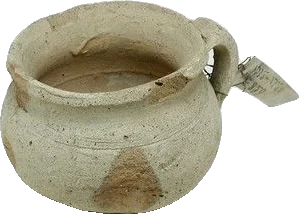 Cupca. 323 B.C.–A.D. 256
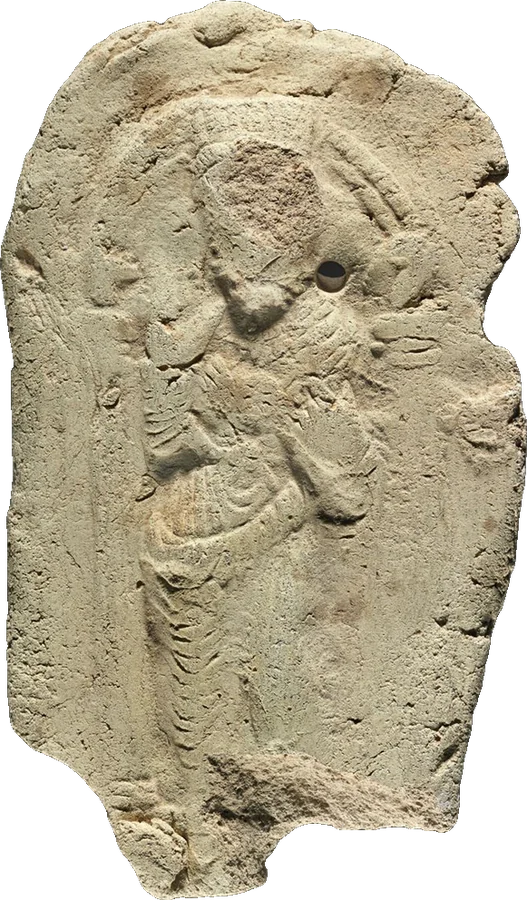 Plaque with goddess in a nicheca. 113 B.C.–A.D. 256
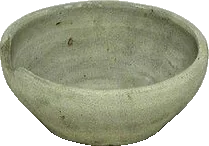 Small bowlca. 323 B.C.–A.D. 256
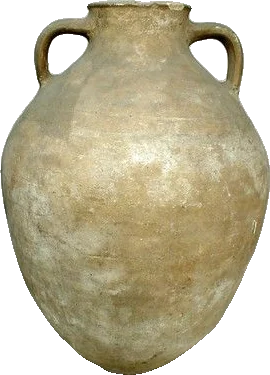 Storage Jarca. 323 B.C.–A.D. 256
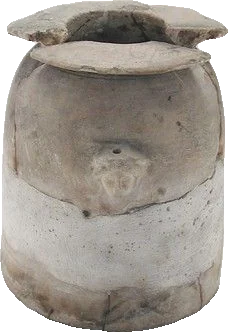 Alabaster Jarca. 323 B.C.–A.D. 256
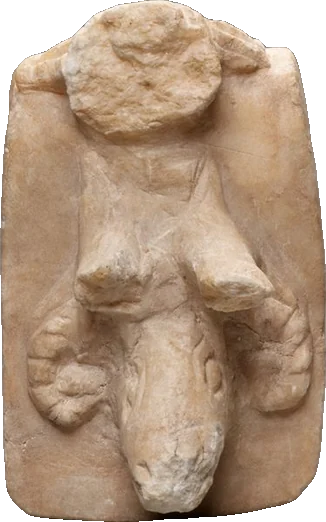 Altar with Eagle Holding Ram's Headca. 323 B.C.–A.D. 256
 Hematite Weightca. 113 B.C.–A.D. 256
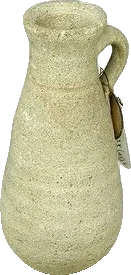 Periform Jugca. 323 B.C.–A.D. 256
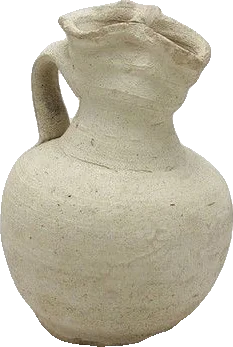 Pinch spouted jugca. 323 B.C.–A.D. 256
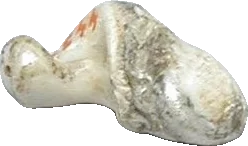 Shell Pendantca. 323 B.C.–A.D. 256
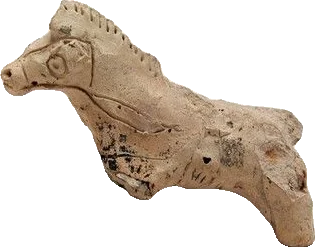 Terracotta horse figurineca.323 B.C.–A.D.256
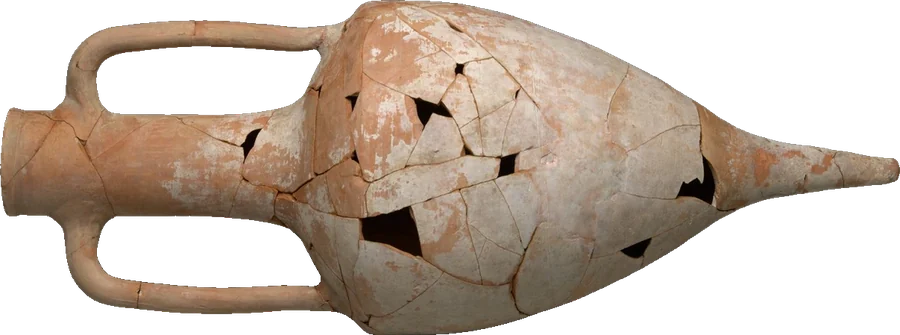 Amphora (stamped)3rd–2nd century B.C.
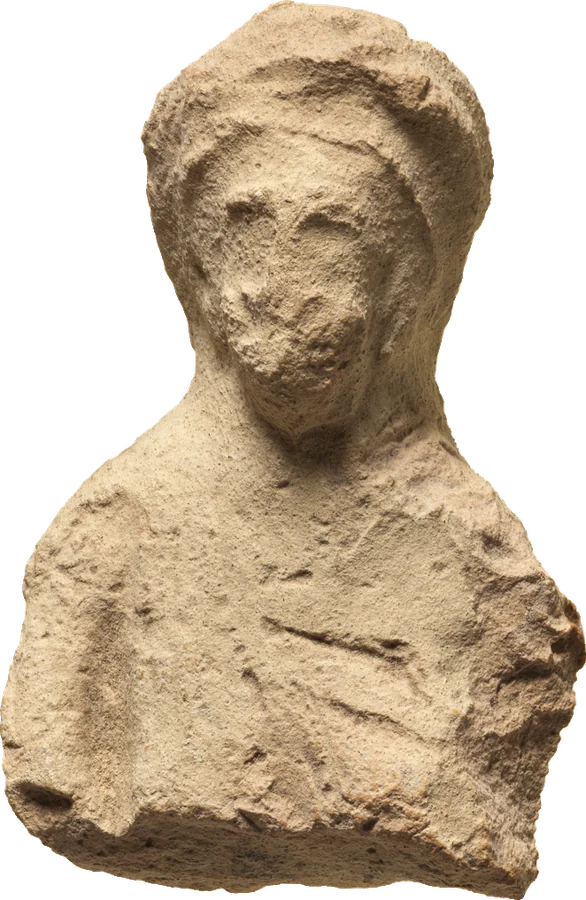 Figure fragmentca. 2nd century BCE–3rd century CE
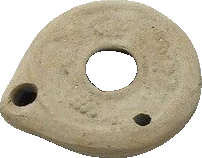 One of sixteen lampsca. 113 B.C.–A.D. 256
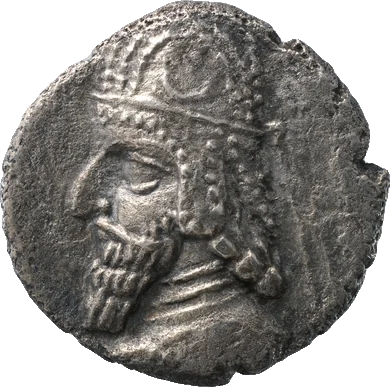 Drachmca. 1st century BCE
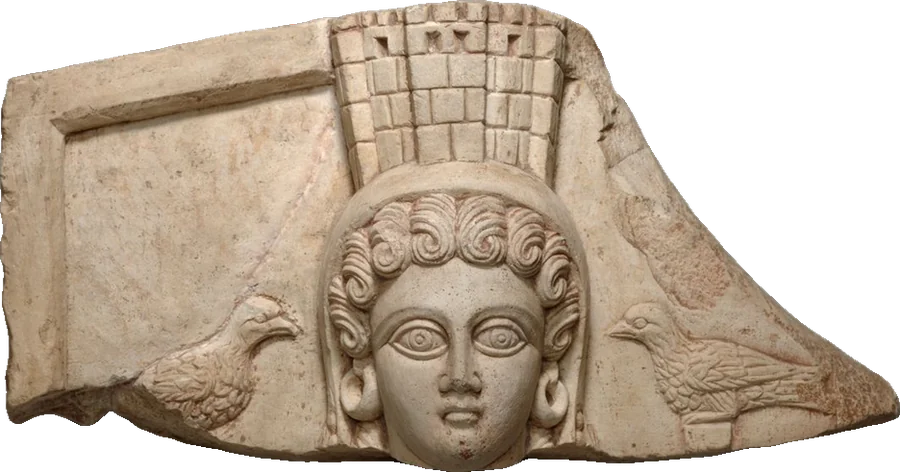 Head of Atargatis or Tyche with doves1st century A.D.
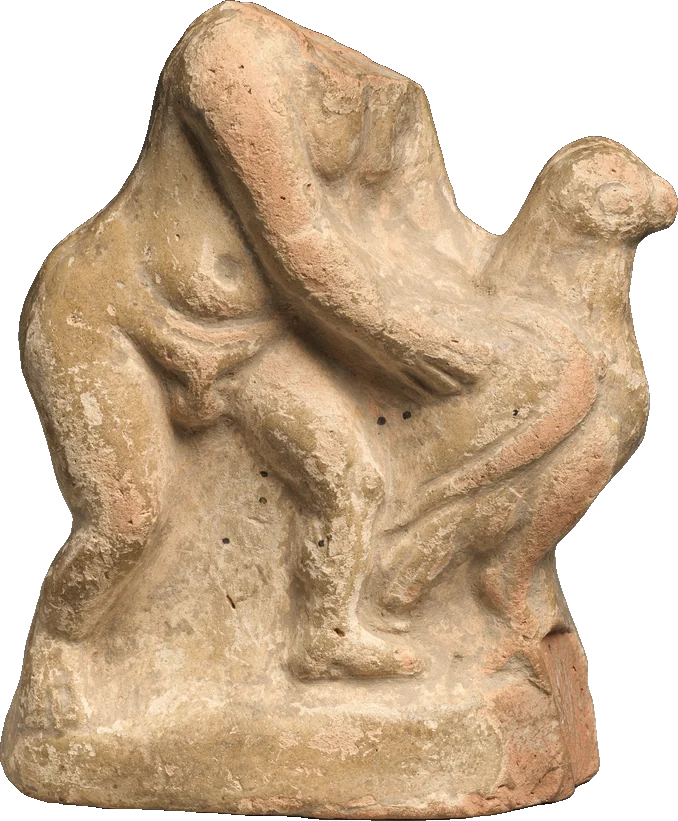 Figureca. 1st–2nd century A.D
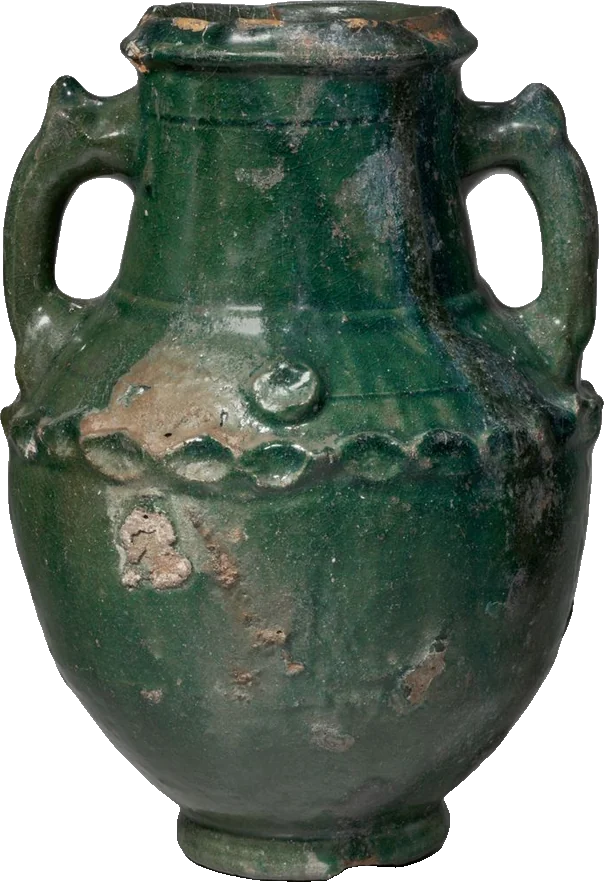 Large green-glazed amphora1st–2nd century A.D.
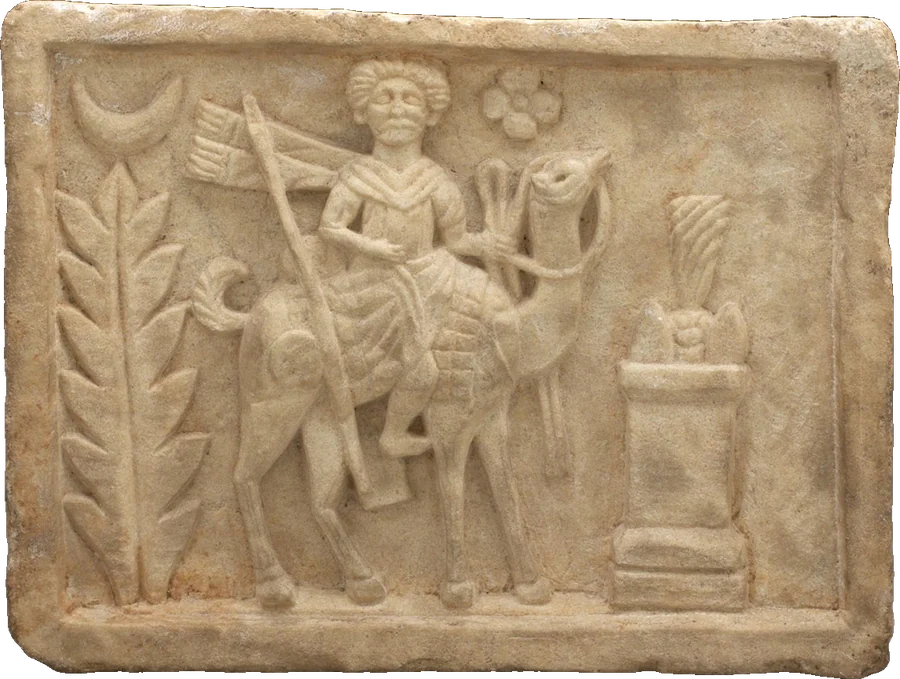 Arsu Riding a Camelca. 2nd century A.D.
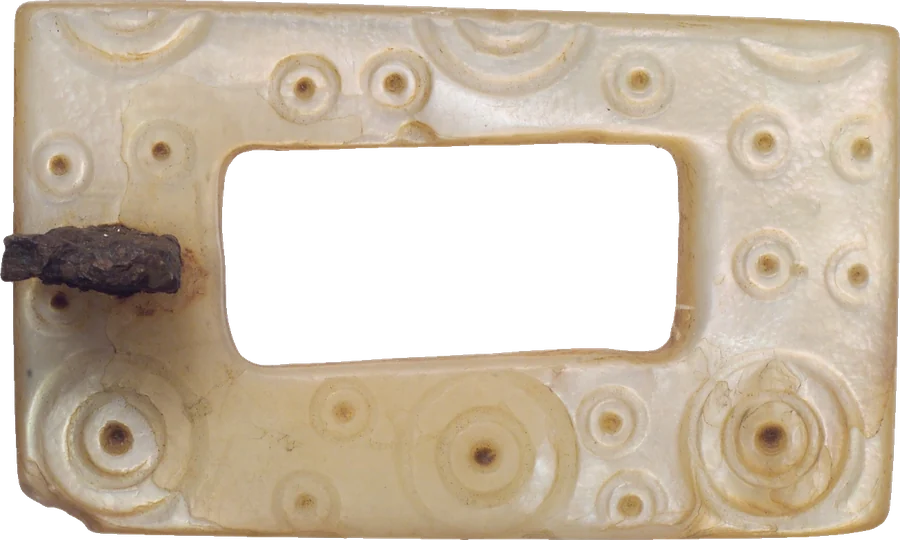 Buckleca. 2nd–4th century CE
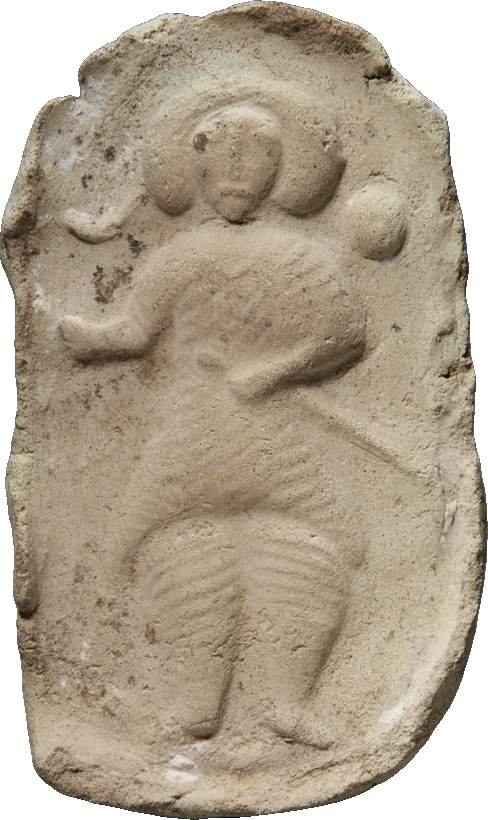 Plaque showing a warriorca. A.D. 100–256
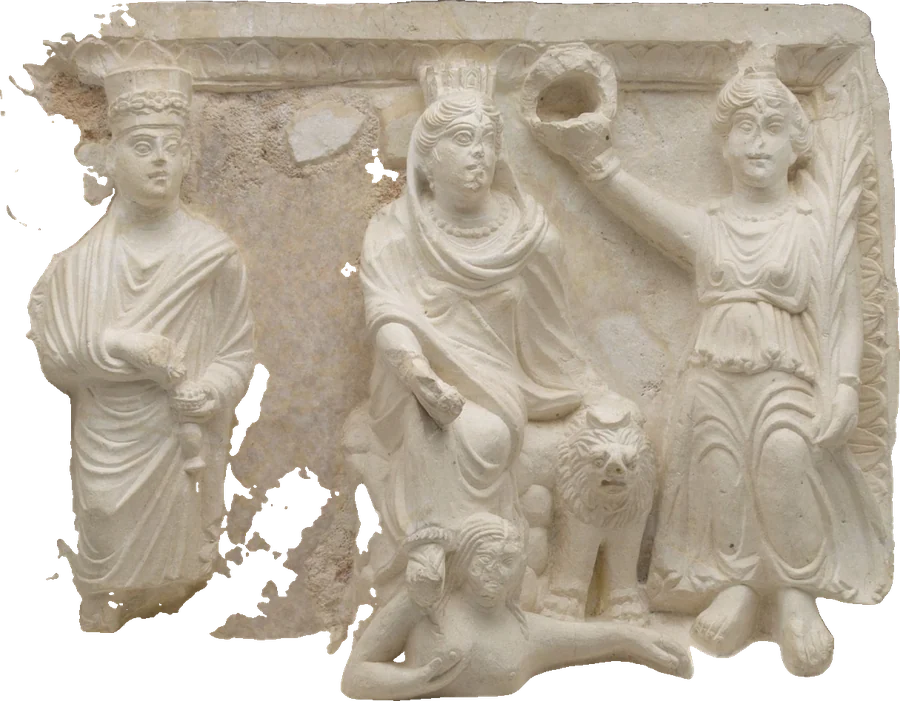 Cult relief of the Gad (Fortune) of Palmyra, from the Temple of the GaddeA.D. 159
 Bronze Crossbow FibulaA.D. 200–256
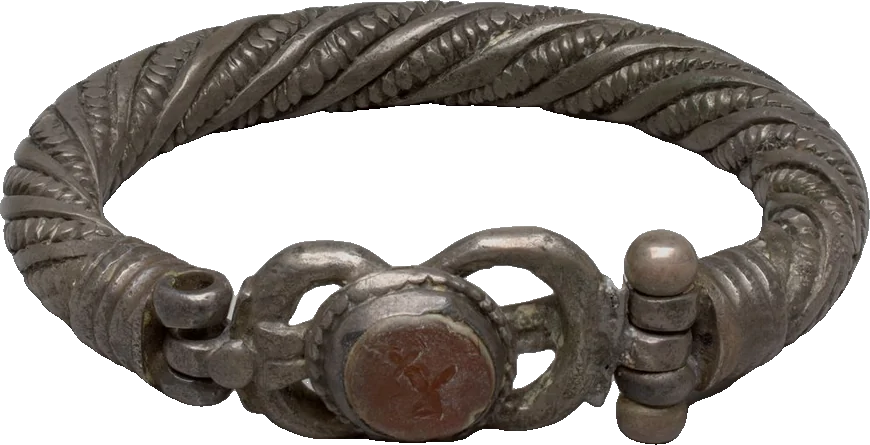 Silver Braceletmid 3rd Century
Find these objects in the game at Dura-Europos, Ctesiphon, Qasr-i Abu Nasr.
Play Digopolis