
Syria and Jordan
Dura-Europos
Dura-Europos stood on a cliff above the Euphrates River in eastern Syria. Seleucus I, one of the generals of Alexander the Great, founded it around 300 BCE. Later it belonged to the Parthians and, from 165 CE, to Rome. In 256 or 257 CE the Sasanian Persians besieged and took the city; its people were taken away and it was abandoned. Sand buried its houses, temples and painted walls. From 1928 to 1937 Yale University and the French Academy of Inscriptions and Letters dug here, and Yale received a share of the finds. Source
Excavated by Yale University and the French Academy of Inscriptions and Letters, 1928 to 1937.
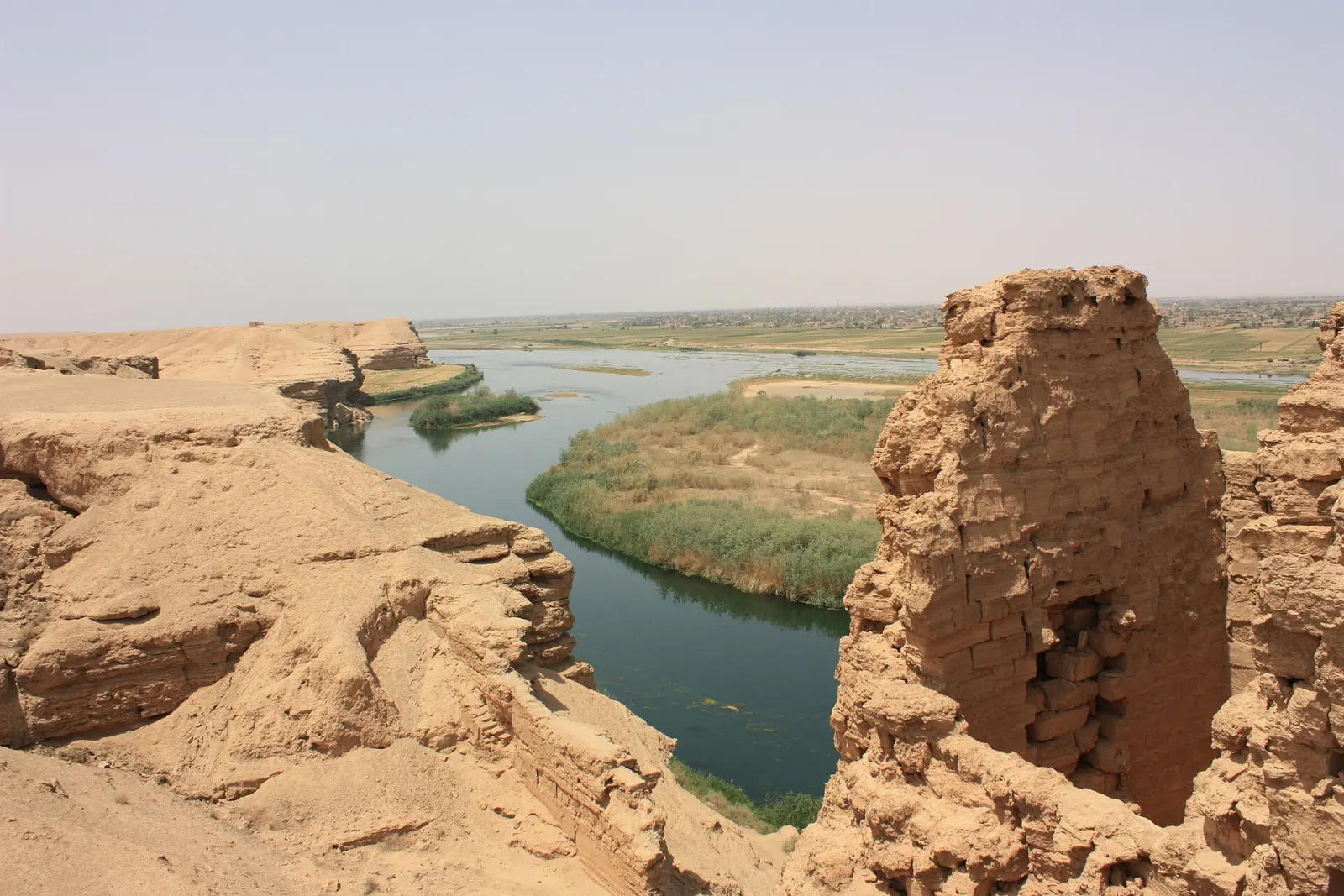
33 objects found here
Each one was found at Dura-Europos by the Yale-French Excavations at Dura-Europos. Today they are in Yale University Art Gallery. Oldest first.
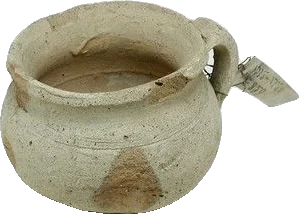 Cupca. 323 B.C.–A.D. 256
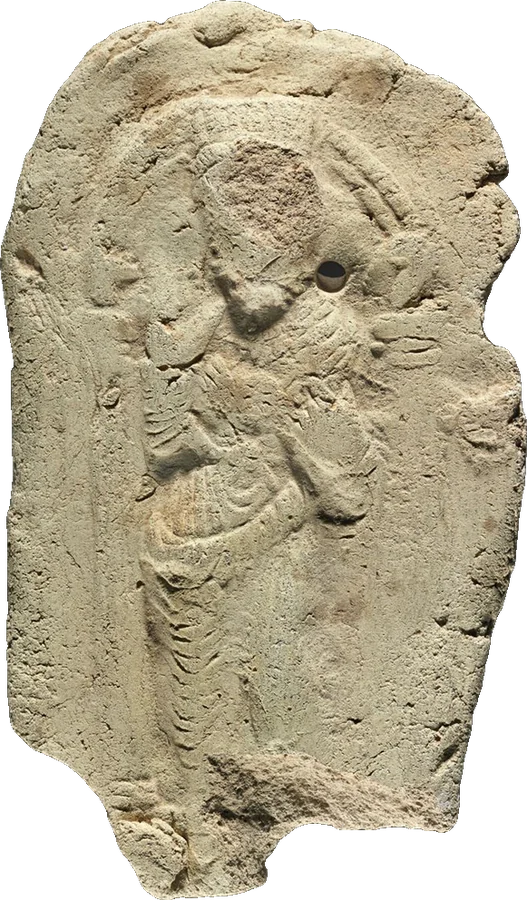 Plaque with goddess in a nicheca. 113 B.C.–A.D. 256
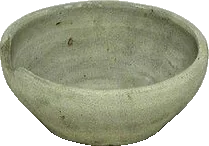 Small bowlca. 323 B.C.–A.D. 256
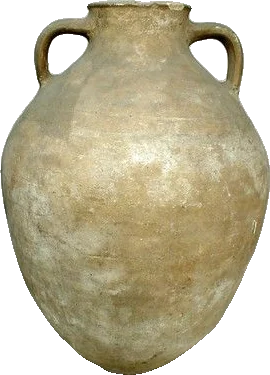 Storage Jarca. 323 B.C.–A.D. 256
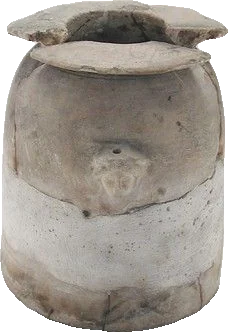 Alabaster Jarca. 323 B.C.–A.D. 256
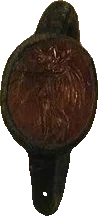 Bronze Ring2nd century A.D.
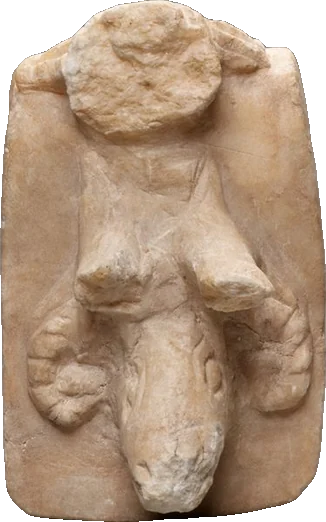 Altar with Eagle Holding Ram's Headca. 323 B.C.–A.D. 256
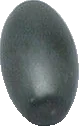 Hematite Weightca. 113 B.C.–A.D. 256
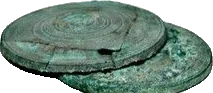 Mirror and coverca. 2nd–3rd century A.D.
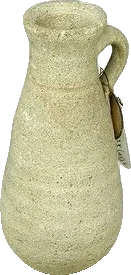 Periform Jugca. 323 B.C.–A.D. 256
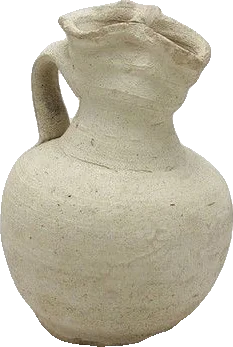 Pinch spouted jugca. 323 B.C.–A.D. 256
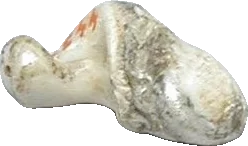 Shell Pendantca. 323 B.C.–A.D. 256
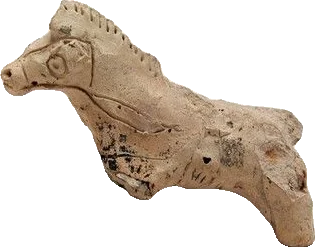 Terracotta horse figurineca.323 B.C.–A.D.256
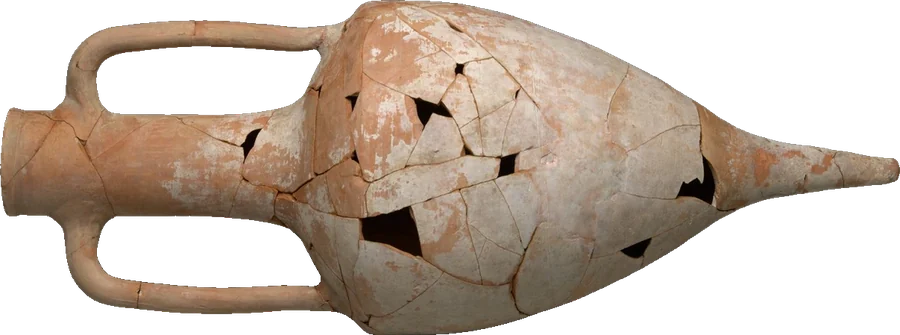 Amphora (stamped)3rd–2nd century B.C.
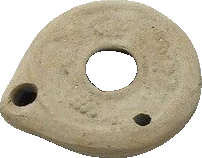 One of sixteen lampsca. 113 B.C.–A.D. 256
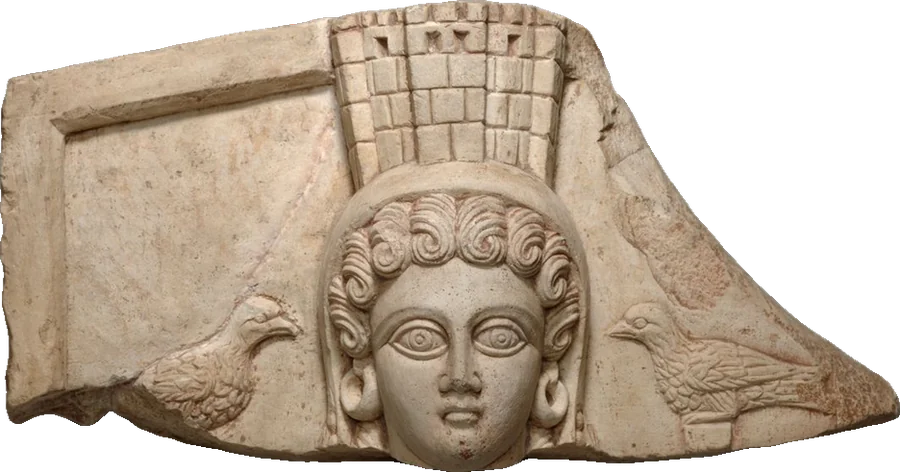 Head of Atargatis or Tyche with doves1st century A.D.
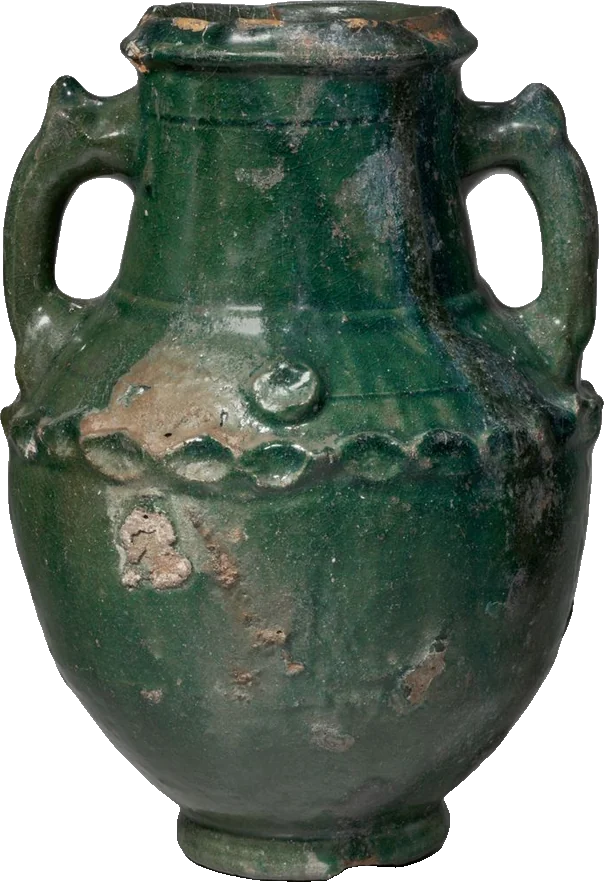 Large green-glazed amphora1st–2nd century A.D.
 Patella Cup1st century A.D.
 Ribbed Fin flask1st–3rd century A.D.
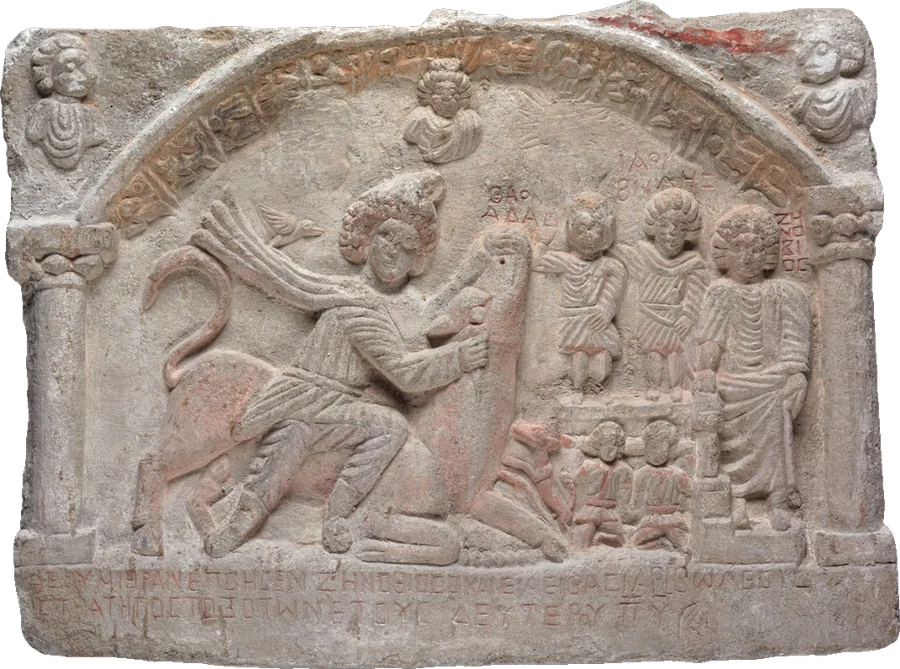 Cult Relief of Mithras Slaying the Bull (Tauroctony)ca. A.D. 170–71
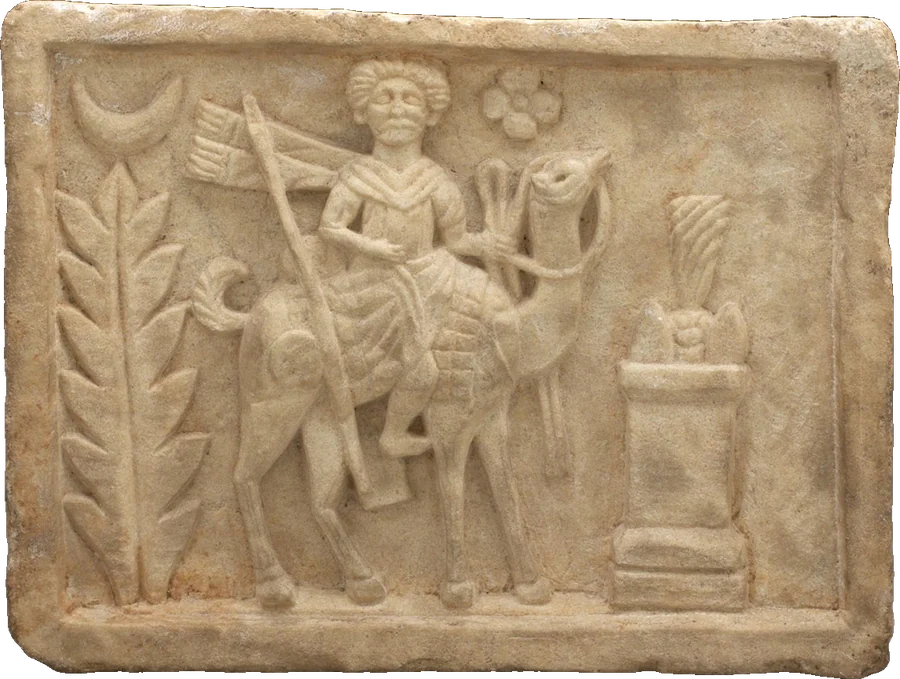 Arsu Riding a Camelca. 2nd century A.D.
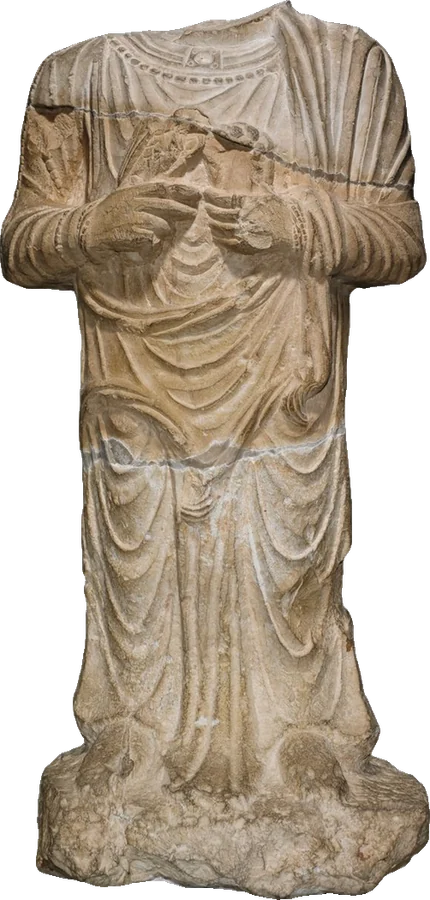 Statue of Palmyrene Childca. A.D. 100–150
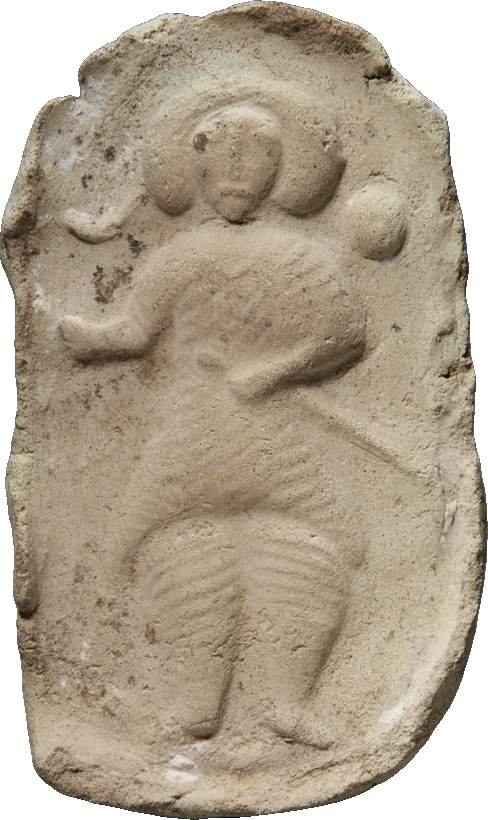 Plaque showing a warriorca. A.D. 100–256
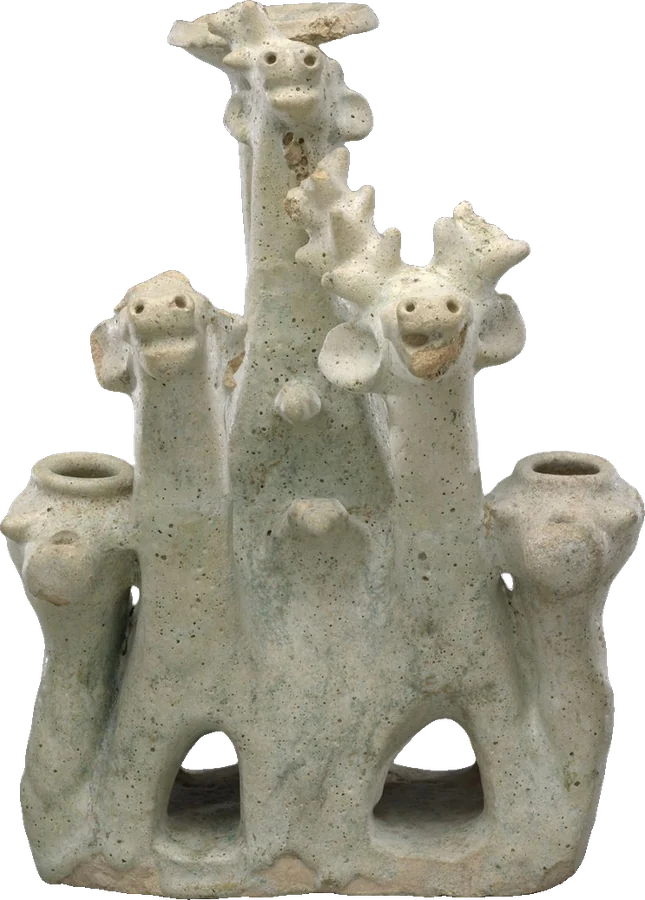 Thymiaterion Green-Glazed Altarmid-2nd to mid-3rd century A.D.
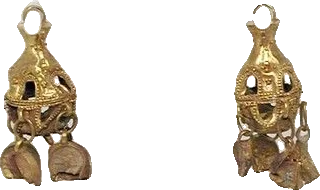 Gold Earringsca. A.D. 165–256
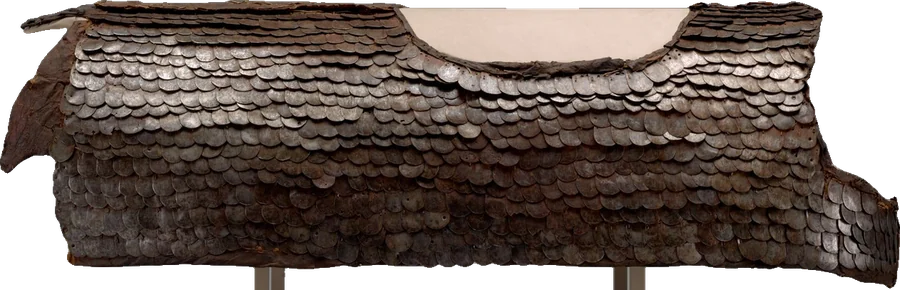 Horse Armorca. A.D. 165–256
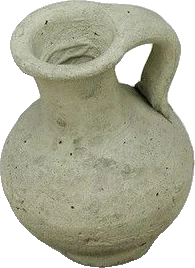 Small jugA.D. 165–256
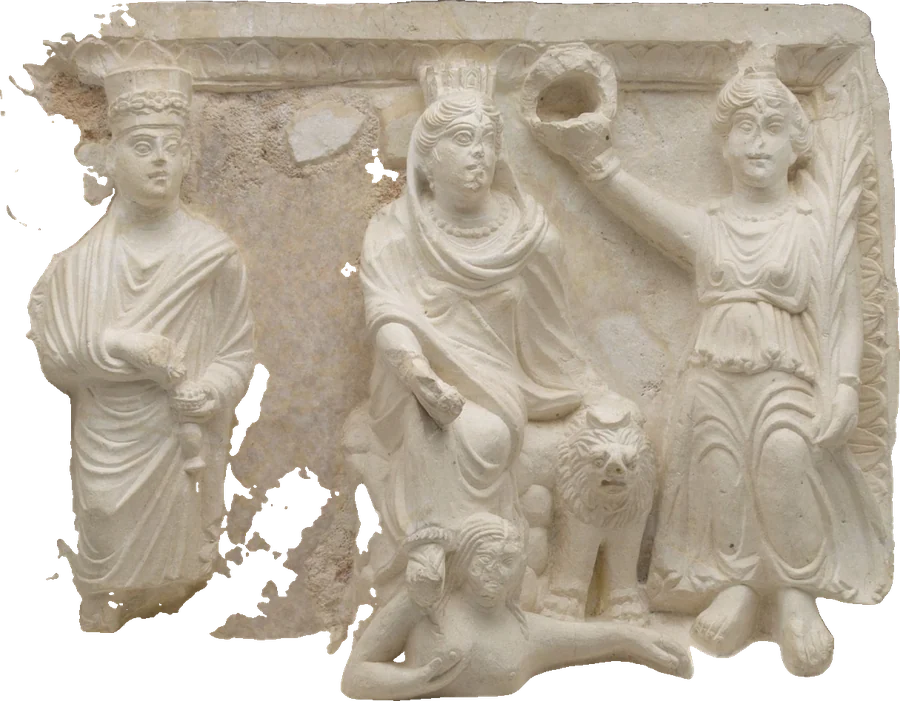 Cult relief of the Gad (Fortune) of Palmyra, from the Temple of the GaddeA.D. 159
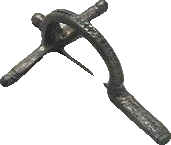 Bronze Crossbow FibulaA.D. 200–256
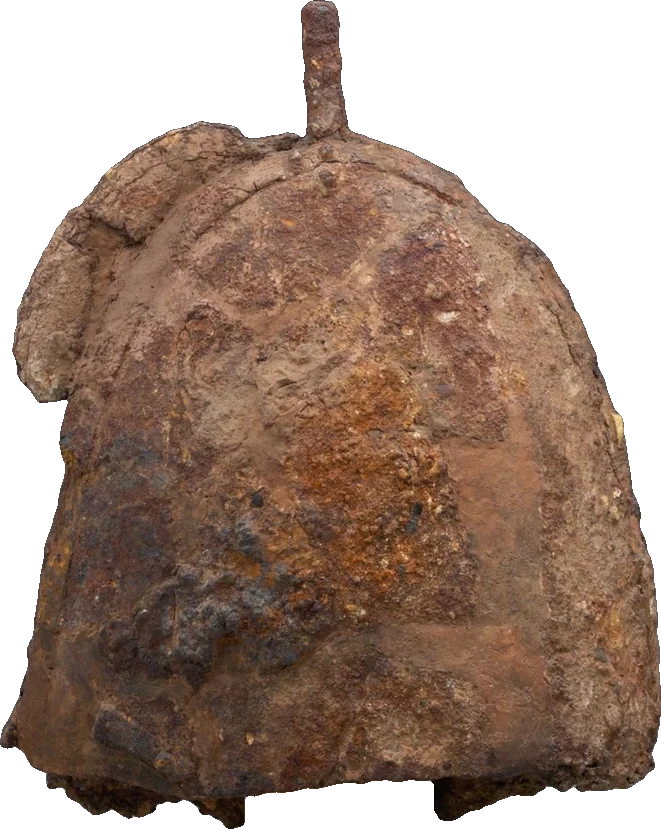 Sasanian helmet3rd century A.D.
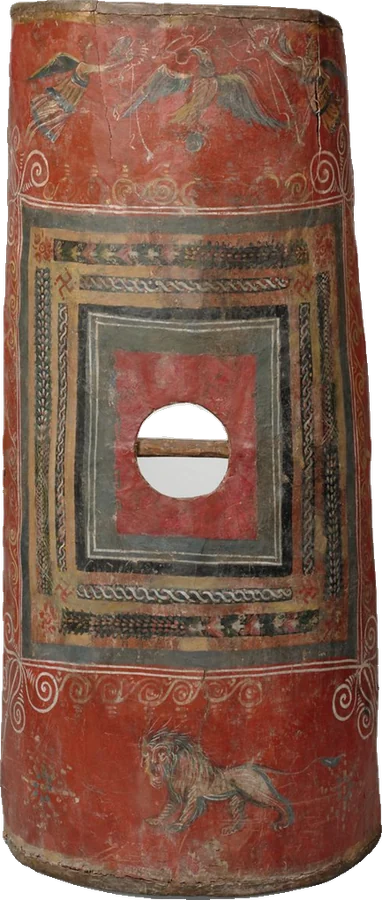 Scutum (Shield)mid-3rd century A.D.
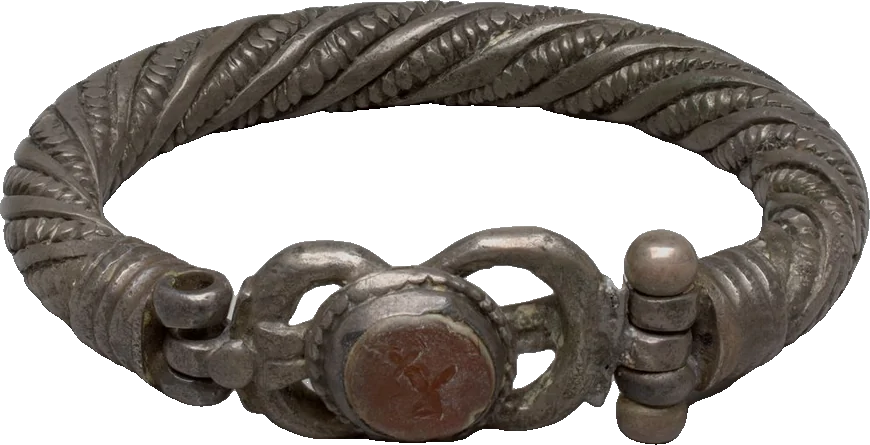 Silver Braceletmid 3rd Century
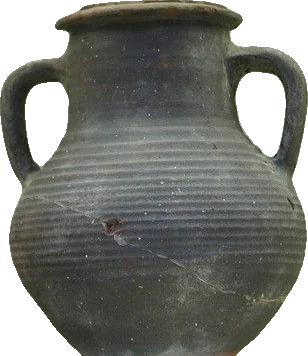 Brittle Ware Jarca. A.D. 256
12 fun facts about Dura-Europos
- In March 1920 a soldier digging a trench at Dura uncovered ancient wall paintings in the Temple of Bel. en.wikipedia.org
- The Yale University Art Gallery holds a painted Roman shield from Dura, with an eagle, winged Victories and a lion. It is the only known surviving example of the shields carried by Roman legionaries. news.yale.edu
- Dura's synagogue walls are covered with painted scenes from the Bible. The 58 scenes that survive are probably about 60 percent of the original number. en.wikipedia.org
- The synagogue ceiling was made of painted tiles. Excavators recovered 234 of them, with about 20 different pictures. en.wikipedia.org
- The synagogue stood against the city wall. Before the Persian siege, defenders filled the rooms near the wall with sand, and that sand kept the lower walls and their paintings safe until 1932. en.wikipedia.org
- Dura's Christian church began as an ordinary private house with rooms around a courtyard. It was turned into a church in about A.D. 240. en.wikipedia.org
- Paintings from the church's baptism room show the Good Shepherd and Christ and Peter walking on the water. They were taken off the walls and are now at Yale. en.wikipedia.org
- Yale rebuilt Dura's shrine of the god Mithras at full size inside its art gallery, so visitors can walk into it. artgallery.yale.edu
- Two sets of armor for horses were found here, each made of nearly 2,000 overlapping metal scales tied together with wire. en.wikipedia.org
- Writing found at Dura is in at least seven languages: Greek, Latin, Aramaic, Middle Persian, Parthian, Hebrew and Safaitic. mcmullenmuseum.bc.edu
- When the digging ended, the finds were split equally. Syria chose first and took the synagogue, while Yale received the church paintings and the Mithras shrine. archive.archaeology.org
- Dura's dry soil kept everyday things that rarely survive, such as leather sandals, textiles and jewelry, now shown at Yale. artgallery.yale.edu
In the game these unlock one by one as you dig here.
The name
Dura is an Aramaic word for "fortress." The Greeks called the city Europos, after the birthplace of King Seleucus in Macedonia. The double name Dura-Europos is modern: the scholar Franz Cumont put the two together in 1922. en.wikipedia.org
Life here
Dura was a medium-sized town, not a great city like Antioch or Damascus. Its people built temples to many gods side by side, among them the Babylonian god Bel, Zeus Kyrios and the goddess Nanaia, who was linked with Artemis. People from Palmyra built a temple of their own in the 30s B.C. archive.archaeology.org
Who dug here
The American archaeologist James Henry Breasted studied the first paintings and lectured about them at the French Academy of Inscriptions and Letters, which drew in French scholars. Yale's Mikhail Rostovtzeff joined them, and digging went on for ten seasons. Later a French-Syrian team led by Pierre Leriche studied the city plan and walls. archive.archaeology.org
Dura-Europos today
During the war in Syria the site was heavily looted. Satellite pictures from April 2014 showed that about 76 percent of the area inside the city wall was damaged, and about 3,750 separate looting pits were counted outside it. aaas.org
A record
A painted wooden shield found at Dura, now at the Yale University Art Gallery, is the only known surviving example of the shields used by Roman legionaries. It dates to about A.D. 256. news.yale.edu
Dura-Europos today and in the past
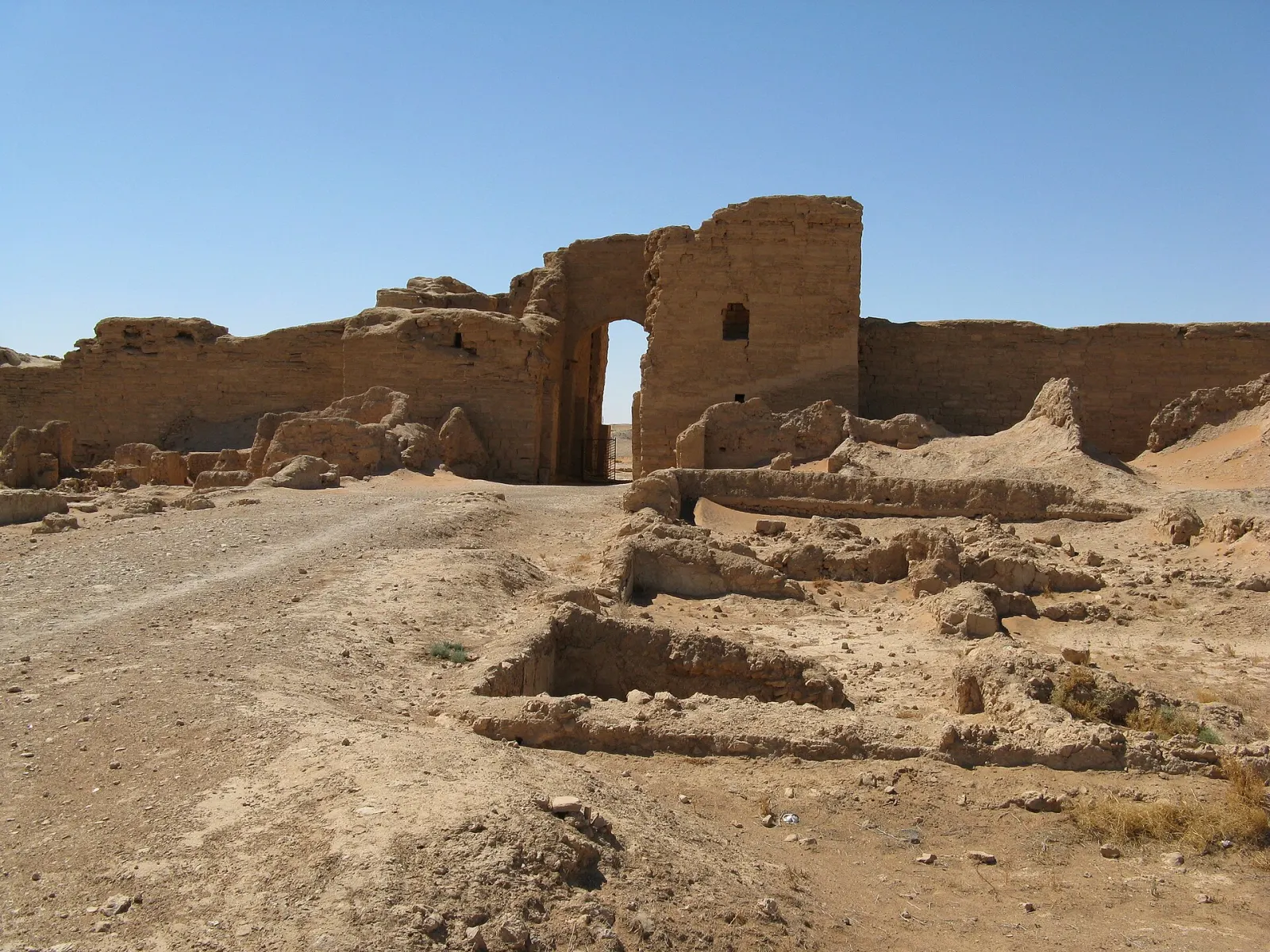
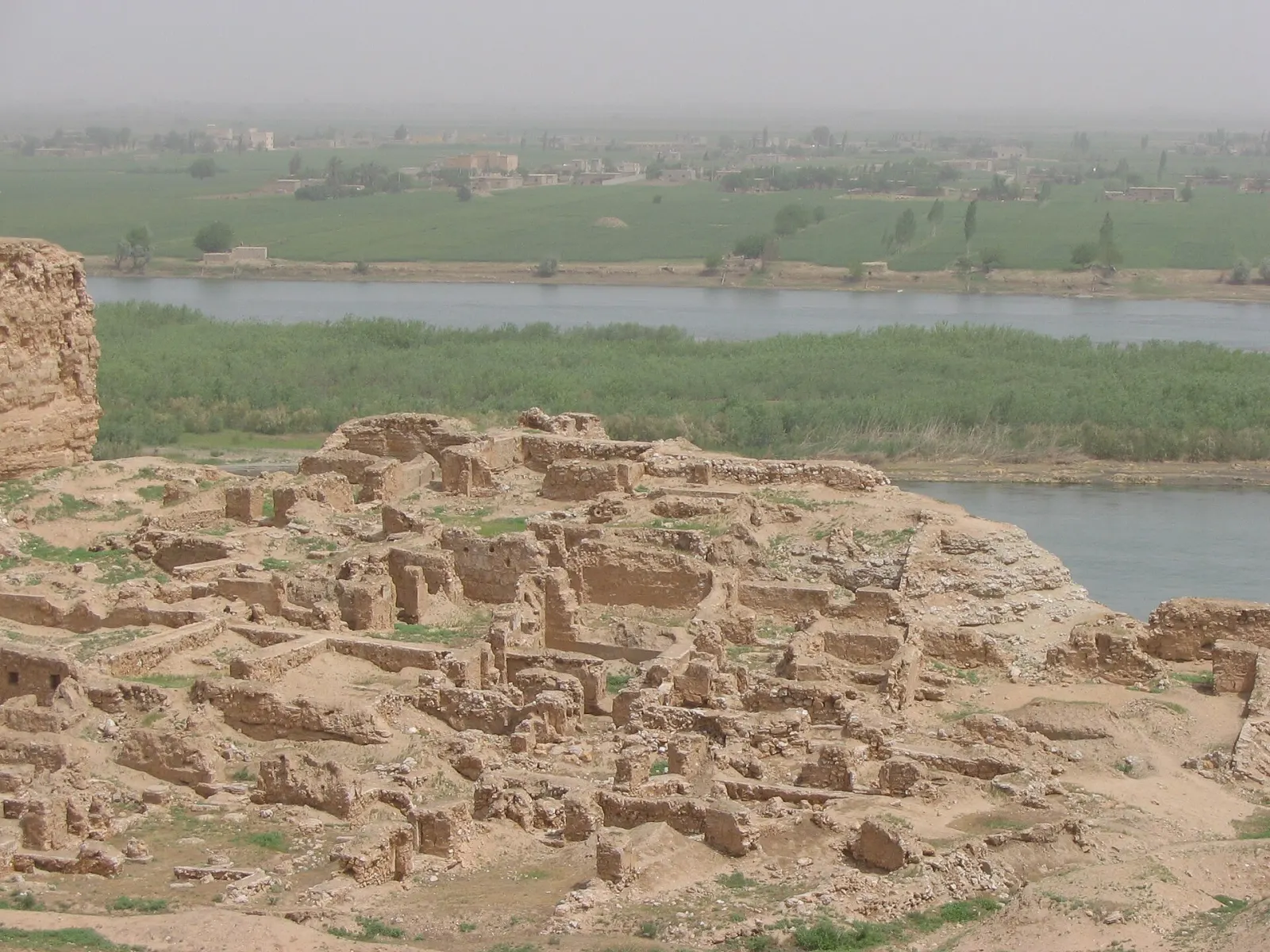
Dig at Dura-Europos yourself: open a trench, brush the soil away layer by layer and find these objects in the game.
Dig at Dura-Europos