
Materials
Ivory
Tooth and tusk, carved into small luxury objects: furniture inlays, combs, boxes and handles.
Ivory comes from the teeth and tusks of animals such as elephants and hippopotamuses. It is easy to carve in fine detail, so it was used for valuable small objects.
Thousands of carved ivories, many once fixed to furniture, were found in the palaces of Nimrud in Assyria. In Egypt, hippopotamus ivory was carved into wands, combs and game pieces.
Read more: Nimrud ivories on Wikipedia
In the game
Ivory carvings come out of the ground at Nimrud and at the Egyptian sites.
Real examples from the game
12 of 15 objects in Digopolis, each with its museum record. Oldest first.
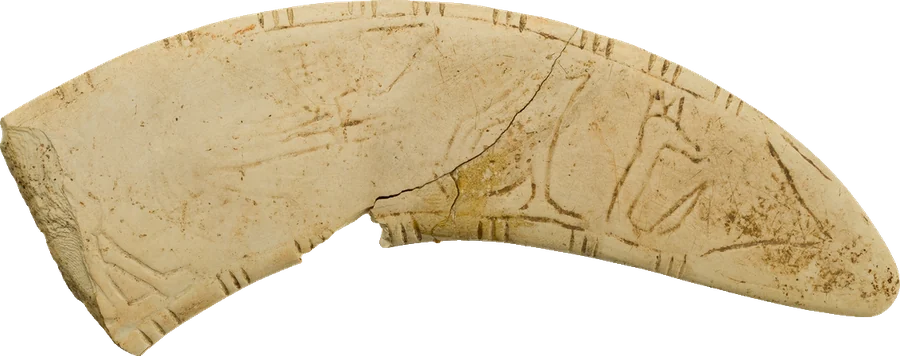 Magic wandca. 2124–1504 B.C.
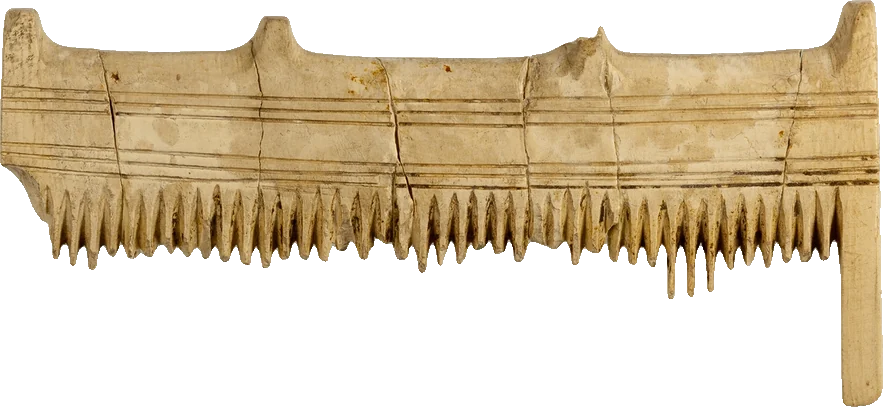 Combca. 1550–1458 BCE
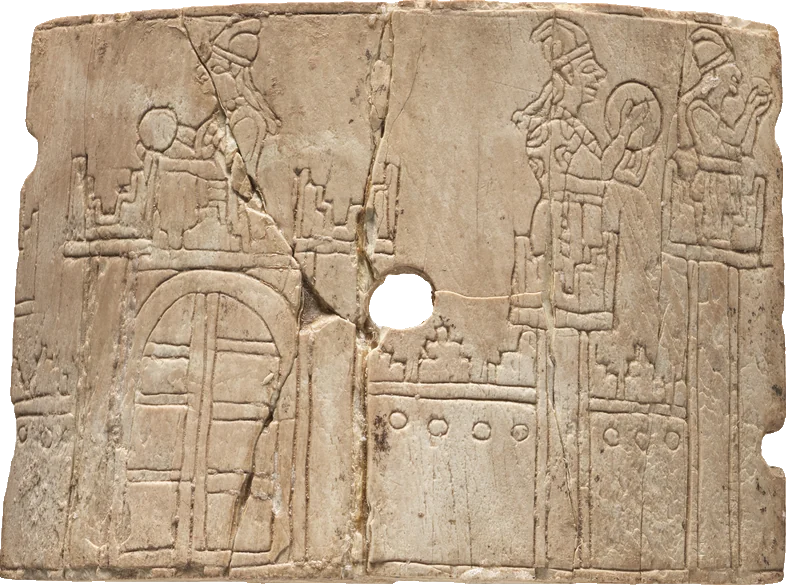 Incised cosmetic box fragments with a warrior and four womenca. 9th–8th century BCE
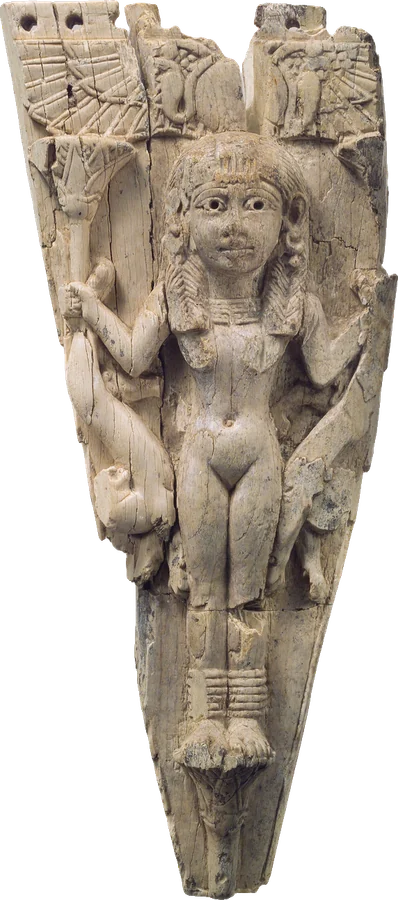 Horse frontlet carved in relief with a female figure flanked by lionsca. 9th–8th century BCE
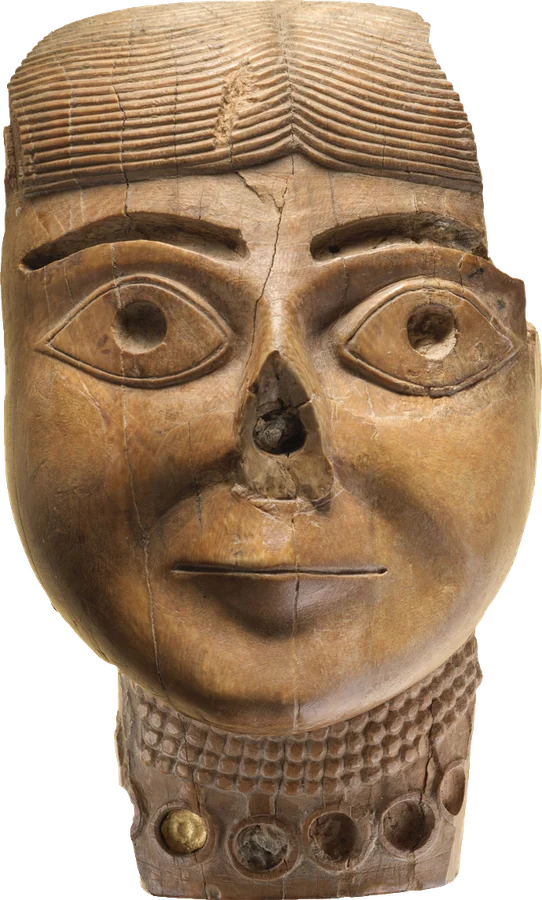 Head of a female or goddess wearing a necklaceca. 9th–8th century BCE
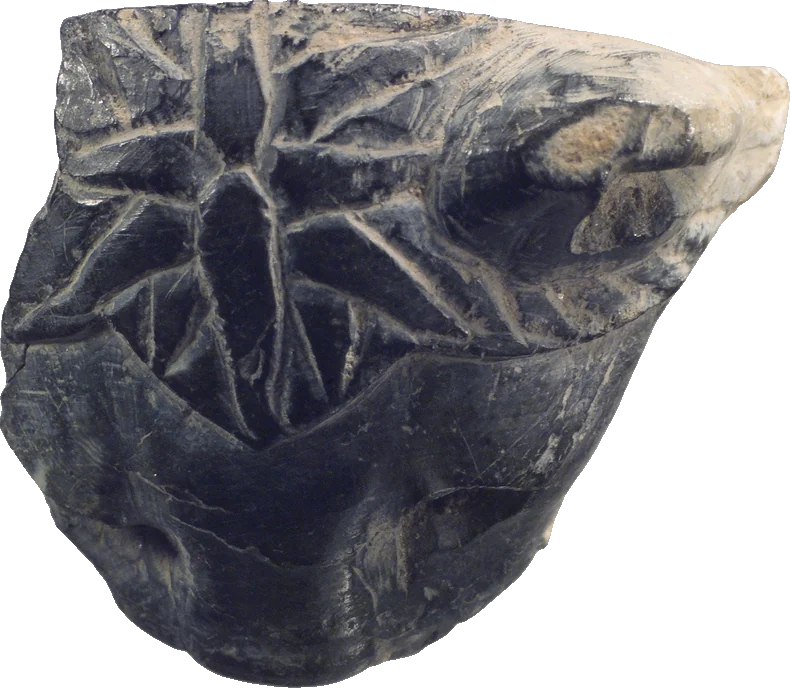 Lion head fragmentca. 9th–7th century BCE
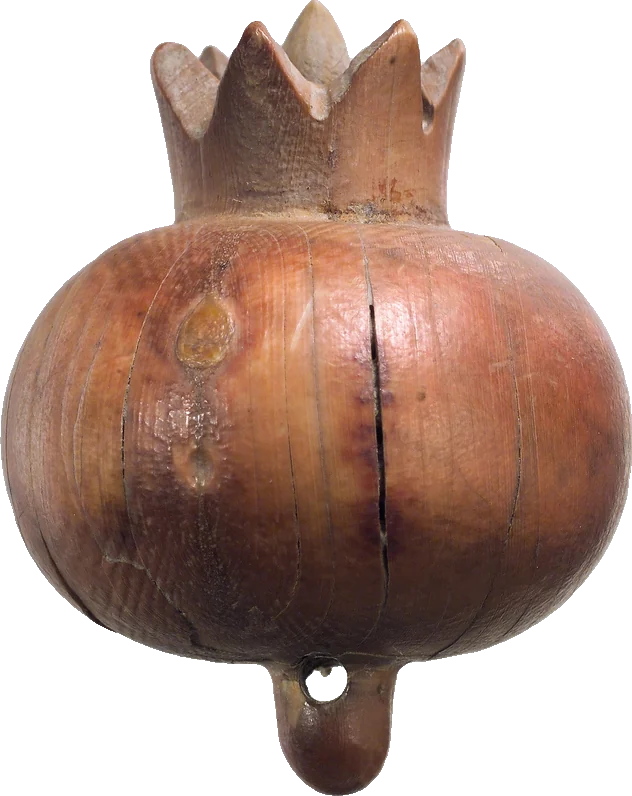 Pomegranate carved in the roundca. 9th–8th century BCE
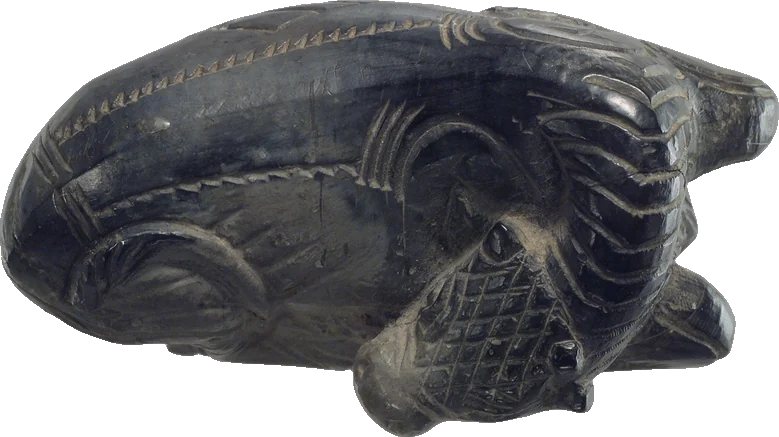 Reclining calf: lid attachmentca. 9th–8th century BCE
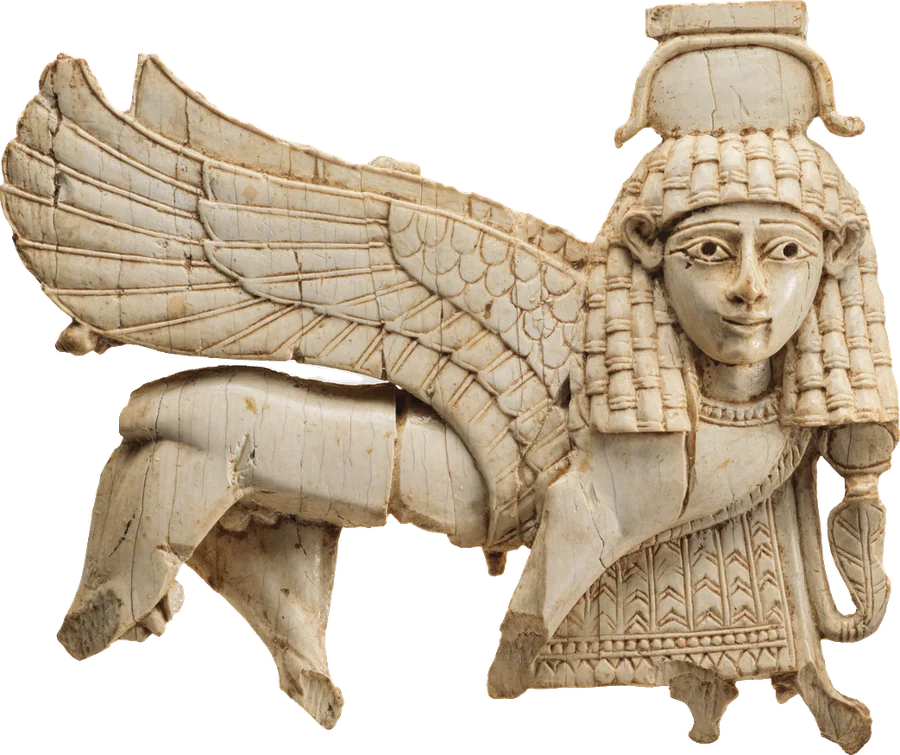 Openwork plaque with a striding sphinxca. 9th–8th century BCE
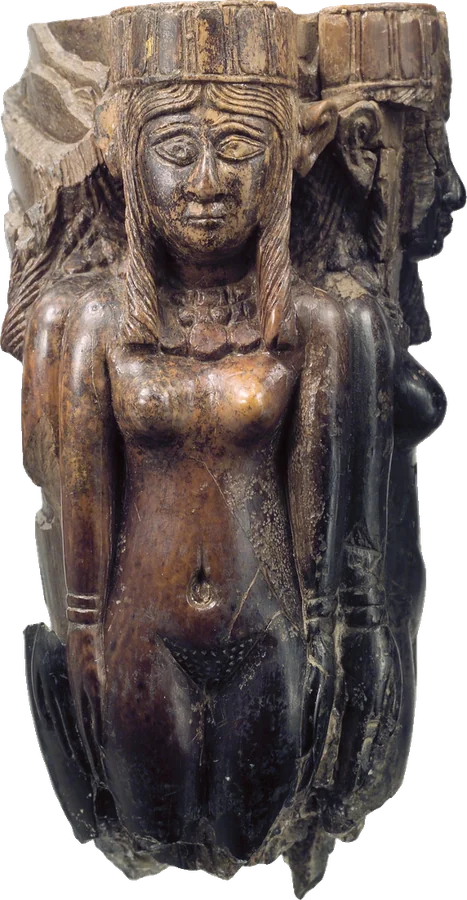 Fan or fly-whisk handle in the form of four female figuresca. 8th–7th century BCE
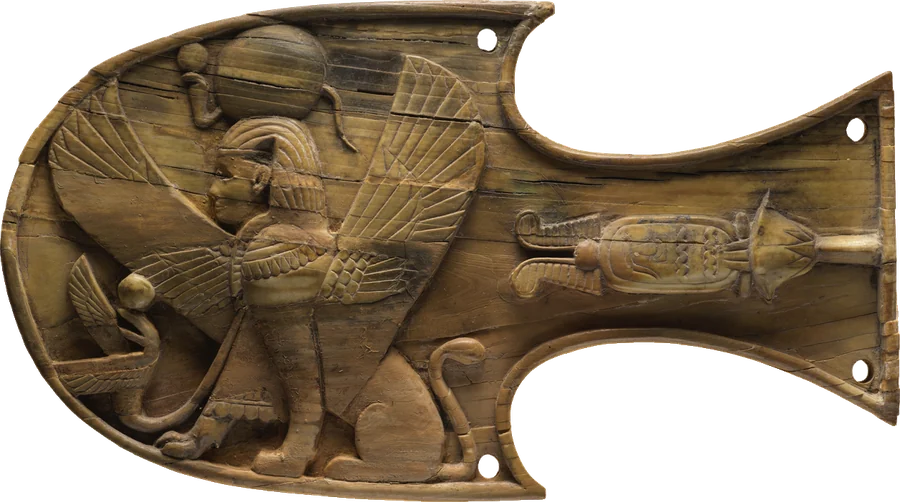 Horse blinker carved in relief with a seated sphinxca. 8th century BCE
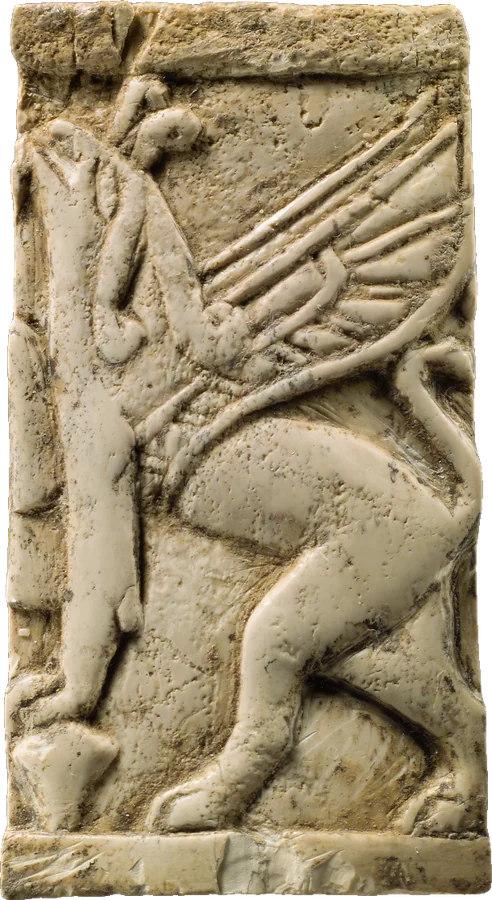 Plaque with griffinca. 8th–7th century BCE
Related words
Findspot and contextThe exact place an object was found. Without it, an object loses most of what it can tell us.ConservationCleaning and stabilizing finds so they survive, without adding anything that was not there.
Dig real sites layer by layer, sieve the soil, mend and date your finds, and build your own museum.
Play Digopolis