
Digging
Findspot and context
The exact place an object was found. Without it, an object loses most of what it can tell us.
The findspot is where an object came out of the ground: the site, the trench, the square and the layer. Archaeologists call the object's surroundings its context.
Context is what makes an object evidence. A cup found in a kitchen tells a different story from the same cup found in a temple. Objects dug up by looters have no recorded context, which is why careful excavation matters.
Read more: Provenance#Archaeology on Wikipedia
In the game
Every object in Digopolis was really found at the site where you dig it up, and its museum record says so. Your catalog card notes the site, the square and the season.
Real examples from the game
12 of 37 objects in Digopolis, each with its museum record. Oldest first.
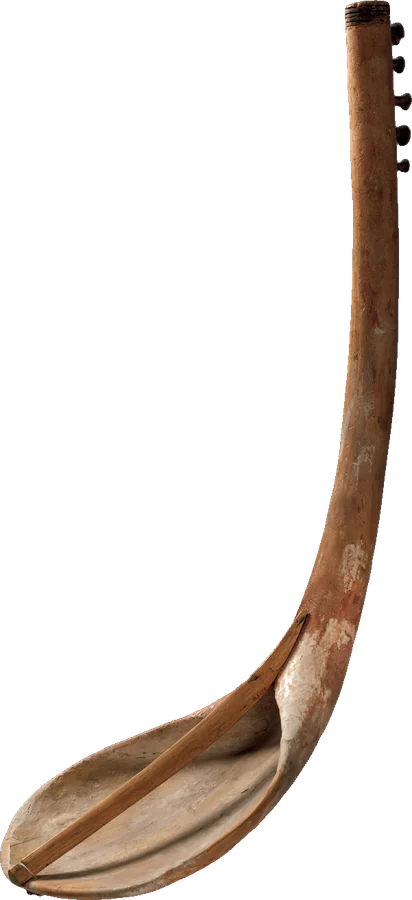 Bow harpca. 2030–1640 B.C.
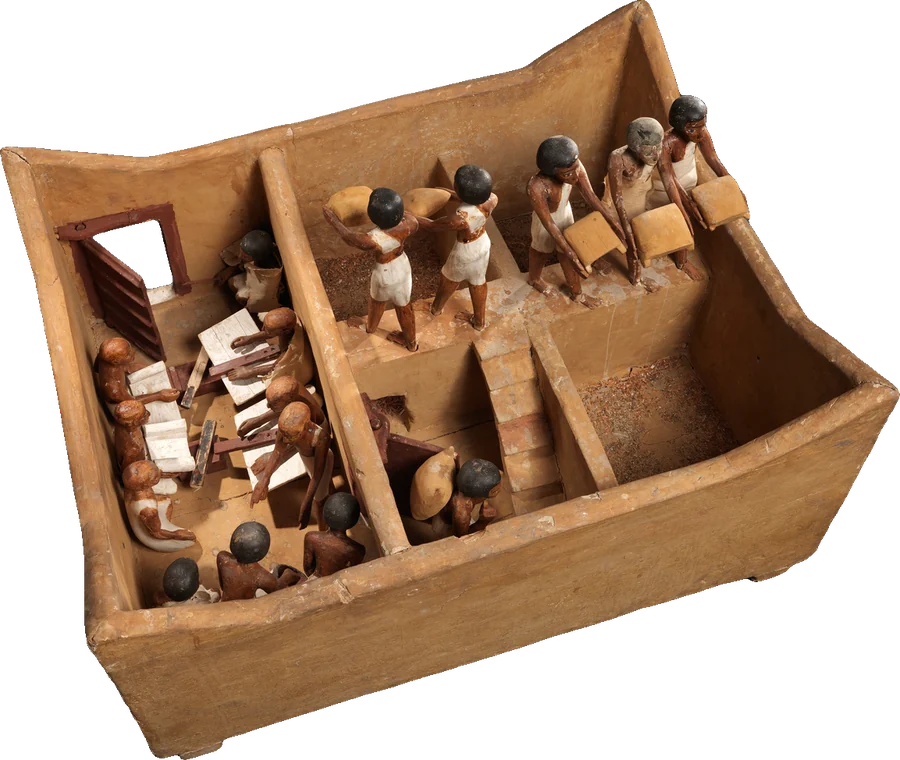 Model of a Granary with Scribesca. 1981–1975 B.C.
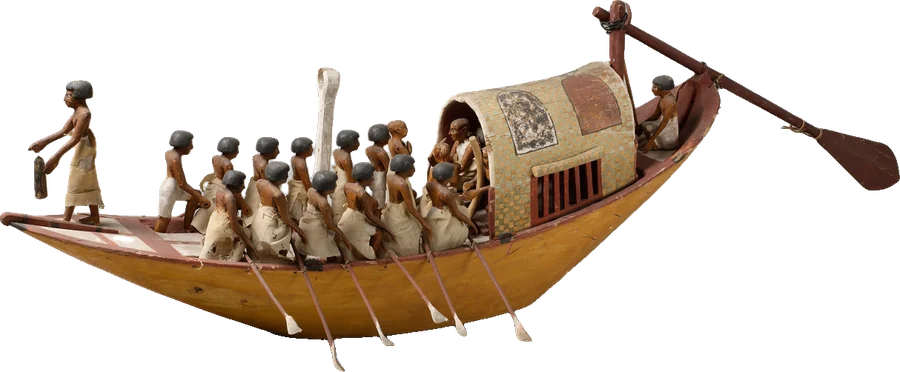 Travelling Boat being Rowedca. 1981–1975 B.C.
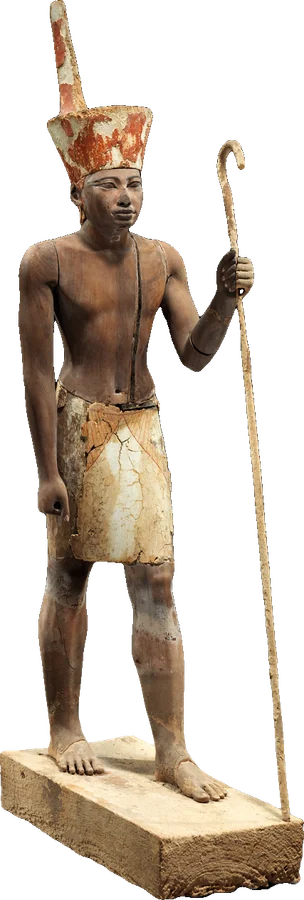 Guardian Figureca. 1919–1885 B.C.
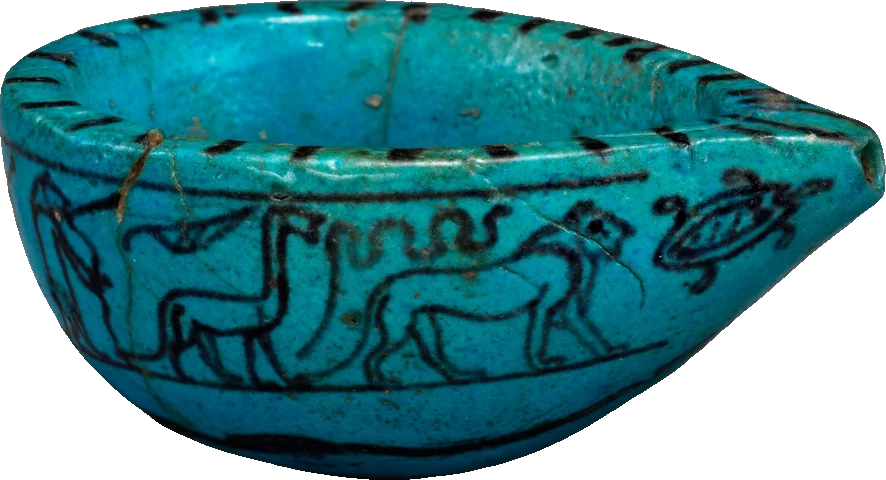 Feeding Cupca. 1850–1700 B.C.
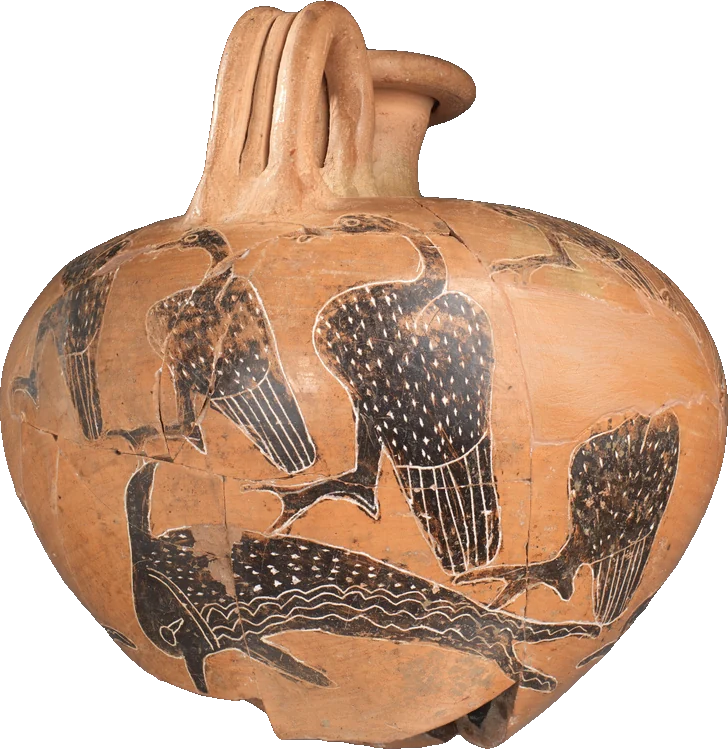 Jug Decorated with Dolphins and Birdsca. 1750–1550 B.C.
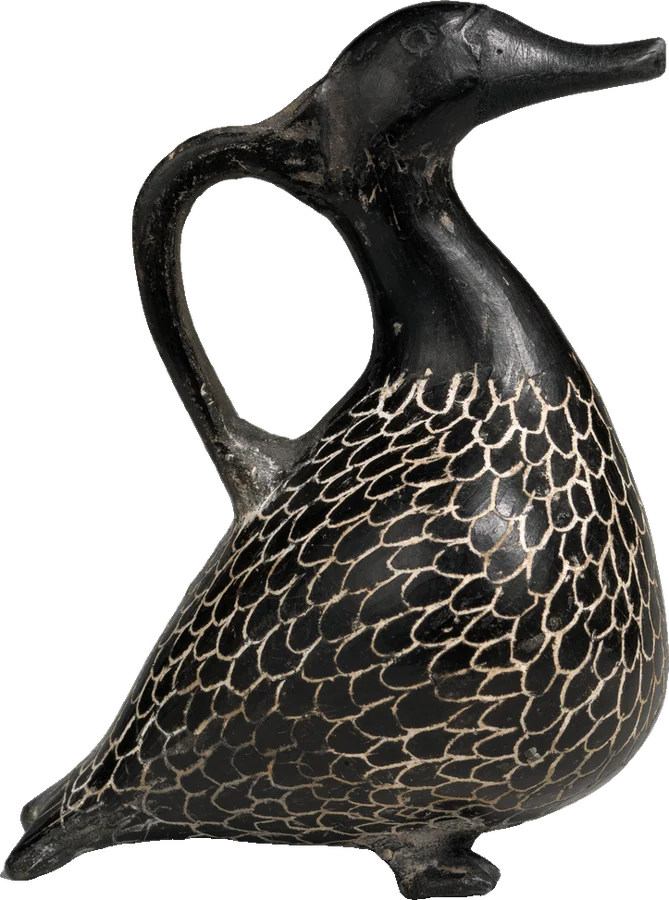 "Tell el-Yahudiya" Vase in the Shape of a Duckca. 1700 B.C.
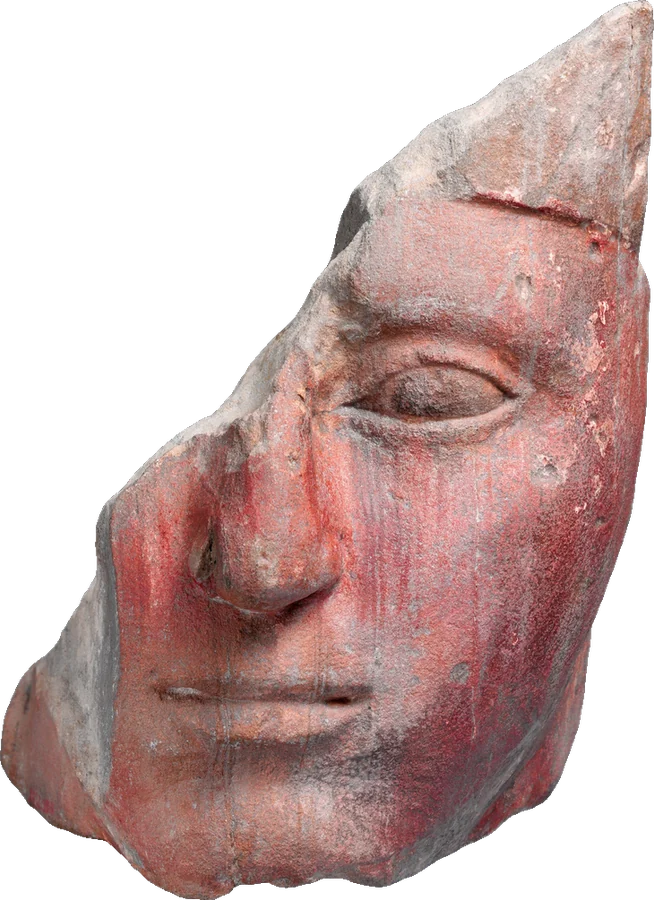 Head from a Statue of King Amenhotep Ica. 1525–1504 BCE
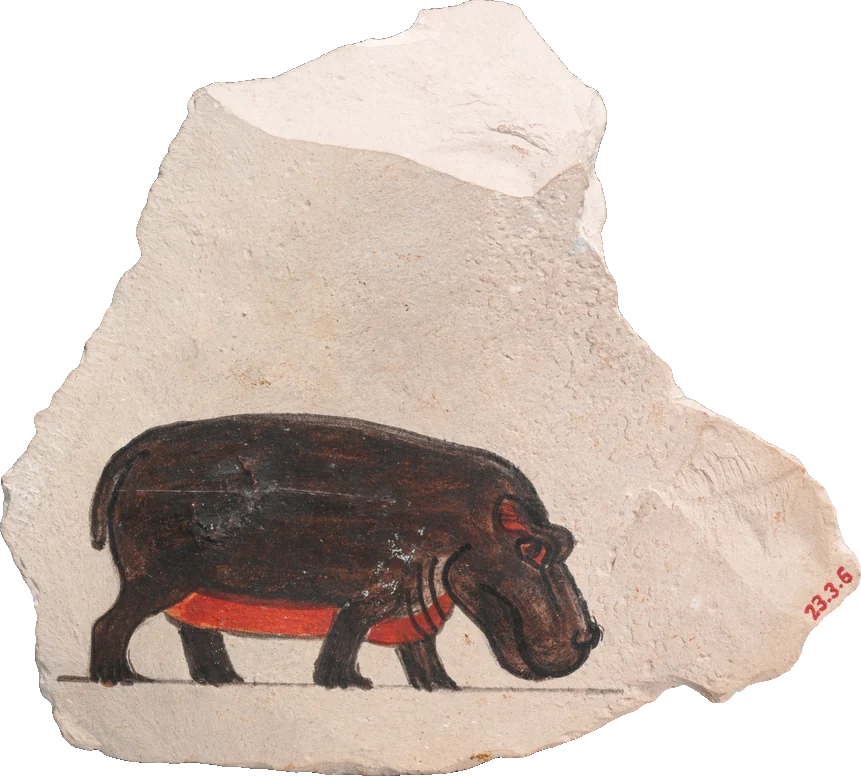 Artist's Painting of a Hippopotamusca. 1473–1458 BCE
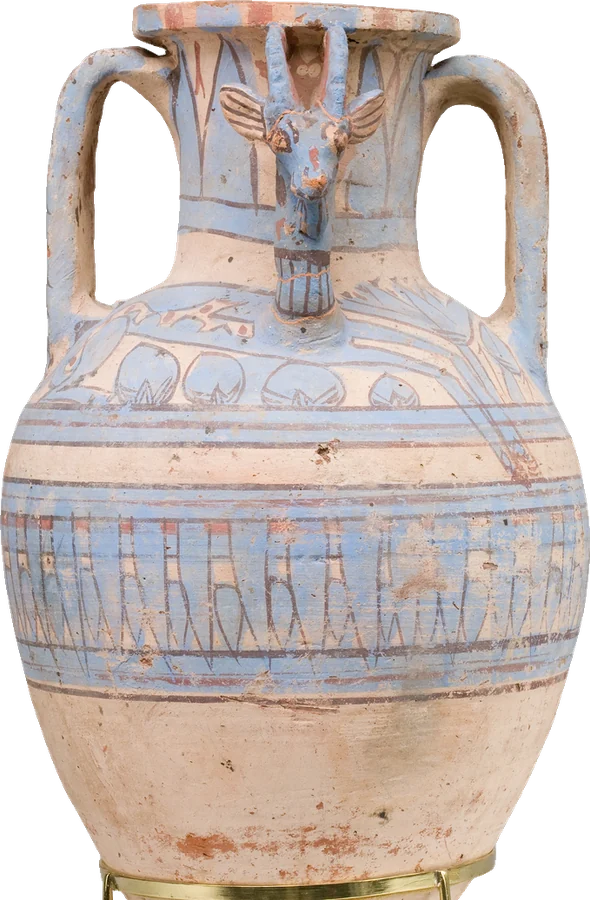 Blue-Painted Ibex Amphora from Malqataca. 1386–1347 BCE
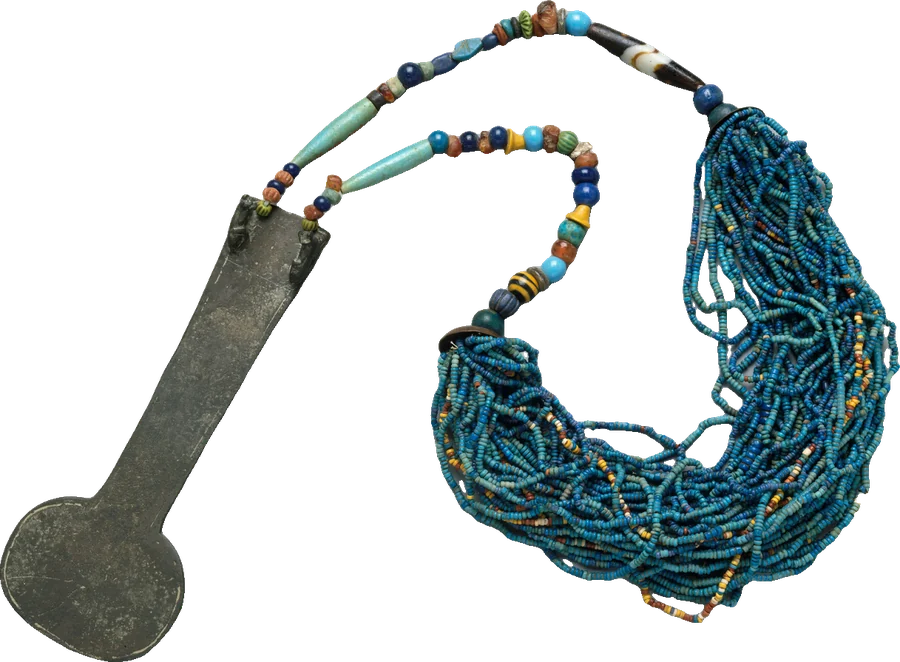 Menat necklace from Malqataca. 1386–1347 BCE
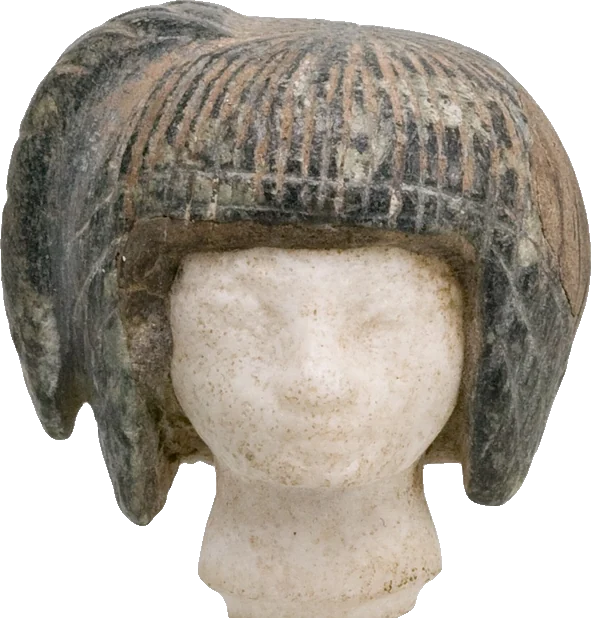 Head from a Spoon in the form of a Swimming Girlca. 1386–1347 BCE
Related words
Dig real sites layer by layer, sieve the soil, mend and date your finds, and build your own museum.
Play Digopolis