
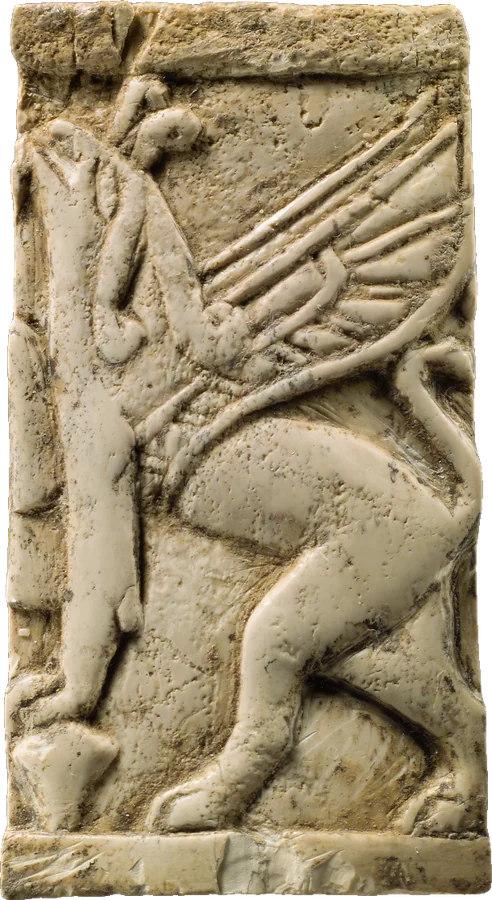
Assyrian, Neo-Assyrian · Find
Plaque with griffin
This object was really found at Nimrud by the British School of Archaeology in Iraq, in a dig The Met helped pay for. Today it is in The Metropolitan Museum of Art in New York.
What is it?
Relief. A relief is a carving that stands out from a flat background. Temples, palaces and tombs were covered with them, often painted. Source
Ivory. Tooth and tusk, carved into small luxury objects: furniture inlays, combs, boxes and handles. Read more
Ivory. Carved tusk or tooth.
Museum record
- Object
- Relief
- Culture
- Assyrian, Neo-Assyrian
- Date
- ca. 8th–7th century BCE
- Material
- Ivory
- Findspot
- Nimrud (ancient Kalhu), Mesopotamia
- Size
- 1.85 in. (4.7 cm)
- Museum
- The Metropolitan Museum of Art, New York
- Number
- 58.31.5
- Credit
- Rogers Fund, 1958
Photo and record: The Metropolitan Museum of Art, Open Access (public domain, CC0), copied 2026-11-12. Background removed from the photo. Region: Mesopotamia.
More from Nimrud
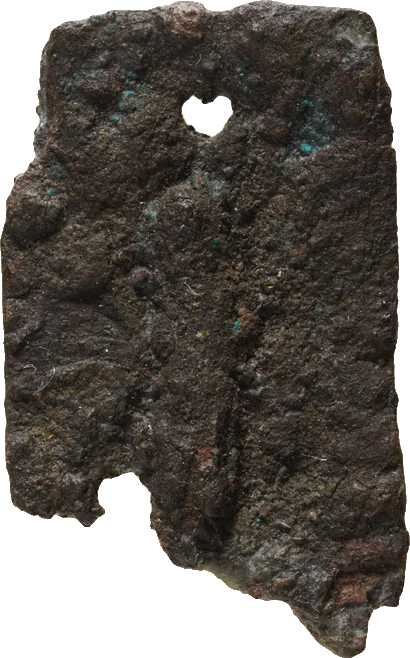 Armor plateca. late 8th–late 7th century BCE
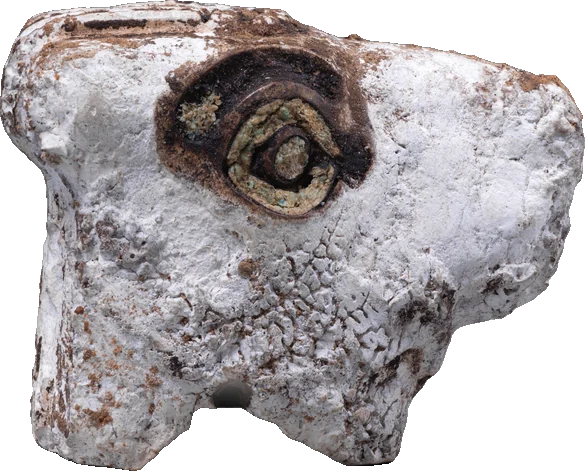 Bull's headca. late 8th century BCE
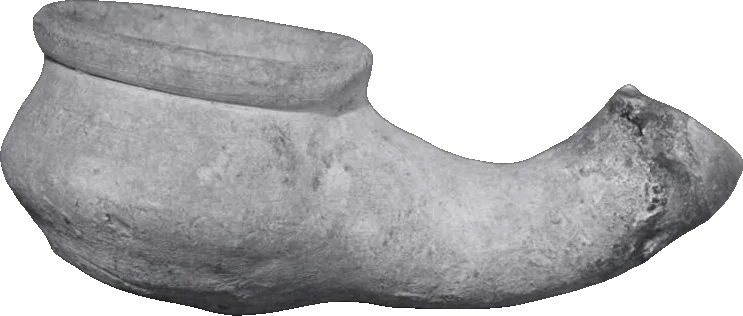 Lampca. 8th–7th century BCE
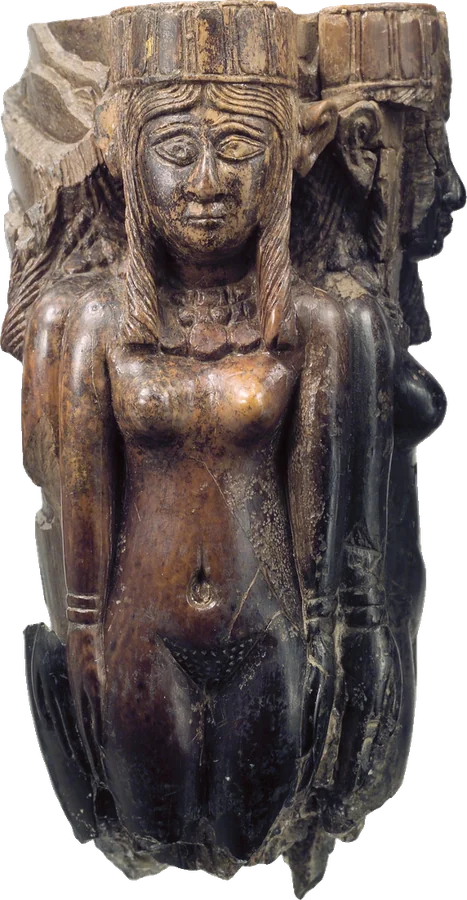 Fan or fly-whisk handle in the form of four female figuresca. 8th–7th century BCE
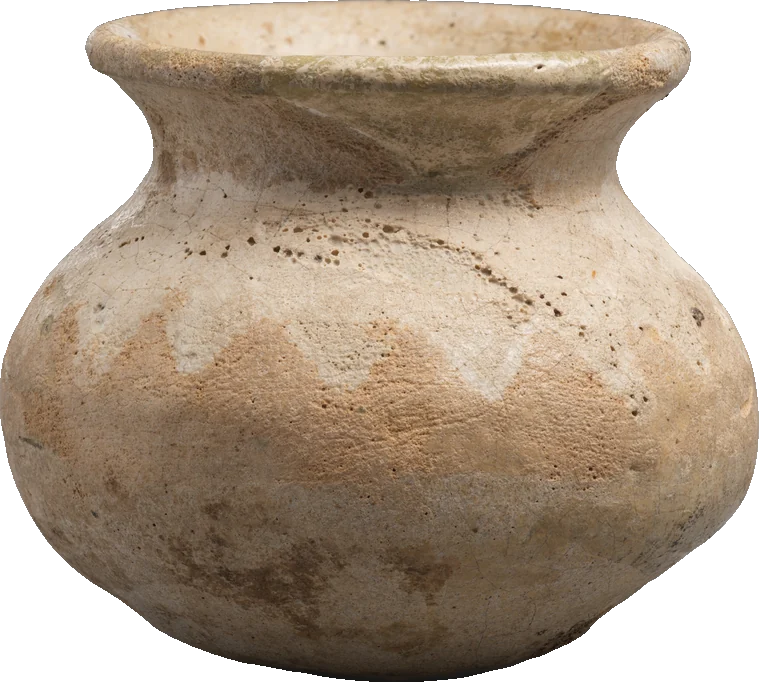 Jar with geometric decorationca. 8th–7th century BCE
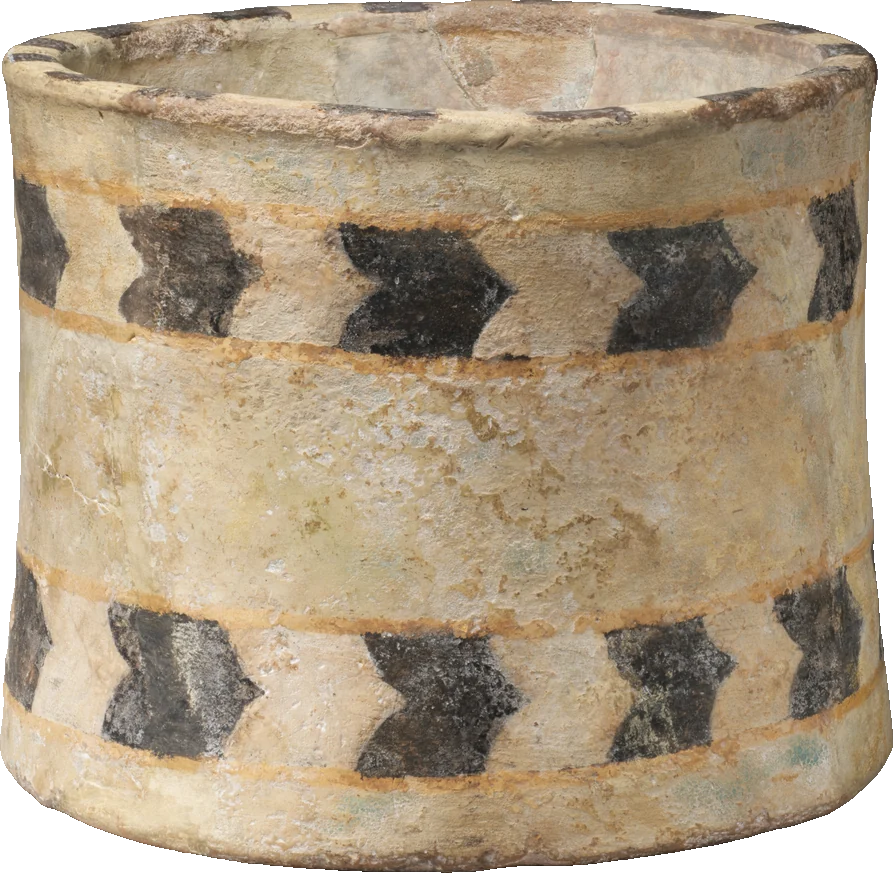 Tub-like vessel with geometric decorationca. 8th–7th century BCE
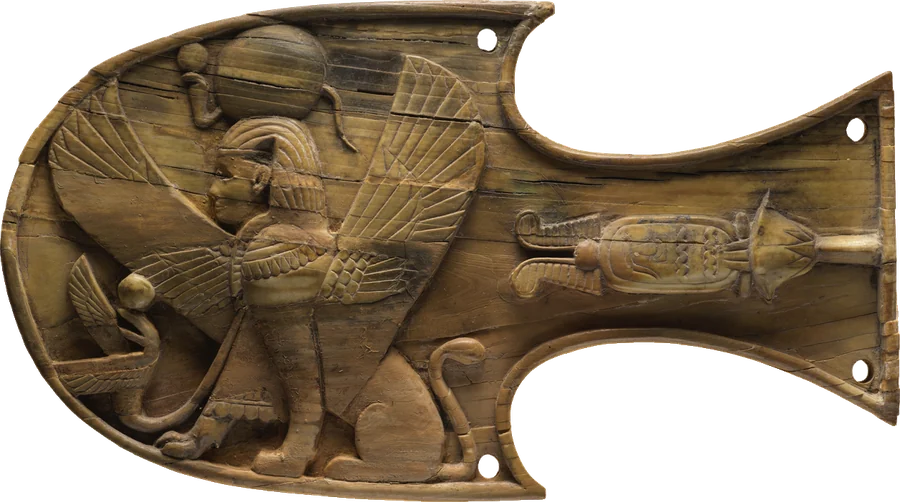 Horse blinker carved in relief with a seated sphinxca. 8th century BCE
 Knobca. 8th century BCE