
The mystery of Malqata · Egypt
Why did King Amenhotep III build a whole palace city at Malqata?
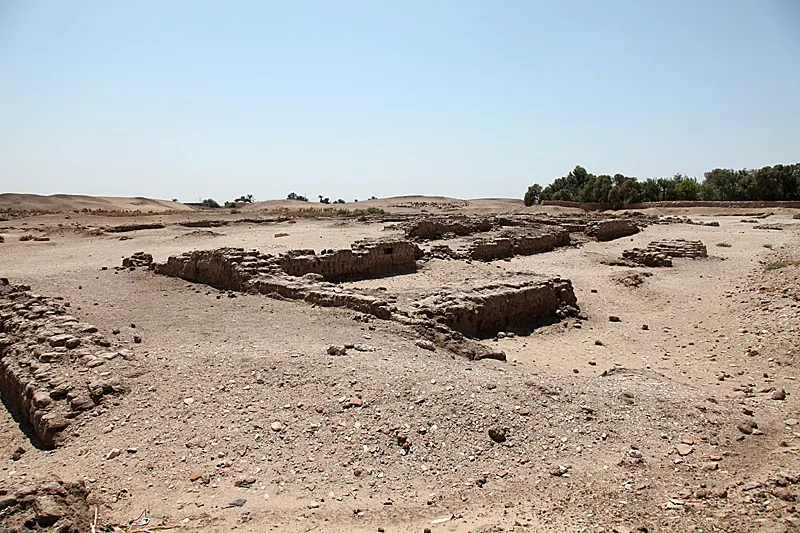
Malqata is the site of a huge mud-brick palace built by King Amenhotep III on the west bank at Thebes. It held royal apartments, a temple of Amun, a festival hall and villas for the elite, next to a large man-made harbor. The Metropolitan Museum of Art excavated the palace from 1910 to 1920. Source
- 1. A king and his queen
- 2. A palace of mud brick
- 3. Painted rooms and many workers
- 4. A harbor dug by hand
- 5. The answer: a royal jubilee
Chapter 1
A king and his queen
Amenhotep III married Tiye early in his reign, and she was his chief queen the whole time he ruled. At Malqata, on the west bank at Thebes, Tiye had her own smaller palace across from the king's rooms.
The clue
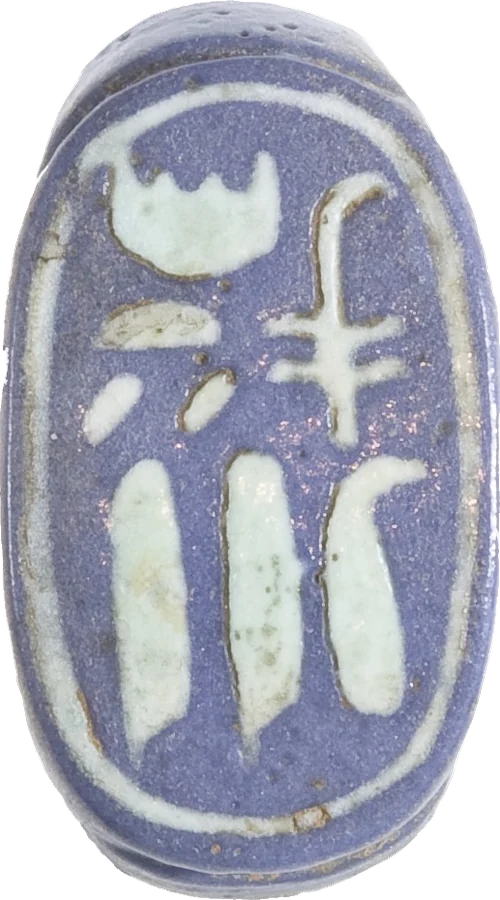
Ring Inscribed for Queen Tiye, ca. 1386–1347 BCE. A faience ring inscribed for Queen Tiye, found at Malqata by the Met in 1911 to 1912.
Sources for this chapter (2)
- en.wikipedia.org: "Tiye was the Great Royal Wife throughout Amenhotep III's reign."
- en.wikipedia.org: "His Great Royal Wife, Tiye, had her own smaller palace complex diagonally across from the pharaoh's."
Chapter 2
A palace of mud brick
The palace was built mostly of mud brick in the 1300s BCE. Work began around the 11th year of the king's reign, and he moved in to stay around his 29th year. When it was finished, it was the largest royal home in Egypt.
The clue
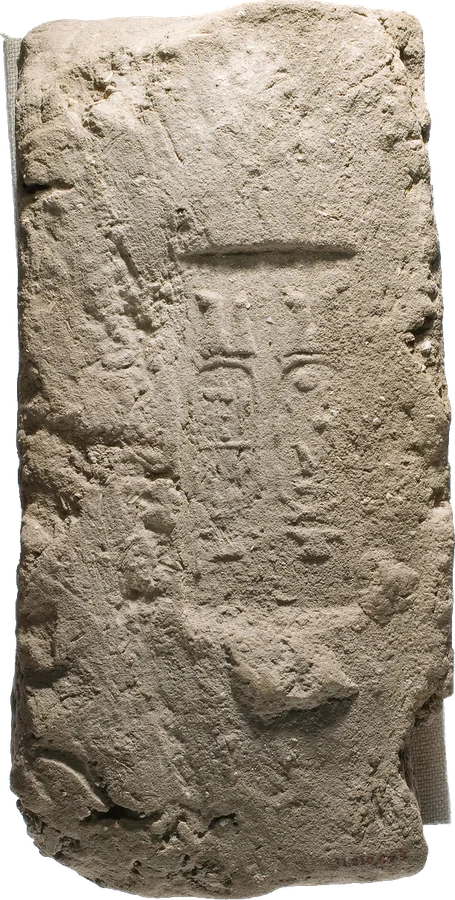
Brick stamped with the Names of Amenhotep III, ca. 1386–1347 BCE. A mud brick stamped with the names of Amenhotep III, found in his palace at Malqata.
Sources for this chapter (1)
- en.wikipedia.org: "Construction began around year 11 of his reign and continued until the king moved there permanently around his year 29. Once completed, it was the largest royal residence in Egypt."
Chapter 3
Painted rooms and many workers
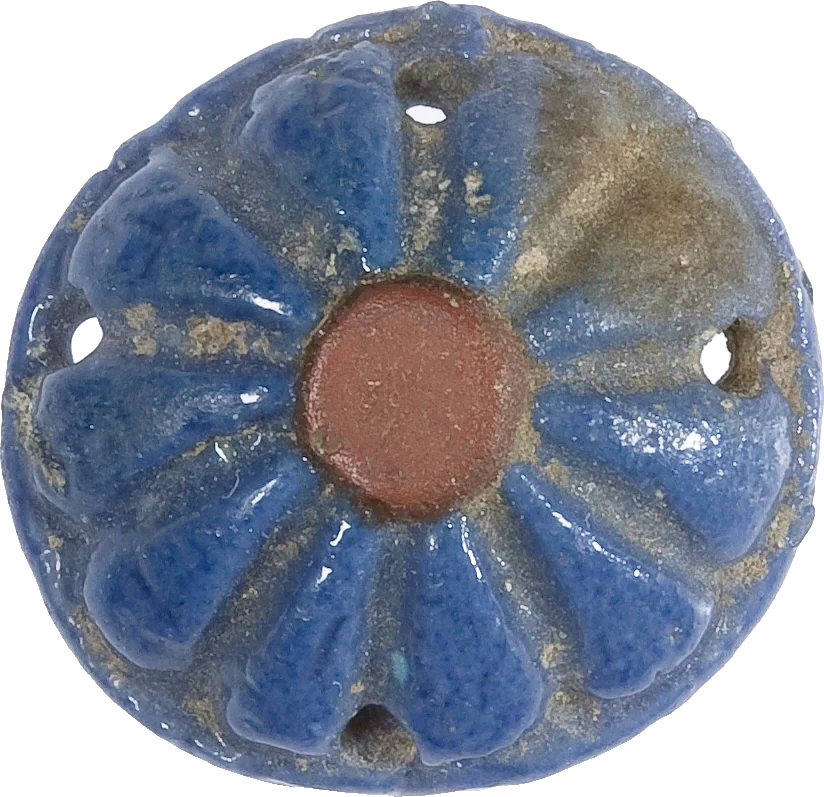
Walls, ceilings and floors were painted with flowers, reeds, marsh animals and patterns, including rosettes. Kitchens and rooms for servants have been found, and so many people lived and worked there that the palace was like a complete city.
The clue
Rosette Decoration, ca. 1386–1347 BCE. A faience rosette found in the Palace of Amenhotep III at Malqata, like the rosette patterns in its painted decoration.
Sources for this chapter (2)
- en.wikipedia.org: "The walls, ceiling, and floors were painted with scenes of wildlife"
- en.wikipedia.org: "Remains of kitchens near the royal chamber have been found, as well as servant quarters. The palace resembled a complete city"
Chapter 4
A harbor dug by hand
Canals linked the palace to the Nile and ended in a large harbor or quay, now called Birket Habu. Harbor and canal made it easy to cross the river to the city of Thebes on the east bank. Officials and the royal family lived in villas and houses nearby.
The clue
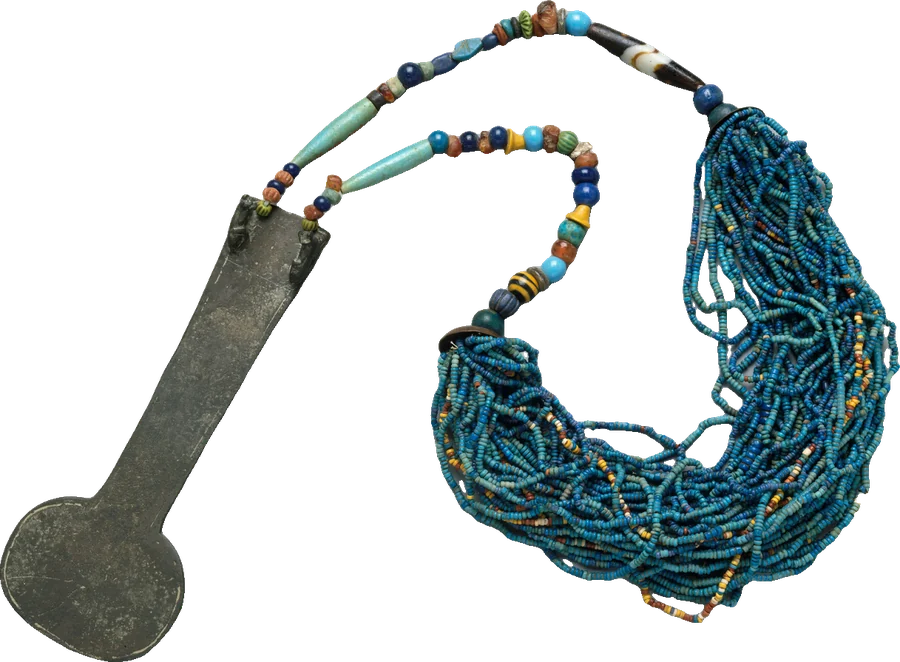
Menat necklace from Malqata, ca. 1386–1347 BCE. A menat necklace found in a private house on the Birket Habu mounds at Malqata, one of the homes by the harbor.
Sources for this chapter (2)
- en.wikipedia.org: "The palace area was connected to the Nile through a system of canals, which end in a large harbour or quay, now called Birket Habu"
- en.wikipedia.org: "The harbor and canal connected the palace with the Nile, allowing easy travel across the river to the city of Thebes, which was situated on the eastern bank."
Chapter 5
The answer: a royal jubilee
A Sed festival, or jubilee, was held after a king had ruled for 30 years, to show he was still fit to rule. Amenhotep III held three, in years 30, 34 and 37 of his reign, all at Malqata, and a temple of Amun and a festival hall were built there just for them. So Malqata was both his home and the stage for his greatest celebrations.
The clue
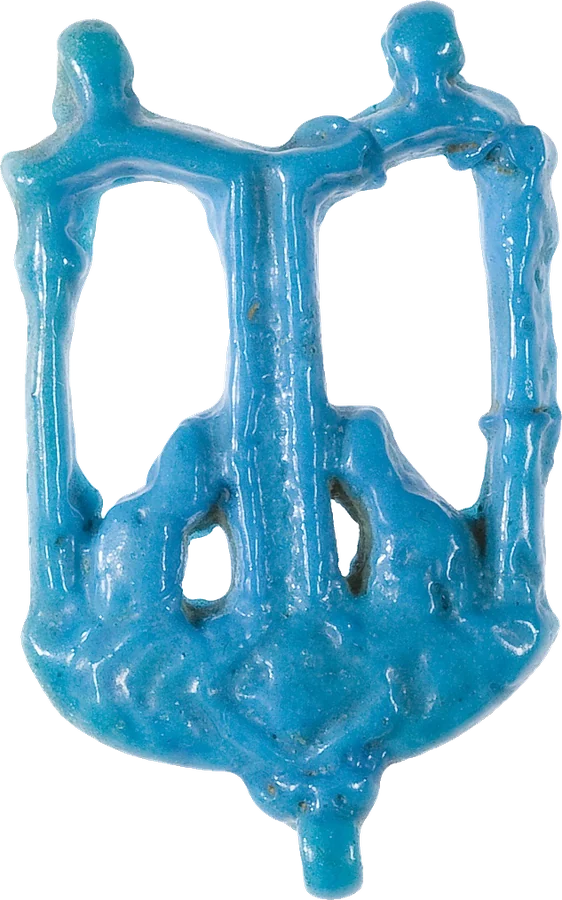
Heb-Sed Amulet, ca. 1386–1347 BCE. A faience Heb-Sed (jubilee) amulet from Amenhotep III's reign, found in the South Village at Malqata.
Sources for this chapter (2)
- en.wikipedia.org: "Sed festivals were jubilees celebrated after a ruler had held the throne for thirty years"
- en.wikipedia.org: "Amenhotep III celebrated three Sed festivals in Regnal Years 30, 34, and 37, each at Malkata palace in Western Thebes. A temple of Amun and festival hall were built especially for the celebrations."
Every sentence above is checked against the quoted source. Spotted a mistake? Tell us. More about the site, its finds and who dug there: Malqata.
Next mystery: How did a hidden room in the Asasif keep its treasures safe for nearly 4,000 years?
In the game the chapters of this mystery open as you dig up the objects of Malqata.
Dig at Malqata