
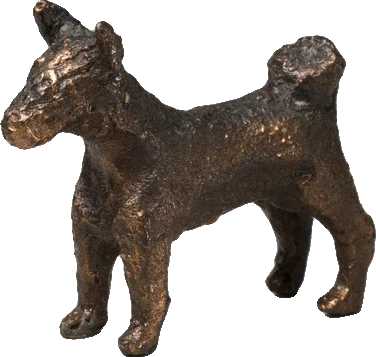
Assyrian, Neo-Assyrian · Important find
Dog
This object was really found at Nimrud by the British School of Archaeology in Iraq, in a dig The Met helped pay for. Today it is in The Metropolitan Museum of Art in New York.
What is it?
Statue. Statues stood in temples, tombs and public places. Many were meant to hold the spirit of a god, a king or the dead person they show. Source
Metal. Gold, silver, copper or bronze.
Museum record
- Object
- Sculpture
- Culture
- Assyrian, Neo-Assyrian
- Date
- ca. 9th–8th century BCE
- Material
- Bronze
- Findspot
- Nimrud (ancient Kalhu), Mesopotamia
- Size
- 1 1/4 × 1 9/16 × 1/2 in. (3.1 × 4 × 1.3 cm)
- Museum
- The Metropolitan Museum of Art, New York
- Number
- 54.117.23
- Credit
- Rogers Fund, 1954
Photo and record: The Metropolitan Museum of Art, Open Access (public domain, CC0), copied 2026-11-12. Background removed from the photo. Region: Mesopotamia.
More about this object
Culture
Neo-Assyrian Empire: more objects from the same culture or period, with what we know about it.
More from Nimrud
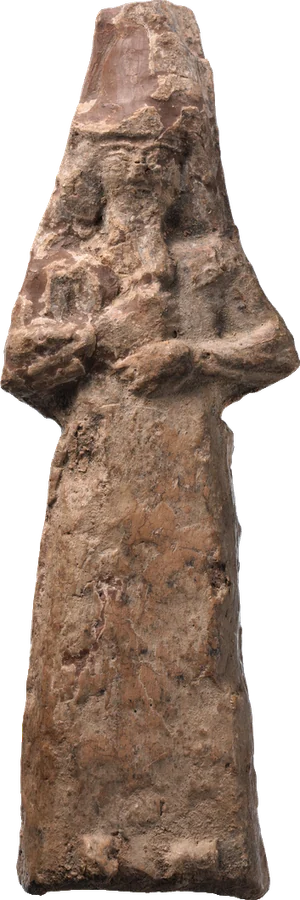 Apkallu figure: male with a fish-skin hoodca. 9th–8th century BCE
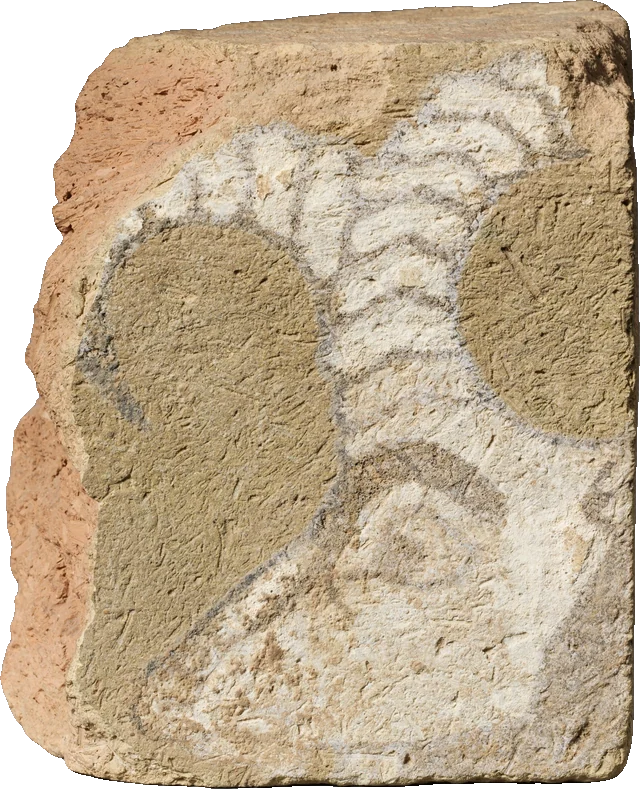 Brick fragment with the head of an ibexca. 9th century BCE
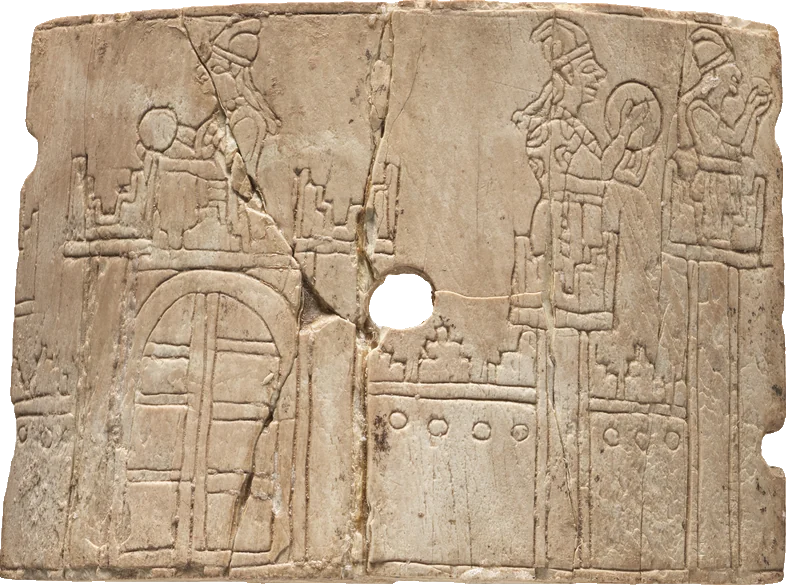 Incised cosmetic box fragments with a warrior and four womenca. 9th–8th century BCE
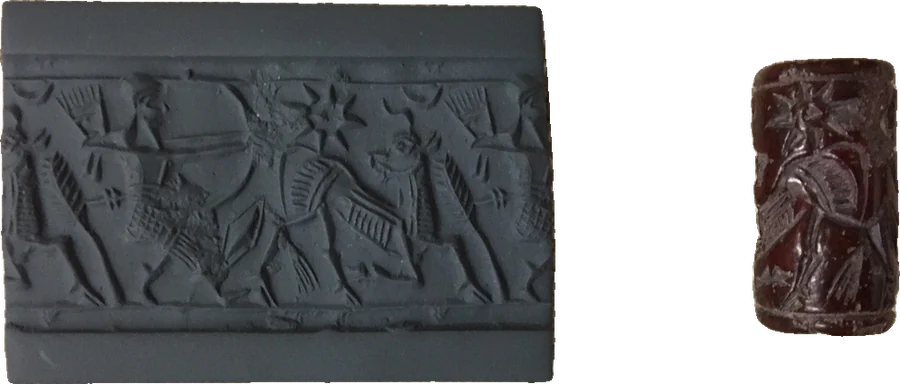 Cylinder seal with hunting sceneca. 9th–8th century BCE
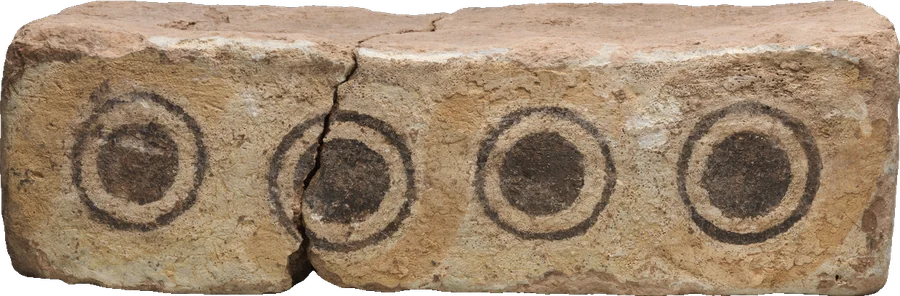 Brick with guilloche designca. 9th century BCE
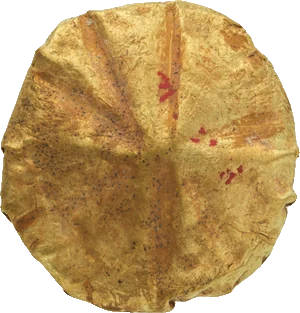 Buttonca. early 1st millennium BCE
 Hedgehog amuletca. 9th–7th century BCE
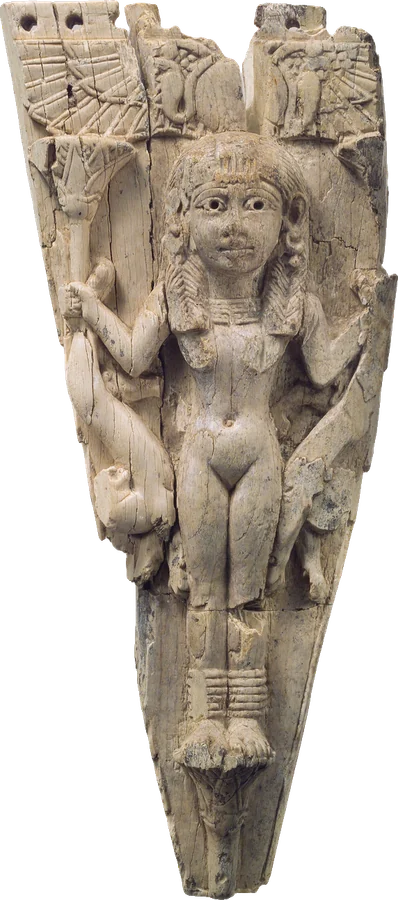 Horse frontlet carved in relief with a female figure flanked by lionsca. 9th–8th century BCE