
Neo-Assyrian Empire
The Neo-Assyrian Empire, from about 911 to 609 B.C., grew from northern Iraq into the largest empire the region had seen. In the 9th century B.C., King Ashurnasirpal II made Nimrud (ancient Kalhu) his capital.
Its palaces were filled with carved stone reliefs and thousands of ivory carvings, many once fixed to furniture.
Read more: Neo-Assyrian Empire on Wikipedia
35 objects in the game name this period in their museum record. Found at Nimrud.
Words: Ivory, Glaze, Seals and sealings
12 fun facts: Neo-Assyrian Empire
- When King Ashurnasirpal II finished his new capital at Kalhu, he threw a ten-day party. His own inscription says 69,574 people attended. en.wikipedia.org
- A stone guardian with a human head, wings and a bull's body in Chicago weighs about 40 tons and stands about 16 feet tall. Oriental Institute archaeologists found it in 1929, and it has stood in Chicago since 1932. magazine.uchicago.edu
- To bring that 40-ton guardian from New York to Chicago by train, the route had to avoid tunnels. magazine.uchicago.edu
- Some Assyrian guardian statues have five legs. From the front they seem to stand still, and from the side they seem to walk. en.wikipedia.org
- King Sennacherib built a stone aqueduct at Jerwan between 703 and 690 B.C. from more than two million cut stones. Its inscription boasts that he spanned steep valleys with white limestone blocks. en.wikipedia.org
- Sennacherib surrounded Nineveh with a wall about 7.5 miles (12 km) long and about 82 feet (25 m) tall. en.wikipedia.org
- Royal parks were an Assyrian invention. Sennacherib linked four canal systems, more than 150 km (93 miles) long, to bring water to Nineveh. en.wikipedia.org
- More than 30,000 clay tablets and fragments from King Ashurbanipal's library at Nineveh survive, and most are now in the British Museum in London. en.wikipedia.org
- In 1872 George Smith, a former banknote engraver working at the British Museum, read a Flood story on a tablet from Nineveh. Coworkers later said he was so excited that he started taking off his clothes. en.wikipedia.org
- In 1873 a London newspaper, the Daily Telegraph, paid for George Smith to travel to Nineveh and look for missing pieces of the Flood story. The trip turned up some of the missing tablets. en.wikipedia.org
- Aramaic became the everyday shared language of the empire from the 9th century B.C. and stayed the common language of the region until the 14th century A.D. en.wikipedia.org
- Erbil in Iraq, ancient Arbela, is the only Assyrian city that has been lived in as a town without a break from Assyrian times until today. en.wikipedia.org
In the game these unlock one by one as you dig up their objects.
The name
Assyria takes its name from Ashur, which was both a city and the chief god of the Assyrians. Early on, the state was simply called "the city of Ashur", and from the 14th century B.C. "the land of Ashur". The form "Assyria" comes from Greek and first appears in the writings of Herodotus in the 5th century B.C. en.wikipedia.org
Daily life
Most Assyrians were farmers who worked land owned by their families. Each village or town had a mayor, who also acted as the local judge and spoke for the town to the state. The king was seen as the earthly representative of the god Ashur and was expected to go on campaign every year. en.wikipedia.org
How we know
The rediscovery began in the 1840s. Paul-Emile Botta, the French consul in Mosul, dug at Khorsabad, ancient Dur-Sharrukin, and found carved reliefs and winged guardian statues, shown at the Louvre in 1847. Austen Henry Layard dug at Nimrud and then Nineveh, where he found Sennacherib's palace, and published Nineveh and its Remains in 1849. en.wikipedia.org
What they left us
Ashur, the first Assyrian capital, became a UNESCO World Heritage Site in 2003 and was put on the danger list the same year, because a planned dam would flood part of it. The dam plan has since come back. German teams dug there from 1903 to 1914, and excavation started again in 2023. en.wikipedia.org
A record
Historians have called the Neo-Assyrian Empire the first world empire in history. Around 670 B.C. it covered about 540,000 square miles (1.4 million square km). en.wikipedia.org
Objects, oldest first
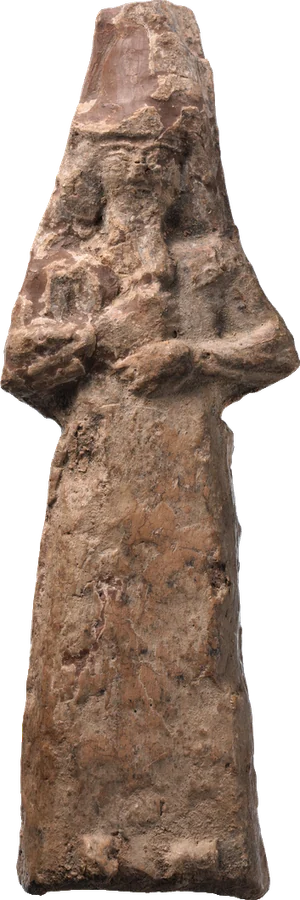 Apkallu figure: male with a fish-skin hoodca. 9th–8th century BCE
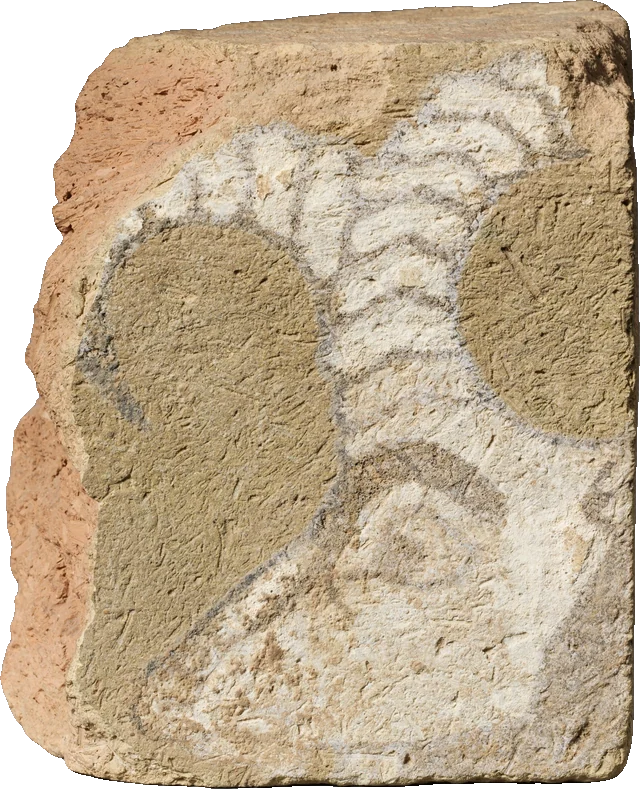 Brick fragment with the head of an ibexca. 9th century BCE
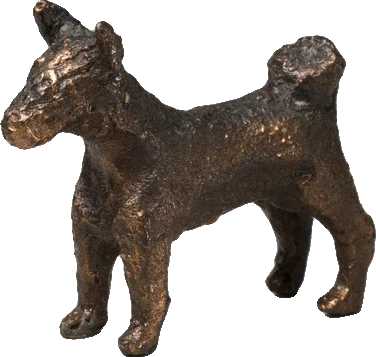 Dogca. 9th–8th century BCE
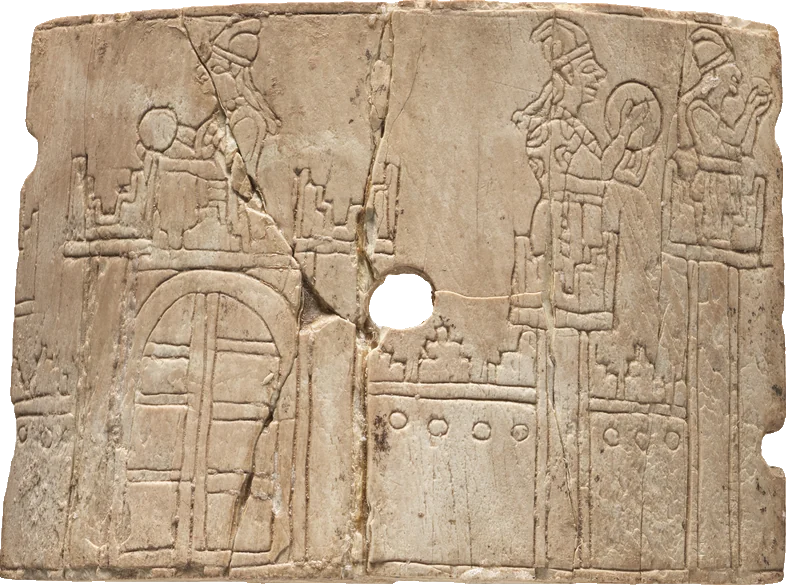 Incised cosmetic box fragments with a warrior and four womenca. 9th–8th century BCE
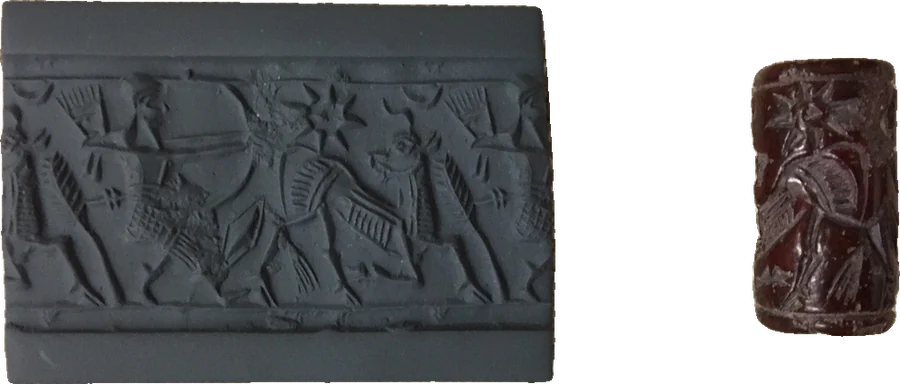 Cylinder seal with hunting sceneca. 9th–8th century BCE
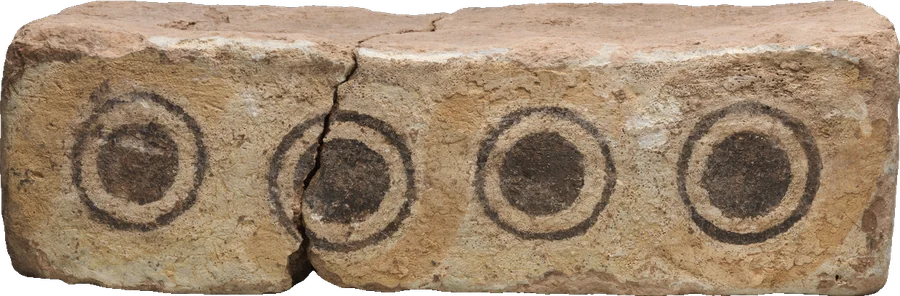 Brick with guilloche designca. 9th century BCE
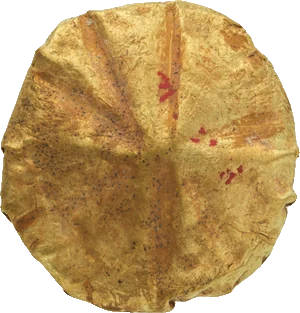 Buttonca. early 1st millennium BCE
 Hedgehog amuletca. 9th–7th century BCE
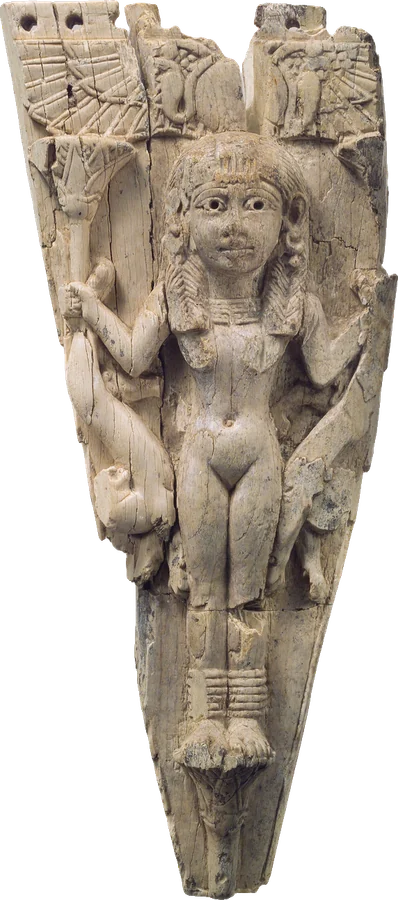 Horse frontlet carved in relief with a female figure flanked by lionsca. 9th–8th century BCE
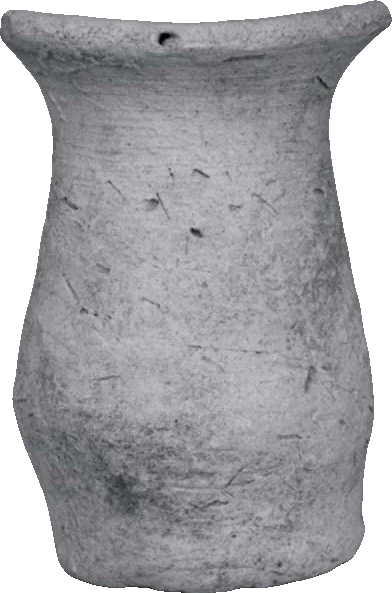 Drinking vessel ("istikan")ca. 9th–7th century BCE
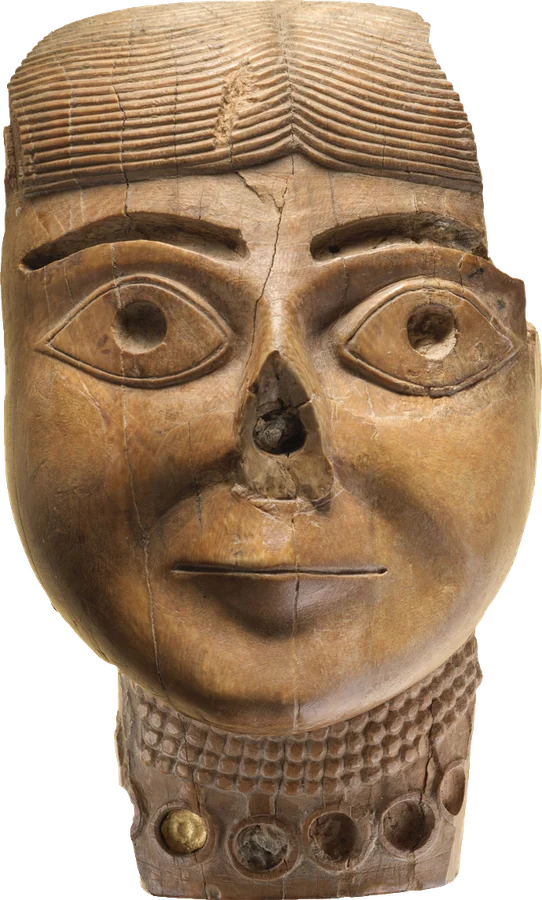 Head of a female or goddess wearing a necklaceca. 9th–8th century BCE
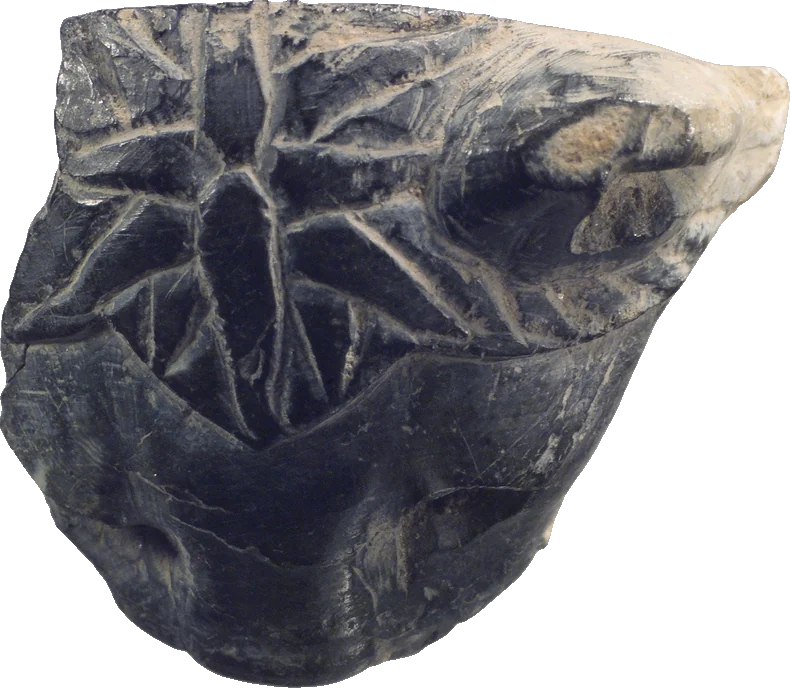 Lion head fragmentca. 9th–7th century BCE
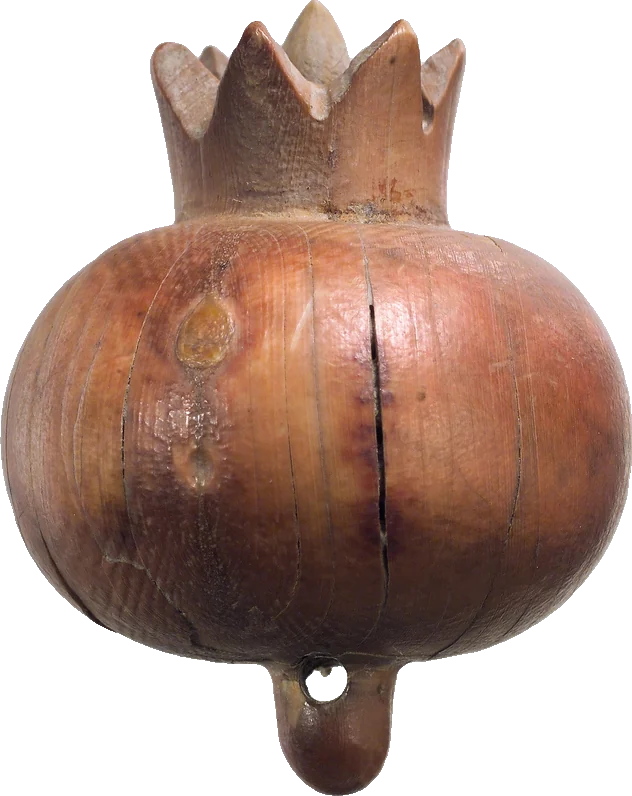 Pomegranate carved in the roundca. 9th–8th century BCE
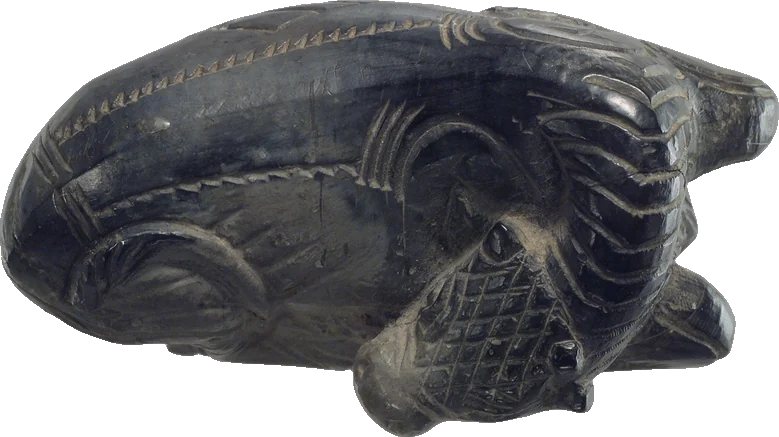 Reclining calf: lid attachmentca. 9th–8th century BCE
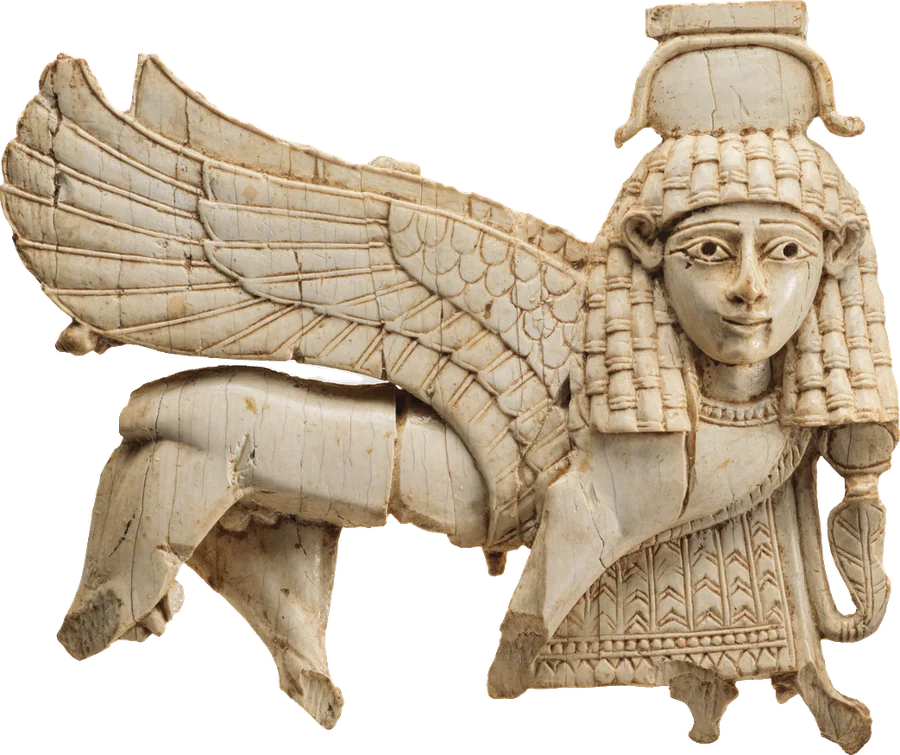 Openwork plaque with a striding sphinxca. 9th–8th century BCE
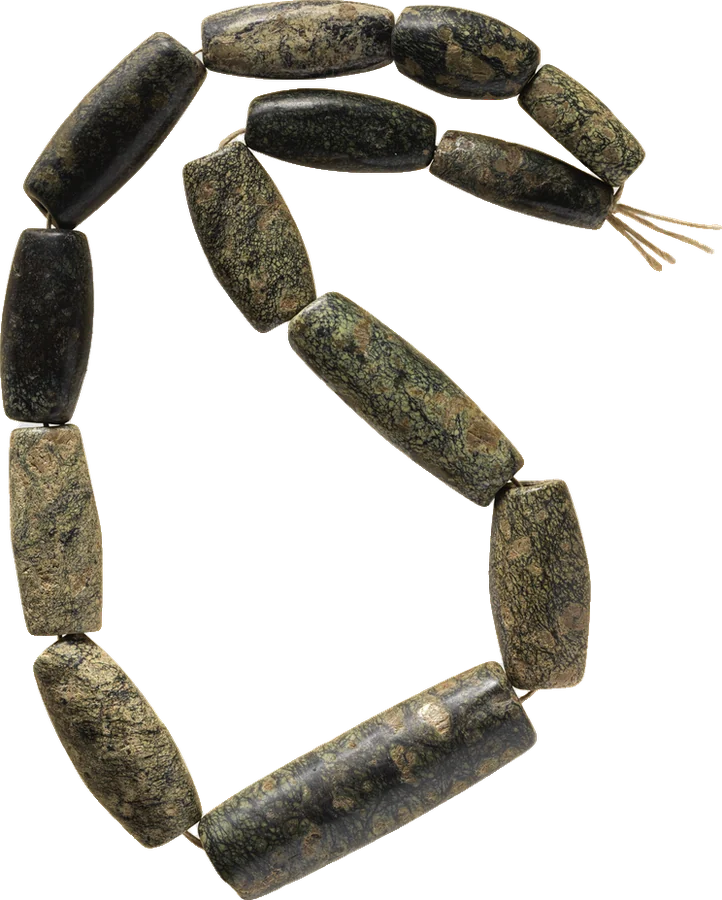 Beadsca. 9th–7th century BCE
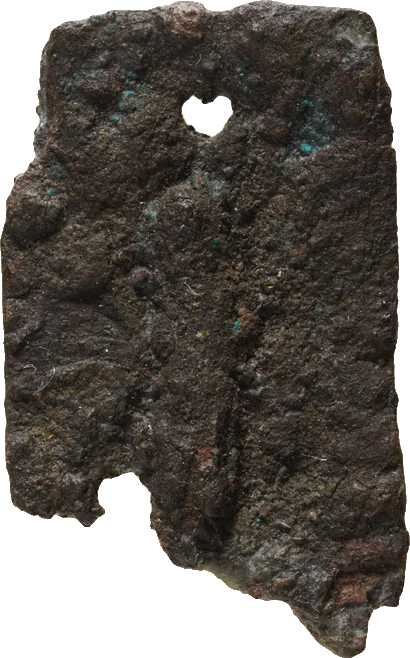 Armor plateca. late 8th–late 7th century BCE
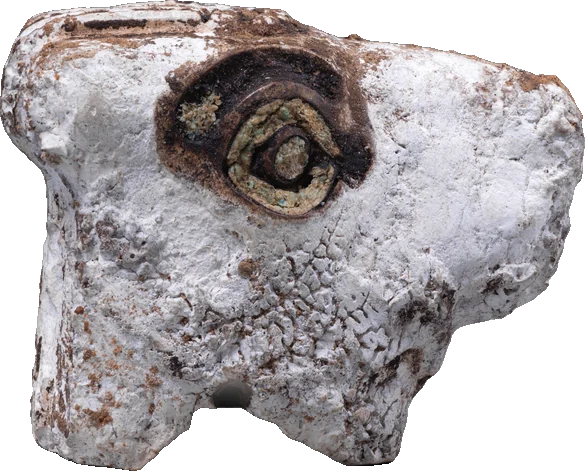 Bull's headca. late 8th century BCE
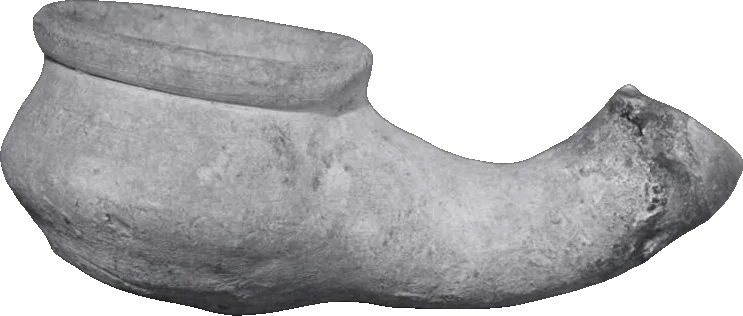 Lampca. 8th–7th century BCE
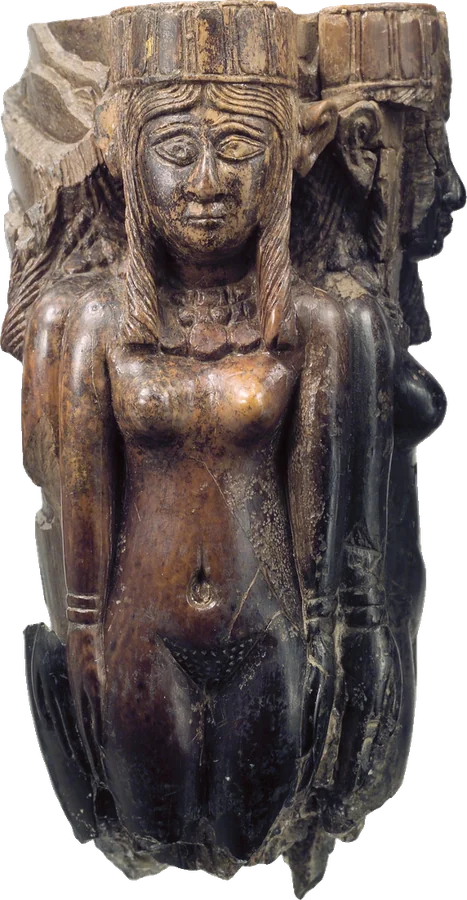 Fan or fly-whisk handle in the form of four female figuresca. 8th–7th century BCE
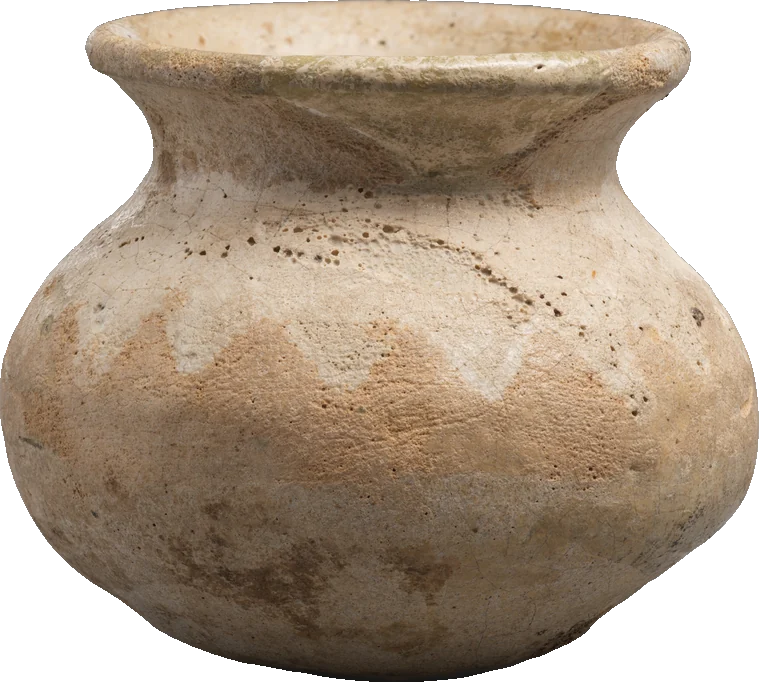 Jar with geometric decorationca. 8th–7th century BCE
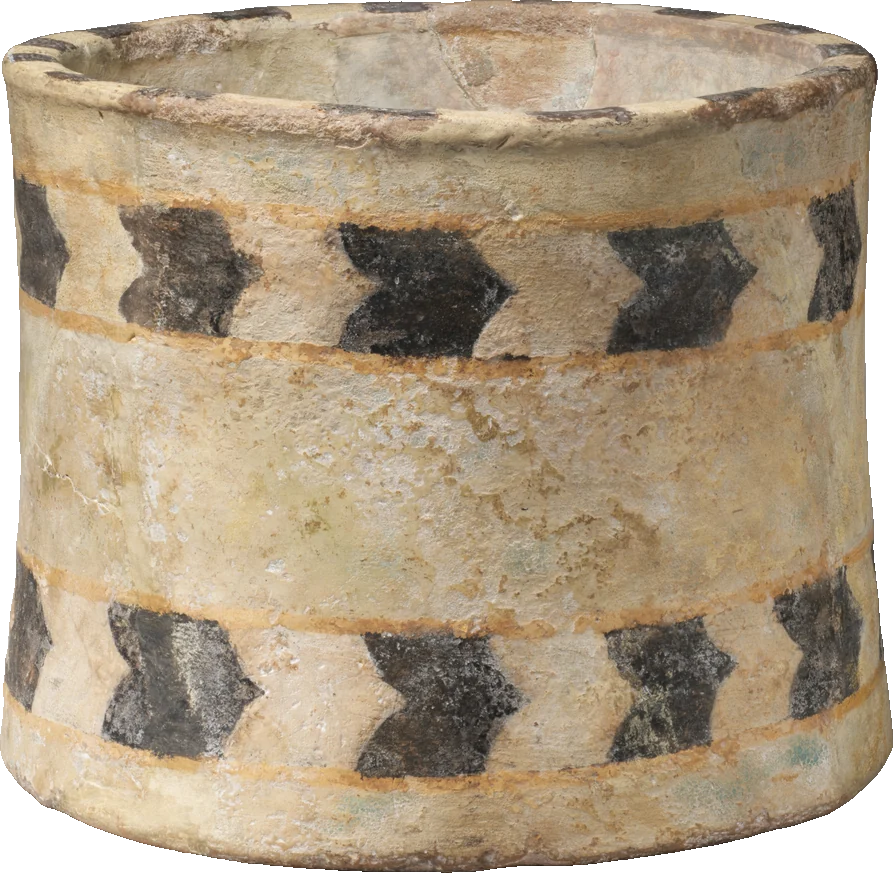 Tub-like vessel with geometric decorationca. 8th–7th century BCE
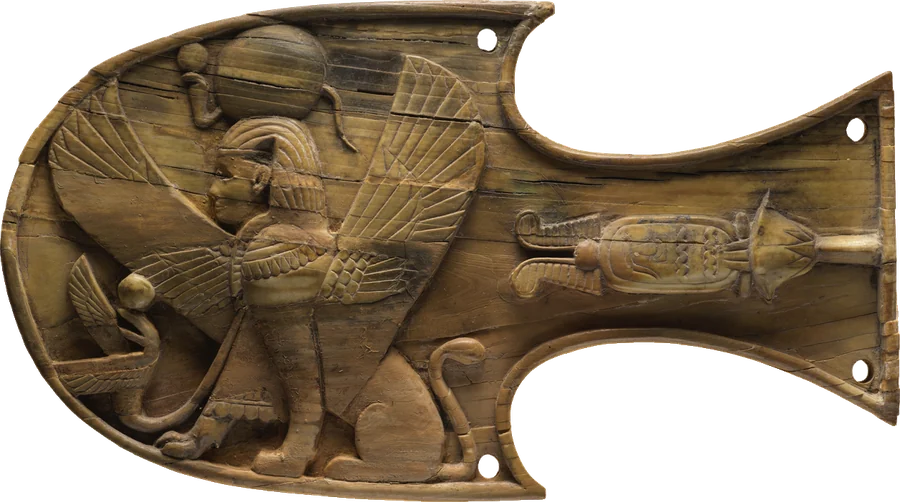 Horse blinker carved in relief with a seated sphinxca. 8th century BCE
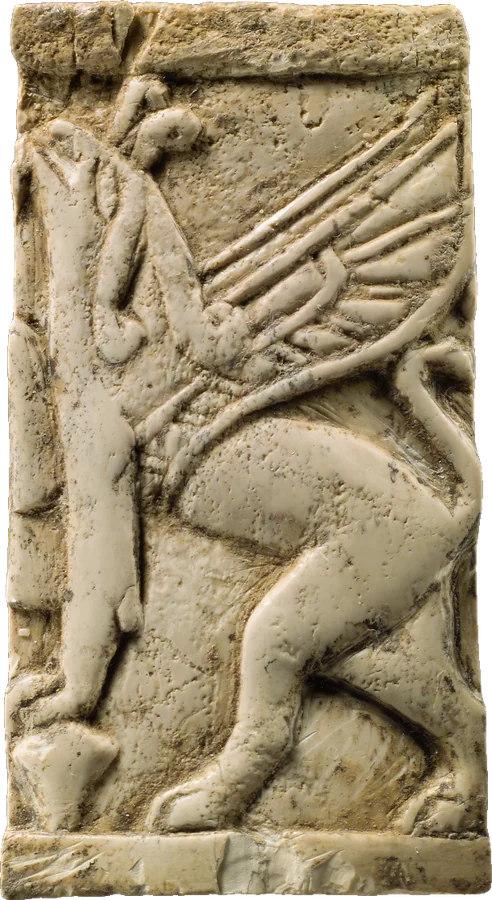 Plaque with griffinca. 8th–7th century BCE
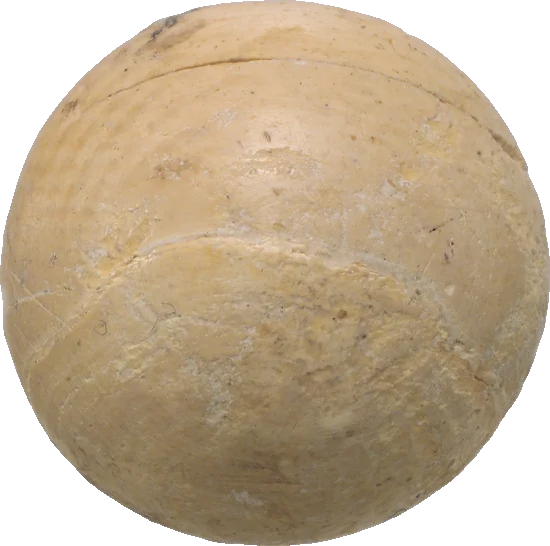 Knobca. 8th century BCE
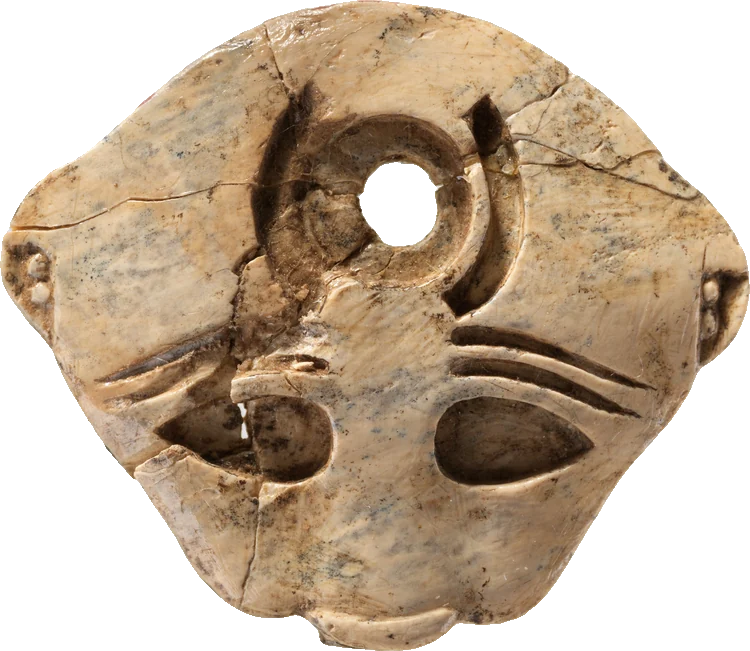 Lioness headca. 8th–7th century BCE
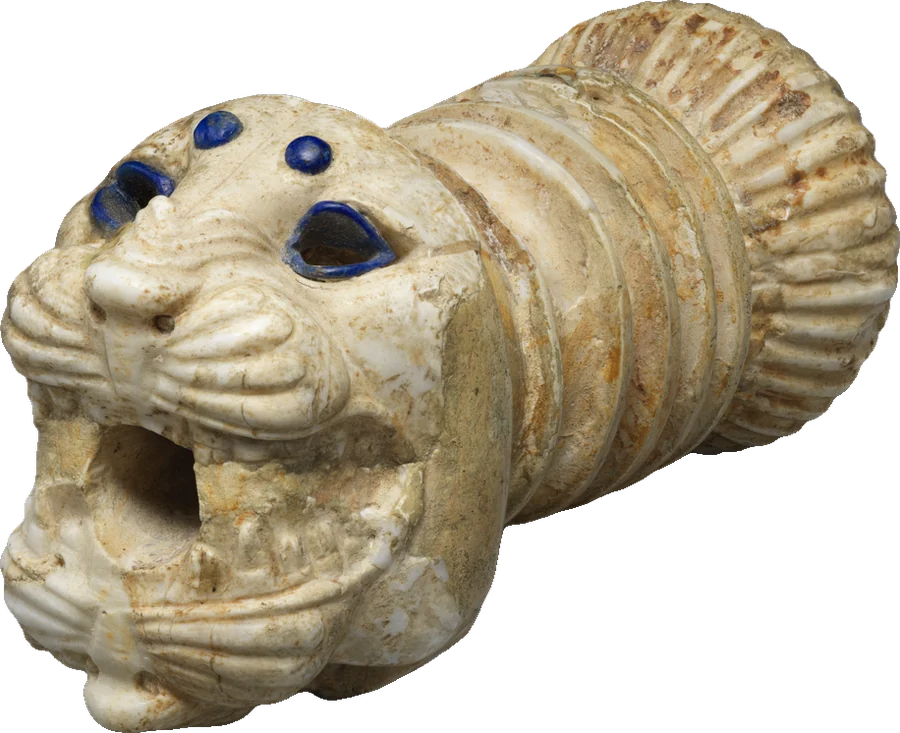 Ornament with heads of roaring lions, possibly the terminal of a sword or dagger hiltca. 8th century BCE
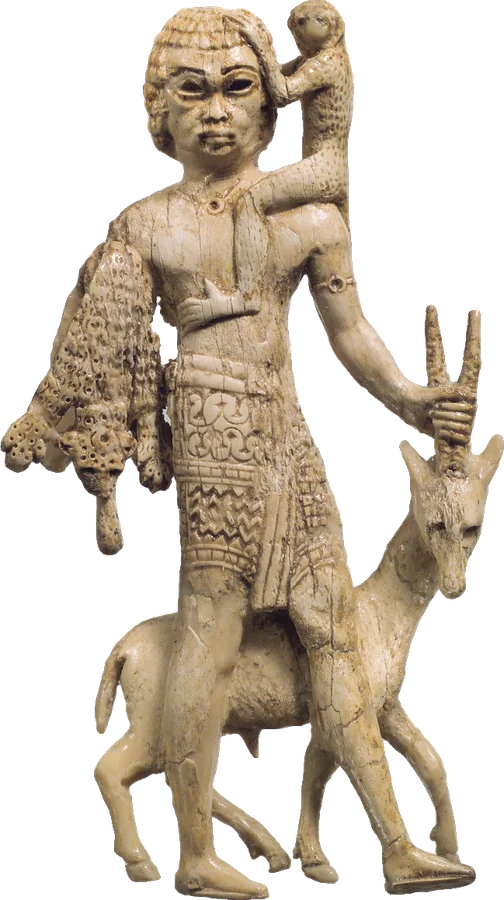 Figure of a man with an oryx, a monkey, and a leopard skinca. 8th century BCE
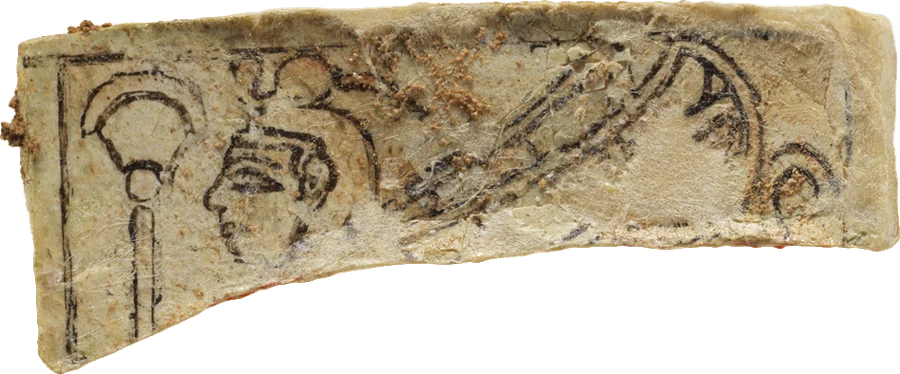 Painted glass fragmentca. 8th–7th century BCE
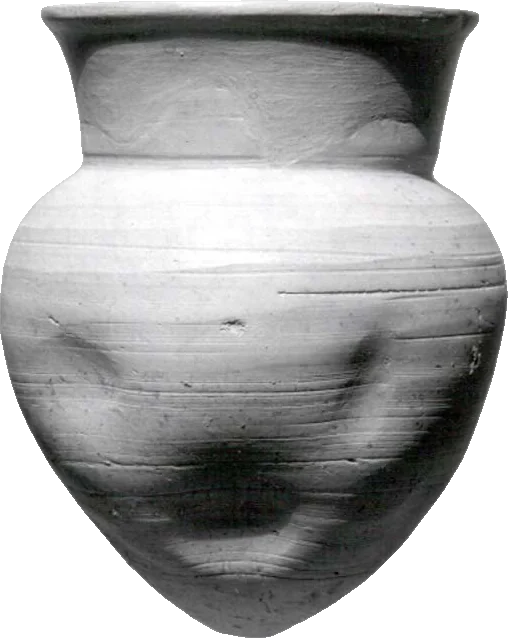 Palace Ware beakerca. 8th–7th century BCE
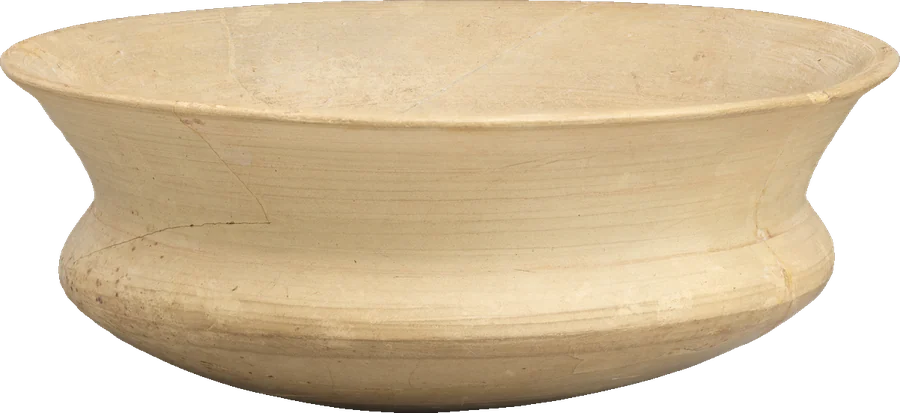 Palace Ware bowlca. 8th–7th century BCE
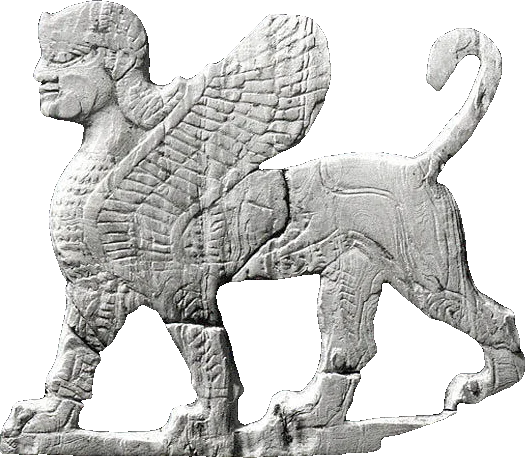 Plaque with a striding sphinxca. 8th century BCE
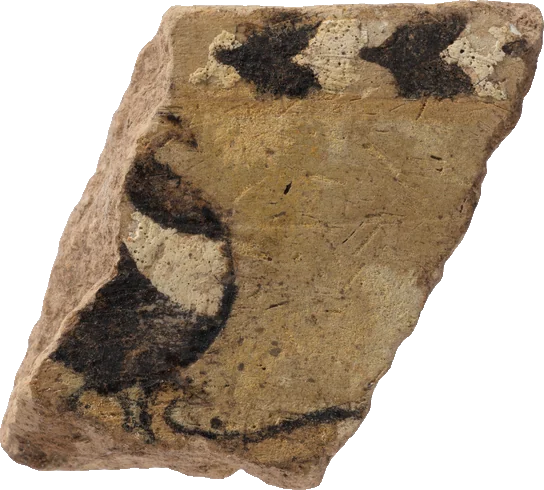 Vessel sherd with pomegranate and geometric decorationca. 8th–7th century BCE
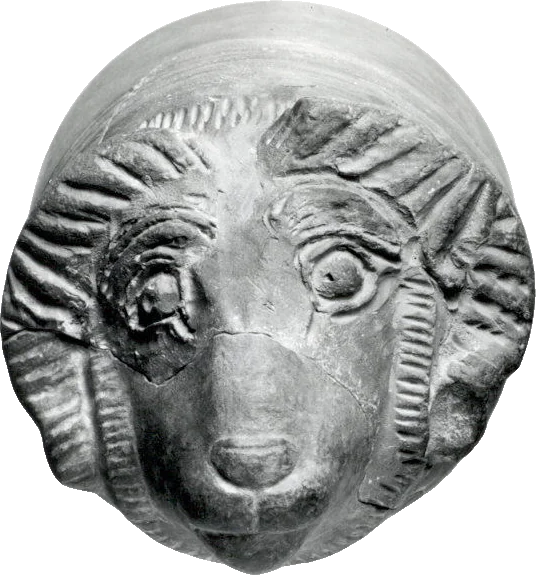 Drinking vessel in the form of a ram's headca. 7th century BCE
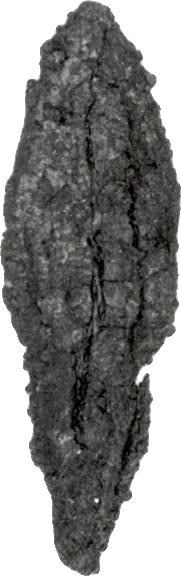 Arrowheadca. 612 BCE
Find these objects in the game at Nimrud.
Play Digopolis