
Time and writing
Hieroglyphs
The picture signs of ancient Egyptian writing. Some signs write sounds, others whole words.
Egyptian hieroglyphs look like pictures, but most of them were used for their sound. Others stood for whole words, and some were added to show what kind of word was meant.
Royal names were written inside an oval ring called a cartouche. A faster, joined-up script called hieratic was used for everyday writing with ink.
Read more: Egyptian hieroglyphs on Wikipedia
In the game
Glyphdoku is a sudoku with real hieroglyphs, each writing one sound. Inscribed objects from the Egyptian sites carry real names and titles.
Real examples from the game
11 objects in Digopolis, each with its museum record. Oldest first.
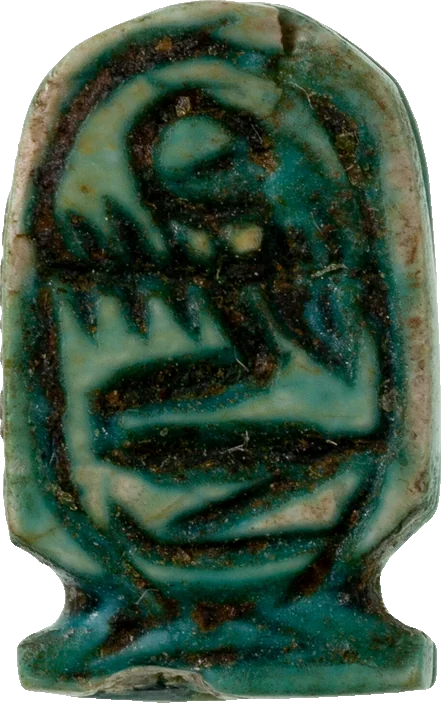 Cartouche amulet of Amenemhat IIIca. 1859–1813 B.C.
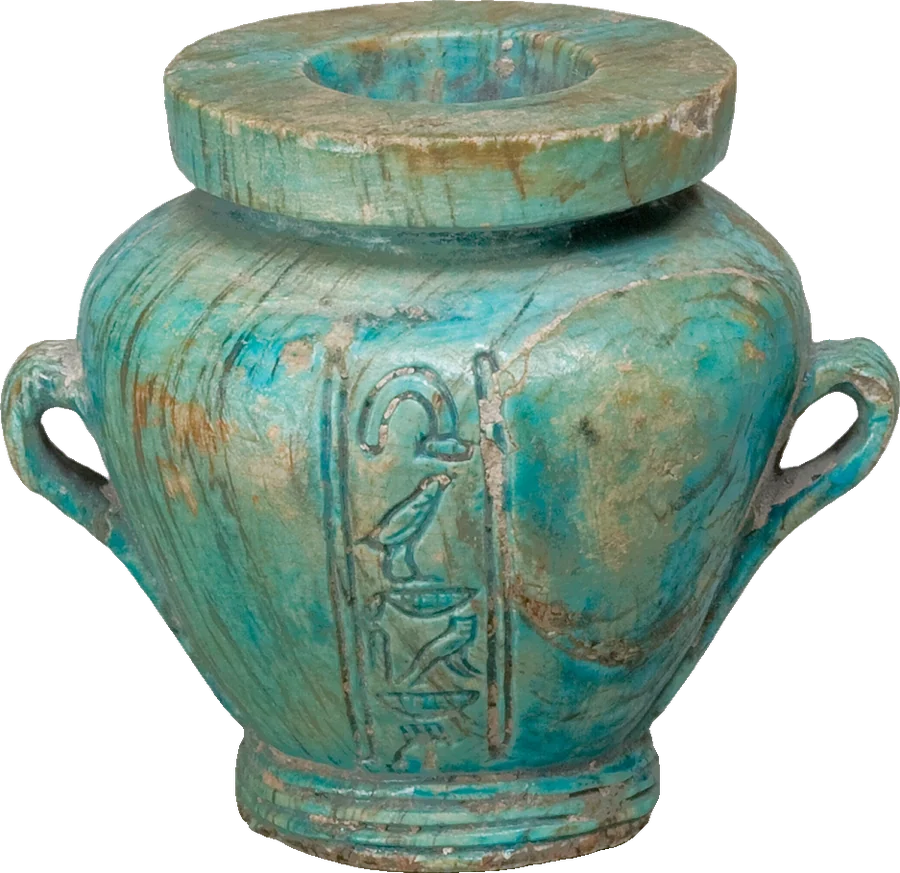 Toilet vase with two handles, inscribed for the Seal Bearer Kemesca. 1850–1775 B.C.
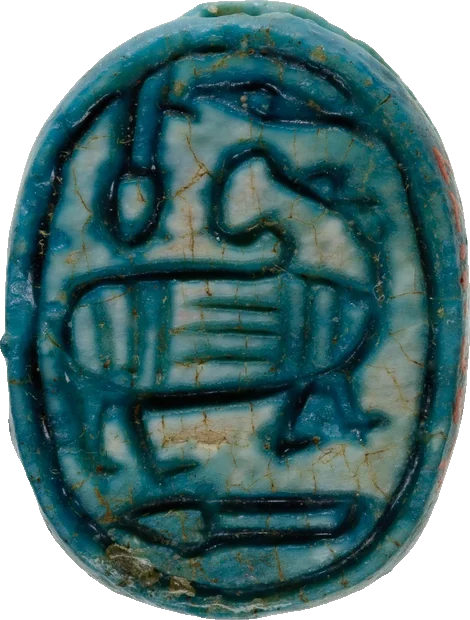 Scarab with the Representation of a Hippoca. 1740–1640 B.C.
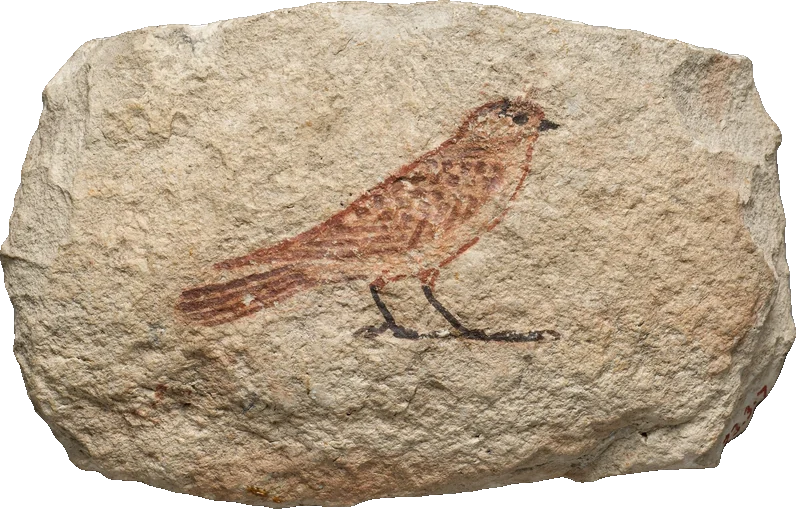 Artist's Sketch of a Sparrowca. 1473–1458 BCE
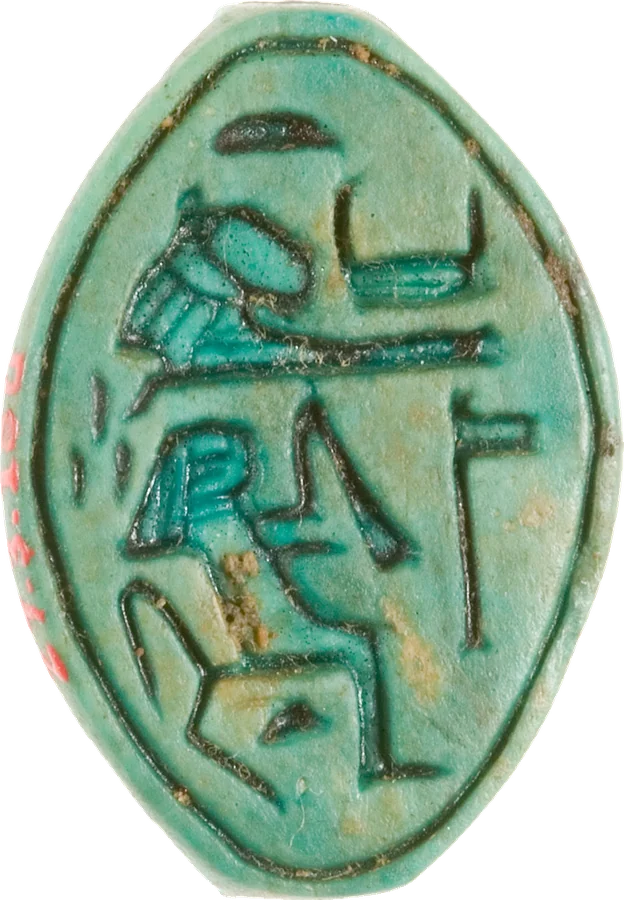 Cowroid Seal Amulet Inscribed for the God's Wife Hatshepsutca. 1473–1458 BCE
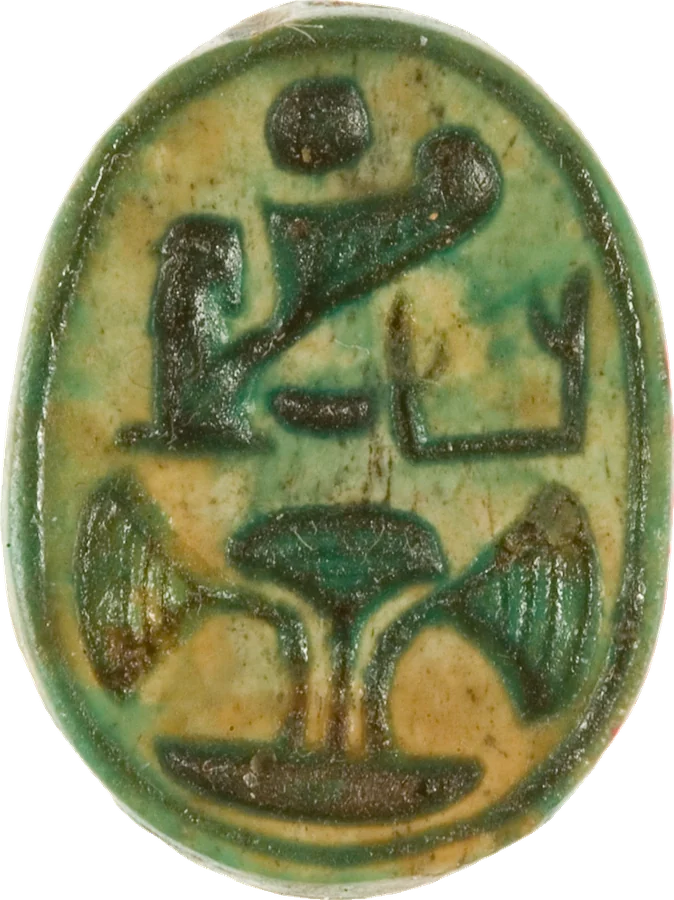 Scarab Inscribed with the Name Maatkare Over a Papyrus Thicketca. 1473–1458 BCE
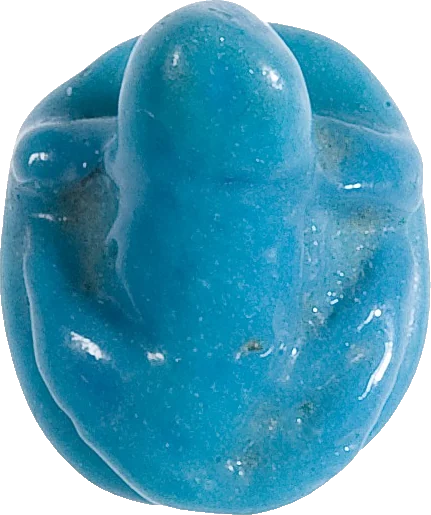 Frog Seal Amulet with a Sa Hieroglyph on the Baseca. 1386–1347 BCE
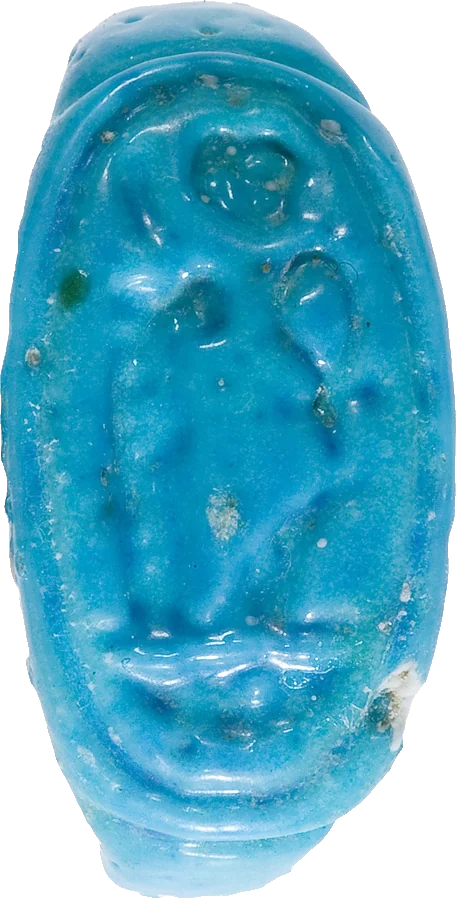 Ring Inscribed with the Throne Name of Amenhotep IIIca. 1386–1347 BCE
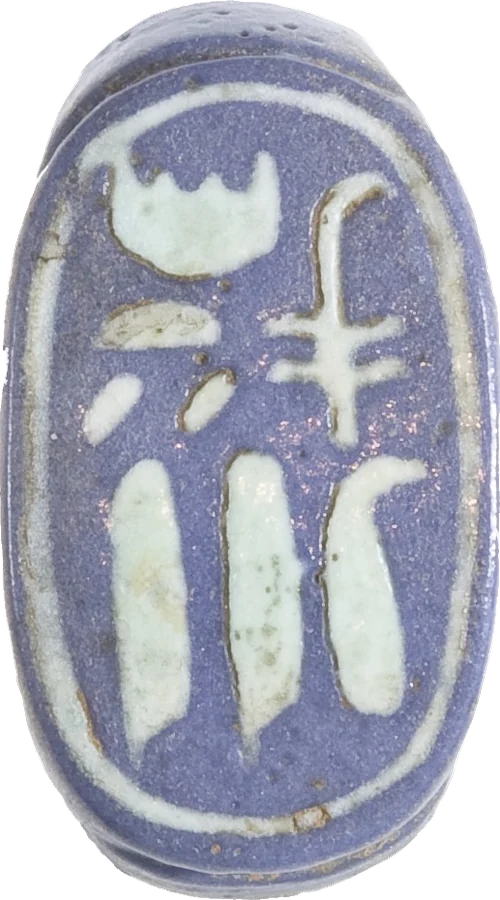 Ring Inscribed for Queen Tiyeca. 1386–1347 BCE
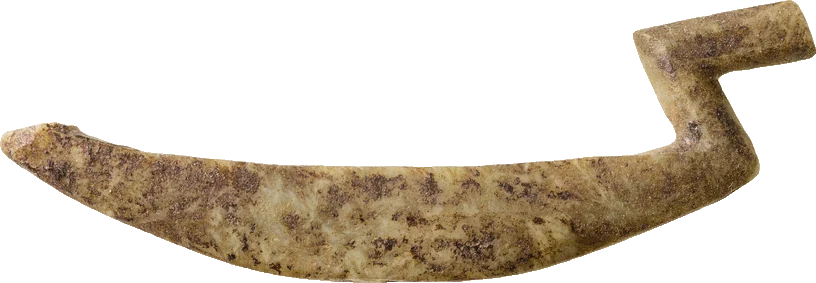 Boat inlay664–525 BCE
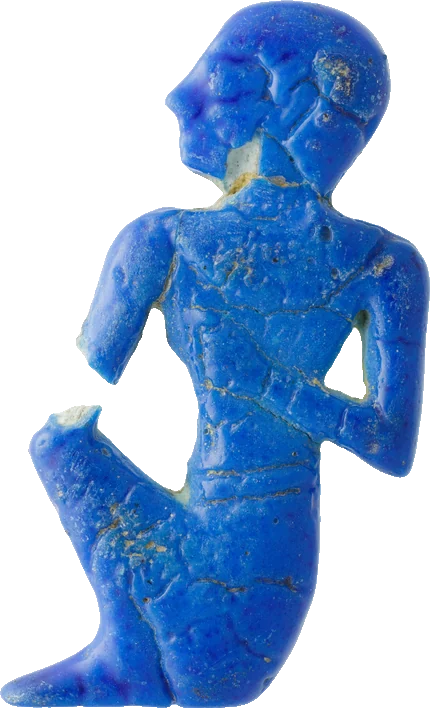 Inlay, hieroglyph664–610 BCE
Related words
Dig real sites layer by layer, sieve the soil, mend and date your finds, and build your own museum.
Play Digopolis