
Later Egypt, to Roman times
After the New Kingdom, Egypt was ruled by Libyan and Nubian kings, by Egyptian kings of the Late Period, and twice by the Persians. After Alexander the Great, the Greek-speaking Ptolemies ruled from Alexandria, and in 30 B.C. Egypt became a Roman province.
Older sites at Thebes and Lisht were used again in these centuries, so later objects are found in earlier tombs and temples.
Read more: Late Period of ancient Egypt on Wikipedia
15 objects in the game name this period in their museum record. Found at Deir el-Bahri, Asasif, Lisht.
Words: Dating finds, Stratigraphy
12 fun facts: Later Egypt, to Roman times
- The Rosetta Stone, found in July 1799 near Rashid in the Nile Delta, repeats a 196 B.C. decree for Ptolemy V in hieroglyphs, Demotic and Greek. It weighs about 760 kilograms (1,680 pounds). en.wikipedia.org
- The Temple of Dendur, built for the emperor Augustus by the Roman governor Gaius Petronius between 23 and 10 B.C., was given by Egypt to the United States in 1965. It opened at the Met in 1978. en.wikipedia.org
- The Temple of Dendur and its gateway came to New York as 661 sandstone blocks weighing about 640 tons. Visitors can still spot old graffiti, including "A L Corry RN 1817," carved by a British naval officer. en.wikipedia.org
- The Lighthouse of Alexandria, built under Ptolemy II, was one of the Seven Wonders of the ancient world. It stood an estimated 100 meters (330 feet) or more and took twelve years to build. en.wikipedia.org
- The last stones of the Lighthouse of Alexandria went into the Citadel of Qaitbay in 1480. In 1994 a French team found its remains on the floor of Alexandria's Eastern Harbor. en.wikipedia.org
- The Kushite king Piye, who conquered Egypt from Nubia, loved horses. His victory stela praises him as a lover of horses, and he scolded people who mistreated them. en.wikipedia.org
- Kushite kings brought pyramid building back to life in Nubia. Twice as many Nubian pyramids still stand today as Egyptian ones. en.wikipedia.org
- The temple of Horus at Edfu was once buried 12 meters (39 feet) deep in drifting sand and river silt, with houses built on top. Auguste Mariette began clearing it in 1860. en.wikipedia.org
- Building the temple at Edfu took from 237 to 57 B.C. Its wall texts say that 60 gods formed a living wall around the temple to protect it. en.wikipedia.org
- Cleopatra VII is the only ruler of the Ptolemaic family known to have learned the Egyptian language. Plutarch suggests she spoke several others too, including Median and Parthian. en.wikipedia.org
- The Temple of Hibis in the Kharga Oasis, enlarged by the Persian king Darius I, is the only Egyptian temple of that era still in fairly good condition. The Met first excavated it in 1909 to 1911. en.wikipedia.org
- Nectanebo II of Dynasty 30 was the last native Egyptian to rule ancient Egypt as king. en.wikipedia.org
In the game these unlock one by one as you dig up their objects.
The name
Egyptologists split these centuries into named periods. The Late Period, from 664 to 332 B.C., covers Dynasties 26 to 31 and is seen as the last flowering of rule by native Egyptian kings. After it came the rule of the Greek-speaking Ptolemies. en.wikipedia.org
Daily life
Under the Ptolemies, Egypt had two faces. Alexandria, a Greek city founded by Alexander the Great, was the capital and a center of Greek culture and trade, while along the Nile the kings built traditional Egyptian temples. Ptolemy III began the temple of Horus at Edfu on August 23, 237 B.C. Egypt had an estimated 4.9 to 7.5 million people around 150 B.C. en.wikipedia.org
How we know
This era gave us the key to reading Egyptian. French soldiers found the Rosetta Stone in 1799, and because it repeats one text in hieroglyphs, Demotic and Greek, scholars could compare them. Jean-François Champollion announced how the Egyptian scripts worked in Paris in 1822. en.wikipedia.org
What they left us
The temple of Horus at Edfu is one of the best-preserved temples in Egypt and a major stop for visitors. It is about 79 meters (260 feet) long and 36 meters (118 feet) tall. en.wikipedia.org
A record
The Rosetta Stone has been on display at the British Museum almost continuously since 1802, and it is the most visited object in the whole museum. en.wikipedia.org
Objects, oldest first
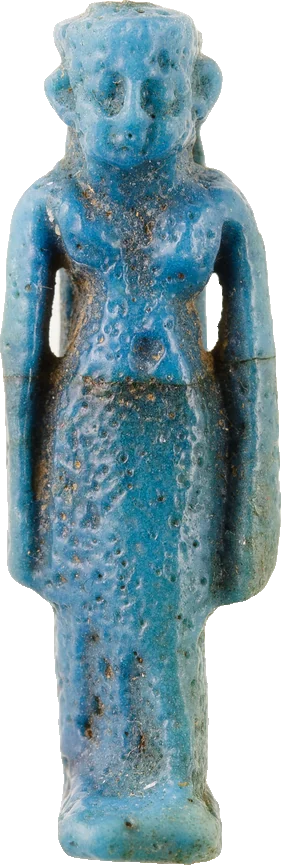 Goddess amuletca. 1080–343 BCE
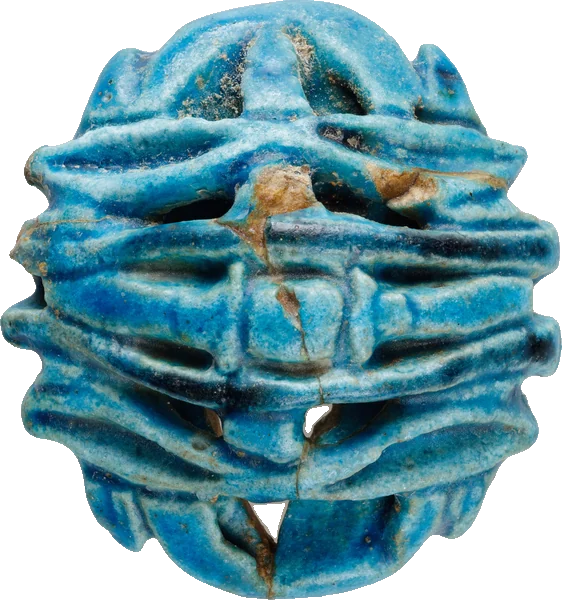 Multiple Wedjat eye amuletca. 1080–343 BCE
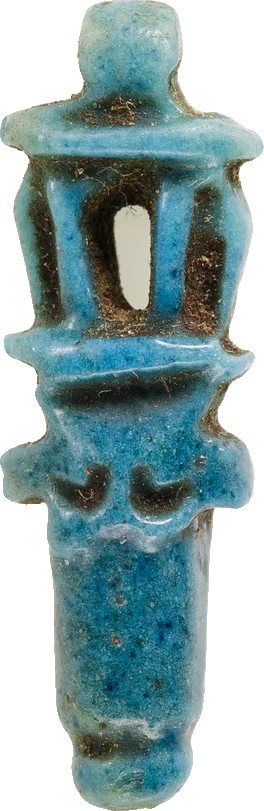 Sistrum amuletca. 1080–343 BCE
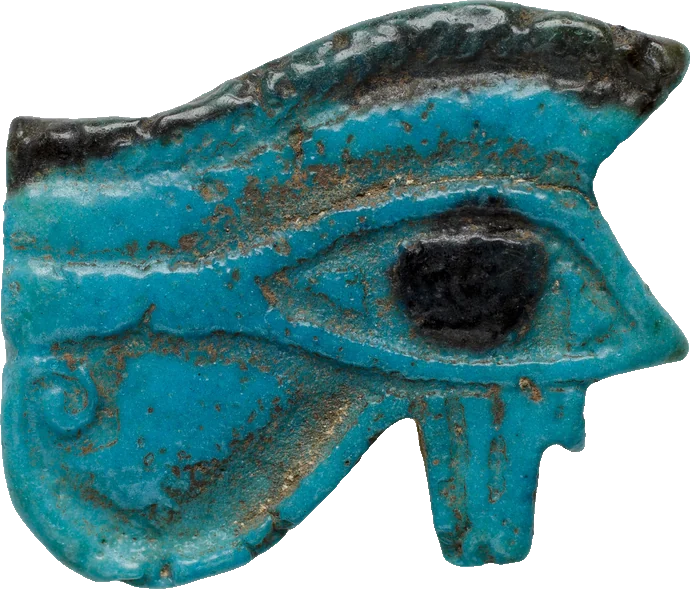 Wedjat amuletca. 1080–664 BCE
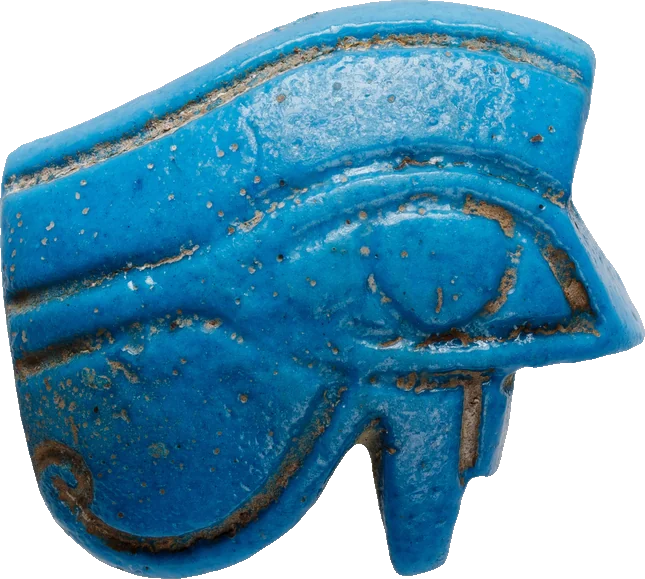 Wedjat Eye Amuletca. 1080–343 BCE
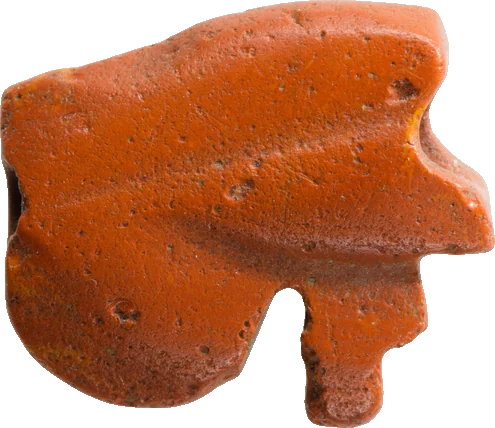 Wedjat eye amuletca. 1080 BCE or later
 Tweezers ending in hands525–343 BCE
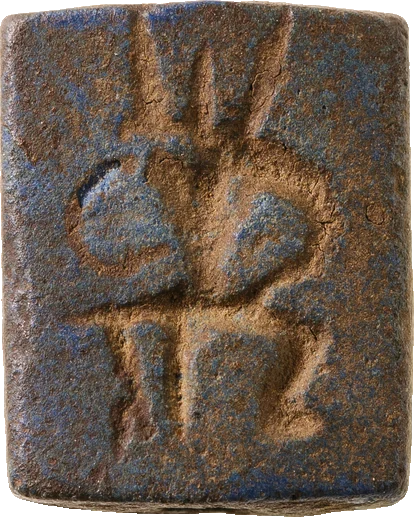 Bes Plaque664–332 BCE
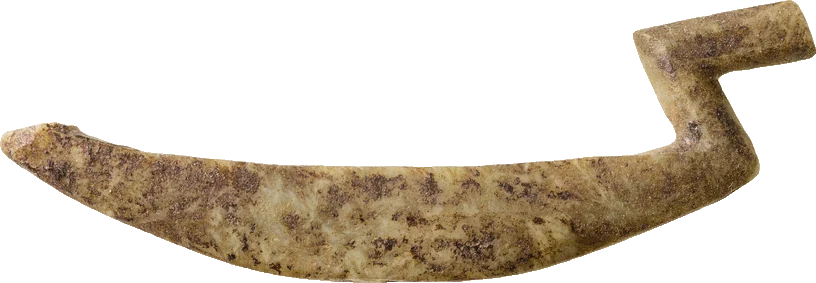 Boat inlay664–525 BCE
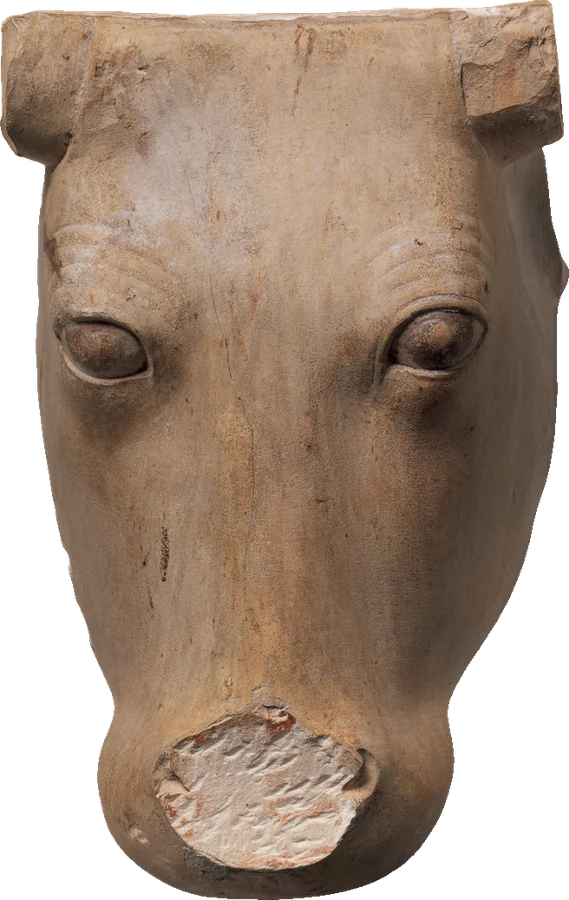 Cow's Head from a frontal representation of a cow emerging from a wall664–610 BCE
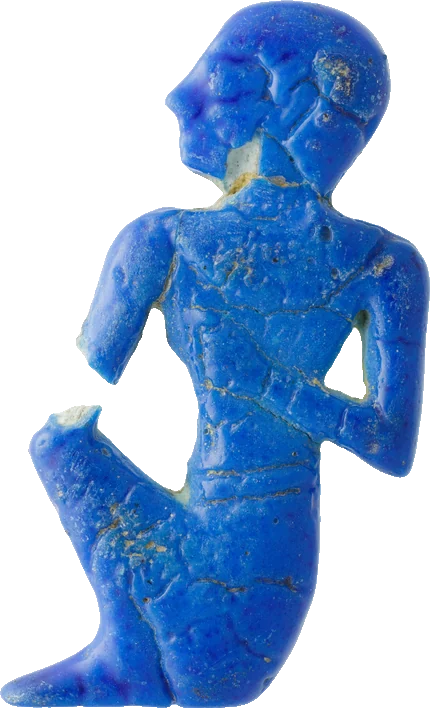 Inlay, hieroglyph664–610 BCE
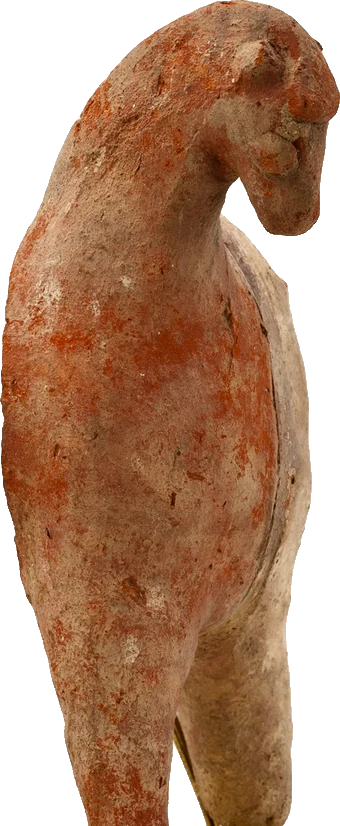 Vessel in the shape of a horse305–30 BCE
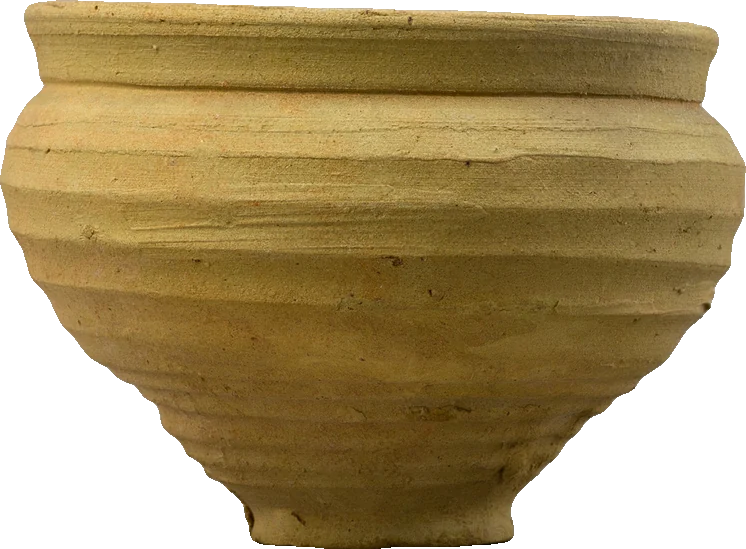 Bowl1–100 CE
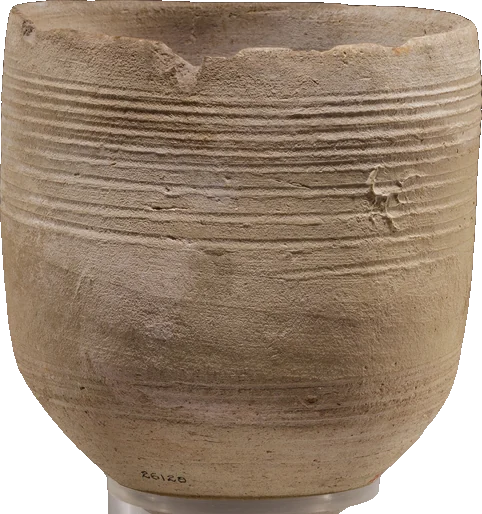 Cup1st–2nd century CE
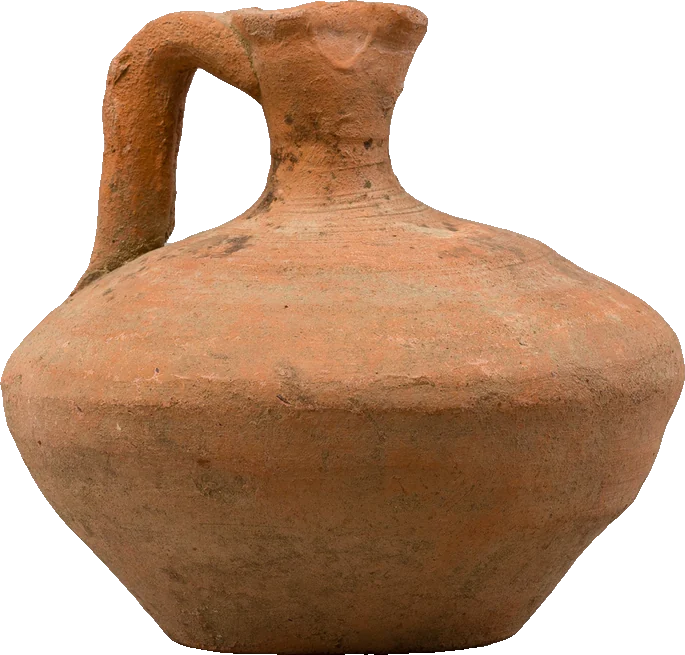 Jug with pinched trefoil rim1st–2nd century CE
Find these objects in the game at Deir el-Bahri, Asasif, Lisht.
Play Digopolis