
Journal · November 2026
November 2026: the doors open
Digopolis opened to everyone on 16 November 2026, so this first issue of the journal covers only the last two weeks of the month. Each month we write down what players dug up and solved, what was new in the game, three finds worth a closer look, and the month's online exhibition. Older issues stay online in the archive below, so you can see how the dig grows.
At opening, the game held 388 real objects from 12 excavation sites: four on the Nile at Lisht and Thebes, Nimrud and Ctesiphon in Iraq, Nishapur and Qasr-i Abu Nasr in Iran, Dura-Europos in Syria, Gerasa in Jordan, and Nijmegen and Valkenburg on the Roman Rhine frontier in the Netherlands. Every object is kept today by one of three museums: The Metropolitan Museum of Art in New York, the Yale University Art Gallery in New Haven and the Rijksmuseum van Oudheden in Leiden. Its name, date, material and findspot are copied from the museum record, and each object page links to that record.
The numbers in this issue are small, because the dig is new, and we print them as they are. They are totals across all players: how many objects came out of the ground, at which sites, how many daily mysteries were solved. We never count or show who found what.
Our three featured finds this month are a Roman bronze ornament from Nijmegen whose museum record admits it is only guessing, a jug from Lisht that The Met says has no exact match anywhere, and a small dark juglet from a grave at Lisht, of a kind found from Nubia to Cyprus. The first online exhibition, Light after dark, follows fifteen lamps across more than two thousand years.
This month in numbers
Where the finds came from
| Site | Objects dug up |
|---|---|
| Qasr-i Abu Nasr | 15 |
| Nijmegen | 3 |
| Dura-Europos | 3 |
| Lisht | 1 |
Found most often
Objects dug up by the most players this month.
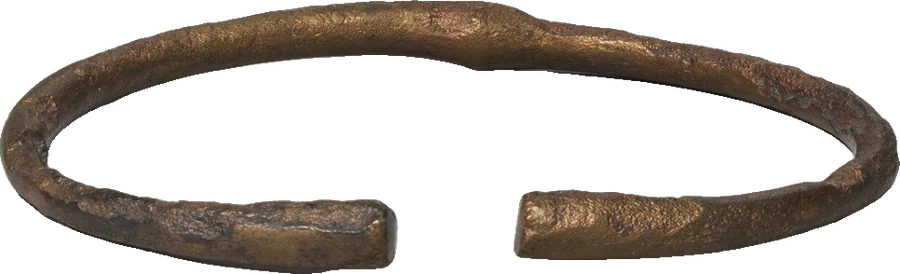 Braceletca. 6th–8th century CEFound by 3 players
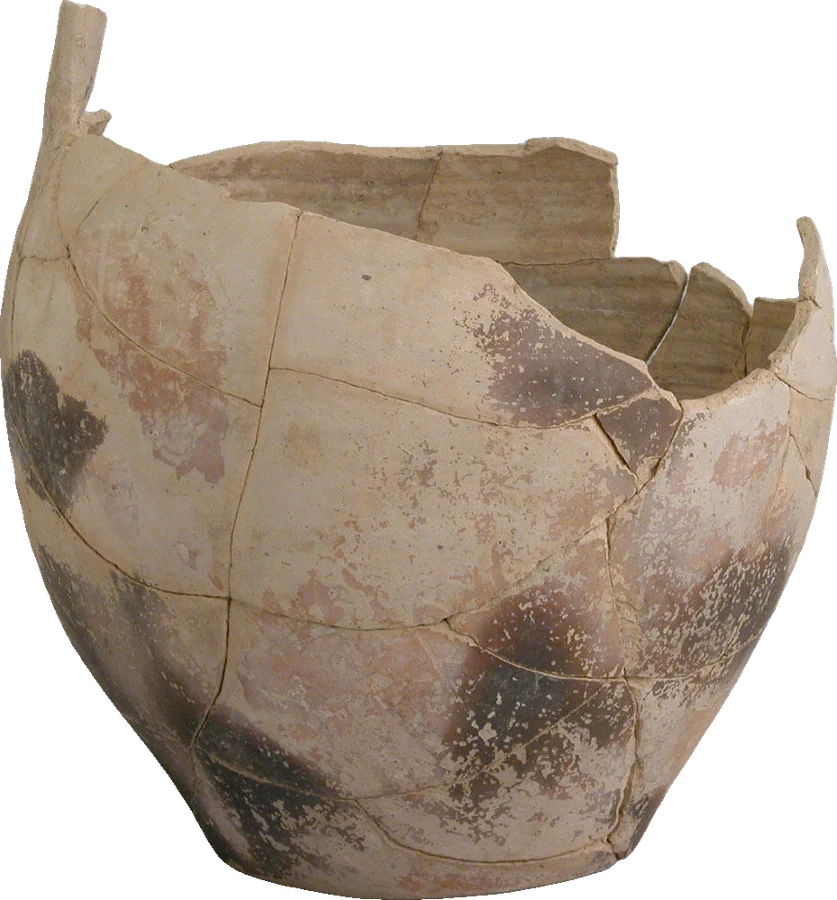 Fragmentary Jar6th–7th centuryFound by 3 players
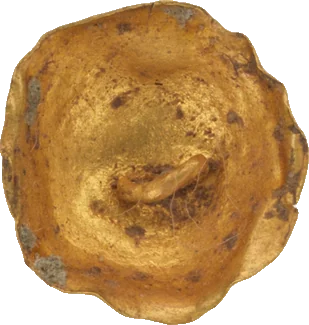 Buttonca. 3rd–7th century CEFound by 3 players
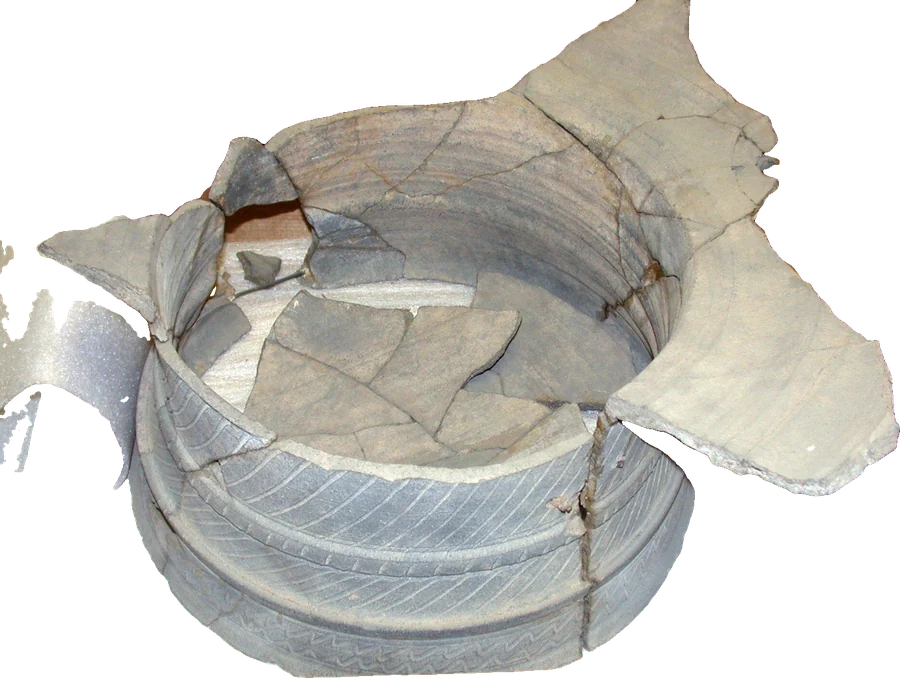 Homrehca. 3rd–7th century CEFound by 3 players
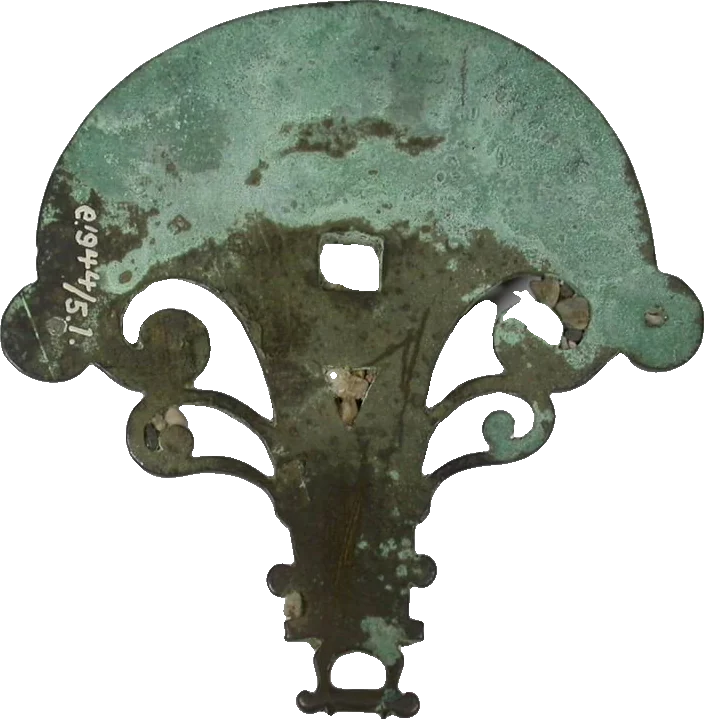 Openwork bronze ornamentA.D. 1–300Found by 3 players
How we count: objects dug up are first finds in saved games (each player counts once per object); the other numbers come from game events of players who did not turn measurement off. Test accounts and robots are left out. Only totals are shown, never who found what. Months are counted in UTC, and November starts on opening day, 16 November.
New in the game
- 16 November: Digopolis opened to everyone, with 12 sites, 388 objects, dig-house games, a daily Mystery Artifact and a five-chapter mystery for every site.
- 17 November: six new dig-house games: Hidden Artifact, Aqueduct, Sample Jars, Mosaic Floor, Dig Railway and Restoration Bench.
- 22 November: museum wings that you build in real time, each with display cases for your own finds from its period or site.
- 22 November: friends. Share a code, send a gift once a day and visit a friend's museum.
- 23 November: every find card now says what kind of object it is, with a source, and the new video library collects our videos about real objects.
- 25 November: the first issue of this journal, the first online exhibition, the site mysteries as long reads, and an archive of past Mystery Artifacts.
In the game at the end of the issue: 12 excavation sites, 388 real objects, 12 museum wings and 18 dig-house games.
Three finds to look at closely
Openwork bronze ornament
A bronze ornament worked in openwork, 12.6 by 12.3 cm, found at Nijmegen, Waal, in the province of Gelderland. The Rijksmuseum van Oudheden in Leiden calls it simply a decoration (versiering) and dates it broadly, A.D. 1 to 300, the centuries of Roman Nijmegen.
Its Dutch record adds one careful line: "Bronzen ornament. Misschien van een paardentrens." A bronze ornament, perhaps from a horse's bit. Note the word perhaps. The museum does not claim more than the object shows, and neither do we.
From the record: Rijksmuseum van Oudheden (National Museum of Antiquities), e 1944/5.1. Museum record
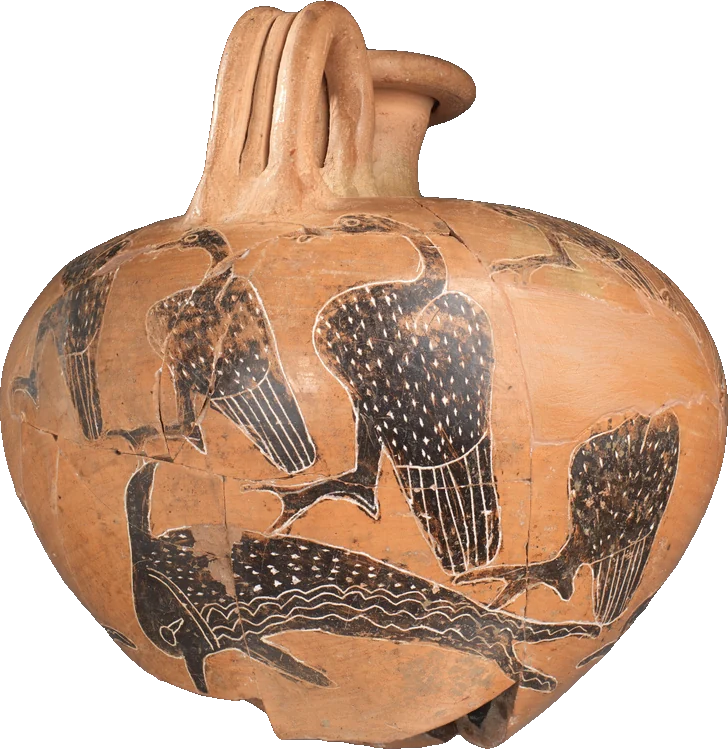
Jug Decorated with Dolphins and Birds
A small pottery jug from a cemetery pit at Lisht North, excavated by The Met in 1920 to 1921 below a house the excavators numbered A1:3. It is 15 cm high, painted in manganese black with a gypsum fill, and dated about 1750 to 1550 B.C., at the end of the Middle Kingdom or in the Second Intermediate Period.
Three dolphins swim around its base, each with three large birds, possibly geese, above it. The Met says that no exact match for this jug has been found anywhere. It is one of the rare finds in the game.
From the record: The Metropolitan Museum of Art, 22.1.95. Museum record
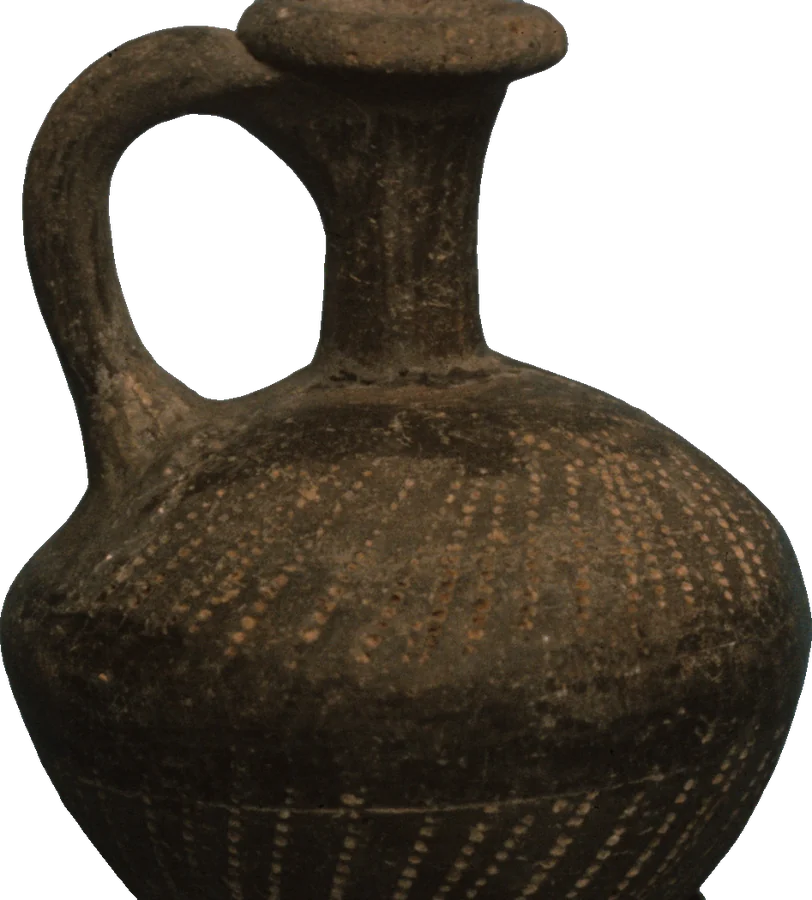
Tell el-Yahudiya-ware juglet
A juglet, 9.7 cm high, from the cemetery at Lisht North, excavated by The Met and dated about 1640 to 1550 B.C., in the Second Intermediate Period, Dynasties 15 to 17. The record calls it Tell el-Yahudiyeh ware.
Small dark juglets with pricked patterns filled with white chalk or lime are typical of this time. They are named after Tell el-Yahudiyeh, a site in the Nile Delta, and they turn up from Nubia to Canaan and Cyprus. One small jug in a grave at Lisht is part of that wide map.
From the record: The Metropolitan Museum of Art, 15.3.1677. Museum record
This month's exhibition
Light after dark: fifteen lamps from Nimrud to Nishapur. Fifteen real lamps and lamp fittings from seven excavation sites, from Assyrian Nimrud to medieval Iran, read through their museum records.
All issues
- November 2026: November 2026: the doors open (this issue)
Every number here comes from people digging real sites in the game. Join them.
Play Digopolis