
Roman
At its height the Roman Empire reached from Britain to Mesopotamia. Its northern frontier ran along the Rhine through today's Netherlands, where Nijmegen and Valkenburg were forts and towns.
In the east, Gerasa in Jordan was a rich provincial city, and Dura-Europos on the Euphrates was a Roman frontier town until about A.D. 256. Egypt was a Roman province from 30 B.C.
Read more: Roman Empire on Wikipedia
101 objects in the game name this culture in their museum record. Found at Dura-Europos, Nijmegen, Deir el-Bahri, Gerasa, Valkenburg.
Words: Terra sigillata, Oil lamp, Sherds and mending
12 fun facts: Roman
- Around A.D. 100 Claudia Severa wrote to her friend Sulpicia Lepidina at Vindolanda, near Hadrian's Wall, inviting her to a birthday party. It is one of the oldest known pieces of Latin written by a woman. en.wikipedia.org
- Wooden letters from the fort of Vindolanda in northern England mention socks and underpants, a glimpse of daily life for the soldiers there. en.wikipedia.org
- The Roman road network ran over 400,000 km (about 250,000 miles), and more than 80,500 km (50,000 miles) of it was paved with stone. en.wikipedia.org
- Emperor Augustus set up a gilded bronze Golden Milestone near the Temple of Saturn in Rome. All roads were thought of as starting from it. en.wikipedia.org
- Roman concrete can heal its own cracks. Small white lumps of lime inside it react with water and fill the crack with new mineral. news.mit.edu
- The round hole at the top of the Pantheon's dome is about 30 feet (9.1 m) wide and has never been covered. When it rains, water falls on the floor and runs into drains. en.wikipedia.org
- Romans of every class ate garum, a sauce made by salting small fish and leaving them in the sun. The leftover paste, allec, flavored poor people's porridge. en.wikipedia.org
- In A.D. 98 Nijmegen became the first town in what is now the Netherlands to get Roman city rights. Emperor Trajan renamed it Ulpia Noviomagus, which became the modern name. en.wikipedia.org
- The Via Appia, Rome's most famous road, dates to 312 B.C. Before 250 B.C. its miles were already marked with numbered stones. en.wikipedia.org
- Around A.D. 117 the Roman Empire held an estimated 50 to 90 million people, about one in five of all people alive at the time. en.wikipedia.org
- Roman children who went to school attended a private school called a ludus from about age 7 to 11, learning reading, writing and arithmetic. en.wikipedia.org
- The Pantheon in Rome has been a church since A.D. 609, when Pope Boniface IV dedicated it to St. Mary and the Martyrs. en.wikipedia.org
In the game these unlock one by one as you dig up their objects.
The name
The Romans are named after their city, Rome. Their own legend said Romulus founded it, and the scholar Varro dated that founding to 753 B.C. Another ancient story, told by the Greek writer Dionysius of Halicarnassus, said the city was named after a woman called Roma. en.wikipedia.org
Daily life
Rome itself was the largest city in the empire, with somewhere between 450,000 and nearly a million people. About one in five people in the empire lived in towns of 10,000 or more. At first parents or educated slaves taught children to read, and later private schools taught reading, writing and arithmetic. en.wikipedia.org
How we know
At the fort of Vindolanda in northern England, excavators led by Robin Birley found the first of the Vindolanda writing tablets, thin wooden sheets written in ink, in 1973. More than 1,700 have been found, and in 2003 they topped a BBC public vote for Britain's top treasures. en.wikipedia.org
What they left us
Latin, the Roman language, grew into many modern languages. The Roman republic inspired modern republics such as the United States and France. Our calendar still follows the changes made by Julius Caesar and Augustus, and the month of August is named after Augustus. en.wikipedia.org
A record
The Pantheon in Rome, probably dedicated around A.D. 126, still has the world's largest dome of unreinforced concrete. Its inside is about 142 feet (43 m) across, the same as its height to the opening at the top. en.wikipedia.org
Objects, oldest first
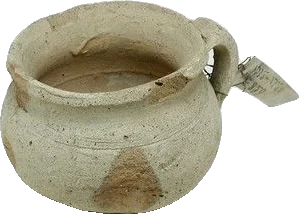 Cupca. 323 B.C.–A.D. 256
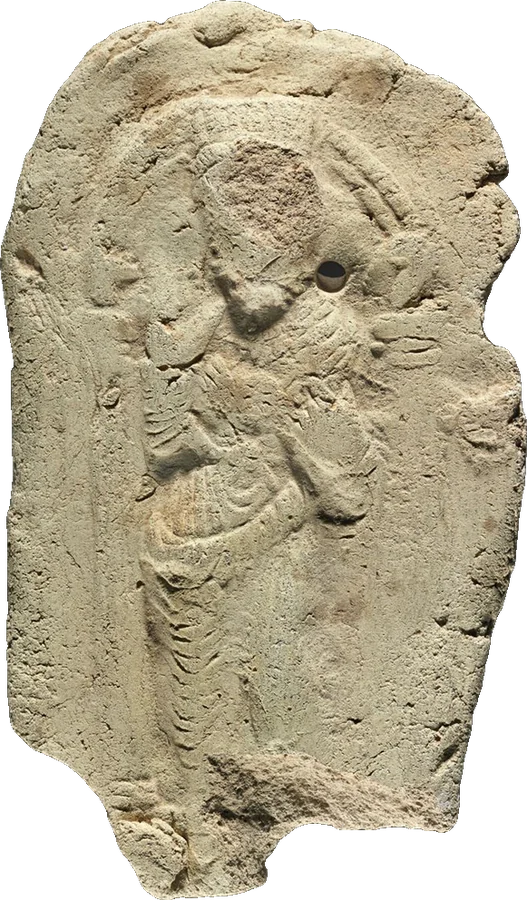 Plaque with goddess in a nicheca. 113 B.C.–A.D. 256
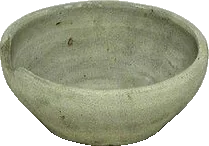 Small bowlca. 323 B.C.–A.D. 256
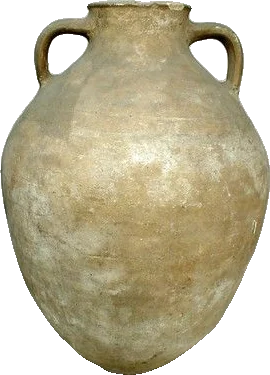 Storage Jarca. 323 B.C.–A.D. 256
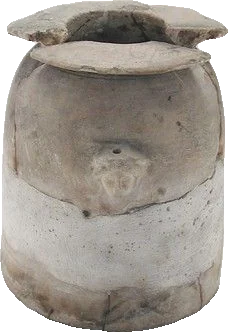 Alabaster Jarca. 323 B.C.–A.D. 256
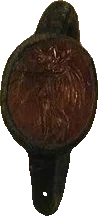 Bronze Ring2nd century A.D.
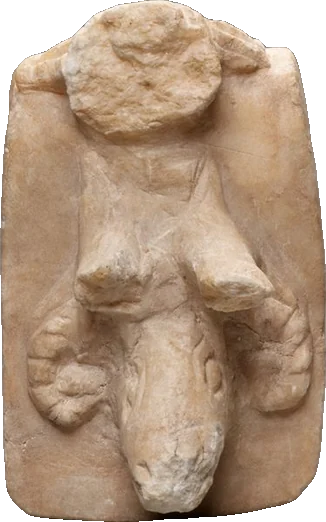 Altar with Eagle Holding Ram's Headca. 323 B.C.–A.D. 256
 Hematite Weightca. 113 B.C.–A.D. 256
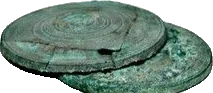 Mirror and coverca. 2nd–3rd century A.D.
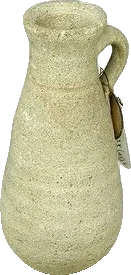 Periform Jugca. 323 B.C.–A.D. 256
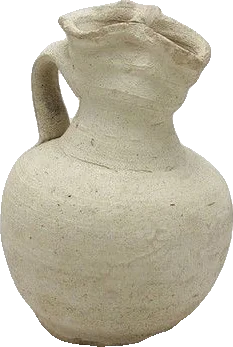 Pinch spouted jugca. 323 B.C.–A.D. 256
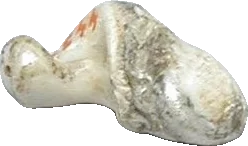 Shell Pendantca. 323 B.C.–A.D. 256
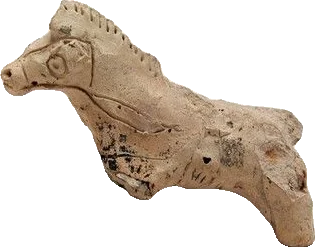 Terracotta horse figurineca.323 B.C.–A.D.256
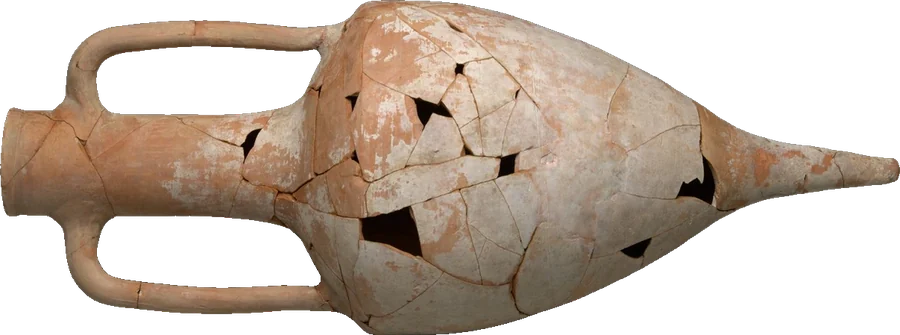 Amphora (stamped)3rd–2nd century B.C.
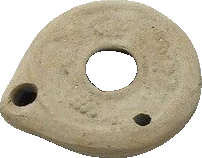 One of sixteen lampsca. 113 B.C.–A.D. 256
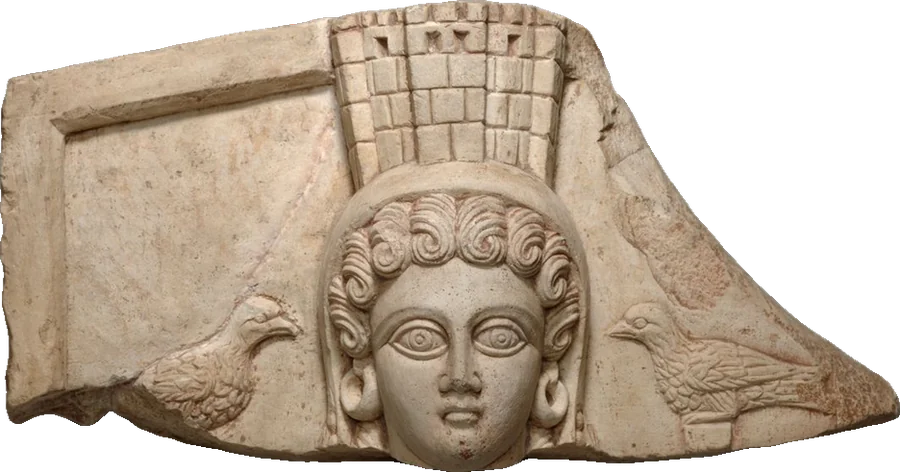 Head of Atargatis or Tyche with doves1st century A.D.
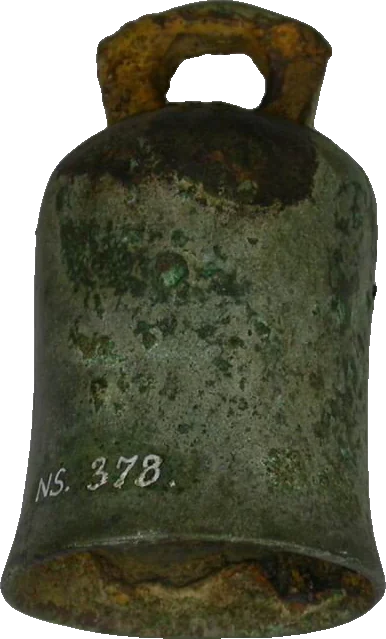 Beehive-shaped bellA.D. 1–300
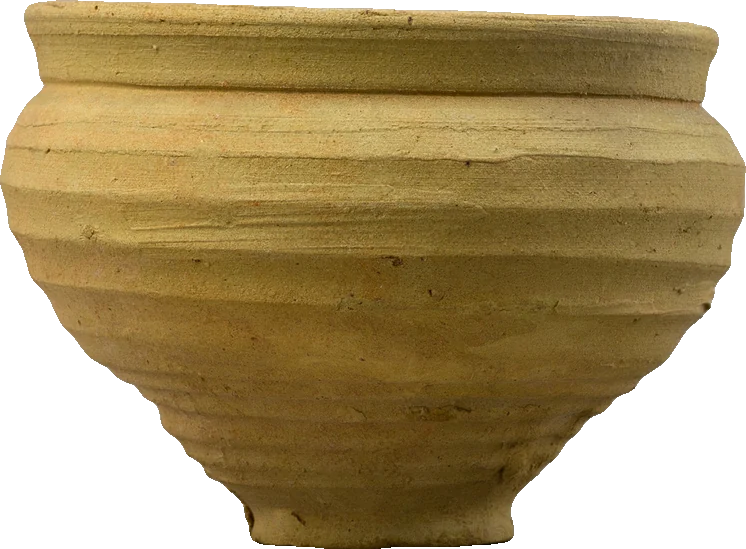 Bowl1–100 CE
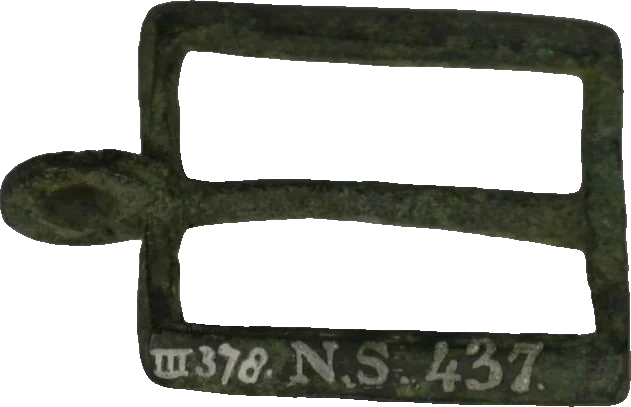 Bronze buckle with a small ringA.D. 1–300
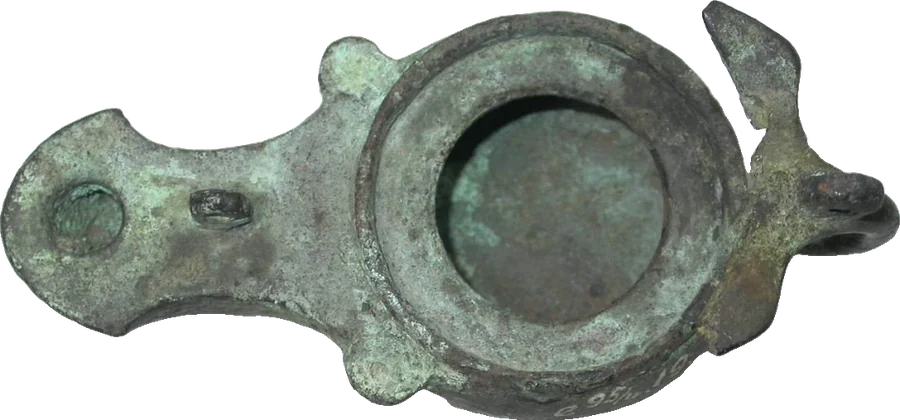 Bronze lamp that hung on chainsA.D. 1–300
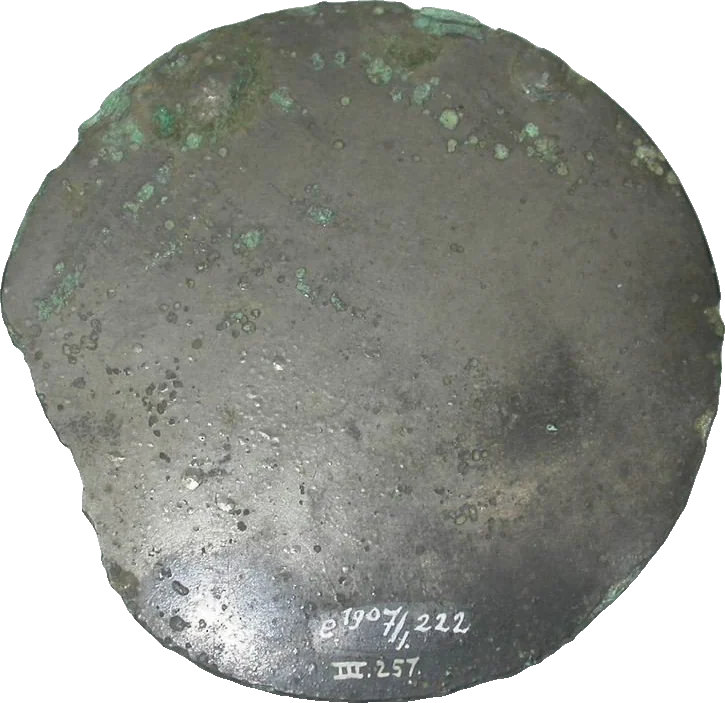 Round bronze mirrorA.D. 1–300
 Small bronze tongsA.D. 1–300
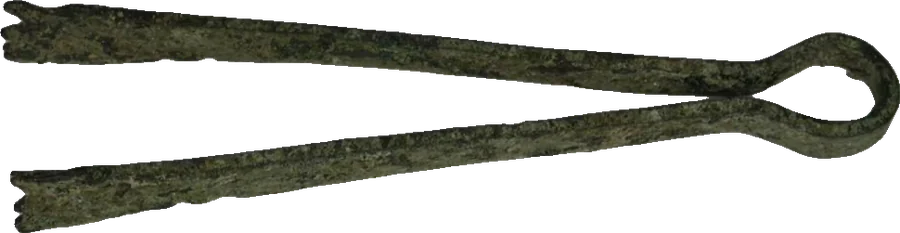 Bronze tweezersA.D. 1–300
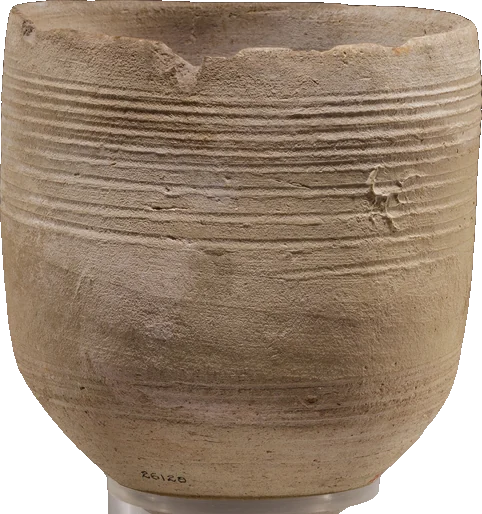 Cup1st–2nd century CE
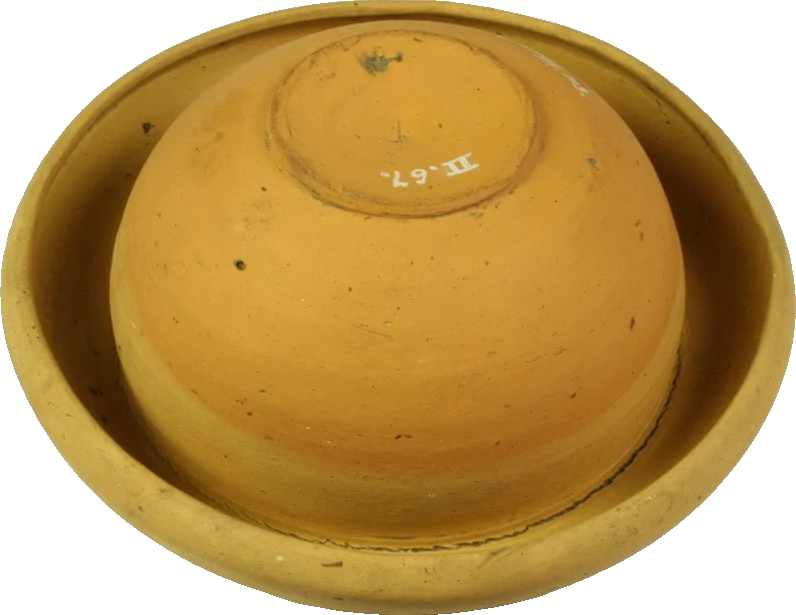 Small dish with traces of goldA.D. 1–25
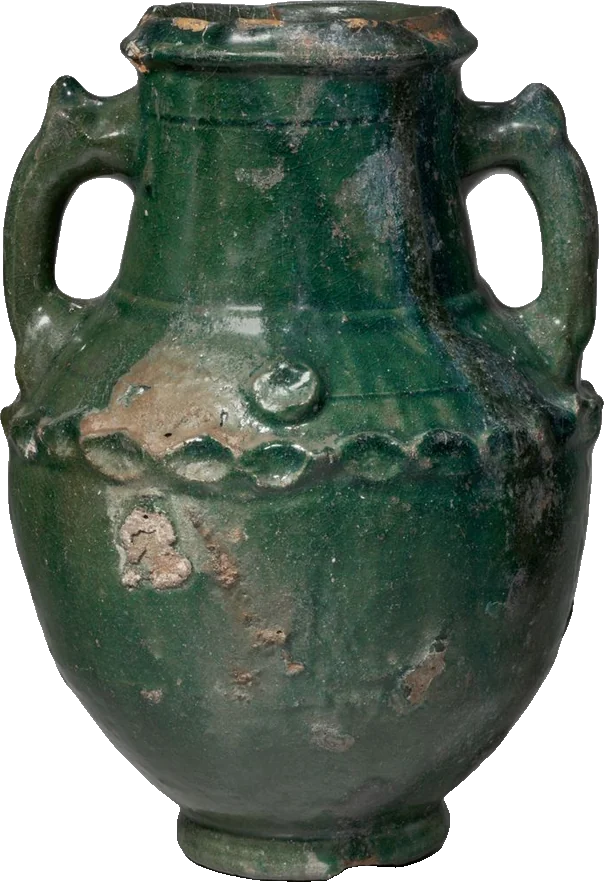 Large green-glazed amphora1st–2nd century A.D.
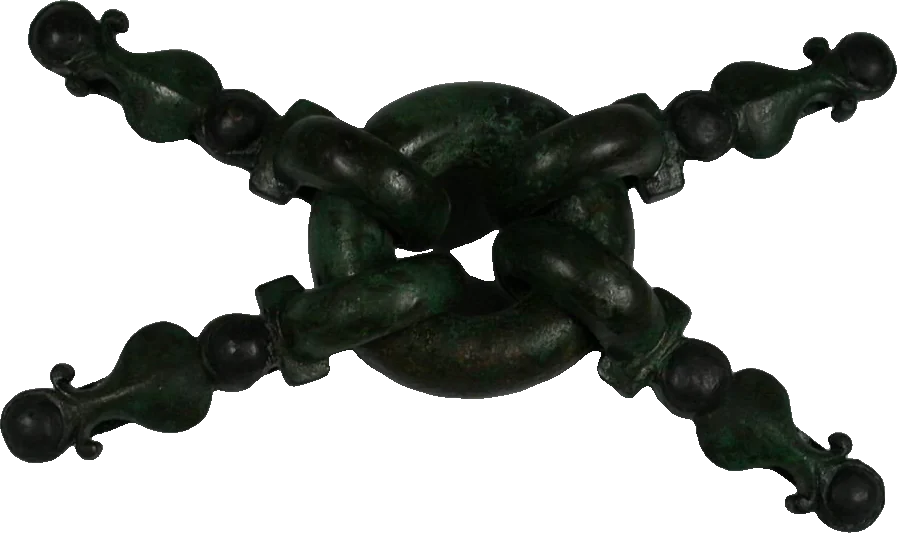 Ring with four strap mountsA.D. 1–300
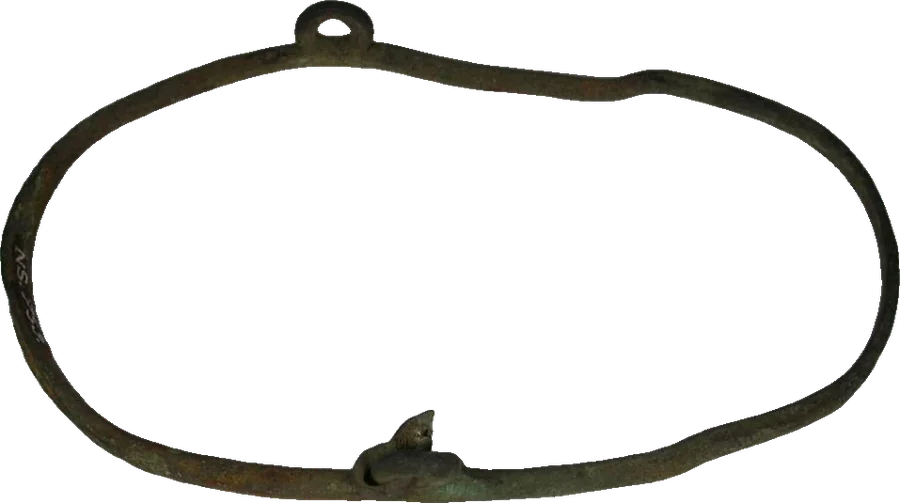 Horse bitA.D. 1–300
 Iron nailA.D. 1–300
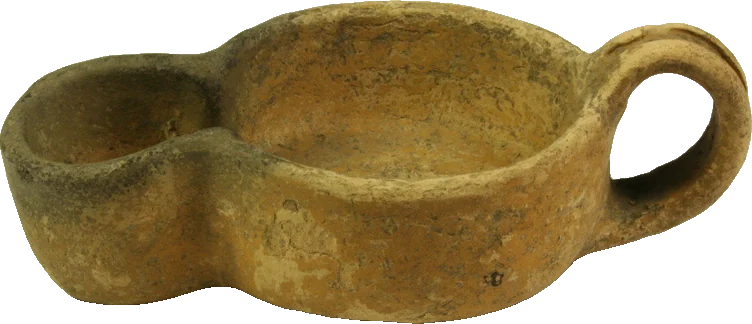 Open clay lampA.D. 1–300
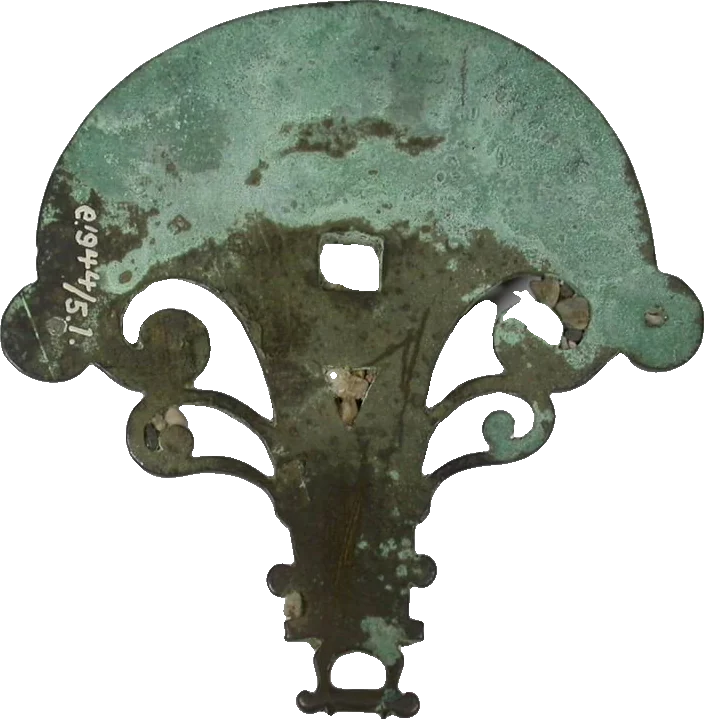 Openwork bronze ornamentA.D. 1–300
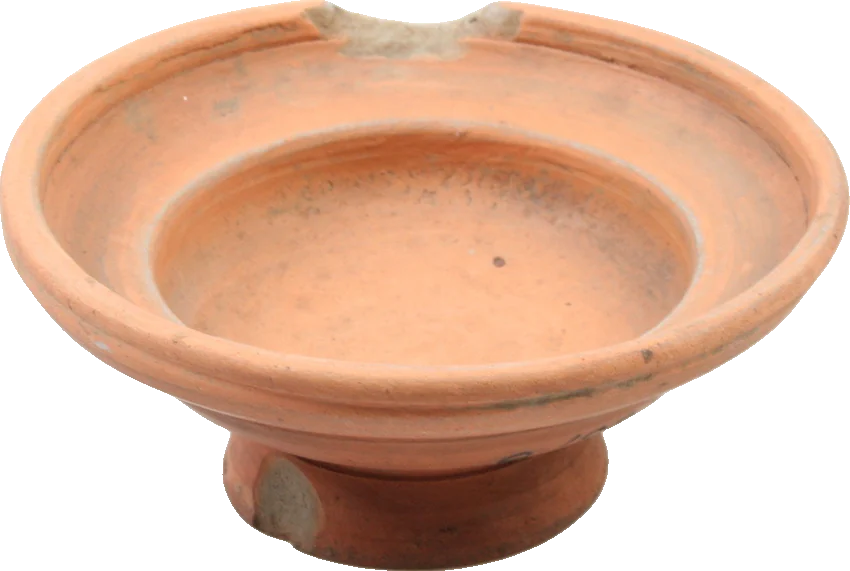 Little cup with pinched sidesA.D. 1–300
 Patella Cup1st century A.D.
 Ribbed Fin flask1st–3rd century A.D.
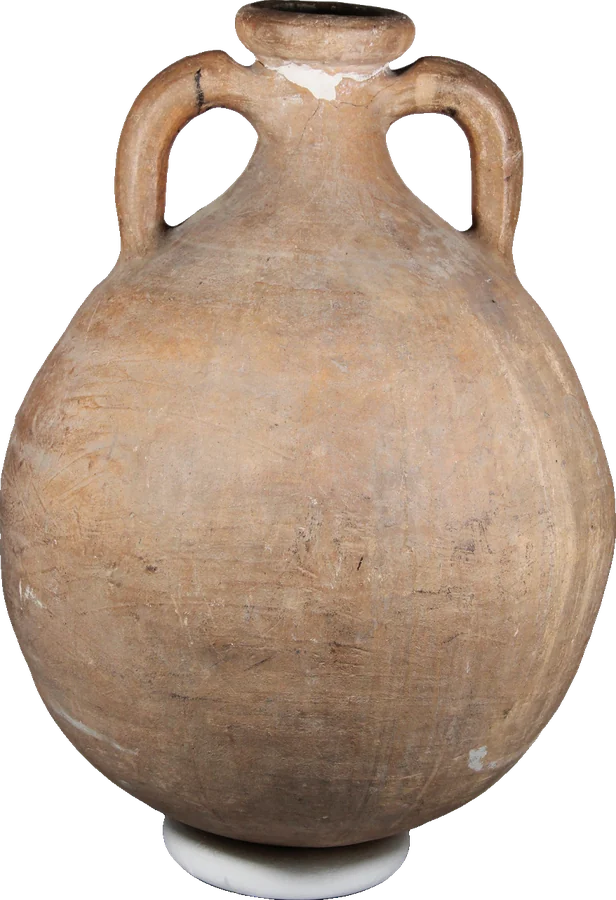 AmphoraA.D. 1–300
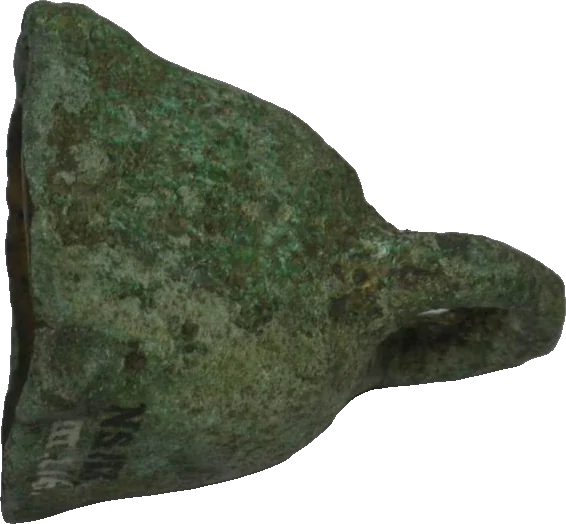 Small bronze bellA.D. 1–300
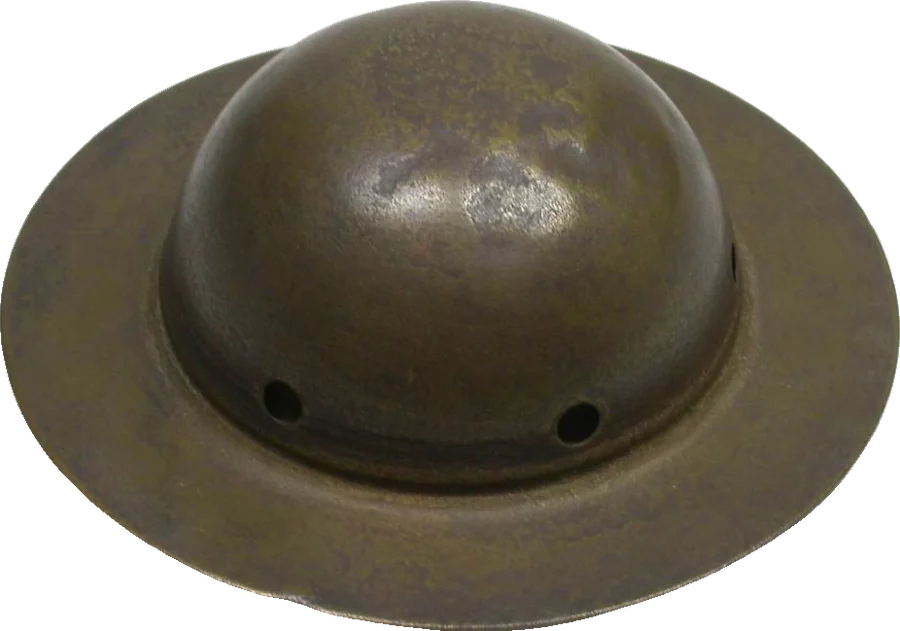 Small bronze boss, perhaps from a shieldA.D. 1–300
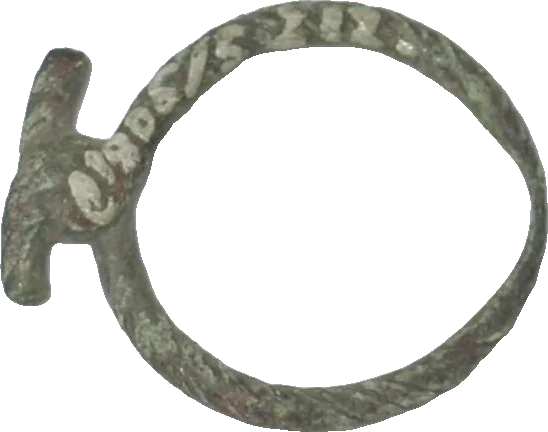 Small bronze ringA.D. 1–300
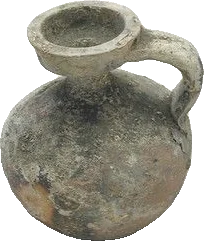 Jug1st–2nd century A.D.
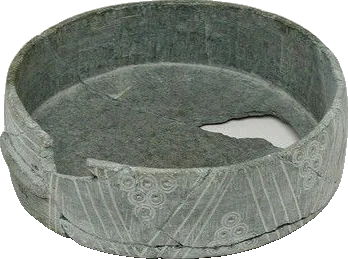 Circular dish1st–5th century A.D.
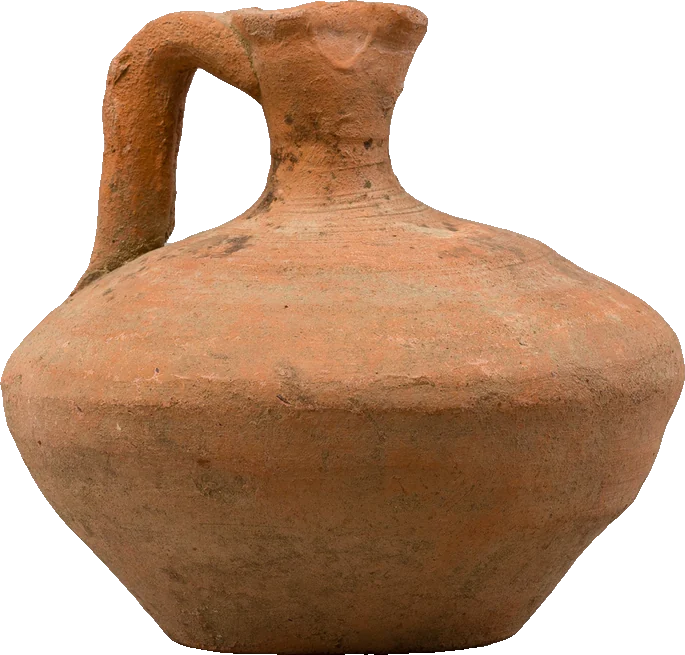 Jug with pinched trefoil rim1st–2nd century CE
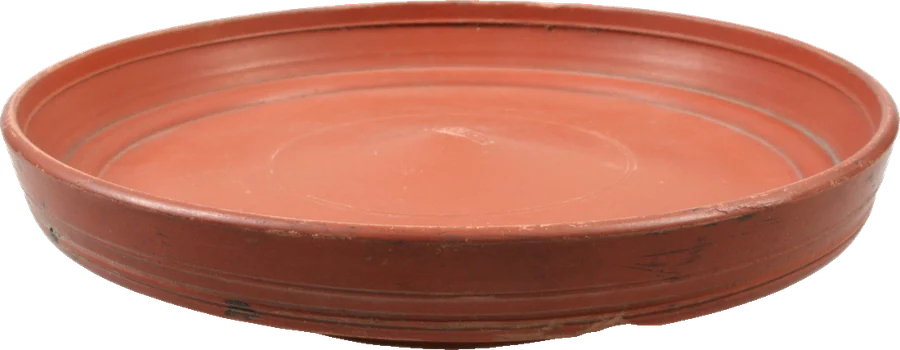 Terra sigillata plate stamped by TestiusA.D. 20–40
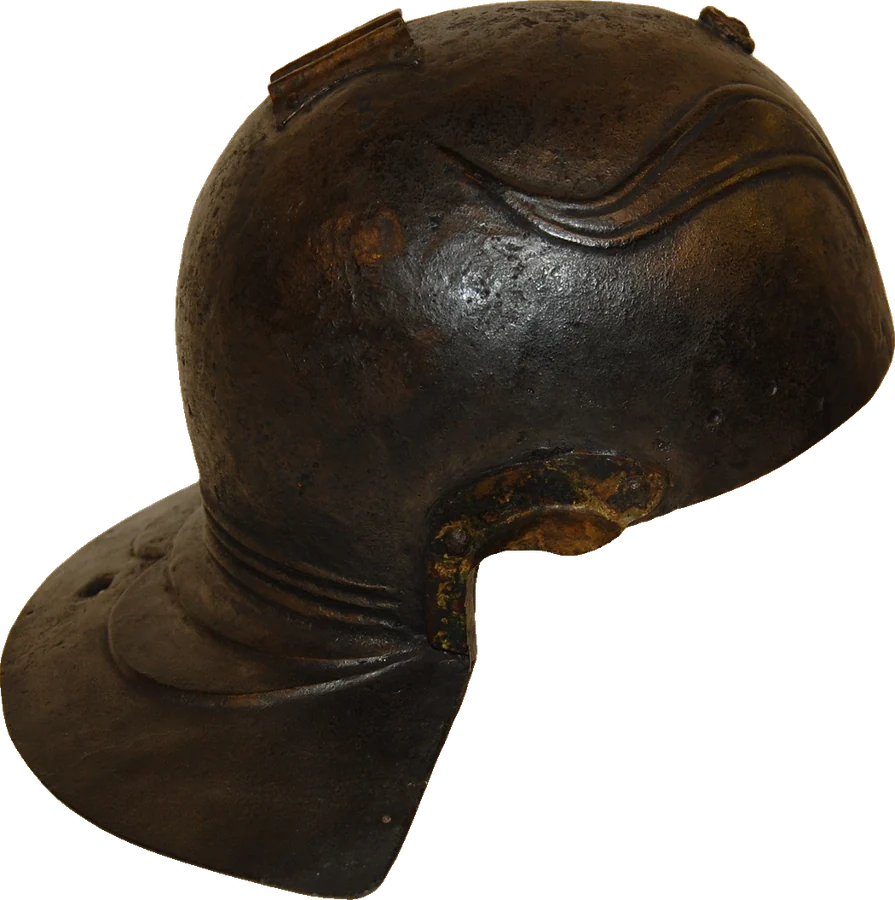 Iron helmetca. A.D. 25
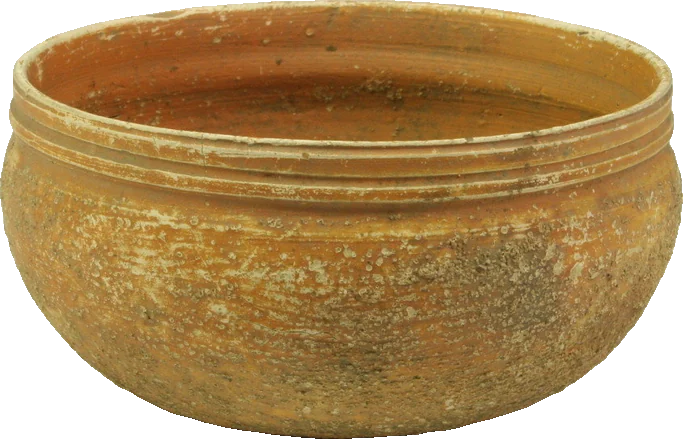 Little bowl dusted with sandA.D. 25–70
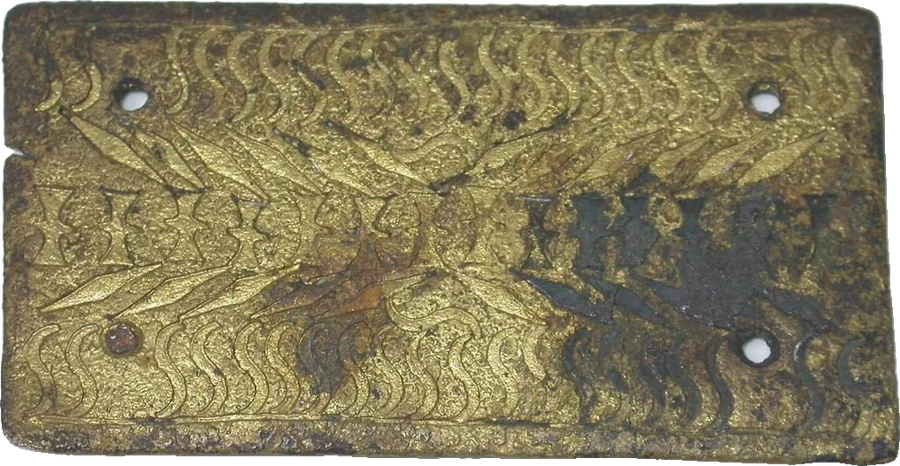 Bronze cingulum plateA.D. 40–250
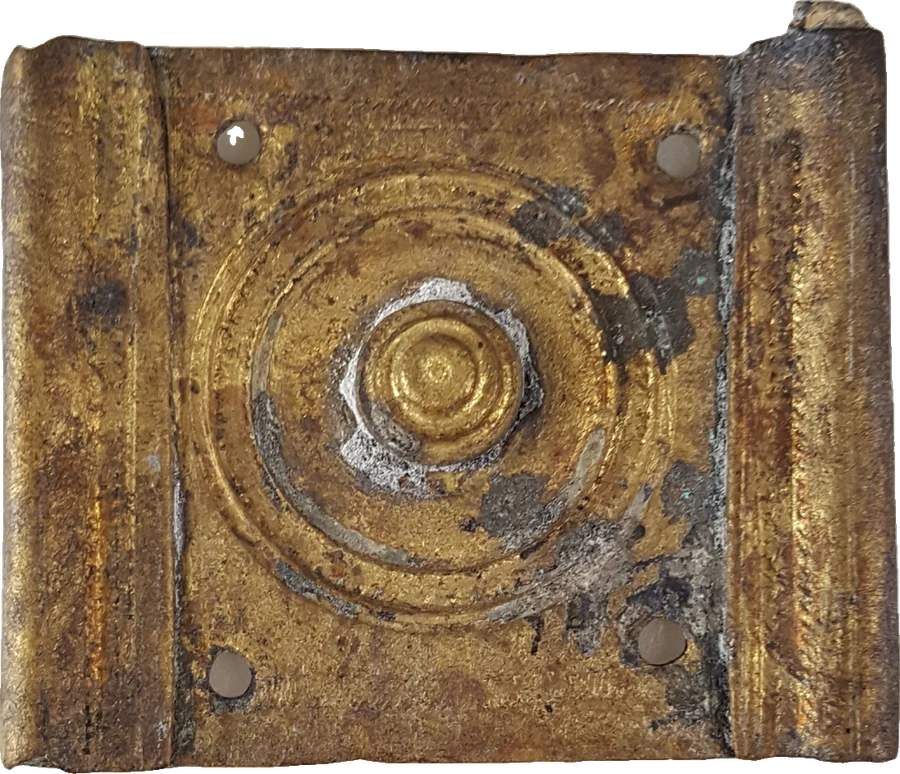 Bronze plate from a soldier's beltA.D. 40–250
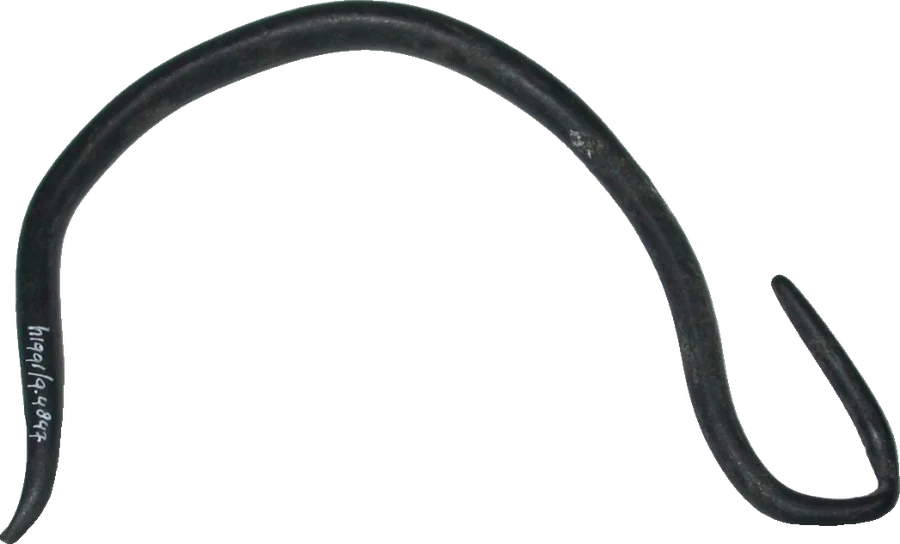 Bronze handle, broken at one endA.D. 40–250
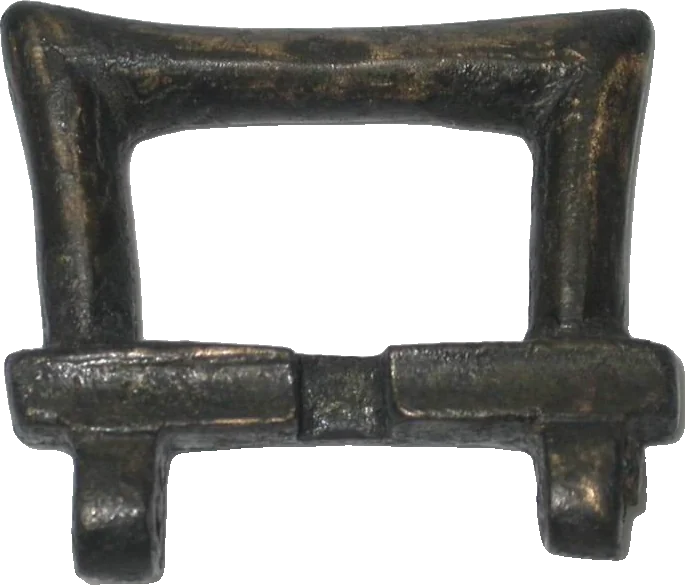 Part of a bronze buckleA.D. 40–250
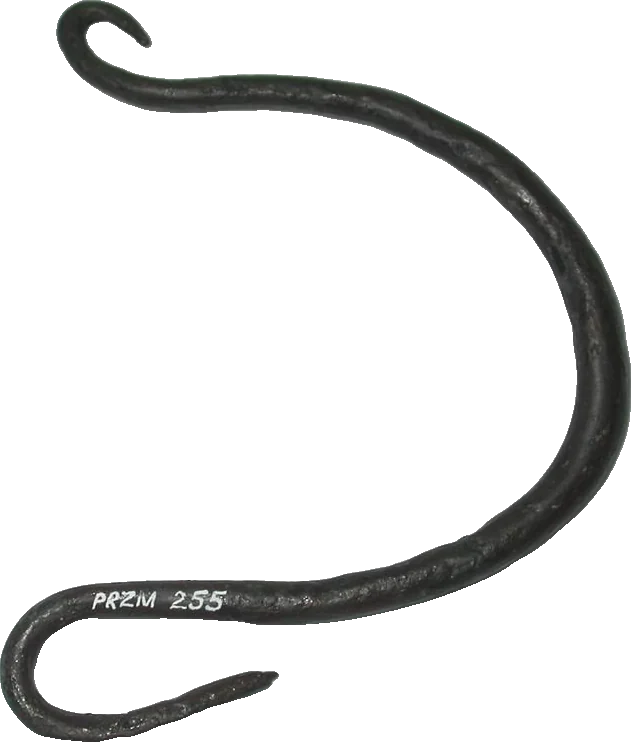 Bronze handleA.D. 40–250
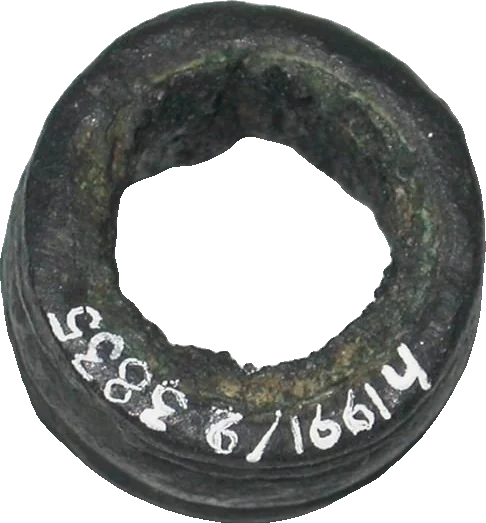 Bronze ringA.D. 40–250
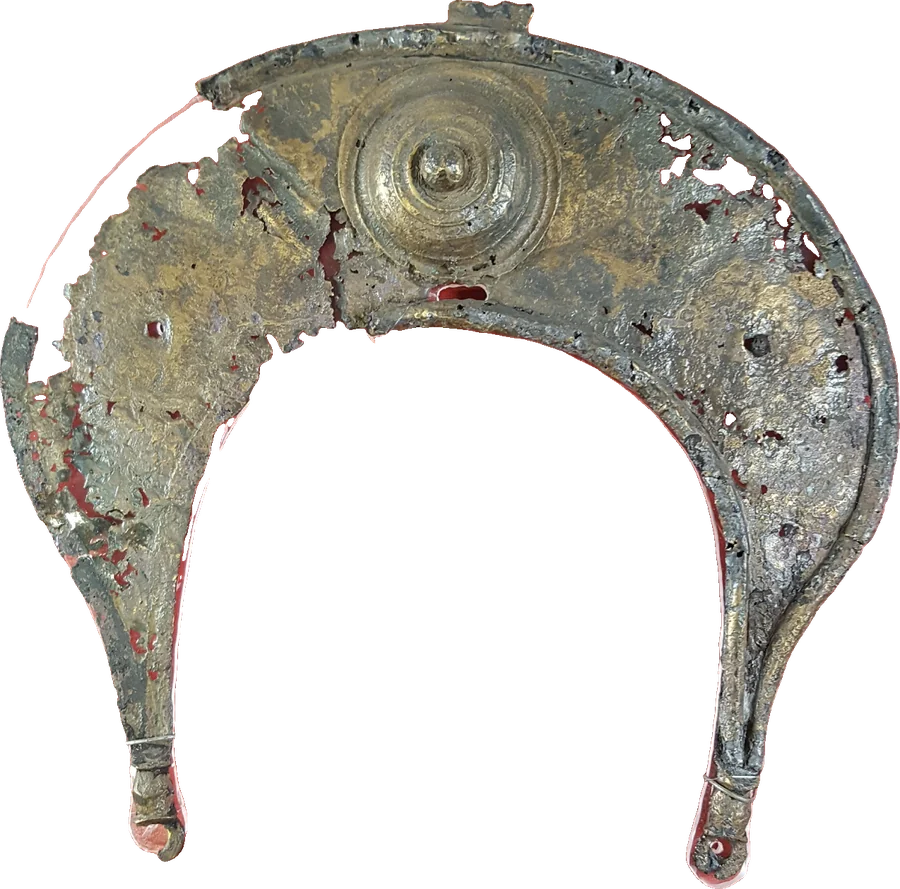 Crescent-shaped bronze amulet (lunula)A.D. 40–250
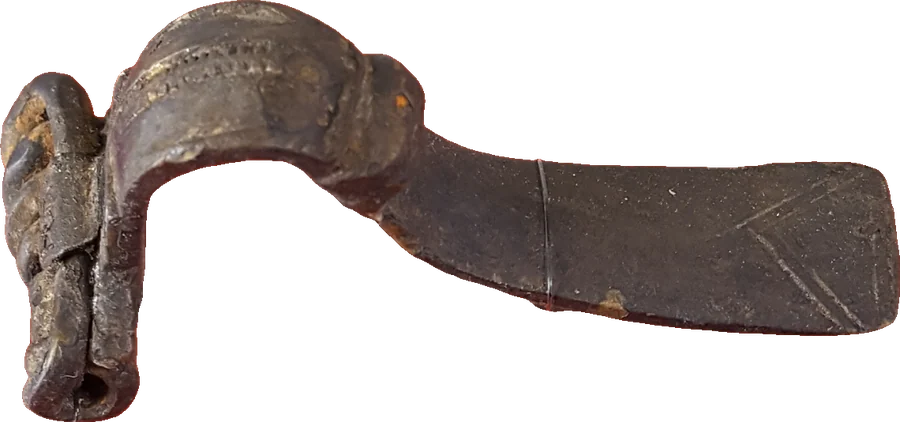 Bronze "eye" broochA.D. 40–250
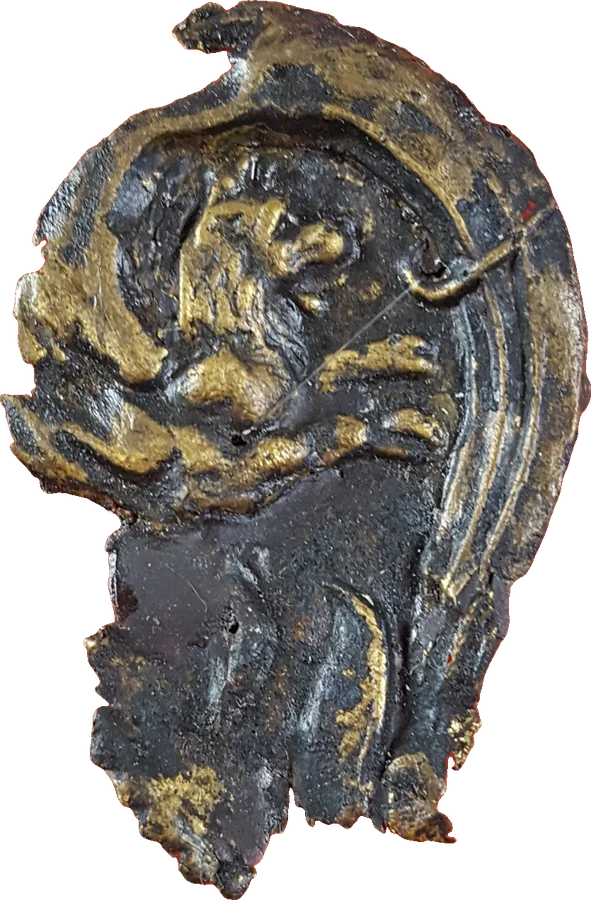 Bronze mount with a griffinA.D. 40–250
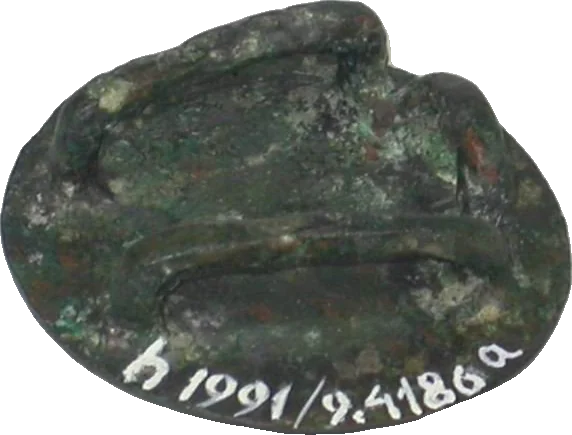 Round bronze harness mountA.D. 40–250
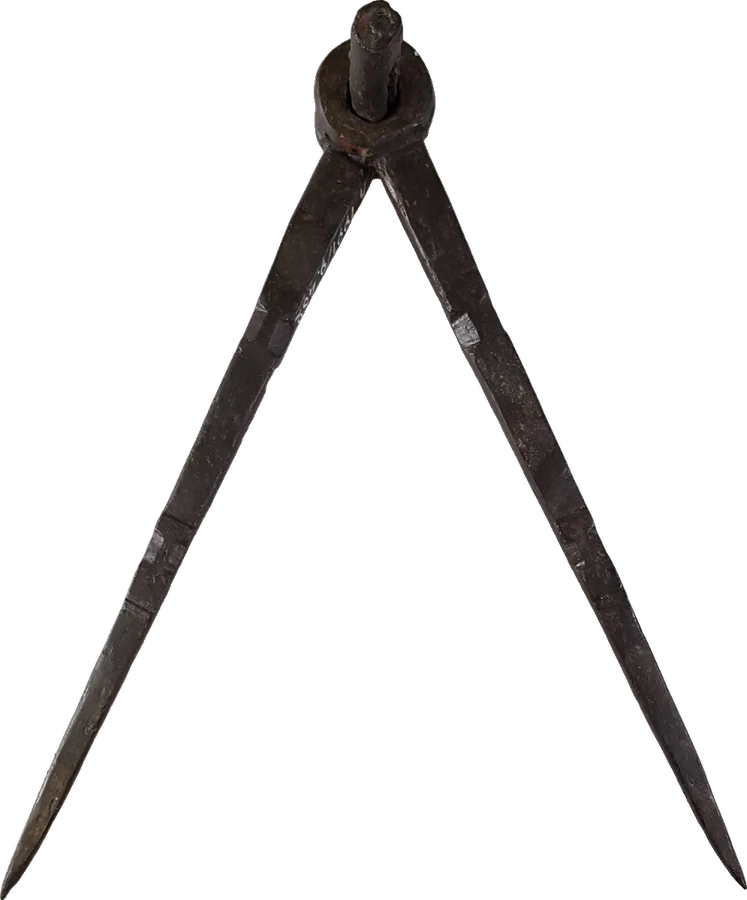 Iron dividersA.D. 40–250
 Iron knifeA.D. 40–250
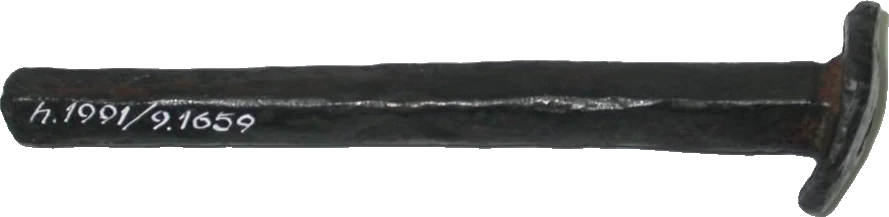 Iron nailA.D. 40–250
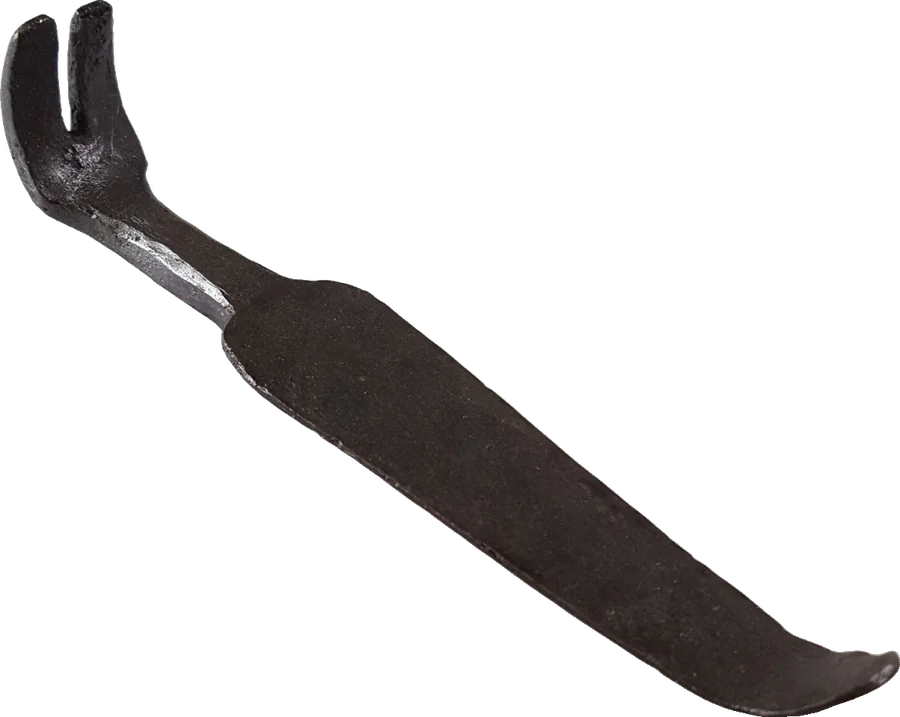 Small iron tool with two prongsA.D. 40–250
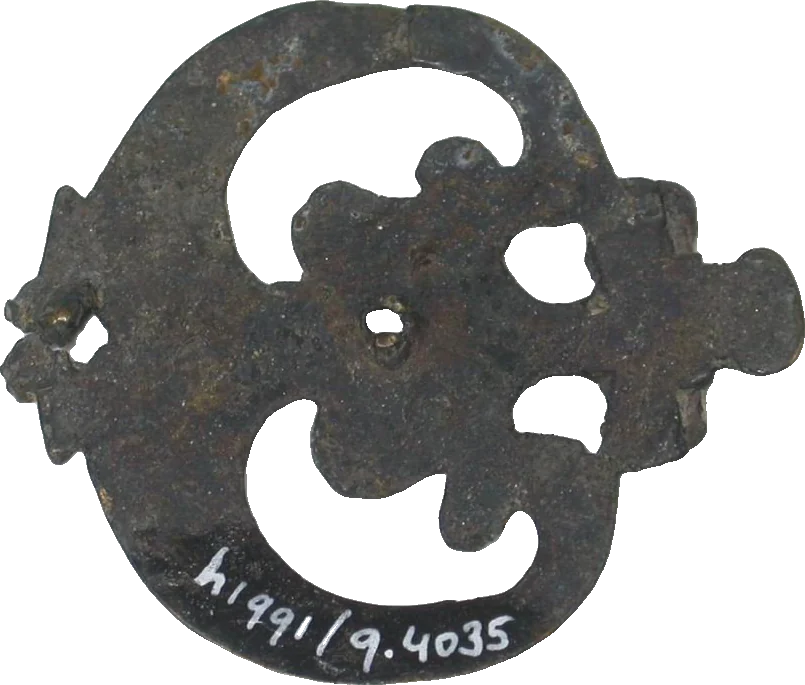 Openwork bronze buckleA.D. 40–250
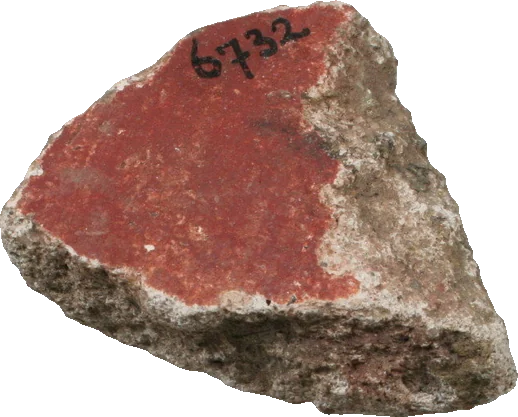 Piece of wall painting with red paintA.D. 40–250
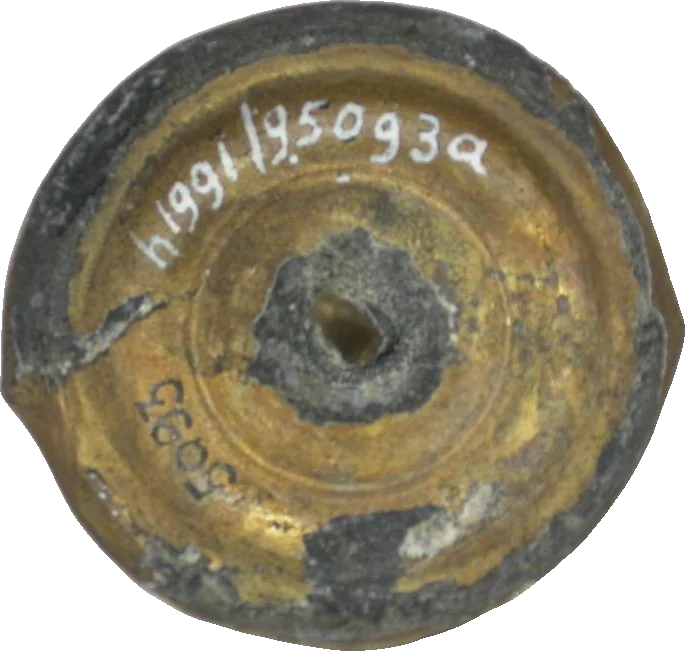 Round bronze knobA.D. 40–250
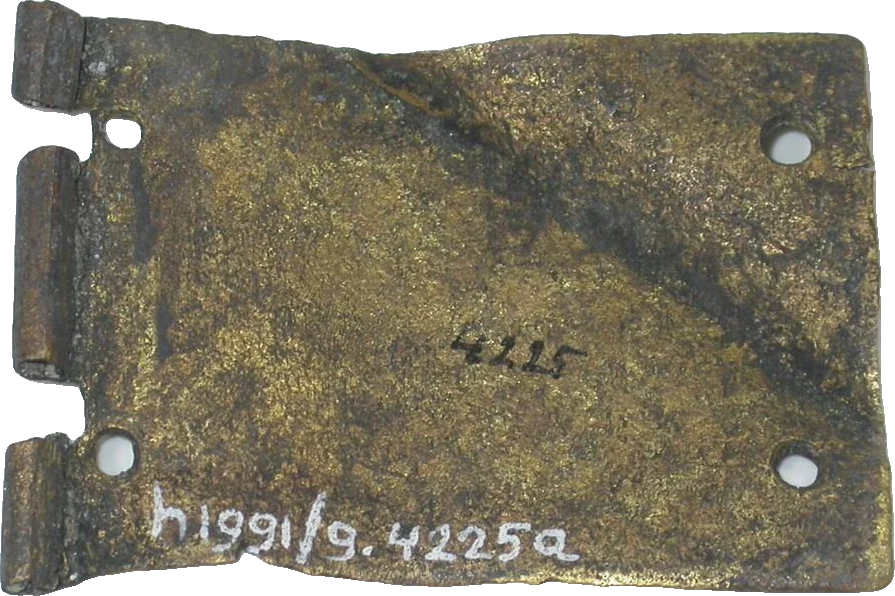 Small bronze belt plateA.D. 40–250
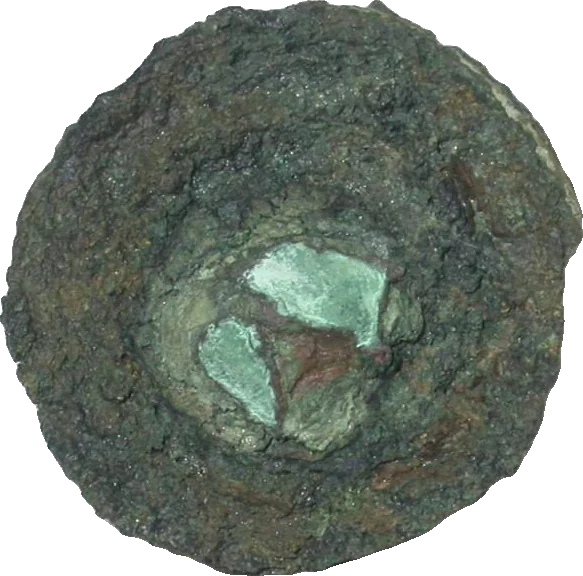 Small bronze knobA.D. 40–250
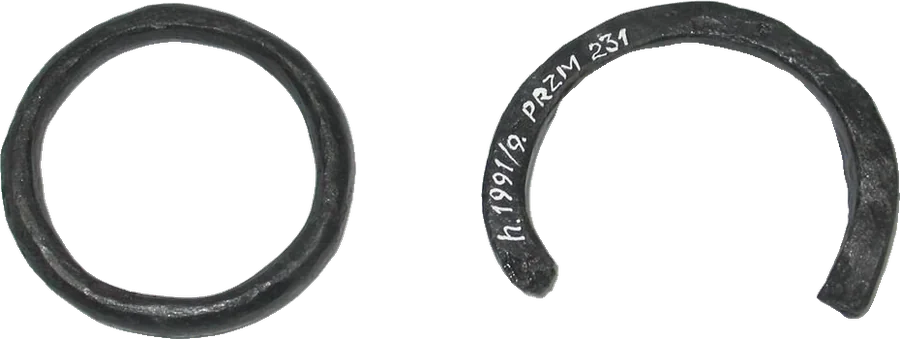 Two iron ringsA.D. 40–250
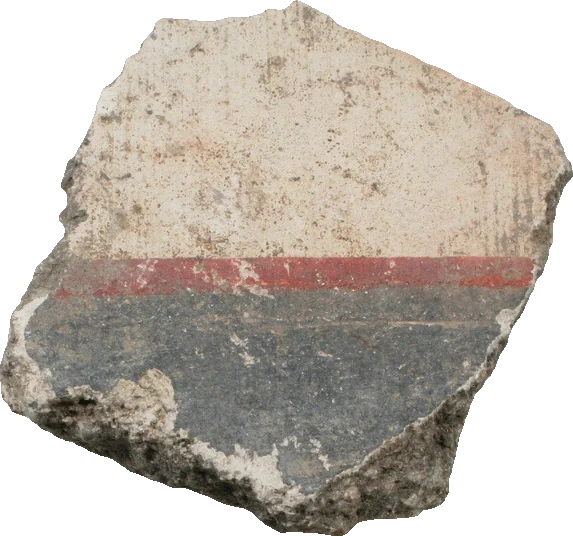 Piece of wall painting, white with black and a red bandA.D. 40–250
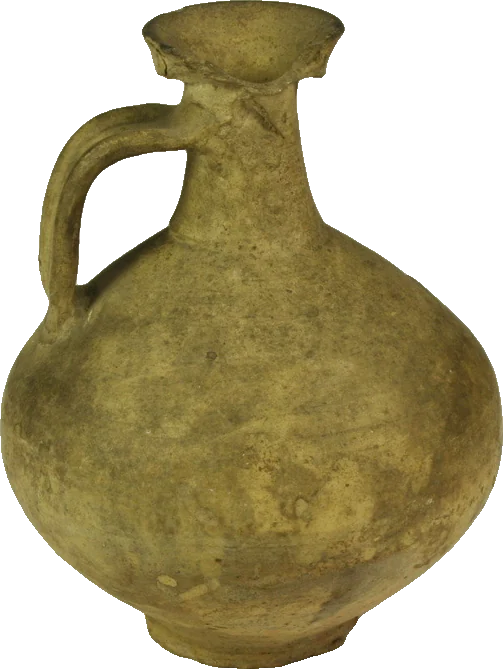 Pipeclay jugca. A.D. 50
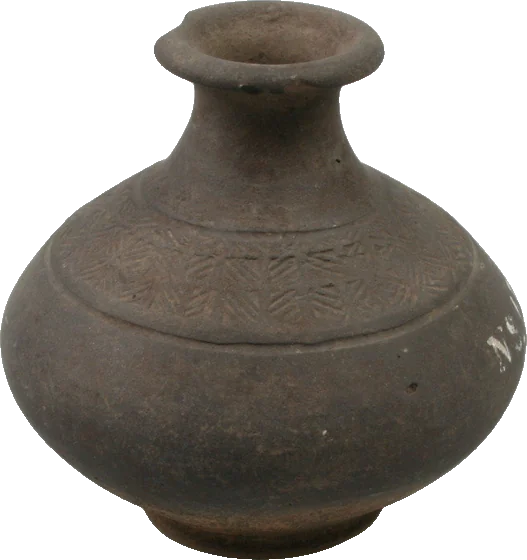 Little terra nigra flaskca. A.D. 50
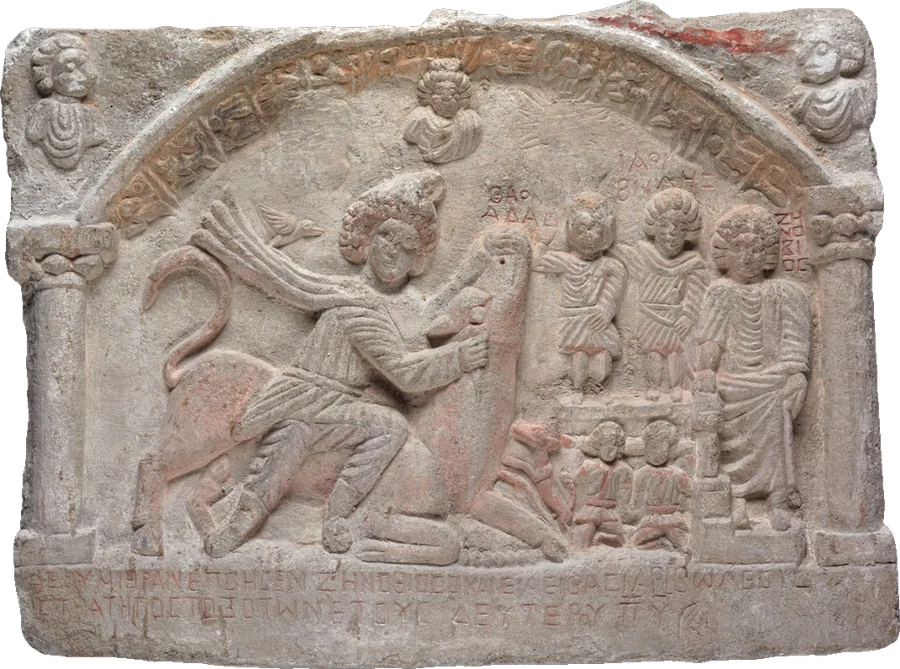 Cult Relief of Mithras Slaying the Bull (Tauroctony)ca. A.D. 170–71
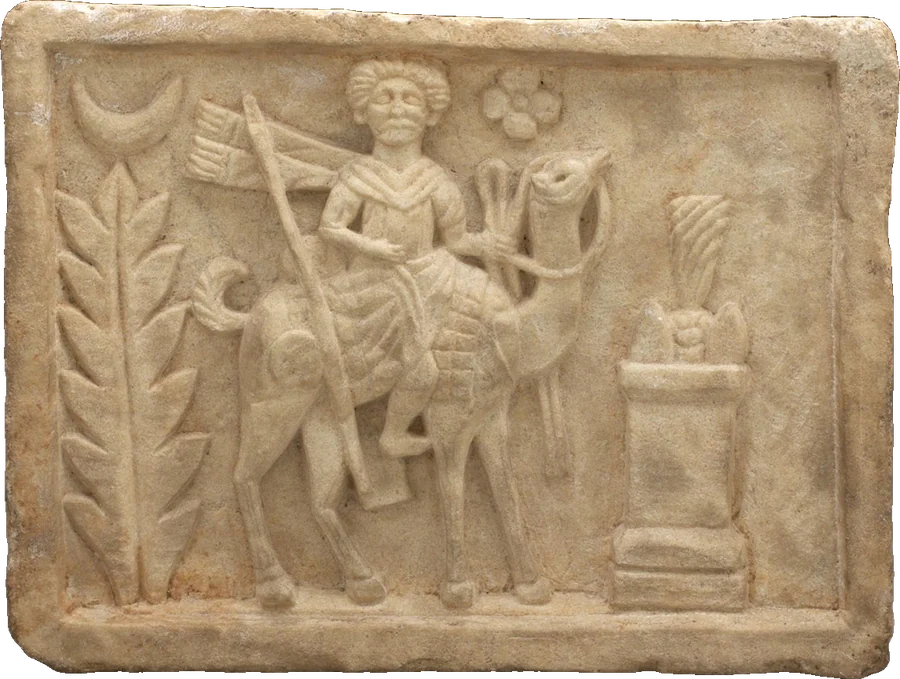 Arsu Riding a Camelca. 2nd century A.D.
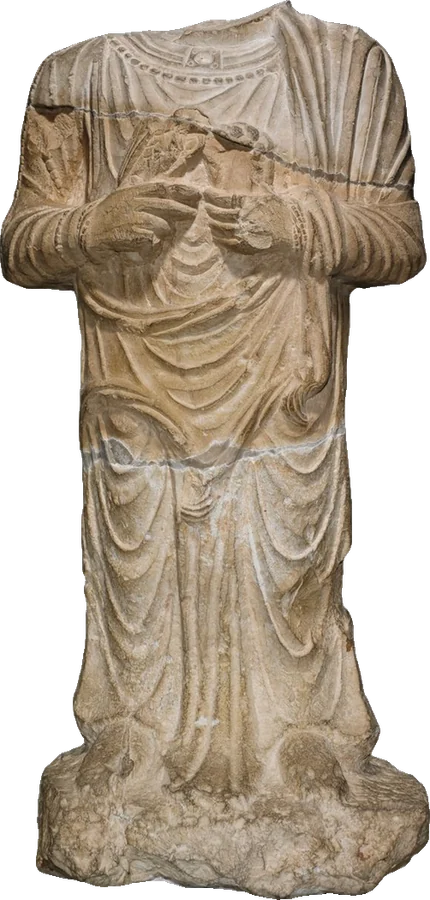 Statue of Palmyrene Childca. A.D. 100–150
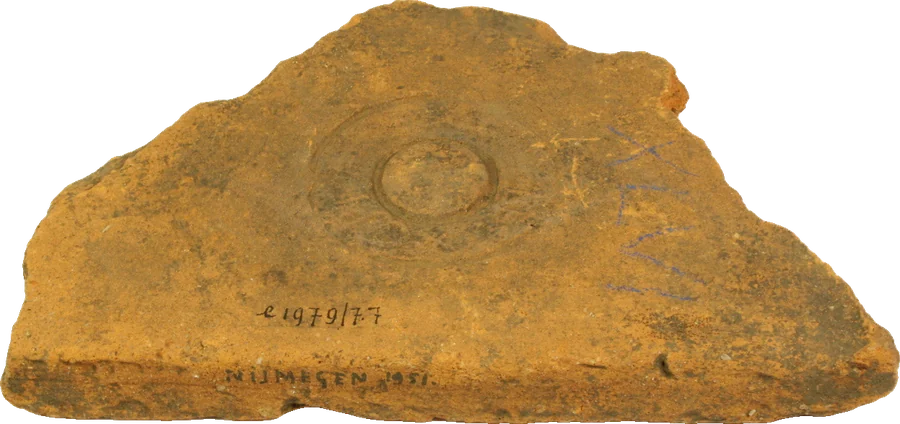 Roof tile stamped by the Tenth LegionA.D. 89–300
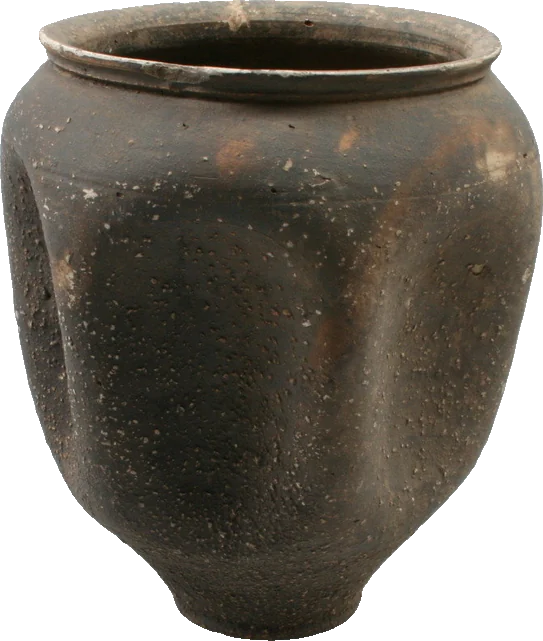 Grey beaker with pinched-in sidesA.D. 100–200
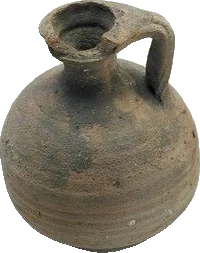 Jug2nd–3rd century A.D.
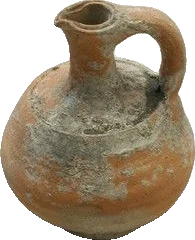 Jug2nd–3rd century A.D.
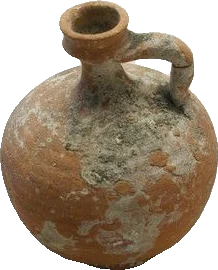 Jug2nd–3rd century A.D.
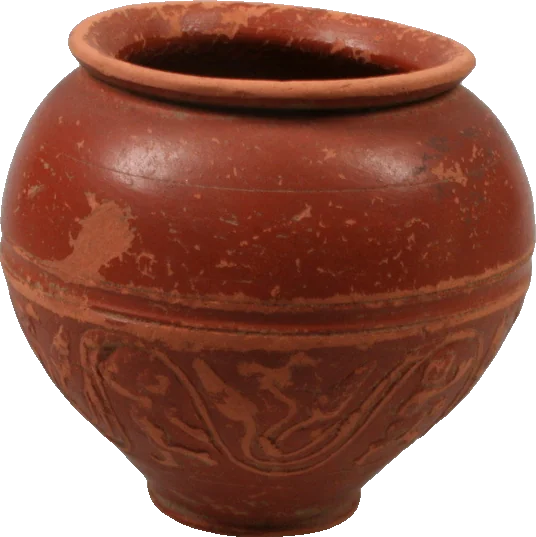 Terra sigillata pot with relief decorationA.D. 100–120
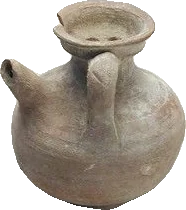 jug2nd–3rd century A.D.
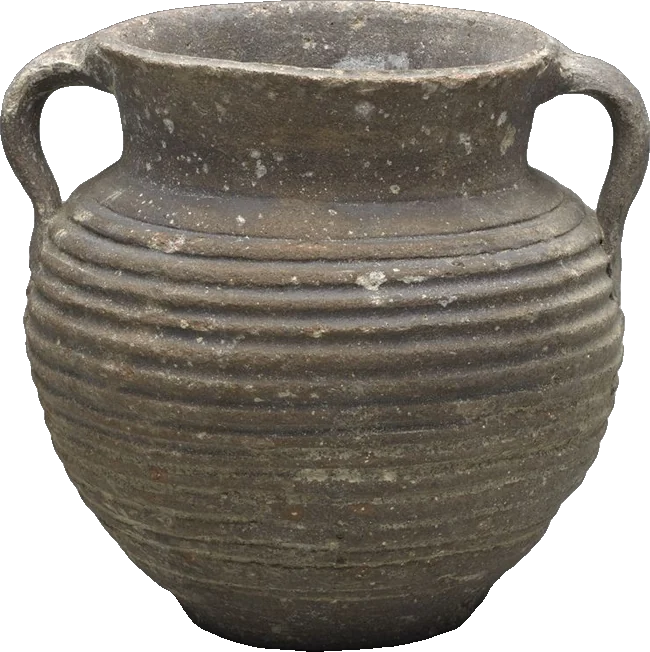 Jug with two handles2nd–3rd century A.D.
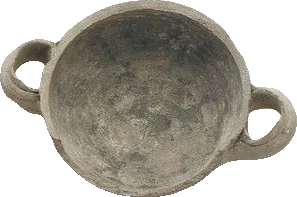 Votive Cup2nd–3rd century A.D.
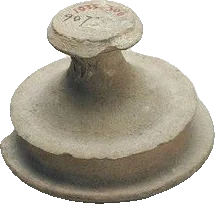 Votive Cup2nd–3rd century A.D.
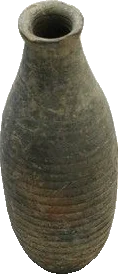 BottleA.D. 150–350
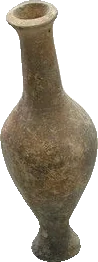 BottleA.D. 150–350
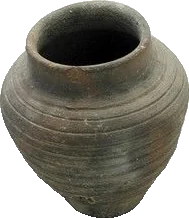 BottleA.D. 150–350
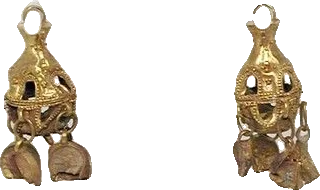 Gold Earringsca. A.D. 165–256
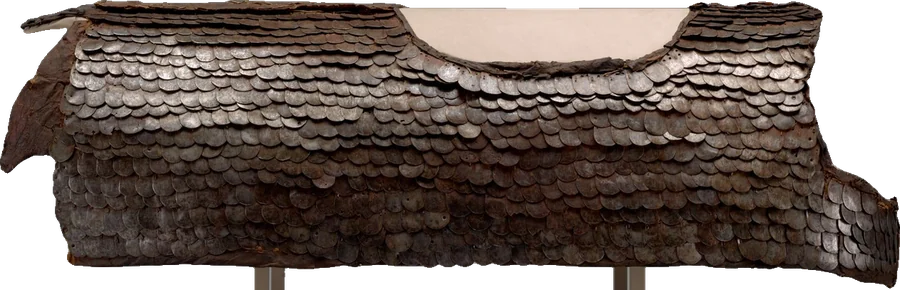 Horse Armorca. A.D. 165–256
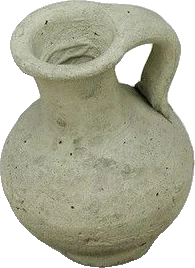 Small jugA.D. 165–256
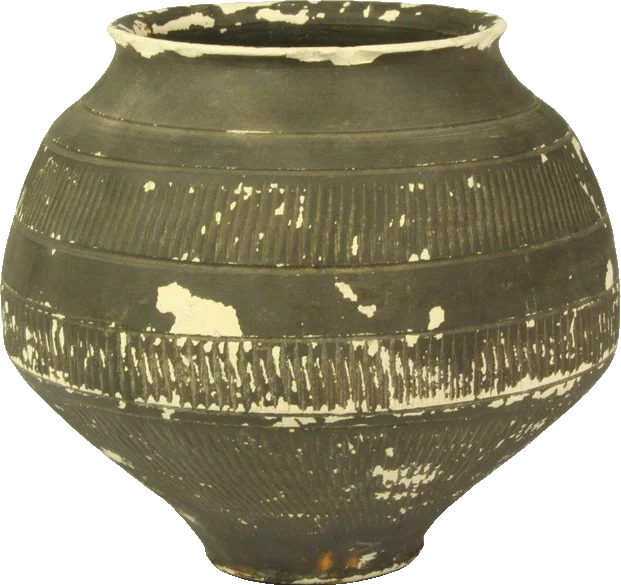 Beaker with a glossy coatA.D. 150–250
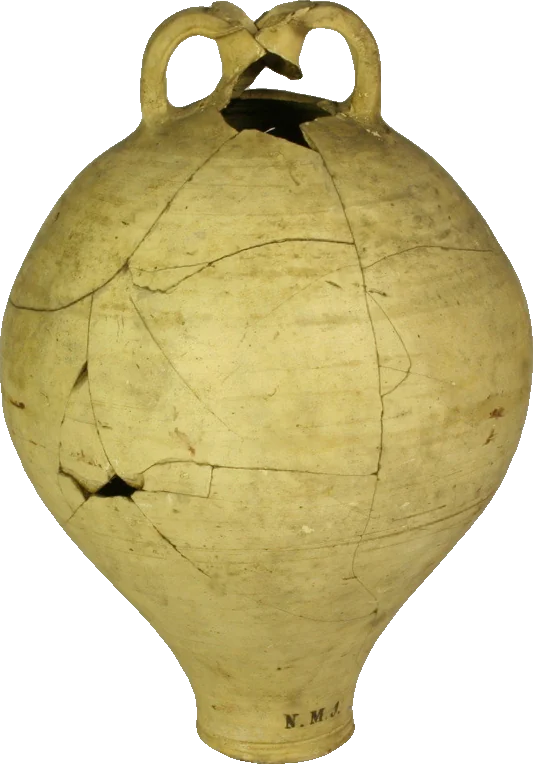 Tall pear-shaped jug-amphoraA.D. 150–200
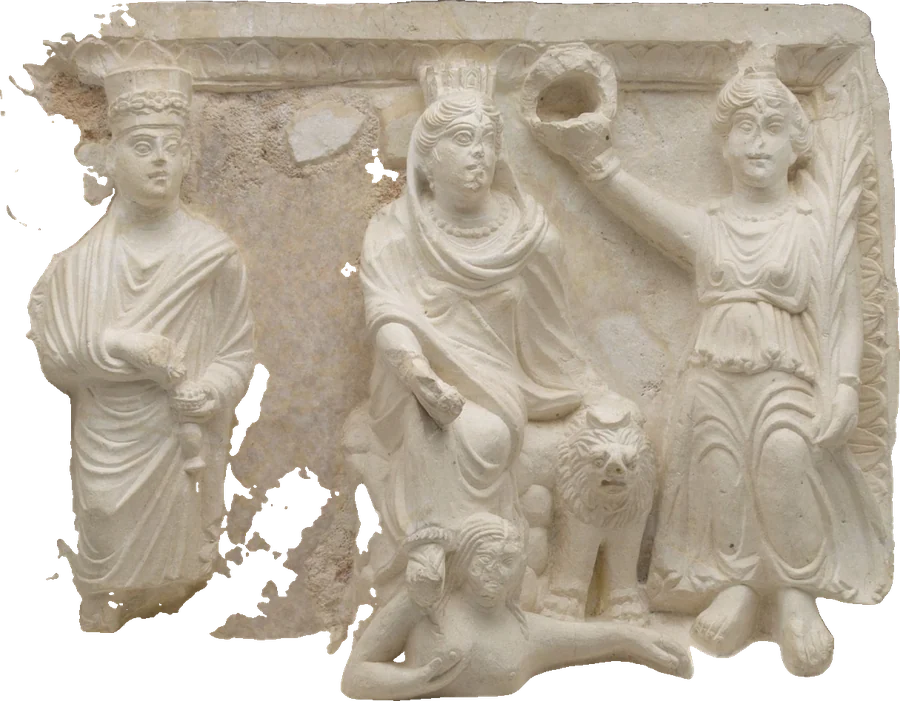 Cult relief of the Gad (Fortune) of Palmyra, from the Temple of the GaddeA.D. 159
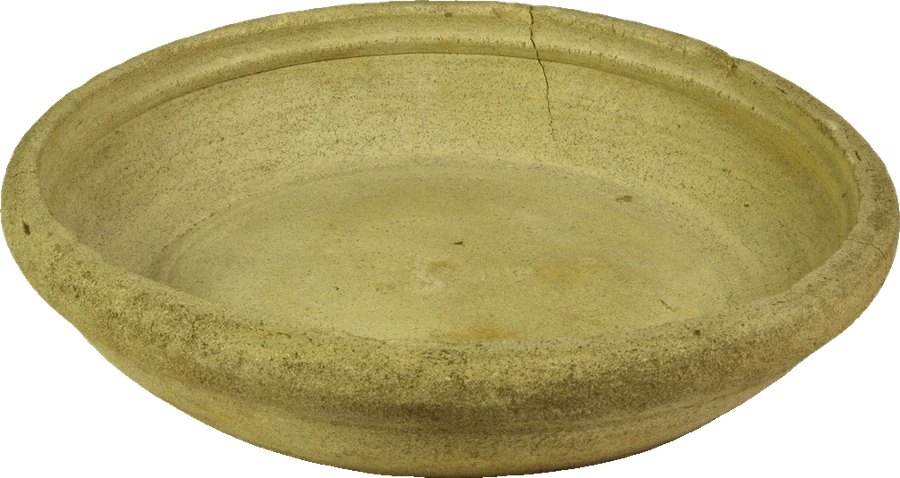 Light grey dishA.D. 175–325
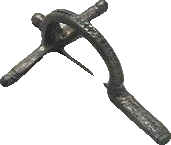 Bronze Crossbow FibulaA.D. 200–256
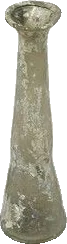 Long-Necked VaseProbably 3rd or 4th century A.D.
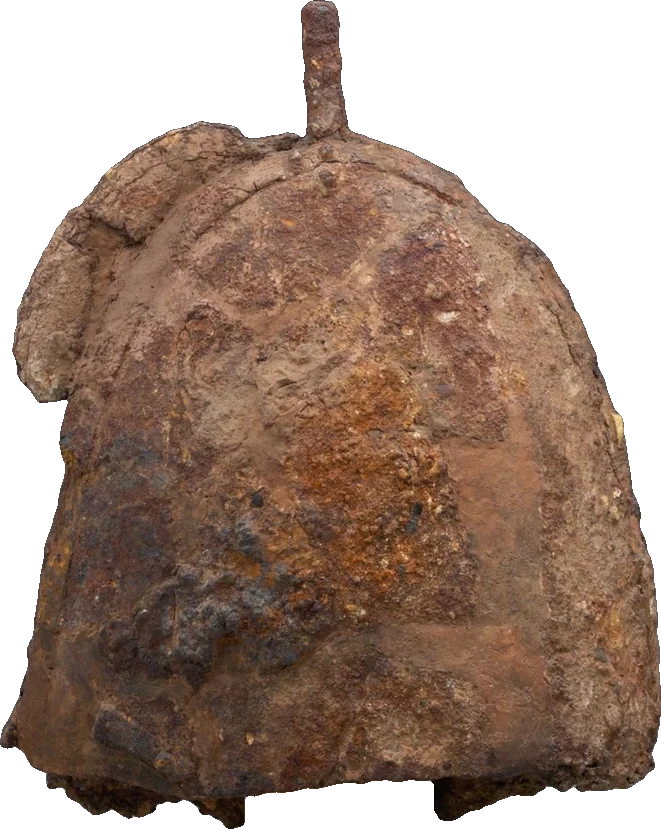 Sasanian helmet3rd century A.D.
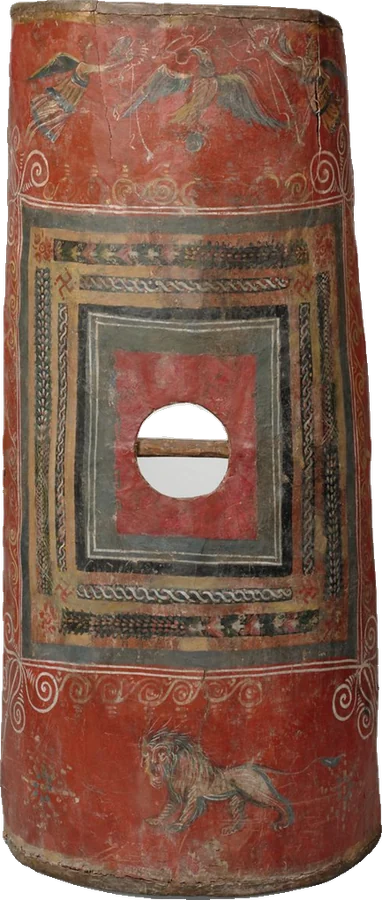 Scutum (Shield)mid-3rd century A.D.
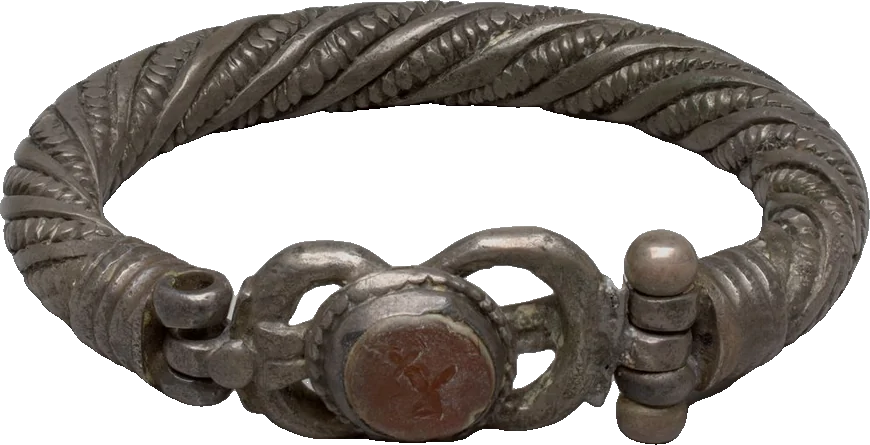 Silver Braceletmid 3rd Century
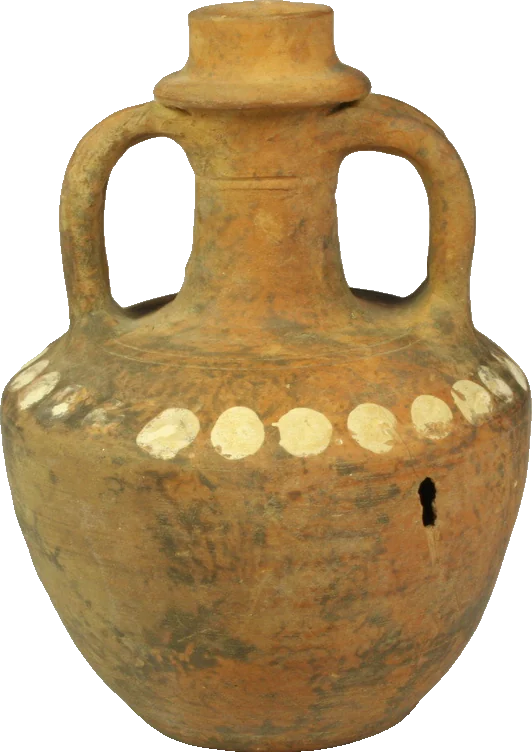 Two-handled jar with a wreath of white spotsA.D. 300–400
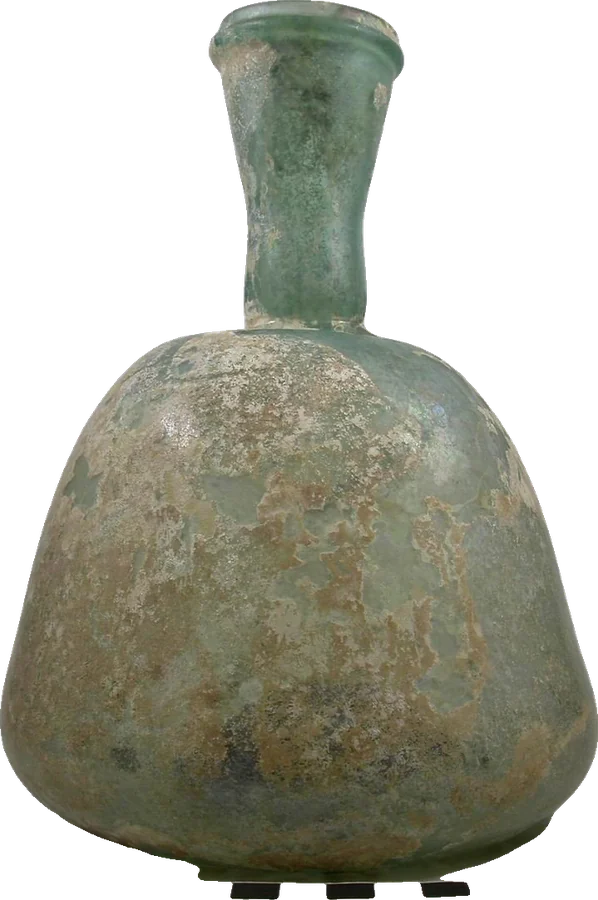 Blown glass bottleA.D. 300–400
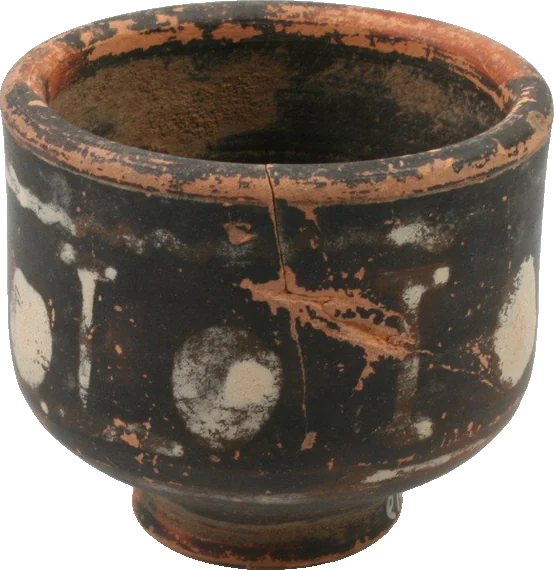 Drinking cup with the word "Felix"A.D. 300–400
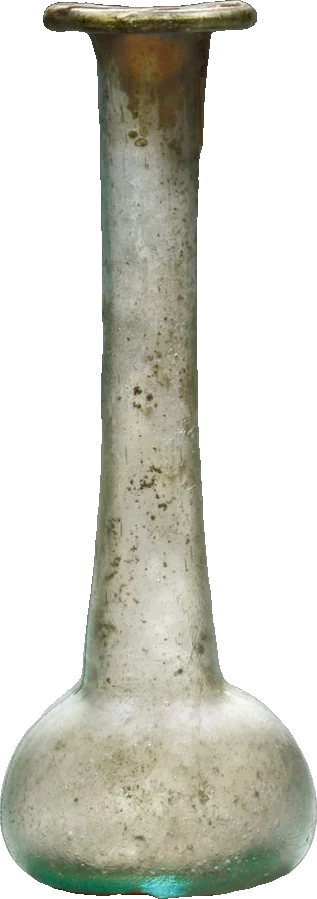 Candlestick Unguentarium4th–5th century A.D.
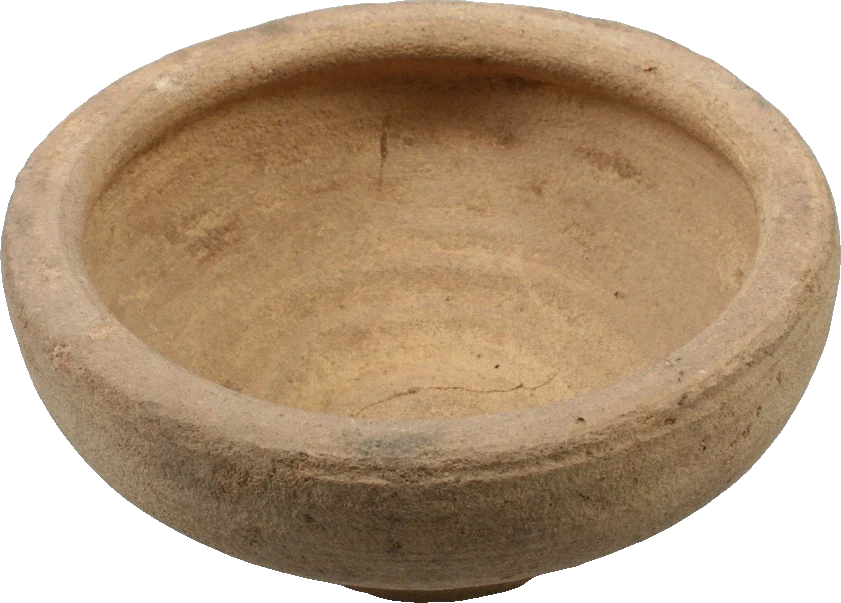 Rough-walled bowlA.D. 300–400
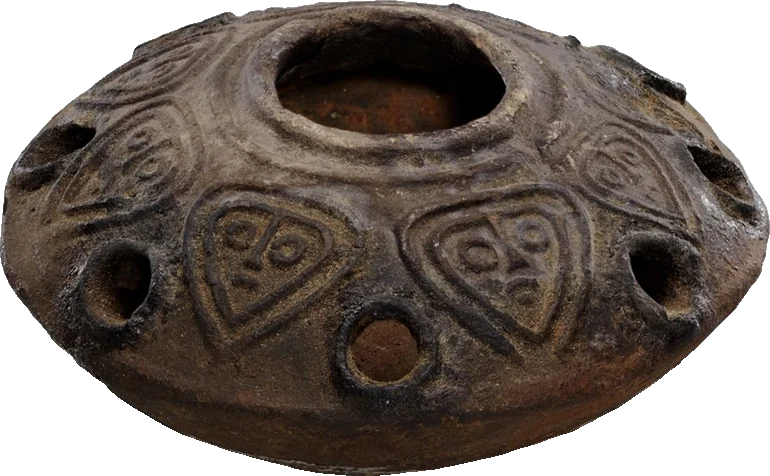 Round lamp with eight holes5th–6th century A.D.
Find these objects in the game at Dura-Europos, Nijmegen, Deir el-Bahri, Gerasa, Valkenburg.
Play Digopolis